4012 Results for "

NO Production

" in MedChemExpress (MCE) Product Catalog:
Products (4012)

4012 Results for "NO Production" in MCE Product Catalog:

Cat. No.: HY-101059
CAS No.: 142720-24-9
Purity:  99.95%
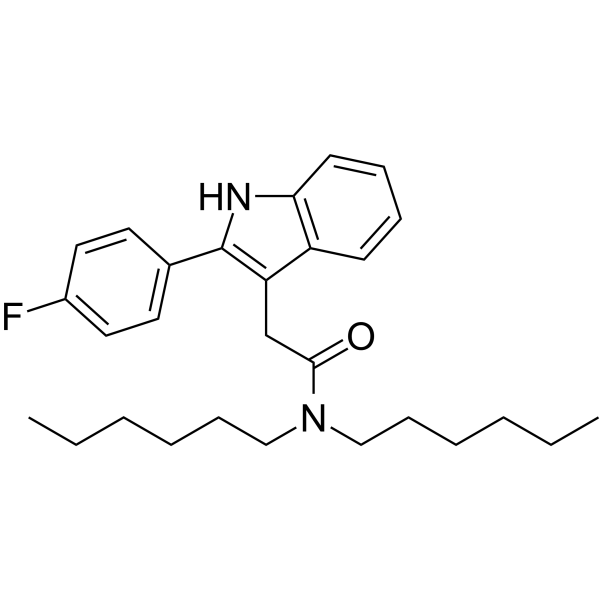
FGIN-1-27 is a blood-brain barrier-penetrant TSPO ligand with a Ki value of 5 nM. FGIN 1-27 inhibits PKC-β, PKA/CREB, p38/ERK MAPK, MITF, tyrosinase, TRP-1, and TRP-2, thereby inhibiting melanogenesis and pigmentation. FGIN-1-27 alleviates X-ray radiation-induced astrocyte mitochondrial hyperfunction, reduces ROS and superoxide production, inhibits excessive activation of A1-type astrocytes, downregulates GFAP and C3 protein expression, and restores astrocyte proliferative capacity. FGIN-1-27 produces anticonvulsant effects in normal mice; in diazepam-withdrawn mice, the brain MDR pathway becomes subsensitive, and the anticonvulsant activity disappears. FGIN-1-27 attenuates pigmentation in zebrafish embryos and ameliorates UVB-induced skin pigmentation in guinea pigs. FGIN-1-27 directly stimulates testicular Leydig cells while upregulating luteinizing hormone levels, causing an acute increase in serum testosterone in male rats. FGIN 1-27 can be used for research related to hyperpigmentation, epilepsy, brain injury, and other diseases .
loading...
    loading...
Cat. No.: HY-181163
Caspase-3/7 activator 4 is a caspase-3 activator and caspase-7 activator. Caspase-3/7 activator 4 inhibits key enzymes in estrogen biosynthesis, including aromatase (IC50 = 38.3 nM) and steroid sulfatase (IC50 = 12.7 µM), and selectively suppresses COX-2 (IC50 = 5.38 µM). Caspase-3/7 activator 4 shows strong antioxidant activity (DPPH: IC50 = 16.26 µM). Caspase-3/7 activator 4 inhibits estrogen synthesis, suppresses estrogen availability, reduces prostaglandin production, increases caspase-3/7 expression, induces G0/G1 cell cycle arrest, induces apoptotic cell death, reduces circulating TNF-α and VEGFR-II levels, restores hepatorenal function markers and histoarchitecture, restores antioxidant defense enzyme activity, reduces lipid peroxidation, exerts antiproliferative activity against breast cancer cells, exerts antitumor activity in the Ehrlich ascites carcinoma models. Caspase-3/7 activator 4 can be used for the research of breast cancer, ehrlich ascites carcinoma .
loading...
    loading...
Cat. No.: HY-N13828
CAS No.: 484678-79-7
1-Prenyl-2-methoxy-6-formyl-8-hydroxy-9H-carbazole (Compound 19) is a carbazole alkaloid that can be isolated from Murraya koenigii. 1-Prenyl-2-methoxy-6-formyl-8-hydroxy-9H-carbazole exhibits anti-inflammatory and antimicrobial activities. 1-Prenyl-2-methoxy-6-formyl-8-hydroxy-9H-carbazole can inhibit the production of pro-inflammatory cytokines TNF-α and IL-6 . 1-Prenyl-2-methoxy-6-formyl-8-hydroxy-9H-carbazole has IC50 values of 10.9 μM and 95 μM for Bacillus cereus and Staphylococcus aureus, respectively. 1-Prenyl-2-methoxy-6-formyl-8-hydroxy-9H-carbazole can be used in the research of inflammatory and infectious diseases .
loading...
    loading...
Cat. No.: HY-N20674
CAS No.: 76472-89-4
Chalcomoracin is an orally active anticancer agent. Chalcomoracin exhibits anticancer, antibacterial, and α-glucosidase inhibitory activities, with an IC50 of 14.23 µM against yeast α-glucosidase and an IC50 of 5.5 μM against FabI of Staphylococcus aureus. Chalcomoracin reduces the phosphorylation levels of ERK, JNK, and P38; enhances the phosphorylation level of ERK1/2; regulates the MAPK, mTOR, AKT, and p53 signaling pathways; upregulates the expression of Chop, Bip, PINK1, GRP78, and GADD153; and downregulates the expression of Alix. Chalcomoracin induces apoptosis (apoptosis), endoplasmic reticulum stress (endoplasmic reticulum stress), paraptosis (paraptosis), ROS production, mitophagy (mitophagy), and autophagy (autophagy); it inhibits cancer cell viability, colony-forming ability, migration, invasion, proliferation, tumorigenesis, fatty acid synthesis, S. aureus growth, vitreous-stimulated retinal cell activity, and cell cycle progression at the G0/G1 phase. Chalcomoracin can be used in research related to hepatocellular carcinoma, non-small cell lung cancer, triple-negative breast cancer, prostate cancer, proliferative vitreoretinopathy, pancreatic cancer, diabetes, and bacterial infections .
loading...
    loading...
Cat. No.: HY-N2593R
CAS No.: 32507-66-7
Isorhapontigenin (Standard) is the analytical standard of Isorhapontigenin (HY-N2593). This product is intended for research and analytical applications. Isorhapontigenin is an orally active dietary polyphenol. Isorhapontigenin acts as a potent antioxidant that reduces the production of reactive oxygen species (ROS). Isorhapontigenin promotes the binding of JUN to the AP-1 site on the SESN2 promoter, induces SESN2 transcription, triggers MAPK8-dependent JUN activation, and upregulates the expression of PPAR-α, PGC-1α and CPT-1A to facilitate fatty acid oxidation. Isorhapontigenin induces autophagy, apoptosis and preadipocyte differentiation; it inhibits tumor growth, cell invasion, NF-κB transcriptional activity, the PI3K/Akt signaling pathway, STAT1 phosphorylation and MMP-2 expression. Isorhapontigenin alleviates oxidative stress, inflammatory cytokine release and triglyceride accumulation; it increases intracellular ATP levels and promotes Nrf2 nuclear translocation. Isorhapontigenin improves insulin sensitivity in adipose tissue and glucose tolerance, and reduces postprandial blood glucose, insulin and free fatty acid levels. Isorhapontigenin is applicable to research on bladder cancer, liver injury, chronic obstructive pulmonary disease, acute lung injury and type 2 diabetes.
loading...
    loading...
Cat. No.: HY-W028393R
CAS No.: 392-12-1
Indole-3-pyruvic acid (Standard) is the analytical standard of Indole-3-pyruvic acid (HY-W028393). This product is intended for research and analytical applications. Indole-3-pyruvic acid is an orally active ketone analog of tryptophan, and is an aryl hydrocarbon receptor (AHR) agonist. Indole-3-pyruvic acid inhibits p38/MAPK phosphorylation, regulates the tryptophan metabolic pathway, and also possesses protective activities against skin photodamage, as well as anti-inflammatory and anti-anxiety bioactivities in the gut. Indole-3-pyruvic acid can downregulate the expression of IL-1β, IL-6, Cox-2, and Bax to alleviate UVB-induced keratinocyte toxicity. Indole-3-pyruvic acid can activate AHR to promote Tr1 cell differentiation, increase IL-10, and inhibit Th1 cytokine production. Indole-3-pyruvic acid can alter the levels of kynurenine metabolites in the brain, mediating central nervous system-related effects. Indole-3-pyruvic acid can be used in research on skin lesions, colitis, and anxiety .
loading...
    loading...
Cat. No.: HY-W040255
CAS No.: 89947-79-5
Synonyms: PGPC
1-Palmitoyl-2-glutaryl-sn-glycero-3-phosphocholine is an oxidized phospholipid. 1-Palmitoyl-2-glutaryl-sn-glycero-3-phosphocholine reduces the viability of HUVECs, increases the levels of ferrous ions and lipid peroxidation, promotes the production of superoxide anions, and decreases the levels of glutathione and GPX4 in cells. 1-Palmitoyl-2-glutaryl-sn-glycero-3-phosphocholine upregulates the mRNA and protein levels of FABP3 in HUVECs, impairs mitochondrial membrane potential, and induces ferroptosis-related changes as well as mitochondrial dysfunction and damage. 1-Palmitoyl-2-glutaryl-sn-glycero-3-phosphocholine activates caspase-11 and promotes the continuous release of IL-1β from macrophages and dendritic cells. 1-Palmitoyl-2-glutaryl-sn-glycero-3-phosphocholine inhibits the proliferation of aortic smooth muscle cells and induces apoptosis in these cells. 1-Palmitoyl-2-glutaryl-sn-glycero-3-phosphocholine is applicable to relevant research on atherosclerosis .
loading...
    loading...
Cat. No.: HY-L250
61 compounds

In the progression of various diseases, metabolic reprogramming has emerged as a key hallmark. Lactate, as an important metabolic signaling molecule, is widely involved in tumorigenesis, immune regulation, and inflammatory responses. Particularly within the tumor microenvironment, the abnormal accumulation of lactate not only affects cellular energy metabolism but also promotes disease progression by modulating immune cell functions and mediating protein lactylation, thereby participating in epigenetic regulation and signaling networks. Therefore, systematic investigation of lactate metabolic pathways and their associated metabolites is of great significance for understanding disease mechanisms and developing novel therapeutic strategies.

The MCE lactic acid metabolite compound library contains 61 compounds and is constructed around key metabolic pathways involving lactate production, transport, and utilization. This library systematically includes core intermediates from glycolysis, the tricarboxylic acid (TCA) cycle, and the lactate cycle. Focusing on disease-associated metabolic reprogramming, it is suitable for research in oncology, inflammation, and metabolic disorders. The library can be used to elucidate the roles of lactate in tumor microenvironment regulation, immune evasion, and epigenetic modifications (such as protein lactylation). In addition, it provides high-quality small-molecule resources for drug screening, facilitating the discovery of potential modulators targeting key enzymes (such as LDH) or transporters (such as MCTs) involved in lactate metabolism.

Cat. No.: HY-101059R
CAS No.: 142720-24-9
FGIN 1-27 (Standard) is the analytical standard of FGIN 1-27 (HY-101059). This product is intended for research and analytical applications. FGIN-1-27 is a blood-brain barrier-penetrant TSPO ligand with a Ki value of 5 nM. FGIN 1-27 inhibits PKC-β, PKA/CREB, p38/ERK MAPK, MITF, tyrosinase, TRP-1, and TRP-2, thereby inhibiting melanogenesis and pigmentation. FGIN-1-27 alleviates X-ray radiation-induced astrocyte mitochondrial hyperfunction, reduces ROS and superoxide production, inhibits excessive activation of A1-type astrocytes, downregulates GFAP and C3 protein expression, and restores astrocyte proliferative capacity. FGIN-1-27 produces anticonvulsant effects in normal mice; in diazepam-withdrawn mice, the brain MDR pathway becomes subsensitive, and the anticonvulsant activity disappears. FGIN-1-27 attenuates pigmentation in zebrafish embryos and ameliorates UVB-induced skin pigmentation in guinea pigs. FGIN-1-27 directly stimulates testicular Leydig cells while upregulating luteinizing hormone levels, causing an acute increase in serum testosterone in male rats. FGIN 1-27 can be used for research related to hyperpigmentation, epilepsy, brain injury, and other diseases .
loading...
    loading...
Cat. No.: HY-124529
CAS No.: 37116-80-6
Lunularin is an inhibitor of 11β-hydroxysteroid dehydrogenase 1, with an IC50 of 45.44 μM and a Ki of 35.8 μM against human 11β-HSD1, and an IC50 of 17.39 μM and a Ki of 10.31 μM against rat 11β-HSD1. Lunularin upregulates the transcription levels of Sirt1 and Hmox1 genes in the liver. Lunularin reduces food intake and body weight gain, and decreases blood glucose levels in mice fed a high-fat diet. Lunularin inhibits LPS-induced TLR4-mediated NF-κB pathway activation and nitric oxide production. Lunularin inhibits the proliferation and colony formation of renal cancer and colon cancer cells, and exhibits cancer cell-specific cytotoxicity. Lunularin binds to the steroid-binding site of human 11β-HSD1 and the steroid/NADPH-binding region of rat 11β-HSD1, but does not inhibit 11β-HSD2 or mouse 11β-HSD1. Lunularin can be used in research related to diet-induced obesity, renal cancer, colorectal cancer, inflammatory diseases and metabolic syndrome .
loading...
    loading...
Cat. No.: HY-156466
CAS No.: 2848664-42-4
Purity:  99.95%
Research Areas:  

Inflammation/Immunology

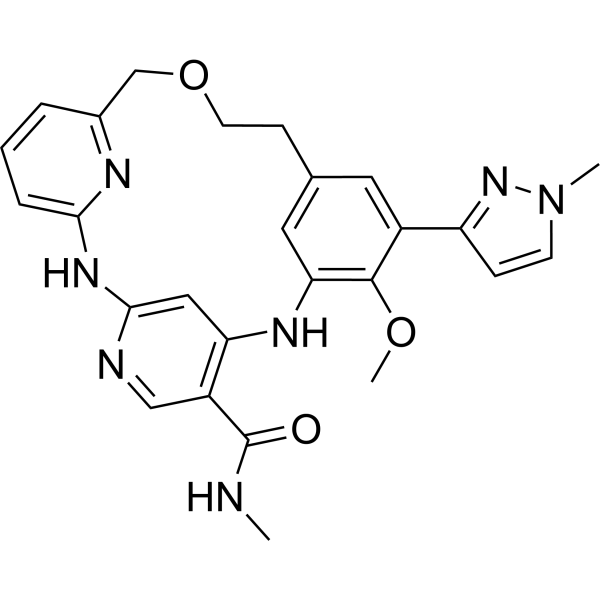
QL-1200186 is a selective, orally active, allosteric inhibitor targeting the tyrosine kinase TYK2 pseudokinase domain JH2 (IC50=0.06 nM, TYK2 JH2), with 164-fold selectivity over TYK1 JH2 (IC50=9.85 nM,TYK1 JH2). QL-1200186 first stabilizes the TYK2 JH2 conformation, inhibits the activity of the JH1 catalytic domain, and blocks the IFNα, IL-12/IL-23-mediated JAK-STAT signaling pathway. QL-1200186 can inhibit the production of Th1/Th17 cell-related cytokines (such as IFNγ, IL-23), reduce immune cell activation, and has no significant effect on JAK1/2/3 kinase activity. QL-1200186 can significantly improve skin inflammation in the Imiquimod (HY-B0180)-induced psoriasis mouse model and reduce the Psoriasis Area and Severity Index (PASI) score. QL-1200186 can be used in the study of autoimmune diseases such as psoriasis and systemic lupus erythematosus (SLE) .
loading...
    loading...
Cat. No.: HY-182360
Cytisine-Platinum(IV) Prodrug-1 is a Pt(IV) prodrug incorporating the natural compound Cytisine (HY-N0175) with antiproliferative activity against tumor cells. Cytisine-Platinum(IV) Prodrug-1 promotes calcium transfer across the IP3R1-GRP75-VDAC1 axis to drive mitochondrial calcium overload. Cytisine-Platinum(IV) Prodrug-1 initiates unfolded protein response via PERK, eIF2α, ATF4, and CHOP to modulate Bcl-2 and Bax, triggering apoptosis. Cytisine-Platinum(IV) Prodrug-1 induces mitochondrial dysfunction, ROS production, reduced ATP synthesis, DNA damage, and S-phase cell cycle arrest. Cytisine-Platinum(IV) Prodrug-1 activates the cGAS-STING pathway, reduces PD-L1 expression, drives immunogenic cell death. Cytisine-Platinum(IV) Prodrug-1 exhibits high physiological stability, efficient cellular accumulation, and enhanced platinum-DNA binding, and inhibits tumor growth in mouse models with reduced systemic toxicity. Cytisine-Platinum(IV) Prodrug-1 can be used for the research of lung cancer .
loading...
    loading...
Cat. No.: HY-18719S
CAS No.: 1584173-54-5
Endoxifen-d5 (Z-isomer) is the deuterated-labeled Endoxifen (Z-isomer methanesulfonate) (HY-18719H). Endoxifen-d5 Z-isomer is an orally active selective PKCβ1 inhibitor with an IC50 of 360 nM against human PKCβ1. It also acts as an estrogen receptor modulator and antiestrogen. Endoxifen-d5 Z-isomer binds to and blocks ERα, ERβ and PKCβ1, inhibits estrogen and PI3K/AKT/mTORC1 signaling pathways, suppresses the expression of genes associated with cell cycle, cell proliferation and extracellular matrix remodeling, and induces apoptosis, reactive oxygen species (ROS) production and hypoxic features. Endoxifen-d5 Z-isomer inhibits tumor growth in breast tumor and glioblastoma models, reduces bone turnover and blood lipid levels, and does not require metabolism via CYP2D6. It can be used in research related to ER + breast cancer, invasive breast cancer, glioblastoma multiforme, type I bipolar disorder, desmoid tumor, gynecological malignancies, melanoma and hormone receptor-positive solid tumors
loading...
    loading...
Cat. No.: HY-N1677
CAS No.: 530-55-2
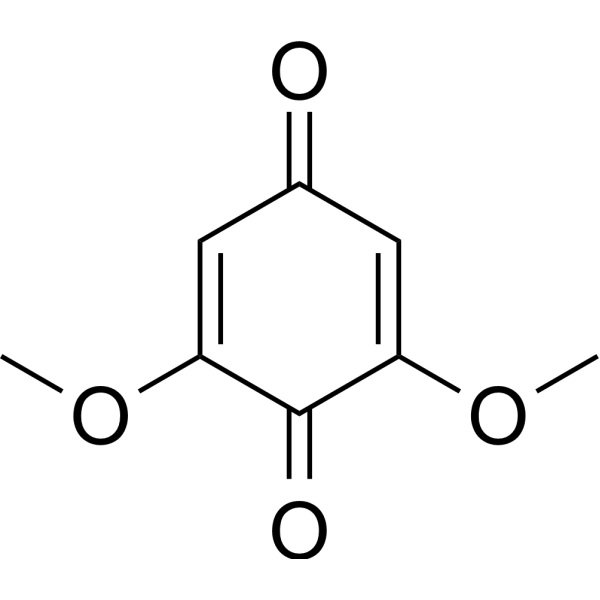
2,6-Dimethoxy-1,4-benzoquinone is a 1,4-benzoquinone derivative. 2,6-Dimethoxy-1,4-benzoquinone promotes phosphorylation of AKT, S6K, mTOR, 4E-BP1, and AMPK, and attenuates mTORC1 activity as part of the AKT/mTOR pathway. 2,6-Dimethoxy-1,4-benzoquinone stimulates myoblast differentiation, increases myotube size, elevates MHC protein expression, enhances mitochondrial biogenesis, respiration, and DNA content, and increases skeletal muscle weights, fiber size, grip strength, and treadmill performance. 2,6-Dimethoxy-1,4-benzoquinone exerts anti-cancer, anti-inflammatory, anti-adipogenic, antibacterial, and antimutagenic effects, inhibits adipogenic transcription factors, nitric oxide production, skin tumor development, Magnaporthe oryzae growth, spore germination, appressorium formation, and growth of select bacterial species, induces H2O2 generation and rice defense gene expression, and reduces rice blast lesion formation. 2,6-Dimethoxy-1,4-benzoquinone can be used for the research of obesity, skin tumorigenesis, rice blast disease, and food-borne illness .
loading...
    loading...
Cat. No.: HY-N3266
CAS No.: 99353-00-1
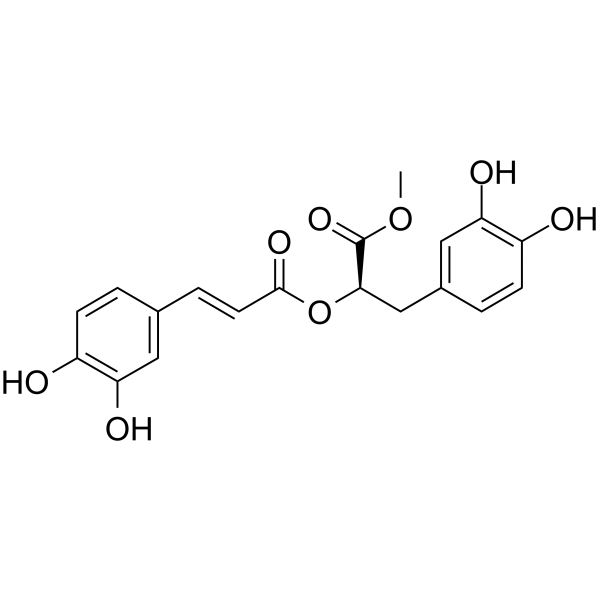
Methyl rosmarinate is an orally active hydroxycinnamic acid. Methyl rosmarinate exhibits an IC50 of 24.70 μM and a Ki of 15.29 μM against PTP1B, an IC50 of 41.46 μg/mL against BChE, a Ki of 0.61 mM against mushroom tyrosinase, and an IC50 of 2.50 μM against SARS-CoV-2 3CLpro. Methyl rosmarinate downregulates the phosphorylation levels of ERK, JNK, p38, Smad2 and Smad3. Methyl rosmarinate activates erythrocyte BPGM and promotes the production of 2,3-BPG. Methyl rosmarinate induces apoptosis of fibroblasts. Methyl rosmarinate prolongs the survival time of hypoxic mice. Methyl rosmarinate improves insulin sensitivity. Methyl rosmarinate binds to SARS-CoV-2 3CLpro and inhibits viral replication. Methyl rosmarinate induces glioblastoma cell death. Methyl rosmarinate activates the TGR5/AMPK axis and reduces the levels of ROS and MDA. Methyl rosmarinate shows inhibitory activity against MMP-1. Methyl rosmarinate can be used in research related to pulmonary fibrosis, hypoxia-induced injury, type 2 diabetes, Alzheimer's disease, hyperpigmentation disorders, COVID-19, glioblastoma and myocardial ischemia-reperfusion injury .
loading...
    loading...
Cat. No.: HY-P0221S
Synonyms: Pituitary Adenylate Cyclase Activating Polypeptide 38-13C5,15N TFA
PACAP (1-38), human, ovine, rat- 13C5, 15N (Pituitary Adenylate Cyclase Activating Polypeptide 38- 13C5, 15N) TFA is the 13C, 15N-labeled PACAP (1-38), human, ovine, rat (TFA) (HY-P0221A). PACAP (1-38), human, ovine, rat TFA is a PAC1 receptor agonist. PACAP (1-38), human, ovine, rat TFA binds to PACAP type I receptor, PACAP type II receptor VIP1, and PACAP type II receptor VIP2 with IC50s of 4 nM, 2 nM, and 1 nM, respectively. PACAP (1-38), human, ovine, rat TFA increases the α-secretase activity. PACAP (1-38), human, ovine, rat TFA elevates cytosolic Ca 2+, increases proliferation and increases phosphorylation of extracellular regulates kinase (ERK) and the epidermal growth factor receptor (EGFR). PACAP (1-38), human, ovine, rat TFA demonstrates potent, efficacious, and sustained stimulatory effects on sympathetic neuronal NPY and catecholamine production. PACAP (1-38), human, ovine, rat TFA can be used for neurotrophic and neuroprotective research .
loading...
    loading...
Cat. No.: HY-W587733
CAS No.: 1662-06-2
Synonyms: 17,20β-P; 17,20β-DHP
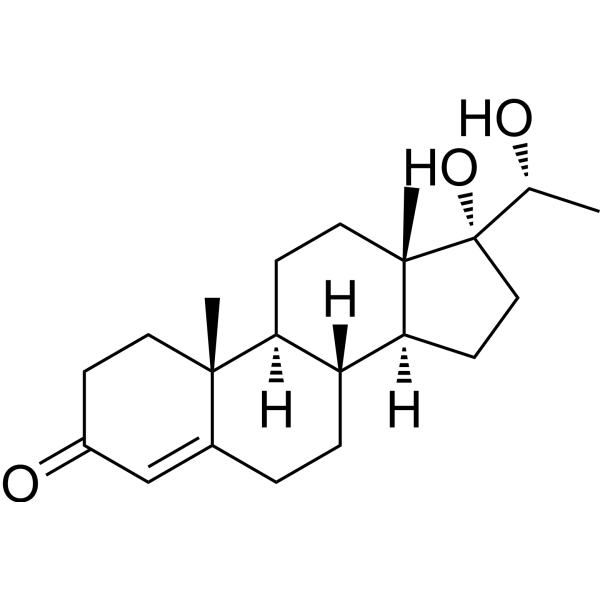
17α,20β-Dihydroxy-4-pregnen-3-one (17,20β-P; 17,20β-DHP) acts as the maturation-inducing hormone (MIH) in salmonid fish and rainbow trout. 17α,20β-Dihydroxy-4-pregnen-3-one binds to oocyte-specific plasma membrane receptors and pertussis toxin-sensitive inhibitory G proteins in fish, inhibits Adenylate Cyclase and reduces intracellular cAMP via the membrane receptor-G protein coupling pathway, thereby initiating downstream signal transduction. 17α,20β-Dihydroxy-4-pregnen-3-one induces de novo synthesis of cyclin B, mediates the translation of cyclin B mRNA and the phosphorylation of cdc2, and promotes the production of maturation-promoting factor (MPF). 17α,20β-Dihydroxy-4-pregnen-3-one drives meiotic maturation of fish oocytes. 17α,20β-Dihydroxy-4-pregnen-3-one is applicable for development-related research .
loading...
    loading...
Cat. No.: HY-Y1269H
CAS No.: 12125-02-9
Synonyms: Salmiac, meets analytical specification of Ph. Eur. BP USP FCC
Ammonium chloride, meets analytical specification of Ph. Eur. BP USP FCC (Salmiac, meets analytical specification of Ph. Eur. BP USP FCC) is an inhibitor of Slc26a4 and SMAD2. Ammonium chloride, meets analytical specification of Ph. Eur. BP USP FCC reduces the protein expression level of Slc26a4 in lung tissue, and attenuates ozone-induced increases in proinflammatory cytokines, inflammatory cells, pulmonary resistance, goblet cell hyperplasia, peribronchial inflammation and thiocyanate levels in mouse tissues and bronchoalveolar lavage fluid. Ammonium chloride, meets analytical specification of Ph. Eur. BP USP FCC decreases the level of phosphorylated SMAD2, inhibits autophagy by reducing autophagy-related proteins, and enhances Cisplatin (HY-17394)-induced cancer cell apoptosis and DNA double-strand breaks. Ammonium chloride, meets analytical specification of Ph. Eur. BP USP FCC also inhibits the TCA cycle, reduces ATP production, increases glucose utilization, regulates the levels of lactic acid, glutamic acid and ATP, and induces morphological degeneration of neuroblastoma cells. Ammonium chloride, meets analytical specification of Ph. Eur. BP USP FCC can be used in studies related to ozone-induced airway injury, hepatocellular carcinoma, human cervical cancer, hepatic encephalopathy, Reye syndrome, epilepsy and neurodegenerative diseases .
loading...
    loading...
Cat. No.: HY-112624K
CAS No.: 9004-54-0
Synonyms: Dextran 5; Dextran D5; Dextran T5(MW 4500-5500)
Dextran T5 (MW 5,000) is a sulfated polysaccharide anti-apoptotic and autophagic agent. Dextran T5 (MW 5,000) has sulfated groups and interacts with cell membranes by mimicking endogenous glycosaminoglycans, inhibiting the mitochondrial apoptotic pathway and delaying DNA fragmentation to exert anti-apoptotic activity. Dextran T5 (MW 5,000) also promotes the conversion of LC3-I to LC3-II and the formation of autophagosomes to activate the autophagic pathway. Dextran T5 (MW 5,000) can prolong the survival cycle of CHO cells and increase the production of recombinant erythropoietin (EPO). The Dextran series of compounds are also natural polysaccharide drug carriers that can be connected to drugs through covalent bonding methods such as ester bonds, amide bonds or click chemistry, or self-assembled to form carriers such as nanoparticles and hydrogels. Dextran is biodegradable and biocompatible, and can achieve targeted delivery and controlled release of drugs. Dextran derivatives can prolong drug half-life, increase local concentration and reduce immune clearance activity. The Dextran series of compounds are also natural polysaccharide drug carriers that can be connected to drugs through covalent bonding methods such as ester bonds, amide bonds or click chemistry, or self-assembled to form carriers such as nanoparticles and hydrogels. Dextran is biodegradable and biocompatible, and can achieve targeted delivery and controlled release of drugs. Dextran derivatives can prolong the half-life of drugs, increase local concentrations, and reduce the activity of immune clearance .
loading...
    loading...
Cat. No.: HY-118828A
CAS No.: 71606-07-0
Purity:  ≥99.0%
Synonyms: (9S,13R)-12-OPDA
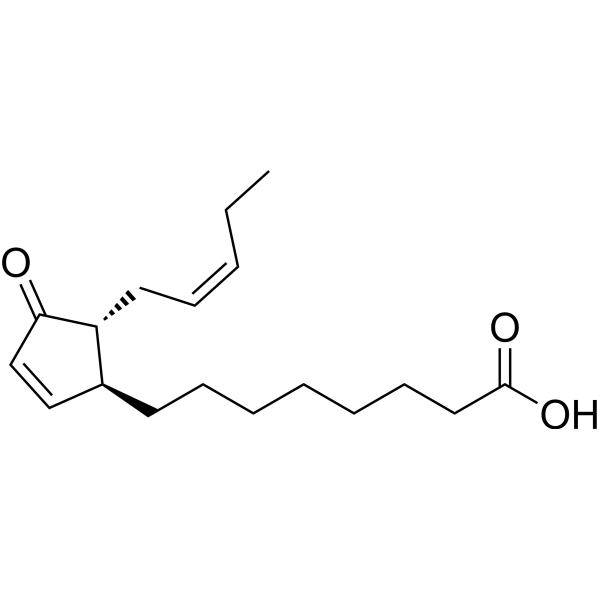
(9S,13R)-12-Oxo phytodienoic acid ((9S,13R)-12-OPDA) is a mPGES-1 inhibitor and Nrf2 activator. (9S,13R)-12-Oxo phytodienoic acid selectively inhibits mPGES-1 expression and reduces inducible PGE2 production without affecting COX-1 or COX-2. (9S,13R)-12-Oxo phytodienoic acid inhibits the phosphorylation of IKKβ, IκBα, and NF-κB (p65), blocks the nuclear translocation of p65, increases the nuclear translocation of Nrf2, and upregulates HO-1 expression. (9S,13R)-12-Oxo phytodienoic acid inhibits the differentiation of M0 macrophages toward the M1 phenotype and promotes differentiation toward the M2 phenotype. (9S,13R)-12-Oxo phytodienoic acid decreases the levels of NO, PGE2, IL-1β, IL-6, iNOS, and PGD2. (9S,13R)-12-Oxo phytodienoic acid can be used for inflammation research .
loading...
    loading...

