4012 Results for "

NO Production

" in MedChemExpress (MCE) Product Catalog:
Products (4012)

4012 Results for "NO Production" in MCE Product Catalog:

28
28 Cited Publications
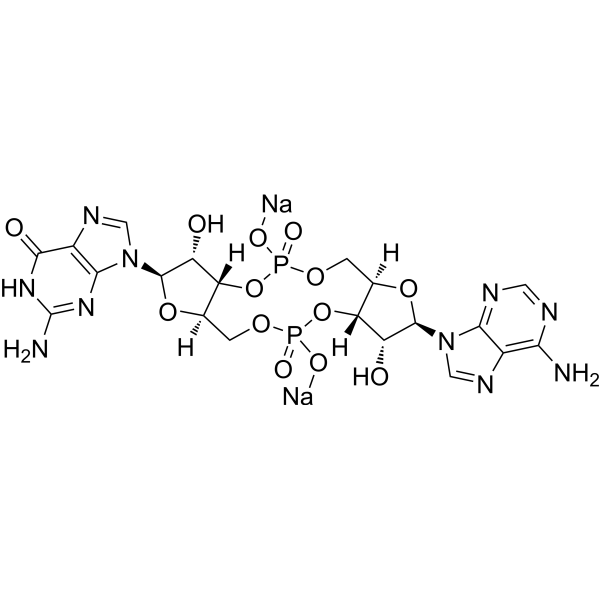
Cat. No.: HY-110385
CAS No.: 2407516-83-8
Purity:  98.47%
Synonyms: Cyclic GMP-AMP disodium; 3',3'-cGAMP disodium
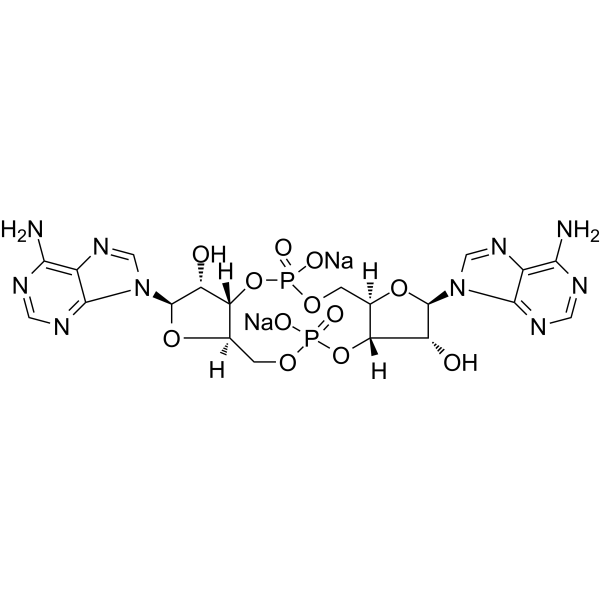
cGAMP (Cyclic GMP-AMP) disodium functions as an endogenous second messenger in metazoans and triggers interferon production in response to cytosolic DNA. cGAMP diammonium activates stimulator of interferon genes (STING), which activates a signaling cascade leading to the production of type I interferons and other immune mediators .
loading...
    loading...
28
28 Cited Publications
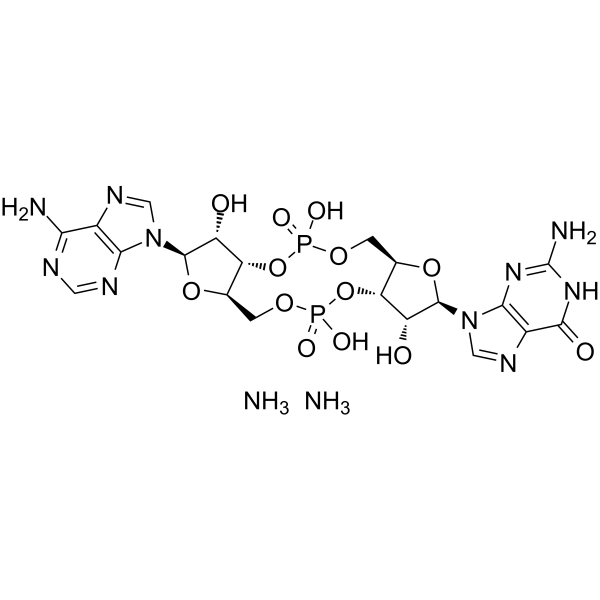
Cat. No.: HY-110385A
Purity:  95.19%
Synonyms: Cyclic GMP-AMP diammonium; 3',3'-cGAMP diammonium
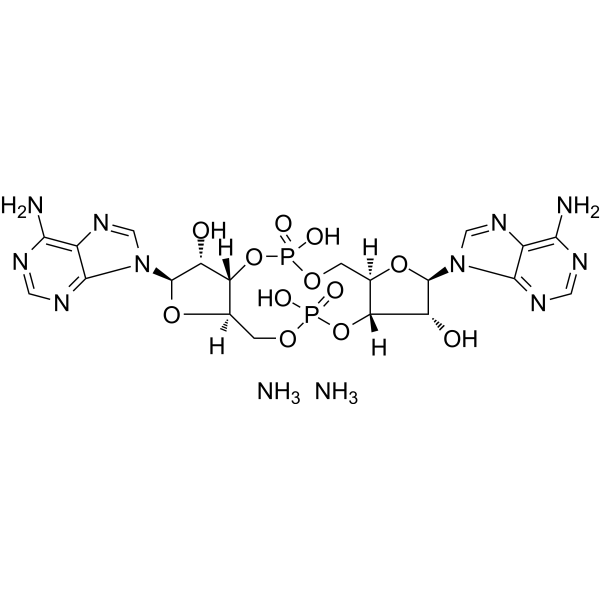
cGAMP (Cyclic GMP-AMP) diammonium functions as an endogenous second messenger in metazoans and triggers interferon production in response to cytosolic DNA. cGAMP diammonium activates stimulator of interferon genes (STING), which activates a signaling cascade leading to the production of type I interferons and other immune mediators .
loading...
    loading...
28
28 Cited Publications
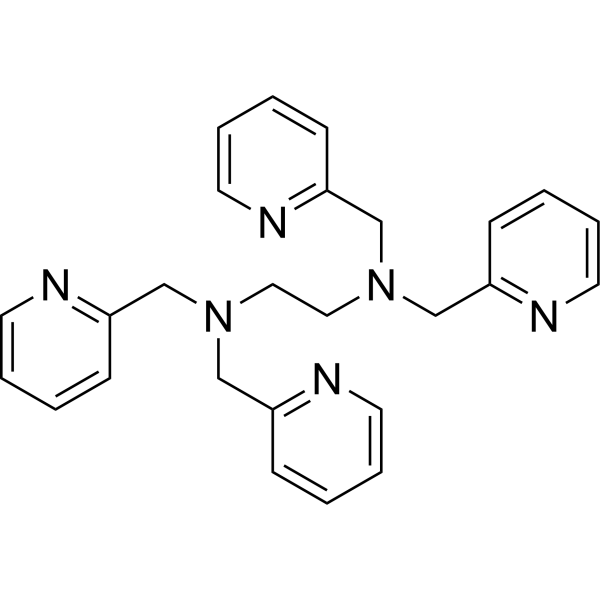
Cat. No.: HY-100202
CAS No.: 16858-02-9
Purity:  99.91%
Synonyms: TPEDA
Research Areas:  

Cancer

TPEN (TPEDA) is a specific cell-permeable heavy metal chelator. TPEN has a higher affinity for Zn 2+, but a lower affinity for Mg 2+ and Ca 2+. TPEN induces DNA damage and increases intracellular ROS production. TPEN also inhibits cell proliferation and induces apoptosis .
loading...
    loading...
26
26 Cited Publications
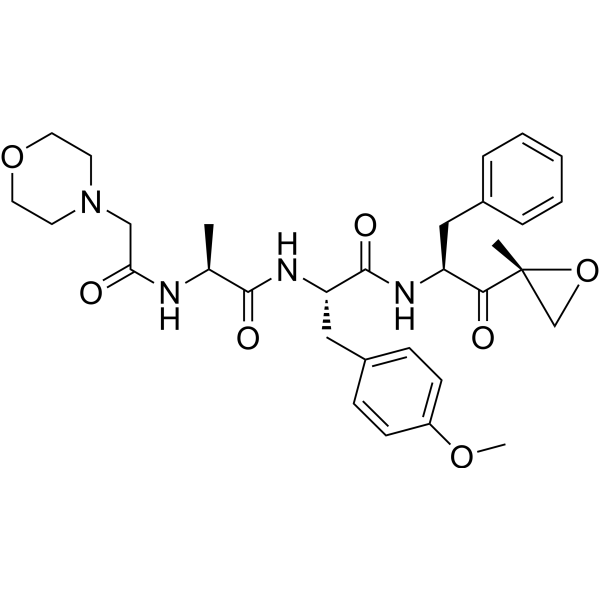
Cat. No.: HY-13207
CAS No.: 960374-59-8
Purity:  99.72%
Synonyms: PR-957
Target:  

Proteasome Bacterial HIV

Research Areas:  

Infection Inflammation/Immunology

ONX-0914 (PR-957) is a selective inhibitor of low-molecular mass polypeptide-7 (LMP7), the chymotrypsin-like subunit of the immunoproteasome. ONX-0914 blocks cytokine production and attenuates progression of experimental arthritis. ONX-0914 is a noncompetitive irreversible inhibitor of the mycobacterial proteasome (Ki=5.2 μM). ONX-0914 reactivates latent HIV-1 through p-TEFb activation mediated by HSF-1 .
loading...
    loading...
26
26 Cited Publications
Cat. No.: HY-13207A
Purity:  98.01%
Synonyms: PR-957 TFA
Target:  

Proteasome Bacterial HIV

Research Areas:  

Infection Inflammation/Immunology

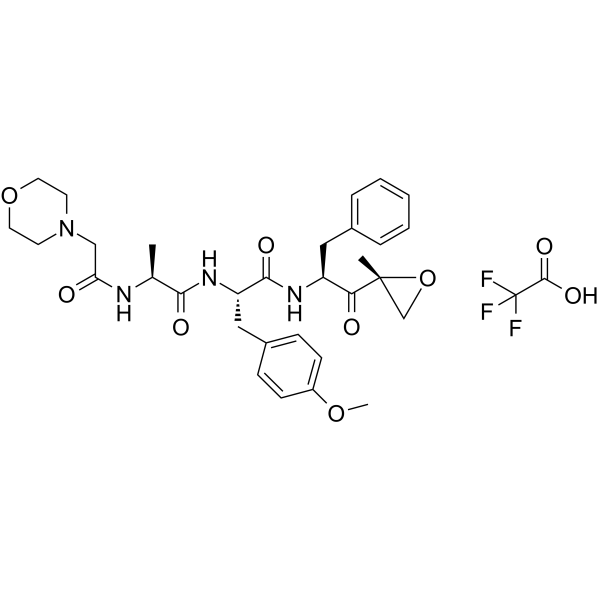
ONX-0914 (PR-957) TFA is a selective inhibitor of low-molecular mass polypeptide-7 (LMP7), the chymotrypsin-like subunit of the immunoproteasome. ONX-0914 TFA blocks cytokine production and attenuates progression of experimental arthritis. ONX-0914 TFA is a noncompetitive irreversible inhibitor of the mycobacterial proteasome (Ki=5.2 μM). ONX-0914 TFA reactivates latent HIV-1 through p-TEFb activation mediated by HSF-1 .
loading...
    loading...
24
24 Cited Publications
Cat. No.: HY-16659
CAS No.: 754240-09-0
Target:  

Ras

Research Areas:  

Neurological Disease Cancer

EHT 1864 is an inhibitor of Rac family small GTPases. EHT 1864 directly binds and impairs the ability of this small GTPase to engage critical downstream effectors required for growth transformation. The Kd values are 40, 50, 60, and 230 nM for Rac1, Rac1b, Rac2 and Rac3, respectively. EHT 1864 also potently inhibits other Rac-dependent transformation processes, Tiam1- and Ras-mediated growth transformation. EHT 1864 prevents Aβ 40 and Aβ 42 production in vivo. EHT 1864 dependently suppresses the release of migrasomes from podocytes induced by LPS, PAN, or HG .
loading...
    loading...
22
22 Cited Publications
Cat. No.: HY-15468
CAS No.: 931398-72-0
Purity:  98.02%
Research Areas:  

Cancer

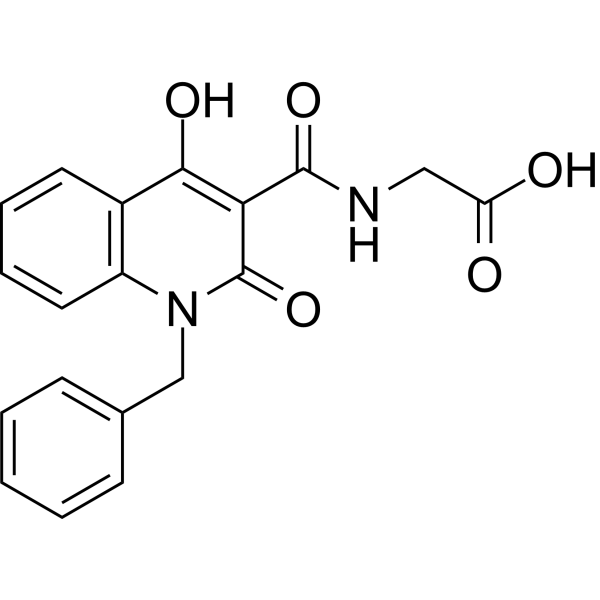
IOX2, a chemical probe, is a specific prolyl hydroxylase-2 (PHD2) inhibitor with IC50 of 22 nM. IOX2 regulates platelet function and arterial thrombosis by upregulating HIF-1α expression and inhibiting ROS production. IOX2 can be used in the study of thrombotic diseases .
loading...
    loading...
22
22 Cited Publications
Cat. No.: HY-12169
CAS No.: 154039-60-8
Purity:  99.81%
Synonyms: BB2516; TA2516
Target:  

MMP

Research Areas:  

Cancer

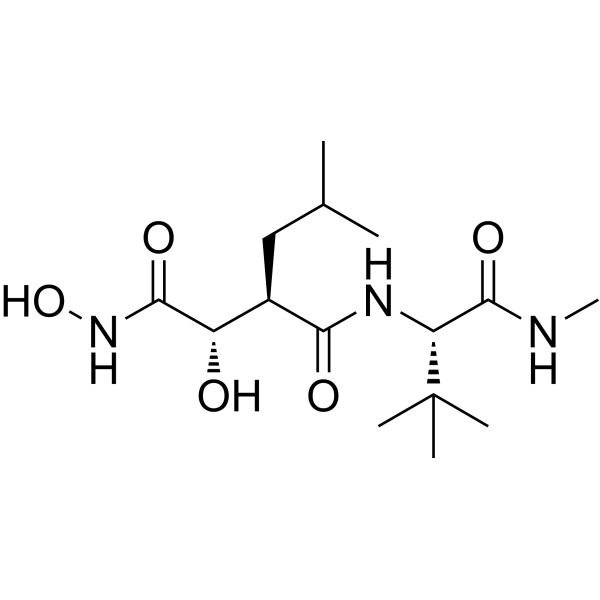
Marimastat (BB2516) is a broad spectrum and orally bioavailable inhibitor of MMPs, with potent activity against MMP-9 (IC50=3 nM), MMP-1 (IC50=5 nM), MMP-2 (IC50=6 nM), MMP-14 (IC50=9 nM) and MMP-7 (IC50=13 nM), used in the treatment of cancer. Marimastat (BB2516) is an angiogenesis and metastasis inhibitor, which limits the growth and production of blood vessels. As an antimetatstatic agent it prevents malignant cells from breaching the basement membranes .
loading...
    loading...
22
22 Cited Publications
Cat. No.: HY-111964
CAS No.: 2189684-44-2
Purity:  98.44%
Synonyms: GS-6207
Target:  

HIV

Research Areas:  

Infection

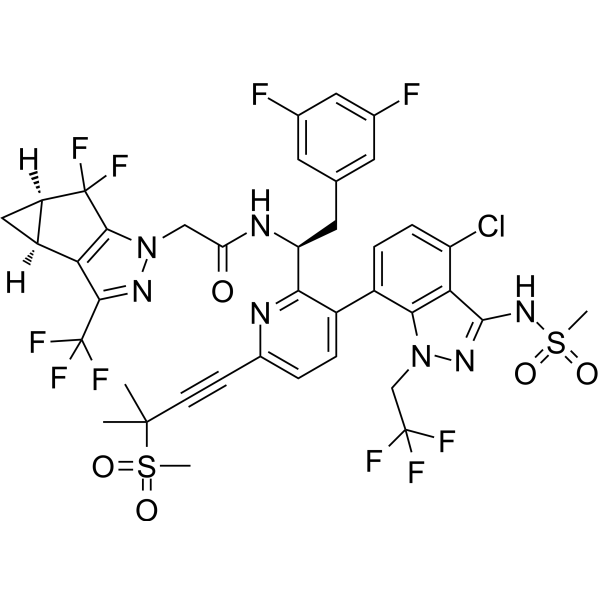
Lenacapavir (GS-6207) is an HIV-1 capsid inhibitor. Lenacapavir binds to the interface between capsid hexamers and CA monomers, disrupts capsid assembly and viral maturation, inhibits nuclear translocation of HIV-1 DNA, interferes with CA-mediated protein-protein interactions, reduces the formation of 2-LTR circles and pre-integration proviruses, induces aberrant capsids, and decreases the production of mature HIV-1. Lenacapavir exhibits activity against a variety of HIV-1 subtypes and clinical isolates. Lenacapavir is applicable to research related to human immunodeficiency virus type 1 (HIV-1) infection .
loading...
    loading...
22
22 Cited Publications
Cat. No.: HY-111964A
CAS No.: 2283356-12-5
Synonyms: GS-6207 sodium
Target:  

HIV

Research Areas:  

Infection

Lenacapavir (GS-6207) sodium is an HIV-1 capsid inhibitor. Lenacapavir sodium binds to the interface between capsid hexamers and CA monomers, disrupts capsid assembly and viral maturation, inhibits nuclear translocation of HIV-1 DNA, interferes with CA-mediated protein-protein interactions, reduces the formation of 2-LTR circles and pre-integration proviruses, induces aberrant capsids, and decreases the production of mature HIV-1. Lenacapavir sodium exhibits activity against a variety of HIV-1 subtypes and clinical isolates. Lenacapavir sodium is applicable to research related to human immunodeficiency virus type 1 (HIV-1) infection .
loading...
    loading...
21
21 Cited Publications
Cat. No.: HY-Y0479
CAS No.: 79-33-4
Synonyms: (S)-2-HydroxypropaNOic acid
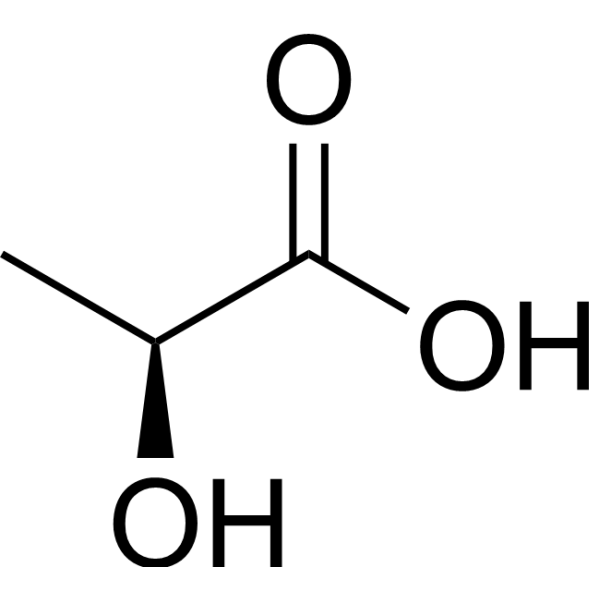
L-Lactic acid is a buildiing block which can be used as a precursor for the production of the bioplastic polymer poly-lactic acid. L-Lactic acid has antiproliferative activity .
loading...
    loading...
21
21 Cited Publications
Cat. No.: HY-W040233
CAS No.: 867-56-1
Synonyms: (S)-2-HydroxypropaNOic acid sodium
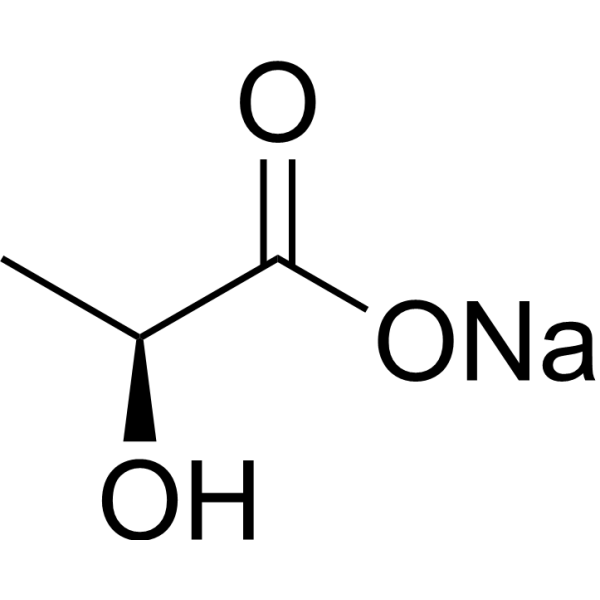
L-lactate Sodium (Sodium (S)-2-hydroxypropanoate) is a buildiing block which can be used as a precursor for the production of the bioplastic polymer poly-lactic acid. L-Lactic acid Sodium has antiproliferative activity .
loading...
    loading...
21
21 Cited Publications
Cat. No.: HY-N0305
CAS No.: 5451-09-2
Synonyms: 5-ALA hydrochloride; δ-AmiNOlevulinic acid hydrochloride; 5-AmiNO-4-oxopentaNOic acid hydrochloride
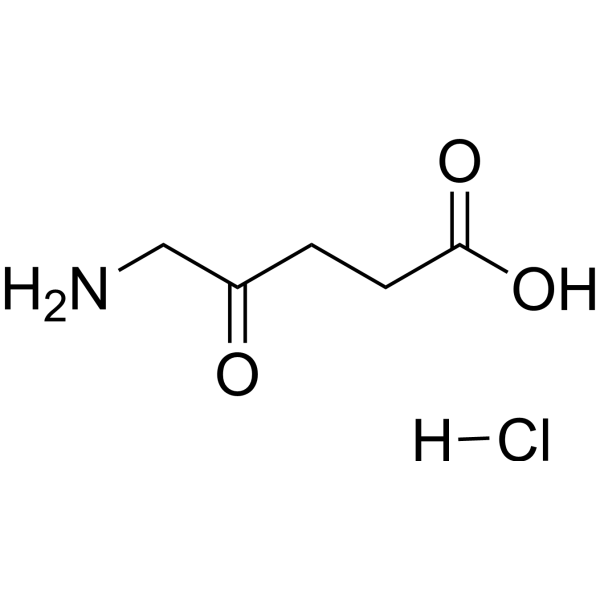
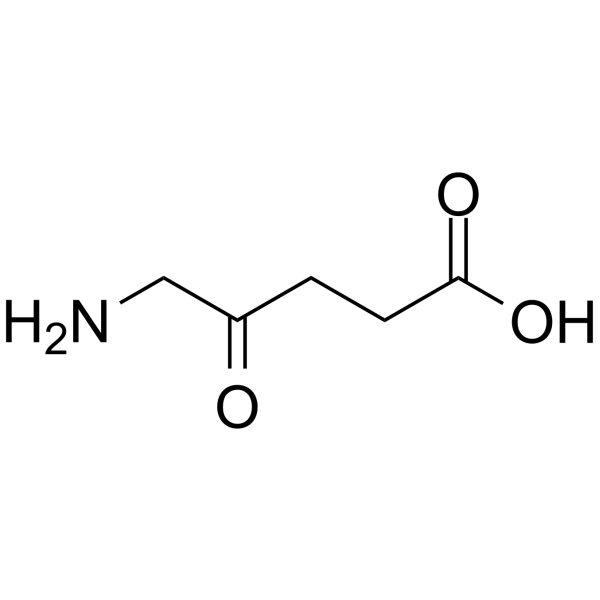
5-Aminolevulinic acid (5-ALA; δ-Aminolevulinic acid; 5-Amino-4-oxopentanoic acid) hydrochloride is an orally active heme precursor. 5-Aminolevulinic acid hydrochloride promotes aerobic energy metabolism and increases ATP levels by enhancing the activity of cytochrome c oxidase. 5-Aminolevulinic acid hydrochloride enhances LPS-induced proinflammatory cytokine production and gene activation, and restores the phagocytic activity and ROS generation capacity of neutrophils. 5-Aminolevulinic acid hydrochloride selectively accumulates protoporphyrin IX in tumor cells; as a photosensitizer and radiosensitizer, it induces ROS burst upon light or X-ray irradiation to inhibit tumor growth. 5-Aminolevulinic acid hydrochloride can be applied to the research of septic shock, melanoma, and cancer radiotherapy .
loading...
    loading...
21
21 Cited Publications
Cat. No.: HY-W000450
CAS No.: 106-60-5
Synonyms: 5-ALA; δ-AmiNOlevulinic acid; 5-AmiNO-4-oxopentaNOic acid
5-Aminolevulinic acid (5-ALA; δ-Aminolevulinic acid; 5-Amino-4-oxopentanoic acid) is an orally active heme precursor. 5-Aminolevulinic acid promotes aerobic energy metabolism and increases ATP levels by enhancing the activity of cytochrome c oxidase. 5-Aminolevulinic acid enhances LPS-induced proinflammatory cytokine production and gene activation, and restores the phagocytic activity and ROS generation capacity of neutrophils. 5-Aminolevulinic acid selectively accumulates protoporphyrin IX in tumor cells; as a photosensitizer and radiosensitizer, it induces ROS burst upon light or X-ray irradiation to inhibit tumor growth. 5-Aminolevulinic acid can be applied to the research of septic shock, melanoma, and cancer radiotherapy .
loading...
    loading...
20
20 Cited Publications
Cat. No.: HY-12326A
CAS No.: 2734909-87-4
Synonyms: Cyclic diadenylate disodium; Cyclic-di-AMP disodium
c-di-AMP (Cyclic diadenylate) sodium is a STING agonist, which binds to the transmembrane protein STING thereby activating the TBK3-IRF3 signaling pathway, subsequently triggering the production of type I IFN and TNF. c-di-AMP sodium is also a bacterial second messenger, which regulates cell growth, survival, and virulence, primarily within Gram-positive bacteria, and also regulates host immune response. c-di-AMP sodium acts as a potent mucosal adjuvant stimulating both humoral and cellular responses .
loading...
    loading...
20
20 Cited Publications
Cat. No.: HY-12326B
Purity:  99.36%
Synonyms: Cyclic diadenylate diammonium; Cyclic-di-AMP diammonium
c-di-AMP diammonium is a STING agonist, which binds to the transmembrane protein STING thereby activating the TBK3-IRF3 signaling pathway, subsequently triggering the production of type I IFN and TNF. c-di-AMP diammonium is also a bacterial second messenger, which regulates cell growth, survival, and virulence, primarily within Gram-positive bacteria, and also regulates host immune response. c-di-AMP diammonium acts as a potent mucosal adjuvant stimulating both humoral and cellular responses .
loading...
    loading...
20
20 Cited Publications
Cat. No.: HY-100742A
CAS No.: 2003234-63-5
Purity:  99.73%
(R)-GNE-140 is a potent inhibitor of lactate dehydrogenase (LDH) A, B and C, with IC50 values of 3, 5 and 5 nM against LDHA, LDHB, LDHC, respectively. (R)-GNE-140 blocks the conversion of pyruvate to lactate, reduces lactate production and histone lysine lactylation, and inhibits glycolysis. (R)-GNE-140 attenuates cardiac hypertrophy, alleviates PM2.5-induced pulmonary inflammation and fibrosis, blocks MRSA-induced Arg1 expression. (R)-GNE-140 is applicable to research related to pathological cardiac hypertrophy, pulmonary fibrosis, MRSA infection and pancreatic cancer .
loading...
    loading...
19
19 Cited Publications
Cat. No.: HY-B0616
CAS No.: 123171-59-5
Research Areas:  

Infection

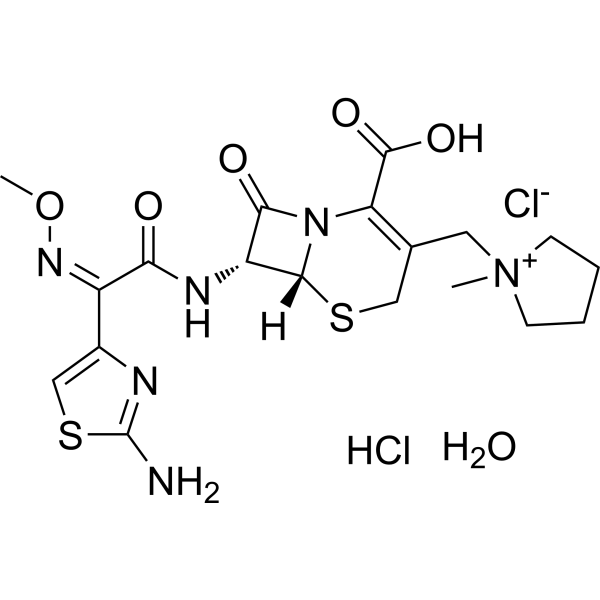
Cefepime (BMY-28142) Dihydrochloride Monohydrate is a broad-spectrum, blood-brain barrier-permeable cephalosporin antibiotic with hPON1 inhibitory activity, with an IC50 of 21.115 mM and a Ki of 35.092 mM. Cefepime Dihydrochloride Monohydrate inhibits hPON1 via a non-competitive mechanism and blocks GABAA receptors. Cefepime Dihydrochloride Monohydrate penetrates the outer membrane of Gram-negative bacteria, inhibits the growth of Gram-positive and Gram-negative bacteria, and does not induce the production of β-lactamase .
loading...
    loading...
19
19 Cited Publications
Cat. No.: HY-B0692
CAS No.: 88040-23-7
Synonyms: BMY-28142
Research Areas:  

Infection

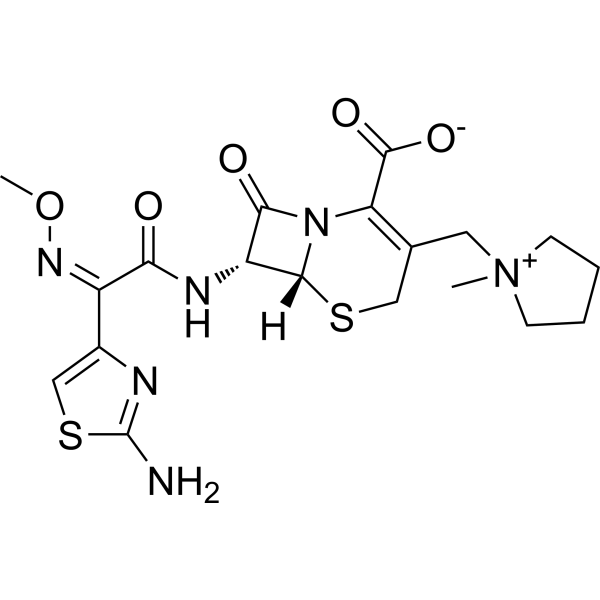
Cefepime (BMY-28142) is a broad-spectrum, blood-brain barrier-permeable cephalosporin antibiotic with hPON1 inhibitory activity, with an IC50 of 21.115 mM and a Ki of 35.092 mM. Cefepime inhibits hPON1 via a non-competitive mechanism and blocks GABAA receptors. Cefepime penetrates the outer membrane of Gram-negative bacteria, inhibits the growth of Gram-positive and Gram-negative bacteria, and does not induce the production of β-lactamase .
loading...
    loading...
19
19 Cited Publications
Cat. No.: HY-122272
CAS No.: 61869-08-7
Purity:  99.92%
Synonyms: BRL29060
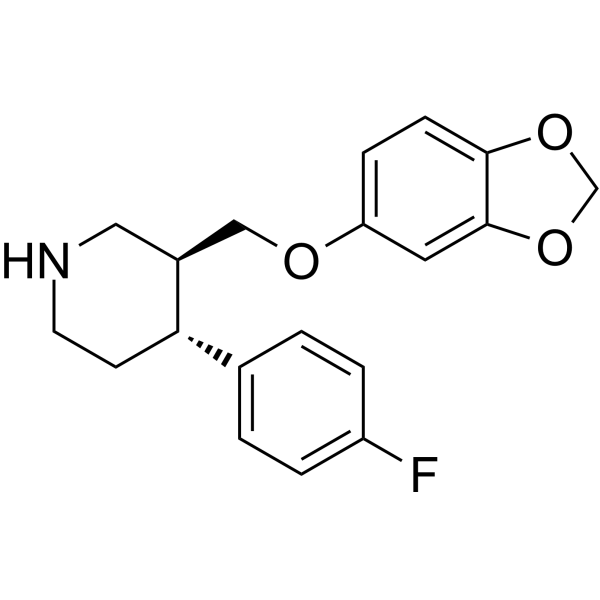
Paroxetine (BRL29060) is an orally active and selective serotonin reuptake inhibitor (SSRI) and apoptosis inducer with blood-brain barrier permeability. Paroxetine inhibits nitric oxide synthase and CYP2D6, induces desensitization of 5-HT1A/1B/1D autoreceptors, downregulates 5-HT2 receptors, and promotes the production of inflammatory cytokines. Paroxetine is a weak norepinephrine (NE) uptake inhibitor and possesses antitumor activity. Paroxetine is widely used in research concerning depression, obsessive-compulsive disorder, panic disorder, social phobia, generalized anxiety disorder, post-traumatic stress disorder, premenstrual dysphoric disorder, hot flashes, and related conditions .
loading...
    loading...

