

987 Results for "

cea marker

" in MedChemExpress (MCE) Product Catalog:
Products (987)

987 Results for "cea marker" in MCE Product Catalog:

5
5 Cited Publications
Cat. No.: HY-151427
CAS No.: 2348795-14-0
Purity:  99.47%
Target:  

TGF-β Receptor

Research Areas:  

Inflammation/Immunology

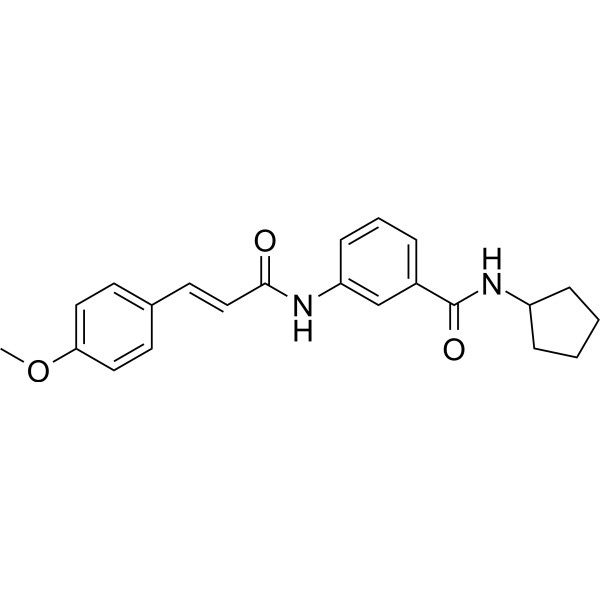
TGFβ1-IN-1 (compound 42) is a potent, orally active TGF-β1 inhibitor. TGFβ1-IN-1 inhibits the upregulation of TGF-β1-induced fibrosis markers (α-SMA and fibronectin) and can be used in liver fibrosis disease studies .
loading...
    loading...
5
5 Cited Publications
Cat. No.: HY-10199A
CAS No.: 159634-47-6
Purity:  98.52%
Synonyms: MK-677 free base; MK-0677 free base
Ibutamoren (MK-677 free base; MK-0677 free base) is an orally active non-peptide growth hormone secretagogue receptor agonist. Ibutamoren activates signal cascades by mimicking endogenous ligands, triggers pulsatile release of growth hormone from the pituitary gland, and increases serum levels of IGF-1 and insulin-like growth factor-binding protein 3. Ibutamoren not only increases the frequency of growth hormone pulses in male individuals, but also promotes elevated bone formation markers in female individuals with postmenopausal osteoporosis. The combination of Ibutamoren with Alendronate sodium hydrate (HY-11101) significantly increases bone mineral density at the femoral neck. However, Ibutamoren may cause mild, reversible adverse reactions such as increased appetite, fluid retention, and elevated fasting blood glucose. Ibutamoren has been widely used in studies related to idiopathic growth hormone deficiency, sarcopenia, Alzheimer's disease, and osteoporosis .
loading...
    loading...
4
4 Cited Publications
Cat. No.: HY-K1011A

MCE 3-Color Prestained Protein Marker (10-180 kDa) consists of 10 prestained recombinant proteins with an apparent molecular weight range of 10–180 kDa. This marker enables real-time monitoring of protein migration during SDS-PAGE and facilitates evaluation of protein transfer efficiency. The 250 μL is defined as the base specification. All larger sizes correspond to incremental volumes of this base.

loading...
    loading...
4
4 Cited Publications
Cat. No.: HY-K1011

MCE 3-Color Prestained Protein Marker (10-190 kDa) is a three-color protein standard with 10 prestained proteins ranging from 10 kDa to 190 kDa. The 250 μL is defined as the base specification. All larger sizes correspond to incremental volumes of this base.

loading...
    loading...
4
4 Cited Publications
Cat. No.: HY-113081
CAS No.: 15763-06-1
Purity:  99.21%
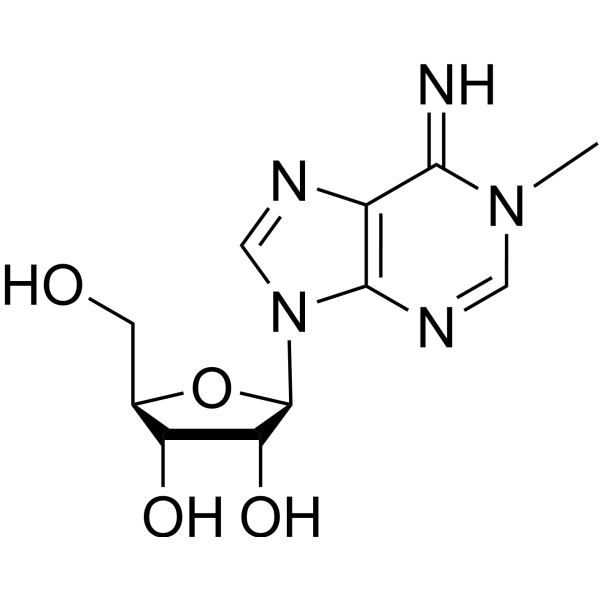
1-Methyladenosine is an RNA modification that can serve as a tumor marker, with elevated levels in the body associated with cancer development. Following 1-methyladenosine methylation, upregulation of PPARδ expression regulates cholesterol metabolism and activates Hedgehog signaling pathway, driving liver tumorigenesis .
loading...
    loading...
4
4 Cited Publications
Cat. No.: HY-N0157
CAS No.: 65-86-1
Synonyms: 6-Carboxyuracil; Vitamin B13
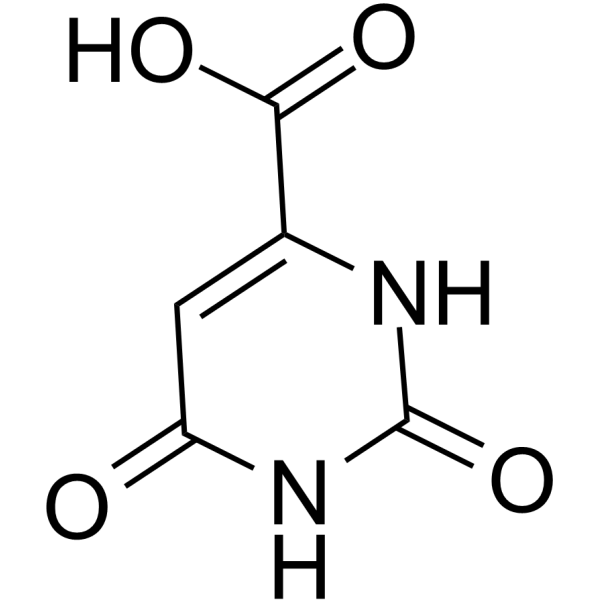
Orotic acid (6-Carboxyuracil), a precursor in biosynthesis of pyrimidine nucleotides and RNA, is released from the mitochondrial dihydroorotate dehydrogenase (DHODH) for conversion to UMP by the cytoplasmic UMP synthase enzyme. Orotic acid is a marker for measurement in routine newborn screening for urea cycle disorders. Orotic acid can induce hepatic steatosis and hepatomegaly in rats .
loading...
    loading...
4
4 Cited Publications
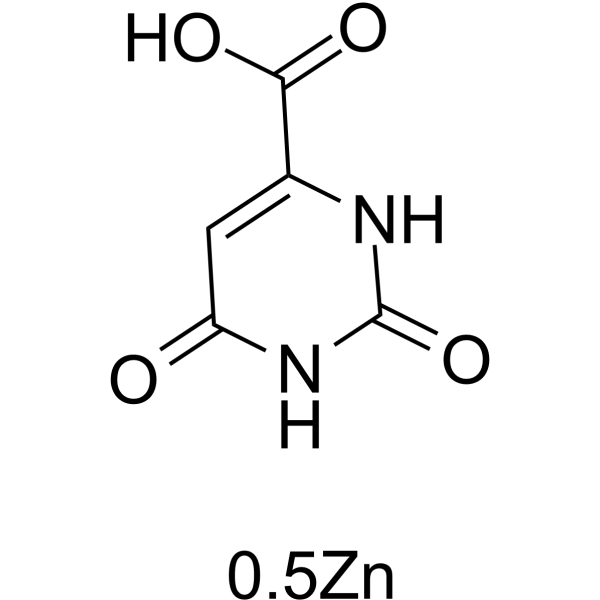
Cat. No.: HY-N0157A
CAS No.: 68399-76-8
Synonyms: 6-Carboxyuracil zinc; Vitamin B13 zinc
Orotic acid (zinc), a precursor in biosynthesis of pyrimidine nucleotides and RNA, is released from the mitochondrial dihydroorotate dehydrogenase (DHODH) for conversion to UMP by the cytoplasmic UMP synthase enzyme. Orotic acid (zinc) is a marker for measurement in routine newborn screening for urea cycle disorders. Orotic acid (zinc) can induce hepatic steatosis and hepatomegaly in rats .
loading...
    loading...
4
4 Cited Publications
Cat. No.: HY-112698
CAS No.: 1370032-19-1
Purity:  99.14%
Research Areas:  

Cancer

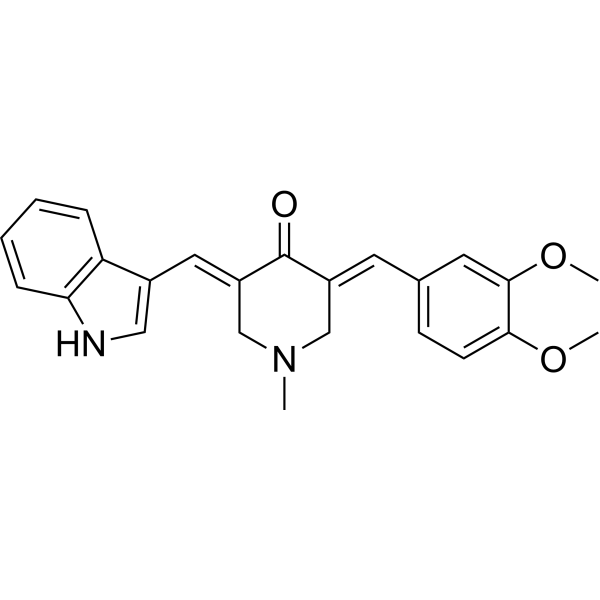
CA-5f is a potent late-stage macroautophagy/autophagy inhibitor via inhibiting autophagosome-lysosome fusion. CA-5f increases LC3B-II (a marker to monitor autophagy) and SQSTM1 protein, and also increases ROS production. Anti-tumor activity .
loading...
    loading...
4
4 Cited Publications
Cat. No.: HY-P7696
Purity:  ≥ 95%, as determined by reducing SDS-PAGE.
Synonyms: MUC16; FLJ14303; Mucin 16, Cell Surface Associated; Mucin-16; CA125; CA125 Ovarian Cancer Antigen; CA-125; Mucin-16 Short Isoform; Ovarian Cancer-Related Tumor marker CA125; Mucin-16 Long Isoform; Ovarian Carcinoma Antigen CA125; MUC-16; Cancer Antigen 12
Species:  
Human
Source:  
HEK293
loading...
    loading...
4
4 Cited Publications
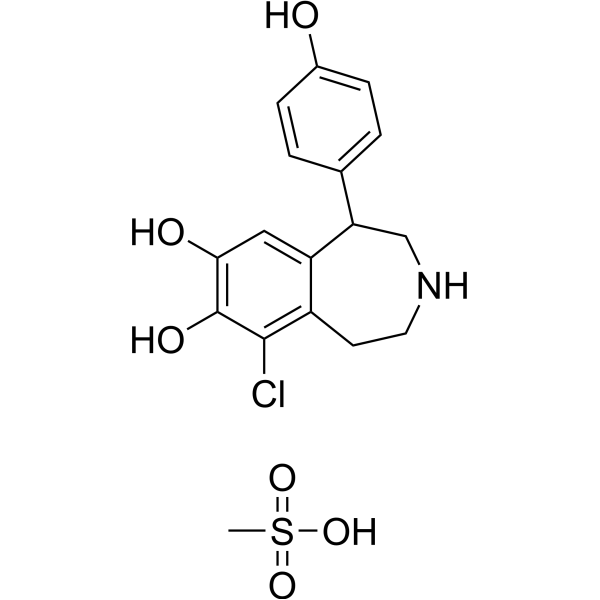
Cat. No.: HY-B0735A
CAS No.: 67227-57-0
Synonyms: Fenoldopam methanesulfonate; SKF-82526 mesylate
Fenoldopam (SKF-82526) mesylate is a selective dopamine D1 receptor agonist. Fenoldopam mesylate binds to rat D1B dopamine receptors (Kd = 11 nM) and human D1A receptors (Kd = 17 nM) in COS-7 cell membranes expressing the cloned receptors. Fenoldopam mesylate modulates dopamine receptor expression, induces vasorelaxation in vascular tissues, reverses glomerular hyperfiltration in rat models, increases intracellular cAMP levels, promotes DARPP-32 phosphorylation in small cell lung cancer (SCLC) cells, inhibits cytokine secretion, and downregulates T cell activation markers in activated human T cells. Fenoldopam mesylate can be used for research on hypertension, acute kidney injury, psoriasis, and small cell lung cancer .
loading...
    loading...
4
4 Cited Publications
Cat. No.: HY-101126
CAS No.: 1361951-15-6
Purity:  99.96%
Synonyms: TP-3654
Research Areas:  

Cancer

Nuvisertib (TP-3654) is an orally active second-generation pan-PIM kinase inhibitor with Ki values of 5 nM, 239 nM, and 42 nM against PIM-1, PIM-2, and PIM-3, respectively. Nuvisertib inhibits JAK-independent inflammatory and survival signaling pathways, reduces the production of proinflammatory cytokines, restores apoptotic sensitivity, inhibits mTORC1, MYC, and TGF-β signaling pathways, and decreases the expression of fibrosis markers. Nuvisertib selectively impairs the transport function of ABCG2, resensitizes multidrug-resistant cancer cells to cytotoxic drugs, and overcomes JAK2 inhibitor resistance. Nuvisertib can be used in research related to myelofibrosis, renal cell carcinoma, multidrug-resistant cancer, advanced solid tumors, urothelial carcinoma, and prostate adenocarcinoma .
loading...
    loading...
4
4 Cited Publications
Cat. No.: HY-P70154
Purity:  ≥ 95%, as determined by reducing SDS-PAGE.
Synonyms: EPCAM; HEA125; Prev. TACSTD1; CO-17A; Prev. MIC18; EGP314; Prev. M4S1; EGP34; Tumor-Associated Calcium Signal Transducer 1; CD326; TROP1; MOC31; KSA; 17-1A; GA733-2; Ly74; Ber-Ep4; MH99; Ep-CAM; Membrane Component, Chromosome 4, Surface marker (35kD Glyco
Species:  
Human
Source:  
HEK293
loading...
    loading...
3
3 Cited Publications
Cat. No.: HY-15626
CAS No.: 158013-41-3
Purity:  98.01%
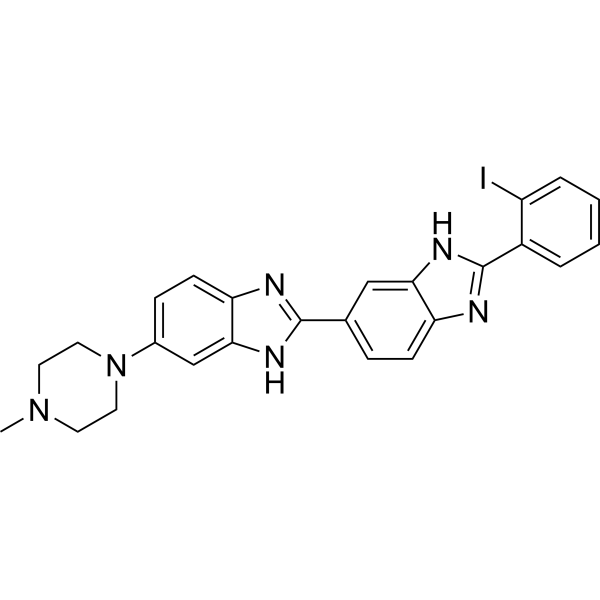
ortho-iodoHoechst 33258 is a marker dye in Hoechst series. Hoechst is A live nuclear marker dye. Hoechst binds to the grooves in the DNA double strand, which tends to be A/ T-rich DNA strand. Although it binds to all nucleic acids, the A/ T-rich double strand DNA significantly enhances fluorescence intensity Therefore,Hoechst dye can be used for living cell labeling. The fluorescence intensity of Hoechst dye increases with the increase of pH of solution .
loading...
    loading...
3
3 Cited Publications
Cat. No.: HY-113136
CAS No.: 2140-65-0
Purity:  98.39%
Synonyms: N1-Methylguanosine
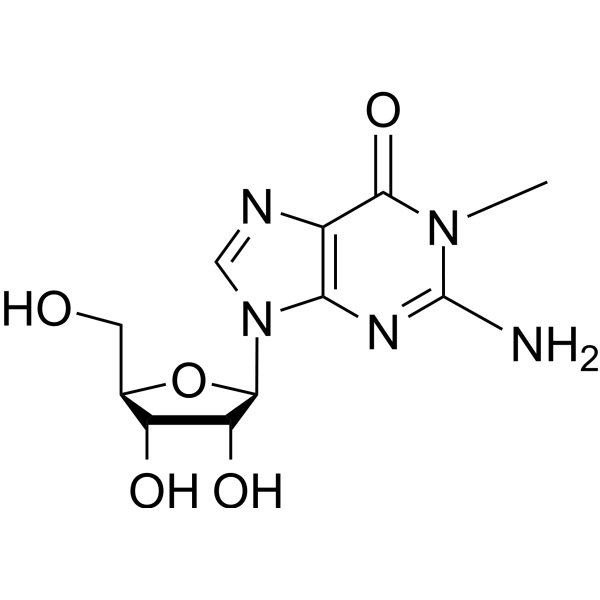
1-Methylguanosine (N1-Methylguanosine) is a methylated nucleoside originating from RNA degradation. 1-Methylguanosine is a tumour marker .
loading...
    loading...
3
3 Cited Publications
Cat. No.: HY-15942
CAS No.: 91809-66-4
Target:  

Fluorescent Dye

Research Areas:  

Others

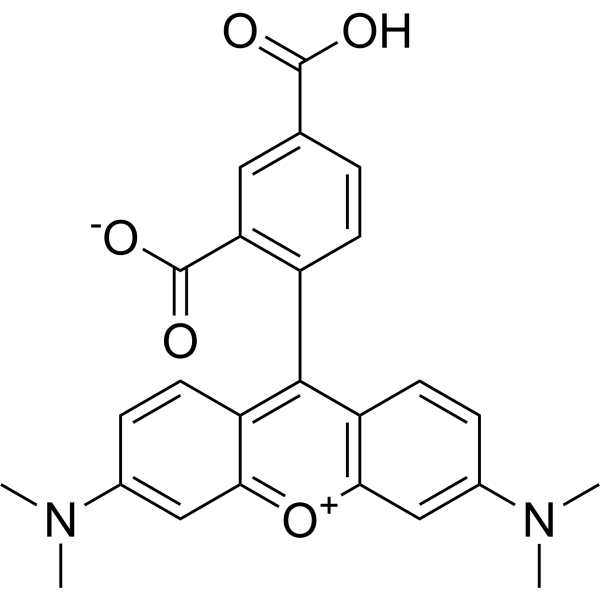
5-TAMRA can produce bright, pH-insensitive orange-red fluorescence (excitation and emission extremes of 546/579) and has good photostability. 5-TAMRA is mainly used as a fluorescent marker for the synthesis and study of specific oligonucleotide probes .
loading...
    loading...
3
3 Cited Publications
Cat. No.: HY-N6787
CAS No.: 696-04-8
Synonyms: Dihydrothymine
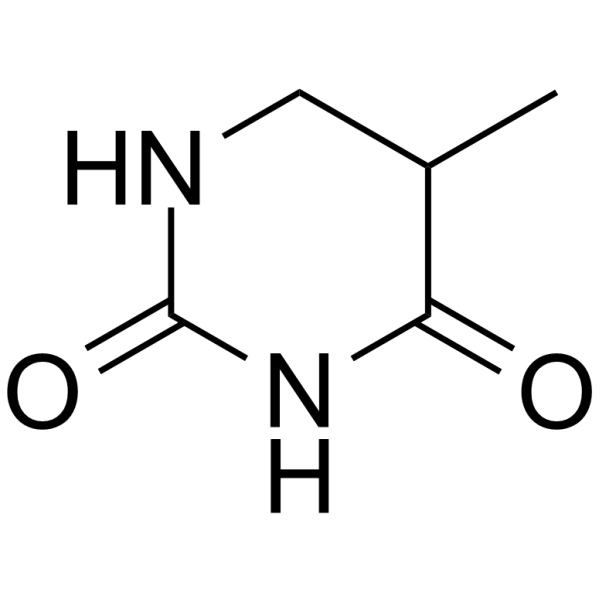
5,6-Dihydro-5-methyluracil (Dihydrothymine) is an intermediate breakdown product of Thymine (HY-W010450). 5,6-Dihydro-5-methyluracil can be used as a marker of DNA damage. 5,6-Dihydro-5-methyluracil can be used for the research of COVID-19 .
loading...
    loading...
3
3 Cited Publications
Cat. No.: HY-126490
CAS No.: 11006-33-0
Purity:  ≥95.0%
Phleomycin is a copper-dependent DNA damaging agent and antibiotic with antitumor activity. Phleomycin binds to DNA and produces ROS in the presence of reducing agents (such as dithiothreitol and glutathione), inducing single-strand and double-strand breaks in DNA. Phleomycin can induce cell apoptosis or mutation and is widely used in cancer inhibition, microbial genetic transformation (as a screening marker to improve fungal transformation efficiency) and DNA repair mechanism research .
loading...
    loading...
3
3 Cited Publications
Cat. No.: HY-153367
CAS No.: 2676211-64-4
Purity:  99.15%
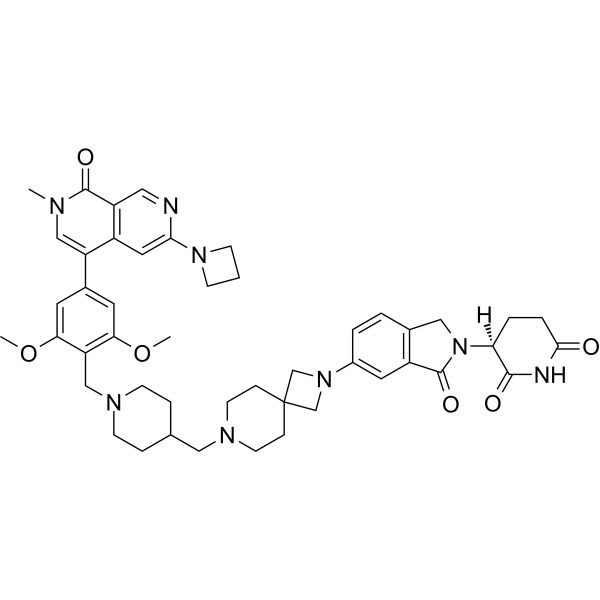
FHD-609 is a BRD9 PROTAC degrader. FHD-609 induces BRD9 degradation, downregulates primary transcripts of HBG/HBD, Myc expression and proliferation gene sets, reduces the levels of synovial sarcoma tumor proliferation markers, and inhibits tumor growth. FHD-609 can be used in research related to advanced synovial sarcoma, SMARCB1-deficient tumors and adrenocortical carcinoma .
loading...
    loading...
3
3 Cited Publications
Cat. No.: HY-128868B
CAS No.: 60842-46-8
FITC-Dextran (MW 3000-5000) is a fluorescent probe for fluorescein isothiocyanate (FITC) dextran (Ex=495 nm; Em=525 nm). FITC-Dextran (MW 3000-5000) can be used as a marker to reveal heat shock-induced cell damage and to study the early and late stages of apoptosis. FITC-Dextran (MW 3000-5000) can also be used for cell permeability studies, such as blood-brain barrier permeability and determination of the extent of blood-brain barrier disruption . Storage: protect from light.
loading...
    loading...
3
3 Cited Publications
Cat. No.: HY-D1396
CAS No.: 2387906-44-5
Research Areas:  

Others

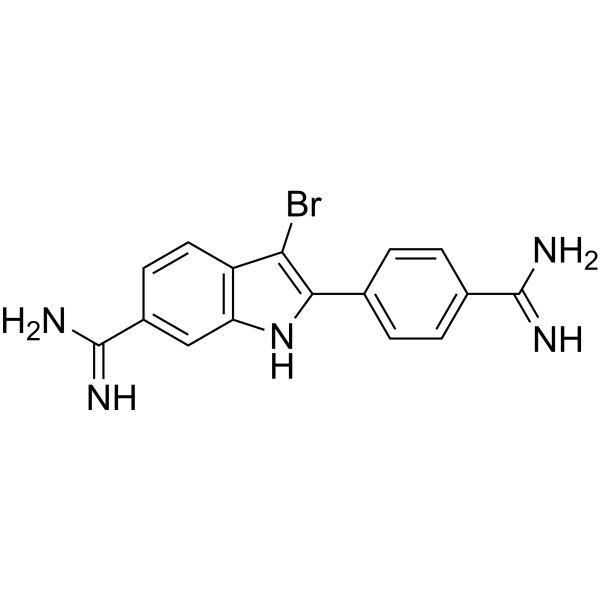
Br-DAPI is a marker dye in DAPI series. DAPI is a fluorescent dye that binds strongly to DNA. It binds to the AT base pair of the double-stranded DNA minor groove, and one DAPI molecule can occupy three base pair positions. The fluorescence intensity of DAPI molecules bound to double-stranded DNA is increased by about 20 times, and it is commonly observed with fluorescence microscopy, and the amount of DNA can be determined based on the intensity of fluorescence. DAPI cannot penetrate intact cell membranes and is commonly used for staining damaged and fixed cells . Storage: Keep away from light.
loading...
    loading...

