
338 Results for "

high concentrations

" in MedChemExpress (MCE) Product Catalog:
Products (338)

338 Results for "high concentrations" in MCE Product Catalog:

1
1 Cited Publications
Cat. No.: HY-D1056E
Synonyms: LPS, from Pseudomonas aeruginosa (10)
Lipopolysaccharides from P. aeruginosa (Pseudomonas aeruginosa) 10 are lipopolysaccharide endotoxins and TLR4 activators derived from Pseudomonas aeruginosa 10, and are classified as S-type LPS. Lipopolysaccharides from P. aeruginosa 10 exhibit a typical three-part structure: O-antigen, core oligosaccharide, and lipid A. The lipopolysaccharides of P. aeruginosa 10 have a fatty acid composition distinct from common enterobacteria, an exceptionally high degree of phosphorylation (triphosphate residues have been detected), and a unique outer region of the core oligosaccharide. Additionally, their O-specific side chains are typically rich in novel aminosugars. Lipopolysaccharides from P. aeruginosa 10 demonstrate susceptibility to viruses, with the level of susceptibility determined by the content of high molecular weight polysaccharides in their composition. The absence of high molecular weight polysaccharides increases their sensitivity to bacteriophages .
It is recommended to prepare a solution with concentration ≥2 mg/mL. Vortex thoroughly for more than 10 minutes. Due to the adsorption characteristics of LPS, silanized container or low adsorption centrifuge tubes should be used for aliquoting and storage, and mix thoroughly before use.
loading...
    loading...
1
1 Cited Publications
Cat. No.: HY-D1808
Vari Fluor 488-Streptavidin is a dye marker of Vari Fluor-streptavidin consisting of labeling streptavidin with a Vari Fluor series of fluorescent probes. Streptavidin is a high-affinity tetramer protein, each tetramer consisting of four identical streptavidin subunits. Streptavidin binds to biotin specifically via a reversible non-covalent effect. Streptavidin can achieve rapid and efficient detection of biotin markers, and is often used in immunofluorescence (IF), enzyme-linked immunosorbent assay (ELISA), immunohistochemical staining (IFH), in situ hybridization (ISH) and other experiments. Ex/Em=490 nm/515 nm.
Product Concentration: 0.8 mg/mL
loading...
    loading...
1
1 Cited Publications
Cat. No.: HY-101898
CAS No.: 112926-02-0
Purity:  96%
Synonyms: Indo-1 Acetoxymethyl ester
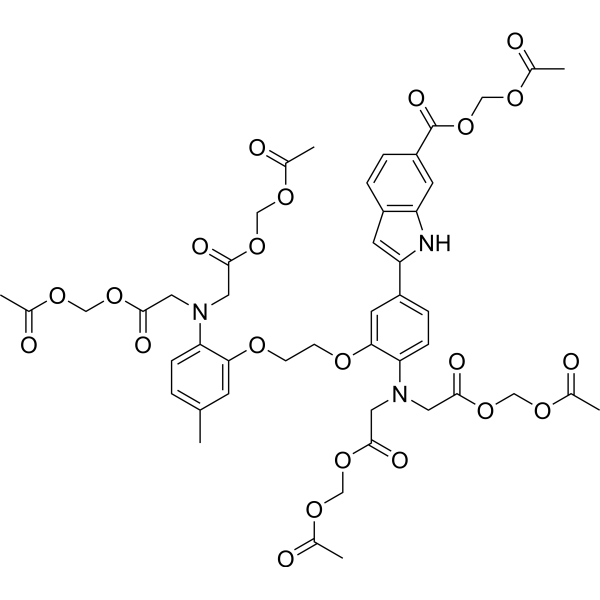
Calcium is an important part of the human body, usually in the form of calcium, a large number of bones and teeth of the human body, a small amount of blood and tissues. MCE calcium ion detection probe can specifically identify intracellular calcium ions, with high sensitivity, low cytotoxicity, increased AM acetylmethyl ester can enter the cell well, after being sheared by the intracellular esterase stay in the cell to bind to calcium ions, produce strong fluorescence, in addition, Mag-indo-1/AM and Mag-Fluo-4 AM at a certain concentration (usually 5 mM) can effectively identify intracellular magnesium ions .
loading...
    loading...
1
1 Cited Publications
Cat. No.: HY-108495
CAS No.: 1345858-76-5
Purity:  ≥98.0%
Synonyms: ML248
Target:  

LPL Receptor

Research Areas:  

Cardiovascular Disease

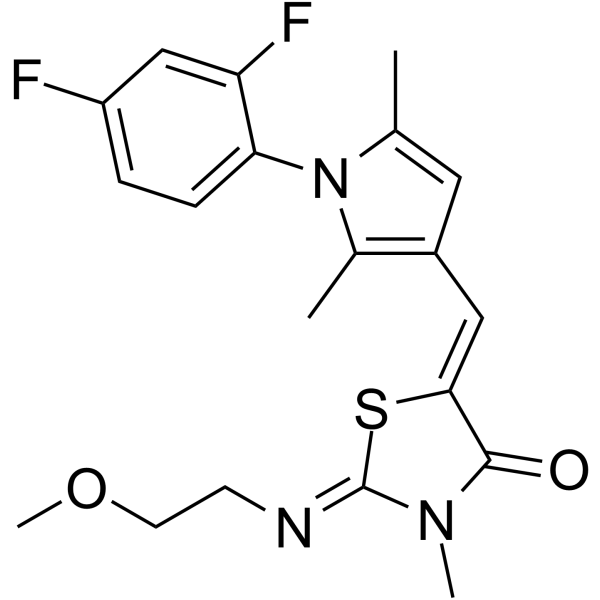
CYM50308 (ML248) is a potent, selective and high affinity sphingosine-1-phosphate receptor 4 (S1P4-R) agonist with an EC50 of 56 nM. CYM50308 displays 37-fold more selective for S1P4-R than S1P5-R. CYM50308 has no activity at S1P1-R, S1P2-R and S1P3-R subtypes at concentrations up to 25 μM .
loading...
    loading...
1
1 Cited Publications
Cat. No.: HY-113166
CAS No.: 25518-54-1
Purity:  99.75%
Synonyms: (-)-Lauroylcarnitine
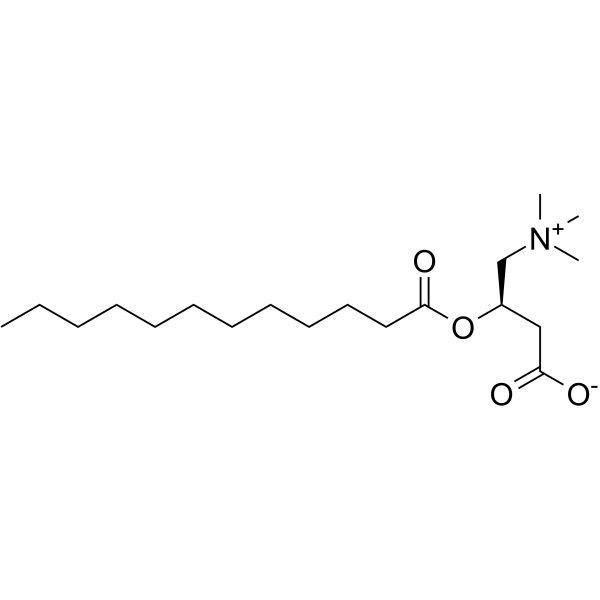
Dodecanoylcarnitine ((-)-Lauroylcarnitine) is a medium long-chain acylcarnitine, an intermediate product in key energy metabolic pathways of fatty acid β-oxidation and amino acids catabolism. The abnormal decrease in the Dodecanoylcarnitine levels indicats that mitochondrial fuel metabolism, including fatty acid oxidation is significantly disturbed. Changes in plasma concentrations of Dodecanoylcarnitine are not only associated with type II diabetes, but also with pre-diabetes status. Dodecanoylcarnitine is present in fatty acid oxidation disorders such as long-chain acyl CoA dehydrogenase deficiency, carnitine palmitoyltransferase I/II deficiency, and is also associated with celiac disease. Dodecanoylcarnitine deomonstrates high sensitivities and specificities in predicting asthma. Combined model of Decanoylcarnitine (HY-113069), Dodecanoylcarnitine, PC (16:0/0:0), and Asp Arg Pro can be used as a potential biomarker for the diagnosis of Yin-deficiency-heat syndrome .
loading...
    loading...
1
1 Cited Publications
Cat. No.: HY-117146
CAS No.: 173584-44-6
Synonyms: (S)-DPX-JW062
Target:  

Parasite

Research Areas:  

Infection

Indoxacarb ((S)-DPX-JW062) is an oxathiazole insecticide with activity against a wide range of insect pests. Indoxacarb is used in forest pest management to control insect pests, and its toxicity has significant effects on adult individuals of the predatory stink bug Podisus distinctus. Indoxacarb showed high toxicity to P. distinctus at a lethal concentration (LC50 = 2.62 g L-1). Indoxacarb treatment significantly reduced the survival rate of P. distinctus, with the survival rate of individuals exposed to 2.62 g L-1 decreasing to 40.7%. Indoxacarb also reduced the respiration rate of P. distinctus from 18.45 to 14.41 μL CO2 h-1, and inhibited its food intake. P. distinctus showed hyperexcitatory responses after Indoxacarb treatment .
loading...
    loading...
1
1 Cited Publications
Cat. No.: HY-D1056B3
Synonyms: LPS, from bacterial (Klebsiella pneumoniae)
Lipopolysaccharides, from Klebsiella pneumoniae (LPS, from bacterial (Klebsiella pneumoniae)) are lipopolysaccharide endotoxins and TLR4 activators derived from Klebsiella pneumoniae, and are classified as S-type LPS. Lipopolysaccharides, from Klebsiella pneumoniae exhibit a typical three-part structure: O-antigen, core oligosaccharide, and lipid A. Lipopolysaccharides, from Klebsiella pneumoniae may participate in bacterial immune evasion by inhibiting complement-mediated killing and suppressing the host's secretion of antimicrobial peptides, thereby allowing the bacteria to escape immune defenses. Lipopolysaccharides, from Klebsiella pneumoniae possess high viscosity and resistance to serum-mediated killing, which may lead to sepsis. Lipopolysaccharides, from Klebsiella pneumoniae can be used to construct Acute Lung Injury Model .
It is recommended to prepare a solution with concentration ≥2 mg/mL. Vortex thoroughly for more than 10 minutes. Due to the adsorption characteristics of LPS, silanized container or low adsorption centrifuge tubes should be used for aliquoting and storage, and mix thoroughly before use.
loading...
    loading...
Cat. No.: HY-Y0313
CAS No.: 123-08-0
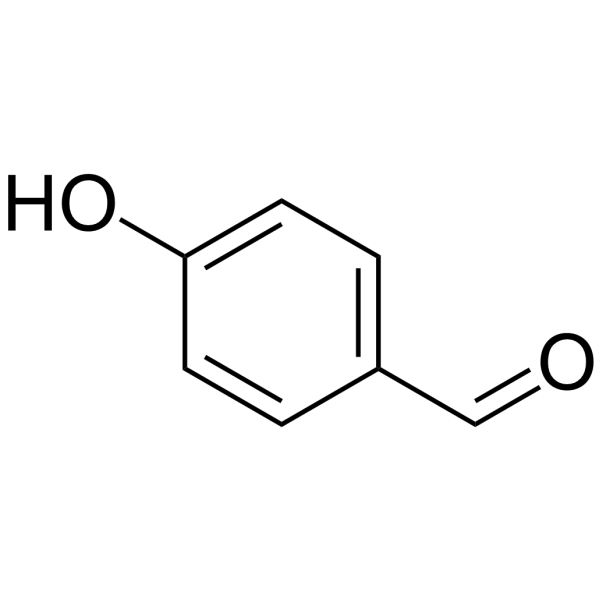
p-Hydroxybenzaldehyde is a one of the major components in vanilla aroma, with antagonistic effect on GABAA receptor of the α1β2γ2S subtype at high concentrations.
loading...
    loading...
Cat. No.: HY-W011053
CAS No.: 165450-17-9
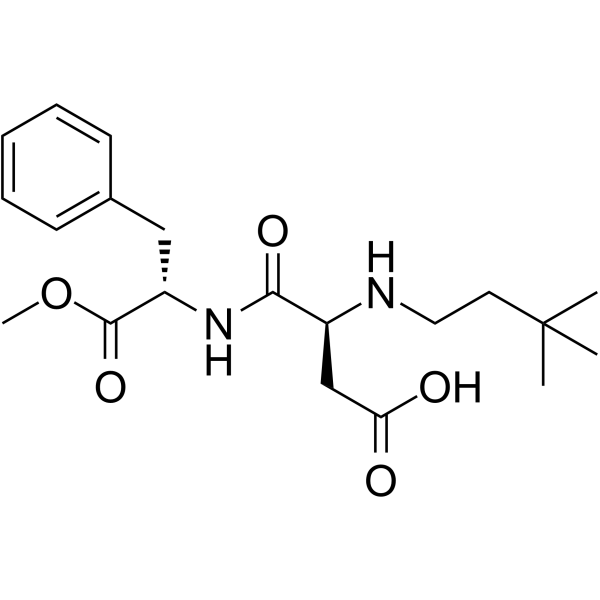
Neotame is a derivative of Aspartame (HY-B0361) and is a flavor enhancer and low-caloric, non-nutritive, high-intensity artificial sweetener that is 7000-13,000 times sweeter than sugar. Neotame causes intestinal epithelial cell death at high concentrations. Neotame induces Apoptosis of Caco-2 cells .
loading...
    loading...
Cat. No.: HY-145442
CAS No.: 38874-46-3
Purity:  98.21%
Target:  

Adenosine Deaminase

Research Areas:  

Others

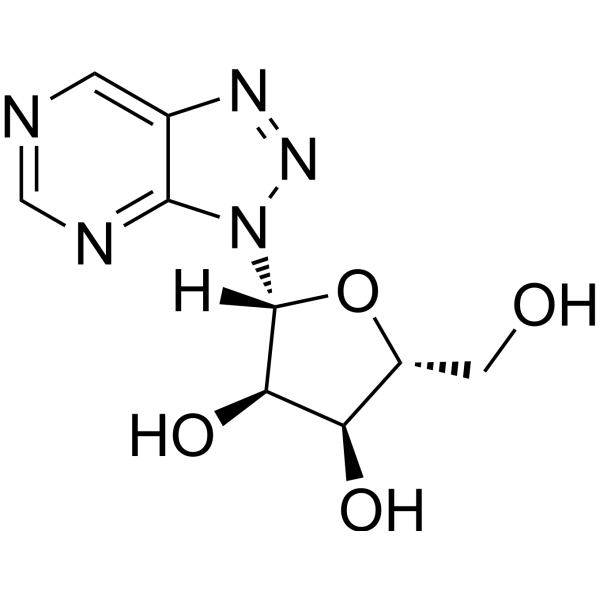
8-Azanebularine, a compound with hydrogen in place of the C6 amino group, inhibits the ADAR2 reaction at high concentrations (IC50=15 mM). 8-Azanebularine is incorporated into an RNA structure recognized by human ADAR2 results in high-affinity binding (KD=2 nM). 8-Azanebularine can be used for the research of ADAR-catalyzed RNA-editing reaction .
loading...
    loading...
Cat. No.: HY-P5366
Target:  

Liposome

Research Areas:  

Others

PEP1 is an amphipathic α-helical peptide containing 31 residues. The interaction of PEP1 with POPC-supported lipid bilayers (SLBs) is concentration-dependent: at low concentrations, it inserts into SLBs to generate compressive stress; at medium concentrations, it saturates the membrane surface to maintain constant stress; and at high concentrations, it solubilizes SLBs. PEP1 can be used for research on the mechanism of membrane-peptide interactions .
loading...
    loading...
Cat. No.: HY-W088066
CAS No.: 10101-89-0
Target:  

Bacterial

Research Areas:  

Infection

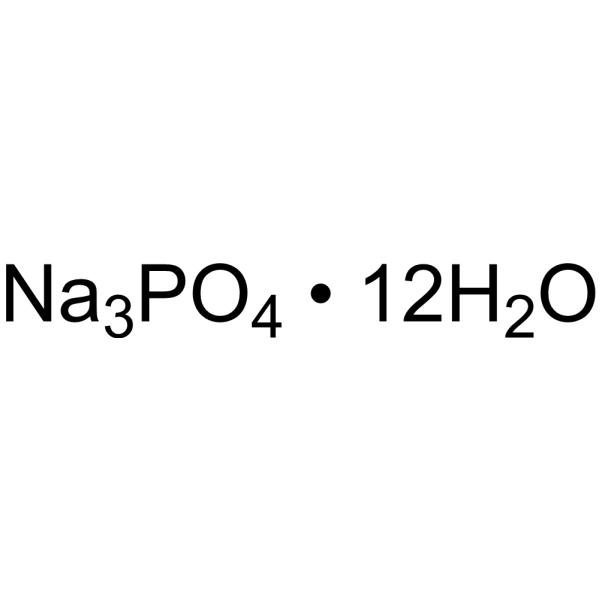
Trisodium phosphate dodecahydrate is an Antibacterial agent. Trisodium phosphate dodecahydrate reduces the counts of Escherichia coli O157:H7 and Salmonella typhimurium attached to the surfaces of beef fat and fascia. Trisodium phosphate dodecahydrate modulates the growth parameters of Listeria monocytogenes in vitro: low concentrations shorten the lag phase and increase the maximum growth rate, while high concentrations prolong the lag phase and decrease the maximum growth rate. Trisodium phosphate dodecahydrate is used in poultry processing .
loading...
    loading...
Cat. No.: HY-129811
CAS No.: 65664-81-5
Purity:  98.20%
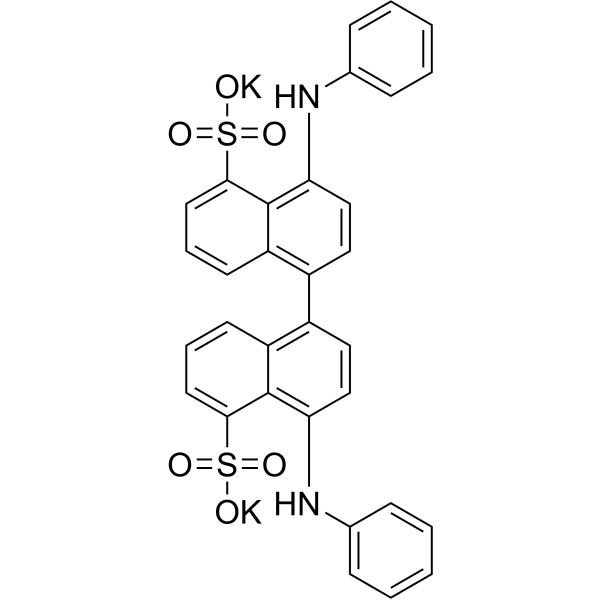
Bis-ANS dipotassium is a fluorescent probe of hydrophobic protein. Bis-ANS binds to tubulin with a Kd of 2 μM . Bis-ANS dipotassium is a potent biphasic modulator of protein liquid-liquid phase separation (LLPS). Bis-ANS dipotassium promotes LLPS at low concentrations but suppresses LLPS at high concentrations .
loading...
    loading...
Cat. No.: HY-W195048
CAS No.: 1191-50-0
Research Areas:  

Cancer

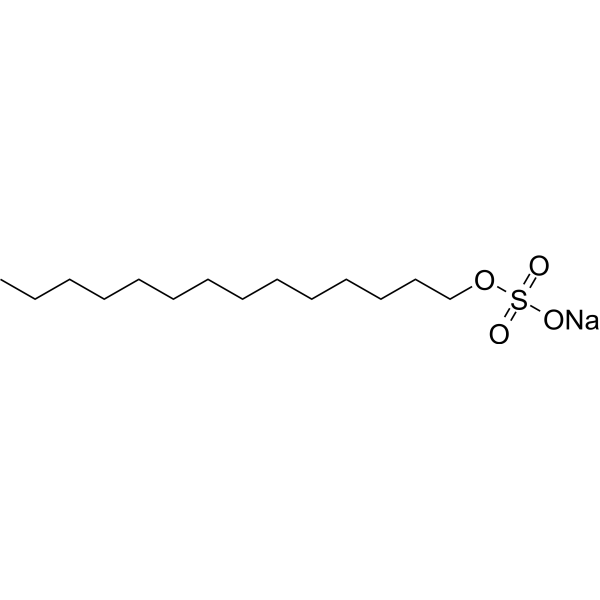
Tetradecyl sulfate sodium is an anionic detergent sclerosant. Tetradecyl sulfate sodium disturbs phospholipid cell membranes, causing membrane solubilization and cell lysis at high concentrations, and creates endothelial cell membrane negative charge to induce coagulation, thrombotic occlusion, fibrosis, and vessel ablation at lower concentrations. Tetradecyl sulfate (sodium) can be used for the research of hemangioma, Kaposi sarcoma, lymphangioma circumscriptum .
loading...
    loading...
Cat. No.: HY-W111692
CAS No.: 68915-31-1
Sodium polyphosphate, crystal,+200 mesh, 96% is an inorganic polyphosphate that also serves as a stabilizer, dispersant, chelating agent, and coacervate-forming agent. Sodium polyphosphate provides electrostatic stabilization for mineral and material suspensions, but its dispersing efficacy decreases under acidic pH, high temperature, high calcium concentration, or a combination of these conditions. Sodium polyphosphate can chelate alkaline earth metals, reduce solution pH, and alter the rate of pH decline at a divalent cation/phosphorus molar ratio of 0.18. Sodium polyphosphate forms coacervates with smaller divalent cations and precipitates with larger divalent cations, where the functional requirements of cations depend on polyphosphate concentration, average degree of polymerization, and cation type .
loading...
    loading...
Cat. No.: HY-D1634
CAS No.: 88899-22-3
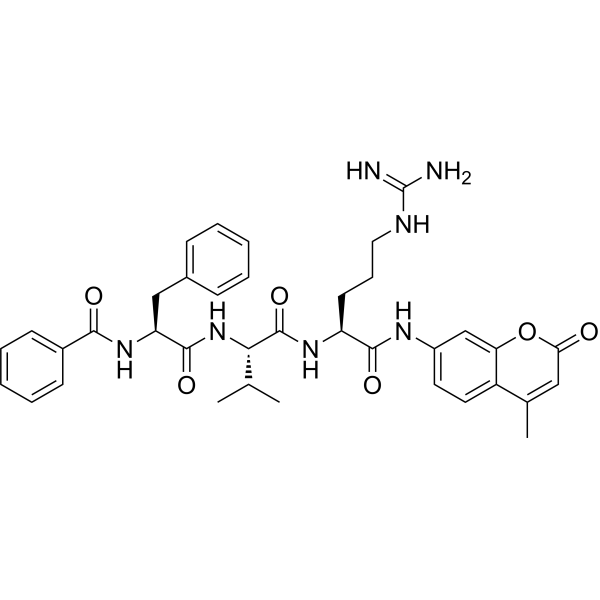
Bz-FVR-AMC is a fluorogenic substrate for procathepsin with a kcat/Km value of 1070 mM -1s -1. The high concentration of BZ-FVR-AMC inhibits the substrate .
loading...
    loading...
Cat. No.: HY-138627A
CAS No.: 2929417-90-1
Purity:  98.75%
Research Areas:  

Cancer

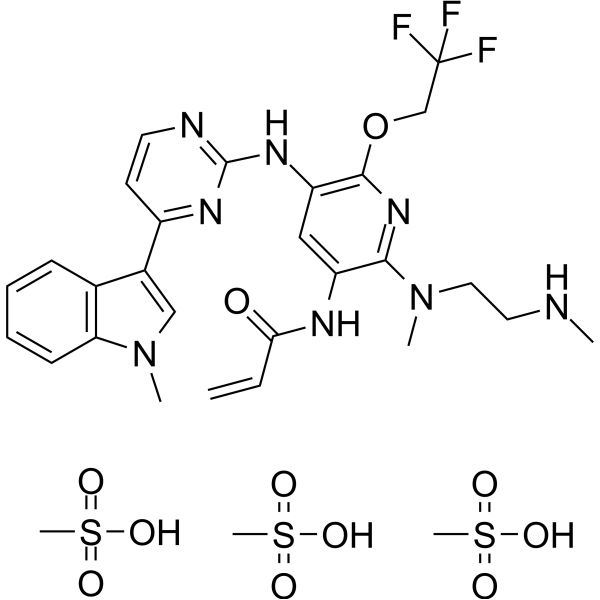
AST5902 trimesylate is the active metabolite of Furmonertinib (HY-112870) with antitumor activity, and acts as a EGFR inhibitor. AST5902 trimesylate inhibits CYP3A4 mRNA transcription at low concentrations and induces CYP3A4 mRNA expression at high concentrations. AST5902 trimesylate can be used in research related to non-small cell lung cancer .
loading...
    loading...
Cat. No.: HY-118438
CAS No.: 23982-76-5
Purity:  99.48%
Research Areas:  

Inflammation/Immunology

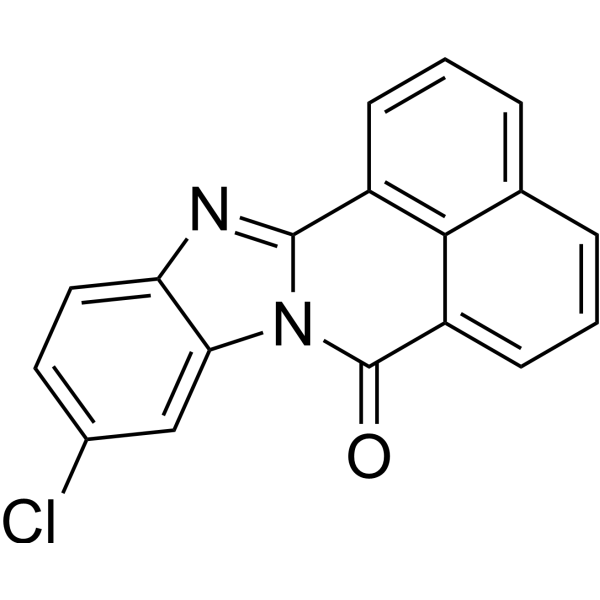
10-Cl-BBQ is a high affinity AhR ligand with immunosuppressive activity. 10-Cl-BBQ promotes cytosol to nuclear translocation of AhR and activates the AhR-regulated reporter gene at nanomolar concentrations .
loading...
    loading...
Cat. No.: HY-W011297
CAS No.: 2566-89-4
Synonyms: Arachidonic acid methyl ester
Target:  

PKC

Research Areas:  

Metabolic Disease

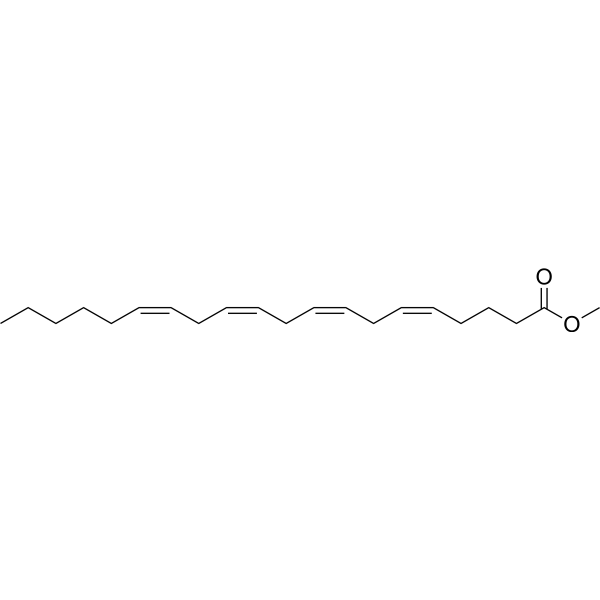
Methyl arachidonate is a protein kinase C activator and also an orally active substrate that undergoes esterase-mediated hydrolysis. Methyl arachidonate indirectly activates protein kinase C via eicosanoid metabolites generated through the arachidonic acid metabolic pathway, exerting effects via cyclooxygenase products at low concentrations and via lipoxygenase products at high concentrations. Methyl arachidonate can be used in studies related to lipodystrophy .
loading...
    loading...
Cat. No.: HY-W011180
CAS No.: 7069-42-3
Target:  

Drug Derivative

Research Areas:  

Others

Vitamin A Propionate is an ester compound of vitamin A. In nutritional studies of foals, different doses have different effects on growth, serum biochemistry and hematological indicators. Too high or too low doses will produce adverse effects and are related to the vitamin A concentration in plasma, liver and kidneys.
loading...
    loading...

