

169 Results for "

Traumatic Acid

" in MedChemExpress (MCE) Product Catalog:
Products (169)

169 Results for "Traumatic Acid" in MCE Product Catalog:

1
1 Cited Publications
Cat. No.: HY-30234A
CAS No.: 1163-36-6
Target:  

TRP Channel Apoptosis

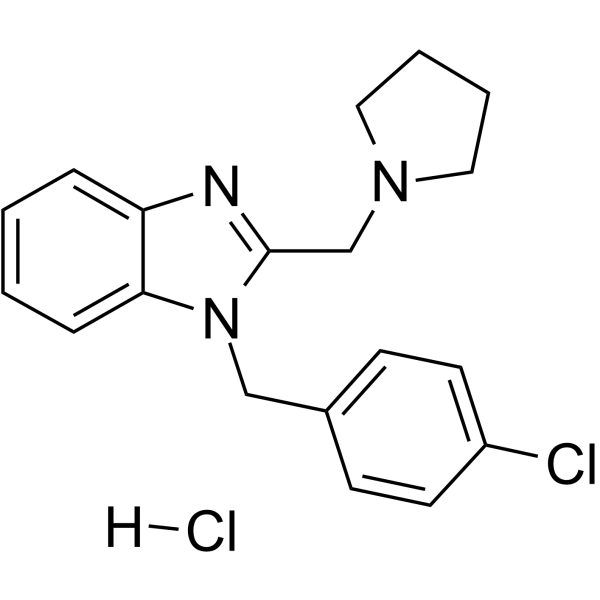
Clemizole hydrochloride is an orally active, blood-brain barrier permeable TRPC5 inhibitor, with an IC50 value of 1.05-1.34 μM against mouse TRPC5. Clemizole hydrochloride blocks TRPC1:TRPC5, TRPC3, TRPC4, TRPC6, TRPC7, hERG, hKCNQ1/hKCNE1 and hKv1.5 channels, and activates TRPA1; it modulates 5HT-2B and HTR2A receptors; it inhibits HCV RNA replication, CrtN enzymatic activity, oxidative stress, neuroinflammation, cell apoptosis and bacterial virulence; it maintains blood-brain barrier (BBB) integrity; it enhances DNA repair capacity; it improves cell viability; and it alters cardiac electrophysiological properties. Clemizole hydrochloride can be used in the research of Dravet syndrome, hepatitis C virus infection, Staphylococcus aureus skin infection, Cisplatin (HY-17394)-induced nephrotoxicity, STXBP1-related diseases, traumatic brain injury and xeroderma pigmentosum type C .
loading...
    loading...
Cat. No.: HY-N10546
CAS No.: 37758-47-7
Ganglioside GM1 is a type of glycosphingolipid, mainly found on the cell membranes of the central nervous system of vertebrates. Ganglioside GM1 exerts neuroprotective effects by reducing excessive activation of NMDAR, activating TrkA and ERK1/2, and inhibiting oxidative stress and cell apoptosis and autophagy. Ganglioside GM1 can be used in the research of diseases such as traumatic brain injury, Parkinson's disease, Alzheimer's disease, and Huntington's disease .
loading...
    loading...
Cat. No.: HY-W176557
CAS No.: 877459-36-4
Target:  

Aquaporin Amyloid-β

연구분야:  

Neurological Disease

TGN-073 is an orally active, blood-brain barrier-permeable aquaporin 4 (AQP4) modulator. TGN-073 increases the uptake and distribution of brain MRI tracers in the brain parenchyma and reduces the levels of insoluble amyloid β-40 and β-42. TGN-073 can be used in research related to Alzheimer's disease, dementia, traumatic brain injury and pain .
loading...
    loading...
Cat. No.: HY-W002620A
CAS No.: 127464-43-1
Synonyms: 2-Ethyl-3-hydroxy-6-methylpyridine succinate
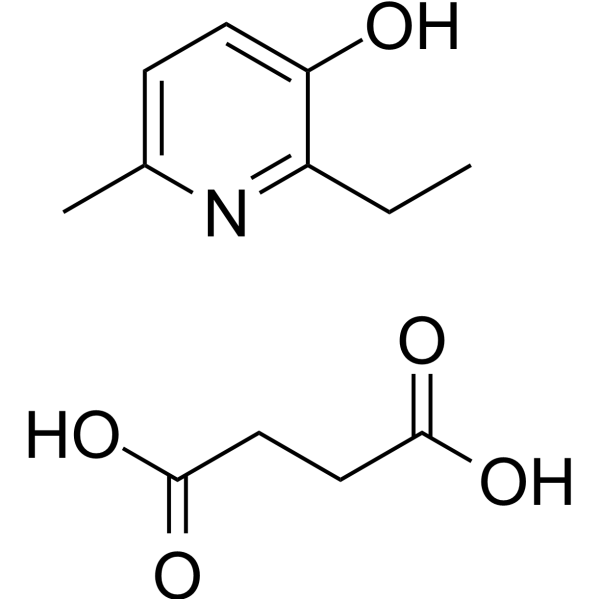
Emoxypine succinate is an antioxidant. Emoxypine succinate can be used for the research of post-traumatic .
loading...
    loading...
Cat. No.: HY-P3281
CAS No.: 499993-62-3
Target:  

FGFR

연구분야:  

Neurological Disease

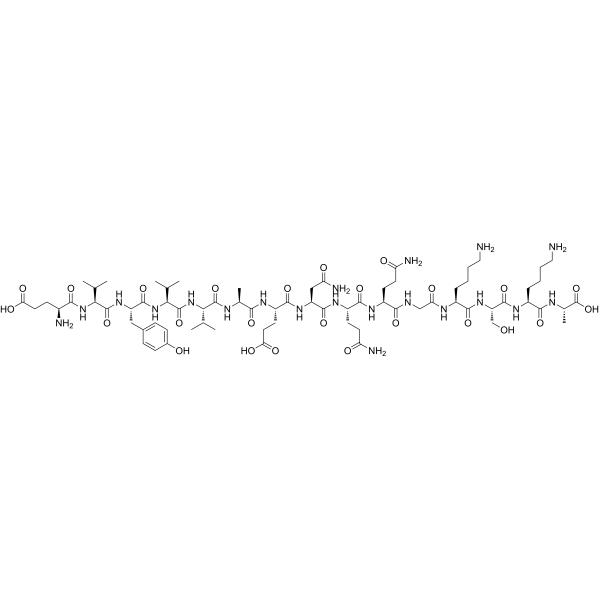
FGL peptide is a fibroblast growth factor receptor (FGFR) modulator and blood-brain barrier-penetrant. FGL peptide activates NCAM-FGFR and FGFR1 signaling pathways. FGL peptide alters expression of apoptosis, signal transduction and metabolism regulator genes in traumatic brain injury contexts. FGL peptide can be used for the research of traumatic brain injury .
loading...
    loading...
Cat. No.: HY-17455
CAS No.: 68497-62-1
Synonyms: CI-879 free base
연구분야:  

Neurological Disease

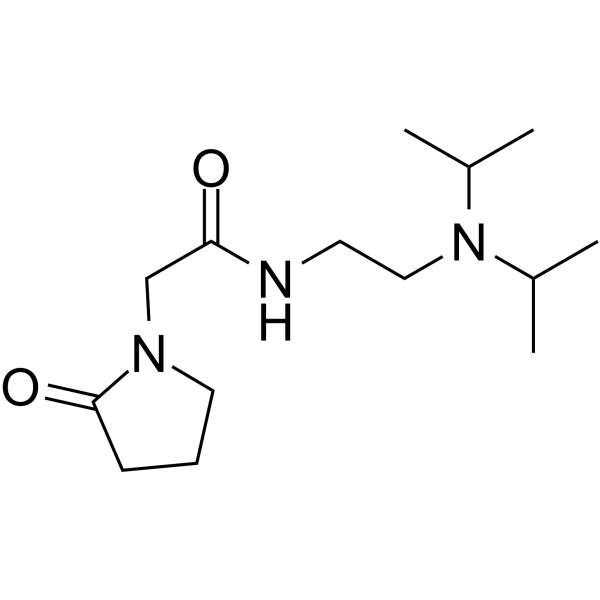
Pramiracetam (CI-879 free base) is a PREP (prolyl endopeptidase) inhibitor. Pramiracetam improves cognitive impairment caused by traumatic brain injury. Pramiracetam can be used in the study of neurodegenerative diseases .
loading...
    loading...
Cat. No.: HY-129724A
CAS No.: 2828433-34-5
Synonyms: ACTH-(11-13) acetate; Lys-Pro-Val acetate; H-Lys-Pro-Val-OH acetate
α-MSH (11-13) (ACTH-(11-13)) acetate is a C-terminal tripeptide of α-MSH that can cross the blood-brain barrier. α-MSH (11-13) acetate exhibits antipyretic, anti-inflammatory, and antibacterial activities. α-MSH (11-13) acetate also exerts neuroprotective effects after traumatic brain injury by inhibiting excessive activation of microglia and reducing neuronal apoptosis. α-MSH (11-13) acetate can be used in research related to traumatic brain injury, fever, and bacterial infections .
loading...
    loading...
Cat. No.: HY-P5883
CAS No.: 2126166-03-6
Synonyms: tatM2NX
TAT-M2NX (tatM2NX) is a selective inhibitor targeting human TRPM2 channels and exerts inhibitory effects on ischemic stroke. TAT-M2NX reduces H2O2-induced calcium influx via TRPM2 channels. After traumatic brain injury in mice, TAT-M2NX preserves hippocampal long-term potentiation, improves memory function, and reduces infarct volume after middle cerebral artery occlusion, but it shows no effect on female mice. TAT-M2NX can be used in studies related to traumatic brain injury and ischemic stroke .
loading...
    loading...
Cat. No.: HY-160236
CAS No.: 86321-32-6
Target:  

Drug Metabolite

연구분야:  

Neurological Disease

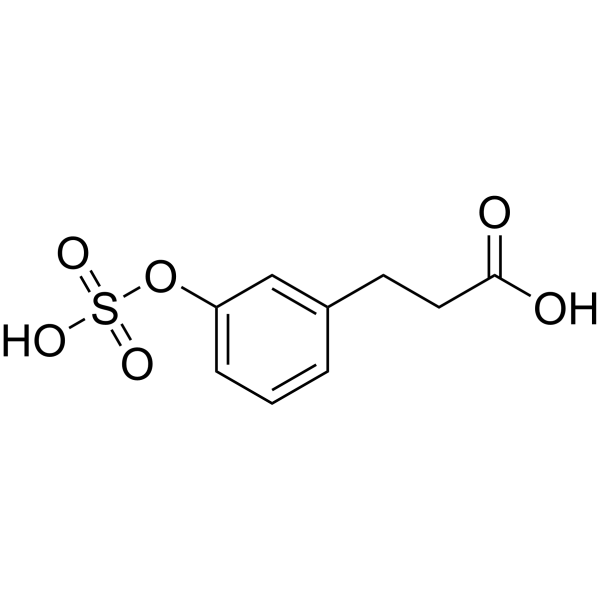
3-(3-Sulfooxyphenyl) propanoic acid is a metabolite of Echinacoside (HY-N0020). It promotes neural, psychological and brain health, enhances the proliferation, function and activity of brain cells, and facilitates extinction learning. 3-(3-Sulfooxyphenyl) propanoic acid can be used in research related to anxiety disorders, post-traumatic stress disorder, extinction learning deficits, autism, as well as neurodegenerative diseases including Parkinson's disease and Alzheimer's disease .
loading...
    loading...
Cat. No.: HY-176222
Target:  

Caspase

연구분야:  

Inflammation/Immunology

IRF1 antagonist 1 (8003-3282) is a potent IRF1 (interferon regulatory factor) antagonist with anti-inflammatory activity. IRF1 antagonist 1 can maintain blood-brain barrier integrity and reduce brain edema. IRF1 antagonist 1 can improve neurological outcomes in an acute traumatic brain injury (TBI) mouse model .
loading...
    loading...
Cat. No.: HY-B0614A
CAS No.: 13009-99-9
Target:  

Bacterial Fungal

연구분야:  

Infection

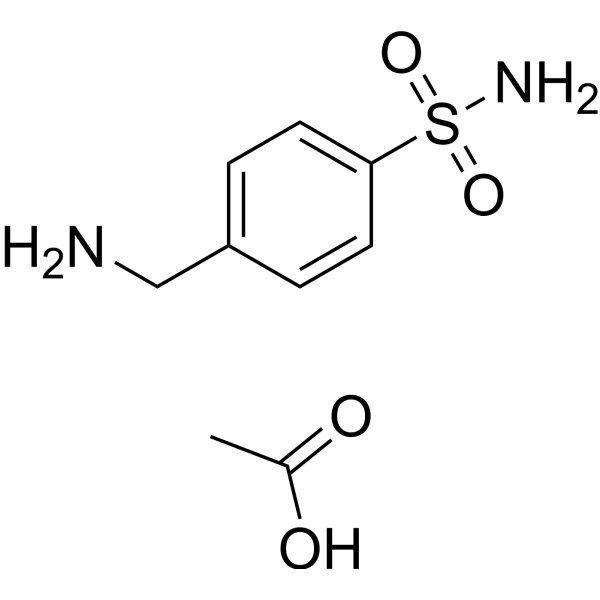
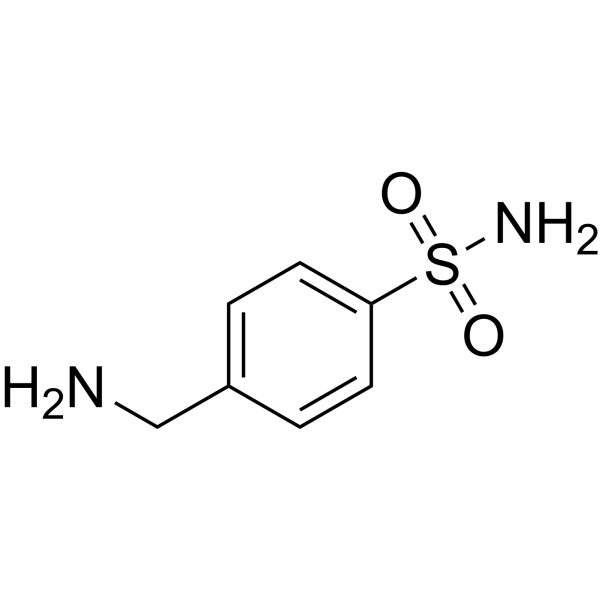
Mafenide Acetate is a potent sulfonamide antimicrobial agent. Mafenide Acetate exhibits antibacterial activity against Staphylococcus aureus and Pseudomonas aeruginosa. Mafenide Acetate also exhibits antifungal activity against filamentous fungi (e.g., Lichtheimia and Aspergillus flavus). Mafenide Acetate can be used in the research of skin grafts on burn wounds, post-traumatic invasive fungal infections, and bacterially contaminated wounds .
loading...
    loading...
Cat. No.: HY-B0614B
CAS No.: 138-37-4
Target:  

Bacterial Fungal

연구분야:  

Infection

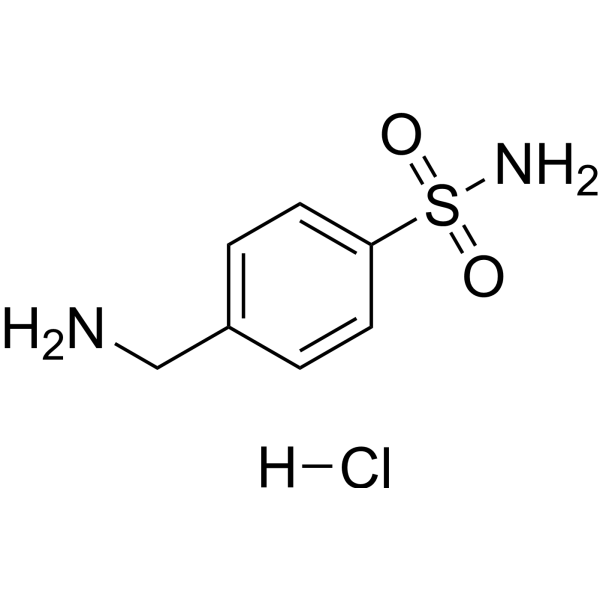
Mafenide hydrochloride is a potent sulfonamide antimicrobial agent. Mafenide hydrochloride exhibits antibacterial activity against Staphylococcus aureus and Pseudomonas aeruginosa. Mafenide hydrochloride also exhibits antifungal activity against filamentous fungi (e.g., Lichtheimia and Aspergillus flavus). Mafenide hydrochloride can be used in the research of skin grafts on burn wounds, post-traumatic invasive fungal infections, and bacterially contaminated wounds .
loading...
    loading...
Cat. No.: HY-203894
CAS No.: 5942-95-0
Synonyms: Defekton
Carpipramine (Defekton) is an antipsychotic agent that belongs to the iminodibenzyl class. Carpipramine is a potent dopamine antagonist which blocks alpha 1- and alpha 2-adrenoceptors. Carpipramine also has antagonist properties with respect to serotonin (5-ΗΤ2) receptors. Carpipramine exhibits antipsychotic and anti-depressant effects. Carpipramine can be used for the research of neurological disease, such as post-traumatic stress disorder (PTSD) and depression .
loading...
    loading...
Cat. No.: HY-N4098
CAS No.: 34701-53-6
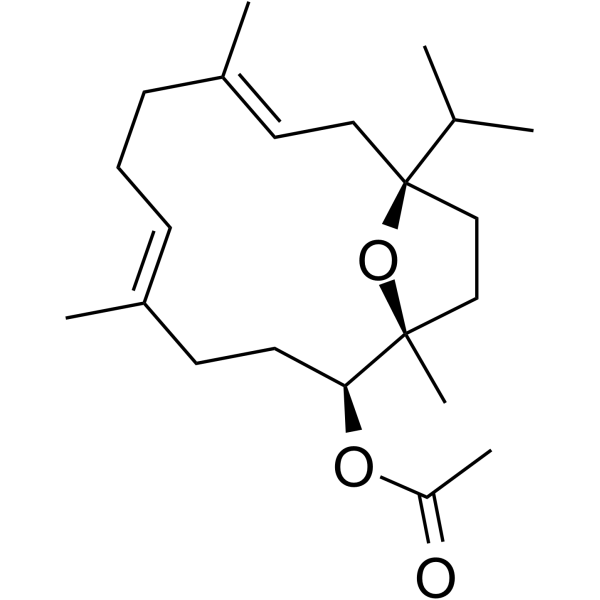
Incensole acetate is a main constituent of Boswellia carterii resin, has neuroprotective effects against neuronal damage in traumatic and ischemic head injury. Incensole acetate reduces Aβ25–35-triggered apoptosis in hOBNSCs .
loading...
    loading...
Cat. No.: HY-B0614
CAS No.: 138-39-6
Target:  

Bacterial Fungal

연구분야:  

Infection

Mafenide is a potent sulfonamide antimicrobial agent. Mafenide exhibits antibacterial activity against Staphylococcus aureus and Pseudomonas aeruginosa. Mafenide also exhibits antifungal activity against filamentous fungi (e.g., Lichtheimia and Aspergillus flavus). Mafenide can be used in the research of skin grafts on burn wounds, post-traumatic invasive fungal infections, and bacterially contaminated wounds .
loading...
    loading...
Cat. No.: HY-12143
CAS No.: 168266-51-1
Purity:  99.11%
Synonyms: GR 205171A
Target:  

Neurokinin Receptor

연구분야:  

Neurological Disease

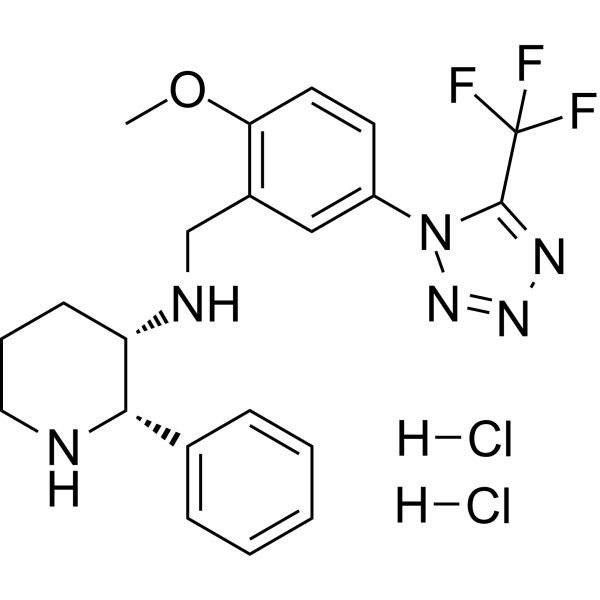
Vofopitant dihydrochloride (GR 205171A) is a blood-brain barrier-permeable NK1 receptor inhibitor with a pKi of 9.02 in mice. Vofopitant dihydrochloride blocks vomiting-related responses and inhibits pseudoptyalism. Vofopitant dihydrochloride exerts anxiolytic effects, regulates 5-HT receptor function and increases central 5-HT release. Vofopitant dihydrochloride improves hyperarousal symptoms of post-traumatic stress disorder. Vofopitant dihydrochloride can be used in research related to depression, anxiety, vomiting and postoperative nausea and vomiting .
loading...
    loading...
Cat. No.: HY-119358R
CAS No.: 6402-36-4
Traumatic Acid (Standard) is the analytical standard of Traumatic Acid. This product is intended for research and analytical applications. Traumatic Acid is a wound healing agent and a cytokinin (phytohormone). Traumatic Acid enhances the biosynthesis of collagen in cultured human skin fibroblasts. Traumatic Acid inhibits MCF-7 breast cancer cells viability and enhances apoptosis and oxidative stress. Traumatic Acid can be used in studies of cancer, circulatory disorders (including arterial hypertension), and skin diseases associated with oxidative stress and impaired collagen biosynthesis[1][2].
loading...
    loading...
Cat. No.: HY-129724
CAS No.: 67727-97-3
Synonyms: ACTH-(11-13); Lys-Pro-Val; H-Lys-Pro-Val-OH
α-MSH (11-13) (ACTH-(11-13)) is a C-terminal tripeptide of α-MSH that can cross the blood-brain barrier. α-MSH (11-13) exhibits antipyretic, anti-inflammatory, and antibacterial activities. α-MSH (11-13) also exerts neuroprotective effects after traumatic brain injury by inhibiting excessive activation of microglia and reducing neuronal apoptosis. α-MSH (11-13) can be used in research related to traumatic brain injury, fever, and bacterial infections .
loading...
    loading...
Cat. No.: HY-P2136F
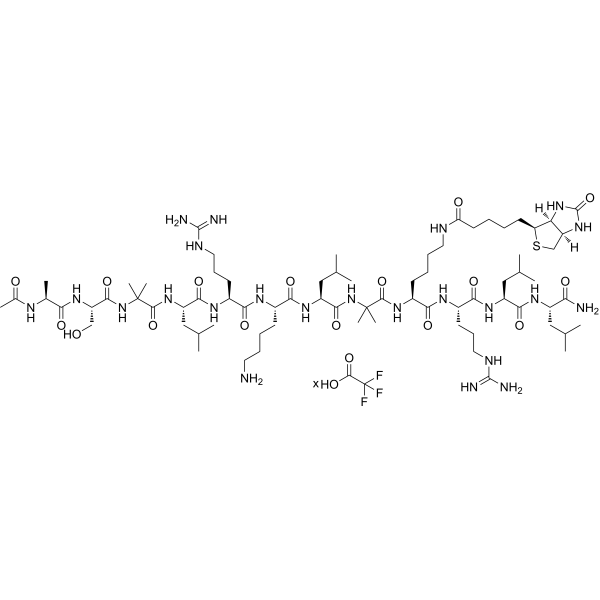
Biotin-COG1410 TFA is a biotin labled COG1410 (HY-P2136). COG1410 is an apolipoprotein E-derived peptide and an apoptosis inhibitor. COG1410 exerts neuroprotective and antiinflammatory effects in a murine model of traumatic brain injury (TBI). COG1410 can be used for the research of neurological disease .
loading...
    loading...
Cat. No.: HY-179055
CAS No.: 3063030-38-3
연구분야:  

Neurological Disease

PROTAC DAPK1 Degrader-1 is a death-associated protein kinase 1 (DAPK1) degrader with a DC50 of 119.6 nM. PROTAC DAPK1 Degrader-1 significantly increases MDM2 protein levels and inhibits neuronal apoptosis in ceramide-induced cells. PROTAC DAPK1 Degrader-1 can be used to study neurological disorders such as cerebral ischemia and traumatic brain injury .
loading...
    loading...

