




521 Results for "

pollen wall

" in MedChemExpress (MCE) Product Catalog:
Products (521)

521 Results for "pollen wall" in MCE Product Catalog:

3
3 Cited Publications
Cat. No.: HY-101867
CAS No.: 1338780-86-1
Purity:  98.23%
Target:  

Bacterial

Research Areas:  

Infection Cancer

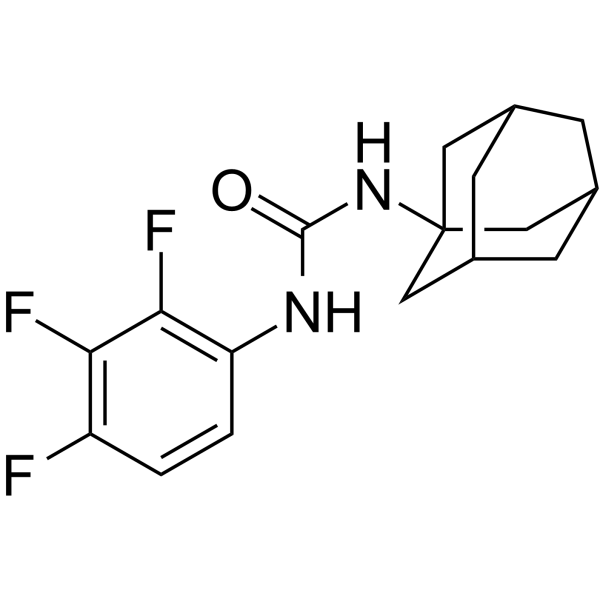
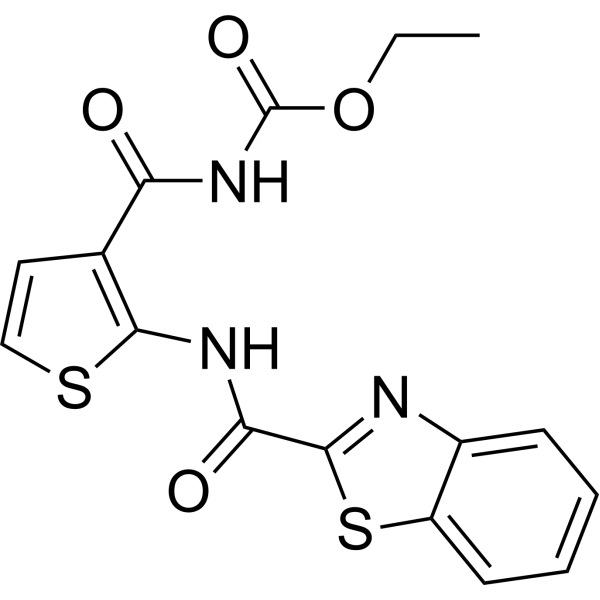
AU1235, an adamantyl urea, is a potent MmpL3 inhibitor. The Mycobacterium tuberculosis protein MmpL3 performs an essential role in cell wall synthesis, since it effects the transport of trehalose monomycolates across the inner membrane .
loading...
    loading...
3
3 Cited Publications
Cat. No.: HY-107193
CAS No.: 1405-87-4
Bacitracin is a polypeptide antibiotic against staphylococcal and pathogenic protozoa infections. Bacitracin inhibits cell wall biosynthesis and permeability through binding to the undecaprenyl pyrophosphate. Bacitracin inhibits macromolecular synthesis. Bacitracin is also a protein disulfide isomerase (PDI) inhibitor .
loading...
    loading...
3
3 Cited Publications
Cat. No.: HY-B0848
CAS No.: 41814-78-2
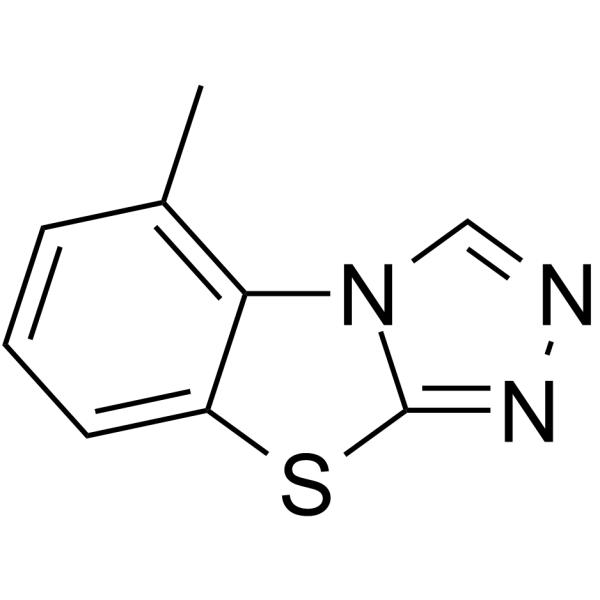
Tricyclazole is a pentaketone melanin biosynthesis inhibitor and a unique fungicide for controlling rice blast. Tricyclazole alters the structure and function of fungal cell walls, reduces fungal pathogenicity and penetration, and causes dose-dependent liver damage in animals .
loading...
    loading...
3
3 Cited Publications
Cat. No.: HY-B1164
CAS No.: 4093-35-0
Target:  

Dopamine Receptor

Research Areas:  

Neurological Disease

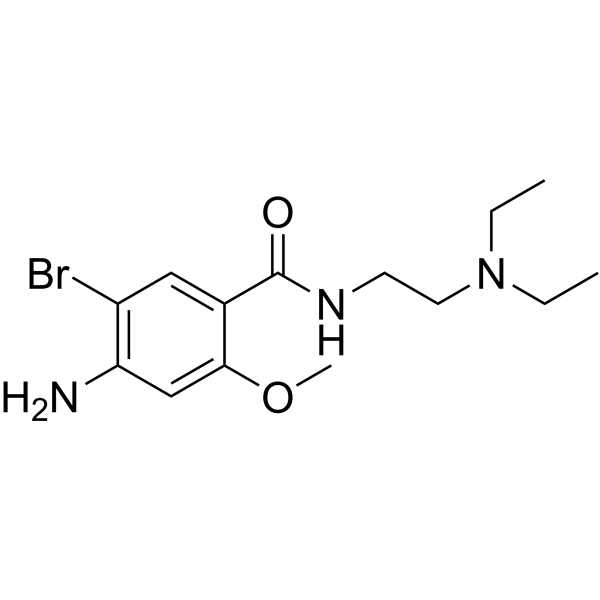
Bromopride is a selective, irreversible, competitive, and orally effective dopamine D2 receptor antagonist. Bromopride can pass through the blood-brain barrier, inhibit the vomiting center, and enhance gastrointestinal motility, exerting antiemetic and gastrointestinal motility effects. Bromopride antagonizes dopamine-mediated vomiting reflexes and promotes gastrointestinal smooth muscle contraction, and has no adverse effects on abdominal wall healing in rats with postoperative abdominal infection. Bromopride can be used for the study of digestive system diseases (such as gastric hypomotility, nausea and vomiting) .
loading...
    loading...
3
3 Cited Publications
Cat. No.: HY-B1831A
CAS No.: 192564-14-0
Synonyms: LY333328 diphosphate
Target:  

Bacterial Antibiotic

Research Areas:  

Infection Inflammation/Immunology

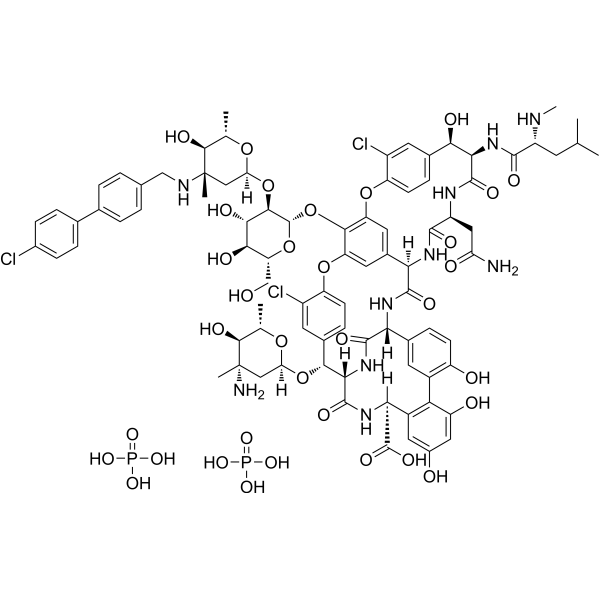
Oritavancin diphosphate (LY333328 diphosphate), a semisynthetic derivative of Vancomycin (HY-B0671), is an orally active glycopeptide antibiotic with bactericidal activity against gram-positive organisms. Oritavancin diphosphate shows antibacterial effect against B. anthracis, such as Ames strain with a MIC value of 0.015 g/mL. Oritavancin diphosphate inhibits cell wall synthesis and disrupts the membrane potential. Oritavancin diphosphate inhibits ArlS kinase activity thereby interfering the signal transduction. Oritavancin diphosphate enters cells by adsorptive endocytosis, which drives it to lysosomes, where it exerts antibiotic activity .
loading...
    loading...
2
2 Cited Publications
Cat. No.: HY-107846
CAS No.: 9014-63-5
Purity:  ≥95.0%
Xylan represents the main hemicellulose component in the secondary plant cell walls of flowering plants. Xylan is a polysaccharide made from units of xylose and contains predominantly β-D-xylose units linked as in cellulose .
loading...
    loading...
2
2 Cited Publications
Cat. No.: HY-P99646
CAS No.: 2418540-63-1
Synonyms: MEDI6570

Target:  

LOX-1

Gocdacimab (MEDI6570) is a fully human IgG1 monoclonal antibody inhibitor targeting the lectin-like oxidized low-density lipoprotein receptor LOX-1. By binding to LOX-1 and blocking its function, gocdacimab effectively reduces the level of free soluble LOX-1, thereby inhibiting key pathological processes such as lipid accumulation, foam cell formation, and vascular wall inflammation. Gocdacimab can interfere with atherosclerosis-related mechanisms, and it is used for research on atherosclerosis, and type 2 diabetes mellitus .
loading...
    loading...
2
2 Cited Publications
Cat. No.: HY-P5712
CAS No.: 113-73-5
Synonyms: Gramicidin soviet
Research Areas:  

Infection

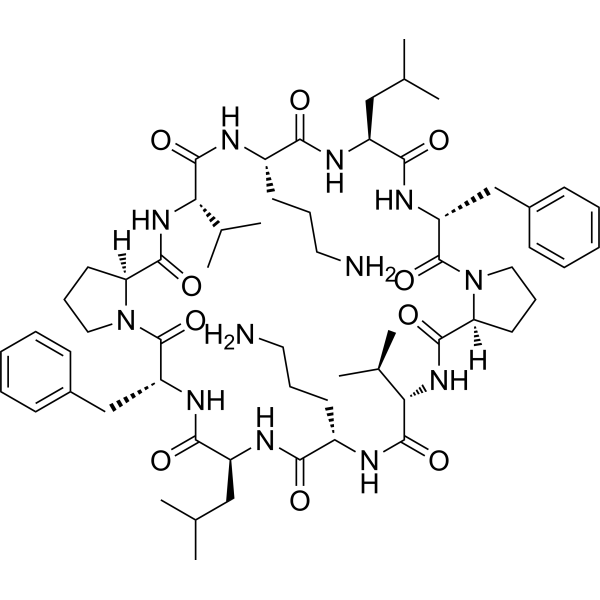
Gramicidin S (Gramicidin soviet) is a cationic cyclic peptide antibiotic that selectively targets bacterial cell membranes and has anticancer activity. Gramicidin S also exerts antibacterial activity by destroying membrane integrity and interfering with membrane protein function. Gramicidin S inserts into the phospholipid bilayer through hydrophobic amino acid residues, specifically binds to negatively charged membrane lipids and disrupts membrane structure, thereby inhibiting cell division and cell wall synthesis, and ultimately causing bacterial death. Gramicidin S also inhibits ion channels, with IC50s of 41 μM, 24 μM, and 3 μM for Na +/K +-ATPase, tobacco leaf plasma membrane Mg 2+/K +-ATPase, and rat heart plasma membrane Ca 2+-ATPase, respectively .
loading...
    loading...
1
1 Cited Publications
Cat. No.: HY-B1596
CAS No.: 68401-81-0
Target:  

Bacterial Antibiotic

Research Areas:  

Infection

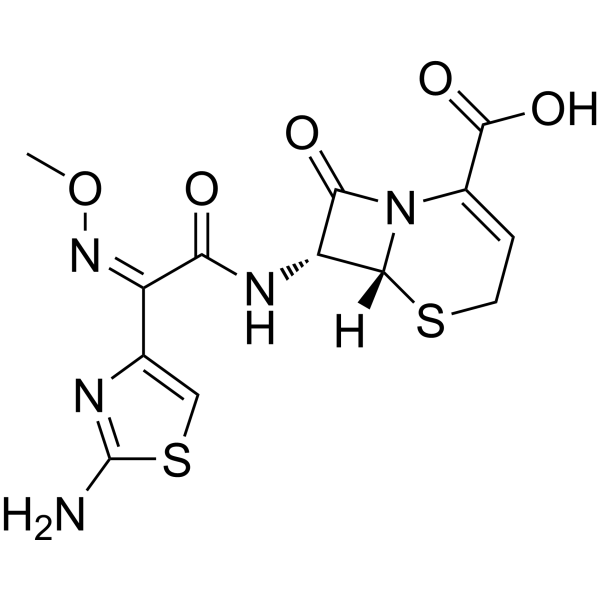
Ceftizoxime is a bacterial inhibitor which acts by interfering with bacterial cell wall synthesis and inhibiting cross-linking of the peptidoglycan.
loading...
    loading...
1
1 Cited Publications
Cat. No.: HY-111830
CAS No.: 9005-53-2
Synonyms: Lignine
Lignin (Lignine) is a natural complex biopolymer with biodegradable and biocompatible. Lignin is the main component of plant cell walls and is a renewable aromatic polymer. Lignin has strongly antioxidant activity .
loading...
    loading...
1
1 Cited Publications
Cat. No.: HY-B1596A
CAS No.: 68401-82-1
Synonyms: SKF-88373
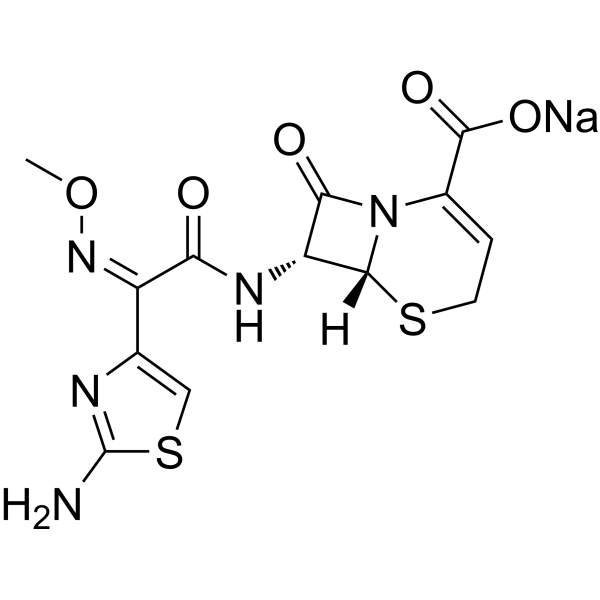
Ceftizoxime sodium (SKF-88373) is third generation cephalosporin effective against Gram-negative and Gram-positive bacteria. It binds penicillin-binding proteins (PBPs) and inhibits the bacterial cell wall synthesis.
loading...
    loading...
1
1 Cited Publications
Cat. No.: HY-19750
CAS No.: 1494675-86-3
Target:  

Bacterial

Research Areas:  

Infection

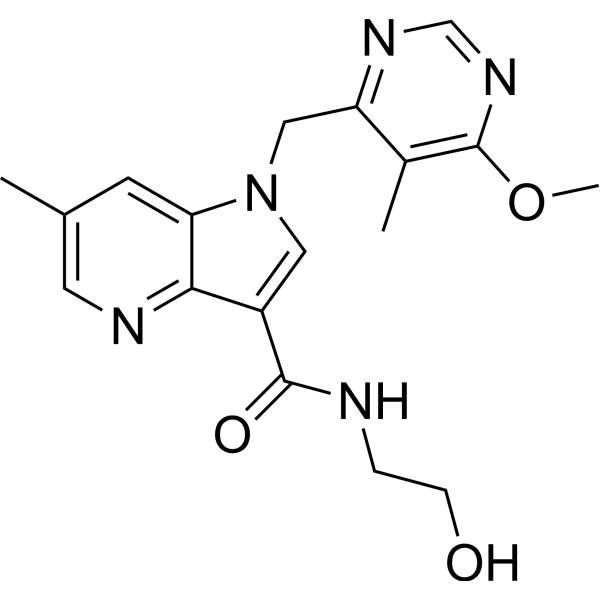
TBA-7371 is an orally active and non-covalent inhibitor of Decaprenylphosphoryl-β-D-ribose oxidase (DprE1) of Mycobacterium tuberculosis (MIC=0.64 μg/mL). TBA-7371 can block the synthesis of arabinose in the bacterial cell wall, resulting in cell wall structural defects, thereby exerting an anti-tuberculosis effect. TBA-7371 can be used in the research of anti-tuberculosis drugs and has a synergistic bactericidal effect with Bedaquiline (HY-14881) and other drugs .
loading...
    loading...
1
1 Cited Publications
Cat. No.: HY-12904
CAS No.: 864941-32-2
Purity:  98.29%
Target:  

Bacterial

Research Areas:  

Infection

TCA1 is a small molecule with activity against agent-susceptible and -resistant Mycobacterium tuberculosis (Mtb). TCA1 inhibits enzymes involved in cell wall and molybdenum cofactor biosynthesis, such as DprE1 and MoeW .
loading...
    loading...
1
1 Cited Publications
Cat. No.: HY-B1924
CAS No.: 213997-73-0
Synonyms: N-Demethylvancomycin monohydrochloride; NVCM monohydrochloride
Target:  

Bacterial

Research Areas:  

Infection

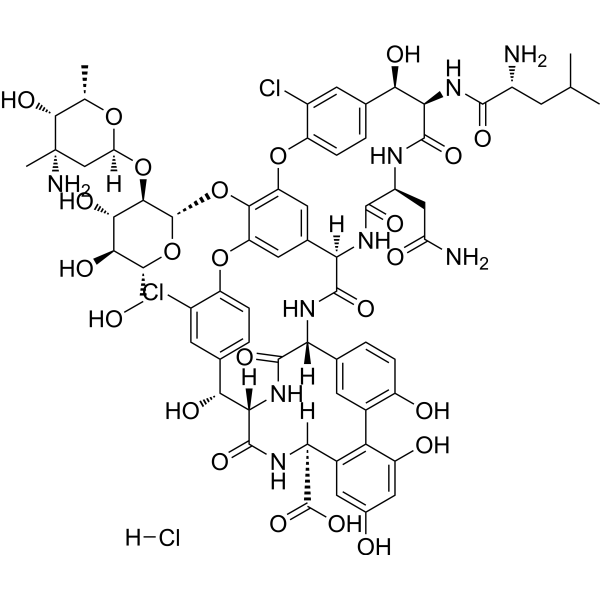
Norvancomycin hydrochloride is a cell wall synthesis inhibitor targeting peptidoglycan precursors of Gram-positive bacteria and cannot pass the blood-brain barrier. Norvancomycin hydrochloride can competitively bind to peptidoglycan precursors, irreversibly inhibit bacterial cell wall synthesis, and exert antibacterial activity. Norvancomycin hydrochloride is mainly used in the study of Gram-positive bacterial infections, especially infections caused by methicillin-resistant Staphylococcus aureus (MRSA) and methicillin-resistant Staphylococcus epidermidis (MRSE). Norvancomycin hydrochloride can also be incorporated into the bionic calcium phosphate coating of titanium implants to enhance antibacterial activity and inhibit postoperative orthopedic infections .
loading...
    loading...
1
1 Cited Publications
Cat. No.: HY-N7476
CAS No.: 70431-34-4
Synonyms: Polysialic acid sodium salt
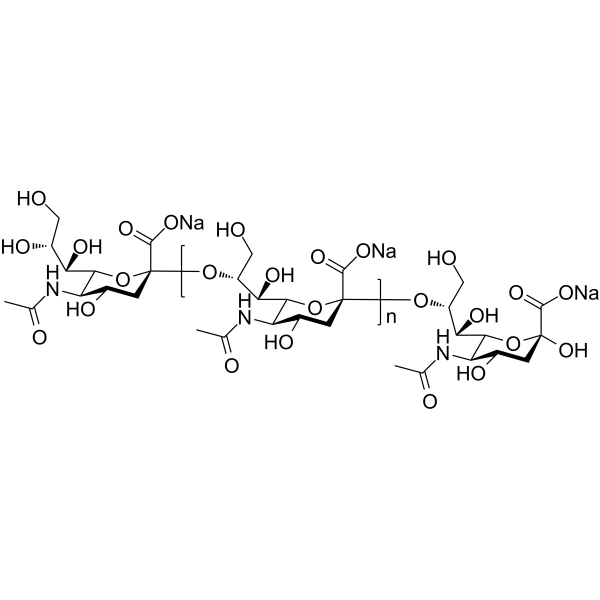
Colominic acid sodium salt (Polysialic acid sodium salt) could be naturally isolated from the cell wall of Escherichia coli and animals, gives a red color which has an absorption maximum at 530 nm. Colominic acid sodium salt (Polysialic acid sodium salt) possesses anti-bacterial activity .
loading...
    loading...
1
1 Cited Publications
Cat. No.: HY-W015580
CAS No.: 4695-62-9
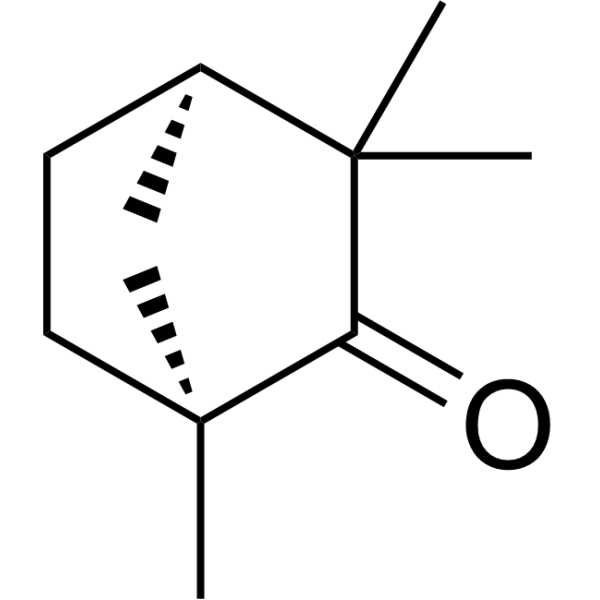
(+)-Fenchone is an antibacterial agent. (+)-Fenchone interferes with bacterial fatty acid synthesis, disrupts fungal cell wall construction, and inhibits bacterial biofilm formation. (+)-Fenchone can be used in studies related to bacterial and fungal infections .
loading...
    loading...
1
1 Cited Publications
Cat. No.: HY-17362R
CAS No.: 1404-93-9
Vancomycin (hydrochloride) (Standard) is the analytical standard of Vancomycin (hydrochloride). This product is intended for research and analytical applications. Vancomycin hydrochloride is an antibiotic for the treatment of bacterial infections. It acts by inhibiting the second stage of cell wall synthesis of susceptible bacteria. Vancomycin also alters the permeability of the cell membrane and selectively inhibits ribonucleic acid synthesis.
loading...
    loading...
1
1 Cited Publications
Cat. No.: HY-N3300
CAS No.: 480-33-1
Synonyms: (R)-Mellein
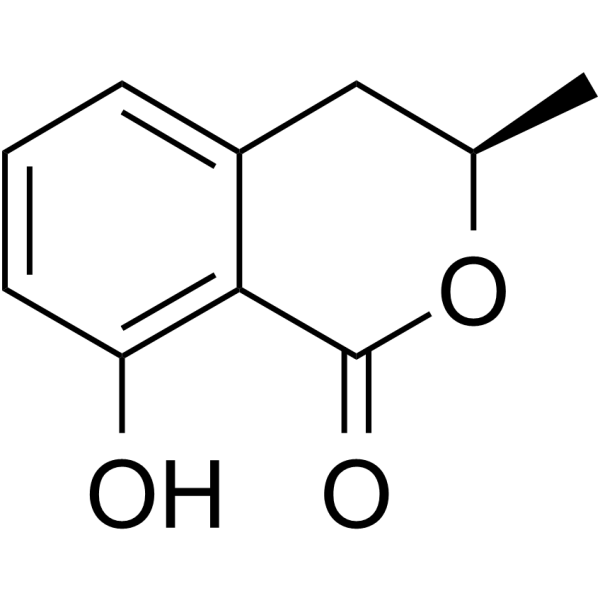
Mellein ((R)-Mellein) is an isocoumarin compound with antibacterial activity. Mellein inhibits the activity of HCV Protease, disrupts the cell wall of Xanthomonas sp., and acts as an insect trail pheromone. Mellein is applicable to research related to fungal infections, bacterial infections, and hepatitis C virus infections .
loading...
    loading...
1
1 Cited Publications
Cat. No.: HY-N8537
CAS No.: 260979-95-1
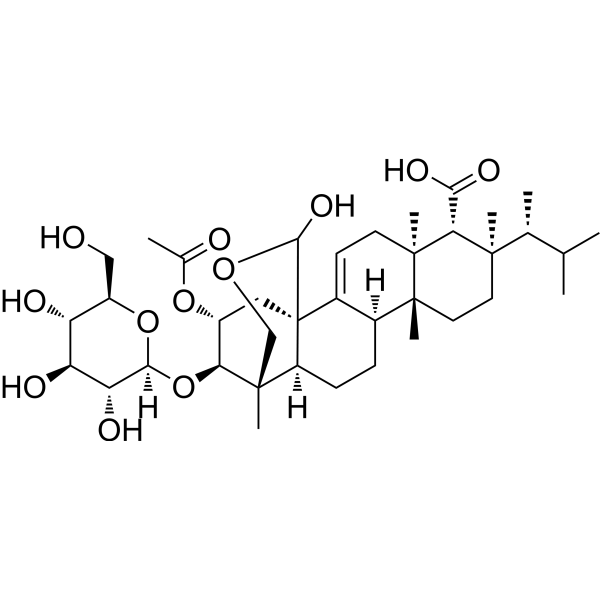
Enfumafungin, a triterpene glycoside, is isolated from extracts derived from fungus Hormonema carpetanum. Enfumafungin is an antifungal compound that is acting on the fungal cell wall, as the (1,3)-beta-D-glucan synthase inhibitor. Enfumafungin is specific for yeasts and fungi (excluding Cryptococcus) and does not inhibit the growth of Bacillus subtilis .
loading...
    loading...
1
1 Cited Publications
Cat. No.: HY-P2862
CAS No.: 9014-08-8
Research Areas:  

Others

Enolase is a glycolytic enzyme present in the cell wall of S. cerevisiae. Enolase exhibits specific affinity to imported tRNA and can facilitate formation of preMsk1p-tRNA complex. Enolase can be overproduced in tumor cells where rate of glycolysis is increased. Enolase depletion can lead to tRNA inhibition in vivo .
loading...
    loading...

