802 Results for "

Vasodilator testing

" in MedChemExpress (MCE) Product Catalog:
Products (802)

802 Results for "Vasodilator testing" in MCE Product Catalog:

Cat. No.: HY-DY2045
Target:  

Fluorescent Dye

Research Areas:  

Others

Alizarin Red S Staining Solution (2%, pH 4.2) is a 2% concentration, pH 4.2 anthraquinone dye (sodium alizarin sulfonate) that can be used for intercellular staining of corneal endothelial cell boundaries. Alizarin Red S Staining Solution (2%, pH 4.2) is an anthraquinone dye (sodium alizarin sulfonate) with an optimized pH of 4.2, which undergoes a dye-lake reaction with calcium and serves as an intercellular stain for corneal endothelial cell boundaries. Alizarin Red S Staining Solution (2%, pH 4.2) can be used for screening tests of calcium compounds in synovial fluid, detection of osteoblast differentiation, and staining detection of bone in mice. Excitation/emission wavelength: 500/570 nm .
loading...
    loading...
Cat. No.: HY-N10778
CAS No.: 1301267-02-6
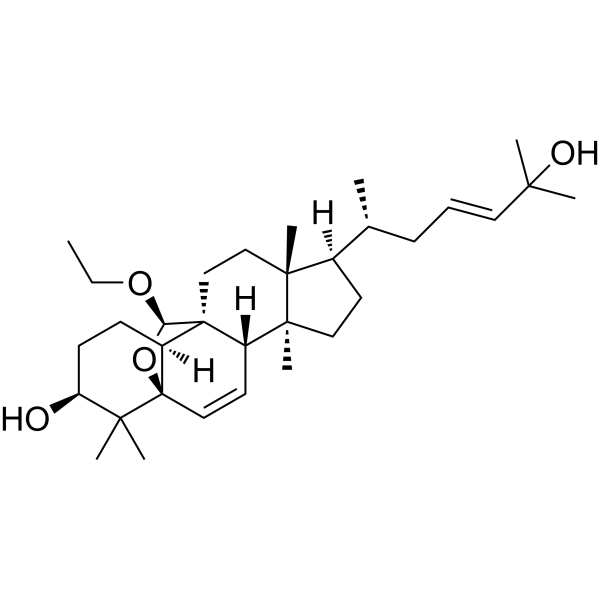
(19R,23E)-5b,19-Epoxy19-ethoxycucurbita-6,23-diene-3b,25-diol is a cucurbitane-type triterpenoid. (19R,23E)-5b,19-Epoxy19-ethoxycucurbita-6,23-diene-3b,25-diol has been tested to no effect against 5 cancer cell lines, MCF-7, HepG2, Du145, Colon205 and HL-60 by MTT assay .
loading...
    loading...
Cat. No.: HY-W012282
CAS No.: 7057-27-4
Target:  

HCV

Research Areas:  

Infection

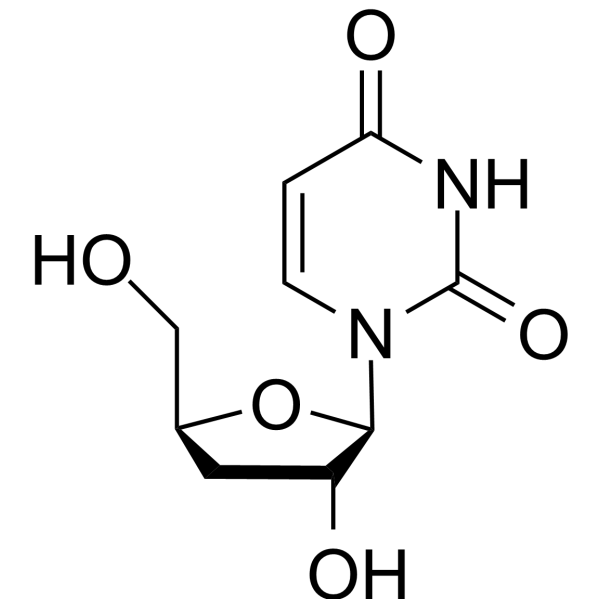
3′-Deoxyuridine is a 3'-deoxynucleoside analog and a 2',3'-dideoxynucleoside. 3′-Deoxyuridine does not inhibit the replication of HCV-like RNA templates or luciferase levels in human cells at the tested concentrations. 3′-Deoxyuridine serves as a substrate for microbial dideoxyribosylation reactions to generate various 2',3'-dideoxynucleosides, but cannot be converted into 2',3'-dideoxycytidine by resting E. coli AJ 2595 cells. 3′-Deoxyuridine can be formed by the deamination of 3'-deoxycytidine by E. coli BM-11 cytidine deaminase, and can also undergo phosphorolytic cleavage to produce uracil and the corresponding pentose phosphate. 3′-Deoxyuridine has been used in research related to HCV and other relevant fields .
loading...
    loading...
Cat. No.: HY-Y0367R
CAS No.: 110-16-7
Maleic Acid (Standard) is the analytical standard of Maleic Acid. This product is intended for research and analytical applications. Maleic Acid is a Glutamate Decarboxylase (GAD) inhibitor of E. coli and L. monocytogenes. IC50 & Target: GAD . In Vitro: The MICs of WT 10403S for the acids (e.g., Maleic Acid) are 34 mM, 25 mM, 31 mM and 30 mM which correspond to pH values prior to growth of 4.84, 5.14, 5.32 and 5.02 respectively. Of all compounds tested, Maleic Acid is the least inhibitory despite acting at a lower pH (4.84). The most acid resistant (10403S) and the weakest (EGD-e) strain are challenged with 8.6 mM and 4.3 mM of each organic acid at pH 3 and 3.3 respectively. On both strains, Maleic Acid is the most bactericidal .
loading...
    loading...
Cat. No.: HY-Y0678R
CAS No.: 621-23-8
1,3,5-Trimethoxybenzene (TRIMETHYL PHLOROGLUCINOL) is an electrophilic substitution reaction substrate targeting free chlorine (Cl+) and free bromine (Br+). 1,3,5-Trimethoxybenzene has highly selective electrophilic addition characteristics. By capturing halogens, it undergoes specific substitution reactions to generate stable halogenated products. 1,3,5-Trimethoxybenzene can not only quench residual oxidants, but also quantify the halogen concentration by detecting the product without affecting the stability of redox-sensitive disinfection byproducts (DBPs). 1,3,5-Trimethoxybenzene is mainly used in water quality testing and quantitative analysis of free chlorine/bromine in water. At the same time, in phytochemistry, it is a key component of rose fragrance and participates in the study of pollination attraction mechanism .
loading...
    loading...
Cat. No.: HY-162060
CAS No.: 2894823-79-9
Target:  

HDAC NO Synthase Akt PI3K

Research Areas:  

Cardiovascular Disease

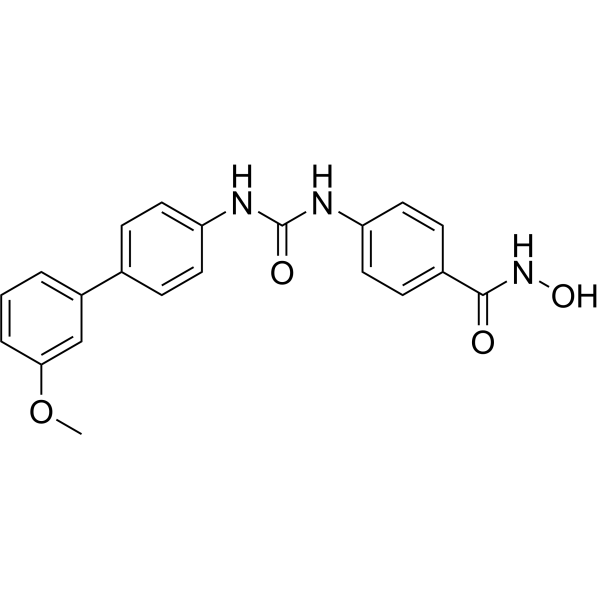
YPX-C-05 is an orally active HDAC inhibitor and vasodilator. YPX-C-05 inhibits HDAC enzymatic activity, increases histone H4 acetylation, activates the PI3K/Akt pathway, promotes Akt and eNOS phosphorylation, enhances eNOS activity, and boosts nitric oxide production. YPX-C-05 increases Tetrahydrobiopterin (HY-107383) levels, restores serum nitric oxide levels, reduces endothelin-1 levels, and improves endothelial function. YPX-C-05 reduces vascular remodeling and exerts antihypertensive effects in hypertensive Mus musculus mice. YPX-C-05 can be used for the research of hypertension .
loading...
    loading...
Cat. No.: HY-B1016
CAS No.: 15421-84-8
Synonyms: AR-12008
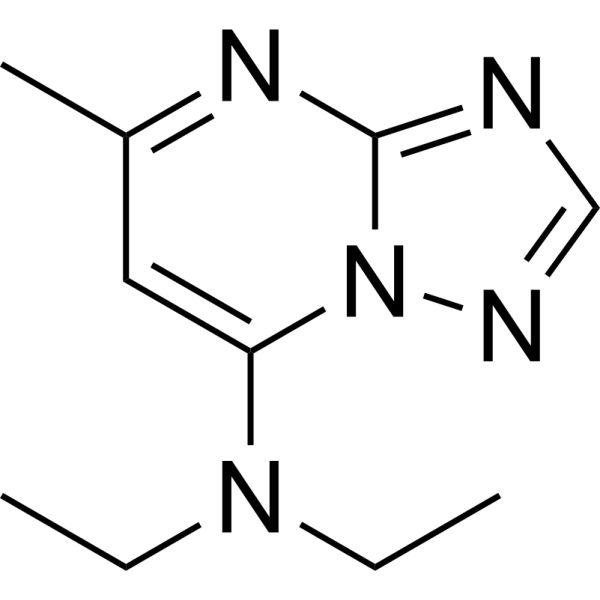
Trapidil (AR-12008) is an orally active vasodilator and antiplatelet agent. Trapidil antagonizes platelet-derived growth factor (PDGF), inhibits phosphodiesterase, thromboxane A2 synthesis and pro-inflammatory cytokine production. Trapidil promotes prostacyclin biosynthesis, reduces lipid peroxidation, regulates nitric oxide metabolism, and inhibits cell proliferation and migration. Trapidil exerts tissue-protective effects, regulates bone turnover, and inhibits pyroptosis via the GPX3/Nrf2 pathway. Trapidil is applicable to research related to renal ischemia-reperfusion injury, chronic stable angina, restenosis, meningioma, diabetic cardiomyopathy and peripheral nerve crush injury .
loading...
    loading...
Cat. No.: HY-N7065R
CAS No.: 7327-87-9
Dihydralazine sulfate (Standard) is the analytical standard of Dihydralazine sulfate (HY-N7065). This product is intended for research and analytical applications. Dihydralazine sulfate is an antihypertensive hydrazine derivative and also a low-potency genotoxic agent. Dihydralazine sulfate is a direct-acting mutagen with a mixed gene mutation mechanism, which induces DNA fragmentation in the lung, kidney and spleen of mice, and induces sister chromatid exchange in mouse bone marrow cells. Dihydralazine sulfate specifically kills DNA repair-deficient bacteria. Dihydralazine sulfate is a vasodilator and antihypertensive agent that reduces systemic vascular resistance, increases cardiac output and heart rate, thereby lowering blood pressure. Dihydralazine sulfate can be used in research related to hypertension and severe early-onset preeclampsia .
loading...
    loading...
Cat. No.: HY-U00134
CAS No.: 2179-37-5
Synonyms: Bencyclane; Benzcyclan
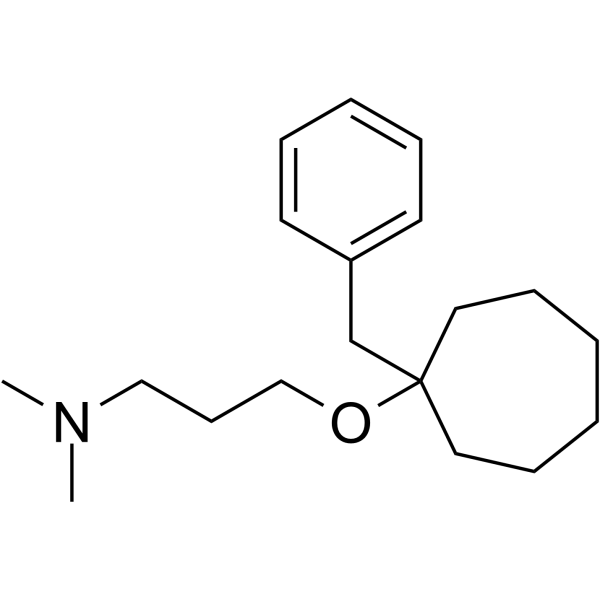
Benzcyclane (Bencyclane; Benzcyclan) is a vasodilator with serotonin receptor antagonism. Benzcyclane exerts atypical serotonin antagonistic effects in rabbit superior mesenteric arteries. Benzcyclane relaxes high K +-induced contractions in rabbit basilar arteries and superior mesenteric arteries, and selectively inhibits sympathetic nerve stimulation-induced contractions in rabbit pulmonary arteries. Benzcyclane exerts non-competitive norepinephrine antagonistic effects in rabbit superior mesenteric arteries, and slightly reduces the maximum contractile response induced by histamine. Benzcyclane relaxes smooth muscles, induces transient hypotension, inhibits thrombosis, and accelerates blood fibrinolytic activity. Benzcyclane increases cerebral glucose content/uptake, enhances hypoxia tolerance in mice, and increases cerebral blood supply in dogs. Benzcyclane is applicable to studies related to cerebral vascular circulation .
loading...
    loading...
Cat. No.: HY-U00134A
CAS No.: 14286-84-1
Synonyms: Bencyclane fumarate; Benzcyclan fumarate
Benzcyclane fumarate (Bencyclane fumarate; Benzcyclan fumarate) is a vasodilator with serotonin receptor antagonism. Benzcyclane fumarate exerts atypical serotonin antagonistic effects in rabbit superior mesenteric arteries. Benzcyclane fumarate relaxes high K +-induced contractions in rabbit basilar arteries and superior mesenteric arteries, and selectively inhibits sympathetic nerve stimulation-induced contractions in rabbit pulmonary arteries. Benzcyclane fumarate exerts non-competitive norepinephrine antagonistic effects in rabbit superior mesenteric arteries, and slightly reduces the maximum contractile response induced by histamine. Benzcyclane fumarate relaxes smooth muscles, induces transient hypotension, inhibits thrombosis, and accelerates blood fibrinolytic activity. Benzcyclane fumarate increases cerebral glucose content/uptake, enhances hypoxia tolerance in mice, and increases cerebral blood supply in dogs. Benzcyclane fumarate is applicable to studies related to cerebral vascular circulation .
loading...
    loading...
Cat. No.: HY-W393243
CAS No.: 10300-22-8
Research Areas:  

Others

(2R,3R,4S,5R)-2-(6-amino-9H-purin-9-yl)-5-(hydroxymethyl)-4-methoxytetrahydrofuran-3-ol (Adenosine, 3'-O-methyl- (8CI)(9CI)) is an adenosine analogue. Adenosine analogs mostly act as smooth muscle vasodilators and have also been shown to inhibit cancer progression. The popular products in this series are adenosine phosphate, Acadesine (HY-13417), Clofarabine (HY-A0005), Fludarabine phosphate (HY-B0028) and Vidarabine (HY-B0277) .
loading...
    loading...
Cat. No.: HY-W393243R
CAS No.: 10300-22-8
(2R,3R,4S,5R)-2-(6-amino-9H-purin-9-yl)-5-(hydroxymethyl)-4-methoxytetrahydrofuran-3-ol (Adenosine, 3'-O-methyl- (8CI)(9CI)) is an adenosine analogue. Adenosine analogs mostly act as smooth muscle vasodilators and have also been shown to inhibit cancer progression. The popular products in this series are adenosine phosphate, Acadesine (HY-13417), Clofarabine (HY-A0005), Fludarabine phosphate (HY-B0028) and Vidarabine (HY-B0277) .
loading...
    loading...
Cat. No.: HY-W751362
CAS No.: 14176-10-4
Cetiedil is a vasodilator and potassium channel blocker with anti-sickle cell and analgesic activities. Cetiedil increases cyclic adenosine monophosphate levels, relaxes vascular smooth muscle, and blocks the action of Bradykinin (HY-P0206). Cetiedil inhibits platelet aggregation, reduces plasma fibrinogen concentration and blood viscosity, suppresses sickling of sickle red blood cells and improves their filterability, and decreases irreversible sickle cells. Cetiedil binds to calmodulin, inhibits Ca 2+-dependent potassium permeability of erythrocyte membranes, increases sodium permeability of erythrocytes, and regulates polymorphonuclear leukocyte function. Cetiedil can be used in research related to intermittent claudication, arteriosclerosis obliterans, diabetic arteriosclerosis, Raynaud's disease, angina pectoris, and sickle cell anemia .
loading...
    loading...
Cat. No.: HY-116062A
CAS No.: 129540-12-1
Research Areas:  

Neurological Disease

JNJ-7925476 is a triple reuptake inhibitor that selectively and potently inhibits the activity of the serotonin transporter (SERT), norepinephrine transporter (NET), and dopamine transporter (DAT). JNJ-7925476 is rapidly absorbed into the blood and its concentration in the brain is 7-fold higher than that in plasma. The occupancy ED(50) values of JNJ-7925476 for SERT, NET, and DAT in the rat brain are 0.18, 0.09, and 2.4 mg/kg, respectively. JNJ-7925476 rapidly induces a significant increase in the levels of extracellular serotonin, dopamine, and norepinephrine in the rat cerebral cortex in a dose-dependent manner. JNJ-7925476 exhibits potent antidepressant-like activity in the mouse tail suspension test. These results suggest that JNJ-7925476 has in vivo efficacy in biochemical and behavioral models of depression .
loading...
    loading...
Cat. No.: HY-13769
CAS No.: 769856-81-7
Synonyms: TPU260
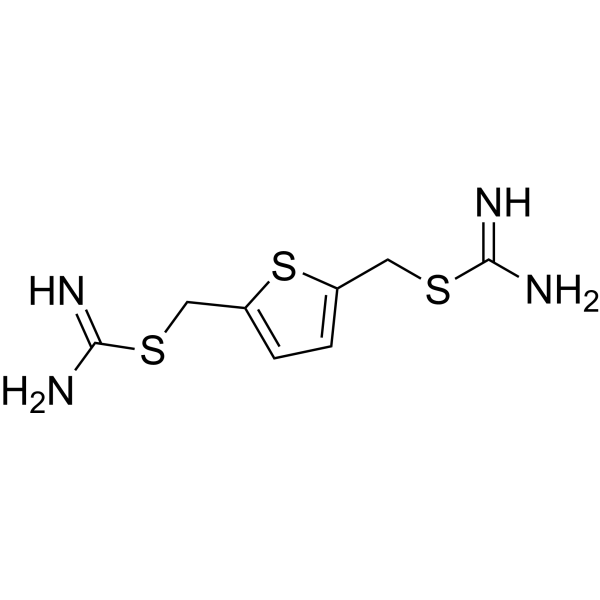
TPT-260 (TPU260), a thiophene thiourea derivative, is a retromer complex stabilizer against thermal denaturation (Kd = ~5 µM). TPT-260 increases the levels of retromer proteins, shifts amyloid-precursor protein (APP) away from the endosome, and decreases the pathogenic processing of APP. TPT-260 inhibits TLR4 upregulation, IKKβ phosphorylation, NF-κB p65 nuclear translocation, and NLRP3 inflammasome formation. TPT-260 improves retromer-mediated cargo trafficking, reduces brain infarct area, and decreases amyloid plaque deposition. TPT-260 exhibits minimal cytotoxicity to primary microglia at tested concentrations. TPT-260 can be used for the research of inflammatory bowel disease, ischemic stroke and Alzheimer's disease .
loading...
    loading...
Cat. No.: HY-181102
CAS No.: 3081614-92-5
TGR5 agonist 10 is a selective, allosteric and orally active Takeda G protein coupled receptor 5 (TGR5) agonist with EC50s of 0.8 μM and 0.6 μM for human TGR5 and mouse TGR5, respectively. TGR5 agonist 10 demonstrates selectivity for TGR5 over FXR. TGR5 agonist 10 activates hTGR5 and mTGR5 to induce cAMP accumulation, and positively modulates lithocholic acid functional activity and potency at hTGR5, with higher selectivity for cAMP formation over β-arrestin2 recruitment. TGR5 agonist 10 exerts glucose-lowering effects in Mus musculus oral glucose tolerance tests. TGR5 agonist 10 can be used for the research of diabetes .
loading...
    loading...
Cat. No.: HY-D1556
CAS No.: 384832-91-1
Synonyms: 1,2-dioleoyl-sn-glycero-3-phosphoethanolamine-N-(carboxyfluorescein) ammonium
Target:  

Fluorescent Dye

Research Areas:  

Cancer

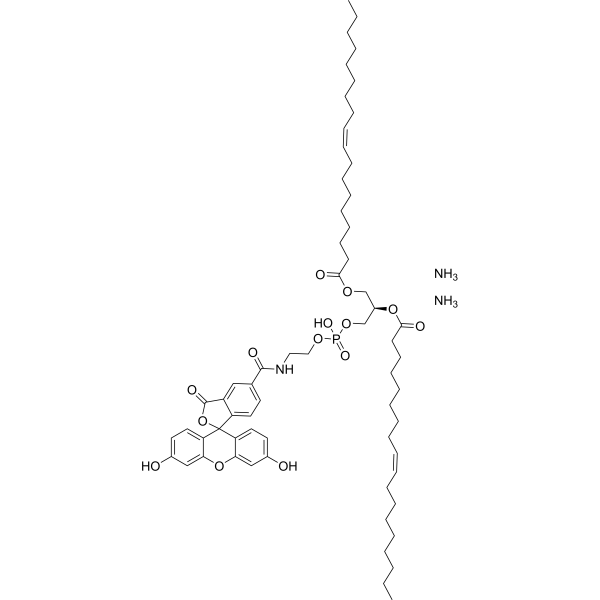
18:1 PE CF (1,2-dioleoyl-sn-glycero-3-phosphoethanolamine-N-(carboxyfluorescein) (ammonium)) is a pH-sensitive fluorescent indicator. 18:1 PE CF exhibits changes in fluorescence intensity in response to pH variations and reflects the electrostatic states of cationic liposomes and lipoplexes. 18:1 PE CF supports real-time visualization of pH distribution and membrane deformation in giant unilamellar vesicles and is suitable for steady-state fluorescence testing in large unilamellar vesicle membranes. 18:1 PE CF is capable of monitoring the surface electrical potential of cationic liposomes and lipoplexes and can effectively label lipid bilayers and nanomicelles. 18:1 PE CF can be used for the research of the investigation of lung cancer (Ex = 495 nm; Em = 520 nm) .
loading...
    loading...
Cat. No.: HY-D3101
Target:  

Fluorescent Dye

Research Areas:  

Others

Nile-TPA is a fluorescent probe for polarity detection, which can be used for lipid droplet targeting, cell polarity analysis, in vivo polarity imaging, and blood polarity monitoring in circulating tumor mouse models. The detection mechanism of Nile-TPA relies on the dual intramolecular charge transfer (ICT) effect generated by the electron-donating triphenylamine and Nile Red moieties and the electron-withdrawing carbonyl group; this probe emits strong red fluorescence in a low-polarity environment, and as polarity increases, the fluorescence intensity decreases and a red shift occurs due to changes in the excited-state dipole moment. In spectral tests, its excitation wavelength is 540 nm, and the emission wavelength varies in the range of 550-800 nm depending on solvent polarity; for cell, zebrafish and mouse imaging, Ex/Em = 561/570-620 nm, and for in vivo mouse imaging, Ex/Em = 560/620 nm .
loading...
    loading...
Cat. No.: HY-D3104
CAS No.: 2767443-23-0
Target:  

Fluorescent Dye

Research Areas:  

Others

ERNT is a fluorescent probe for monitoring endoplasmic reticulum (ER) polarity and detecting endoplasmic reticulum stress (ERS) during the progression of dynamic liver injury. ERNT functions based on a donor-π-acceptor (D-π-A) structure with an intramolecular charge transfer (ICT) effect. ERNT has multiple excitation/emission pairs: for in vitro cell imaging, the green channel has Ex/Em = 488/500-550 nm, and the red channel has Ex/Em = 488/570-620 nm; for in vivo liver imaging, Ex/Em = 520/620 nm; for solvent optical tests, Ex = 470 nm, with the maximum emission peak at 548 nm in low-polarity toluene and 668 nm in high-polarity DMSO. ERNT can evaluate the efficacy of hepatoprotective interventions by detecting changes in ER polarity, and also exhibits excellent photostability and low cytotoxicity .
loading...
    loading...
Cat. No.: HY-N19910
CAS No.: 1448363-50-5
Dihydroeleutherinol-8-O-β-D-glucopyranoside is an anti-inflammatory agent. Dihydroeleutherinol-8-O-β-D-glucopyranoside exists in the rhizomes of Eleutherine bulbosa and acts as a pro-inflammatory cytokine inhibitor. Dihydroeleutherinol-8-O-β-D-glucopyranoside inhibits the production of IL-12 p40 (IC50 = 1.0 μM) and IL-6 (IC50 = 5.0 μM) in lipopolysaccharide-stimulated dendritic cells. At the tested concentrations, Dihydroeleutherinol-8-O-β-D-glucopyranoside does not inhibit the production of TNF-α in lipopolysaccharide-stimulated dendritic cells and shows no cytotoxicity against dendritic cells. Dihydroeleutherinol-8-O-β-D-glucopyranoside can be used in studies related to rheumatoid arthritis .
loading...
    loading...

