949 Results for "

sensitive

" in MedChemExpress (MCE) Product Catalog:
Products (949)

949 Results for "sensitive" in MCE Product Catalog:

4
4 Cited Publications
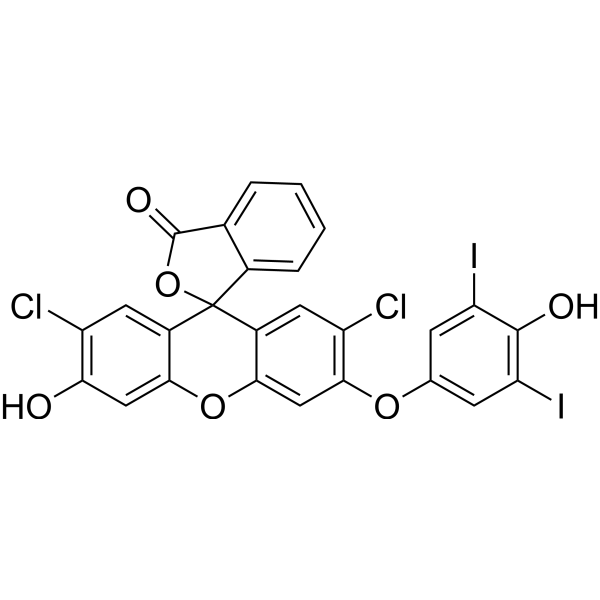
Cat. No.: HY-D1151
CAS No.: 2031170-96-2
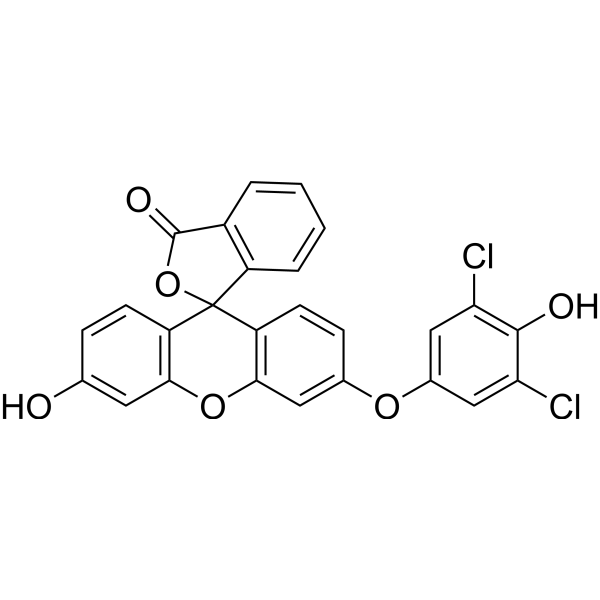
HKOH-1 is a highly sensitive green fluorescent probe for the specific detection of ·OH in living cells with a maximum excitation wavelength and emission wavelength of 500 nm and 520 nm, respectively .
loading...
    loading...
4
4 Cited Publications
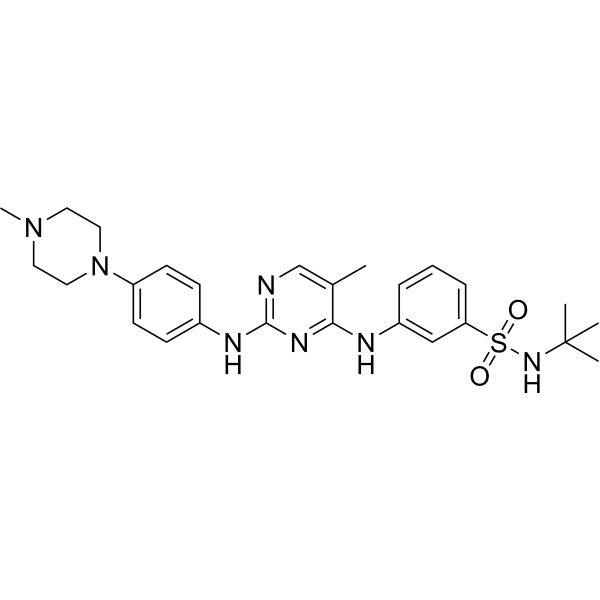
Cat. No.: HY-10410
CAS No.: 936091-14-4
Purity:  99.22%
Research Areas:  

Cancer

TG101209 is a selective JAK2 inhibitor with IC50 of 6 nM, less potent to Flt3 and RET with IC50 of 25 nM and 17 nM, appr 30-fold selective for JAK2 than JAK3, and sensitive to JAK2V617F and MPLW515L/K mutations.
loading...
    loading...
4
4 Cited Publications
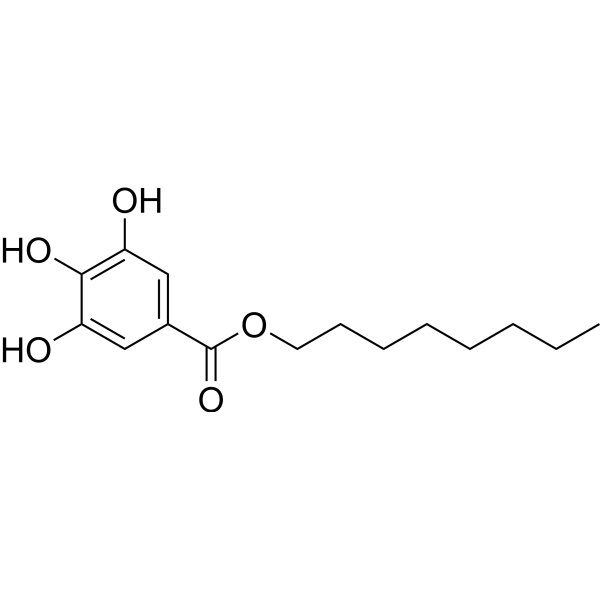
Cat. No.: HY-N2011
CAS No.: 1034-01-1
Synonyms: n-Octyl gallate; Stabilizer GA 8
Octyl gallate (Progallin O) is widely used as a food additive, with antimicrobial and antioxidant activity . Octyl gallate (Progallin O) shows selective and sensitive fluorescent property . Octyl gallate shows a marked antiviral effect against HSV-1, vesicular stomatitis virus (VSV) and poliovirus .
loading...
    loading...
4
4 Cited Publications
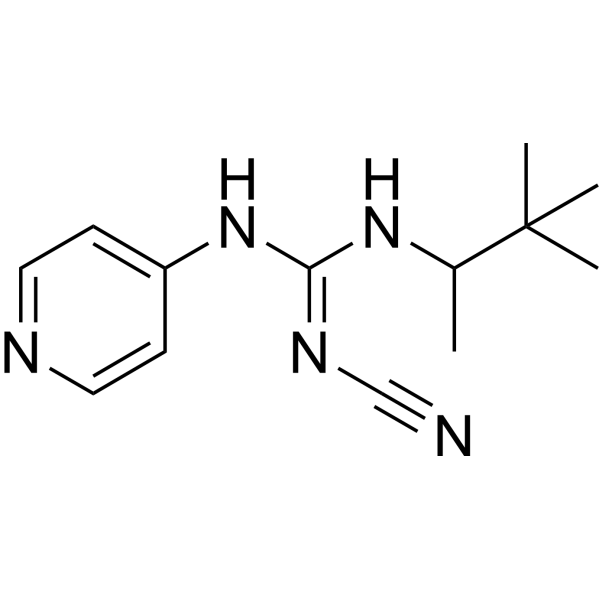
Cat. No.: HY-14290
CAS No.: 60560-33-0
Purity:  99.89%
Synonyms: P-1134
Target:  

Potassium Channel

Research Areas:  

Cardiovascular Disease

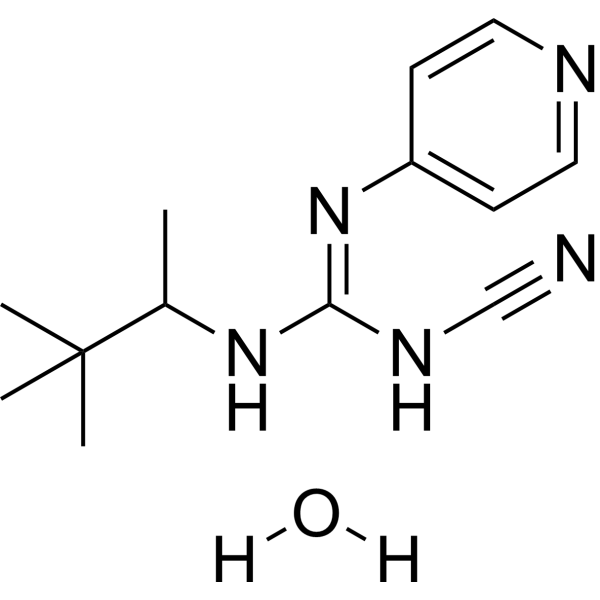
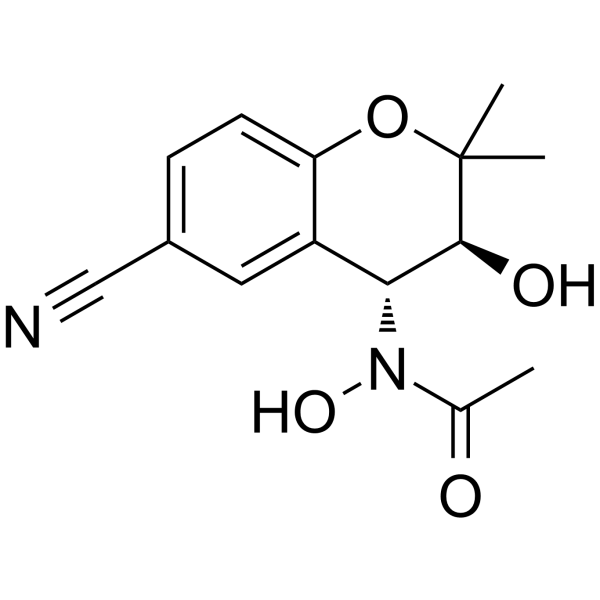
Pinacidil (P-1134) is a potent activator of ATP-sensitive potassium channel. Pinacidil is an antihypertensive agent hyperpolarizes vascular smooth muscle by opening K + channels. Pinacidil enhances K +-efflux in smooth muscle. Pinacidil has vasorelaxant properties. Pinacidil is able to inhibit spontaneous tone and of reducing agonist induced contractions. Pinacidil can be studied in research area such as cardiovascular diseases .
loading...
    loading...
4
4 Cited Publications
Cat. No.: HY-14290A
CAS No.: 85371-64-8
Purity:  99.82%
Synonyms: P-1134 monohydrate
Target:  

Potassium Channel

Research Areas:  

Cardiovascular Disease

Pinacidil (P-1134) monohydrate is a potent activator of ATP-sensitive potassium channel. Pinacidil monohydrate is an antihypertensive agent hyperpolarizes vascular smooth muscle by opening K + channels. Pinacidil monohydrate enhances K +-efflux in smooth muscle. Pinacidil monohydrate has vasorelaxant properties. Pinacidil monohydrate is able to inhibit spontaneous tone and of reducing agonist induced contractions. Pinacidil monohydrate can be studied in research area such as cardiovascular diseases .
loading...
    loading...
4
4 Cited Publications
Cat. No.: HY-12930
CAS No.: 1384984-18-2
Purity:  99.50%
Synonyms: VXc-486
Target:  

Topoisomerase Bacterial

Research Areas:  

Infection

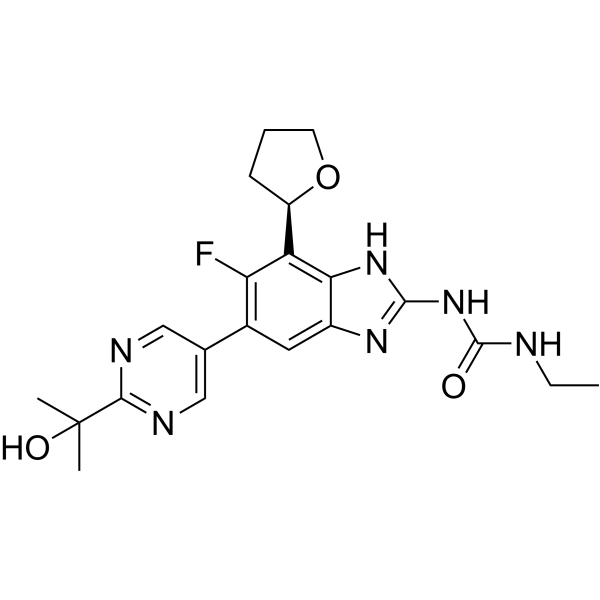
SPR719 (VXc-486) is an orally active gyrase B inhibitor, with bactericidal activity. SPR719 potently inhibits multiple agent-sensitive isolates and drug-resistant isolates of Mycobacterium tuberculosis, with MICs of 0.03 to 0.30 μg/ml and 0.08 to 5.48 μg/ml, respectively. SPR719 is promising for research of lung disease caused by non-tuberculous mycobacteria (NTM) .
loading...
    loading...
4
4 Cited Publications
Cat. No.: HY-B1306
CAS No.: 61-78-9
Synonyms: p-Aminohippuric acid
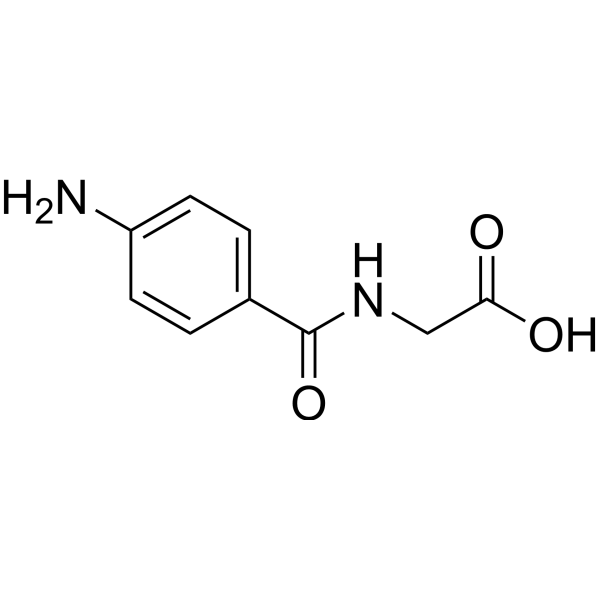
4-Aminohippuric acid (p-Aminohippuric acid) is a coordination ligand for metal ions (such as Cu 2+, Fe 3+, Hg 2+) and a functionalization reagent for nanomaterials. 4-Aminohippuric acid can coordinate with metal ions or modify the surface of materials such as carbon nanotubes and gold nanoparticles through amino and carboxyl groups. 4-Aminohippuric acid can form stable complexes with metal ions or participate in the synthesis of nanomaterials as a reducing agent/stabilizer, enriching metal ions or giving nanoparticles peroxidase-mimicking activity. 4-Aminohippuric acid can be used to construct highly sensitive electrochemical sensors or colorimetric sensors to detect and quantitatively analyze heavy metal ions such as copper, iron, and mercury in environmental water samples and biological samples. 4-Aminohippuric acid may also be a biomarker for attention-deficit/hyperactivity disorder (ADHD) .
loading...
    loading...
3
3 Cited Publications
Cat. No.: HY-118155
CAS No.: 3548-09-2
Purity:  99.56%
Synonyms: ACMA
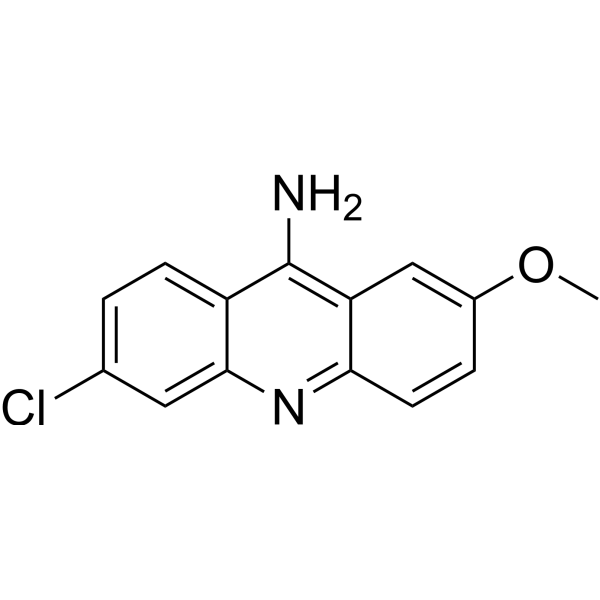
9-Amino-6-chloro-2-methoxyacridine is a pH sensitive fluorescent probe. 9-Amino-6-chloro-2-methoxyacridine has been frequently used to measure changes in vacuolar pH when a specific substrate crosses the tonoplast through a putative H +/solute antiport system .
loading...
    loading...
3
3 Cited Publications
Cat. No.: HY-103318
CAS No.: 217171-01-2
Purity:  99.88%
Target:  

Calcium Channel

Research Areas:  

Neurological Disease

PD173212 is a selective N-type voltage sensitive calcium channel (VSCC) blocker, with an IC50 of 36 nM in IMR-32 assays.
loading...
    loading...
3
3 Cited Publications
Cat. No.: HY-101509
CAS No.: 2095156-13-9
Purity:  99.65%
Target:  

Lipase

Research Areas:  

Metabolic Disease

HSL-IN-1 (compound 24b) is a potent and orally active hormone sensitive lipase (HSL) inhibitor (IC50=2 nM) with a significantly reduced reactive metabolite liability .
loading...
    loading...
3
3 Cited Publications
Cat. No.: HY-101882
CAS No.: 85138-49-4
Purity:  ≥94.0%
Synonyms: 2′,7′-Bis(2-carboxyethyl)-5(6)-carboxyfluorescein
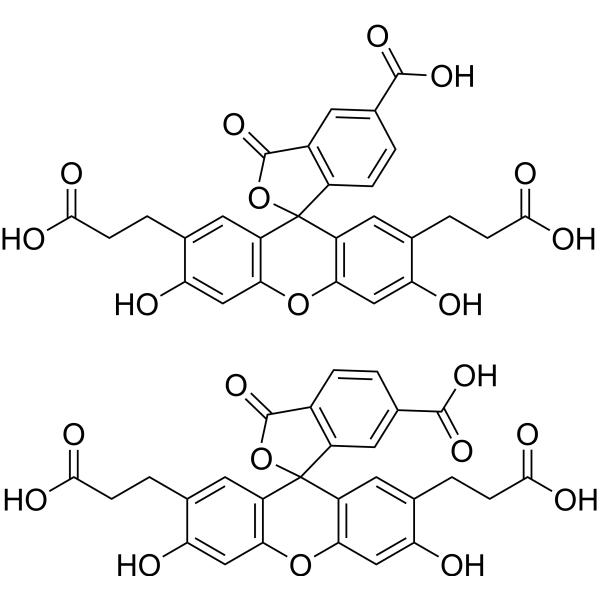
BCECF is a cell-impermeant pH-sensitive fluorescent dye. BCECF allows measurements in the physiological pH range 6.0-8.0. Excitation ratio: 490/440 nm; Emission intensity: 535 nm.
loading...
    loading...
3
3 Cited Publications
Cat. No.: HY-D1024
CAS No.: 50909-86-9
Synonyms: 2-Deoxycoelenterazine; CLZN-h
Target:  

Calcium Channel

Research Areas:  

Neurological Disease

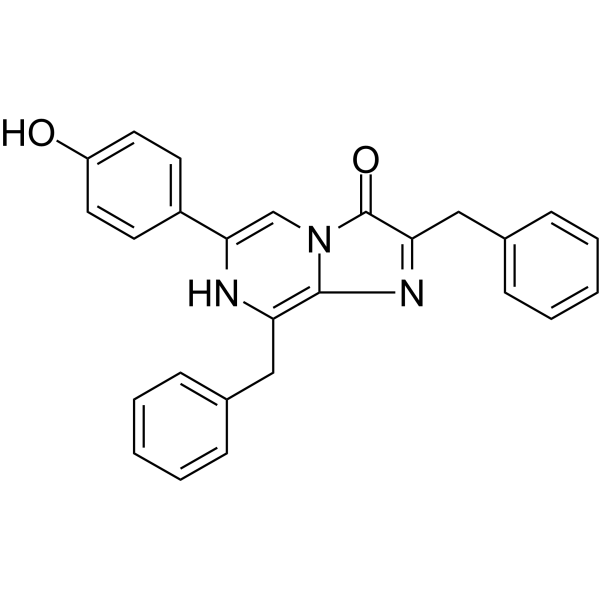
Coelenterazine h (2-Deoxycoelenterazine), a coelenterazine derivative, is a luminescent substrate for RLuc8. Coelenterazine h is more sensitive to Ca 2+, thus providing a valuable tool for measuring small changes in Ca 2+ concentrations (Ex/Em = 437/466 nm) .
loading...
    loading...
3
3 Cited Publications
Cat. No.: HY-D1024A
Synonyms: 2-Deoxycoelenterazine hydrochloride; CLZN-h hydrochloride
Target:  

Calcium Channel

Research Areas:  

Neurological Disease

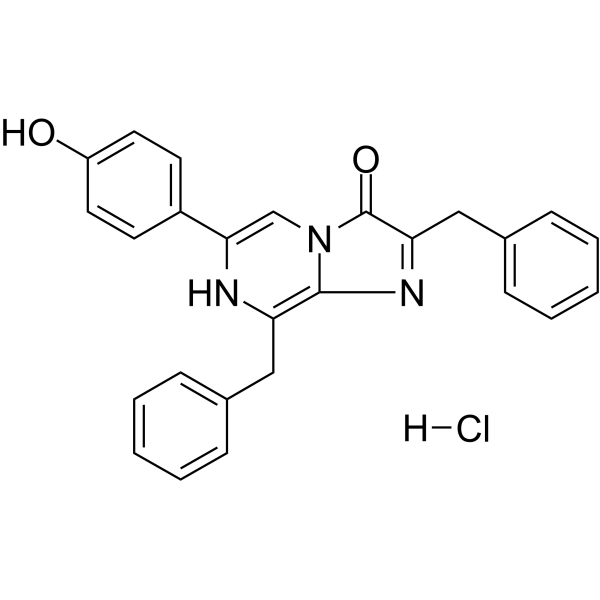
Coelenterazine h (2-Deoxycoelenterazine) hydrochloride, a coelenterazine derivative, is a luminescent substrate for RLuc8. Coelenterazine h hydrochloride is more sensitive to Ca 2+, thus providing a valuable tool for measuring small changes in Ca 2+ concentrations (Ex/Em = 437/466 nm) .
loading...
    loading...
3
3 Cited Publications
Cat. No.: HY-B0254
CAS No.: 29094-61-9
Synonyms: CP 28720; K 4024
Target:  

Potassium Channel

Research Areas:  

Metabolic Disease Cancer

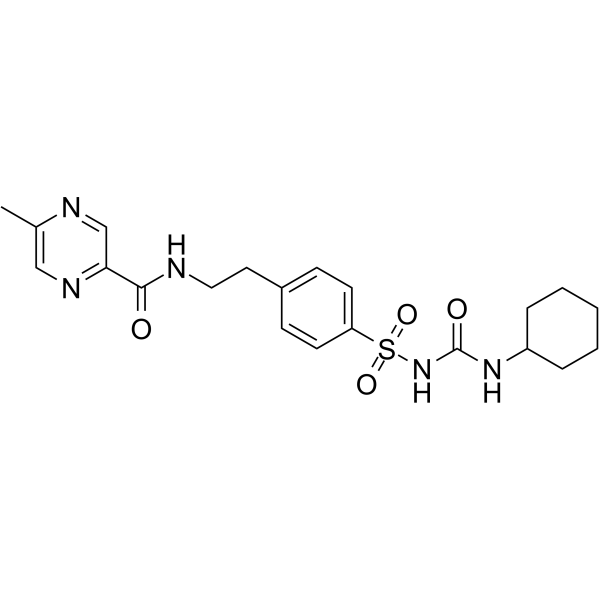
Glipizide (CP 2872; K 4024)?a potent, orally active and sulfonylurea class anti-diabetic agent and can be used for type 2?diabetes mellitus research but not type 1. Glipizide acts by partially blocking ATP-sensitive potassium?(KATP) channels among β cells of pancreatic islets of Langerhans .
loading...
    loading...
3
3 Cited Publications
Cat. No.: HY-D1098
CAS No.: 195199-08-7
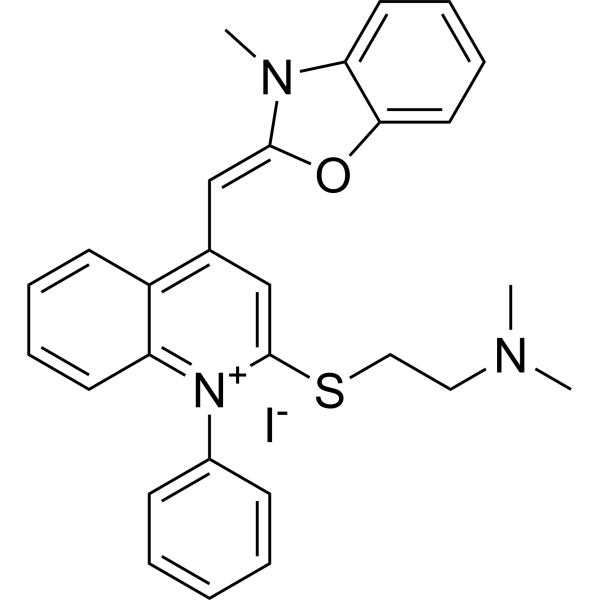
SYBR Green II is a fluorescent nucleic acid dye that mainly binds single-stranded nucleotides. SYBR Green II is sensitive to oligonucleotides or larger nucleic acid polymers in a variety of cells and gels. SYBR Green II can be used to study cell structure, membrane integrity or function, and cell cycle distribution. Wavelength 484/515 nm .
loading...
    loading...
3
3 Cited Publications
Cat. No.: HY-W004260
CAS No.: 506-30-9
Synonyms: Eicosanoic acid
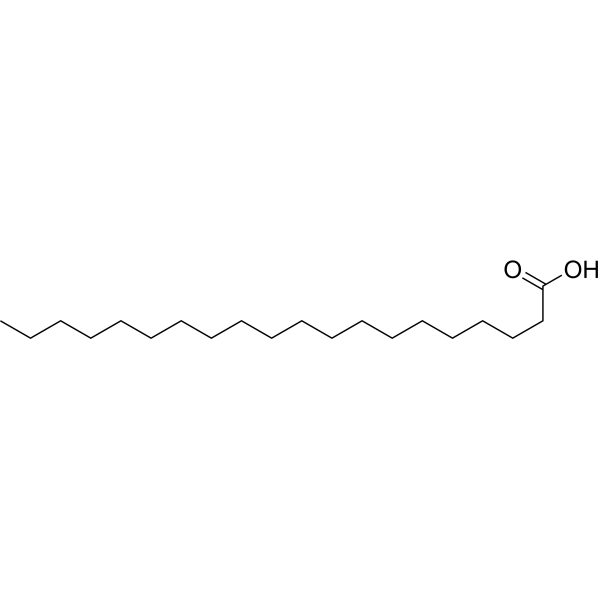
Arachidic acid is an orally bioavailable membrane fluidity modulator and receptor/ion channel effector. Arachidic acid does not activate arachidonic acid-sensitive K + channels in rat midbrain and hypothalamic neurons. Arachidic acid alleviates age-related spatial cognitive impairment. Arachidic acid is applicable for research related to age-related spatial cognitive impairment .
loading...
    loading...
3
3 Cited Publications
Cat. No.: HY-W034953
CAS No.: 52698-84-7
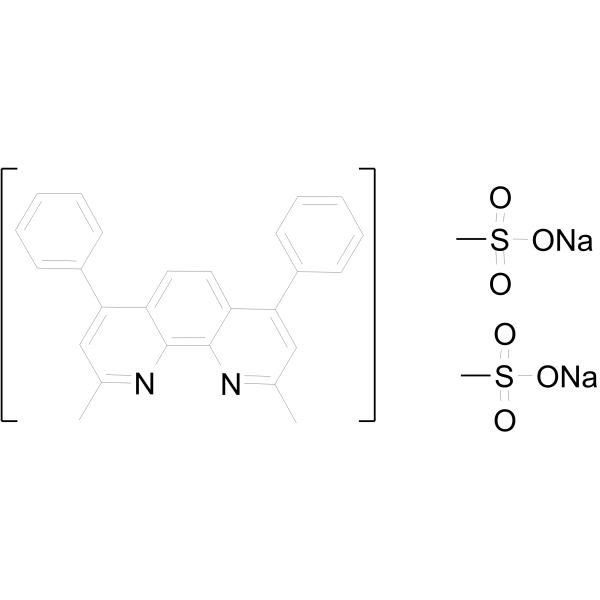
Bathocuproine disulfonate disodium (BCS) is an organic compound used as a highly sensitive colorimetric reagent for copper ions in biochemical and analytical applications. It has a bright yellow color and absorbs light at specific wavelengths, so it can be used to detect and quantify trace copper. In biochemical applications, BCS is commonly used to study the role of copper ions in various biological processes. Copper is an essential nutrient for many organisms, but it can also be toxic in high concentrations, so accurate measurement of copper levels is important to understand its impact on living systems. In terms of analysis, BCS is often used in environmental monitoring and water quality testing to detect copper pollution. It can detect copper even at very low concentrations, making it an invaluable tool for identifying potential sources of pollution and assessing the impact of industrial activities on aquatic ecosystems.
loading...
    loading...
2
2 Cited Publications
Cat. No.: HY-130025
CAS No.: 2031170-80-4
Purity:  99.51%
HKOCl-3 is a highly sensitive and selective fluorescent probe for detecting hypochlorous acid.Ex: 490 nm; Em 527 nm .
loading...
    loading...
2
2 Cited Publications
Cat. No.: HY-101069
CAS No.: 127408-31-5
Purity:  99.7%
Target:  

Potassium Channel

Research Areas:  

Cardiovascular Disease

Y-26763 is a K + channel opener and active metabolite of Y-27152 . Y-26763 is an ATP-sensitive K + (KATP) channel activator .
loading...
    loading...
2
2 Cited Publications
Cat. No.: HY-B0343
CAS No.: 98105-99-8
Synonyms: A-56620
Target:  

Bacterial

Research Areas:  

Infection Inflammation/Immunology

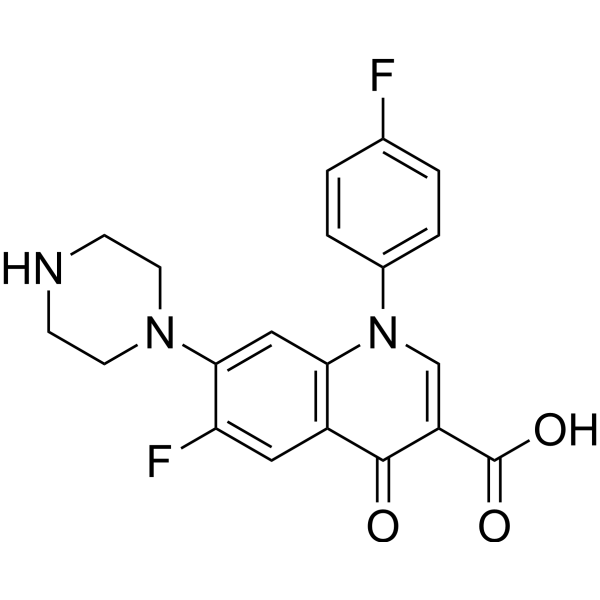
Sarafloxacin (A-56620) is a fluoroquinolone Antibacterial agent. Sarafloxacin inhibits the growth of Staphylococcus aureus, Enterobacteriaceae, and both aminoglycoside-sensitive and aminoglycoside-resistant strains of Pseudomonas aeruginosa .
loading...
    loading...

