4086 Results for "

acid-responsive structural modulator

" in MedChemExpress (MCE) Product Catalog:
Products (4086)

4086 Results for "acid-responsive structural modulator" in MCE Product Catalog:

9
9 Cited Publications
Cat. No.: HY-103315
CAS No.: 68099-86-5
Purity:  99.98%
Synonyms: CERM 1978; Org 5730 hydrochloride
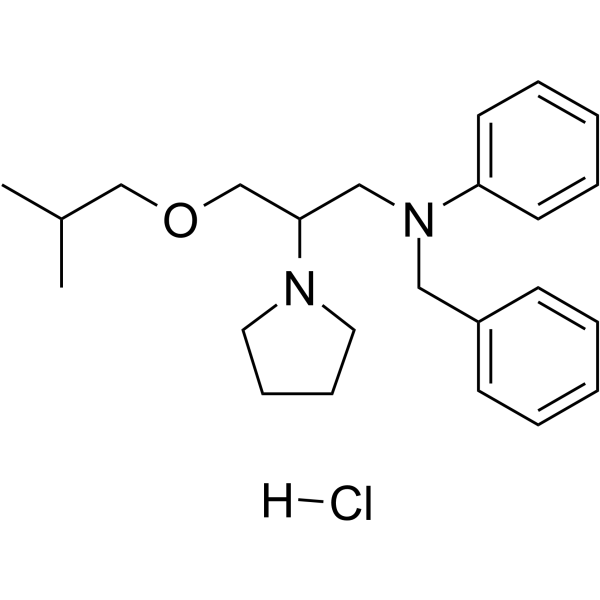
Bepridil hydrochloride (CERM 1978; Org 5730 hydrochloride) is an orally active non-selective calcium channel antagonist with multi-ion channel blocking activity. Bepridil hydrochloride modulates Calmodulin, the 20S proteasome, T-type/L-type calcium channels, cardiac sodium channels, multiple potassium channels, γ-secretase, β-secretase, and mitoKATP/sarcKATP channels. Bepridil hydrochloride acts as a hydroxyl radical scavenger, regulates mitochondrial and intracellular calcium handling, and exerts antiarrhythmic, antianginal, and cardioprotective effects. Bepridil hydrochloride alters amyloid precursor protein processing, reduces β-amyloid and thalamic calcium levels, restores seladin-1/DHCR24 expression, and improves sensorimotor recovery after cerebral ischemia. Bepridil hydrochloride also exhibits potent inhibitory effects on SARS-CoV-2 replication. Bepridil hydrochloride is used in studies related to stable angina, arrhythmias, cerebral ischemia, Alzheimer's disease, and SARS-CoV-2 infection .
loading...
    loading...
9
9 Cited Publications
Cat. No.: HY-16952
CAS No.: 64706-54-3
Synonyms: CERM 1978 free base; Org 5730
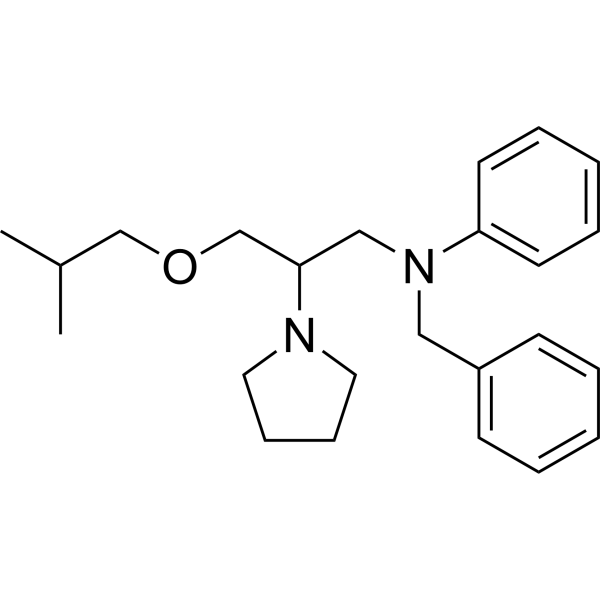
Bepridil (CERM 1978 (free base); Org 5730) is an orally active non-selective calcium channel antagonist with multi-ion channel blocking activity. Bepridil modulates Calmodulin, the 20S proteasome, T-type/L-type calcium channels, cardiac sodium channels, multiple potassium channels, γ-secretase, β-secretase, and mitoKATP/sarcKATP channels. Bepridil acts as a hydroxyl radical scavenger, regulates mitochondrial and intracellular calcium handling, and exerts antiarrhythmic, antianginal, and cardioprotective effects. Bepridil alters amyloid precursor protein processing, reduces β-amyloid and thalamic calcium levels, restores seladin-1/DHCR24 expression, and improves sensorimotor recovery after cerebral ischemia. Bepridil also exhibits potent inhibitory effects on SARS-CoV-2 replication. Bepridil is used in studies related to stable angina, arrhythmias, cerebral ischemia, Alzheimer's disease, and SARS-CoV-2 infection .
loading...
    loading...
9
9 Cited Publications
Cat. No.: HY-16952A
CAS No.: 74764-40-2
Synonyms: CERM 1978 hydrate; Org 5730 hydrochloride hydrate
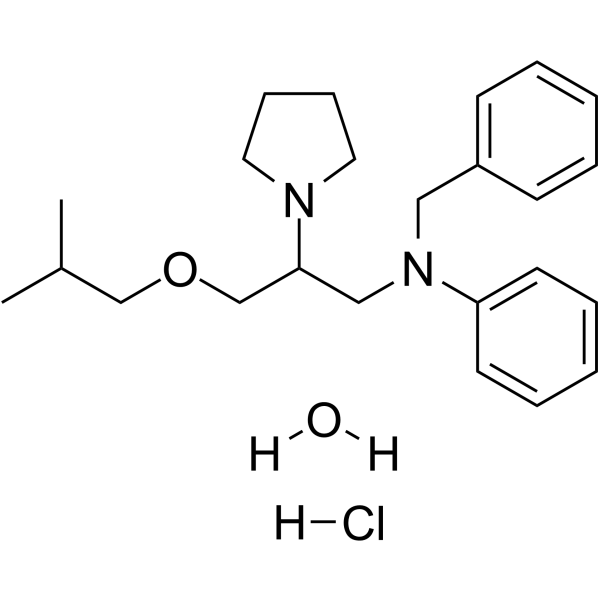
Bepridil hydrochloride hydrate (CERM 1978 hydrate; Org 5730 hydrochloride hydrate) is an orally active non-selective calcium channel antagonist with multi-ion channel blocking activity. Bepridil hydrochloride hydrate modulates Calmodulin, the 20S proteasome, T-type/L-type calcium channels, cardiac sodium channels, multiple potassium channels, γ-secretase, β-secretase, and mitoKATP/sarcKATP channels. Bepridil hydrochloride hydrate acts as a hydroxyl radical scavenger, regulates mitochondrial and intracellular calcium handling, and exerts antiarrhythmic, antianginal, and cardioprotective effects. Bepridil hydrochloride hydrate alters amyloid precursor protein processing, reduces β-amyloid and thalamic calcium levels, restores seladin-1/DHCR24 expression, and improves sensorimotor recovery after cerebral ischemia. Bepridil hydrochloride hydrate also exhibits potent inhibitory effects on SARS-CoV-2 replication. Bepridil hydrochloride hydrate is used in studies related to stable angina, arrhythmias, cerebral ischemia, Alzheimer's disease, and SARS-CoV-2 infection .
loading...
    loading...
8
8 Cited Publications
Cat. No.: HY-103306
CAS No.: 15662-33-6
Purity:  99.35%
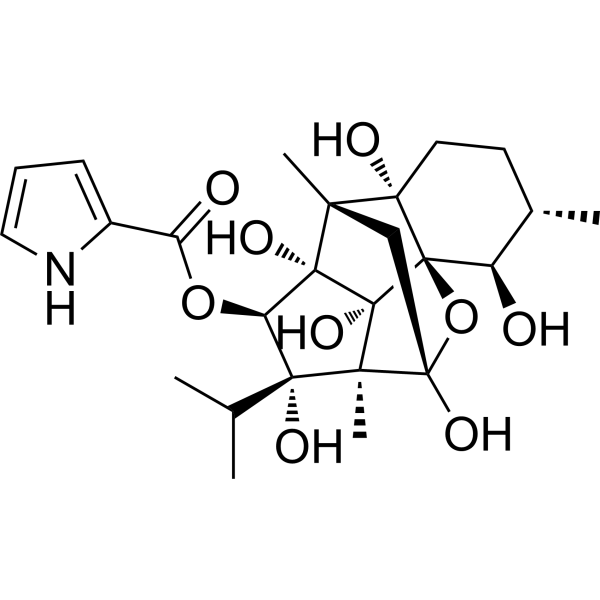
Ryanodine is a cell permeant ryanodine receptor modulator. Ryanodine can either stimulate or inhibit Ryanodine-mediated Ca 2+ release depending on its concentrations. Poisonous diterpenoid found in Ryania speciosa.
loading...
    loading...
8
8 Cited Publications
Cat. No.: HY-B0130
CAS No.: 82834-16-0
Synonyms: S-9490
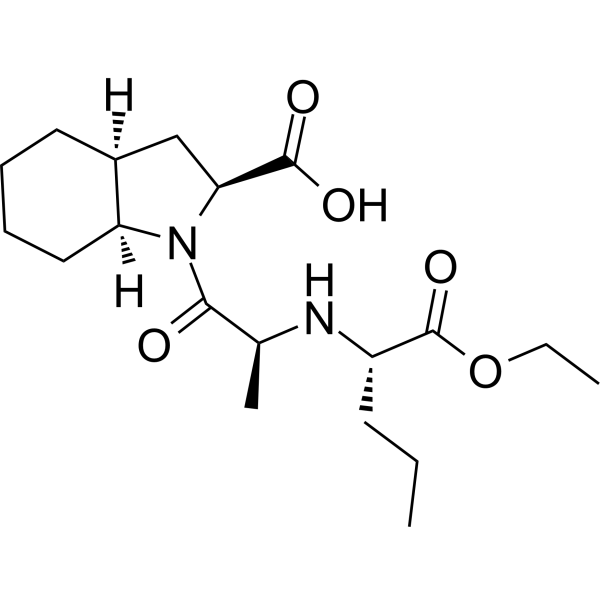
Perindopril erbumine is an angiotensin-converting enzyme inhibitor. Perindopril erbumine modulates NFκB and STAT3 signaling and inhibits glial activation and neuroinflammation. Perindopril erbumine can be used for the research of Chronic Kidney Disease and high blood pressure .
loading...
    loading...
8
8 Cited Publications
Cat. No.: HY-B0130A
CAS No.: 107133-36-8
Synonyms: Perindopril (tert-butylamine salt); S-9490 erbumine
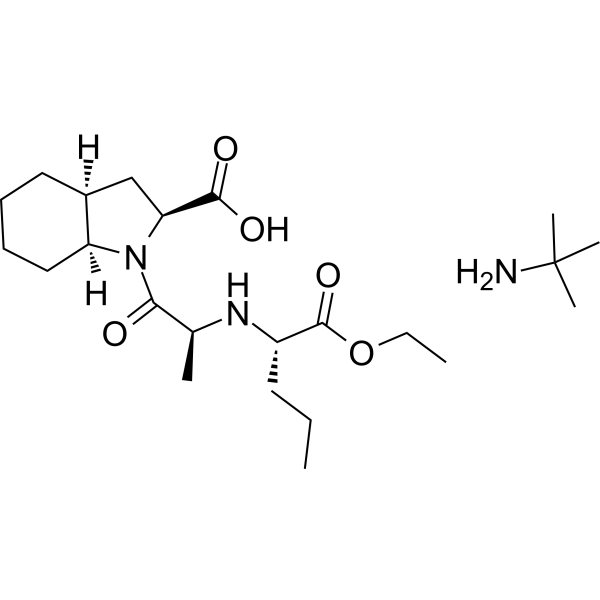
Perindopril erbumine is an angiotensin-converting enzyme inhibitor. Perindopril erbumine modulates NF-κB and STAT3 signaling and inhibits glial activation and neuroinflammation. Perindopril erbumine can be used for the research of Chronic Kidney Disease and high blood pressure .
loading...
    loading...
7
7 Cited Publications
Cat. No.: HY-114530
CAS No.: 1029692-15-6
Purity:  99.93%
Target:  

Androgen Receptor

Research Areas:  

Metabolic Disease Cancer

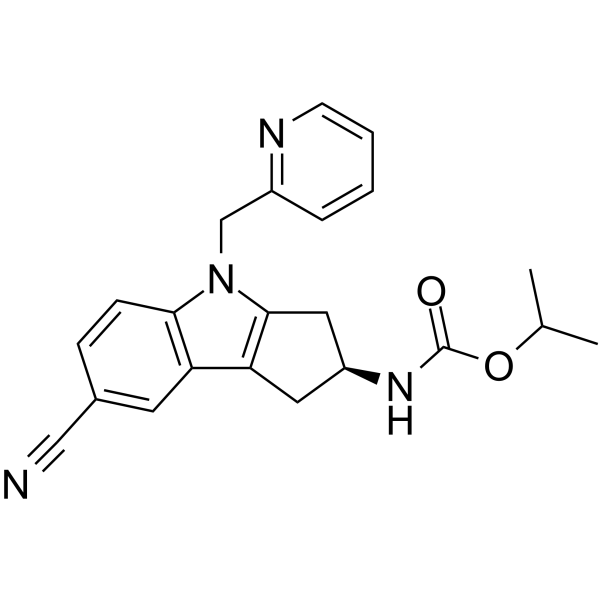
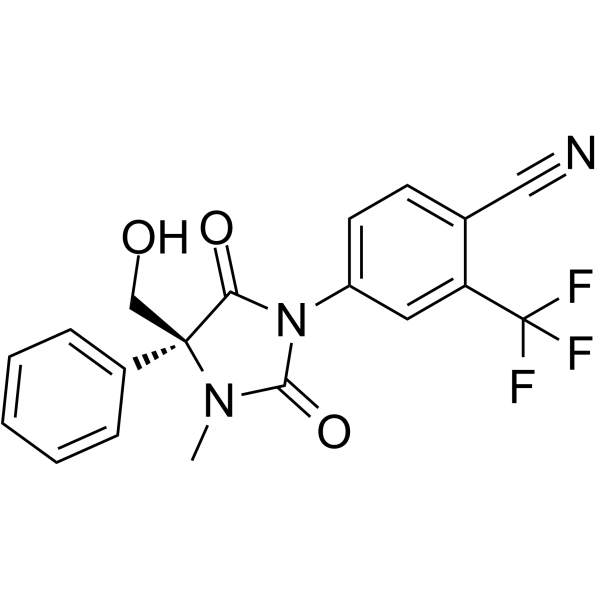
LY2452473 is an orally bioavailable, selective androgen receptor modulator (SARM).
loading...
    loading...
7
7 Cited Publications
Cat. No.: HY-18705
CAS No.: 932986-18-0
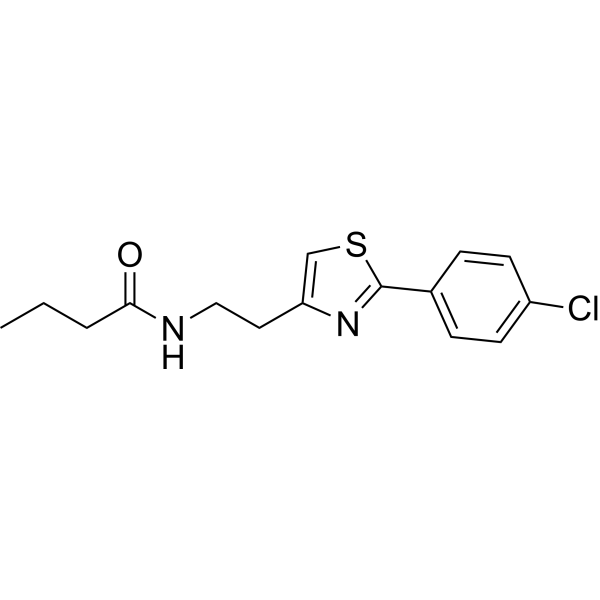
Azoramide is a potent, orally active small-molecule modulator of the unfolded protein response (UPR). Azoramide improves ER protein folding and elevates ER chaperone capacity, which together protects cells against ER stress. Azoramide alleviates PLA2G6 mutant-induced ER stress through modulating unfolded protein response, and enhances the CERB signaling to rescue mitochondrial function, thereby preventing apoptosis of DA neurons. Azoramide has antidiabetic activity .
loading...
    loading...
7
7 Cited Publications
Cat. No.: HY-10167A
CAS No.: 177172-49-5
Purity:  99.66%
Synonyms: R-568 hydrochloride; NPS R-568
Target:  

CaSR

Research Areas:  

Others

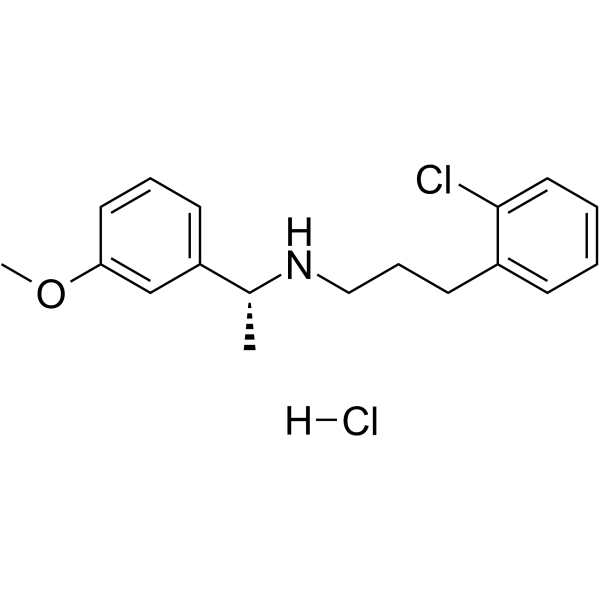
Tecalcet Hydrochloride (R 568 Hydrochloride), an orally active calcimimetic compound, allosterically and positively modulates the calcium-sensing receptor (CaSR). Tecalcet Hydrochloride (R 568 Hydrochloride) increases the sensitivity to activation by extracellular Ca 2+ .
loading...
    loading...
7
7 Cited Publications
Cat. No.: HY-120012
CAS No.: 1893415-00-3
Purity:  99.71%
Synonyms: AZD9567
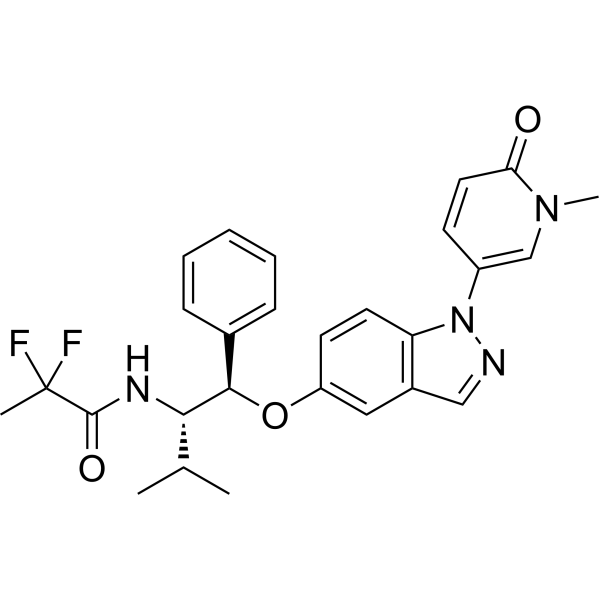
Mizacorat (AZD9567; compound 15) is a potent, oral active, non-steroidal and selective glucocorticoid receptor modulator (SGRM), with an IC50 of 3.8 nM. Exhibits excellent efficacy in the streptococcal cell wall (SCW) reactivation model of joint inflammation .
loading...
    loading...
7
7 Cited Publications
Cat. No.: HY-13580
CAS No.: 51333-22-3
Purity:  99.75%
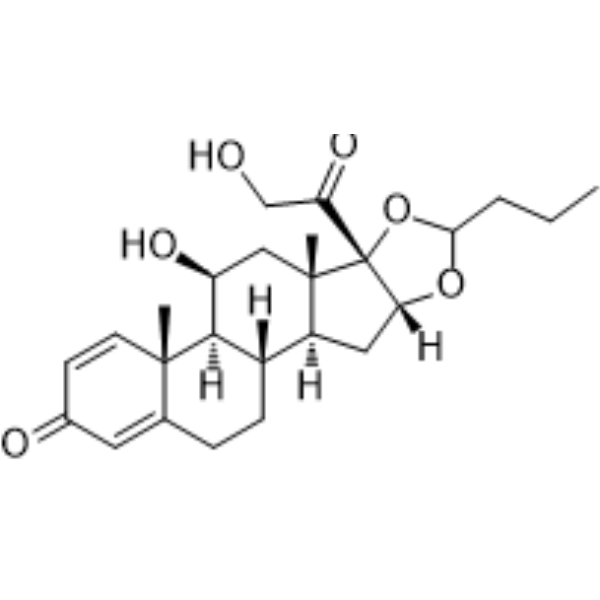
Budesonide, an inhaled glucocortical steroid, is an orally active glucocorticoid receptor agonist. Budesonide decreases the size of lung tumors, reverses DNA hypomethylation and modulates mRNA expression of genes. Budesonide is an anti-inflammatory agent used for asthma .
loading...
    loading...
7
7 Cited Publications
Cat. No.: HY-N0010
CAS No.: 27741-01-1
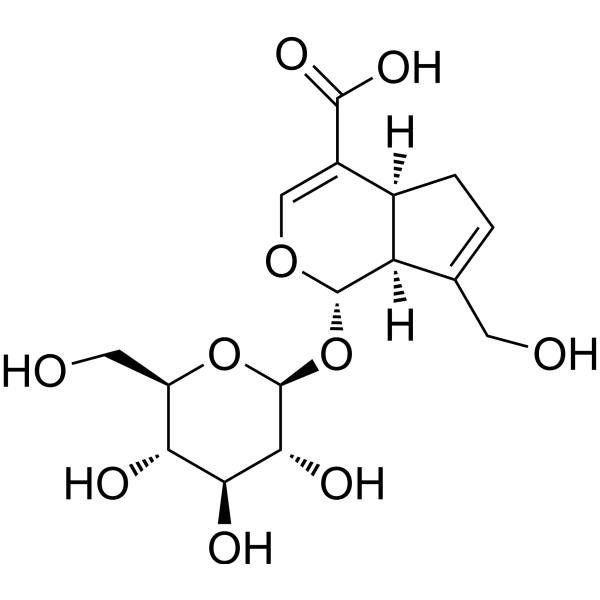
Geniposidic acid is an orally active FXR modulator and SIRT6 activator. Geniposidic acid binds to the Ser332 and His447 sites on the FXR ligand-binding domain, thereby driving nuclear translocation, coactivator recruitment, and transcription of downstream bile acid and cholesterol metabolism-related genes. Geniposidic acid improves metabolic dysfunction-related fatty liver disease by activating the SIRT6 signaling pathway. Geniposidic acid inhibits inflammation and modulates gut microbiota to alleviate colitis. Geniposidic acid can be used in research on drug-induced liver injury, inflammatory bowel disease, metabolic dysfunction-related fatty liver disease, and metabolic dysfunction-related steatohepatitis .
loading...
    loading...
7
7 Cited Publications
Cat. No.: HY-B0005A
CAS No.: 89778-26-7
Synonyms: Z-Toremifene; NK 622 free base; FC-1157a free base
Target:  

Estrogen Receptor/ERR

Research Areas:  

Infection Cancer

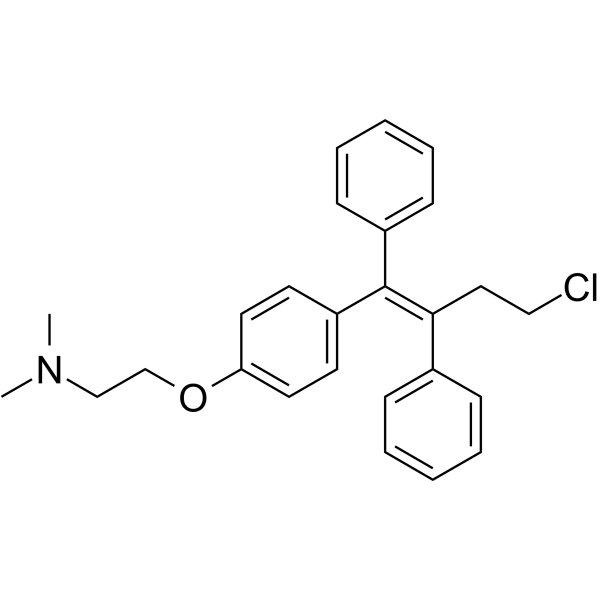
Toremifene (Z-Toremifene) is a second-generation selective estrogen-receptor modulator (SERM) in development for the prevention of osteoporosis. Toremifene also potent inhibits infectious EBOV Zaire and Marburg (MARV) with IC50 of 0.07 µM and 2.6 µM, respectively .
loading...
    loading...
7
7 Cited Publications
Cat. No.: HY-B0005
CAS No.: 89778-27-8
Synonyms: Z-Toremifene citrate; NK 622; FC-1157a
Research Areas:  

Infection Cancer

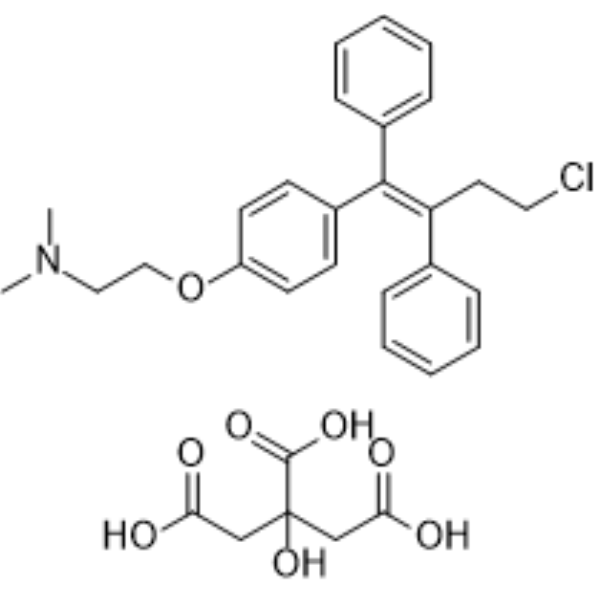
Toremifene citrate (Z-Toremifene citrate) is a second-generation selective estrogen-receptor modulator (SERM) in development for the prevention of osteoporosis. Toremifene citrate also potent inhibits infectious EBOV Zaire and Marburg (MARV) with IC50 of 0.07 μM and 2.6 μM, respectively .
loading...
    loading...
7
7 Cited Publications
Cat. No.: HY-10016
CAS No.: 870843-42-8
Purity:  97.08%
Target:  

γ-secretase

Research Areas:  

Neurological Disease

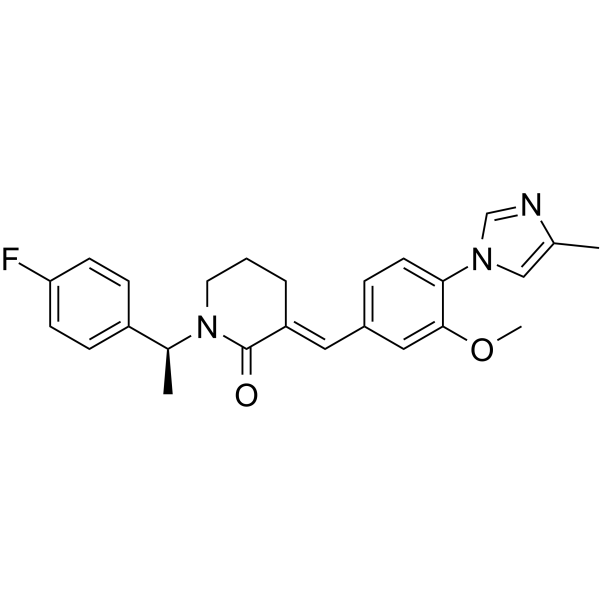
E 2012 is a potent gamma (γ) secretase modulator without affecting Notch processing. E 2012 inhibits 3β-hydroxysterol Δ24-reductase (DHCR24) at the final step in the cholesterol biosynthesis. E 2012 aims at Alzheimer's disease by reduction of amyloid β-42, and induces cataract following repeated doses in the rat .
loading...
    loading...
7
7 Cited Publications
Cat. No.: HY-110155
CAS No.: 1243259-19-9
Purity:  99.93%
Target:  

Neurotensin Receptor

Research Areas:  

Neurological Disease

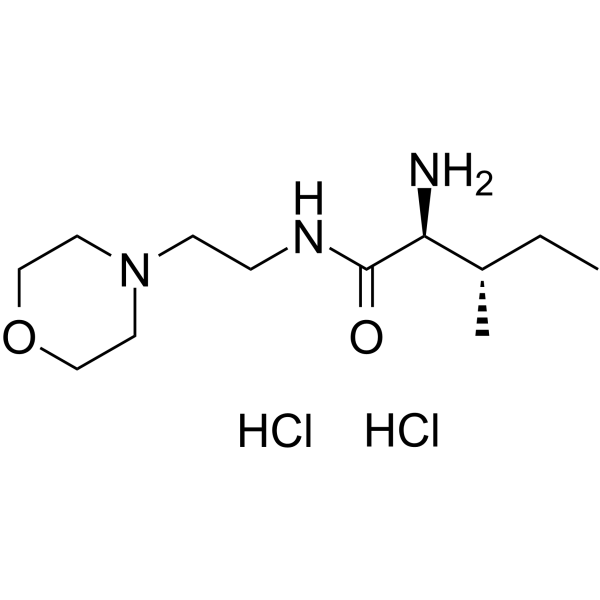
LM11A-31 dihydrochloride, a non-peptide p75 NTR (neurotrophin receptor p75) modulator, is an orally active and potent proNGF (nerve growth factor) antagonist. LM11A-31 dihydrochloride is an amino acid derivative with high blood-brain barrier permeability and blocks p75-mediated cell death. LM11A-31 dihydrochloride reverses cholinergic neurite dystrophy in Alzheimer's disease mouse models with mid- to late-stage disease progression .
loading...
    loading...
7
7 Cited Publications
Cat. No.: HY-117088
CAS No.: 102562-74-3
Purity:  ≥95.0%
Target:  

Neurokinin Receptor

Research Areas:  

Neurological Disease

LM11A-31, a non-peptide p75 NTR (neurotrophin receptor p75) modulator, is an orally active and potent proNGF (nerve growth factor) antagonist. LM11A-31 is an amino acid derivative with high blood-brain barrier permeability and blocks p75-mediated cell death. LM11A-31 reverses cholinergic neurite dystrophy in Alzheimer's disease mouse models with mid- to late-stage disease progression .
loading...
    loading...
7
7 Cited Publications
Cat. No.: HY-N2360
CAS No.: 19202-36-9
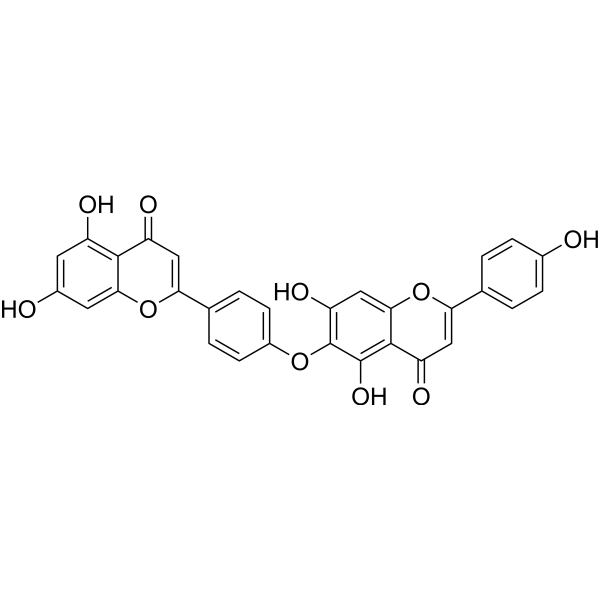
Hinokiflavone is a novel modulator of pre-mRNA splicing activity extracted from plants with anti-inflammatory, anti-tumor and antiviral activities. Hinokiflavone is also a potent inhibitor for matrix metalloproteinases (MMPs). Hinokiflavone attenuates the virulence of Methicillin (HY-121544)-resistant staphylococcus aureus by inhibiting caseinolytic protease P (ClpP) with an IC50 value of 34.36 mg/mL. Hinokiflavone induces apoptosis via the reactive oxygen species-mitochondria-mediated apoptotic pathway and inhibits tumor cell migration and invasion. Hinokiflavone is a SUMO protease inhibitor against sentrin-specific protease 1 (SENP1) activity .
loading...
    loading...
7
7 Cited Publications
Cat. No.: HY-18102
CAS No.: 1215085-92-9
Target:  

Androgen Receptor

Research Areas:  

Neurological Disease

GLPG0492 is an orally active, non-steroidal selective androgen receptor modulator. GLPG0492 exerts functional transactivation by binding to the ligand-binding domain of the receptor, exhibiting preferential partial agonist activity in muscle and bone tissues with low activity in reproductive tissues. GLPG0492 effectively counteracts muscle atrophy-related pathways, significantly enhances muscle strength, maintains motor ability, reduces fibrosis and improves electrophysiological parameters. GLPG0492 prevents immobilization-induced muscle atrophy and regulates muscle mass homeostasis, serving as a valuable tool compound for studies on Duchenne muscular dystrophy, muscle loss and various types of disuse musculoskeletal atrophy .
loading...
    loading...
7
7 Cited Publications
Cat. No.: HY-110082
CAS No.: 130-89-2
Quinine hydrochloride is an alkaloid extracted from cinchona bark and exhibits oral activity, acting as a potassium channel inhibitor. Quinine hydrochloride modulates the tolerance of red blood cells and presents dose-dependent toxicity and embryonic effects. Quinine hydrochloride is a typical hemolysin that directly lyses red blood cells, with cellular components of red blood cell membranes as its action targets. Quinine hydrochloride disrupts red blood cell membranes and induces hemolysis at high concentrations, while merely weakening the anti-hemolytic capacity of red blood cells at low concentrations. Quinine hydrochloride continuously reduces red blood cell tolerance after in vivo administration, and high doses can also alter blood cell counts. Quinine hydrochloride can be applied to researches related to red blood cell hemolysis, cancer and malaria .
loading...
    loading...

