1. Search Result
Search Result
Results for "

1,2 diacylglycerol

" in MedChemExpress (MCE) Product Catalog:

56

Inhibitors & Agonists

8

Biochemical Assay Reagents

9

Natural
Products

2

Isotope-Labeled Compounds

3

Oligonucleotides

Targets Recommended:
Cat. No. Product Name Target Research Areas Chemical Structure
  • HY-32219
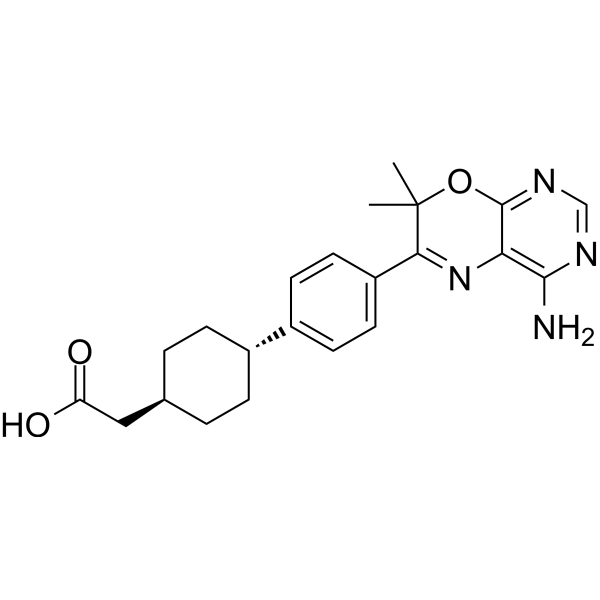
    T863
    Maximum Cited Publications
    14 Publications Verification

    Acyltransferase Metabolic Disease
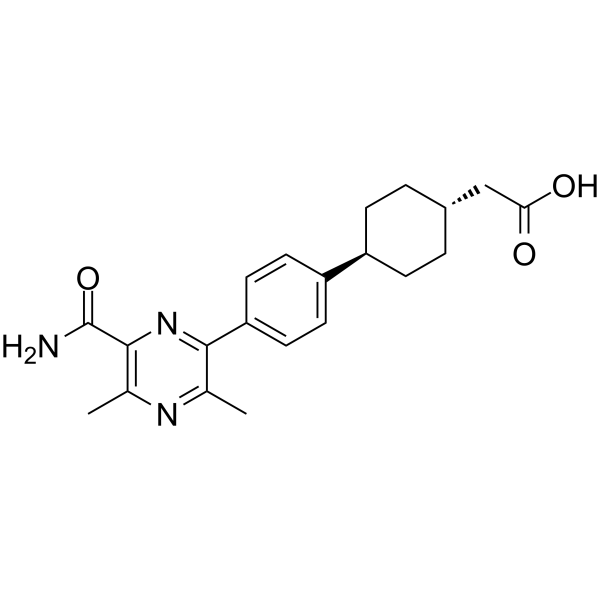
    T863 is an orally active, selective and potent DGAT1 (acyl-CoA:diacylglycerol acyltransferase 1) inhibitor with an IC50 of 15 nM. T863 has no inhibitory activity against human MGAT3, human DGAT2, or human MGAT2. T863 interacts with the acyl-CoA binding site of DGAT1, and inhibits triacylglycerol synthesis in cells [1] .
    T863
  • HY-141572

    sn-1,2-Dioleoylglycerol; 18:1/18:1-DG

    Drug Derivative Metabolic Disease
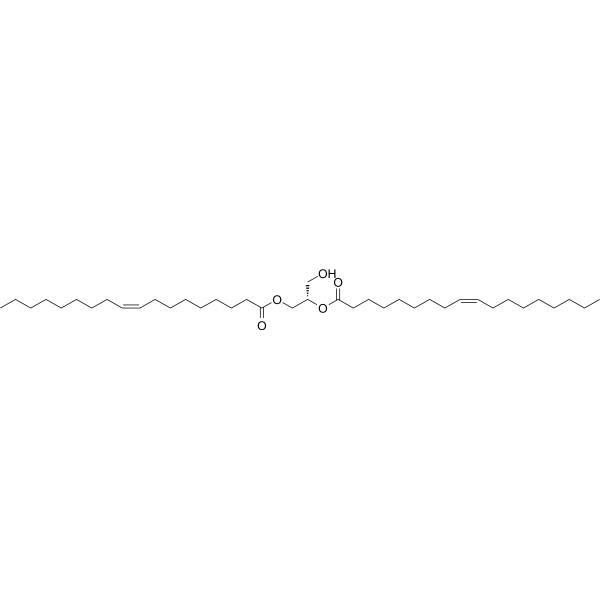
    1,2-Dioleoyl-sn-glycerol (sn-1,2-Dioleoylglycerol; 18:1/18:1-DG) is a glycerolipid located on the plasma membrane. 1,2-Dioleoyl-sn-glycerol consists of two fatty acid chains covalently linked to a single glycerol molecule by means of an ester bond. 1,2-Dioleoyl-sn-glycerol is an analog of the protein kinase C-activating second messenger DAG. 1,2-Dioleoyl-sn-glycerol has been used as a source of diacylglycerol in the diacylglycerol O-acyltransferase 1 (DGAT1) assay. 1,2-Dioleoyl-sn-glycerol can induce acrosome reaction in human sperm [1] .
    1,2-Dioleoyl-sn-glycerol
  • HY-108355
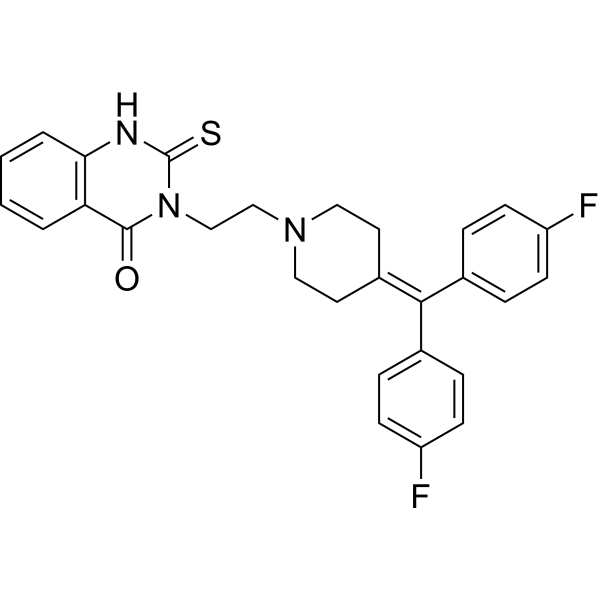
    R59949
    1 Publications Verification

    PKC Cancer
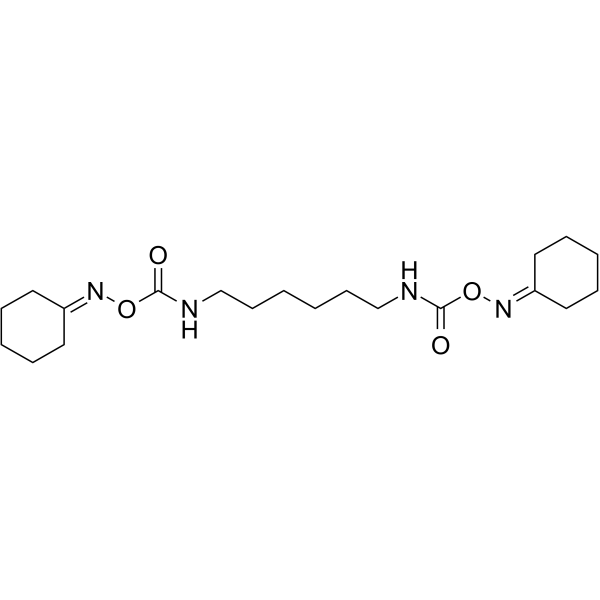
    R59949 is a pan diacylglycerol kinase (DGK) inhibitor with an IC50 of 300 nM. R59949 strongly inhibits the activity of type I DGK α and γ and moderately attenuates the activity of type II DGK θ and κ. R59949 activates protein kinase C (PKC) by enhancing the levels of the endogenous ligand diacyl glycerol [1] .
    R59949
  • HY-107613
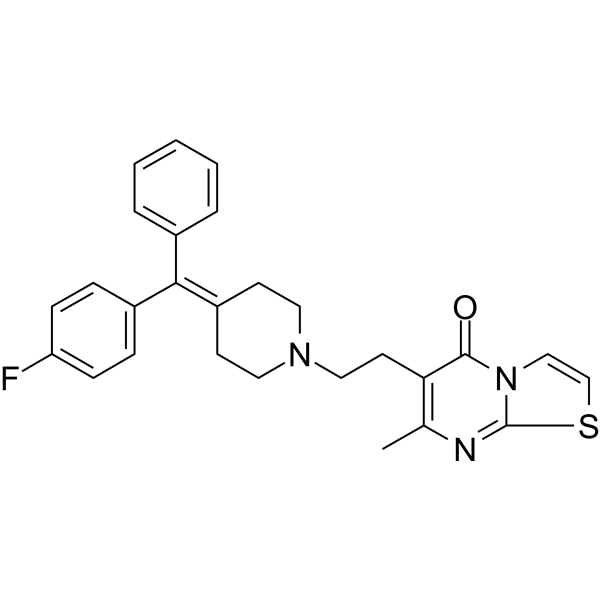
    R 59-022
    2 Publications Verification

    DKGI-I; diacylglycerol kinase inhibitor I

    PKC 5-HT Receptor Inflammation/Immunology
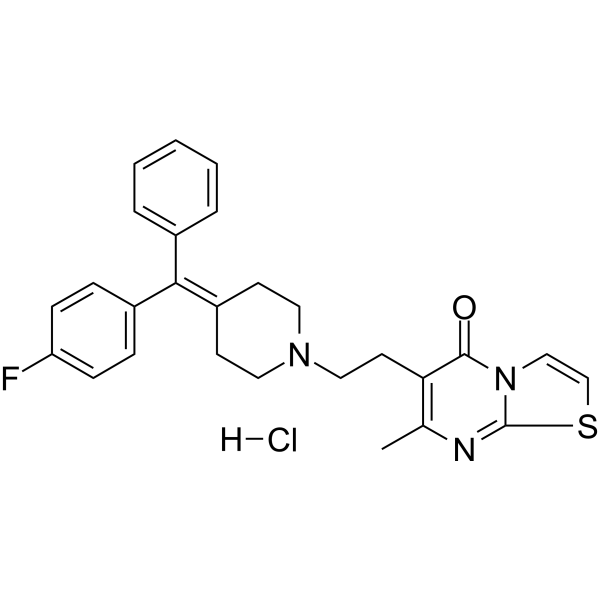
    R 59-022 (DKGI-I) is a DGK inhibitor (IC50: 2.8 µM). R 59-022 inhibits the phosphorylation of OAG to OAPA. R 59-022 is a 5-HT Receptor antagonist, and activates protein kinase C (PKC). R 59-022 potentiates thrombin-induced diacylglycerol production in platelets and inhibits phosphatidic acid production in neutrophils [1] .
    R 59-022
  • HY-15497
    AZD7687
    1 Publications Verification

    Acyltransferase Metabolic Disease
    AZD7687 is a potent, selective, reversible and orally active diacylglycerol acyltransferase 1 (DGAT1) inhibitor with an IC50 of 80 nM for human DGAT1. AZD7687 can be used for type 2 diabetes mellitus and obesity research [1] .
    AZD7687
  • HY-134200

    Endogenous Metabolite Others
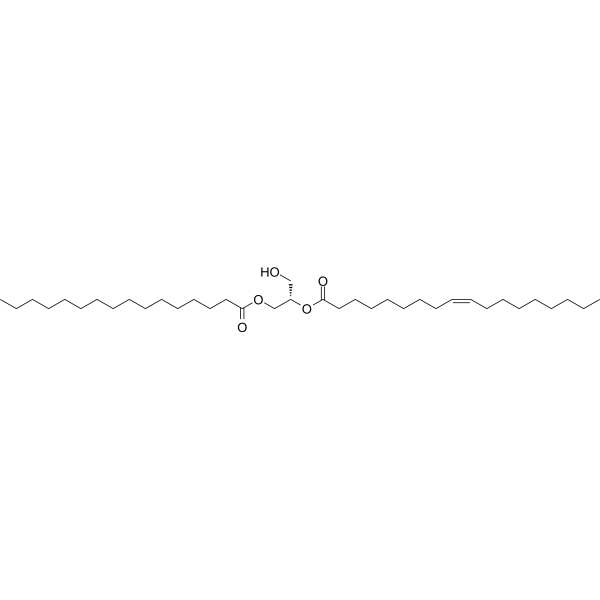
    1-Palmitoyl-2-oleoyl-sn-glycerol is a diacylglycerol hormogonium inducer that can be isolated from the coralloid roots of Cycas revoluta. 1-Palmitoyl-2-oleoyl-sn-glycerol promotes the differentiation of filamentous Nostoc cell aggregates into motile hormogonia, and further induces the formation of dense bundle-like structures. 1-Palmitoyl-2-oleoyl-sn-glycerol is not only commonly used as a diacylglycerol standard, but also can effectively identify and separate glycerophosphate-containing phospholipid enantiomers after acetylation. 1-Palmitoyl-2-oleoyl-sn-glycerol is also used to study cyanobacterial developmental mechanisms and lipid analysis [1] .
    1-Palmitoyl-2-oleoyl-sn-glycerol
  • HY-131897
    1-Stearoyl-2-arachidonoyl-sn-glycerol
    1 Publications Verification

    PKC TRP Channel Endogenous Metabolite Neurological Disease
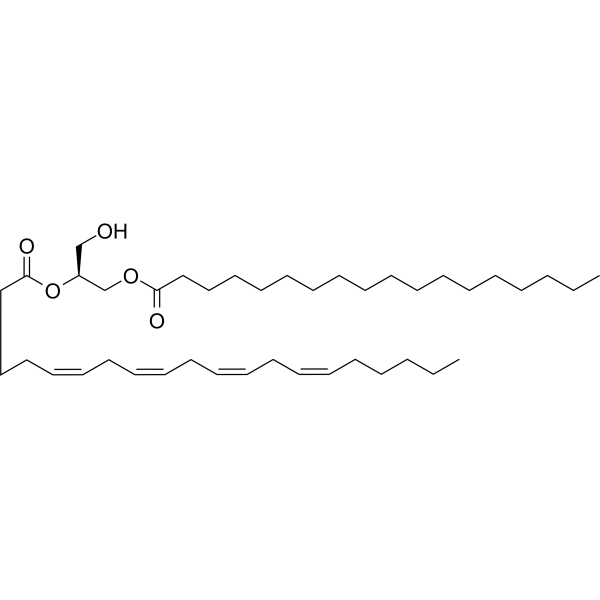
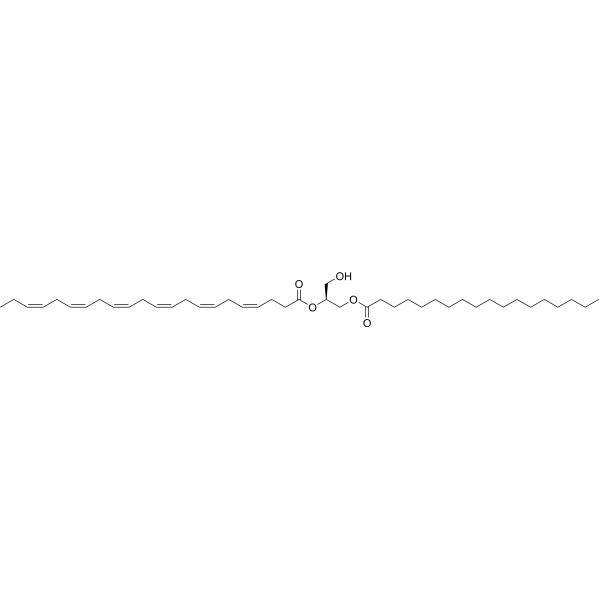
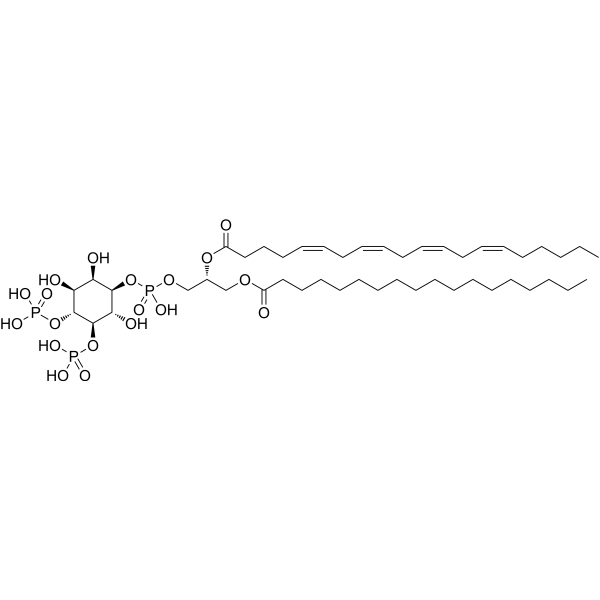
    1-Stearoyl-2-arachidonoyl-sn-glycerol is a diacylglycerol (DAG) containing polyunsaturated fatty acids. 1-Stearoyl-2-arachidonoyl-sn-glycerol can activate PKC. 1-Stearoyl-2-arachidonoyl-sn-glycerol also can augment nonselective cation channel (NSCC) activity [1] .
    1-Stearoyl-2-arachidonoyl-sn-glycerol
  • HY-143212

    1-Stearoyl-2-docosahexaenoyl-sn-glycerol

    Ras p38 MAPK ERK PKC Metabolic Disease Inflammation/Immunology Cancer
    18:0-22:6 DG (1-Stearoyl-2-docosahexaenoyl-sn-glycerol) is a diacylglycerol (DG) that can interact with RasGRP (Ras guanine nucleotide-releasing protein) (Ki = 8.37 μM) and modulate the activation of MAP kinases (such as ERK1/ERK2), which play a crucial role in cellular signaling processes. 18:0-22:6 DG can also activate protein kinase C (PKC) isozyme. 18:0-22:6 DG can be used for research of cancer, immunology and metabolic disease [1] .
    18:0-22:6 DG
  • HY-128468

    Liposome PKC Parasite Others
    1,2-Dimyristoyl-sn-glycerol is a saturated diacylglycerol and a weak second messenger for the activation of PKC .
    1,2-Dimyristoyl-sn-glycerol
  • HY-128792

    1,3-Dipalmitoylglycerol; Glycerol 1,3-dipalmitate

    Biochemical Assay Reagents Others
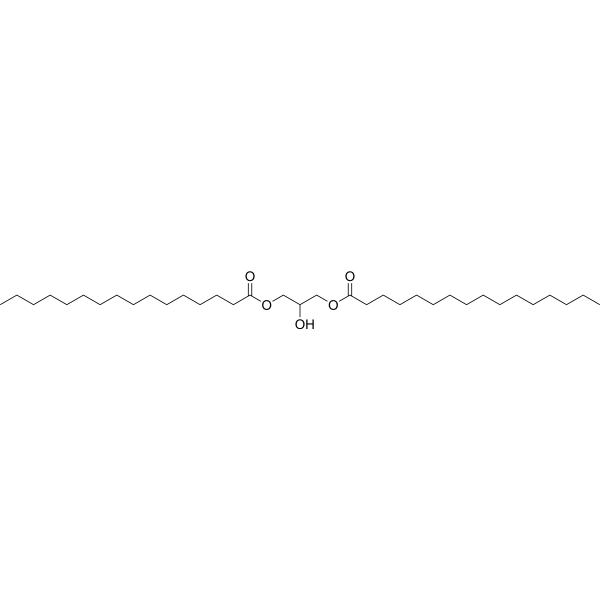
    1,3-Dipalmitin (1,3-Dipalmitoylglycerol) is a diacylglycerol compound that can be found in the tuberous roots of Typhonium giganteum Engl. 1,3-Dipalmitin acts as an adsorption inhibitor for 1,3-diglycerides and β-carotene [1] .
    1,3-Dipalmitin
  • HY-107416

    U-57908

    DAGL Acyltransferase mAChR COX Phospholipase Neurological Disease Metabolic Disease
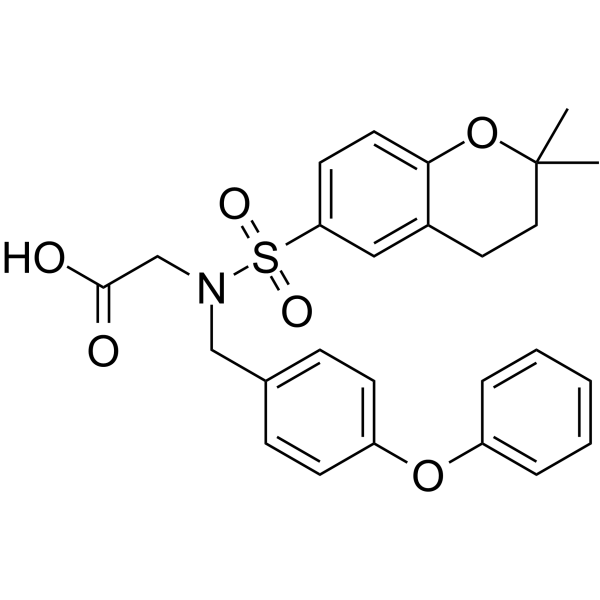
    RHC 80267 (U-57908) is a potent and selective inhibitor of diacylglycerol lipase (DAGL) (with IC50 of 4 μM in canine platelets). RHC-80267 inhibits cholinesterase activity with an IC50 of 4 μM, thereby enhancing the relaxation evoked by acetylcholine. RHC 80267 also inhibits COX and the hydrolysis of phosphatidylcholine (PC) [1] .
    RHC 80267
  • HY-148123

    Biochemical Assay Reagents Neurological Disease
    Glycerophospholipids and cephalins are a class of phospholipid compounds and important components of neural membranes. Glycerophospholipids and cephalins are hydrolysis substrates of phospholipase (such as PLA2, PLC, and PLD). After complete hydrolysis, they produce 1 mol of glycerol, phosphate, ethanolamine, and 2 mol of fatty acids, respectively. Glycerophospholipids and cephalins can maintain membrane structure, fluidity, and ion permeability, and serve as precursors of second messengers such as arachidonic acid and diacylglycerol. Glycerophospholipids and cephalins can regulate signal transduction, cell apoptosis, and membrane transport, and are used in the study of neurodegenerative diseases (such as Alzheimer's disease) [1] .
    Glycerophospholipids, cephalins
  • HY-124314

    MAGL DAGL Metabolic Disease
    LEI-106 is a dual ABHD6 and DAGL-α inhibitor, with a Ki of 0.8 μM for ABHD6, and an IC50 of 18 nM and a Ki of 0.7 μM for DAGL-α. LEI-106 blocks the synthesis of 2-arachidonoylglycerol, reduces the level of endothelial cell-derived 2-arachidonoylglycerol, without altering the levels of cannabinoids and diacylglycerol. LEI-106 is applicable to research related to diet-induced obesity and metabolic syndrome [1] .
    LEI-106
  • HY-153793

    DGKζ-IN-1

    DGK IFNAR Interleukin Related ERK Cancer
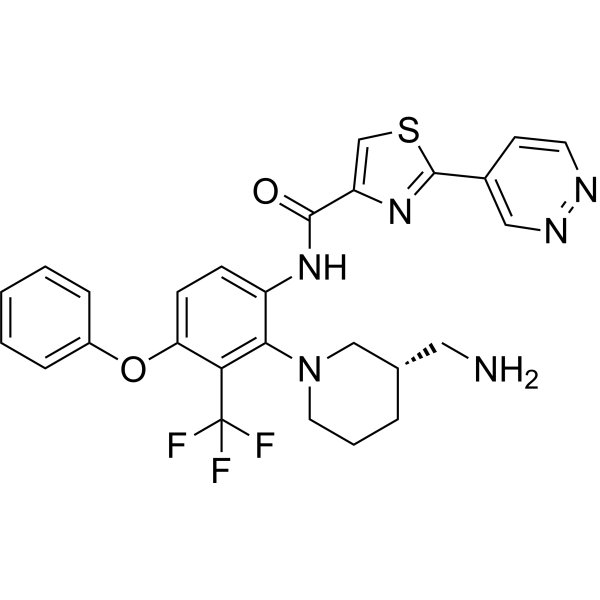
    Alcudacigib (ASP1570; DGKζ-IN-1) is an orally active diacylglycerol kinase ζ (DGKζ) inhibitor, with an IC50 of 4.7 nM against human DGKζ and an IC50 of 3.0 nM against mouse DGKζ. Alcudacigib selectively inhibits the kinase activity of DGKζ and induces proteasome-dependent degradation of DGKζ protein. Alcudacigib enhances the anti-tumor functions of T cells and NK cells. Alcudacigib can be used for the research of advanced/metastatic solid tumors [1] .
    Alcudacigib
  • HY-112552

    DSG; 1,2-Dioctadecanoyl-sn-glycerol

    Endogenous Metabolite Biochemical Assay Reagents Others
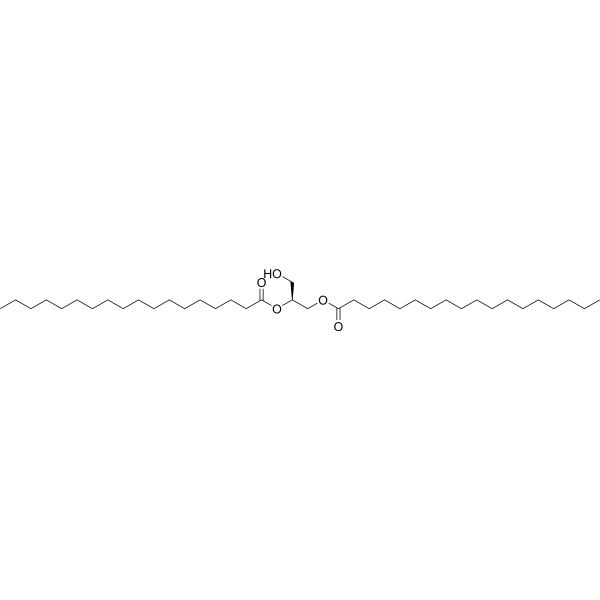
    1,2-Distearoyl-sn-glycerol (DSG) is a glyceride compound. 1,2-Distearoyl-sn-glycerol can be used as an internal standard for the analysis of molecular species of diacylglycerol (DAG) and other phospholipids in rat brain .
    1,2-Distearoyl-sn-glycerol
  • HY-114457

    L-alpha-Phosphatidylinositol-4,5-bisphosphate; (PtdIns)-(4,5)-P2

    Phospholipase Inflammation/Immunology
    Phosphatidylinositol 4,5-bisphosphate (L-alpha-Phosphatidylinositol-4,5-bisphosphate) is a plasma membrane lipid that is enriched in the cytoplasmic leaflet of the plasma membrane. Phosphatidylinositol 4,5-bisphosphate serves as a substrate for phospholipase C and class I PI3K, generating diacylglycerol, inositol (1,4,5)-trisphosphate, and phosphatidylinositol (3,4,5)-trisphosphate. Phosphatidylinositol 4,5-bisphosphate contributes to lamellipodial protrusion, directional cell migration, focal adhesion lipid generation, and trafficking of the GABAA receptor. Phosphatidylinositol 4,5-bisphosphate can be used in research related to acute lung injury and pulmonary edema [1] .
    Phosphatidylinositol 4,5-bisphosphate
  • HY-131648
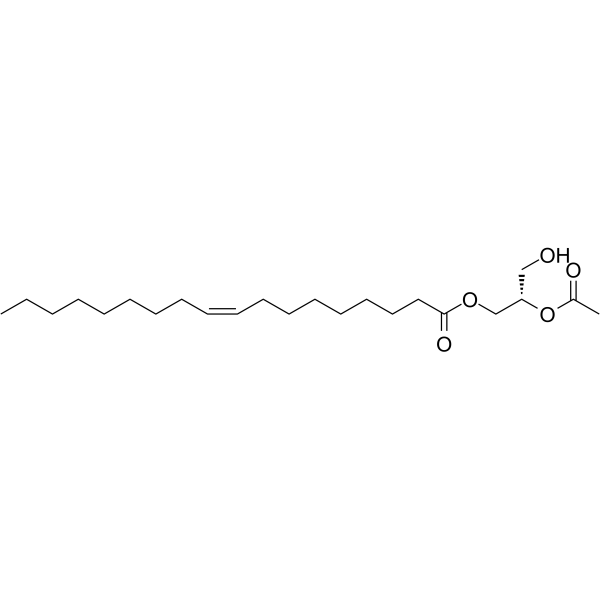
    1-Oleoyl-2-acetyl-sn-glycerol
    1 Publications Verification

    Drug Derivative PKC TRP Channel Cardiovascular Disease Metabolic Disease Inflammation/Immunology Cancer
    1-Oleoyl-2-acetyl-sn-glycerol is a cell-permeable analog of diacylglycerol (DAG) and can activate Protein kinase C (PKC). 1-Oleoyl-2-acetyl-sn-glycerol can activate the TRPC channels-mediated specific Ca 2+ influx. 1-Oleoyl-2-acetyl-sn-glycerol can stimulate superoxide-generation from human neutrophils. 1-Oleoyl-2-acetyl-sn-glycerol stimulates the formation of phosphatidylinositol 4-phosphate in intact human platelets. 1-Oleoyl-2-acetyl-sn-glycerol can stimulate ascites tumor cell proliferation [1] .
    1-Oleoyl-2-acetyl-sn-glycerol
  • HY-128465

    Endogenous Metabolite Others
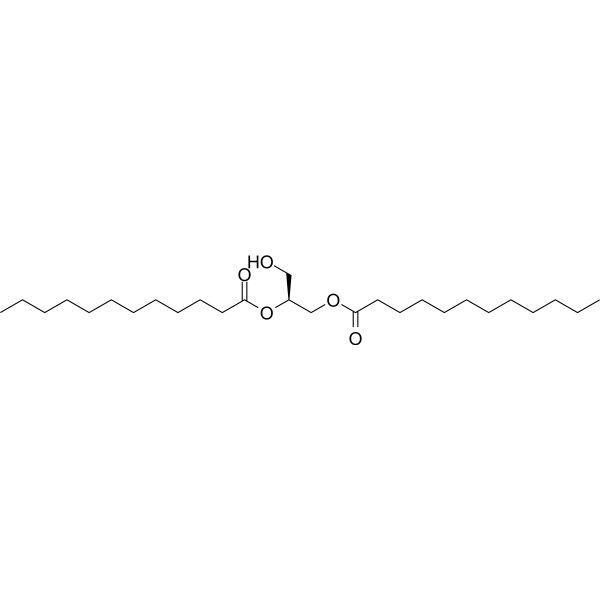
    1,2-Dilauroyl-sn-glycerol is a saturated diacylglycerol and may play a role in second messenger signal transduction .
    1,2-Dilauroyl-sn-glycerol
  • HY-18551

    DAGL Inflammation/Immunology
    DAGLβ-IN-1 is an inhibitor of diacylglycerol lipase-β (DAGLβ), serves as a versatile intermediate for the design of DAGL-tailored activity-based probes [1] .
    DAGLβ-IN-1
  • HY-153793A

    DGKζ-IN-1 TFA

    DGK IFNAR Interleukin Related ERK Cancer
    Alcudacigib (ASP1570; DGKζ-IN-1) TFA is an orally active diacylglycerol kinase ζ (DGKζ) inhibitor, with an IC50 of 4.7 nM against human DGKζ and an IC50 of 3.0 nM against mouse DGKζ. Alcudacigib TFA selectively inhibits the kinase activity of DGKζ and induces proteasome-dependent degradation of DGKζ protein. Alcudacigib TFA enhances the anti-tumor functions of T cells and NK cells. Alcudacigib TFA can be used for the research of advanced/metastatic solid tumors [1] .
    Alcudacigib TFA
  • HY-W127391

    (Rac)-1,2-Didodecanoylglycerol

    Biochemical Assay Reagents Others
    1,2-Dilaurin is a diacylglycerol containing lauric acid at the sn-1 and sn-2 positions. It has been used as an internal standard for the quantification of diglycerides in rat desheathed sciatic nerves. [1] Monomolecular films containing 1,2-dilauroyl-rac-glycerol have been used as substrates to measure surface pressure and the effect of pancreatic procolipase and colipase on porcine pancreatic lipase activity. [2] References: [1]. Zhu, X. and Eichberg, J. 1,2-Diacylglycerol content and its arachidonyl-containing molecular species are reduced in the sciatic nerve of streptozotocin-induced diabetic rats. J. Neurochemistry. 55(3), 1087-1090 (1990).[2]. Wieloch, T., Borgstr m, B., Piéroni, G. et al. Porcine trypsinogen and its trypsin-activated form: lipid binding and lipase activation on monomolecular membranes. FEBS Express. 128(2), 217-220 (1981).
    1,2-Dilaurin
  • HY-107613A
    R 59-022 hydrochloride
    2 Publications Verification

    DKGI-I hydrochloride; diacylglycerol kinase inhibitor I hydrochloride

    PKC 5-HT Receptor Infection Inflammation/Immunology Cancer
    R 59-022 (DKGI-I) hydrochloride is a DGK inhibitor (IC50: 2.8 µM). R 59-022 hydrochloride inhibits the phosphorylation of OAG to OAPA. R 59-022 hydrochloride is a 5-HT Receptor antagonist, and activates protein kinase C (PKC). R 59-022 hydrochloride potentiates thrombin-induced diacylglycerol production in platelets and inhibits phosphatidic acid production in neutrophils [1] .
    R 59-022 hydrochloride
  • HY-118442

    Tetradecasphing-4-enine

    PKC Cancer
    Sphingosine (d14:1) (Tetradecasphing-4-enine), a sphingolipid, is a potent Protein kinase C (PKC) inhibitor. Sphingosine (d14:1) prevents its interaction with sn-1,2-diacylglycerol (DAG)/Phorbol esters .
    Sphingosine (d14:1)
  • HY-117115

    Biochemical Assay Reagents Others
    1,2-Dihexanoyl-sn-glycerol is an analog of protein kinase C (PKC) that activates the second messenger diacylglycerol (DAG). Although the biological activity of 1,2-dicaproyl-sn-glycerol has not been well characterized, it is expected to behave similarly to 1,2-dioctanoyl-sn-glycerol.
    1,2-Dihexanoyl-sn-glycerol
  • HY-117168

    Endogenous Metabolite Metabolic Disease
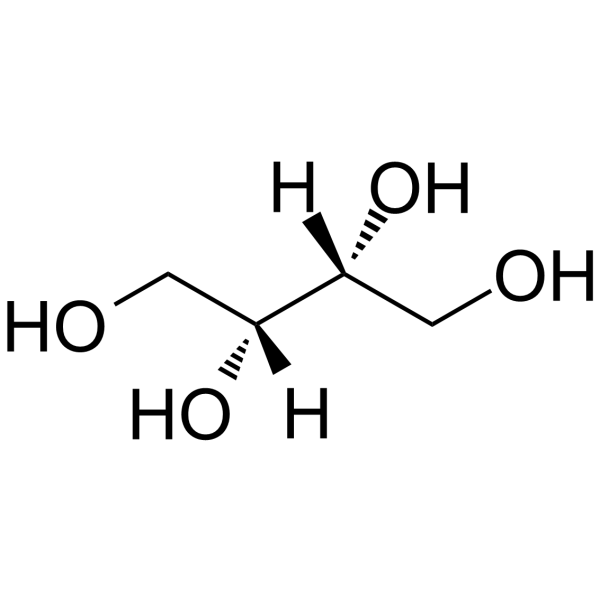
    1,2-Dilinoleoyl-sn-glycerol is a diacylglycerol (DAG) with linoleic acid (HY-N0729) (18:2) side chains attached at both the sn-1 and sn-2 positions . 1,2-Dilinoleoyl-sn-glycerol can be prepared from L-dilinoleoylphosphatidylcholine via hydrolysis with phospholipase C [1] .
    1,2-Dilinoleoyl-sn-glycerol
  • HY-115769

    PKC Endocrinology
    1,2-Didecanoylglycerol, a synthetic diacylglycerol, is metabolized by platelets to 1,2-didecanoylphosphatidic acid (PA10) and activates protein kinase C (PKC) [1] .
    1,2-Didecanoylglycerol
  • HY-138942

    Acyltransferase Metabolic Disease Inflammation/Immunology
    PF-06427878 is an orally active, selective liver-targeted diacylglycerol acyltransferase 2 (DGAT2) inhibitor with IC50s of 99 nM and 202 nM for human and rat DGAT2, respectively. PF-06427878 shows greater than 470-fold selectivity for DGAT2 over DGAT1, MGAT1, MGAT2 and MGAT3. PF-06427878 can improve liver steatosis and function. PF-06427878 can be used for the study of nonalcoholic fatty liver diseases [1] .
    PF-06427878
  • HY-N9530

    Acyltransferase Angiotensin Receptor Bacterial Infection Cardiovascular Disease Metabolic Disease
    1-Methyl-2-[(4Z,7Z)-4,7-tridecadienyl]-4(1H)-quinolone, a quinolone alkaloid, is a diacylglycerol acyltransferase inhibitor and angiotensin II receptor blocker, with IC50s of 20.1 μM and 34.1 μM, respectively. 1-Methyl-2-[(4Z,7Z)-4,7-tridecadienyl]-4(1H)-quinolone shows potent anti-Helicobacter pylori activity with the MIC of 10 μg/mL [1] .
    1-Methyl-2-[(4Z,7Z)-4,7-tridecadienyl]-4(1H)-quinolone
  • HY-165045

    DG(15:0/15:0/0:0); 1,2-Dipentadecanoin

    Endogenous Metabolite Others
    1,2-Dipentadecanoyl-rac-glycerol (DG(15:0/15:0/0:0)) is a compound mentioned in the study of the effects of insulin on 1,2-diacylglycerol in rat hearts. Insulin can increase the content of 1,2-diacylglycerol with a specific fatty acid composition in the heart, which may be related to cardiac contractility.
    1,2-Dipentadecanoyl-rac-glycerol
  • HY-105953

    ONO-995

    Prostaglandin Receptor Endocrinology
    Froxiprost (ONO-995) is a PGF2α (HY-12956) analogue. Froxiprost stimulates thymidine uptake, 1,2 diacylglycerol (1,2-DAG) accumulation, and phosphorylcholine formation in osteoblast-like MC3T3-E1 cells .
    Froxiprost
  • HY-E71140

    Biochemical Assay Reagents Others
    1,2-Diacylglycerol 3-α-glucosyltransferase (EC 2.4.1.337) functions under phosphate-deficient conditions, generating glycolipids as substitutes for phospholipids. 1,2-Diacylglycerol 3-α-glucosyltransferase (EC 2.4.1.337) belongs to the GT4 family of conformation-retaining glycosyltransferases. Many diacylglycerols with long-chain acyl groups can act as acceptors.
    1,2-Diacylglycerol 3-α-glucosyltransferase
  • HY-N16369

    Thrombin Cardiovascular Disease
    1,2-Di-(9Z-hexadecenoyl)-sn-glycerol (Compound 2e) is a diacylglycerol derivative that can be isolated from the fungus Stereum Hirsutum. 1,2-Di-(9Z-hexadecenoyl)-sn-glycerol has potential thrombin-inhibiting activity and can be used in research related to antithrombotic drugs .
    1,2-Di-(9Z-hexadecenoyl)-sn-glycerol
  • HY-145541

    1,2-Dinonadecanoin

    Biochemical Assay Reagents Others
    12-Dinonadecanoyl-rac-glycerol is a diacylglycerol containing nonadecanoic acid (HY-W004261) at the sn-1 and sn-2 positions. Nonadecanoic acid is a 19-carbon long saturated fatty acid. Nonadecanoic acid is the major constituent of the substance secreted by Rhinotermes marginalis to defence .
    12-Dinonadecanoyl-rac-glycerol
  • HY-P2856

    Endogenous Metabolite Metabolic Disease
    Phosphatidylinositol phosphodiesterase hydrolyzes phosphatidylinositol to diacylglycerols and a mixture of myoinositol 1- and 1, 2-cyclic phosphates .
    Phosphatidylinositol phosphodiesterase
  • HY-W004260B

    Glycerol diarachidate

    Endogenous Metabolite Biochemical Assay Reagents Others
    Dieicosanoin is a diacylglycerol containing arachidic acid (HY-W004260). Arachidic acid is a saturated long-chain fatty acid with a 20-carbon backbone. Arachidic acid can be isolated from peanut butter and anaerobic fungi [1] .
    Dieicosanoin
  • HY-W010736A

    Biochemical Assay Reagents Others
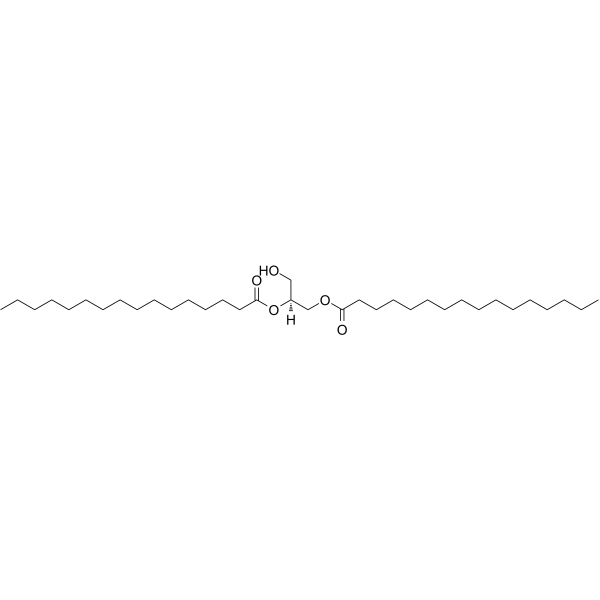
    1,2-Dipalmitoyl-rac-glycerol is a diacylglycerol containing palmitic acid at the sn-1 and sn-2 positions (Cat. No. 10006627). It is found in a variety of vegetable oils, including palm, soybean, canola, and corn. 1 \n 1,2-Dipalmitoyl-rac-glycerol MaxSpec Standard is a quantitative grade standard of 1,2-dipalmitoyl-rac-glycerol prepared for mass spectrometry and related applications requiring quantitative reproducibility . The solution has been prepared gravimetrically and contained in argon-sealed deactivated glass ampoules. Concentrations were verified by comparison to independently prepared calibration standards. This 1,2-dipalmitoyl-rac-glycerol MaxSpec Standard is guaranteed to meet specifications for identity, purity, stability, and concentration and is supplied with a batch-specific Certificate of Analysis. Ongoing stability testing is performed to ensure concentrations remain accurate throughout the shelf life of the product. Note: Add more solution to the vial than listed. Therefore, accurate volume measurements are necessary to prepare calibration standards. Follow recommended storage and handling conditions to maintain product quality.
    1,2-Dipalmitoyl-rac-glycerol
  • HY-115706

    1,3-Ditetracosanoin

    Biochemical Assay Reagents Neurological Disease
    13-Dilignoceroyl glycerol is a diacylglycerol containing lignoceric acid (HY-121883 ) at the sn-1 and sn-3 positions. Lignoceric acid is a 24-carbon saturated (24:0) fatty acid, which is synthesized in the developing brain. Lignoceric acid is also a by-product of lignin production. Lignoceric acid can be used for Zellweger cerebro-hepato-renal syndrome and adrenoleukodystrophy research [1] .
    13-Dilignoceroyl glycerol
  • HY-128792S

    Glyceryl 1,3-dipalmitate-d6; 1,3-Dipalmitoyl-glycerol-d6; Glycerol 1,3-Dipalmitate-d62

    Isotope-Labeled Compounds Biochemical Assay Reagents Others
    1,3-Dipalmitin-d6 (1,3-Dipalmitoylglycerol-d6) is deuterium labeled 1,3-Dipalmitin (HY-128792). 1,3-Dipalmitin (1,3-Dipalmitoylglycerol) is a diacylglycerol compound that can be found in the tuberous roots of Typhonium giganteum Engl. 1,3-Dipalmitin acts as an adsorption inhibitor for 1,3-diglycerides and β-carotene [1] .
    1,3-Dipalmitin-d6
  • HY-W699318

    Reactive Oxygen Species (ROS) Others
    1-Oleoyl-2-palmitoylglycerol is a diacylglycerol in which an oleic acid and a palmitic acid are attached to sn-1 and sn-2 position. 1-Oleoyl-2-palmitoylglycerol enhances the inhibition of superoxide anion production induced by fMLF/cytochalasin B (CB) in human neutrophils. 1-Oleoyl-2-palmitoylglycerol can be used in research about lipid metabolism, membrane fluidity, or the distribution and function of lipids in cells [1] .
    1-Oleoyl-2-palmitoylglycerol
  • HY-107613R

    DKGI-I (Standard); diacylglycerol kinase inhibitor I (Standard)

    PKC 5-HT Receptor Reference Standards Inflammation/Immunology
    R 59-022 (Standard) is the analytical standard of R 59-022. This product is intended for research and analytical applications. R 59-022 (DKGI-I) is a DGK inhibitor (IC50: 2.8 µM). R 59-022 inhibits the phosphorylation of OAG to OAPA. R 59-022 is a 5-HT Receptor antagonist, and activates protein kinase C (PKC). R 59-022 potentiates thrombin-induced diacylglycerol production in platelets and inhibits phosphatidic acid production in neutrophils [1] .
    R 59-022 (Standard)
  • HY-131897S

    Isotope-Labeled Compounds PKC TRP Channel Endogenous Metabolite Neurological Disease
    1-Stearoyl-2-Arachidonoyl-d8-sn-Glycerol is the deuterium labeled 1-Stearoyl-2-arachidonoyl-sn-glycerol. 1-Stearoyl-2-arachidonoyl-sn-glycerol is a diacylglycerol (DAG) containing polyunsaturated fatty acids. 1-Stearoyl-2-arachidonoyl-sn-glycerol can activate PKC. 1-Stearoyl-2-arachidonoyl-sn-glycerol also can augment nonselective cation channel (NSCC) activity [1] .
    1-Stearoyl-2-Arachidonoyl-d8-sn-Glycerol
  • HY-170470

    DG(20:0/20:0/0:0)

    Biochemical Assay Reagents Others
    1,2-Diarachidoyl-rac-glycerol (DG(20:0/20:0/0:0)) is a diacylglycerol in which both acyl groups are acyl groups of arachidonic acid. 1,2-Diarachidoyl-rac-glycerol can be used to enhance the skin barrier function and maintain the moisture and lipid balance of the skin as a diacylglycerol derivative .
    1,2-Diarachidoyl-rac-glycerol
  • HY-164112

    18:1 CDP DG

    Biochemical Assay Reagents Others
    1,2-Dioleoyl-sn-glycero-3-(cytidine diphosphate) ammonium (18:1 CDP DG) is a diacylglycerol derivate .
    1,2-Dioleoyl-sn-glycero-3-(cytidine diphosphate) ammonium
  • HY-P2817B

    Biochemical Assay Reagents Metabolic Disease
    Phospholipase C, Bacillus cereus (EC 3.1.4.3) is induced by thrombin and platelet-activating factor, forming 1,2-diacylglycerol and phosphatidic acid. Phospholipase C, Bacillus cereus (EC 3.1.4.3) hydrolyzes the phosphate bond on phosphatidylcholine and other glycerophospholipids yielding diacylglycerol. Phospholipase C, Bacillus cereus (EC 3.1.4.3) hydrolyzes the phosphate bonds of sphingomyelin, cardiolipin, choline plasmalogen and ceramide phospholipids.
    Phospholipase C, Bacillus cereus
  • HY-128465R

    Endogenous Metabolite Others
    1,2-Dilauroyl-sn-glycerol (Standard) is the analytical standard of 1,2-Dilauroyl-sn-glycerol. This product is intended for research and analytical applications. 1,2-Dilauroyl-sn-glycerol is a saturated diacylglycerol and may play a role in second messenger signal transduction .
    1,2-Dilauroyl-sn-glycerol (Standard)
  • HY-170639

    Others Metabolic Disease
    1,2-Diheptadecanoyl-rac-glycerol is a diacylglycerol that contains Heptadecanoic acid (HY-W004284) at the sn-1 and sn-2 positions.
    1,2-Diheptadecanoyl-rac-glycerol
  • HY-165042

    1,2-Palmitin-3-caprin; 1,2-Palmitin-3-decanoin; TG(16:0/16:0/10:0)

    Others Others
    1,2-Dipalmitoyl-3-decanoyl-rac-glycerol (1,2-Palmitin-3-caprin), a compound mentioned in the chemical analysis of triglycerides and diacylglycerols in bovine milk fat, was identified by a specific chromatography-mass spectrometry technique, which is environmentally friendly and efficient.
    1,2-Dipalmitoyl-3-decanoyl-rac-glycerol
  • HY-165056

    1,2-Palmitin-3-linolein; TG(16:0/16:0/18:2)

    Others Others
    1,2-Dipalmitoyl-3-linoleoyl-rac-glycerol (1,2-Palmitin-3-linolein), a compound mentioned in the chemical analysis of triglycerides and diacylglycerols in bovine milk fat, was identified by a specific chromatography-mass spectrometry technique, which is environmentally friendly and efficient.
    1,2-Dipalmitoyl-3-linoleoyl-rac-glycerol
  • HY-N17223

    Others Others
    1,2-Di-O-linolenoylglycerol 3-O-β-D-galactopyranoside is a monogalactosyl diacylglycerol that can be found in the axenic cyanobacterium Phormidium tenue. 1,2-Di-O-linolenoylglycerol 3-O-β-D-galactopyranoside can induce lysis of Phormidium tenue .
    1,2-Di-O-linolenoylglycerol 3-O-β-D-galactopyranoside
  • HY-W482407

    (S)-2,3-Bis(hexadecyloxy)propan-1-ol

    Biochemical Assay Reagents Metabolic Disease
    1,2-O-Dihexadecyl-sn-glycerol ((S)-2,3-Bis(hexadecyloxy)propan-1-ol) is a saturated dialkyl glyceryl ether with hexadecyl groups at the sn-1 and sn-2 positions that mimics the structure of diacylglycerol.
    1,2-O-Dihexadecyl-sn-glycerol

Inquiry Online

Your information is safe with us. * Required Fields.

Salutation


Country or Region *

Applicant Name *


Organization Name *

Department *


Email Address *


Product Name *

Cat. No.


Requested quantity *

Phone Number *


Remarks

Inquiry Online

Inquiry Information

Product Name:
Cat. No.:
Quantity:
MCE Japan Authorized Agent:

