

1. Search Result
Search Result
Results for "

256

" in MedChemExpress (MCE) Product Catalog:

69

Inhibitors & Agonists

1

Fluorescent Dye

3

Biochemical Assay Reagents

3

Peptides

3

Inhibitory Antibodies

12

Natural
Products

10

Recombinant Proteins

4

Isotope-Labeled Compounds

2

Antibodies

1

Click Chemistry

1

Oligonucleotides

Cat. No. Product Name Target Research Areas Chemical Structure
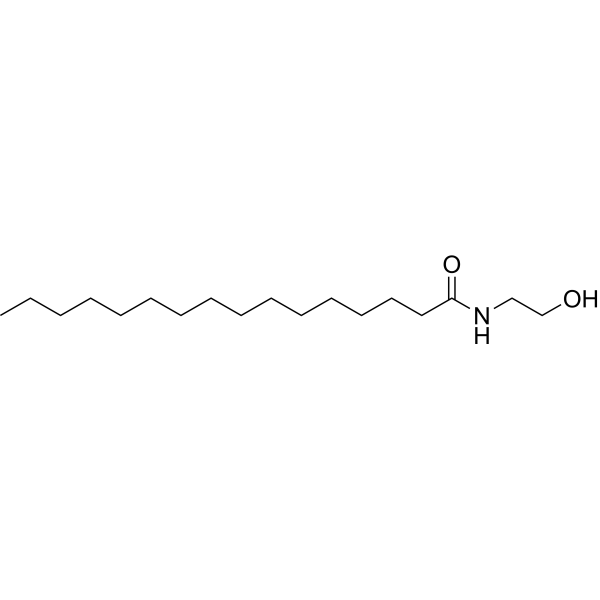
  • HY-20685

    Palmidrol; Loramine P 256

    Endogenous Metabolite Influenza Virus Infection Cancer
    Palmitoylethanolamide (Palmidrol) is an active endogenous compound which can used for preventing virus infection of the respiratory tract.
    Palmitoylethanolamide
  • HY-A0103

    Environmental Pollutants Biochemical Assay Reagents Inflammation/Immunology
    Xanthan gum interacts with gelatin (HY-Y1365) via hydrogen bonds, thereby increasing the viscosity and stability of the hydrogel while promoting cell growth and creating a microenvironment conducive to cell differentiation [1][2]. Xanthan gum induces pro-inflammatory responses by increasing the levels of TNF-α, IL-6, and IL-10. Xanthan gum can be used for inflammation and immunology research .
    Xanthan gum
  • HY-B1488
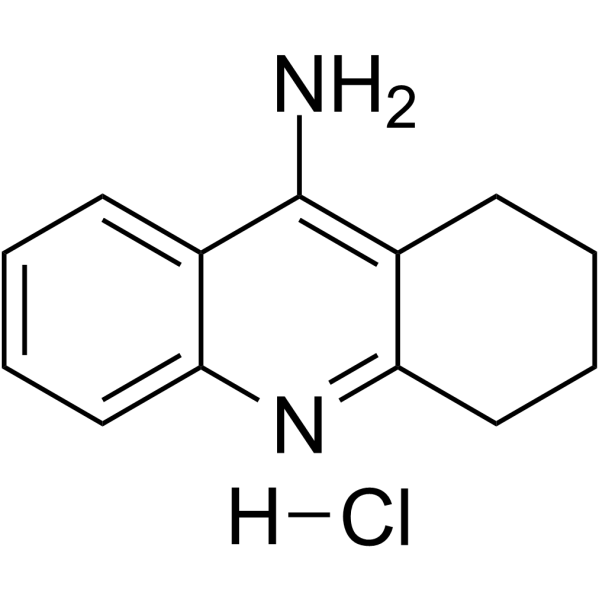
    Tacrine hydrochloride
    Maximum Cited Publications
    8 Publications Verification

    Cholinesterase (ChE) iGluR Neurological Disease
    Tacrine hydrochloride is a potent brain-penetrant inhibitor of both AChE and BChE, with IC50s of 31 nM and 25.6 nM, respectively. Tacrine hydrochloride is also a NMDAR inhibitor, with an IC50 of 26 μM. Tacrine hydrochloride can be used for the research of Alzheimer’s disease .
    Tacrine hydrochloride
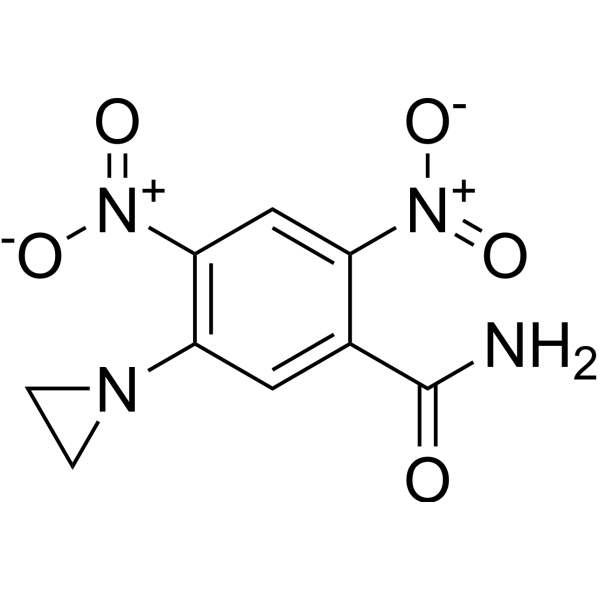
  • HY-13543

    CB 1954

    Quinone Reductase DNA Alkylator/Crosslinker Cancer
    Tretazicar (CB 1954), an antitumor proagent, is highly selective against the Walker 256 rat tumour line. Tretazicar is enzymatically activated to generate a bifunctional agent, which can form DNA-DNA interstrand cross-links. Tretazicar in rat cells involves the reduction of its 4-nitro group to a 4-hydroxylamine by the enzyme NAD(P)H:quinone oxidoreductase 1 (NQO1) .
    Tretazicar
  • HY-B2244
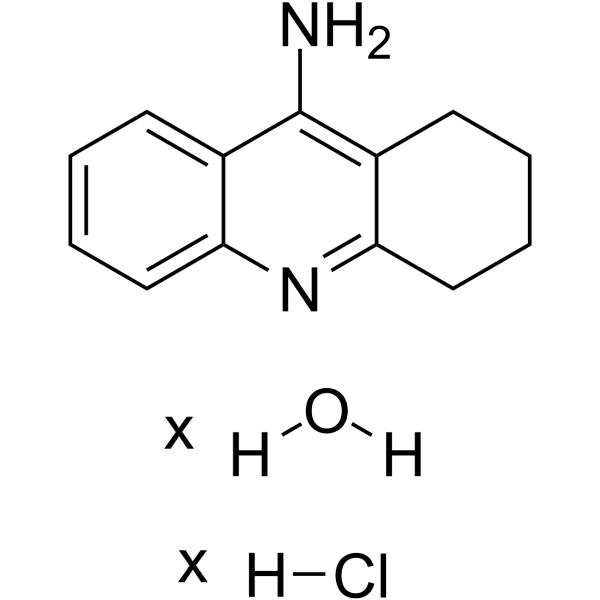
    Tacrine hydrochloride hydrate
    Maximum Cited Publications
    8 Publications Verification

    Cholinesterase (ChE) Neurological Disease
    Tacrine hydrochloride (hydrate) is an inhibitor of both acetyl (AChE) and butyryl-cholinestrase (BChE) with IC50s of 31 nM and 25.6 nM, respectively.
    Tacrine hydrochloride hydrate
  • HY-127104
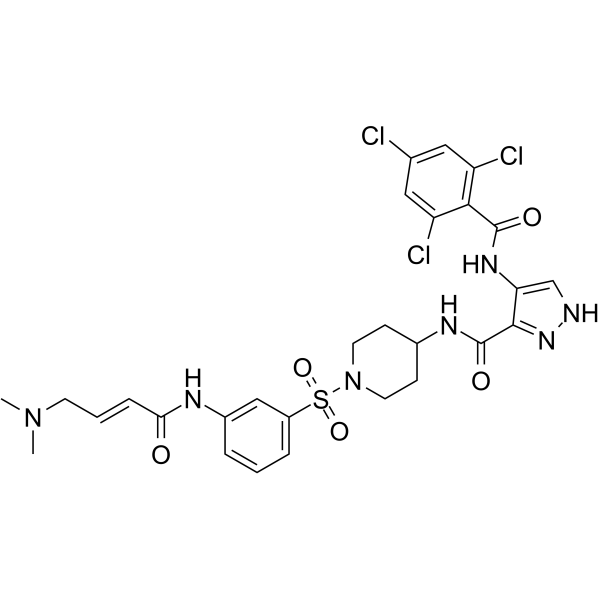
    FMF-04-159-2
    4 Publications Verification

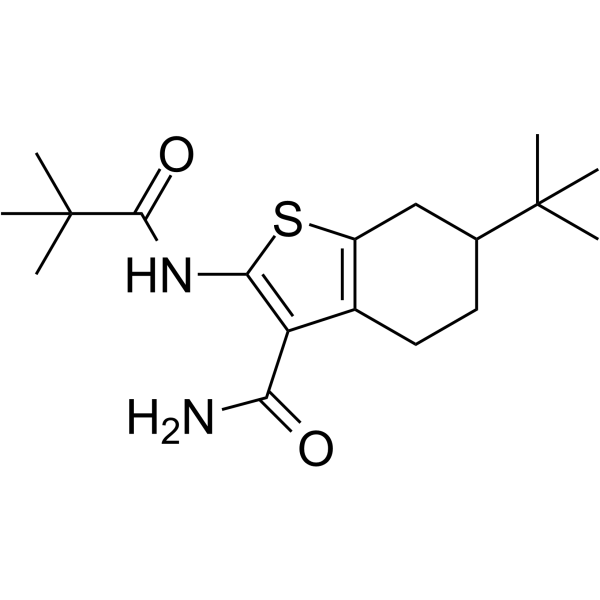
    AKOS-04

    CDK Cancer
    FMF-04-159-2 is a covalent CDK14 inhibitor. FMF-04-159-2 inhibits CDK14 and CDK2 with IC50s of 39.6 nM and 256 nM in NanoBRET assay, respectively .
    FMF-04-159-2
  • HY-P990070

    BION-1301

    TNF Receptor
    Zigakibart (BION-1301) is an IgG4-kappa, humanized monoclonal antibody against TNFSF13 (tumor necrosis factor (TNF) superfamily member 13, APRIL, CD256). Zigakibart exhibits anti-inflammatory activity .
    Zigakibart
  • HY-12844
    Ro 64-6198
    1 Publications Verification

    Opioid Receptor Neurological Disease
    Ro 64-6198 is a potent, selective, nonpeptide, high-affinity, high cellular permeability and brain penetration N/OFQ receptor (NOP) agonist with an EC50 value of 25.6 nM. Ro 64-6198 is at least 100 times more selective for the NOP receptor over the classic opioid receptors. Ro 64-6198 can be used for stress and anxiety, addiction, neuropathic pain, cough, and anorexia .
    Ro 64-6198
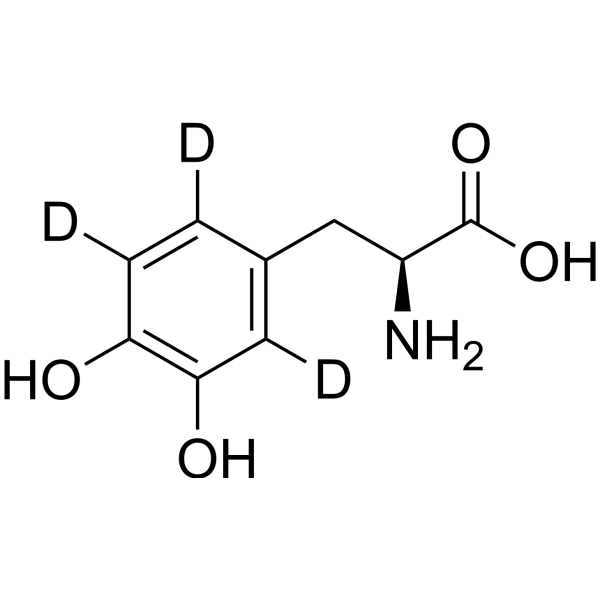
  • HY-132392S

    Dopamine Receptor Endogenous Metabolite Neurological Disease
    L-DOPA-2,5,6-d3 is the deuterium labeled L-DOPA. L-DOPA (Levodopa) is an orally active metabolic precursor of neurotransmitters dopamine. L-DOPA can cross the blood-brain barrier and is converted into dopamine in the brain .
    L-DOPA-2,5,6-d3
  • HY-146320
    ANO1-IN-1
    2 Publications Verification

    Chloride Channel Cancer
    ANO1-IN-1 (Compound 9c) is a selective ANO1 channel blocker with an IC50 of 2.56 μM and 15.43 μM against ANO1 and ANO2, respectively. ANO1-IN-1 suppresses strongly proliferation of glioblastoma cells .
    ANO1-IN-1
  • HY-16903

    PKC Inflammation/Immunology
    MS-553 is a potent, ATP-competitive and reversible inhibitor of conventional PKC enzymes with Kis of 5.3 and 10.4 nM for human PKCβ and PKCα, and IC50s of 2.3, 8.1, 7.6, 25.6, 57.5, 314, 808 nM for PKCα, PKCβI, PKCβII, PKCθ, PKCγ, PKC mu and PKCε, respectively.
    MS-553
  • HY-N7652

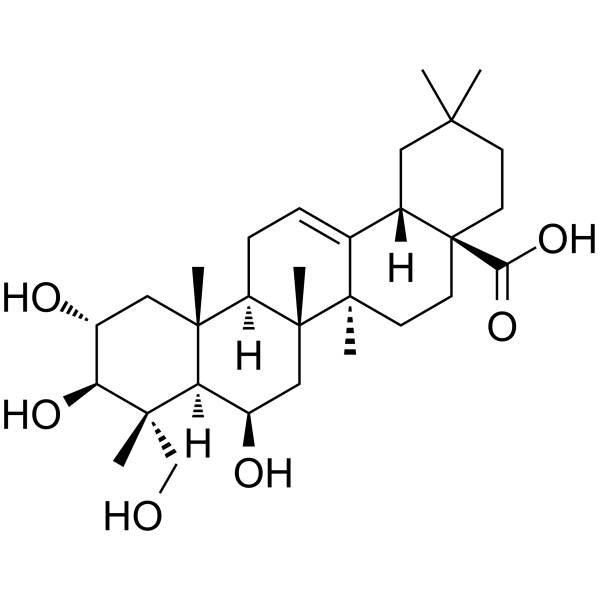
    Bacterial Interleukin Related Infection Inflammation/Immunology Cancer
    Terminolic acid is a pentacyclic triterpene glycoside and antibacterial agent. Terminolic acid can be isolated from Combretum racemosum. Terminolic acid inhibits proinflammatory cytokines by binding to the receptor active sites of IL-1β and IL-6. Terminolic acid reduces IL-8. Terminolic acid has antibacterial activity against Staphylococcus aureus, Escherichia coli and Enterococcus faecalis with MICs ranging from 64 to 256 μg/mL. Terminolic acid is used in colon cancer research .
    Terminolic acid
  • HY-P99687

    AMG 256

    PD-1/PD-L1 Cancer
    Latikafusp (AMG 256) is a bifunctional fusion protein comprising a PD-1-targeting antibody and IL-21 mutein designed to deliver IL-21 pathway stimulation to PD-1+ cells. Latikafusp is designed to prime and extend the activity of cytotoxic and memory T cells and induce anti-tumor immunity. Latikafusp has the potential for solid tumors research .Latikafusp may lead to the development of immunogenicity-mediated responses .
    Latikafusp
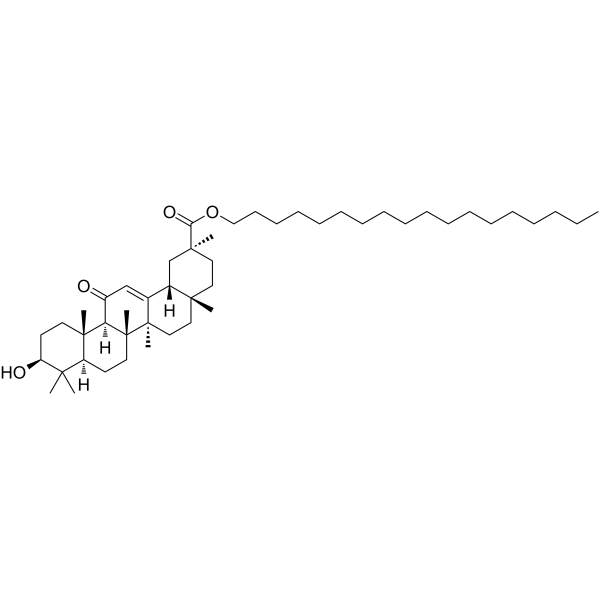
  • HY-N2417

    Bacterial Infection
    Stearyl glycyrrhetinate, a major component in licorice extract, has a MIC against S. aureus strains of more than 256 mg/L. Stearyl glycyrrhetinate has antibacterial effects .
    Stearyl glycyrrhetinate
  • HY-20685R

    Palmidrol (Standard); Loramine P 256 (Standard)

    Endogenous Metabolite Reference Standards Influenza Virus Infection Cancer
    Palmitoylethanolamide (Standard) is the analytical standard of Palmitoylethanolamide. This product is intended for research and analytical applications. Palmitoylethanolamide (Palmidrol) is an active endogenous compound which can used for preventing virus infection of the respiratory tract.
    Palmitoylethanolamide (Standard)
  • HY-N1240

    Biochanin A 7-glucoside; Sissonin

    Bacterial Infection
    Sissotrin (Biochanin A 7-glucoside) has potent antimicrobial and antioxidant activities. Sissotrin is active against the yeasts and Gram-positive and Gram-negative bacteria with MICs of 32-256 μg/mL .
    Sissotrin
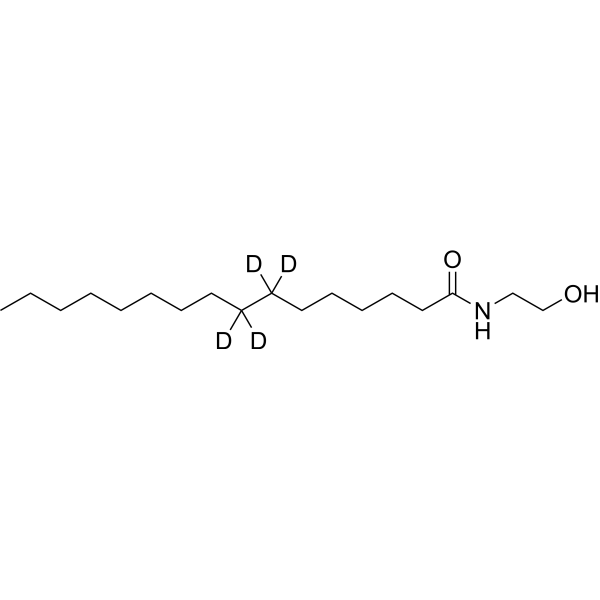
  • HY-20685S

    Palmidrol-d4; Loramine P 256-d4

    Influenza Virus Endogenous Metabolite Infection
    Palmitoylethanolamide-d4 is the deuterium labeled Palmitoylethanolamide. Palmitoylethanolamide (Palmidrol) is an active endogenous compound which can used for preventing virus infection of the respiratory tract.
    Palmitoylethanolamide-d4
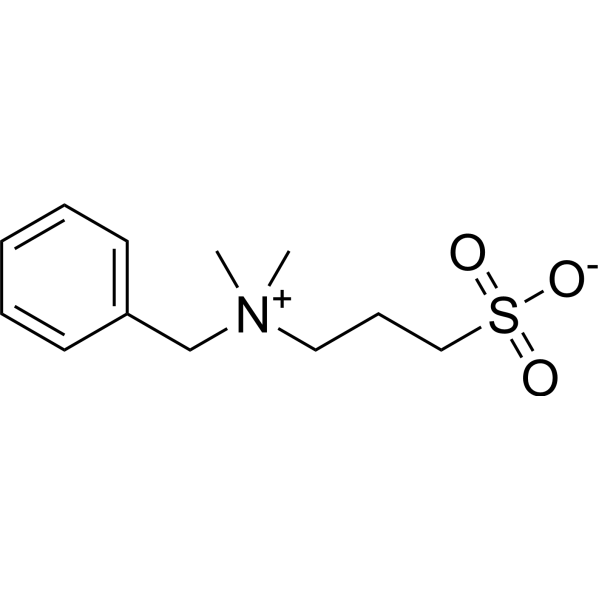
  • HY-W011831

    3-(Benzyldimethylammonio)propane-1-sulfonate; PDA

    Biochemical Assay Reagents Others
    NDSB-256 is a non-stain remover sulfabetaine. NDSB-256 prevents protein aggregation and promotes denaturation of chemically and thermally denatured proteins .
    NDSB-256
  • HY-135286A

    Parasite Infection
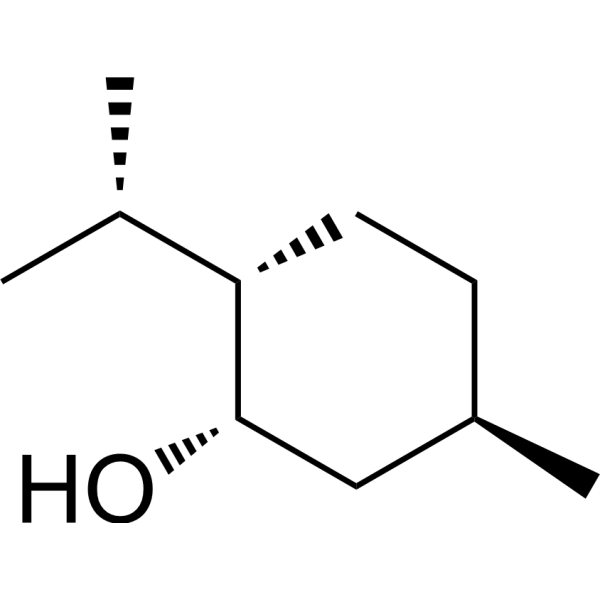
    (+)-Neomenthol is a potent miticide. (+)-Neomenthol shows acaricidal activitie with LD50 values of 0.32, 0.256 µg/mL for Dermatophagoides farinae and Dermatophagoides pteronyssinus, respectively .
    (+)-Neomenthol
  • HY-13732

    Leo 1031; NSC 134087

    DNA Alkylator/Crosslinker Cancer
    Prednimustine (Leo 1031;NSC 134087) is the ester formed from Prednisolone (HY-17463) and Chlorambucil (HY-13593). Prednimustine can be used for leukemias and lymphomas research .
    Prednimustine
  • HY-149483

    nAChR Neurological Disease
    CVN417 is an orally active α6 subunit-containing nAChR antagonist, modulating phasic dopaminergic neurotransmission in an impulse-dependent manner. CVN417 inhibits Ca(2+) effluents mediated by nAChR subunits with IC50s of 0.086 μM (α6), 2.56 μM (α3) and 0.657 μM (α4), respectively. CVN417 attenuates resting tremor in Rodent models, displays the potential to improve movement dysfunction, in conditions such as Parkinson's disease .
    CVN417
  • HY-151549

    Bacterial Infection
    Mtb-cyt-bd oxidase-IN-2 is an inhibitor of Mycobacterium tuberculosis cytochrome bd oxidase (Mtb cyt-bd oxidase) with an IC50 value of 0.67 μM. Mtb-cyt-bd oxidase-IN-2 inhibits the growth of Mycobacterium tuberculosis with a MIC value of 256 μM. Mtb-cyt-bd oxidase-IN-2 can be used for the research of infection .
    Mtb-cyt-bd oxidase-IN-2
  • HY-W060074

    Endogenous Metabolite Bacterial Tyrosinase PERK Infection Endocrinology
    1-Acetyl-β-carboline is a metabolite of Streptomyces kasugaensis and antibacterial agent. 1-Acetyl-β-carboline increases tyrosinase activity, reduces ERK phosphorylation. 1-Acetyl-β-carboline exhibits antibacterial activity against methicillin-resistant Staphylococcus aureus (MRSA) strains with MICs ranging from 128 to 256 ug/mL. 1-Acetyl-β-carboline increases the melanin .
    1-Acetyl-β-carboline
  • HY-128762

    Phospholipase Cancer
    ML256 is a covalent lipoprotein-associated phospholipase A2 (Lp-PLA2 inhibitor. ML256 can be used for the study of neoplasms harboring a constitutively active variant of one or both of KRAS or HRAS .
    ML256
  • HY-W127622

    3-(4-(tert-Butyl)pyridinio)-1-propanesulfonate

    Biochemical Assay Reagents Others
    NDSB 256-4T is a non-washing sulfabetaine compound. NDSB-256-4T prevents protein aggregation and promotes protein folding by interacting with early folding intermediates .
    NDSB 256-4T
  • HY-23120

    Antibiotic Virus Protease Infection Cancer
    1-Hydroxyguanidine sulfate is an antitumor agent that inhibits mast cell P815, leukaemia P388, leukaemia L1210 and carcinosarcoma Walker 256 cells growth. 1-Hydroxyguanidine sulfate also has antiviral activity .
    1-Hydroxyguanidine sulfate
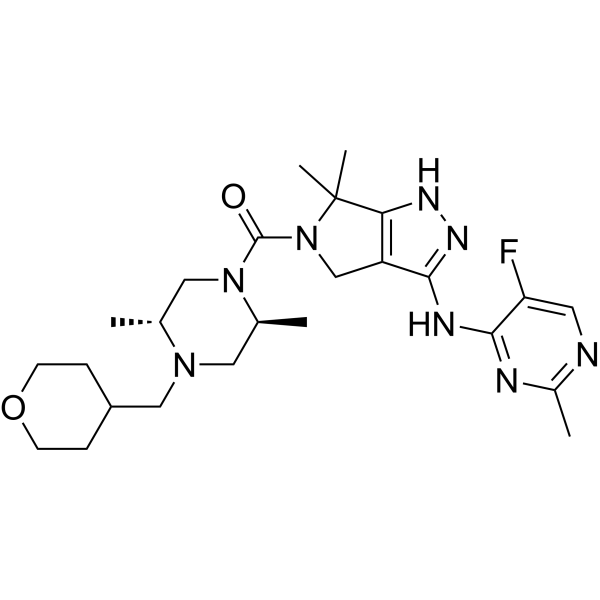
  • HY-172220

    Deubiquitinase Bacterial Infection
    ChlaDUB1-IN-2 (Compound 27a) is the inhibitor for Chlamydia trachomatis deubiquitinase ChlaDUB1 with an IC50 of 0.97 μM. ChlaDUB1-IN-2 inhibits the inclusion body formation of C. trachomatis with an IIC50 of 25.6 μg/mL .
    ChlaDUB1-IN-2
  • HY-156578

    DGK HIV Infection Cancer
    DGKα-IN-8 (Example 51) is a DGKα inhibitor (IC50=22.491 nM; EC50=0.256 nM). DGKα-IN-8 can be used to study cancer, including solid tumors, and viral infections, such as HIV or hepatitis B virus infection .
    DGKα-IN-8
  • HY-178442

    EGFR Cancer
    EGFR-IN-179 (Compound 8d) is an EGFR inhibitor (IC50: 0.068 μM for EGFR L858R/T790M/C797S; 2.56 μM for EGFR-WT-TK). EGFR-IN-179 has anticancer activity against non-small cell lung cancer .
    EGFR-IN-179
  • HY-119916

    DNA/RNA Synthesis Cancer
    Tauromustine is an orally active nitrosourea anticancer agent. Tauromustine has an alkylation effect and can damage the DNA function. Tauromustine has a high therapeutic index, especially in the study of Walker 256 rat sarcoma. It is also active against melanoma, breast cancer, pleural mesothelioma and ovarian cancer. Tauromustine is mainly metabolized in the liver, but some of its metabolites also have cytotoxicity .
    Tauromustine
  • HY-177148

    Biochemical Assay Reagents Cardiovascular Disease
    G256 (Compound 1) is an amidinohydrazone. G256 can also be considered as a Schiff’s base of aminoguanidine. G256 exhibits antiarrhythmic activity. G256 is the reduced form of NOH-G256 by microsomal enzyme preparation from rabbit and rat liver homogenates in the presence of NADPH and NADH .
    G256
  • HY-177148A

    Biochemical Assay Reagents Cardiovascular Disease
    G256 (Compound 1) (dihydrochloride) is an amidinohydrazone. G256 (dihydrochloride) can also be considered as a Schiff’s base of aminoguanidine. G256 (dihydrochloride) exhibits antiarrhythmic activity. G256 (dihydrochloride) is the reduced form of NOH-G256 by microsomal enzyme preparation from rabbit and rat liver homogenates in the presence of NADPH and NADH .
    G256 dihydrochloride
  • HY-149510

    c-Met/HGFR Apoptosis PDGFR Cancer
    MET/PDGFRA-IN-1 (compound 8c) is a MET and PDGFRA protein inhibitor (IC50: 36 μM for MET). MET/PDGFRA-IN-1 inhibits MET phosphorylation and induces cell apoptosis. MET/PDGFRA-IN-1 inhibits proliferation of MET-positive cells (IC50s: 15.3, 19.0, 22.0, 25.6, 21.0, 31.5 μM for AsPc-1, EBC-1, MKN-45, Mia-Paca-2, HT-29, K562 cells respectively) .
    MET/PDGFRA-IN-1
  • HY-150610

    EGFR Cancer
    EGFR-IN-69 (compound 17g) is a potent EGFR inhibitor, with IC50 values of 4.3, 6.6 and 25.6 nM against EGFR L858R/T790M/C797S, EGFR L858R/T790M, and EGFR 19del/T790M/C797S, respectively. EGFR-IN-69 can be used for non-small-cell-lung-cancer (NSCLC) research .
    EGFR-IN-69
  • HY-175021

    HDAC Carbonic Anhydrase Microtubule/Tubulin PARP Apoptosis Bcl-2 Family Caspase Cancer
    HDAC-IN-91 is a multiple inhibitor of HDAC (IC50 = 134.22 nM for HDAC1, 66.29 nM for HDAC2), carbonic anhydrase (CA) (Ki = 72.03 nM for CA IX, 50.76 nM for XII), and tubulin polymerization ( IC50 = 2.56 μM). HDAC-IN-91 inhibits PARP1 and increases the Bax/Bcl-2 ratio. HDAC-IN-91 blocks the cell cycle at the G2/M phase and induces apoptosis through a mitochondrial apoptosis activation mechanism. HDAC-IN-91 can exert potent cytotoxic activity through tubulin polymerization inhibition. HDAC-IN-91 can be used in breast, colorectal, cervical and lung cancer research .
    HDAC-IN-91
  • HY-13543R

    CB 1954 (Standard)

    DNA Alkylator/Crosslinker Reference Standards Cancer
    Tretazicar (Standard) is the analytical standard of Tretazicar. This product is intended for research and analytical applications. Tretazicar (CB 1954), an antitumor proagent, is highly selective against the Walker 256 rat tumour line. Tretazicar is enzymatically activated to generate a bifunctional agent, which can form DNA-DNA interstrand cross-links. Tretazicar in rat cells involves the reduction of its 4-nitro group to a 4-hydroxylamine by the enzyme NAD(P)H:quinone oxidoreductase 1 (NQO1) .
    Tretazicar (Standard)
  • HY-19022

    Angiotensin Receptor Cardiovascular Disease Others Metabolic Disease
    Palatrigine is a compound with angiotensin-converting enzyme inhibitory and beta-adrenergic receptor blocking properties .
    BW A256C
  • HY-150247

    DNA/RNA Synthesis Others
    RNA splicing modulator 2 (compound 256) is a RNA splicing modulator .
    RNA splicing modulator 2
  • HY-144817

    Microtubule/Tubulin Cancer
    Tubulin inhibitor 27 (DYT-1) is a tubulin polymerisation inhibitor with an IC50 of 25.6 μM. Tubulin inhibitor 27 shows anti-angiogenesis and antitumor activities .
    Tubulin inhibitor 27
  • HY-B2244R

    Reference Standards Cholinesterase (ChE) Neurological Disease
    Tacrine (hydrochloride) (hydrate) (Standard) is the analytical standard of Tacrine (hydrochloride) (hydrate). This product is intended for research and analytical applications. Tacrine hydrochloride (hydrate) is an inhibitor of both acetyl (AChE) and butyryl-cholinestrase (BChE) with IC50s of 31 nM and 25.6 nM, respectively.
    Tacrine hydrochloride hydrate (Standard)
  • HY-N12138

    Glycosidase Metabolic Disease
    Flaccidoside III is a triterpenoid isolated from the aerial parts of N. sativa (Ranunculaceae). Flaccidoside III inhibits α-Glucosidase (IC50: 256.7 μM) and has potential antioxidant and antidiabetic activities .
    Flaccidoside III
  • HY-P5663

    Bacterial Infection
    Bombinin H-BO1 is an antimicrobial peptide derived from toad Bombina orientalis skin secretions. Bombinin H-BO1 is active against Candida albicans, and the MIC value is 256 mg/L .
    Bombinin H-BO1
  • HY-135286AR

    Reference Standards Parasite Infection
    (+)-Neomenthol (Standard) is the analytical standard of (+)-Neomenthol. This product is intended for research and analytical applications. (+)-Neomenthol is a potent miticide. (+)-Neomenthol shows acaricidal activitie with LD50 values of 0.32, 0.256 µg/mL for Dermatophagoides farinae and Dermatophagoides pteronyssinus, respectively[1].
    (+)-Neomenthol (Standard)
  • HY-N12437

    Others Cancer
    Marsdenoside B (compound 8) is a Marsdenoside isolated from Alocasia genus. Marsdenoside B inhibits the growth of tumor cell lines MGC-803 and HT-29 with IC50s of 25.6 μg/mL and 32.4 μg/mL, respectively.
    Marsdenoside B
  • HY-P5546

    Bacterial Infection
    Lynronne-2 is an antimicrobial peptide. Lynronne-1 is active against Gram-positive bacterials, including MDR strains (MIC: 32-256 μg/mL for methicillin-resistant MRSA strains). Lynronne-2 is also effective against P. aeruginosa infection
    Lynronne-2
  • HY-P1123R

    Reference Standards ATP Citrate Lyase Free Fatty Acid Receptor Metabolic Disease
    Tacrine (hydrochloride) (Standard) is the analytical standard of Tacrine (hydrochloride). This product is intended for research and analytical applications. Tacrine hydrochloride is a potent inhibitor of both AChE and BChE, with IC50s of 31 nM and 25.6 nM, respectively. Tacrine hydrochloride is also a NMDAR inhibitor, with an IC50 of 26 μM. Tacrine hydrochloride can be used for the research of Alzheimer’s disease .
    MEDICA16 (Standard)
  • HY-B1488R

    Reference Standards Cholinesterase (ChE) iGluR Neurological Disease
    Tacrine (hydrochloride) (Standard) is the analytical standard of Tacrine (hydrochloride). This product is intended for research and analytical applications. Tacrine hydrochloride is a potent inhibitor of both AChE and BChE, with IC50s of 31 nM and 25.6 nM, respectively. Tacrine hydrochloride is also a NMDAR inhibitor, with an IC50 of 26 μM. Tacrine hydrochloride can be used for the research of Alzheimer’s disease .
    Tacrine hydrochloride (Standard)
  • HY-147701

    Insecticide Others
    OfHex1-IN-1 (compound 11c) is a potent and selective OfHex1 (β-N-acetylhexosaminidase from Ostrinia furnacalis) inhibitor, with an IC50 of 28.1 μM and a Ki of 25.6 μM. OfHex1-IN-1 can be used for OfHex1-related green pesticides research .
    OfHex1-IN-1
  • HY-170398

    Antibiotic Bacterial Infection
    ZG297 is an agonist for Staphylococcus aureus ClpP (SaClpP ) with an EC50 of 0.26 μM. ZG297 degrades SaFtsZ, inhibits the bacterial cell division, thereby exhibiting antistaphylococcal activity, that inhibits S. aureus 8325-4 strains and MRSA strains with MIC of 0.063-256 μg/mL. ZG297 exhibits anti-infectious efficacy in mouse models .
    ZG297
  • HY-W707249

    Isotope-Labeled Compounds Biochemical Assay Reagents Others
    4-Chlorobenzene-2,5,6-d3-1,3-diol is the deuterium labeled 4-Chlororesorcinol (HY-W015658). 4-Chlorobenzene-1,3-diol is a biochemical reagent that can be used as a biological material or organic compound for life science related research.
    4-Chlorobenzene-2,5,6-d3-1,3-diol

Inquiry Online

Your information is safe with us. * Required Fields.

Salutation


Country or Region *

Applicant Name *


Organization Name *

Department *


Email Address *


Product Name *

Cat. No.


Requested quantity *

Phone Number *


Remarks

Inquiry Online

Inquiry Information

Product Name:
Cat. No.:
Quantity:
MCE Japan Authorized Agent:

