

1. Search Result
Search Result
Results for "

3 LL

" in MedChemExpress (MCE) Product Catalog:

83

Inhibitors & Agonists

2

Biochemical Assay Reagents

41

Peptides

19

Natural
Products

2

Recombinant Proteins

1

Isotope-Labeled Compounds

4

Antibodies

1

Oligonucleotides

Cat. No. Product Name Target Research Areas Chemical Structure
  • HY-P1222
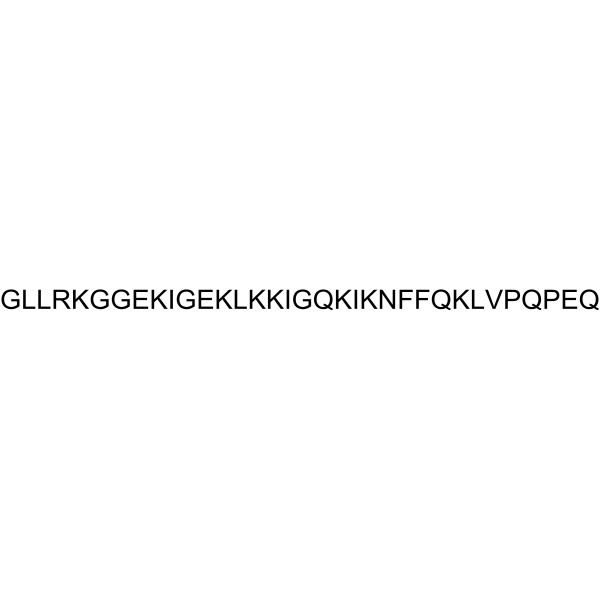
    LL-37, human
    Maximum Cited Publications
    6 Publications Verification

    Bacterial Infection
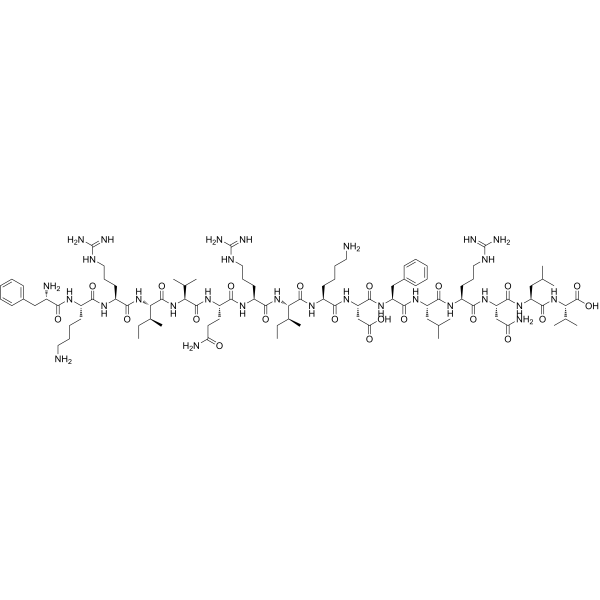
    LL-37, human is a 37-residue, amphipathic, cathelicidin-derived antimicrobial peptide, which exhibits a broad spectrum of antimicrobial activity. LL-37, human could help protect the cornea from infection and modulates wound healing .
    LL-37, human
  • HY-12686
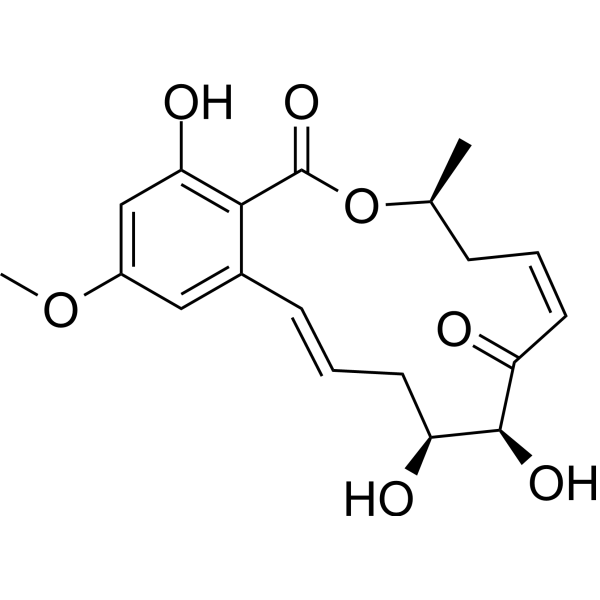
    5Z-7-Oxozeaenol
    Maximum Cited Publications
    29 Publications Verification

    FR148083; L783279; LL-Z 1640-2

    MAP3K VEGFR Antibiotic Infection Inflammation/Immunology
    5Z-7-Oxozeaenol is a natural anti-protozoan compound from fungal origin, acting as a potent irreversible and selective inhibitor of TAK1 and VEGF-R2, with IC50s of 8 nM and 52 nM, respectively.
    5Z-7-Oxozeaenol
  • HY-P4744
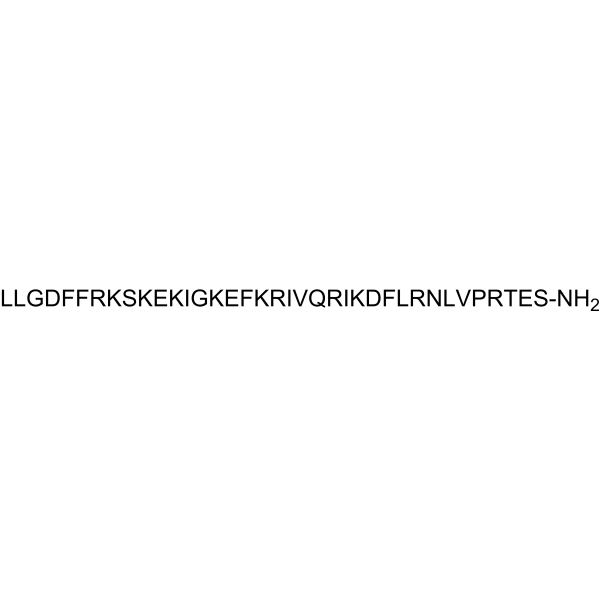
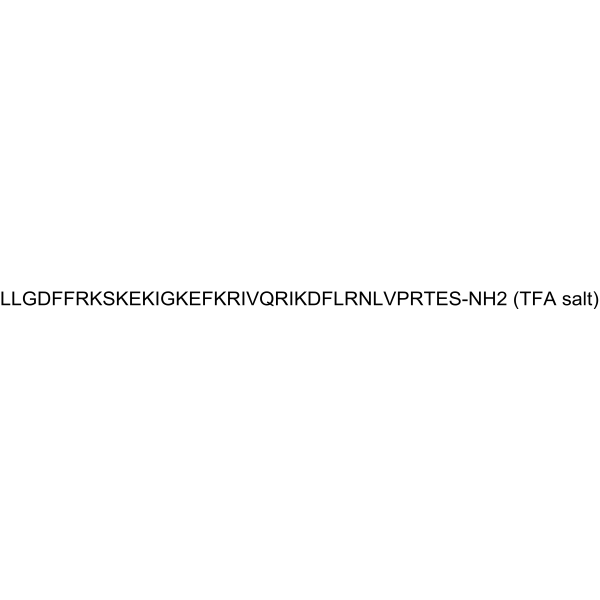
    LL-37 amide
    2 Publications Verification

    Formyl Peptide Receptor (FPR) Bacterial Infection Cancer
    LL-37 amide is a selective agonist of formyl peptide receptor-like FPRL1, effectively inhibiting periodontal pathogens (ED99=8.5-8.7 μg/mL). LL-37 amide exerts its bactericidal effect by activating FPRL1-mediated immune cell chemotaxis and disrupting bacterial cell membrane integrity. It can also regulate inflammatory responses (inhibiting the release of factors such as TNF-α) and promote angiogenesis. Amidation modification reduces its sensitivity to serum inhibition and improves its stability. LL-37 amide possesses key activities in bactericidal action, immunomodulation, and wound healing, and is mainly used in research on infection-related diseases such as periodontal disease and deep tissue injuries (pressure ulcers), and wound healing .
    LL-37 amide
  • HY-P1222A
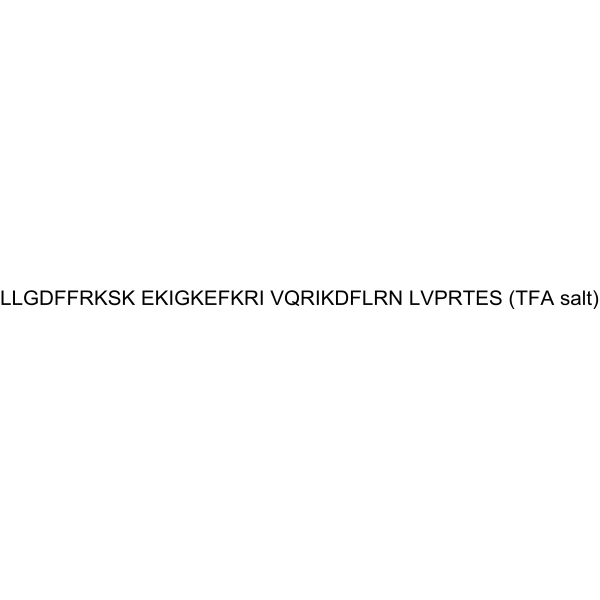
    LL-37, human TFA
    Maximum Cited Publications
    6 Publications Verification

    Bacterial Infection
    LL-37, human TFA is a 37-residue, amphipathic, cathelicidin-derived antimicrobial peptide, which exhibits a broad spectrum of antimicrobial activity. LL-37, human TFA could help protect the cornea from infection and modulates wound healing .
    LL-37, human TFA
  • HY-112542

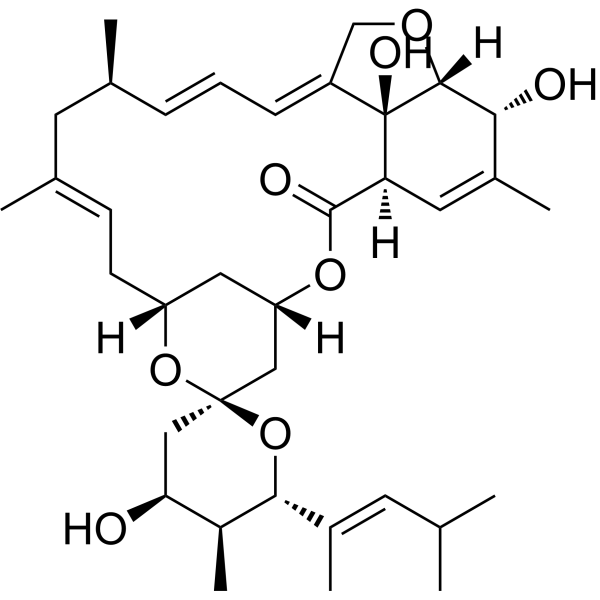
    CL-287088; LL-F28249 α

    Parasite Antibiotic Infection
    Nemadectin (CL-287088), an orally active broad-spectrum endectocide, is highly efficacious against natural infections of all the major canine gastrointestinal helminthes. Anthelmintic activity .
    Nemadectin
  • HY-P4855
    CRAMP (mouse)
    1 Publications Verification

    Bacterial TNF Receptor Infection Inflammation/Immunology
    CRAMP (mouse) is an antibacterial peptide and a functional homolog of LL-37 . CRAMP (mouse) exhibits potent antibacterial activity against Gram-negative bacteria . The complex formed by CRAMP (mouse) and CpG can activate macrophages to secrete TNF-α . CRAMP (mouse) plays a key role in wound healing, immune regulation and maintenance of intestinal homeostasis .
    CRAMP (mouse)
  • HY-32350
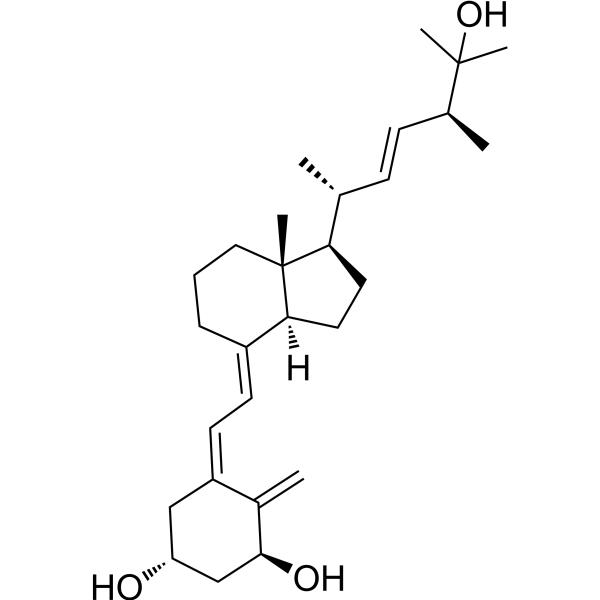
    Ercalcitriol
    3 Publications Verification

    1α,25-Dihydroxy Vitamin D2

    VD/VDR Drug Metabolite Endogenous Metabolite Metabolic Disease
    Ercalcitriol (1α,25-Dihydroxy Vitamin D2) is a vitamin D receptor (VDR) agonist with high binding affinity. After binding to VDR, Ercalcitriol forms a complex with retinoid X receptor (RXR) to regulate target gene transcription. For example, Ercalcitriol induces human gingival/oral epithelial cells to produce human cat antimicrobial peptide (hCAP-18/LL-37), which has antimicrobial activity against periodontal pathogens such as Porphyromonas gingivalis. Ercalcitriol enhances the innate immune defense of the oral mucosa by promoting the expression of antimicrobial peptides, and is mainly used in the study of periodontal diseases and immune-related oral diseases .
    Ercalcitriol
  • HY-114360
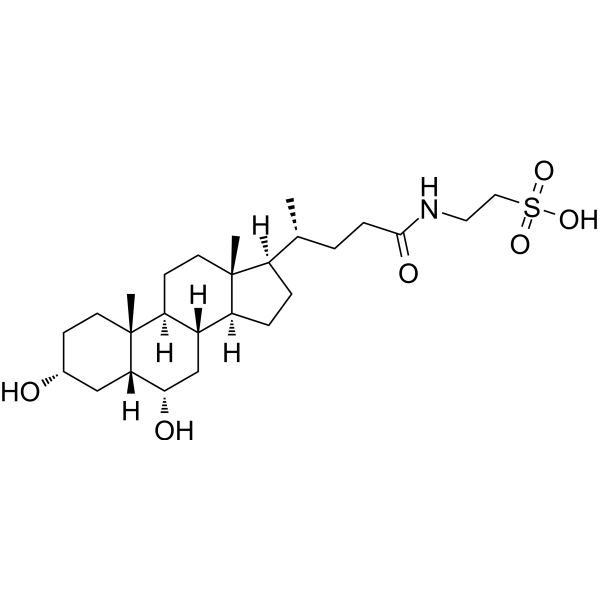
    Taurohyodeoxycholic acid
    2 Publications Verification

    Endogenous Metabolite COX Interleukin Related Glutathione Peroxidase TNF Receptor Neurological Disease Metabolic Disease Inflammation/Immunology Cancer
    Taurohyodeoxycholic acid is an orally active 6 alpha-hydroxylated bile acid. Taurohyodeoxycholic acid decreases colonic MPO activity, TNF-α, lL-6 serum levels and the expression of COX-2. Taurohyodeoxycholic acid alleviates trinitrobenzene sulfonic acid induced ulcerative colitis via regulating Th1/Th2 and Th17/Treg cells balance. Taurohyodeoxycholic acid ameliorates high-fat diet-induced nonalcoholic fatty liver disease in mice. Taurohyodeoxycholic acid prevents Taurochenodeoxycholic acid (HY-N2027)-induced hepatotoxicity in bile fistula rats. Taurohyodeoxycholic acid can be used for the study of nonalcoholic fatty liver disease (NAFLD), colitis and biliary fistula .
    Taurohyodeoxycholic acid
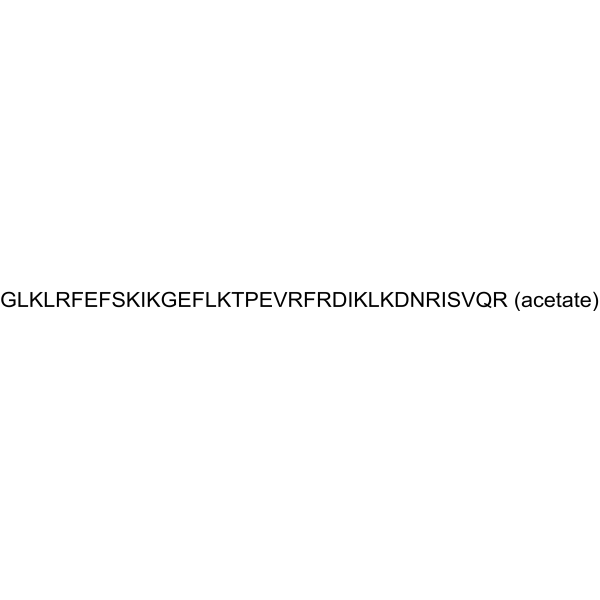
  • HY-P1222B
    LL-37, human acetate
    Maximum Cited Publications
    6 Publications Verification

    Bacterial Infection Inflammation/Immunology
    LL-37, human acetate is a 37-residue, amphipathic, cathelicidin-derived antimicrobial peptide, which exhibits a broad spectrum of antimicrobial activity. LL-37, human acetate could help protect the cornea from infection and modulates wound healing .
    LL-37, human acetate
  • HY-163944

    DNA/RNA Synthesis Molecular Glues CDK Apoptosis RAD51 ATM/ATR PARP Cancer
    LL-K12-18 is a CDK12 kinase inhibitor and a dual-site molecular glue. LL-K12-18 inhibits human CDK12 with an IC50 value of 283.9 nM, and selectively degrades cyclin K via the ubiquitin-proteasome system by stabilizing the CDK12-DDB1 complex. LL-K12-18 downregulates DNA damage response genes, reduces the phosphorylation level of CTD Ser2 in RNA polymerase II, and modulates biomarkers such as ATM, RAD51, γ-H2AX and cleaved PARP, thereby effectively inducing apoptosis and inhibiting proliferation of breast cancer cells. LL-K12-18 exhibits high target selectivity and serves as a research tool for studies on triple-negative breast cancer .
    LL-K12-18
  • HY-P1513A

    Bacterial Infection
    LL-37 scrambled peptide acetate is a scrambled version of cathelicidin anti-microbial peptide LL-37. LL-37 scrambled peptide acetate can be used as a negative control of LL-37 peptide studies.
    LL-37 scrambled peptide acetate
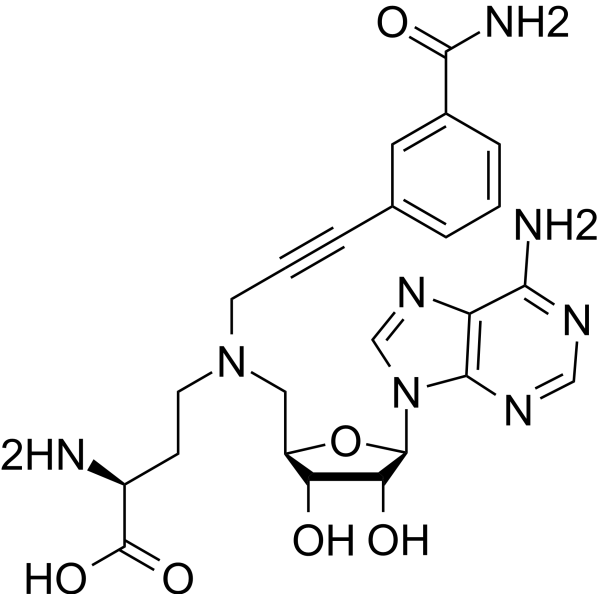
  • HY-128464

    Amine N-methyltransferase Metabolic Disease
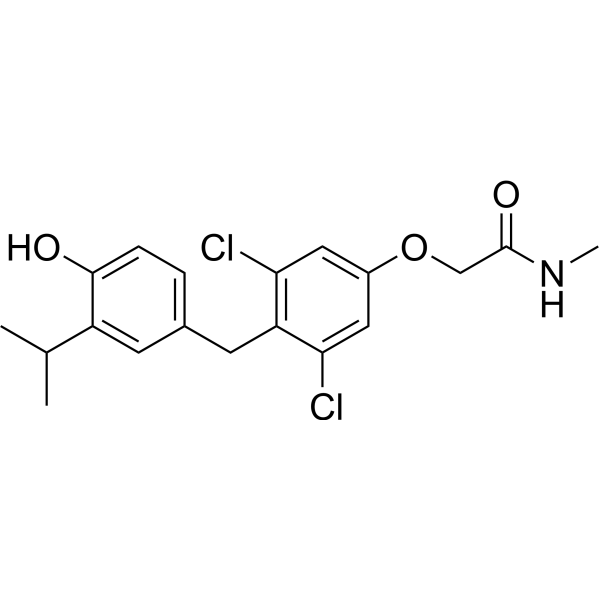
    LL320 is a selective NNMT inhibitor with a Ki,app of 6.8 nM. LL320 exhibits interactions with RNMT, DPH5, and SAHH .
    LL320
  • HY-149209

    PROTACs CDK STAT Early 2 Factor (E2F) Cancer
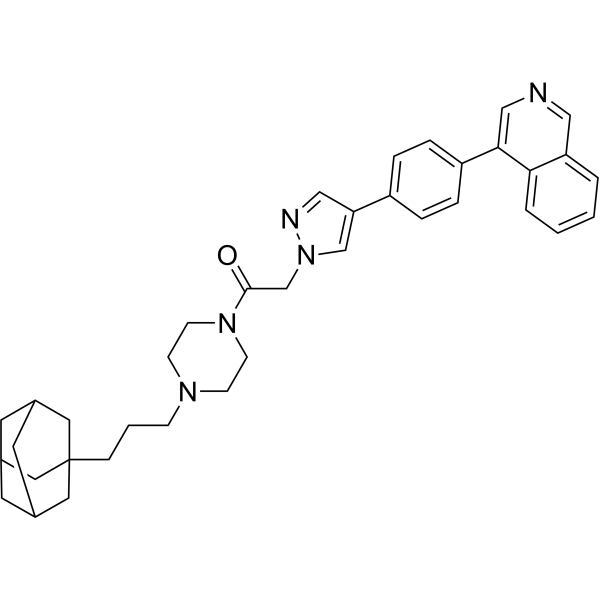
    LL-K8-22 is a potent, selective and durable PROTAC CDK8-cyclin C dual degrader, with DC50 values of 2.52 and 2.64 μM, respectively. LL-K8-22 also suppresses STAT1 Ser 727 phosphorylation. LL-K8-22 inhibits E2F- and MYC-driven carcinogenic transcriptional programs. LL-K8-22 can be used for triplenegative breast cancer (TNBC) research. (Pink: Ligand for target protein (HY-168683); Black: Linker (HY-Y0340); Blue: Ligand for E3 ligase (HY-N2427)) .
    LL-K8-22
  • HY-P10257

    Bacterial Infection
    KR-12 (human) is an active segment of LL-37 (HY-P4744). KR-12 (human) exhibits antimicrobial activity against gram-negative bacteria. KR-12 (human) inhibits E. coli K-12 with a MIC of 66 μM. KR-12 human can be used for the research of infection, such as E. coli infection .
    KR-12 (human)
  • HY-18684

    5'-Isobutylthioadenosine; 5'-Deoxy-5'-isobutylthioadenosine

    Nucleoside Antimetabolite/Analog HSV Parasite Infection Metabolic Disease Cancer
    SIBA (5'-Isobutylthioadenosine) is a transmethylation inhibitor (SAH (HY-19528) analogue), with potent anti-proliferative activity. SIBA reversibly inhibits the production of HSV-1 by blocking methylation, specifically by blocking the 5' end-capping of viral mRNA. SIBA also inhibits the growth of tumour cells in vitro and metastatic spread in vivo. SIBA can be used in cancer, HSV-1 infection and anti-malaria studies .
    SIBA
  • HY-76938

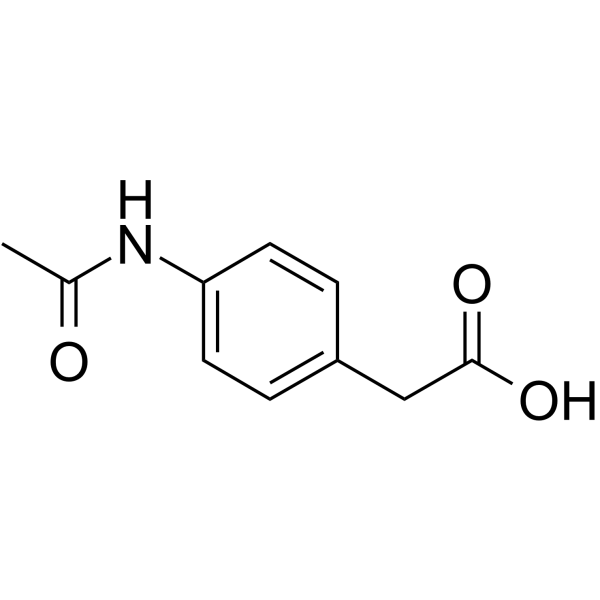
    4-Acetylaminophenylacetic acid; MS-932

    Carbonic Anhydrase TNF Receptor IFNAR Inflammation/Immunology
    Actarit (4-Acetylaminophenylacetic acid) is an orally active Carbonic Anhydrase II (CAII) inhibitor with an IC50 of 422 nM. Actarit shows suppressive effects experimental autoimmune encephalomyelitis in rats. Actarit inhibits the development of type ll collagen (CII)-induced arthritis in mice by suppressing delayed-type hypersensitivity to CII. Actarit can be used for the study of Multiple Sclerosis (MS) and rheumatoid arthritis .
    Actarit
  • HY-P5391

    Bacterial Others
    LL-37(17-32) is a biological active peptide. (This peptide is an active segment of LL-37, a peptide derived from the C-terminal domain of human cathelicidin antimicrobial peptide. It has been reported that the LL17-32 peptide exhibits reversal effect on ABCG2-mediated multidrug resistance in cancer cell lines.)
    LL-37(17-32)
  • HY-P1425

    Ser/Thr Protease Neurological Disease
    (Z-LL)2 ketone is an inhibitor of ketone with an IC50 value of 50 nM. (Z-LL)2 ketone inhibits processing of thep-Prlsignal peptide .
    (Z-LL)2 ketone
  • HY-P4744A
    LL-37 amide TFA
    2 Publications Verification

    Formyl Peptide Receptor (FPR) Bacterial Infection Cancer
    LL-37 amide TFA is a selective agonist of formyl peptide receptor-like FPRL1, effectively inhibiting periodontal pathogens (ED99=8.5-8.7 μg/mL). LL-37 amide TFA exerts its bactericidal effect by activating FPRL1-mediated immune cell chemotaxis and disrupting bacterial cell membrane integrity. It can also regulate inflammatory responses (inhibiting the release of factors such as TNF-α) and promote angiogenesis. Amidation modification reduces its sensitivity to serum inhibition and improves its stability. LL-37 amide TFA possesses key activities in bactericidal action, immunomodulation, and wound healing, and is mainly used in research on infection-related diseases such as periodontal disease and deep tissue injuries (pressure ulcers), and wound healing .
    LL-37 amide TFA
  • HY-109963

    Histone Methyltransferase Cancer
    PR5-LL-CM01 is a potent protein arginine methyltransferase 5 (PRMT5) inhibitor (IC50= 7.5 μM). Anti-tumor activies .
    PR5-LL-CM01
  • HY-109589A
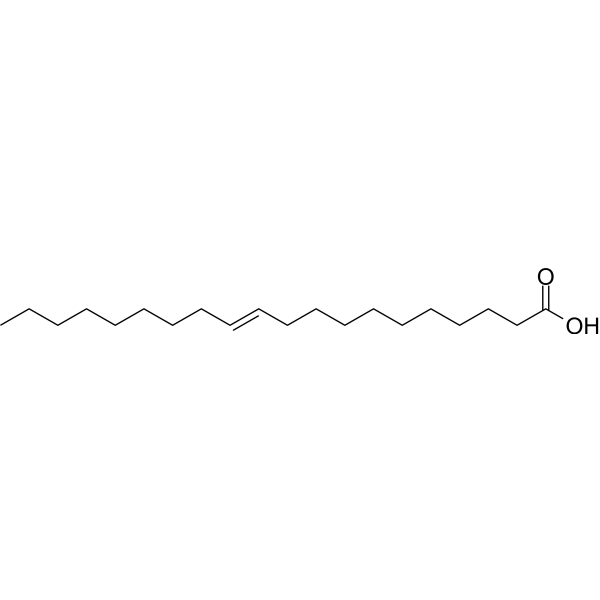
    trans-11-Eicosenoic acid
    1 Publications Verification

    Phosphatase Bacterial Infection
    trans-11-Eicosenoic acid is a fatty acid that inhibits the phosphatase activity of PtpA from Mycobacterium tuberculosis, with an IC50 of 27.97 µM. trans-11-Eicosenoic acid is detected in the stems of alfalfa plants inoculated with Sinorhizobium meliloti LL11, but is absent in the stems of uninoculated alfalfa or the strain itself .
    trans-11-Eicosenoic acid
  • HY-18234C

    Biochemical Assay Reagents Inflammation/Immunology Cancer
    Leupeptin Ac-LL (hydrochloride) is the hydrochloride form of Leupeptin Ac-LL (HY-18234B). Leupeptin Ac-LL (hydrochloride) has better inhibition than Leupeptin Ac-LL .
    Leupeptin Ac-LL hydrochloride
  • HY-P1884

    Bacterial Infection
    LL-37, acetylated, amidated is a cathelicidin peptide LL-37 acetylated on the N-terminus and amidated on the C-terminus. The single human cathelicidin peptide LL-37 has antimicrobial and anti-biofilm activity against multiple Gram-positive and Gram-negative human pathogens, and has wound-healing effects on the host .
    LL-37, acetylated,amidated
  • HY-156084

    CDK PROTACs Apoptosis c-Myc Cancer
    LL-K9-3 is a potent small-molecule degrader of CDK9-cyclin T1. LL-K9-3 has anti-proliferative and pro-apoptotic activities and suppresses downstream signaling of CDK9 and AR. Moreover, LL-K9-3 inhibits AR and Myc-driven oncogenic transcriptional programs .
    LL-K9-3
  • HY-N9366
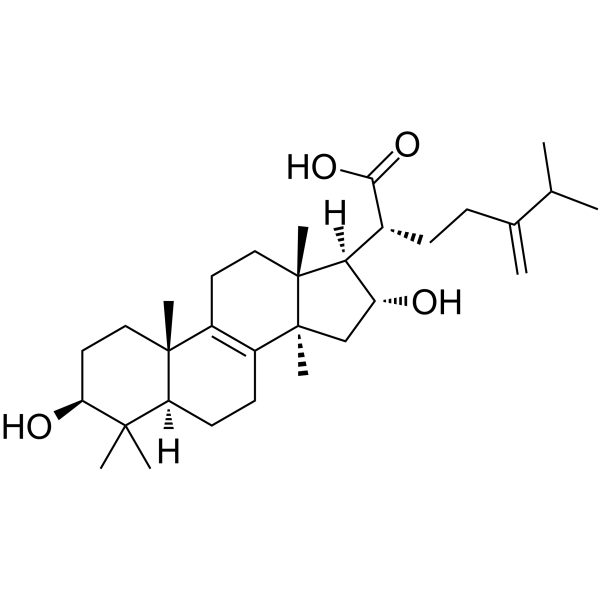
    Tumulosic acid
    1 Publications Verification

    Others Inflammation/Immunology
    Tumulosic acid, a triterpenoid, inhibits KLK5 protease activity (IC50= 14.84 μM). Tumulosic acid suppresses the proteolytic processing of LL-37 in keratinocytes at ≤10 μM .
    Tumulosic acid
  • HY-168683

    Ligands for Target Protein for PROTAC CDK Cancer
    CDK8 ligand 1 is the ligand of CDK8. CDK8 ligand 1 can be used to synthesize LL-K8-22 (HY-149209) .
    CDK8 ligand 1
  • HY-P4128

    Bacterial Antibiotic Others
    LL-37 SKE is an active fragment of LL-37 .
    LL-37 SKE
  • HY-P4836A

    Parasite Infection
    LL-37 FK-13 TFA is the TFA salt form of LL-37 FK-13 (HY-P4836). LL-37 FK-13 TFA is an antimicrobial agent, that inhibits Trichomonas vaginalis. LL-37 FK-13 TFA exhibits minimal hemolytic effects on human erythrocytes and low cytotoxicity to human fibroblasts .
    LL-37 FK-13 TFA
  • HY-P5057A

    Fluorescent Dye Bacterial Infection
    5-FAM-LL-37 TFA is the TFA salt form of 5-FAM-LL-37 (HY-P5057). 5-FAM-LL-37 TFA is a LL-37 peptide labeled with fluorescein, which retains the antibacterial and immunomodulatory activities of LL-37. 5-FAM-LL-37 TFA binds to the bacterial cell membrane, destroys the integrity of the membrane, and exhibits board-spectrum antibacterial efficacy .
    5-FAM-LL-37 TFA
  • HY-14990

    LL 3858

    Bacterial Infection
    Sudoterb (LL 3858) is an orally active anti-Tuberculosis agent .
    Sudoterb
  • HY-116863

    Bacterial Infection
    KKL-40 is a small molecule inhibitor that targets the trans-transcription process and is effective against methicillin-sensitive and -resistant Staphylococcus aureus (S. aureus) as well as other Gram-positive pathogens including vancomycin-resistant Enterococcus faecium, Bacillus subtilis, and Streptococcus pyogenes. KKL-40 synergizes with the human antimicrobial peptide LL-37 to inhibit S. aureus, but does not synergize with other antibiotics such as daptomycin, kanamycin, or erythromycin. Trans-transcription is an extreme form of recoding, and KKL-40 inhibits trans-transcription but is nontoxic to HeLa cells .
    KKL-40
  • HY-P1513

    Bacterial Infection
    LL-37 scrambled peptide is a scrambled version of cathelicidin anti-microbial peptide LL-37. LL-37 scrambled peptide can be used as a negative control of LL-37 peptide studies.
    LL-37 scrambled peptide
  • HY-120349

    p38 MAPK JNK Apoptosis Reactive Oxygen Species (ROS) Cancer
    LL-Z1640-4 is a potent p38/JNK signaling inhibitor. LL-Z1640-4 significantly diminishes p38 and JNK activation in HCC cells transfected with MLK4 siRNA. LL-Z1640-4 markedly attenuates ROS production induced by MLK4 knockdown. LL-Z1640-4 significantly reduces the apoptotic cells in HCC cells transfected with siMLK4 .
    LL-Z1640-4
  • HY-P4747

    Antibiotic Bacterial Infection
    LL-37 GKE is an active domain of LL-37. LL-37 GKE has antibacterial activity and has potential applications in antibiotics .
    LL-37 GKE
  • HY-P5057

    Fluorescent Dye Bacterial Others
    5-FAM-LL-37 is afluorescent labeled LL-37, human (HY-P1222).
    5-FAM-LL-37
  • HY-P4836

    Parasite Infection
    LL-37 FK-13 is an antimicrobial agent, that inhibits Trichomonas vaginalis. LL-37 FK-13 exhibits slight hemolytic effects on human erythrocytes and low cytotoxicity to human fibroblasts .
    LL-37 FK-13
  • HY-18234B

    Ser/Thr Protease Metabolic Disease Inflammation/Immunology Cancer
    Leupeptin Ac-LL is a protease inhibitor from actinomycetes. Leupeptin Ac-LL has antiplasmin activity .
    Leupeptin Ac-LL
  • HY-P5057B

    Fluorescent Dye Bacterial Infection
    5-FAM-Ahx-LL-37 TFA is a 5-FAM (HY-66022) labeled LL-37, human (HY-P1222). The carboxyfluorescein group is attached via a 6-carbon spacer, 6-Aminohexanoic acid (Ahx, HY-B0236). LL-37, human is a 37-residue, amphipathic, cathelicidin-derived antimicrobial peptide, which exhibits a broad spectrum of antimicrobial activity .
    5-FAM-Ahx-LL-37 TFA
  • HY-113561

    LL-AF283α

    Antibiotic Bacterial Infection
    Biphenomycin A (LL-AF283α) is a cyclic peptide antibiotic that can be found in Streptomyces griseorubiginosus 43708. It has antibacterial activity and can be used in research in the field of anti-infection .
    Biphenomycin A
  • HY-117845

    LL-E19085α

    Antibiotic Bacterial Infection
    Citreamicin alpha (LL-E 19085-alpha) is an antibiotic whose in vitro antimicrobial activity against 429 clinical isolates of Gram-positive cocci has been tested by the agar dilution method. These microorganisms included 313 strains of Staphylococci and 116 strains of Streptococci. The in vitro activity of Citreamicin alpha was compared with that of ampicillin, amoxicillin, ceftriaxone, erythromycin, and vancomycin. For Staphylococci, the MIC values of Citreamicin alpha ranged from 0.12-4.0 μg/ml, and for Streptococcus pyogenes of the genus Streptococcus, it was 0.03-0.12 μg/ml. However, enterococci were relatively resistant, requiring 2.0 μg/ml of the agent to inhibit 64% of the 62 tested strains. The in vitro activity of this antibiotic was much better than that of ampicillin, amoxicillin, ceftriaxone, and erythromycin, but comparable or slightly inferior to that of vancomycin.
    Citreamicin alpha
  • HY-P10345

    Bacterial Infection
    OP-145, an cathelicidin LL-37 derivative, is an antimicrobial peptide, and shows antibacterial activity against several MRSA strains. OP-145 can be used for research of chronic suppurative otitis media .
    OP-145
  • HY-W037980

    PROTAC Linkers Metabolic Disease Cancer
    Succinamic acid is a weak inhibitor for human LL-xylose reductase with an IC50 of 1.45 mM. Succinamic acid can be used as a linker for synthesis of CQ-16 (HY-169336) .
    Succinamic acid
  • HY-P5525

    Autocamtide-3 Derived Inhibitory Peptide

    CaMK Others
    AC3-I, myristoylated is a biological active peptide. (This is a myristoylated form of Autocamtide-3-Derived Inhibitory Peptide (AC3-I), a highly specific inhibitor of Calmodulin-Dependent Protein Kinase ll (CaMKII) that is resistant to proteolysis. AC3-I is derived from Autocamtide-3, a substrate for CaMKII, with the Thr-9 phosphorylation site substituted with Ala.)
    AC3-I, myristoylated
  • HY-P5729

    Fungal Infection
    LL-25 is a fragment of LL-37 (HY-P1222) but devoid of the immunomodulatory properties of LL-37. LL-25 has antifungal and candidacidal activity .
    LL-25
  • HY-175662

    TGF-beta/Smad Inflammation/Immunology
    TGF-β/Smad-IN-2 is an orally active TGF-β/Smad inhibitor. TGF-β/Smad-IN-2 inhibits TGF-β-induced fibroblast-to-myofibroblast differentiation and collagen deposition, with an IC50 value of 102 μM for collagen reduction in LL29 cells. TGF-β/Smad-IN-2 exerts its effects through modulation of the SMAD3/SMAD7 signaling pathway. TGF-β/Smad-IN-2 reduces lung index in pulmonary fibrosis mice. TGF-β/Smad-IN-2 can be used for the study of pulmonary fibrosis .
    TGF-β/Smad-IN-2
  • HY-P4746

    Bacterial Infection
    LL-37 FKR is the C-terminal fragment of LL-37. LL-37 FKR plays an important role in antibacterial performance .
    LL-37 FKR
  • HY-P4751

    Bacterial Others
    LL-37 RKS is an active fragment of LL-37 .
    LL-37 RKS
  • HY-P10262

    Drug Derivative Others
    LL-37-Cys is a LL-37 (HY-P1222) with a C-terminal reduced cystein residue [1][.
    LL-37-Cys
  • HY-P5837

    Interleukin Related Enterovirus Inflammation/Immunology
    Citrullinated LL-37 2cit is a citrullinated LL-37 (HY-P1222) peptide. Citrullinated LL-37 2cit reduces LL-37 activity against HRV at 10 μg/mL and reduces the antibacterial effect of LL-37. Citrullinated LL-37 2cit causes a reduction in the levels of IL-8, CCL5, and IL-6 mRNA induced by RV1B. Citrullinated LL-37 2cit shows a moderate loss in the ability to reduce HRV-induced CCL5 secretion .
    Citrullinated LL-37 2cit
  • HY-P5843

    Enterovirus Infection
    Citrullinated LL-37 3cit is a citrullinated LL-37 (HY-P1222) peptide. Citrullinated LL-37 3cit lacks all antiviral activity at 10 μg/mL and retains some activity against HRV at 30 μg/mL. Citrullinated LL-37 3cit reduces the immunomodulatory activity of LL-37. Citrullinated LL-37 3cit shows a moderate loss in the ability to reduce HRV-induced CCL5 secretion .
    Citrullinated LL-37 4cit

Inquiry Online

Your information is safe with us. * Required Fields.

Salutation


Country or Region *

Applicant Name *


Organization Name *

Department *


Email Address *


Product Name *

Cat. No.


Requested quantity *

Phone Number *


Remarks

Inquiry Online

Inquiry Information

Product Name:
Cat. No.:
Quantity:
MCE Japan Authorized Agent:

