1. Search Result
Search Result
Results for "

A549 (lung)

" in MedChemExpress (MCE) Product Catalog:

109

Inhibitors & Agonists

1

Biochemical Assay Reagents

4

Peptides

27

Natural
Products

1

Isotope-Labeled Compounds

Cat. No. Product Name Target Research Areas Chemical Structure
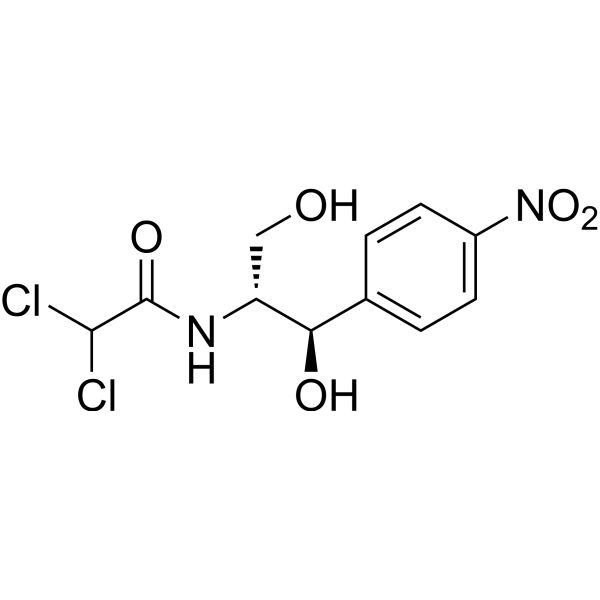
  • HY-B0239
    Chloramphenicol
    Maximum Cited Publications
    16 Publications Verification

    Antibiotic Bacterial HIF/HIF Prolyl-Hydroxylase VEGFR Autophagy Apoptosis Beclin1 JNK Akt MMP Infection Cancer
    Chloramphenicol is an orally active, potent and broad-spectrum antibiotic. Chloramphenicol shows antibacterial activity. Chloramphenicol represses the oxygen-labile transcription factor and hypoxia inducible factor-1 alpha (HIF-1α) in hypoxic A549 and H1299 cells. Chloramphenicol suppresses the mRNA levels of vascular endothelial growth factor (VEGF) and glucose transporter 1, eventually decreasing VEGF release. Chloramphenicol can be used for anaerobic infections and lung cancer research .
    Chloramphenicol
  • HY-162307

    PROTACs Keap1-Nrf2 Cancer
    Nrf2 degrader 1 (compound 1) is a PROTAC Nrf2 degrader with a DC50 of 0.1-1 μM in huH1 cells. Nrf2 degrader 1 inhibits cancer cells growth for A549 and LK-2 cells with IC50 values of 100 nM and 40 nM, respectively. Nrf2 degrader 1 can be used for the study of liver cancer, non-small cell lung cancer (NSCLC) and squamous cell carcinoma of lung cancer .
    Nrf2 degrader 1
  • HY-401424

    Polyoxyethylene(36) Castor Oil; PEG-36 Castor Oil

    Environmental Pollutants Biochemical Assay Reagents Others
    Cremophor EL-36 is a non-ionic surfactant, mainly used as a solubilizing carrier for poorly soluble Paclitaxel (HY-B0015). For example, Cremophor EL-36 can enhance the intracellular influx of Etoposide (HY-13629) without affecting drug efflux, and can dose-dependently increase the accumulation of VP-16 in lung adenocarcinoma cells (such as PC-14 and A549), significantly enhancing its cytotoxic effect .
    Cremophor EL-36
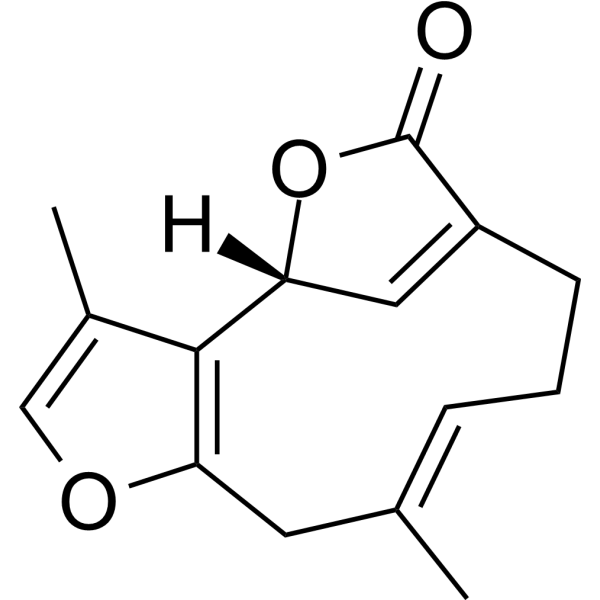
  • HY-N0781
    Linderalactone
    2 Publications Verification

    Apoptosis Cancer
    Linderalactone is an important sesquiterpene lactone isolated from Lindera aggregata. Linderalactone inhibits cancer growth by modulating the expression of apoptosis-related proteins and inhibition of JAK/STAT signalling pathway. Linderalactone also inhibits the proliferation of the lung cancer A-549 cells with an IC50 of 15 µM .
    Linderalactone
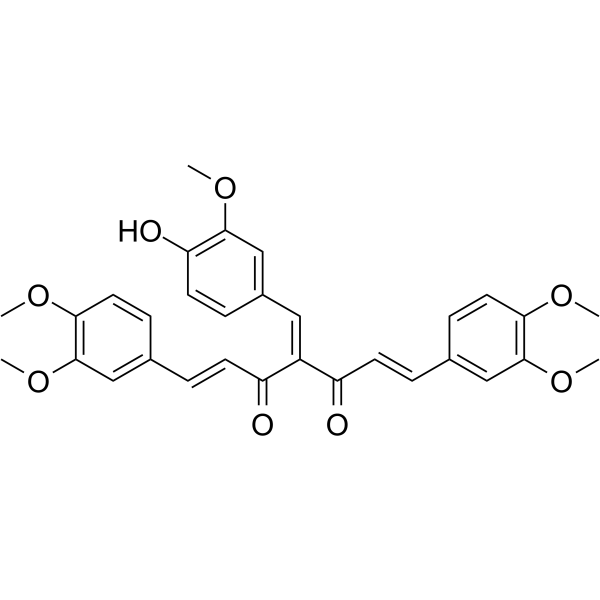
  • HY-138537
    NF-κB-IN-1
    3 Publications Verification

    IKK Cancer
    NF-κB-IN-1, a 4-arylidene crucumin analogue, is a potent NF-κB signaling pathway inhibitor. NF-κB-IN-1 directly inhibits IKK to block NF-κB activation. NF-κB-IN-1 effectively inhibits the viability of lung cancer cells and attenuates the clonogenic activity of A549 cells .
    NF-κB-IN-1
  • HY-108016

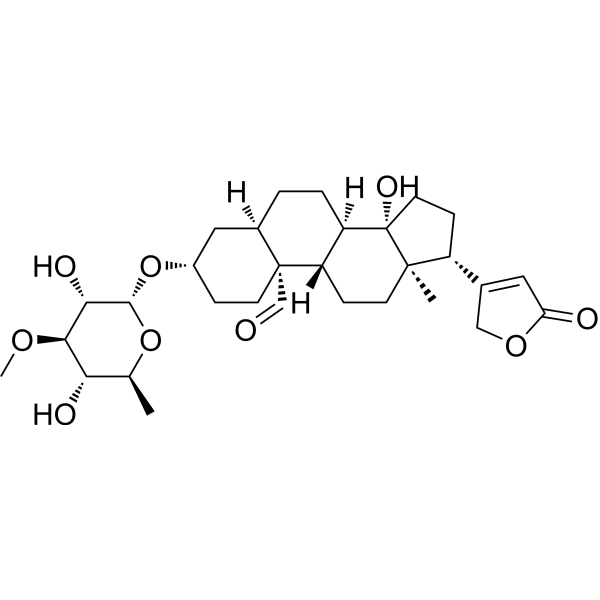
    Encordin

    Src PI3K JNK STAT EGFR Apoptosis Autophagy Cancer
    Peruvoside is a potent inhibitor of Src, PI3K, JNK, STAT, and EGFR. Peruvoside induces apoptosis and autophagy and possesses a broad spectrum of anticancer activity in breast, lung, liver cancers and leukemia. Peruvoside is a broad-spectrum and potent antiviral activity against positive-sense RNA viruses. Peruvoside sensitizes Gefitinib (HY-50895)-resistant tumour cells (A549, PC9/gef and H1975) to Gefitinib .
    Peruvoside
  • HY-B0239R

    Reference Standards Antibiotic Bacterial HIF/HIF Prolyl-Hydroxylase VEGFR Autophagy Apoptosis Beclin1 JNK Akt MMP Infection Cancer
    Chloramphenicol (Standard) is the analytical standard of Chloramphenicol. This product is intended for research and analytical applications. Chloramphenicol is an orally active, potent and broad-spectrum antibiotic. Chloramphenicol shows antibacterial activity. Chloramphenicol represses the oxygen-labile transcription factor and hypoxia inducible factor-1 alpha (HIF-1α) in hypoxic A549 and H1299 cells. Chloramphenicol suppresses the mRNA levels of vascular endothelial growth factor (VEGF) and glucose transporter 1, eventually decreasing VEGF release. Chloramphenicol can be used for anaerobic infections and lung cancer research .
    Chloramphenicol (Standard)
  • HY-131344

    mTOR Autophagy Cancer
    mTOR inhibitor-8 is an mTOR inhibitor and autophagy inducer. mTOR inhibitor-8 inhibits the activity of mTOR via FKBP12 and induces autophagy of A549 human lung cancer cells .
    mTOR inhibitor-8
  • HY-147027

    PARP Caspase Apoptosis Neurological Disease Inflammation/Immunology Cancer
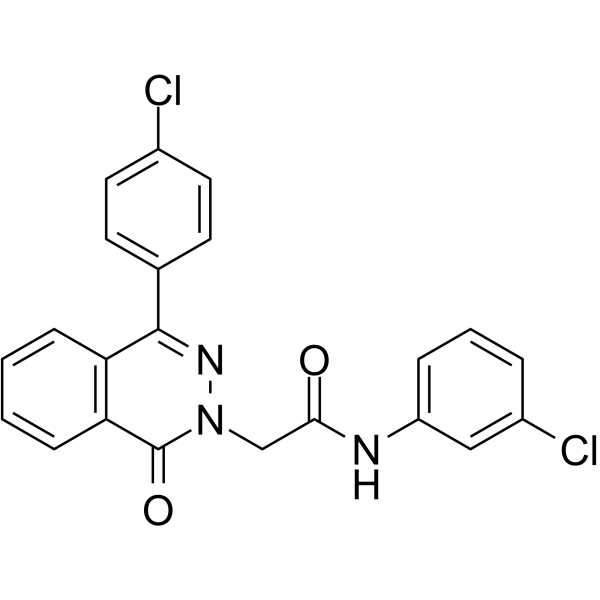
    PARP-1-IN-2 (compound 11g) is a potent PARP1 inhibitor, with an IC50 of 149 nM, and ADME prediction indicates it has high blood-brain barrier permeability. PARP1-IN-2 shows significantly potent anti-proliferative activity against Human lung adenocarcinoma epithelial cell line A549. PARP1-IN-2 can induce A549 cells apoptosis .
    PARP-1-IN-2
  • HY-P3397A

    GHR Cancer
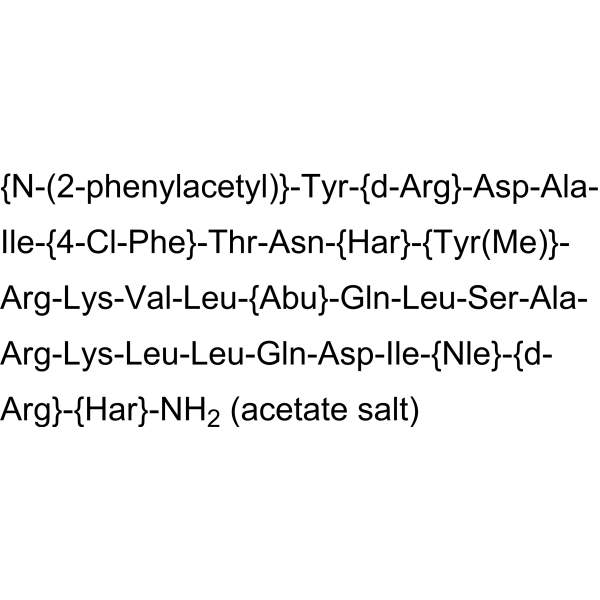
    JV-1-36 acetate is a growth hormone-releasing hormone (GHRH) antagonist. JV-1-36 acetate inhibits the production of reactive oxygen species in A549 lung cancer cells. JV-1-36 can be used to study the effect of GHRH antagonists in vitro .
    JV-1-36 acetate
  • HY-W127820

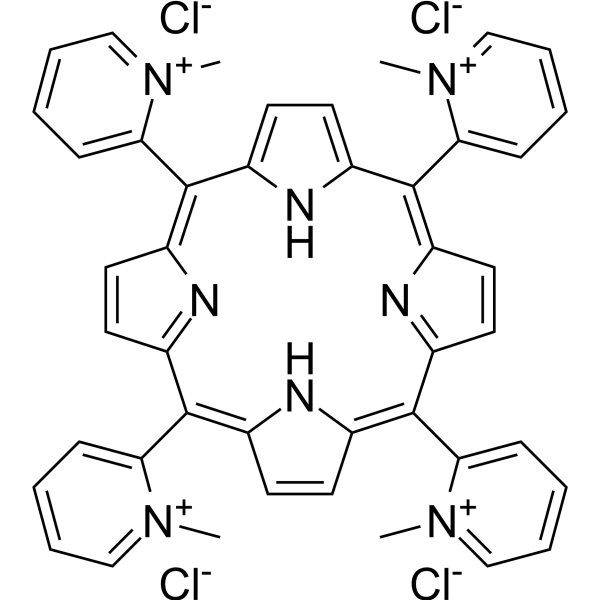
    Tetrakis(2-N-methylpyridyl)porphine chloride

    Biochemical Assay Reagents Fluorescent Dye Others
    H2TMpyP-2 (tetrakis(2-N-methylpyridyl)porphine) chloride is an active photosensitizer with strong absorption properties in the visible to near-infrared region and excellent singlet oxygen quantum yield. Captisol-TMPyP complexes can be used in supramolecular nanosynthesis to increase singlet oxygen production, improve photostability and better photosensitization, and support photodynamic therapy activity. The Captisol:TMPyP complex also exhibited antibacterial activity against Escherichia coli and was cytotoxic against lung cancer A549 cells .
    H2TMpyP-2 chloride
  • HY-W587738

    Apoptosis Cancer
    Viridiflorol is an active natural molecule with anti-cancer effect. Viridiflorol induces anti-neoplastic effects on breast (MCF-7, IC50 = 10 µM), lung (A549, IC50 = 30 µM), and brain (Daoy, IC50 = 0.1 µM) cancer cells through apoptosis. Viridiflorol can be used for breast, lung, and brain cancer research .
    Viridiflorol
  • HY-161313

    Histone Methyltransferase HIF/HIF Prolyl-Hydroxylase Cancer
    DYB-03 is an oral active HIF-1α/EZH2 inhibitor. DYB-03 inhibits migration, invasion, and angiogenesis of lung cancer cells and HUVECs in vitro and in vivo. DYB-03 induces apoptosis in 2-ME2 - and GSK126 -resistant of A549 and H460 cells .
    DYB-03
  • HY-174247

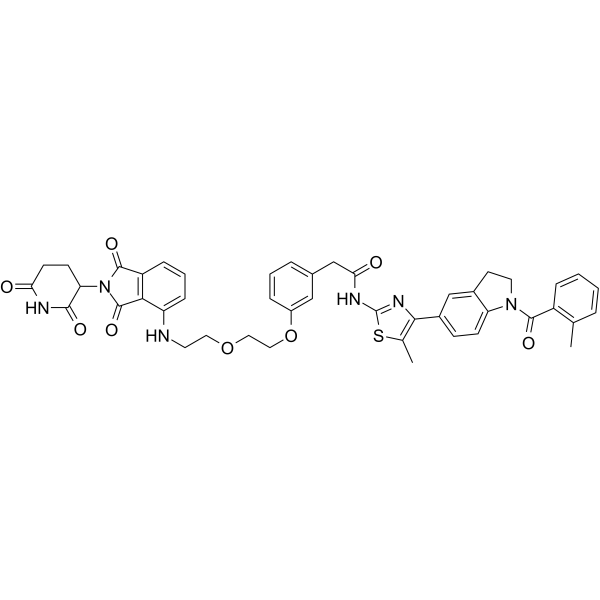
    PROTACs PAK Cadherin Cancer
    CPS-021 is a selective PAK4 PROTAC degrader with a DC50 of 50 nM. CPS-021 has potent antimigratory and invasive activity and significantly suppresses the invasion and metastasis of tumor cells in A549-luc lung metastasis mice model . Pink: PAK4 ligand (HY-174822); Blue: CRBN ligase ligand (HY-10984); Black: linker
    CPS-021
  • HY-121255

    (R)-Cryptopleurine; NSC 19912

    TMV Cancer
    (–)-Cryptopleurine is an alkaloid that has been found in Lauraceae and has diverse biological activities. It inhibits the growth of human A375 melanoma, A431 epidermoid carcinoma, A549 lung, MES-SA uterine sarcoma, and MCF-7 breast cancer cells (IC50=3 nM for all).2 (–)-Cryptopleurine inhibits hypoxia-induced gene expression in a hypoxia response element (HRE) reporter assay (IC50=8.7 nM).3 (–)-Cryptopleurine (500 μg/mL) prevents lesion formation in tobacco (N. tabacum) plants infected with tobacco mosaic virus (TMV). It also inhibits protein synthesis by yeast and mammalian ribosomes.
    (-)-Cryptopleurine
  • HY-173198

    BTB/POZ Family Cancer
    Kaiso-IN-1 (Compound 20) is a Kaiso inhibitor with an IC50 of 0.34 μM against A549 cells. Kaiso-IN-1 can be used in research related to lung cancer.
    Kaiso-IN-1
  • HY-149842

    Akt Apoptosis Cancer
    AKT-IN-18, an inhibitor of Akt, inhibits Akt with an IC50 of 69.45 μΜ in A549 cells. AKT-IN-18 induces apoptosis and can be used in non-small cell lung cancer study .
    AKT-IN-18
  • HY-179152

    Apoptosis Topoisomerase Cancer
    Apoptosis inducer 54 is an apoptosis inducer that interacts with topoisomerase II-DNA. Apoptosis inducer 54 induces cell cycle arrest at the S phase in cancer cells. Apoptosis inducer 54 significantly induces early and late apoptosis in A549 cells. Topoisomerase I-IN-20 can be used for the research of lung cancer and colon cancer .
    Apoptosis inducer 54
  • HY-143466

    FAK ULK AMPK Apoptosis Autophagy Cancer
    ULK1-IN-2 (compound 3s) is a potent ULK1 inhibitor. ULK1-IN-2 shows highest cytotoxic effect against cancer cell lines, with IC50 of 1.94 μM in A549. ULK1-IN-2 can induce apoptosis and simultaneously block autophagy, and can be used to study NSCLC (Non-small cell lung cancer) .
    ULK1-IN-2
  • HY-146544

    Ras Cancer
    KRAS inhibitor-14 (compound 3-22) is a potent KRAS G12C inhibitor with an IC50 of 0.249 µM. KRAS inhibitor-14 shows p-ERK inhibition activities with IC50s of 1.12, >33.3 µM in MIA PaCA-2, A549 cells, respectively. KRAS inhibitor-14 has the potential for the research of pancreatic, colorectal, and lung cancers .
    KRAS inhibitor-14
  • HY-N16602

    Others Others
    (±)-Blephenanthrofuran B is a pair of enantiomers can be found in Bletilla striata. (±)-Blephenanthrofuran B shows no cytotoxic activity against human lung cancer A549 cells .
    (±)-Blephenanthrofuran B
  • HY-178937

    RIP kinase Cancer
    Anticancer agent 284 exhibits cytotoxicity against osteosarcoma cell line (Hos), non-small cell lung cancer cell line (A549), and colon cancer cell line (HCT-116). Anticancer agent 284 can impact the pRIPK3 kinase concentration in the A549 (2.97 pg/mL). Anticancer agent 284 can be used for the study of cancer .
    Anticancer agent 284
  • HY-N6252
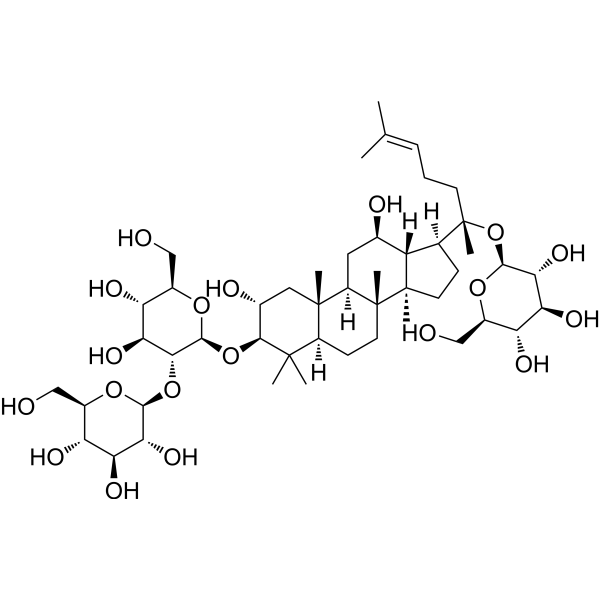
    Gypenoside XLVI
    1 Publications Verification

    Others Cancer
    Gypenoside XLVI is one of the major dammarane-type triterpenoid saponins from Gynostamma pentaphallum . Gypenoside XLVI has a tetracyclic triterpene structure and possess potent non-small cell lung carcinoma A549 cell inhibitory activity .
    Gypenoside XLVI
  • HY-162098

    PROTACs Microtubule/Tubulin Apoptosis Cancer
    PROTAC tubulin-Degrader-1 is a α/β/β3-tubulin PROTAC degrader. PROTAC tubulin-Degrader-1 exhibits potent anti-proliferative activity against multiple human tumor cell lines. PROTAC tubulin-Degrader-1 induces G2/M phase arrest and apoptosis and inhibits colony formation in A549 and A549/Taxol cells. PROTAC tubulin-Degrader-1demonstrates potent anti-tumor efficacy in A549 and A549/Taxol (Taxol-resistant) xenograft model. PROTAC tubulin-Degrader-1 can be used for the study of non-small cell lung cancer (NSCLC). (Pink: Tubulin ligand (HY-N2146), Blue: CRBN Ligand (HY-10984), Black: Linker (HY-N6056)) .
    PROTAC tubulin-Degrader-1
  • HY-P3397

    GHR Cancer
    JV-1-36 is a growth hormone-releasing hormone (GHRH) antagonist. JV-1-36 inhibits the production of reactive oxygen species in A549 lung cancer cells. JV-1-36 can be used to study the effect of GHRH antagonists in vitro .
    JV-1-36
  • HY-178922

    Carbonic Anhydrase Cancer
    CAI/II-IN-13 (Compound 5f) is a CAI/II inhibitor, with IC50 values of 309.16 nM for hCA I and 267.27 nM for hCA II. CAI/II-IN-13 exhibits potent and selective antiproliferative activity against A549 lung cancer cells (IC50 = 0.58 μM). CAI/II-IN-13 can be used for the study of lung cancer .
    CAI/II-IN-13
  • HY-174336

    Survivin Apoptosis Cancer
    Survivin-IN-1 (Compound II₃) is a potent Survivin (a member of the Inhibitor of Apoptosis Protein family) inhibitor with an IC50 value of 8.1 μM against human lung cancer A549 cells and 9.0 μM against breast cancer MCF-7 cells. Survivin-IN-1 reduces Survivin protein levels and induces tumor cell apoptosis. Survivin-IN-1 is promising for research of malignant tumors such as lung cancer and breast cancer .
    Survivin-IN-1
  • HY-147802

    EGFR Apoptosis Cancer
    EGFR-IN-59 (Compound 8c) is a EGFR inhibitor (IC50=190 nM) and apoptosis inducer. EGFR-IN-59 exhibits cytotoxicity against non-small lung cancer cell lines (A549) and normal lung fibroblasts (WI38) with IC50s of 8.62 and 52.6 µM, respectively. EGFR-IN-59 can be used for the research of various cancers such as non-small cell lung cancer (NSCLC), head and neck cancer, breast cancer and colorectal cancer .
    EGFR-IN-59
  • HY-P10988

    Apoptosis MDM-2/p53 Integrin Cancer
    LVTX-8 is a peptide toxin, exacted from Lycosa vittata. LVTX-8 has potent anticancer and and anti-metastasis activities towards lung cancer with strong cytotoxicity. LVTX-8 significantly induces apoptosis and inhibits the proliferation, invasion and migration of lung cancer cells through P53 hypoxia pathways and integrin signaling. LVTX-8 significantly inhibits the tumor growth and metastasis in A549/H460 xenograft mice model .
    LVTX-8
  • HY-163880

    EGFR Ras p38 MAPK Reactive Oxygen Species (ROS) Cancer
    EGFR-IN-119 (Compound 5l) is an inhibitor for EGFR with an IC50 of 84.3 nM. EGFR-IN-119 inhibits the cytotoxicity in lung cancer cell A549 with an IC50 of 1.34 μM. EGFR-IN-119 downregulates the expressions of EGFR, KRAS, and MAP2K genes, exhibits antioxidant activity through reduction of reactive oxygen species (ROS), and hyperpolarizes the mitochondrial membrane potential .
    EGFR-IN-119
  • HY-146543

    Ras Cancer
    KRAS inhibitor-13 (compound 5-6) is a potent KRAS G12C inhibitor with an IC50 of 0.883 µM. KRAS inhibitor-13 shows p-ERK inhibition activities with IC50s of 5.9, >100 µM in MIA PaCA-2, A549 cells, respectively. KRAS inhibitor-13 has the potential for the research of pancreatic, colorectal, and lung cancers .
    KRAS inhibitor-13
  • HY-146533

    Ras Cancer
    KRAS inhibitor-12 (compound 6-1) is a potent KRAS G12C inhibitor with an IC50 of 0.537 µM. KRAS inhibitor-12 shows p-ERK inhibition activities with IC50s of 1.3, 3.7 µM in MIA PaCA-2, A549 cells, respectively. KRAS inhibitor-12 has the potential for the research of pancreatic, colorectal, and lung cancers .
    KRAS inhibitor-12
  • HY-146476

    Ras Cancer
    KRAS inhibitor-18 (compound 3-10) is a potent KRAS G12C inhibitor with an IC50 of 4.74 µM. KRAS inhibitor-18 shows p-ERK inhibition activities with IC50s of 66.4, 11.1 µM in MIA PaCA-2, A549 cells, respectively. KRAS inhibitor-18 has the potential for the research of pancreatic, colorectal, and lung cancers .
    KRAS inhibitor-18
  • HY-115663

    Epigenetic Reader Domain c-Myc Cancer
    C620-0696 is an inhibitor targeting the brom domain of BPTF, with a KD value of 35.5 μM. C620-0696 can exert cytotoxic effects on A549 and H358 cells, inhibiting the expression of c-Myc. C620-0696 inhibits cell migration and colony formation, and induces apoptosis and cell cycle arrest. C620-0696 can be used in the research of non-small cell lung cancer .
    C620-0696
  • HY-175019

    VEGFR Apoptosis Caspase MDM-2/p53 Bcl-2 Family Cancer
    VEGFR-2-IN-70 is a potent VEGFR-2 inhibitor with an IC50 of 18.04 nM. VEGFR-2-IN-70 exhibits cytotoxicity against A549 and MCF-7 cancer cells with IC50 values of 0.43 μM and 3.8 μM, respectively. VEGFR-2-IN-70 induces G1 cell cycle arrest and apoptosis in lung cancer cells. VEGFR-2-IN-70 is useful in cancer research .
    VEGFR-2-IN-70
  • HY-175009

    EGFR JAK STAT Apoptosis Cancer
    MRC-G-001 is a Genipin (HY-17389) derivative with an IC50 of 117 μM against A549 cancer cells. MRC-G-001 inhibits the phosphorylation of EGFR, JAK1, and STAT3, and modulates epithelial-mesenchymal transition (EMT)-related protein expression, thereby attenuating cell migration and invasion. MRC-G-001 induces cell cycle arrest and cell apoptosis. MRC-G-001 can be used for the study of cancers such as non-small-cell lung cancer .
    MRC-G-001
  • HY-175010

    STAT Apoptosis Bcl-2 Family Caspase Cancer
    STAT3-IN-44 is a potent STAT3 inhibitor with IC50s of 1.84 (C6 cells) and 4.81 μM (A549 cells). STAT3-IN-44 inhibits STAT3 phosphorylation, downregulates Bcl-2, and upregulates Caspase-3 to promote late-stage apoptosis. STAT3-IN-44 significantly suppresses tumor cell proliferation and migration. STAT3-IN-44 can be used for the study of cancers such as glioma and lung cancer .
    STAT3-IN-44
  • HY-B0239S2

    JNK Apoptosis VEGFR MMP Bacterial Akt Autophagy HIF/HIF Prolyl-Hydroxylase Antibiotic Beclin1 Cancer
    Threo-Chloramphenicol-d6 is the deuterium labeled Chloramphenicol . Chloramphenicol is an orally active, potent and broad-spectrum antibiotic. Chloramphenicol shows antibacterial activity. Chloramphenicol represses the oxygen-labile transcription factor and hypoxia inducible factor-1 alpha (HIF-1α) in hypoxic A549 and H1299 cells. Chloramphenicol suppresses the mRNA levels of vascular endothelial growth factor (VEGF) and glucose transporter 1, eventually decreasing VEGF release. Chloramphenicol can be used for anaerobic infections and lung cancer research .
    Threo-Chloramphenicol-d6
  • HY-N15267

    FAK Akt mTOR Cancer
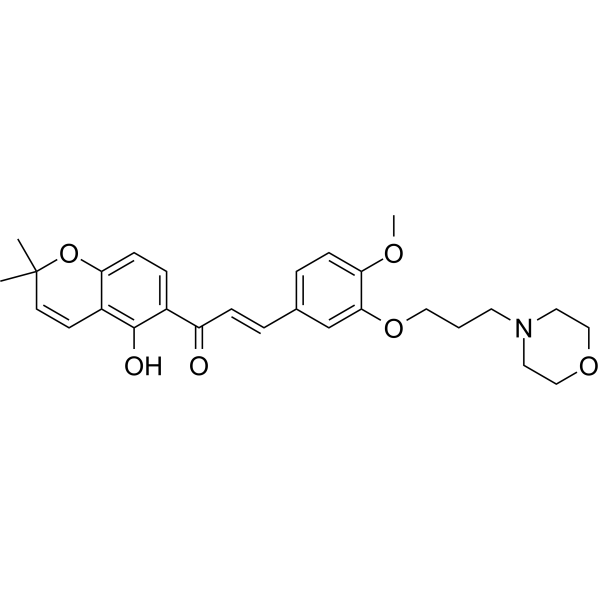
    Ovalitenone is a flavonoid compound that can be isolated from the plant Millettia peguensis. It shows no cytotoxic effects on lung cancer H460 and A549 cells, but it significantly inhibits anchorage-independent growth, CSC-like phenotypes, colony formation, and the migration and invasion capabilities of cancer cells. Ovalitenone can significantly reduce the levels of N-cadherin, snail, and slug, while increasing E-cadherin, thus inhibiting the EMT pathway. Additionally, Ovalitenone suppresses the signaling pathways regulated by focal adhesion kinase (FAK), ATP-dependent tyrosine kinase (AKT), mammalian target of rapamycin (mTOR), and cell division cycle 42 (Cdc42) .
    Ovalitenone
  • HY-173367

    EGFR PI3K mTOR Cancer
    Anticancer agent 271 (compound 5C) has antiproliferative activity against lung (A549), colon (Caco-2) cancer cell lines, and human lung fibroblast (WI38) with an IC50 value of 9.18 μM on A549 cells. Anticancer agent 271 downregulates PI3K and mTOR gene expression that can be used for cancer research .
    Anticancer agent 271
  • HY-160927

    Drug Derivative Cancer
    Docosahexaenoyl Serinol (Compound 1) inhibits proliferation of lung cancaer cells A549, with 77.4% inhibition rate at 3 μM .
    Docosahexaenoyl Serinol
  • HY-149841

    Akt Cancer
    AKT-IN-17 is a AKt inhibitor. AKT-IN-17 inhibits AKt in A549 cells, leading to Apoptosis. AKT-IN-17 can be used in non-small cell lung cancer study .
    AKT-IN-17
  • HY-N1056

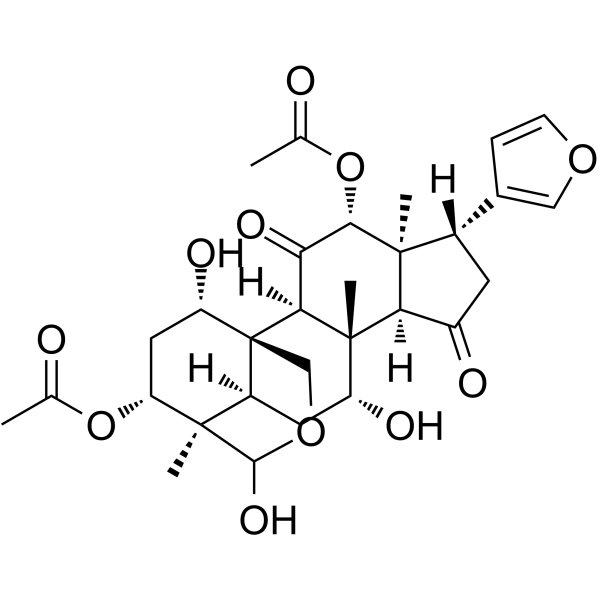
    Zerumbetol

    Others Cancer
    Yunnancoronarin A (Zerumbetol) can be isolated from Hedychium forrestii. Yunnancoronarin A is cytotoxic, with IC50 values of 11.08 and 2.19 μM against lung adenocarcinoma cells A549 and leukemia cells K562, respectively .
    Yunnancoronarin A
  • HY-N11912

    Biochemical Assay Reagents Cancer
    Soladulcoside A is a steroidal glycoside and antineoplastic agent that can be obtained from the whole plant of Solanum nigrum. Soladulcoside A can inhibit A549 cells and has the potential to study cancers such as non-small cell lung cancer (NSCLC) .
    Soladulcoside A
  • HY-111320

    Bacterial Antibiotic Cancer
    Chrysomycin B is an antibiotic isolated from a strain of Streptomyces. Chrysomycin B causes DNA damage in the human lung adenocarcinoma A549 cell line and inhibits topoisomerase II. Chrysomycin B suppresses the growth of transplantable tumors in mice.
    Chrysomycin B
  • HY-149840

    Apoptosis Cancer
    Antitumor agent-113 shows cytotoxic effects on A549 cells with IC50 value of 46.60 μM and induces apoptosis. Antitumor agent-113 can be used in non-small cell lung cancer study .
    Antitumor agent-113
  • HY-155200

    EGFR Cancer
    EGFR-IN-84 (Compound 6g) is an EGFR inhibitor (IC50: 24 nM). EGFR-IN-84 inhibits A549 cell growth (IC50: 1.537 μM). EGFR-IN-84 can be used for research of lung cancer .
    EGFR-IN-84
  • HY-N6969A

    Adrenergic Receptor Cancer
    Dicentrine hydrochloride is a drug with anti-inflammatory and anti-cancer activity. Dicentrine hydrochloride exerts its effects by enhancing TNF-α-induced apoptosis in A549 lung adenocarcinoma cells. Dicentrine hydrochloride increases caspase-8, -9, -3 and poly(ADP-ribose) polymerase (PARP) activities. Dicentrine hydrochloride inhibits TNF-α-induced invasion and migration of A549 cells. Dicentrine hydrochloride significantly inhibited the TNF-α-activated TAK1, p38, JNK and Akt signaling pathways, and reduced the transcriptional activities of NF-κB and AP-1 .
    Dicentrine hydrochloride
  • HY-162041

    Survivin Cancer
    AQIM-I is an inhibitor of survivin via inhibits survivin expression and colony formation. AQIM-I induces ROS production, apoptosis, cell cycle arrest, DNA damage, and autophagy. AQIM-I inhibits nonsmall cell lung cancer cells A549 with an IC50 value of 9 nM .
    AQIM-I
  • HY-162885

    Proteasome JAK STAT Interleukin Related Cancer
    YSY01A is a proteasome inhibitor that can suppress cancer cell survival by inducing apoptosis (Apoptosis). Its IC50 values are 51.0 nM for HEK293T, 9.2 nM for A549, 5.2 nM for MCF-7, 8.9 nM for MGC-803, and 35.4 nM for PC-3M cells. Additionally, YSY01A eliminates constitutive STAT3 signaling by downregulating gp130 and JAK2 in human A549 lung cancer cells. YSY01A holds promise for research in the field of cancer therapy .
    YSY01A

Inquiry Online

Your information is safe with us. * Required Fields.

Salutation


Country or Region *

Applicant Name *


Organization Name *

Department *


Email Address *


Product Name *

Cat. No.


Requested quantity *

Phone Number *


Remarks

Inquiry Online

Inquiry Information

Product Name:
Cat. No.:
Quantity:
MCE Japan Authorized Agent:

