

1. Search Result
Search Result
Results for "

ARDS

" in MedChemExpress (MCE) Product Catalog:

43

Inhibitors & Agonists

1

Biochemical Assay Reagents

3

Peptides

3

Inhibitory Antibodies

2

Natural
Products

4

Click Chemistry

Cat. No. Product Name Target Research Areas Chemical Structure
  • HY-P0012
    Aviptadil
    2 Publications Verification

    Vasoactive Intestinal Peptide (human, rat, mouse, rabbit, canine, porcine)

    SARS-CoV Infection Inflammation/Immunology
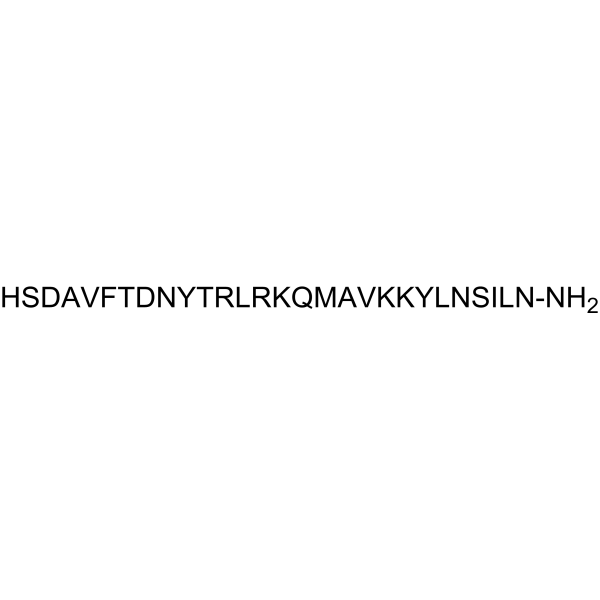
    Aviptadil is an analog vasoactive intestinal polypeptide (VIP) with potent vasodilatory effects. Aviptadil induces pulmonary vasodilation and inhibits vascular SMCs proliferation, platelet aggregation. Aviptadil can be used for the research of pulmonary fibrosis, pulmonary arterial hypertension (PAH) and SARS-CoV-2 caused respiratory failure, et al .
    Aviptadil
  • HY-NP004

    CVF

    Complement System Inflammation/Immunology
    Cobra Venom Factor (CVF) is a selective activator targeting complement components C3, C5, and factor B in the complement system. After binding to factor B, Cobra Venom Factor is cleaved by factor D, forming a stable C3/C5 convertase resistant to regulatory proteins H and I. This continuously hydrolyzes C3 and C5, depleting serum complement while inducing neutrophil migration, vascular leakage, and increased TNF-α levels. Cobra Venom Factor can be used to deplete complement and mimic complement activation-related pathological states, and is applied in animal models of complement-mediated diseases such as acute respiratory distress syndrome (ARDS), sepsis, and shock. Cobra Venom Factor can be isolated from the venom of cobras (e.g., Naja atra, Naja melanoleuca, Naja kaouthia, etc.) .
    Cobra Venom Factor
  • HY-139374
    Zabedosertib
    2 Publications Verification

    BAY 1834845

    IRAK Inflammation/Immunology
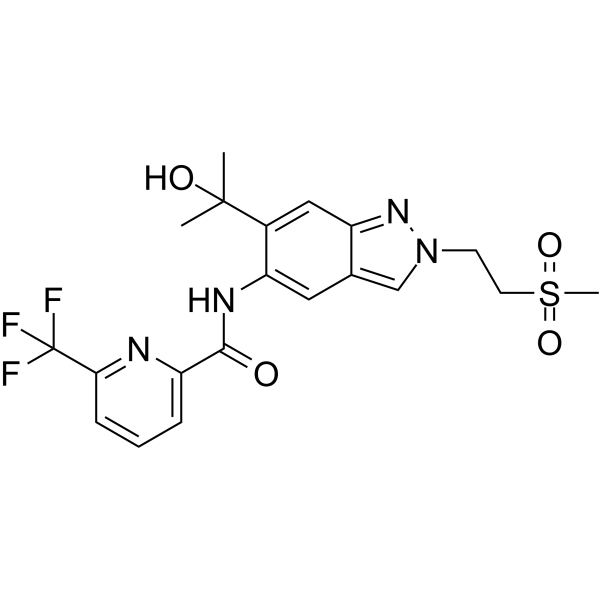
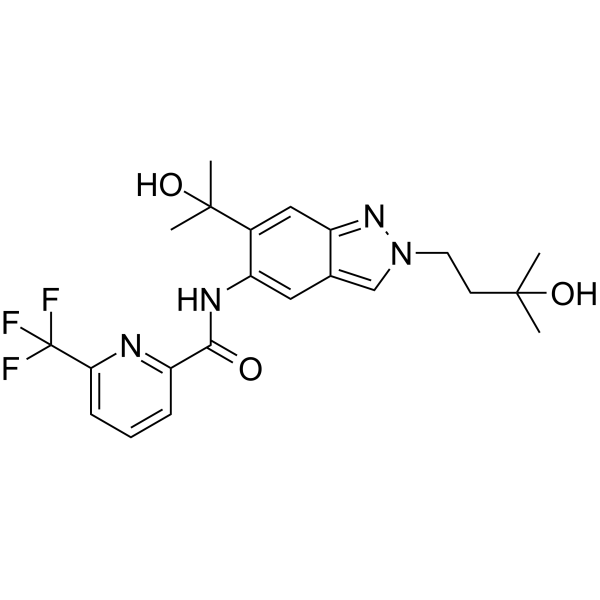
    Zabedosertib (BAY 1834845) is a selective, orally active IRAK4 inhibitor with immunomodulatory potential, IC50 is 3.55 nM. IRAK4 is a protein kinase involved in signaling innate immune responses from Toll-like receptors . Zabedosertib exhibits anti-inflammatory property against IL-β, LPS (HY-D1056) and Imiquimod (HY-B1080) induced inflammation .
    Zabedosertib
  • HY-130845A

    Ligands for E3 Ligase Ligands for Target Protein for PROTAC Androgen Receptor Cancer
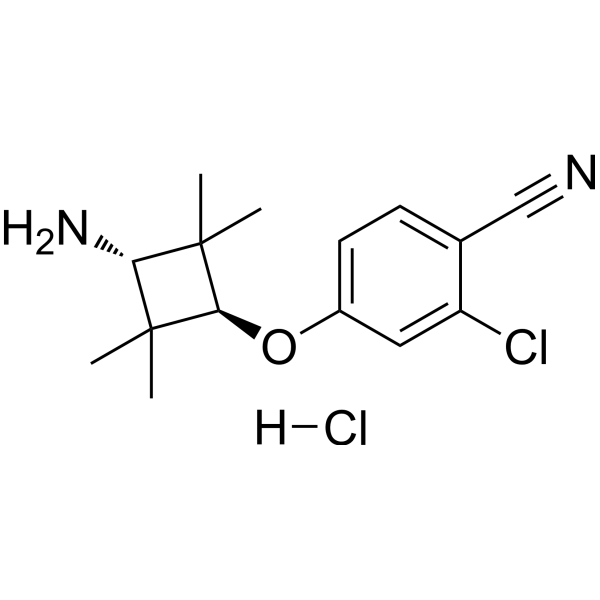
    AR antagonist 1 (compound 29) hydrochloride is a potent androgen receptor (AR) antagonist and binds to E3 ligase ligands with weak binding affinities to VHL protein in the synthesis of PROTAC ARD-266 (HY-133020) .
    AR antagonist 1 hydrochloride
  • HY-P99810

    AVTX-002; AEVI 002; SAR 252067; CERC-002; MDGN-002

    SARS-CoV Infection Inflammation/Immunology
    Quisovalimab (AVTX-002) is a human-derived monoclonal antibody against LIGHT (TNFSF14). Quisovalimab binds to LIGHT, blocks the signal transduction activity of LIGHT, reduces circulating LIGHT levels and attenuates pro-inflammatory effects. Quisovalimab can be used in research related to Crohn's disease, COVID-19-associated pneumonia and acute respiratory distress syndrome comorbidity .
    Quisovalimab
  • HY-114402

    PROTACs Androgen Receptor Cancer
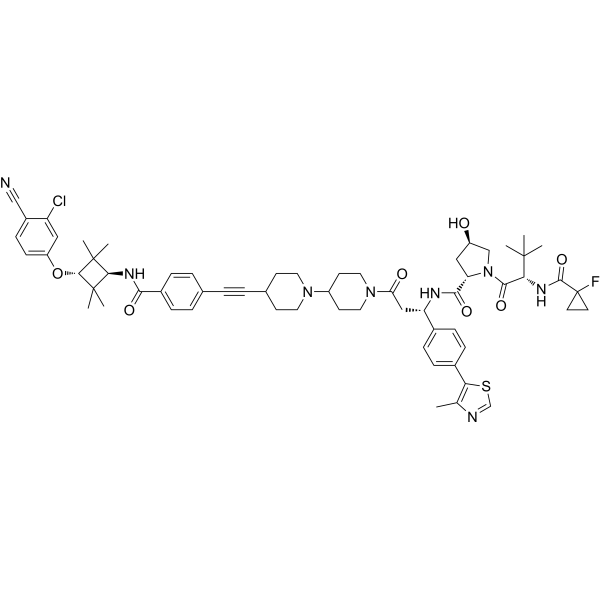
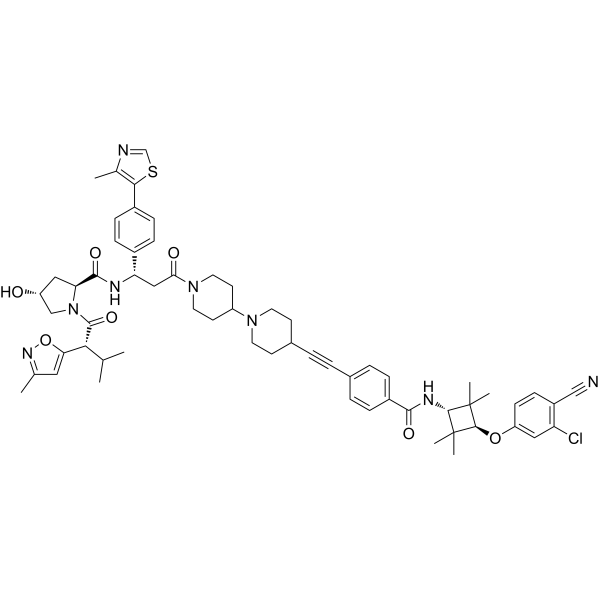
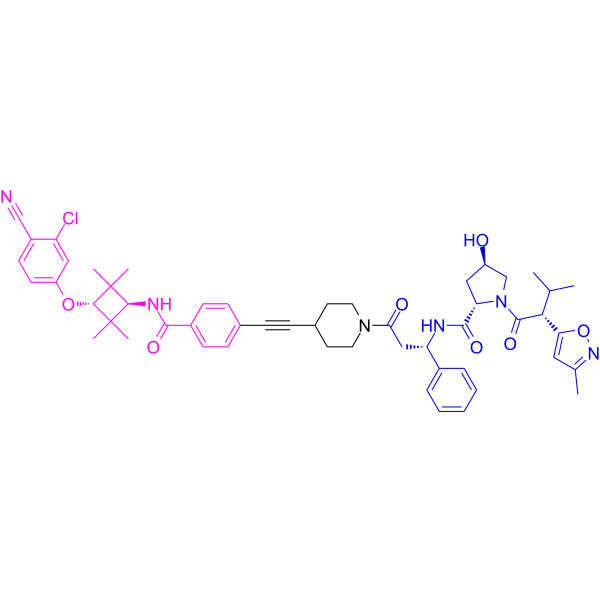
    ARD-69 is a PROTAC degrader based on the E3 ubiquitin ligase VHL and targeting the androgen receptor, which can induce androgen receptor (AR) protein degradation in AR-positive prostate cancer cells. ARD-69 inhibits AR-regulated gene expression, binds to the AR ligand binding domain at one end and binds to VHL at the other end, prompting AR to be recruited to the E3 ubiquitin ligase complex, triggering proteasome degradation, thereby inhibiting AR signaling pathways and downstream gene expression (such as PSA, TMPRSS2). ARD-69 can be used to study of castration-resistant prostate cancer (mCRPC) .
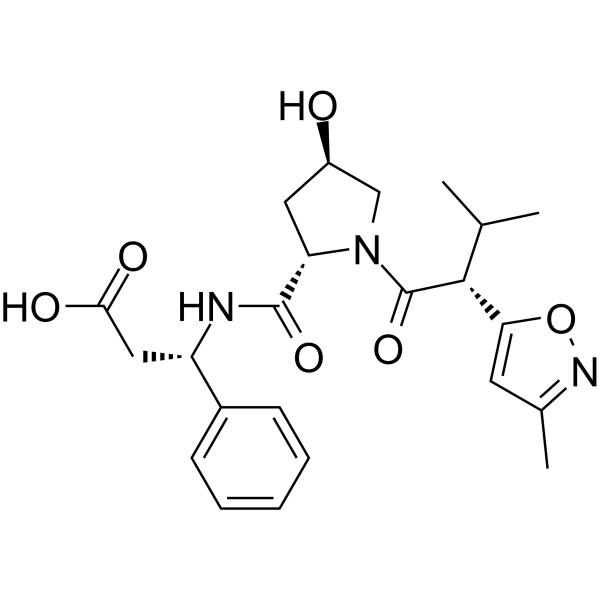
    ARD-69 is composed of a target protein ligand (pink part) AR antagonist 14 (HY-172624), a PROTAC linker (black part) tert-Butyl 4-ethynyl-[1,4'-bipiperidine]-1'-carboxylate (HY-W442074), and a VHL-type E3 ubiquitinase ligand (blue part) VH 101, acid (HY-47070); among them, the VHL ligand and the linker can form a conjugate VH 101-amide-piperidine-Pip-alkyne (HY-172625).
    ARD-69
  • HY-132292

    PROTACs Androgen Receptor Cancer
    ARD-2128 is a highly potent, orally bioavailable PROTAC androgen receptor (AR) degrader. ARD-2128 effectively reduces AR protein, suppresses AR-regulated genes in tumor tissues, and inhibits growth of tumor without signs of toxicity. ARD-2128 has the potential for the research of the prostate cancer .
    ARD-2128
  • HY-139659

    PROTACs Androgen Receptor Progesterone Receptor Apoptosis Cancer
    ARD-61 is a highly potent, effective and specific PROTAC androgen receptor (AR) degrader. ARD-61 potently and effectively induces AR and progesterone receptors (PR) degradation in AR+ cancer cell lines. ARD-61 induces apoptosis and effectively induces tumor growth inhibition in the MDA-MB-453 xenograft model in mice . ARD-61 is a click chemistry reagent, it contains an Alkyne group and can undergo copper-catalyzed azide-alkyne cycloaddition (CuAAc) with molecules containing Azide groups.
    ARD-61
  • HY-156111
    ARD-1676
    1 Publications Verification

    PROTACs Androgen Receptor Cancer
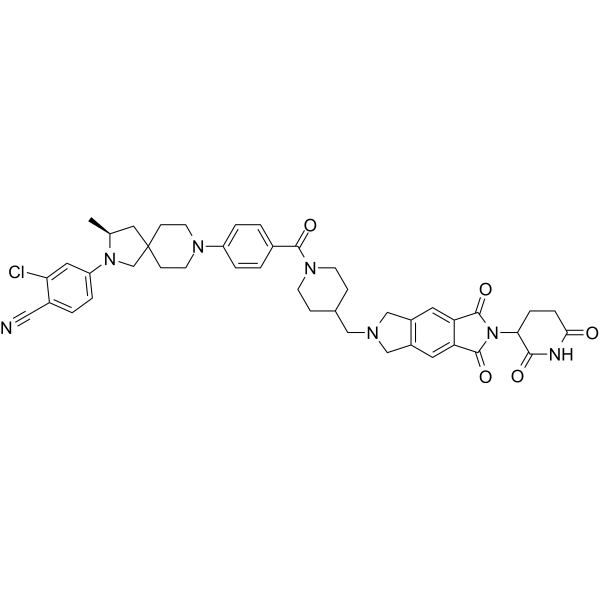
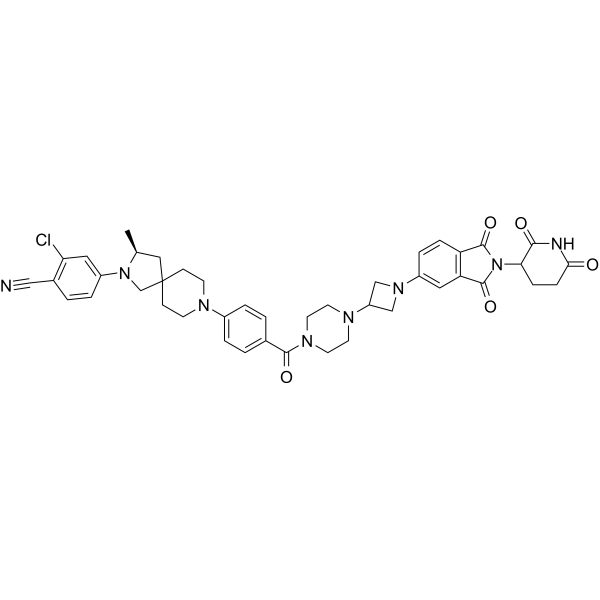
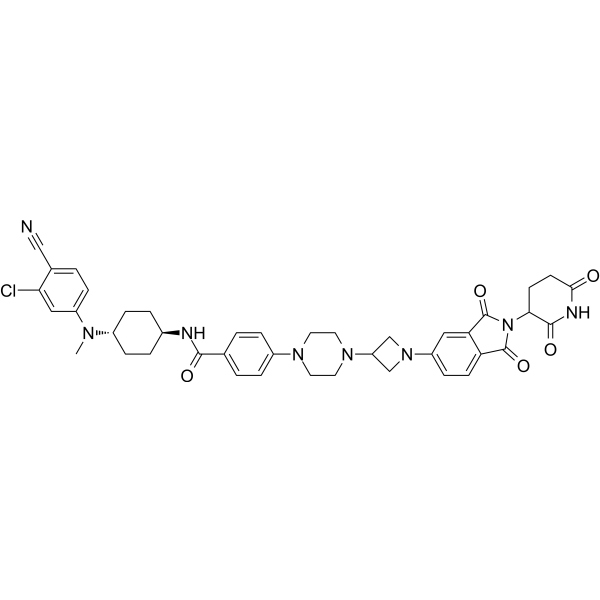
    ARD-1676 is an orally available androgen receptor (AR) PROTAC degrader, consisting of AR ligand and cereblon ligand. ARD-1676 has AR-degrading activity in vitro and in vivo and inhibits VCaP tumor growth in mouse xenograft tumor models .
    ARD-1676
  • HY-133045

    Ligands for E3 Ligase Cancer
    VHL Ligand 8 is a VHL ligand. VHL Ligand 8 can be used to synthesize ARD-266 (HY-133020), a highly potent and VHL E3 ligase-based androgen receptor (AR) PROTAC degrader. ARD-266 effectively induces degradation of AR protein in AR-positive LNCaP, VCaP, and 22Rv1 prostate cancer cell lines with DC50 values of 0.2-1 nM .
    VHL Ligand 8
  • HY-P991401

    TNF Receptor Inflammation/Immunology
    GSK2862277 is a human monoclonal antibody (mAb) targeting TNFRSF1A. GSK2862277 increases neutrophil extracellular trap formation and alveolar macrophage phagocytosis. GSK2862277 can be used in Acute lung injury and Acute Respiratory Distress Syndrome (ARDS) research. Recommended isotype control: VHH-hFc .
    GSK2862277
  • HY-W012683

    Biochemical Assay Reagents Cancer
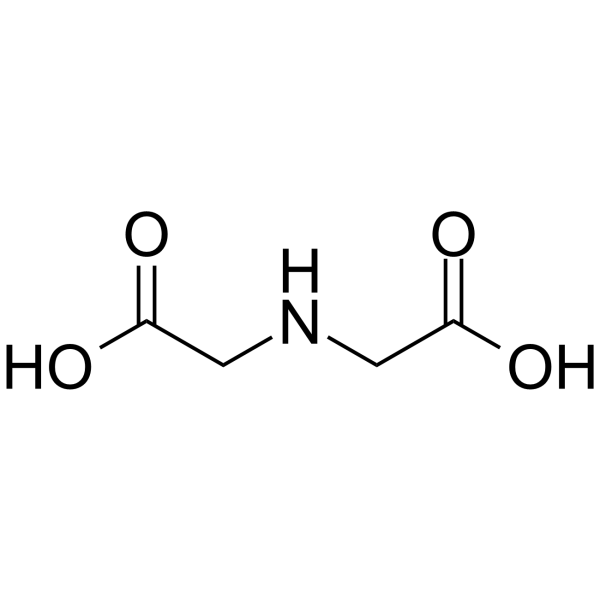
    Iminodiacetic acid is a metal ion chelator targeting Cr 6+, Cd 2+, Ni 2+, and Pb 2+. Iminodiacetic acid selectively and irreversibly binds metal ions through the coordination of carboxyl and imino groups, reduces the toxicity of metal ions and promotes their adsorption and separation. Iminodiacetic acid has the functions of heavy metal ion removal and coordination complex stabilization. Iminodiacetic acid is often used in environmental pollution control (such as heavy metal adsorption in water) and coordination chemistry (such as metal ion detection and separation) research .
    Iminodiacetic acid
  • HY-P0012A
    Aviptadil acetate
    2 Publications Verification

    Vasoactive Intestinal Peptide acetate salt (human, rat, mouse, rabbit, canine, porcine)

    SARS-CoV Infection Inflammation/Immunology
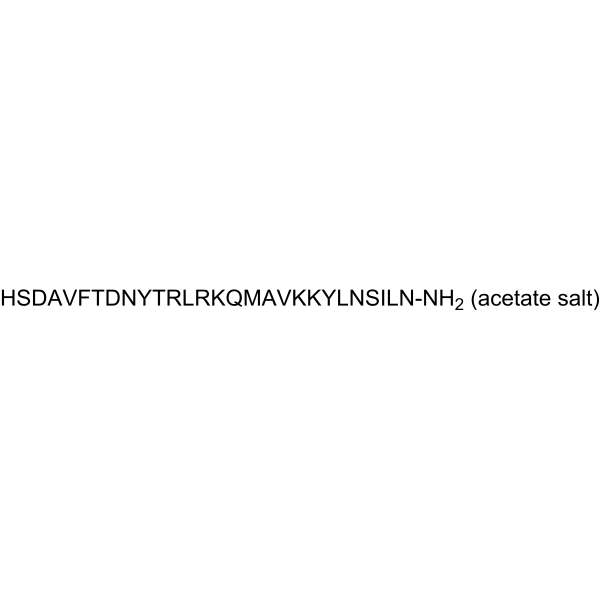
    Aviptadil acetate is an analog vasoactive intestinal polypeptide (VIP) with potent vasodilatory effects. Aviptadil acetate induces pulmonary vasodilation and inhibits vascular SMCs proliferation, platelet aggregation. Aviptadil acetate can be used for the research of pulmonary fibrosis, pulmonary arterial hypertension (PAH) and SARS-CoV-2 caused respiratory failure, et al .
    Aviptadil acetate
  • HY-149862
    ARD-2051
    1 Publications Verification

    PROTACs Androgen Receptor Cancer
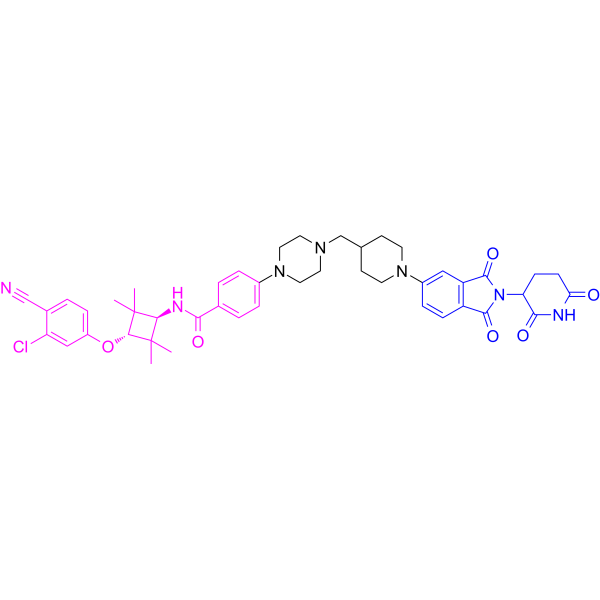
    ARD-2051 is a selective and orally active androgen receptor (AR) proteolysis-targeting chimera degrader. ARD-2051 achieves DC50 values of 0.6 nM for AR protein degradation in both the LNCaP and VCaP prostate cancer cell lines. ARD-2051 exhibits effective anti-tumor activity in VCaP xenograft mice model. ARD-2051 can be used for the research of prostate cancer (Pink: AR ligand (HY-400666), Blue: CRBN Ligand (HY-14658), Black: Linker) .
    ARD-2051
  • HY-133020

    PROTACs Androgen Receptor Cancer
    ARD-266 is a highly potent and von Hippel-Lindau E3 ligase-based Androgen Receptor (AR) PROTAC degrader. ARD-266 effectively induces degradation of AR protein in AR-positive LNCaP, VCaP, and 22Rv1 prostate cancer cell lines with DC50 values of 0.2-1 nM . ARD-266 is a click chemistry reagent, it contains an Alkyne group and can undergo copper-catalyzed azide-alkyne cycloaddition (CuAAc) with molecules containing Azide groups.
    ARD-266
  • HY-139436

    PROTACs Androgen Receptor Cancer
    ARD-2585 is an exceptionally potent and orally active PROTAC degrader of androgen receptor .
    ARD-2585
  • HY-150735

    IRAK Inflammation/Immunology
    IRAK4-IN-20 (Compound BAY-1834845) is an orally active IRAK4 inhibitor with an IC50 of 3.55 nM. IRAK4-IN-20 can be used for acute respiratory distress syndrome (ARDS) research .
    IRAK4-IN-20
  • HY-W248665A

    Ligands for E3 Ligase Others
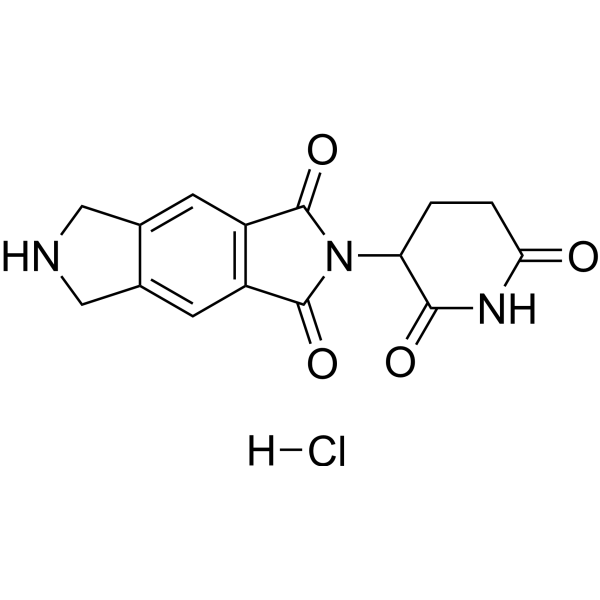
    Thalidomide-pyrrolidine hydrochloride (Compound 18) is an E3 ligase ligand. Thalidomide-pyrrolidine serves as a building block for the synthesis of PROTAC ARD-1676 (HY-156111) .
    Thalidomide-pyrrolidine hydrochloride
  • HY-175202

    Discoidin Domain Receptor Apoptosis Caspase Interleukin Related PERK Cancer
    CIDD-8633 is a potent DDR2 inhibitor with an IC50 of 6.105 μM. CIDD-8633 inhibits cell migration and halts the cell cycle and induces apoptosis, significantly suppressing pancreatic ductal adenocarcinoma (PDAC) tumor growth. CIDD-8633 can be used for the study of pancreatic cancer such as PDAC .
    CIDD-8633
  • HY-W013249

    PROTAC Linkers Cancer
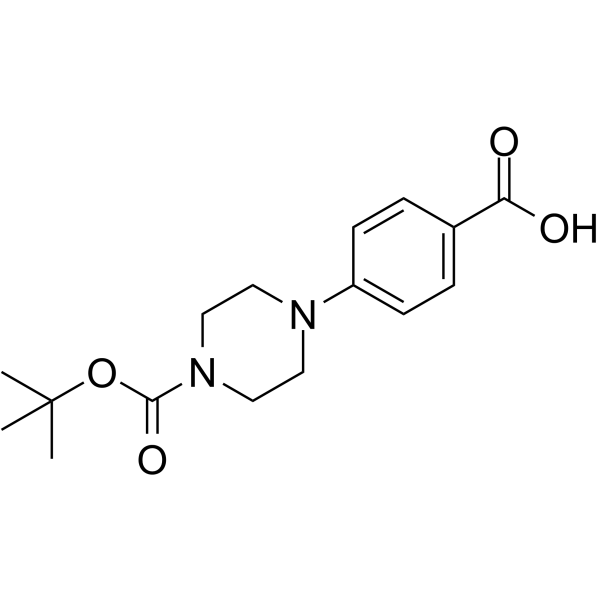
    Boc-piperazine-benzoic acid is a PROTAC linker and can be used in the synthesis of PROTACs, such as PROTAC androgen receptor (AR) degrader ARD-2128 (HY-13229) .
    Boc-piperazine-benzoic acid
  • HY-178136

    Toll-like Receptor (TLR) MyD88 p38 MAPK NF-κB JNK Infection Inflammation/Immunology
    MyD88-IN-3 is an orally active, selective MyD88 Inhibitor. MyD88-IN-3 specifically targets the TIR domain of MyD88 (KD = 28.5 μM), thereby preventing MyD88 self-polymerization and interaction with TLRs, which suppresses the activation of MAPK and NF-κB pathways. MyD88-IN-3 demonstrates significant anti-inflammatory efficacy and effectively mitigates Acute Lung Injury (ALI) symptoms in CLP (cecal ligation and puncture) and Lipopolysaccharides (HY-D1056) (LPS)-induced ALI models. MyD88-IN-3 can be used for the study of ALI .
    MyD88-IN-3
  • HY-145390A

    Keap1-Nrf2 Inflammation/Immunology
    (R,R)-Nrf2 activator-1 is the enantiomer of Nrf2 activator-1. Nrf2 activator-1 is a potent activator of NF-E2 related factor 2 (Nrf2). Nrf2 activator-1 has the potential for the research of COPD and other respiratory diseases, including asthma, Acute Lung Injury (ALI), Acute Respiratory Distress Syndrome (ARDS) and pulmonary fibrosis .
    (R,R)-Nrf2 activator-1
  • HY-400666

    Ligands for Target Protein for PROTAC Androgen Receptor Cancer
    AR ligand-44 is an androgen receptor ligand that can be used in the synthesis of PROTACs, such as ARD-2051 (HY-149862) .
    AR ligand-44
  • HY-133046

    E3 Ligase Ligand-Linker Conjugates Cancer
    VHL Ligand-Linker Conjugates 17 incorporates a VHL ligand for the E3 ubiquitin ligase, and a PROTAC linker. VHL Ligand-Linker Conjugates 17 can be used in the synthesis of a series of PROTACs, such as ARD-266 (HY-133020). ARD-266 is a highly potent androgen receptor (AR) PROTAC degrader . VHL Ligand-Linker Conjugates 17 is a click chemistry reagent, it contains an Alkyne group and can undergo copper-catalyzed azide-alkyne cycloaddition (CuAAc) with molecules containing Azide groups.
    VHL Ligand-Linker Conjugates 17
  • HY-130845

    Ligands for E3 Ligase Ligands for Target Protein for PROTAC Cancer
    AR antagonist 1 (compound 29) is a potent androgen receptor (AR) antagonist and binds to E3 ligase ligands with weak binding affinities to VHL protein in the synthesis of PROTAC ARD-266 (HY-133020).
    AR antagonist 1
  • HY-106377

    MARCKS Inflammation/Immunology
    BIO-11006 is a peptide that inhibits the function of the MARCKS protein. BIO-11006 attenuates LPS-induced neutrophil influx into the lungs, NF-κB activation, and expression of the proinflammatory cytokines KC and TNF-α. BIO-11006 also reverses disease progression in an LPS-induced mouse lung injury model. BIO-11006 is indicated for research on acute lung injury/acute respiratory distress syndrome (ALI/ARDS) .
    BIO-11006
  • HY-P991612

    Sym024

    CD73 Inflammation/Immunology Cancer
    S095024 is a humanized IgG1 monoclonal antibody inhibitor targeting CD73. S095024 can be used to study acute respiratory distress syndrome (ARDS), non-small cell lung cancer (NSCLC) and advanced solid tumor malignancies .
    S095024
  • HY-145390

    Keap1-Nrf2 Inflammation/Immunology
    Nrf2 activator-1 is a potent activator of NF-E2 related factor 2 (Nrf2). Nrf2 activator-1 has the potential for the research of COPD and other respiratory diseases, including asthma, Acute Lung Injury (ALI), Acute Respiratory Distress Syndrome (ARDS) and pulmonary fibrosis (extracted from patent WO2018109647A1) .
    Nrf2 activator-1
  • HY-133044

    PROTAC Linkers Cancer
    Boc-Pip-alkyne-Ph-COOH is a PROTAC linker, which refers to the alkyl/ether composition. Boc-Pip-alkyne-Ph-COOH can be used in the synthesis of a series of PROTACs, such as ARD-266 (HY-133020). ARD-266 effectively induces degradation of androgen receptor (AR) protein in AR-positive LNCaP, VCaP, and 22Rv1 prostate cancer cell lines with DC50 values of 0.2-1 nM . Boc-Pip-alkyne-Ph-COOH is a click chemistry reagent, it contains an Alkyne group and can undergo copper-catalyzed azide-alkyne cycloaddition (CuAAc) with molecules containing Azide groups.
    Boc-Pip-alkyne-Ph-COOH
  • HY-159159

    NOD-like Receptor (NLR) Inflammation/Immunology
    MS-II-124 is an effective and selective NLRP3 inhibitor (IC50=0.12 μM) with anti-inflammatory and immunomodulatory activities, which can be used in the research of acute lung injury (ALI)/acute respiratory distress syndrome (ARDS) .
    MS-II-124
  • HY-P10889

    Phosphatase Inflammation/Immunology
    CNI103 is a highly potent and metabolically stable cell-permeable peptide inhibitor of calcineurin. CNI103 selectively blocks the interaction between calcineurin and NFATc3 (KD=16 nM), thereby preventing NFATc3 activation in vitro and in vivo. CNI103 can be used to study acute respiratory distress syndrome (ARDS) and other inflammatory diseases .
    CNI103
  • HY-W012683R

    Biochemical Assay Reagents Reference Standards Cancer
    Iminodiacetic acid is a metal ion chelator targeting Cr6+, Cd2+, Ni2+, and Pb2+. Iminodiacetic acid selectively and irreversibly binds metal ions through the coordination of carboxyl and imino groups, reduces the toxicity of metal ions and promotes their adsorption and separation. Iminodiacetic acid has the functions of heavy metal ion removal and coordination complex stabilization. Iminodiacetic acid is often used in environmental pollution control (such as heavy metal adsorption in water) and coordination chemistry (such as metal ion detection and separation) research .
    Iminodiacetic acid (Standard)
  • HY-150555

    Potassium Channel Others
    P-CAB agent 1 (compound B19) is a highly potent potassium-competitive acid blocker agent with an IC50 value of 60.50 nM for H +/K +-ATPase. P-CAB agent 1 has acceptable oral absorption in rats. P-CAB agent 1 can be used for researching acid-related disorders (ARDs) .
    P-CAB agent 1
  • HY-400666A

    Ligands for Target Protein for PROTAC Androgen Receptor Cancer
    AR ligand-44 TFA is an androgen receptor ligand that can be used in the synthesis of PROTACs, such as ARD-2051 (HY-149862) .
    AR ligand-44 TFA
  • HY-W248665

    Ligands for E3 Ligase Others
    Thalidomide-pyrrolidine is an E3 ligase ligand. Thalidomide-pyrrolidine can be used for synthesis of PROTAC ARD-1676 (HY-156111) .
    Thalidomide-pyrrolidine
  • HY-139660

    Ligands for Target Protein for PROTAC Cancer
    PROTAC PTK6 ligand-1 is an intermediate for BTK kinase inhibitor preparation . PROTAC PTK6 ligand-1 can be used in the synthesis of ARD-61 (HY-139659) .
    PROTAC PTK6 ligand-1
  • HY-139661

    PROTAC Linkers Cancer
    Boc-bipiperidine-ethynylbenzoic acid is an Alkyl/ether-based PROTAC linker can be used in the synthesis of ARD-61 . Boc-bipiperidine-ethynylbenzoic acid is a click chemistry reagent, it contains an Alkyne group and can undergo copper-catalyzed azide-alkyne cycloaddition (CuAAc) with molecules containing Azide groups.
    Boc-bipiperidine-ethynylbenzoic acid
  • HY-172624

    Ligands for Target Protein for PROTAC Cancer
    AR antagonist 14 is is a PROTAC target protein ligand (Ligands for Target Protein for PROTAC). AR antagonist 14 can be combined with VH 101-amide-piperidine-Pip-alkyne (HY-172625) to synthesize PROTAC degraders (ARD-69 (HY-114402)) .
    AR antagonist 14
  • HY-130846

    PROTAC Linkers Cancer
    Pip-alkyne-Ph-COOCH3 is an alkyl chain-based PROTAC linker can be used in the synthesis of PROTAC ARD-266 . Pip-alkyne-Ph-COOCH3 is a click chemistry reagent, it contains an Alkyne group and can undergo copper-catalyzed azide-alkyne cycloaddition (CuAAc) with molecules containing Azide groups.
    Pip-alkyne-Ph-COOCH3
  • HY-173485

    SARS-CoV COX Infection Inflammation/Immunology
    SARS-CoV-2 Mpro-IN-41 (Compound 7e) is an orally active inhibitor of COX-2 and SARS-CoV-2 M pro (IC50 values are 9.66 μM and 13.24 μM, respectively). SARS-CoV-2 Mpro-IN-41 also has a certain inhibitory activity against COX-1 (IC50: 46.11 μM). SARS-CoV-2 Mpro-IN-41 can significantly inhibit the expression of inflammatory-related cytokines (such as TNF-α, IL-6, IL-1β) and exert anti-inflammatory effects. SARS-CoV-2 Mpro-IN-41 exerts anti-inflammatory and antiviral effects by selectively inhibiting COX-2 and SARS-CoV-2 M pro. SARS-CoV-2 Mpro-IN-41 can be used for anti-inflammatory and anti-coronavirus research .
    SARS-CoV-2 Mpro-IN-41
  • HY-112042

    Drug Intermediate Infection Cardiovascular Disease Inflammation/Immunology
    Aspirin Trelamine is a salicylic acid prodrug. Aspirin Trelamine has been used in research related to ischemic stroke, as well as COVID-19-associated acute respiratory distress syndrome (ARDS) and pneumonia .
    Aspirin Trelamine
  • HY-175217

    Keap1-Nrf2 Cardiovascular Disease Inflammation/Immunology
    Nrf2 activator-20 is a potent Nrf2 activator with anti-inflammatory and antioxidant activities. Nrf2 activator-20 activates the anti-inflammatory pathway by interfering with the Keap1-Nrf2 interaction and is beneficial in vivo. Nrf2 activator-20 can be used for the study of acute respiratory distress syndrome (ARDS) and ischemia-reperfusion injury .
    Nrf2 activator-20
  • HY-150878

    Ligands for Target Protein for PROTAC Androgen Receptor Cancer
    AR ligand-4 is an androgen receptor (AR) ligand, which can be used for the synthesis of PROTACs, such as ARD-1676 (HY-156111) .
    AR ligand-4

Inquiry Online

Your information is safe with us. * Required Fields.

Salutation


Country or Region *

Applicant Name *


Organization Name *

Department *


Email Address *


Product Name *

Cat. No.


Requested quantity *

Phone Number *


Remarks

Inquiry Online

Inquiry Information

Product Name:
Cat. No.:
Quantity:
MCE Japan Authorized Agent:

