1. Search Result
Search Result
Results for "

ATF

" in MedChemExpress (MCE) Product Catalog:

109

Inhibitors & Agonists

2

Screening Libraries

3

Biochemical Assay Reagents

2

Peptides

11

Natural
Products

17

Recombinant Proteins

5

Isotope-Labeled Compounds

29

Antibodies

28

Oligonucleotides

Targets Recommended:
Cat. No. Product Name Target Research Areas Chemical Structure
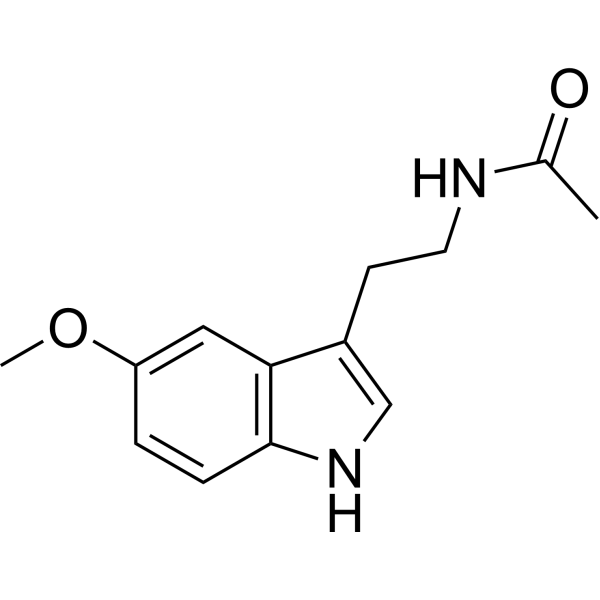
  • HY-B0075
    Melatonin
    Maximum Cited Publications
    137 Publications Verification

    N-Acetyl-5-methoxytryptamine

    Melatonin Receptor Autophagy Mitophagy Endogenous Metabolite Apoptosis PANoptosis Infection Neurological Disease Inflammation/Immunology Cancer
    Melatonin is a hormone made by the pineal gland that can activate melatonin receptor and inhibit PANoptosis. Melatonin plays a role in sleep and possesses important antioxidative and anti-inflammatory properties . Melatonin is a novel selective ATF-6 inhibitor and induces human hepatoma cell apoptosis through COX-2 downregulation . Melatonin attenuates palmitic acid-induced (HY-N0830) mouse granulosa cells apoptosis via endoplasmic reticulum stress .
    Melatonin
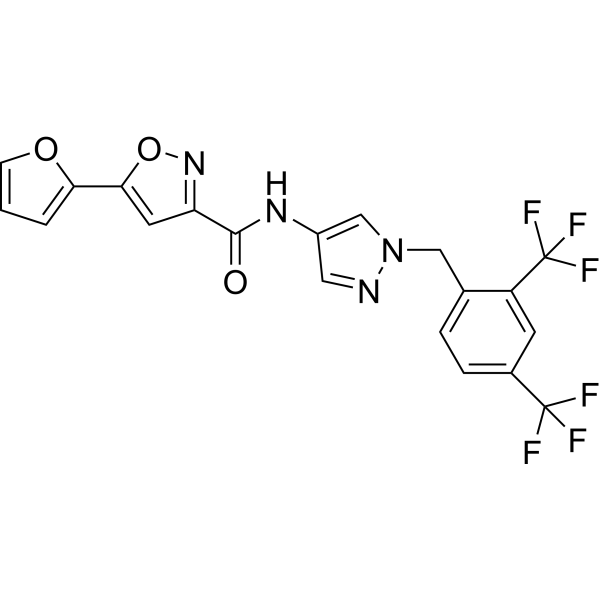
  • HY-108434
    Ceapin-A7
    20+ Cited Publications

    ATF6 Neurological Disease Metabolic Disease
    Ceapin-A7 is a selective blocker of ATF6α signaling in response to ER stress, with an IC50 of 0.59 μM. Ceapin-A7 can be used to explore both the mechanism of activation of ATF6α and its role in pathological settings .
    Ceapin-A7
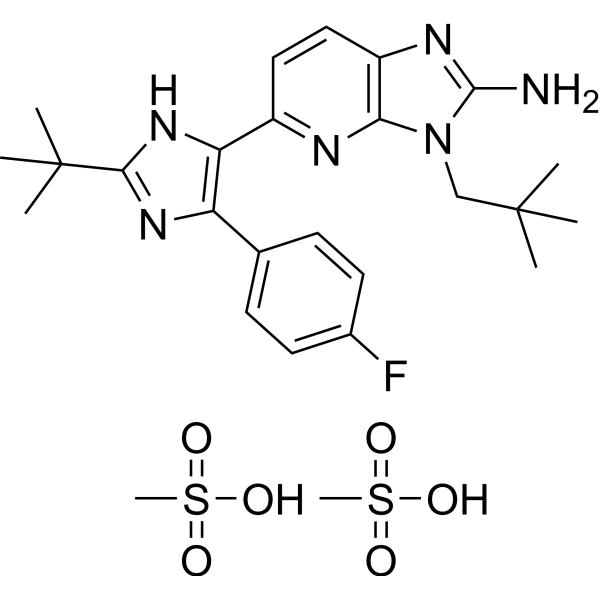
  • HY-13241
    Ralimetinib dimesylate
    10+ Cited Publications

    LY2228820 dimesylate

    p38 MAPK Autophagy Apoptosis Inflammation/Immunology Cancer
    Ralimetinib dimesylate (LY2228820 dimesylate) is a selective, ATP-competitive inhibitor of p38 MAPK α/β with IC50s of 5.3 and 3.2 nM, respectively. Ralimetinib (LY2228820) selectively inhibits phosphorylation of MK2 (Thr334), with no effect on phosphorylation of p38a MAPK, JNK, ERK1/2, c-Jun, ATF2, or c-Myc.
    Ralimetinib dimesylate
  • HY-112680A

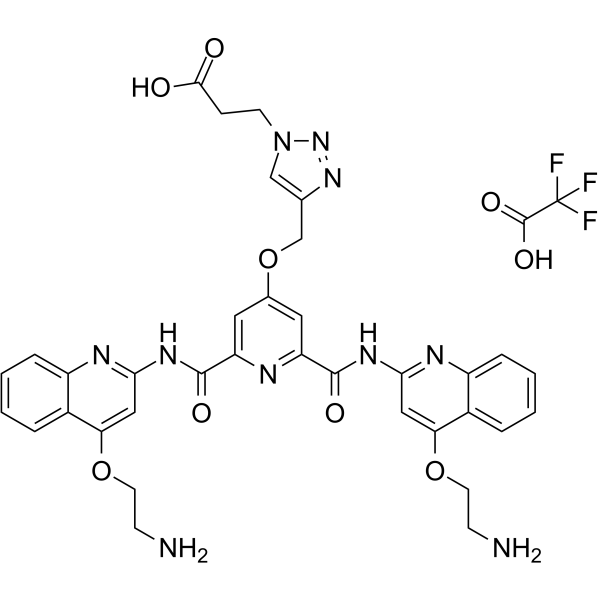
    G-quadruplex Neurological Disease
    Carboxy pyridostatin trifluoroacetate salt is a G-quadruplex ligand. Carboxy pyridostatin trifluoroacetate salt has a highly molecular specificity to RNA on DNA G4s and reduces ATF-5 protein. Carboxy pyridostatin trifluoroacetate salt reduces cell proliferation and hinders stress granule (SG) formation .
    Carboxy pyridostatin trifluoroacetate salt
  • HY-100355

    C18-Ceramide

    Endogenous Metabolite Neurological Disease Cancer
    C18-Ceramide (d18:1/18:0) is a bioactive molecule with multiple functions in cells, not a traditional agonist or inhibitor targeting a single site. It can act on multiple cellular targets, such as proteins related to endoplasmic reticulum stress (e.g., ATF-4, XBP-1, CHOP), proteins in the PI3K/AKT signaling pathway, and SNARE complex proteins. It exerts activities like inducing cell death, promoting autophagy, and regulating exocytosis through mechanisms such as activating endoplasmic reticulum stress, inhibiting the PI3K/AKT signaling pathway, and affecting lipid raft - related functions. It can be used in research on the mechanism of neuronal injury in the field of neuroscience and in the treatment research of cancers such as glioma in the field of oncology .
    C18-Ceramide (d18:1/18:0)
  • HY-152860

    HRX-0215

    p38 MAPK JNK NF-κB MDM-2/p53 Cancer
    Darizmetinib (HRX-0215) is an orally active, potent and selective inhibitor of mitogen-activated protein kinase kinase 4 (MKK4). Darizmetinib leads to enhancement of the MKK7 and JNK1 signaling pathways, thereby activating the transcription factors ATF2 and ELK1, promoting cell proliferation and liver regeneration. Darizmetinib is promising for research of preventing liver failure after extensive oncological liver resections or transplantation of small liver grafts .
    Darizmetinib
  • HY-W050044
    L-Azetidine-2-carboxylic acid
    1 Publications Verification

    Endogenous Metabolite PERK Atg8/LC3 Autophagy Bcl-2 Family Apoptosis Eukaryotic Initiation Factor (eIF) ATF6 Cardiovascular Disease Neurological Disease Metabolic Disease Endocrinology Cancer
    L-Azetidine-2-carboxylic acid is a proline analog. L-Azetidine-2-carboxylic acid upregulates the lipid autophagy marker LC3-II via activation of the PERK pathway. L-Azetidine-2-carboxylic acid increases pro-apoptotic BAX protein. L-Azetidine-2-carboxylic acid induces ATF6 cleavage and upregulates phosphorylated eIF2α levels. L-Azetidine-2-carboxylic acid induces ER stress, inducing protein misfolding and aggregation. L-Azetidine-2-carboxylic acid shows teratogenic, pro-inflammatory and pro-apoptotic effects .
    L-Azetidine-2-carboxylic acid
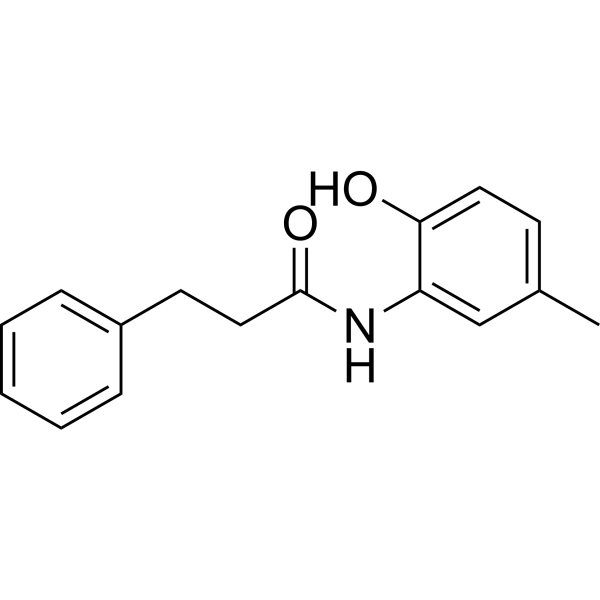
  • HY-151923
    ATF3 inducer 1
    2 Publications Verification

    Epigenetic Reader Domain Metabolic Disease
    ATF3 inducer 1 is a potent ATF3 inducer. ATF3 inducer 1 increases the ATF3 protein and ATF3 mRNA expression. ATF3 inducer 1 shows anti-MetS activity in mouse .
    ATF3 inducer 1
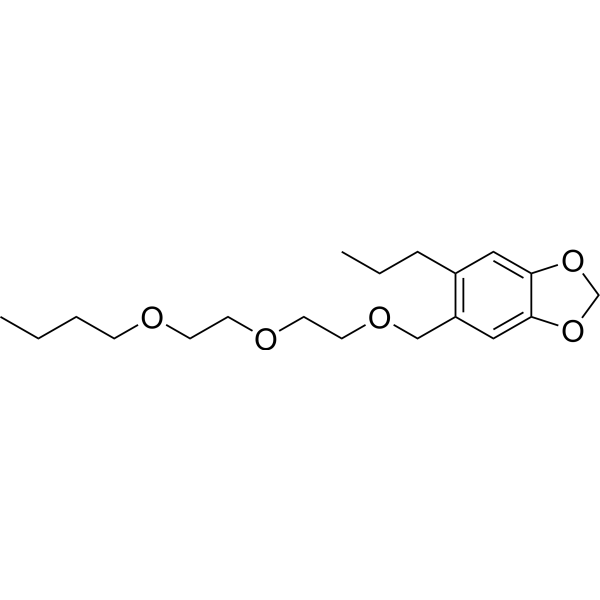
  • HY-B1198
    Piperonyl butoxide
    1 Publications Verification

    ENT-14250

    Environmental Pollutants Parasite Infection Cancer
    Piperonyl butoxide (ENT-14250) is a pesticide synergist and food additive. Piperonyl butoxide has adverse effects on reproduction, development and behavior in mice. Piperonyl butoxide can activate c-Jun and ATF-2 in mouse hepatocytes. Piperonyl butoxide is a liver cancer carcinogen in rats and mice .
    Piperonyl butoxide
  • HY-B0075S

    N-Acetyl-5-methoxytryptamine-d4

    Isotope-Labeled Compounds Melatonin Receptor Autophagy Mitophagy Apoptosis Neurological Disease Inflammation/Immunology Cancer
    Melatonin-d4 is deuterium labeled Melatonin. Melatonin is a hormone made by the pineal gland that can activates melatonin receptor. Antioxidative and anti-inflammatory properties . Melatonin is a selective ATF-6 inhibitor and induces human hepatoma cell apoptosis through COX-2 downregulation .
    Melatonin-d4
  • HY-12756A
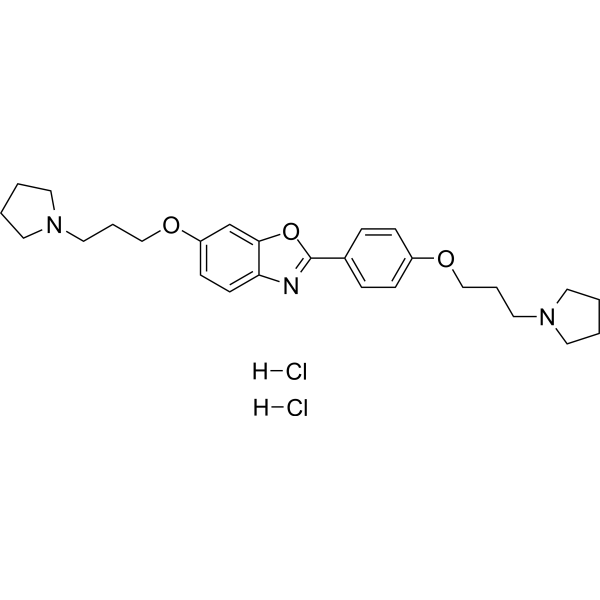
    E6446 dihydrochloride
    5+ Cited Publications

    Toll-like Receptor (TLR) Stearoyl-CoA Desaturase (SCD) Metabolic Disease Inflammation/Immunology
    E6446 dihydrochloride is a potent and orally acitve TLR7 and TLR9 antagonist, used in the research of deleterious inflammatory responses. E6446 dihydrochloride is also a potent SCD1 inhibitor (KD: 4.61 μM), significantly inhibiting adipogenic differentiation and hepatic lipogenesis through SCD1-ATF3 signaling. E6446 dihydrochloride also improves liver pathology in high-fat diet (HFD)-fed mice and may be useful in the study of non-alcoholic fatty liver disease (NAFLD) .
    E6446 dihydrochloride
  • HY-124293
    AA147
    4 Publications Verification

    ATF6 Reactive Oxygen Species (ROS) Neurological Disease Metabolic Disease
    AA147 is a endoplasmic reticulum (ER) proteostasis regulator. AA147 promotes protection against oxidative damage in neuronal cells and prevents endothelial barrier dysfunction by activating ATF6 arm (selectively) of the unfolded protein response (UPR) and the NRF2 oxidative stress response. AA147 can rebalances XBP1s expression in vivo, and also induces survival motor neuron (SMN) expression and spinal motorneuron (MN) protection .
    AA147
  • HY-175032

    Ferroptosis Epigenetic Reader Domain Reactive Oxygen Species (ROS) Glutathione Peroxidase Cardiovascular Disease Neurological Disease
    ATF3-IN-1 is a ferroptosis and ATF3 inhibitor. ATF3-IN-1 inhibits oxidative stress and ferroptosis through the ATF3/SLC7A11/GPX4 pathway, exerting anti-ischemic stroke effects. ATF3-IN-1 can attenuate ischemia/reperfusion (I/R) injury and improve neuronal survival. ATF3-IN-1 has neuroprotective effects and can be used to study ischemic stroke .
    ATF3-IN-1
  • HY-160196

    GCN2 modulator-1

    Eukaryotic Initiation Factor (eIF) Cancer
    HC-7366 (GCN2 modulator-1) is an orally effective GCN2 activator. HC-7366 can effectively compete and occupy the ATP binding pocket of GCN2, with its IC50 being 72 nM. This binding triggers the conformational activation of GCN2, leading to the upregulation of downstream signals (such as ATF4, ASNS) in the integrated stress response (ISR) pathway, ultimately exerting anti-tumor effects. HC-7366 also has inhibitory activity against ZAK, with its IC50 being 47 nM. HC-7366 can be used for research on fibrosarcoma and acute myeloid leukemia .
    HC-7366
  • HY-158202

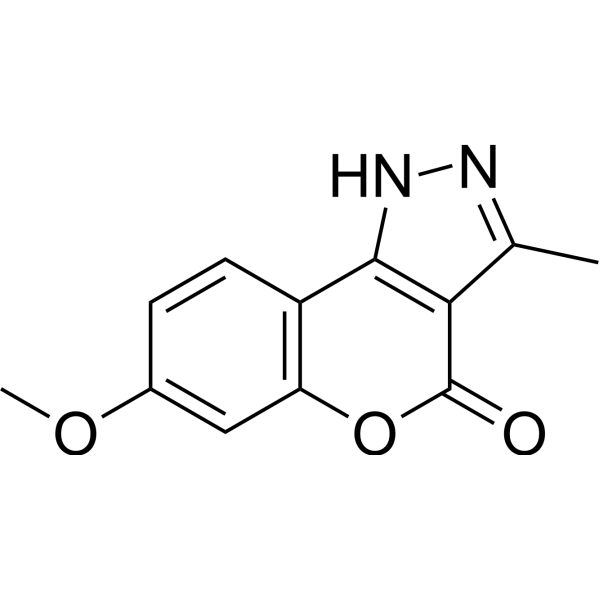
    Epigenetic Reader Domain Neurological Disease
    ATF4-IN-2 (Compound 29) is a ATF4 inhibitor with a IC50 value of 47.71 nM. ATF4-IN-2 can be used in the study of neurodegenerative diseases .
    ATF4-IN-2
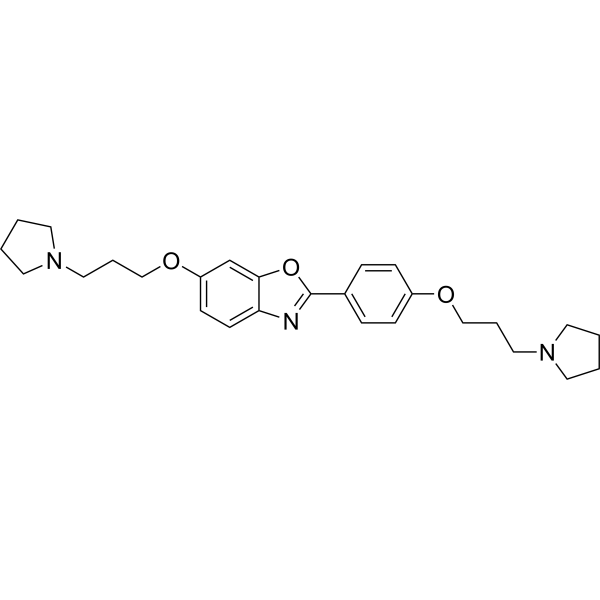
  • HY-12756
    E6446
    5+ Cited Publications

    Toll-like Receptor (TLR) Stearoyl-CoA Desaturase (SCD) Metabolic Disease Inflammation/Immunology
    E6446 is a potent and orally acitve TLR7 and TLR9 antagonist, used in the research of deleterious inflammatory responses. E6446 is also a potent SCD1 inhibitor (KD: 4.61 μM), significantly inhibiting adipogenic differentiation and hepatic lipogenesis through SCD1-ATF3 signaling. E6446 also improves liver pathology in high-fat diet (HFD)-fed mice and may be useful in the study of non-alcoholic fatty liver disease (NAFLD) .
    E6446
  • HY-B0075S1

    N-Acetyl-5-methoxytryptamine-d3

    Isotope-Labeled Compounds Melatonin Receptor Autophagy Mitophagy Endogenous Metabolite Apoptosis Neurological Disease Inflammation/Immunology Cancer
    Melatonin-d3 is the deuterium labeled Melatonin. Melatonin is a hormone made by the pineal gland that can activates melatonin receptor. Melatonin plays a role in sleep and possesses important antioxidative and anti-inflammatory properties . Melatonin is a novel selective ATF-6 inhibitor and induces human hepatoma cell apoptosis through COX-2 downregulation . Melatonin attenuates palmitic acid-induced (HY-N0830) mouse granulosa cells apoptosis via endoplasmic reticulum stress .
    Melatonin-d3
  • HY-123581
    Quinocetone
    1 Publications Verification

    Antibiotic Bacterial ATF6 DAPK Autophagy NF-κB NO Synthase Apoptosis Reactive Oxygen Species (ROS) Keap1-Nrf2 Heme Oxygenase (HO) Infection Inflammation/Immunology
    Quinocetone is an orally active animal feed additive used to increase the meat production of livestock and poultry. Quinocetone exhibits antibacterial activity against a variety of pathogenic microorganisms. Quinocetone exhibits tissue-specific (liver, lymphocyte) toxicity. Quinocetone induces autophagy in cells through the ATF6/DAPK1 pathway. Quinocetone activates the NF-κB and iNOS pathways, leading to cell apoptosis, hepatocyte vacuolar degeneration and fibrosis. Quinocetone can inhibit Nrf2/HO-1 and induce the generation of reactive oxygen species (ROS), leading to oxidative stress and DNA damage .
    Quinocetone
  • HY-158201

    Eukaryotic Initiation Factor (eIF) Neurological Disease
    ATF4-IN-1 (Compound 21) is an ATF4 inhibitor and also an eIF2B activator. ATF4-IN-1 can be used in research on neurodegenerative diseases .
    ATF4-IN-1
  • HY-147831

    Eukaryotic Initiation Factor (eIF) Epigenetic Reader Domain Cancer
    HR-19011 is an eIF2α phosphorylation activator targeting heme-regulated inhibitor HRI (EIF2AK1). HR-19011 exhibits growth inhibitory activity against K562 cells with an IC50 value of 3.91 µM. HR-19011 inhibits the growth of hematologic malignancies by targeting HRI to activate the integrated stress response via the HRI-eIF2α-ATF4 axis. HR-19011 shows good safety in vivo. HR-19011 can be used for research on hematologic malignancies (leukemia) .
    HR-19011
  • HY-B0075R
    Melatonin (standard)
    Maximum Cited Publications
    137 Publications Verification

    N-Acetyl-5-methoxytryptamine (standard); Melatonin

    Reference Standards Melatonin Receptor Autophagy Mitophagy Endogenous Metabolite Apoptosis Neurological Disease Inflammation/Immunology Cancer
    Melatonin (Standard) is the analytical standard of Melatonin. This product is intended for research and analytical applications. Melatonin is a hormone made by the pineal gland that can activates melatonin receptor. Melatonin plays a role in sleep and possesses important antioxidative and anti-inflammatory properties . Melatonin is a novel selective ATF-6 inhibitor and induces human hepatoma cell apoptosis through COX-2 downregulation . Melatonin attenuates palmitic acid-induced (HY-N0830) mouse granulosa cells apoptosis via endoplasmic reticulum stress .
    Melatonin (standard)
  • HY-132182
    HPA-12
    1 Publications Verification

    Ceramidase Autophagy Apoptosis ATF6 Neurological Disease Cancer
    HPA-12 is a blood-brain barrier-permeable small-molecule inhibitor of ceramide transfer protein (CERT) with four stereoisomers (the (1R,3R)-stereoisomer exhibits the highest activity). HPA-12 blocks the transport of ceramide from the endoplasmic reticulum to the Golgi apparatus by binding to the START domain of CERT, leading to intracellular ceramide accumulation and inhibition of sphingomyelin (SM) synthesis. HPA-12 induces endoplasmic reticulum stress via the GRP78/ATF6/CHOP axis and activates mitochondrial autophagy, thereby inhibiting cell growth and inducing apoptosis. In in vivo experiments, HPA-12 significantly reduces the leukemia burden and splenomegaly in mouse models of acute myeloid leukemia (AML) and prolongs survival. HPA-12 is applicable for the research of lipid metabolism in acute myeloid leukemia and Alzheimer's disease .
    HPA-12
  • HY-103100
    SB-699551
    1 Publications Verification

    5-HT Receptor Epigenetic Reader Domain Akt Ribosomal S6 Kinase (RSK) FOXO Neurological Disease Metabolic Disease Inflammation/Immunology Cancer
    SB-699551 is a selective and brain penetrant 5-HT5A receptor antagonist with a pKi of 8.2 nM. SB-699551 shows high selectivity over most other 5-HT receptor subtypes, dopamine receptors, and α1B adrenoceptor. SB-699551 disrupts Gαi/o-coupled and PI3K/AKT/mTOR signaling pathways, alters CREB, ATF1, AKT, PRAS40, S6K, and FOXO1 phosphorylation in breast tumor cells. SB-699551 can be used for the research of anxiety, breast cancer, and Alzheimer's disease .
    SB-699551
  • HY-112056
    DIM-C-pPhCO2Me
    1 Publications Verification

    Nuclear Hormone Receptor 4A/NR4A Apoptosis DAPK Isocitrate Dehydrogenase (IDH) PERK Cancer
    DIM-C-pPhCO2Me is a nuclear receptor 4A1 (NR4A1) antagonist. DIM-C-pPhCO2Me induces Apoptosis. DIM-C-pPhCO2Me decreases PAX3-FOXO1A, N-Myc, Rassf4, MyoD1, Grem1, and DAPK1 proteins. DIM-C-pPhCO2Me decreases expression of TXNDC5 and IDH1, induces markers of ER stress (CHOP, ATF4 and p-PERK). DIM-C-pPhCO2Me inhibits renal cell carcinoma, breast cancer. DIM-C-pPhCO2Me can also be used in rhabdomyosarcoma research .
    DIM-C-pPhCO2Me
  • HY-112680

    G-quadruplex Neurological Disease
    Carboxypyridostatin is a G-quadruplex ligand. Carboxypyridostatin has a highly molecular specificity to RNA on DNA G4s and reduces ATF-5 protein. Carboxypyridostatin reduces cell proliferation and hinders stress granule (SG) formation .
    Carboxypyridostatin
  • HY-108618
    BC11-38
    2 Publications Verification

    Phosphodiesterase (PDE) Endocrinology
    BC11-38 is a potent, selective, and biologically active PDE11 inhibitor, with IC50s of 0.28 µM and >100 µM for PDE11 and PDE1-10, respectively. BC11-38 elevates cAMP levels, PKA-mediated ATF-1 phosphorylation, and cortisol production in H295R cells .
    BC11-38
  • HY-170872

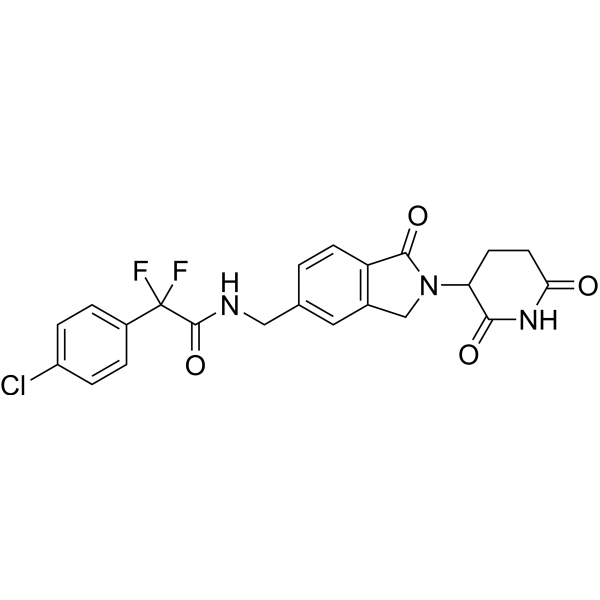
    PROTACs DNA/RNA Synthesis Cancer
    PT-129 is a G3BP1/G3BP2 PROTAC degrader. PT-129 inhibits the formation of stress granules, disassembles pre-existing stress granules, disrupts stress granule-mediated ATF4 trafficking via migratory exocytosis, and suppresses cancer cell proliferation. PT-129 is applicable to the research of lung cancer and melanoma .
    PT-129
  • HY-163319

    ClpP Apoptosis Cancer
    NCA029 is a potent and selective homo sapiens caseinolytic protease P (HsClpP) activator with an EC50 of 0.15 μM. NCA029 acts on HsClpP to activate an ATF3-dependent integrative stress response, leading to colon cancer cell death .
    NCA029
  • HY-B0075S2

    N-Acetyl-5-methoxytryptamine-d7

    Isotope-Labeled Compounds Melatonin Receptor Autophagy Mitophagy Endogenous Metabolite Apoptosis Neurological Disease Inflammation/Immunology Cancer
    Melatonin-d7 is the deuterium labeled Melatonin (HY-B0075). Melatonin is a hormone made by the pineal gland that can activates melatonin receptor. Melatonin plays a role in sleep and possesses important antioxidative and anti-inflammatory properties . Melatonin is a novel selective ATF-6 inhibitor and induces human hepatoma cell apoptosis through COX-2 downregulation . Melatonin attenuates palmitic acid-induced (HY-N0830) mouse granulosa cells apoptosis via endoplasmic reticulum stress .
    Melatonin-d7
  • HY-153340

    Keap1-Nrf2 Metabolic Disease
    I-152 is a conjugate containing N-acetyl-cysteine (NAC) and cysteamine (MEA). I-152 activates NRF2 and ATF4 signals. I-152 has anti-proliferative properties .
    I-152
  • HY-153339

    Eukaryotic Initiation Factor (eIF) Cancer
    E235 is an expression regulator of activates transcription factor 4 (ATF4). E235 reduces cell viability by activating integrated stress response (ISR) and DNA damage response signals. E235 has anti-proliferative activity and can be used for tumor research .
    E235
  • HY-RS01129

    Small Interfering RNA (siRNA) Others

    ATF3 Human Pre-designed siRNA Set A contains three designed siRNAs for ATF3 gene (Human), as well as a negative control, a positive control, and a FAM-labeled negative control.

    ATF3 Human Pre-designed siRNA Set A
    ATF3 Human Pre-designed siRNA Set A
  • HY-134963

    PKC Cancer
    SBI-0087702 promots the cytoplasmic localization of ATF2 in melanoma cells. SBI-0087702-induced translocation of ATF2 to the mitochondria results in increased apoptosis due to loss of mitochondrial membrane integrity. SBI-0087702 also inhibits growth and motility of melanoma cells. SBI-0087702 was shown to inhibit ATF2 phosphorylation on Thr52 by PKCε .
    SBI-0087702
  • HY-158203

    TGF-β Receptor Others
    BMP agonist 2 (derivative I-9) is a potent bone-inducing cytokine. BMP agonist 2 promotes bone tissue production by increasing the proportion and activity of osteoblasts. BMP agonist 2 promotes osteoblast proliferation and differentiation through the BMP2-ATF4 signaling axis, in which ATF4 is a transcription factor closely related to osteoblast differentiation and bone formation. BMP agonist 2 can be used in the study of senile osteoporosis (SOP) .
    BMP agonist 2
  • HY-W020952

    Palladium(Ⅱ) 2,4-pentanedionate; Pd(acac)2

    Biochemical Assay Reagents HSP Eukaryotic Initiation Factor (eIF) IRE1 JNK Apoptosis Cancer
    Palladium(II) acetylacetonate is a metal-organic complex. Palladium(II) acetylacetonate upregulates the expression of GRP78, ATF-4, XBP-1, CHOP, and phosphorylated c-Jun. Palladium(II) acetylacetonate induces Apoptosis. Palladium(II) acetylacetonate has anticancer effects against non-small cell lung cancer, gastric cancer, leukemia, and cervical cancer .
    Palladium(Ⅱ) acetylacetonate
  • HY-117938

    Aminoacyl-tRNA Synthetase Cancer
    T-3861174 is an inhibitor of prolyl-tRNA synthetase (PRS, Aminoacyl-tRNA Synthetase) without completely inhibiting its translation process. T-3861174 activates the GCN2-ATF4 pathway and induces death in multiple tumor cell lines, including SK-MEL-2. T-3861174 demonstrated significant antitumor activity in multiple xenograft models without significantly affecting body weight .
    T-3861174
  • HY-158196

    PERK Apoptosis Cancer
    PERK/eIF2α activator 1 (compound V8) is a flavonoid with an anti-tumor activity. PERK/eIF2α activator 1 induces apoptosis and activates the PERK-eIF2α-ATF4 pathway. PERK/eIF2α activator 1 inhibits HepG2 cell proliferation with an IC50 value of 23 μM .
    PERK/eIF2α activator 1
  • HY-121337

    R-40244

    Environmental Pollutants Apoptosis Bcl-2 Family Others
    Flurochloridone (R-40244) is a selective preemergence and persistent herbicide. Flurochloridone induces endoplasmic reticulum (ER) stress and activated unfolded protein response (UPR) signaling pathways. Flurochloridone impairs cell viability and induces cytotoxicity and apoptosis mediated by ER stress via activating eIF2α-ATF4/ATF6-CHOP-Bim/Bax signaling pathways in TM4 cells .
    Flurochloridone
  • HY-162384

    Histone Methyltransferase Cancer
    EPIC-0628 is an inhibitor of the HOTAIR-EZH2 interaction and promotes ATF3 expression. The long noncoding RNA HOTAIR has been found to regulate glioblastoma (GBM) progression and mediate DNA damage repair (DDR) by interacting with the catalytic subunit EZH2 of PRC2. EPIC-0628 also inhibits the ATF3-p38-E2F1 DDR pathway to inhibit the HR pathway and upregulates CDKN1A (p21) expression, causing cell cycle arrest. EPIC-0628 also synergizes with Temozolomide (TMZ) (HY-17364) to enhance its in vivo potency .
    EPIC-0628
  • HY-112903A

    Protein Arginine Deiminase MDM-2/p53 PERK mTOR Autophagy Cancer
    YW3-56 (hydrochloride) is a PAD inhibitor. YW3-56 (hydrochloride) activates p53 target genes. YW3-56 (hydrochloride) activates ATF and blocks autophagy flux. YW3-56 induces ER stress through the PERK-eIF2α-ATF4 signaling cascade and inhibits the mTOR signaling. YW3-56 (hydrochloride) inhibits triple-negative breast cancer .
    YW3-56 hydrochloride
  • HY-RS01130

    Small Interfering RNA (siRNA) Others

    ATF4 Human Pre-designed siRNA Set A contains three designed siRNAs for ATF4 gene (Human), as well as a negative control, a positive control, and a FAM-labeled negative control.

    ATF4 Human Pre-designed siRNA Set A
    ATF4 Human Pre-designed siRNA Set A
  • HY-RS10647

    Small Interfering RNA (siRNA) Others

    PLAU Human Pre-designed siRNA Set A contains three designed siRNAs for PLAU gene (Human), as well as a negative control, a positive control, and a FAM-labeled negative control.

    PLAU Human Pre-designed siRNA Set A
    PLAU Human Pre-designed siRNA Set A
  • HY-B1198R

    ENT-14250 (Standard)

    Parasite Reference Standards Infection Cancer
    Piperonyl butoxide (Standard) is the analytical standard of Piperonyl butoxide. This product is intended for research and analytical applications. Piperonyl butoxide (ENT-14250) is a pesticide synergist and food additive. Piperonyl butoxide has adverse effects on reproduction, development and behavior in mice. Piperonyl butoxide can activate c-Jun and ATF-2 in mouse hepatocytes. Piperonyl butoxide is a liver cancer carcinogen in rats and mice .
    Piperonyl butoxide (Standard)
  • HY-158104

    ATF6 Others
    LPPM-8 is a ligand of Med25 and an inhibitor of Med25 protein-protein interactions (PPIs). LPPM-8 engages Med25 through interaction with the H2 face of its Activator Interaction Domain and stabilizes full-length protein in the cellular proteome. LPPM-8 is an orthosteric inhibitor of H2-binding transcriptional activators (such as ATF6a). LPPM-8 can be used for studying Med25 and Mediator complex biology .
    LPPM-8
  • HY-162886

    JNK Reactive Oxygen Species (ROS) Cancer
    BSO-07 is a ROS/JNK activator with significant anticancer effects, having an IC50 value of 24.81 μM against human breast cancer (BC) cells. BSO-07 induces apoptosis (Apoptosis) and paraptosis by activating JNK and increasing ROS levels, including enhancing the expression of apoptosis-associated proteins such as PARP, Bax, phosphorylated p53, ATF4, and CHOP, while decreasing the levels of anti-apoptotic proteins like Bcl-2, Bcl-xL, and Survivin. BSO-07 holds promise for research in the field of breast cancer .
    BSO-07
  • HY-121033

    Sigma Receptor p38 MAPK Apoptosis Cancer
    BS148 is a selective sigma-2 receptor (S2R) agonist with a Ki 20 nM. BS148 shows >80-fold selective for S2R than S1R. BS148 activates the endoplasmic reticulum stress response through the upregulation of protein kinase R-like ER kinase (PERK), activating transcription factor 4 (ATF4) genes, and C/EBP homologous protein (CHOP). BS148 induces apoptosis in melanoma cell. BS148 downregulates genes related to the cholesterol pathway and activates the MAPK signaling pathway. BS148 can be used for the study of melanoma .
    BS148
  • HY-W050044R

    Reference Standards Endogenous Metabolite PERK Atg8/LC3 Autophagy Bcl-2 Family Apoptosis Eukaryotic Initiation Factor (eIF) ATF6 Cardiovascular Disease Neurological Disease Metabolic Disease Endocrinology Cancer
    L-Azetidine-2-carboxylic acid is a proline analog. L-Azetidine-2-carboxylic acid upregulates the lipid autophagy marker LC3-II via activation of the PERK pathway. L-Azetidine-2-carboxylic acid increases pro-apoptotic BAX protein. L-Azetidine-2-carboxylic acid induces ATF6 cleavage and upregulates phosphorylated eIF2α levels. L-Azetidine-2-carboxylic acid induces ER stress, inducing protein misfolding and aggregation. L-Azetidine-2-carboxylic acid shows teratogenic, pro-inflammatory and pro-apoptotic effects .
    L-Azetidine-2-carboxylic acid (Standard)
  • HY-13559A

    Azaspirane dimaleate; SKF 106615-12 dimaleate; SKF 106615A12 dimaleate

    STAT Apoptosis Caspase Interleukin Related Autophagy Reactive Oxygen Species (ROS) Atg8/LC3 p62 JAK Cardiovascular Disease Inflammation/Immunology Cancer
    Atiprimod (Azaspirane) (dimaleate) is a STAT3 inhibitor with antitumor, anti-inflammatory, and anti-angiogenic activities. Atiprimod blocks the signaling pathways of IL-6 and VEGF by inhibiting the phosphorylation of signal transducer and activator of STAT3. Atiprimod blocks the JAK-STAT signaling pathway by inhibiting the phosphorylation of JAK2 and JAK3. Atiprimod also inhibits cell proliferation, induces cell cycle arrest, and induces autophagy and apoptosis. Atiprimod triggers persistent ER stress-mediated apoptosis in breast cancer cells by activating the PERK/eIF2α/ATF4/CHOP axis and inhibiting the nuclear translocation of STAT3/NF-κB. Atiprimod shows great anti-tumor activities in tumor xenograft mouse models. Atiprimod can be used for the study of pituitary adenoma, breast cancer, multiple myeloma and acute myeloid leukemia (AML) .
    Atiprimod dimaleate
  • HY-RS01132

    Small Interfering RNA (siRNA) Others

    ATF6 Human Pre-designed siRNA Set A contains three designed siRNAs for ATF6 gene (Human), as well as a negative control, a positive control, and a FAM-labeled negative control.

    ATF6 Human Pre-designed siRNA Set A
    ATF6 Human Pre-designed siRNA Set A
  • HY-RS01133

    Small Interfering RNA (siRNA) Others

    Atf6 Mouse Pre-designed siRNA Set A contains three designed siRNAs for Atf6 gene (Mouse), as well as a negative control, a positive control, and a FAM-labeled negative control.

    Atf6 Mouse Pre-designed siRNA Set A
    Atf6 Mouse Pre-designed siRNA Set A

Inquiry Online

Your information is safe with us. * Required Fields.

Salutation


Country or Region *

Applicant Name *


Organization Name *

Department *


Email Address *


Product Name *

Cat. No.


Requested quantity *

Phone Number *


Remarks

Inquiry Online

Inquiry Information

Product Name:
Cat. No.:
Quantity:
MCE Japan Authorized Agent:

