

1. Search Result
Search Result
Results for "

Biodegradable

" in MedChemExpress (MCE) Product Catalog:

174

Inhibitors & Agonists

1

Screening Libraries

2

Fluorescent Dye

97

Biochemical Assay Reagents

2

Peptides

14

Natural
Products

9

Isotope-Labeled Compounds

22

Oligonucleotides

Cat. No. Product Name Target Research Areas Chemical Structure
  • HY-112624P
    Dextran T500 (MW 500,000)
    1 Publications Verification

    Dextran 500; Dextran D500; Dextran T500(MW 440000-560000)

    Biochemical Assay Reagents Others
    Dextran T500 MW 500,000 (Dextran 500; Dextran D500; Dextran T500 MW 440000-560000) is a polymer of anhydroglucose with the average molecular weight of 500,000. Dextran T500 MW 500,000 exhibits good biodegradability and good biocompatibility, that is utilized in food, pharmaceutics, cosmetics, and research area .
    Dextran T500 (MW 500,000)
  • HY-Y1365

    Environmental Pollutants Biochemical Assay Reagents Metabolic Disease Cancer
    Gelatins is a non-toxic, non carcinogenic, biodegradable, and non irritating natural polymer derived from partial hydrolysis of collagen. Due to its strong liquid absorption and swelling ability, Gelatins has excellent hemostatic properties and can be used as a matrix material for the reduction, growth, and stability of metal nanoparticles. Gelatins can also be used for tumor cell culture and tumor therapy .
    Gelatins
  • HY-141540
    Lactyl-CoA
    4 Publications Verification

    Biochemical Assay Reagents Endogenous Metabolite Others
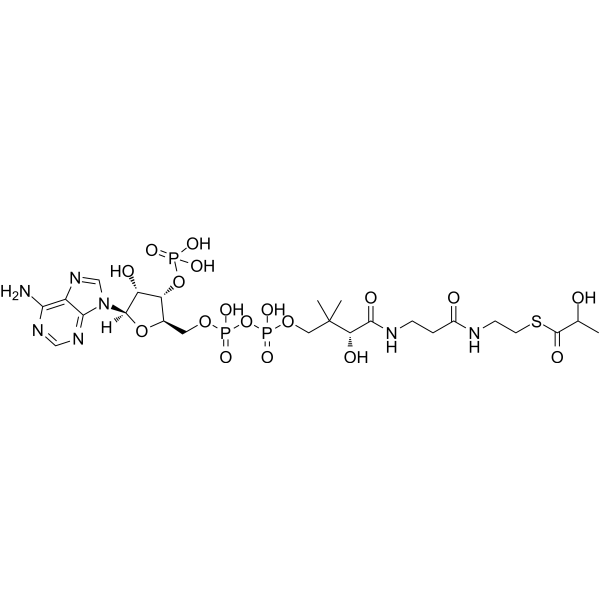
    Lactyl-CoA is an acyl-CoA formally condensed from the sulfhydryl group of CoA and the carboxyl group of lactic acid, also known as lactyl-CoA. Lactyl-CoA is essential for the biosynthesis of biodegradable and biocompatible lactic acid-based copolymers .
    Lactyl-CoA
  • HY-B1335
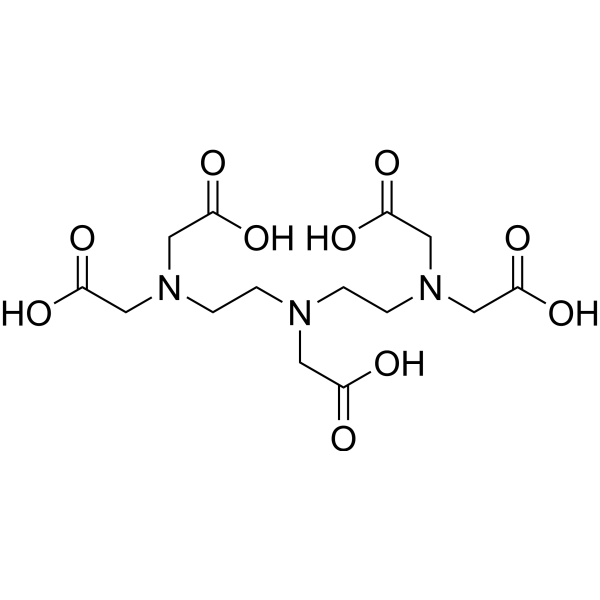
    Pentetic acid
    3 Publications Verification

    Diethylenetriaminepentaacetic acid; DTPA

    Environmental Pollutants Biochemical Assay Reagents Others
    Pentetic acid (Diethylenetriaminepentaacetic acid) is an orally active compound with biodegradability used to construct magnetic adsorbent, which can simultaneously remove heavy metal and dye from complex wastewater. Pentetic acid can form strong metal complexes, which prevents metal ions from catalysing the decomposition of peroxygen chemicals, especially hydrogen peroxide .
    Pentetic acid
  • HY-135969
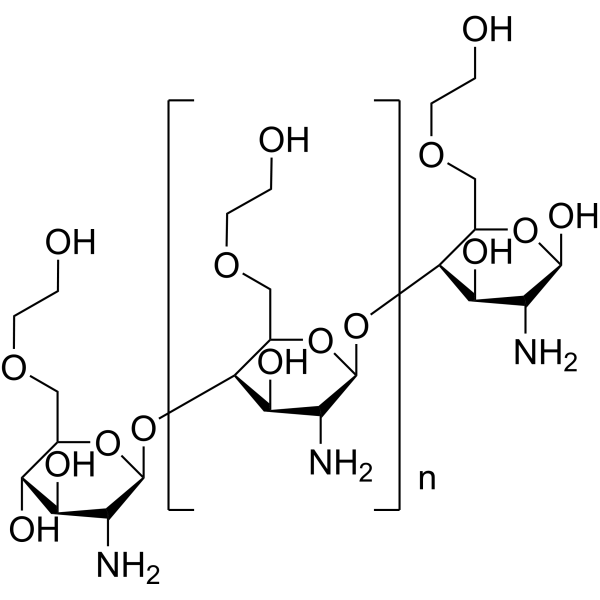
    Glycol chitosan
    3 Publications Verification

    Bacterial Infection
    Glycol chitosan is a chitosan derivative with ethylene glycol branches. Glycol chitosan enhances membrane permeability and leadkage in Glycine max Harosoy 63W cells. Glycol chitosan is biocompatible and biodegradable . Glycol chitosan inhibits E. coli, S. aureus and S. enteritidis growths with MIC values of 4 μg/mL, 32 μg/mL and <0.5 μg/mL, respectively .
    Glycol chitosan
  • HY-B2247A
    PLGA (75:25)
    Maximum Cited Publications
    6 Publications Verification

    poly(lactic-co-glycolic acid) (75:25)

    Biochemical Assay Reagents Others
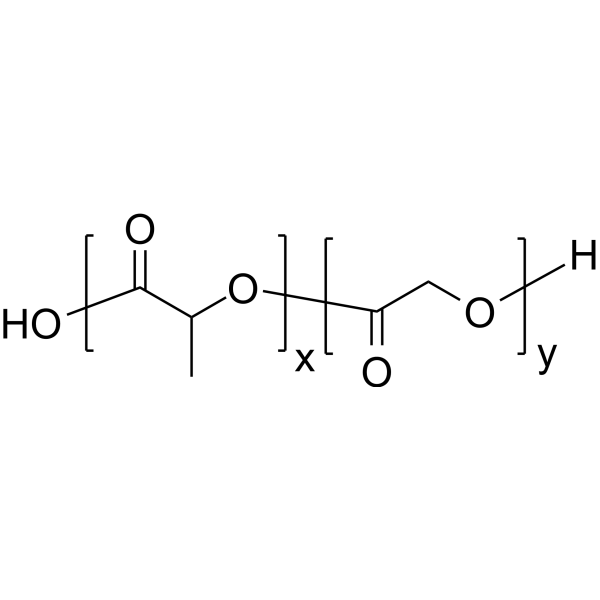
    PLGA (75:25) is a low toxicity, biocompatible and biodegradable controlled drug delivery carrier, can achieve slow release in the organism. PLGA (75:25) is a copolymer of 75% poly lactic acid (PLA) and 25% poly glycolic acid (PGA). PLGA (75:25) has been extensively studied as delivery vehicles for agents, proteins and various other macromolecules such as DNA, RNA and peptides .
    PLGA (75:25)
  • HY-Y0335

    Dihydroxyacetone

    Bacterial Antibiotic Drug Intermediate Infection
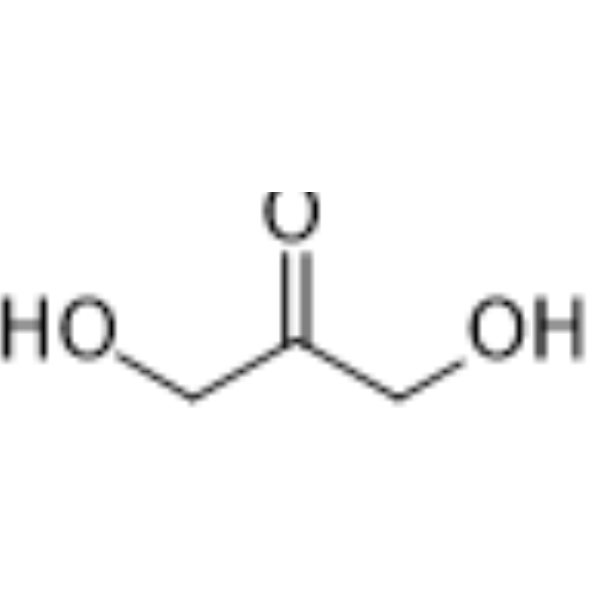
    1,3-Dihydroxyacetone (DHA), the main active ingredient in sunless tanning skin-care preparations and an important precursor for the synthesis of various fine chemicals, is produced on an industrial scale by microbial fermentation of glycerol (HY-B1659) in Gluconobacter oxydans. 1,3-Dihydroxyacetone is also used for synthesis of new biodegradable polymers by combining with lactic acid (HY-B2227) .
    1,3-Dihydroxyacetone
  • HY-Y0850

    Environmental Pollutants Biochemical Assay Reagents Neurological Disease
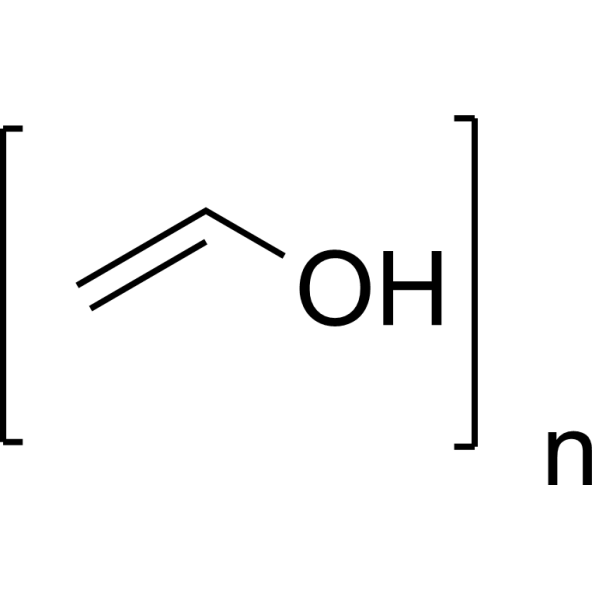
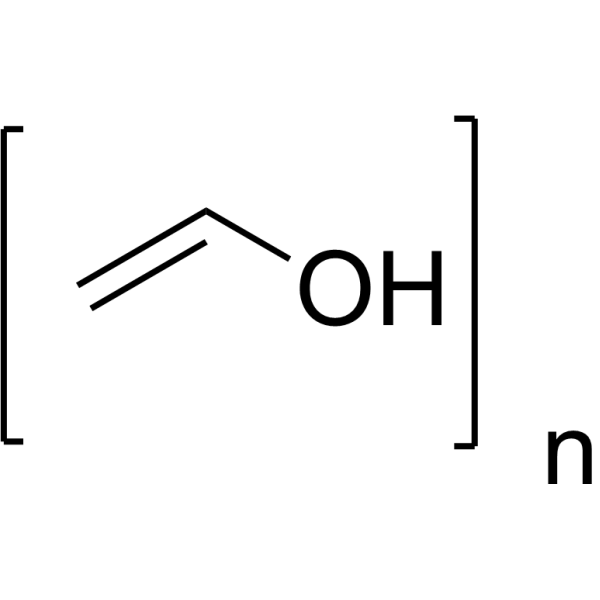
    Polyvinyl alcohol (Mw 146000-186000, 99+% hydrolyzed) is a non-biodegradable, hydrophilic, odorless biomedical polymer with cell adhesion/proliferation inhibition, peripheral nerve regeneration induction, dissolution enhancement, and non-toxic, biocompatible properties .
    Polyvinyl alcohol (Mw 146000-186000, 99+% hydrolyzed)
  • HY-B2144A
    Chitosan (MW 150000)
    2 Publications Verification

    Deacetylated chitin (MW 150000); Poly(D-glucosamine) (MW 150000)

    Environmental Pollutants Fungal Bacterial Infection Cancer
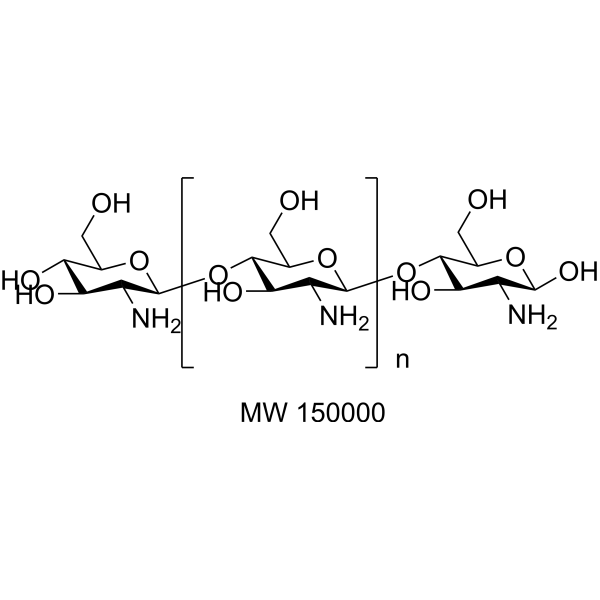
    Chitosan (MW 150000) (Deacetylated chitin (MW 150000)) is a polycationic linear polysaccharide derived from chitin with the molecular weight of 150000. Chitosan is an versatile biomaterial because of its non-toxicity, low allergenicity, biocompatibility and biodegradability. Chitosan also has antitumor, antibacterial, antifungal, and antioxidant activities .
    Chitosan (MW 150000)
  • HY-B2144B

    Deacetylated chitin (MW 30000); Poly(D-glucosamine) (MW 30000)

    Environmental Pollutants Bacterial Fungal Infection Cancer
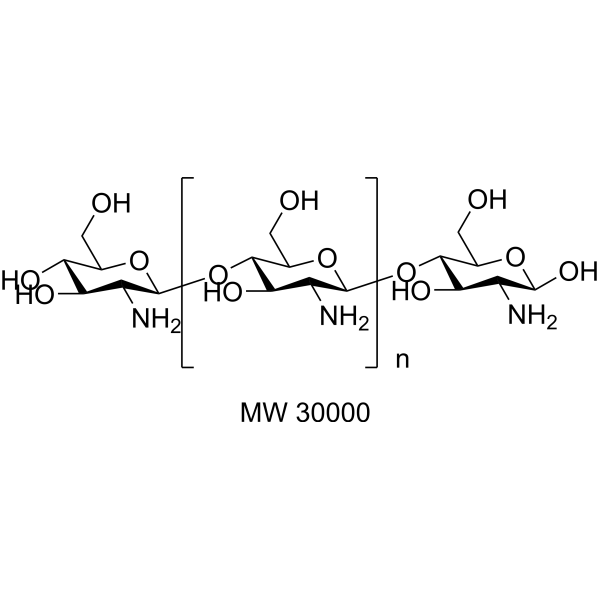
    Chitosan (MW 30000) (Deacetylated chitin (MW 30000)) is a polycationic linear polysaccharide derived from chitin with the molecular weight of 30000. Chitosan is an versatile biomaterial because of its non-toxicity, low allergenicity, biocompatibility and biodegradability. Chitosan also has antitumor, antibacterial, antifungal, and antioxidant activities .
    Chitosan (MW 30000)
  • HY-111830
    Lignin
    1 Publications Verification

    Lignine

    Environmental Pollutants Others
    Lignin (Lignine) is a natural complex biopolymer with biodegradable and biocompatible. Lignin is the main component of plant cell walls and is a renewable aromatic polymer. Lignin has strongly antioxidant activity .
    Lignin
  • HY-W763582

    Gelatin Methacryloyl, 30% methacrylation

    Biochemical Assay Reagents Others
    GelMA (Gelatin Methacryloyl), 30% methacrylation, is a derivative obtained by the reaction of Methacrylic anhydride (MA) (HY-W017330) and gelatin. GelMA exhibits excellent biocompatibility, biodegradability, and moldability. GelMA can be photocrosslinked into hydrogels and can be used for research in regeneration of tissues, such as skin, tendon, bone, cartilage, blood vessel, and cardiovascular system. GelMA hydrogel also can be used for research on drug delivery, organ-on-a-chip, and biosensing .
    GelMA, 30% methacrylation
  • HY-Y0850H

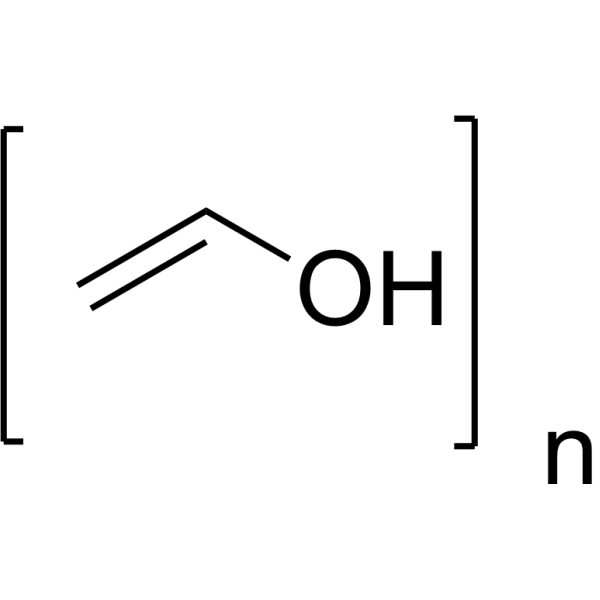
    PVA (Mw 89000-98000, 99+% hydrolyzed); Poly(Ethenol) (Mw 89000-98000, 99+% hydrolyzed)

    Environmental Pollutants Biochemical Assay Reagents Others
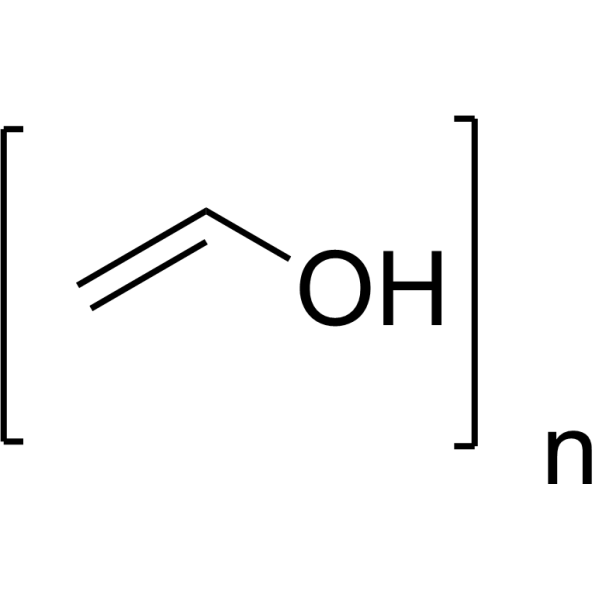
    Polyvinyl alcohol (Mw 89000-98000, 99+% hydrolyzed) also known as PVA, is a vinyl water-soluble polymer that can be used as a non-ionic surfactant. It can also be used as a biodegradable polymer and can be used in adhesives, coatings, textiles, ceramics and cosmetics .
    Polyvinyl alcohol (Mw 89000-98000, 99+% hydrolyzed)
  • HY-166198

    Drug Derivative Metabolic Disease
    9(Z)-Octadecenedioic acid is a C18 cutin monomer and marine biodegradation rate accelerator for biodegradable resins.9(Z)-Octadecenedioic acid is a structural analog of 9,10,16-trihydroxyhexadecanoic acid (HY-W992515) .
    9(Z)-Octadecenedioic acid
  • HY-Y0873A1

    Polyethylene glycol 100000

    Environmental Pollutants Biochemical Assay Reagents Others
    PEG100000 (Polyethylene glycol 100000) is a polymer compound with good biocompatibility and biodegradability, and is widely used in drug controlled release systems and bioadhesive materials .
    PEG100000
  • HY-113004

    Endogenous Metabolite Metabolic Disease
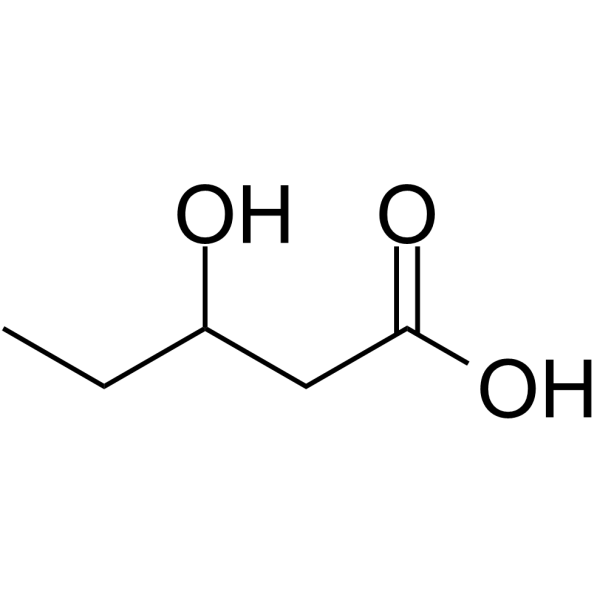
    3-Hydroxyvaleric acid is a five-carbon ketone body byproduct that can undergo an anaplerotic reaction to replenish the intermediates of the tricarboxylic acid cycle. 3-Hydroxyvaleric acid is one of the important monomers for the synthesis of polyhydroxyalkanoates (PHA). PHA is a type of biodegradable plastic that is widely used in environmentally friendly packaging, disposable products, and medical materials .
    3-Hydroxyvaleric acid
  • HY-B2221
    Cellulose
    1 Publications Verification

    Pectin glycosidase

    Environmental Pollutants Endogenous Metabolite Others Cancer
    Cellulose (Pectin glycosidase) is a natural high molecular weight polysaccharide found in many plants and organisms. It is widely used in manufacturing industries, such as in paper making, textiles, food and medicine, etc. As a renewable resource, Cellulose is biodegradable and sustainable, and can also be used to manufacture chemicals such as Cellulose Esters, Cellulose Acetate and Cellulose Nitrate. In addition, Cellulose is often used as a food additive to increase the stability and quality of food.
    Cellulose
  • HY-N8045

    Ricinolic acid methyl ester

    Biochemical Assay Reagents Others
    Methyl ricinoleate is a compound belonging to the group of fatty acid methyl esters. It is derived from ricinoleic acid, a monounsaturated omega-9 fatty acid found in castor oil. Methyl ricinoleate is often used as a reference compound for the analysis of fatty acid methyl esters by gas chromatography. It has also been investigated for its potential use as a biofuel and as an ingredient in the production of biodegradable plastics and surfactants.
    Methyl ricinoleate
  • HY-B0543

    Thiosinamine; N-Allylthiourea

    Reactive Oxygen Species (ROS) Cancer
    Allylthiourea can selectively inhibit the oxidation of ammonia. Allylthiourea is commonly used to inhibit nitrification by targeting ammonia monooxygenase and chelating copper in the active site to suppress its activity. Allylthiourea also exhibits anticancer activity, showing cytotoxicity against the MCF-7 cell line with an IC50 of 5.22 mM. Allylthiourea can be utilized in research related to micropollutant biodegradability and cancer studies .
    Allylthiourea
  • HY-B2144J

    Deacetylated chitin (≥90% deacetylated,viscosity 650-700 mPa.s); Poly(D-glucosamine) (≥90% deacetylated,viscosity 650-700 mPa.s)

    Environmental Pollutants Biochemical Assay Reagents Bacterial Fungal Infection Cancer
    Chitosan (Deacetylated chitin) (≥90% deacetylated, viscosity 650-700 mPa.s) is a polysaccharide obtained by deacetylating chitin, and exhibits antimicrobial activity against various bacteria and fungi. Chitosan (≥90% deacetylated, viscosity 650-700 mPa.s) can be used as a versatile biomaterial in drug delivery, tissue engineering, and wound healing .
    Chitosan (≥90% deacetylated,viscosity 650-700 mPa.s)
  • HY-W010981
    Acetyl tributyl citrate
    1 Publications Verification

    Tributyl O-acetylcitrate; ATBC

    Environmental Pollutants Biochemical Assay Reagents Others
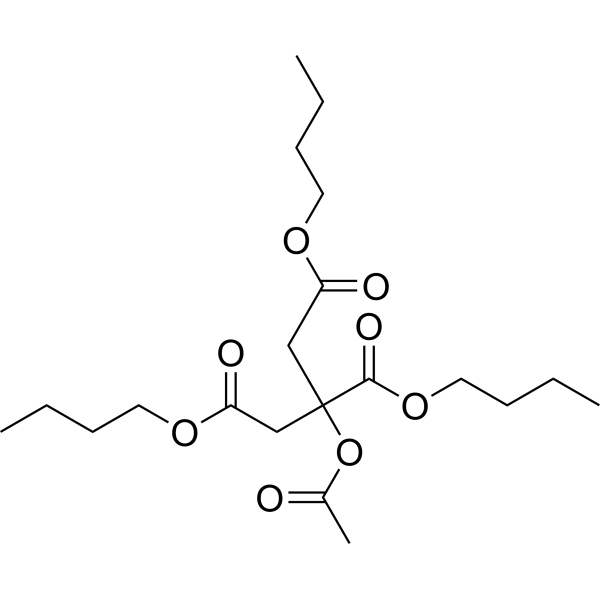
    Acetyl tributyl citrate (Tributyl O-acetylcitrate) is a pharmaceutical excipient and biodegradable hydrophobic plasticizer. Acetyl tributyl citrate can be used in cosmetics, food packaging, and as a flavoring substance for food .
    Acetyl tributyl citrate
  • HY-125870

    Agar substitute gelling agent, for cell culture

    Environmental Pollutants Biochemical Assay Reagents Inflammation/Immunology
    Gellan gum is a linear microbial exopolysaccharide that can be used as a cell scaffold for both soft tissue and load bearing applications. Gellan gum has many advantages such as biocompatibility, biodegradability, nontoxic in nature, and physical stability in the presence of cations .
    Gellan gum, for cell culture
  • HY-E70313

    Candida antarctica lipase B

    Biochemical Assay Reagents Others
    Lipase,Candida antarctica (Immobilized on hydrophilic carrier) (Candida antarctica lipase B) is a lipase derived from Candida antarctica and immobilized on a hydrophilic carrier. Lipase,Candida antarctica (Immobilized on hydrophilic carrier) is a green catalyst that can be used to catalyze polymer synthesis .
    Lipase,Candida antarctica (Immobilized on hydrophilic carrier)
  • HY-112624D

    Dextran 60; Dextran D60; Dextran T60(MW 54000-66000)

    Biochemical Assay Reagents Others
    Dextran T60 MW 60,000 (Dextran 60; Dextran D60; Dextran T60 MW 54000-66000) is a polymer of anhydroglucose with the average molecular weight of 60,000. Dextran T60 MW 60,000 exhibits good biodegradability and good biocompatibility, that is utilized in food, pharmaceutics, cosmetics, and research area .
    Dextran T60 (MW 60,000)
  • HY-W115746

    Ethyl cellulose N-200

    Environmental Pollutants Biochemical Assay Reagents Infection Cancer
    Ethyl cellulose is a derivative of cellulose. Ethyl cellulose is a non-toxic, biodegradable polymer. Ethyl cellulose has unique properties such as oil gel formation, active ingredient delivery and film formation. Ethyl cellulose can be used as a pharmaceutical excipient, such as a coating agent, flavoring agent, tablet filler, etc. Ethyl cellulose can be used to prepare nanoparticles for active compound delivery .
    Ethyl cellulose
  • HY-172358

    Biochemical Assay Reagents Others
    Water Soluble Silk Fibroin is a silk protein with biocompatibility and biodegradability. Water Soluble Silk Fibroin can be used for 3D bioprinting .
    Water soluble silk fibroin
  • HY-Y0873B1

    Polyethylene glycol 8000000

    Biochemical Assay Reagents Others
    PEG8000000 (Polyethylene glycol 8000000) is a polymer compound with good biocompatibility and biodegradability, and is widely used in drug controlled release systems and bioadhesive materials .
    PEG8000000
  • HY-Y0873A3

    Polyethylene glycol 1000000

    Biochemical Assay Reagents Others
    PEG1000000 (Polyethylene glycol 1000000) is a polymer compound with good biocompatibility and biodegradability, and is widely used in drug controlled release systems and bioadhesive materials .
    PEG1000000
  • HY-160429

    Drug Derivative Others
    PSAR18-COOH is a derivative of PSAR extracted from patent WO2009064913A1. PSAR is a highly hydrophilic, biodegradable, non-immunogenic and water-soluble polymer that has been employed in several delivery systems for drugs or diagnostics.
    PSAR18-COOH
  • HY-W134072

    Environmental Pollutants Endogenous Metabolite Biochemical Assay Reagents Bacterial Infection Others
    Tetrasodium glutamate diacetate (46% in water) is a biodegradable chelating agent that enhances antibacterial efficacy. Tetrasodium glutamate diacetate (46% in water) improves the antibacterial performance of multifunctional additives in cosmetic formulations. Tetrasodium glutamate diacetate (46% in water) acts as a chelating agent in cosmetic formulations .
    Tetrasodium glutamate diacetate (46% in water)
  • HY-112624T

    Dextran 7; Dextran D7; Dextran T7(MW 5600-8400)

    Biochemical Assay Reagents Others
    Dextran T7 (Dextran 7; Dextran D7) (MW 7,000) is a polymer of anhydroglucose with the average molecular weight of 7000. Dextran T7 (MW 7,000) exhibits good biodegradability and good biocompatibility, that is utilized in food, pharmaceutics, cosmetics, and research area .
    Dextran T7 (MW 7,000)
  • HY-112624N

    Dextran 200; Dextran D200; Dextran T200(MW 180000-220000)

    Biochemical Assay Reagents Others
    Dextran T200 (Dextran 200; Dextran D200) (MW 200,000) is a dehydrated glucose polymer with an average molecular weight of 200,000. Dextran T200 (MW 200,000) has excellent biodegradability and good biocompatibility, and can be used as a high-molecular-weight tracer and optical clearing agent .
    Dextran T200 (MW 200,000)
  • HY-112624M

    Dextran 150; Dextran D150; Dextran T150(MW 130000-170000)

    Biochemical Assay Reagents Others
    Dextran T150 (Dextran 150; Dextran D150) (MW 150,000) is a dehydrated glucose polymer with an average molecular weight of 150,000. Dextran T150 (MW 150,000) has excellent biodegradability and good biocompatibility, and can be used as a fluorescent labeling tracer and a high-molecular cross-linking agent .
    Dextran T150 (MW 150,000)
  • HY-112624Q

    Dextran 800; Dextran D800; Dextran T800(MW 750000-850000)

    Biochemical Assay Reagents Others
    Dextran T800 MW 800,000 (Dextran 800; Dextran D800; Dextran T800 MW 750000-850000) is a polymer of anhydroglucose with the average molecular weight of 800,000. Dextran T800 MW 800,000 exhibits good biodegradability and good biocompatibility, that is utilized in food, pharmaceutics, cosmetics, and research area .
    Dextran T800 (MW 800,000)
  • HY-112624U

    Dextran 20; Dextran D20; Dextran T20(MW 16000-24000)

    Biochemical Assay Reagents Others
    Dextran T20 (Dextran 20; Dextran D20) (MW 20,000) is a dehydrated glucose polymer with an average molecular weight of 20,000. Dextran T20 (MW 20,000) has excellent biodegradability and good biocompatibility, and can be used as a gene delivery vector, an immune adjuvant carrier, and a hemoglobin stabilizer .
    Dextran T20 (MW 20,000)
  • HY-W127758
    Alginic acid
    1 Publications Verification

    Histamine Receptor Apoptosis Autophagy Endogenous Metabolite Inflammation/Immunology Endocrinology
    Alginic acid is a natural polysaccharide, which has been widely concerned and applied due to its excellent water solubility, film formation, biodegradability and biocompatibility. Alginic acid induces oxidative stress-mediated hormone secretion disorder, apoptosis and autophagy in mouse granulosa cells and ovaries. Alginic acid has an inhibitory effect on histamine release. Anti-anaphylactic and anti-inflammatory properties .
    Alginic acid
  • HY-137428

    Environmental Pollutants Biochemical Assay Reagents Others
    (S,S)-EDDS is a stereoisomer of EDTA (HY-Y0682), and exhibits ability to chelate metal ions. (S,S)-EDDS exhibits good biodegradability in the environment, and can be used in environmental management and biotechnology .
    (S,S)-EDDS
  • HY-135057

    Lauramidopropyl betaine

    Biochemical Assay Reagents Others
    Lauroylamide propylbetaine (35% in water) (Lauramidopropyl betaine) is an ampholytic surfactant for cosmetic and hair compositions to enhance viscosity and has good biodegradability. Lauroylamide propylbetaine (35% in water) promotes CH4 hydrate formation by reducing the induction time and increasing the CH4 consumption rate for hydrate growth .
    Lauroylamide propylbetaine (35% in water)
  • HY-W392100A

    PCL-diol (MW 530)

    Biochemical Assay Reagents Fungal Infection
    Polycaprolactone diol (MW 530) (PCL-diol (MW 530)) is a poly (ε-caprolactone) diol with an average molecular weight of 530 g·mol −1, which serves as a monomer for biodegradable network elastic polyesters. Network polyester films undergo enzymatic hydrolysis by Rhizopus delemar lipase .
    Polycaprolactone diol (MW 530)
  • HY-148775A

    Biochemical Assay Reagents Others
    mPEG-PLGA (21500-26500) is a biodegradable polymer composed of methoxypolyethylene glycol (mPEG) and poly (lactic-co-glycolic acid) (PLGA). mPEG-PLGA (21500-26500) is applicable for drug delivery systems .
    mPEG-PLGA (21500-26500)
  • HY-N1446A
    Glycerol Monoleate
    Maximum Cited Publications
    60 Publications Verification

    Endogenous Metabolite Others
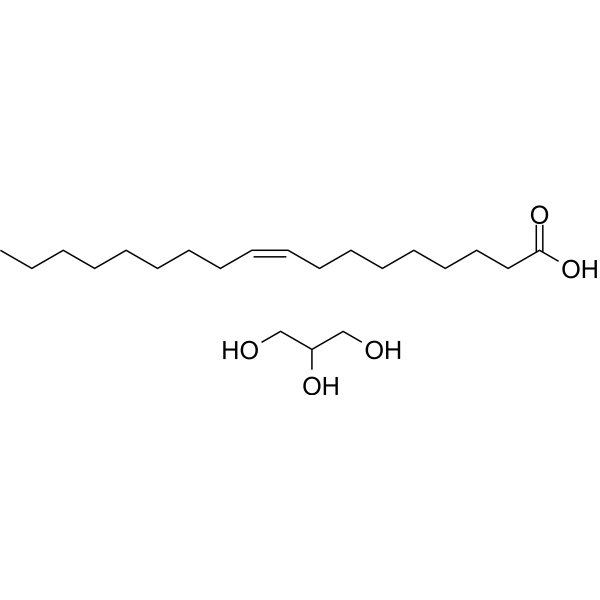
    Glycerol Monoleate is a non-toxic, biodegradable, biocompatible, lipophilic glycerol fatty acid ester. Glycerol Monoleate exhibits hemolytic properties. Glycerol Monoleate is combined with bile salts for use as an emulsifier and absorption enhancer. Glycerol Monoleate can be applied in drug delivery systems and in vitro siRNA delivery .
    Glycerol Monoleate
  • HY-158089
    PLGA-COOH (MW 80000) (LA/GA 50:50)
    1 Publications Verification

    Biochemical Assay Reagents Others
    PLGA-COOH (MW 80000) (LA/GA 50:50) is a copolymer composed of lactic acid (LA)-glycolic acid (GA) at a molar ratio of 50:50 and a terminal carboxyl group. PLGA-COOH (MW 80000) (LA/GA 50:50) is used in compound delivery systems due to its biocompatibility and biodegradability .
    PLGA-COOH (MW 80000) (LA/GA 50:50)
  • HY-W094695

    Biochemical Assay Reagents Others
    Starch soluble is a biodegradable, highly biocompatible hydrophilic biopolymer nanocarrier. Starch soluble forms complexes with iodine, acts on multiple bacterial targets, and improves the storage stability of iodine. Starch soluble enhances the solubility and dissolution rate of Gefitinib (HY-50895). Starch soluble can be used as a nanocarrier for relevant studies .
    Starch soluble
  • HY-W110542O

    PEGDA (MW 575),MEHQ as inhibitor

    Biochemical Assay Reagents Others
    Poly(ethylene glycol) diacrylate (PEGDA) (MW 575), MEHQ as inhibitor is a versatile polymer material that is widely used as a building material for hydrogel scaffolds, especially in the fields of tissue engineering and regenerative medicine. Poly(ethylene glycol) diacrylate (MW 575), MEHQ as inhibitor can be used for the synthesis of a class of biodegradable polymers .
    Poly(ethylene glycol) diacrylate (MW 575),MEHQ as inhibitor
  • HY-W392100B

    PCL-diol (MW 2000)

    Biochemical Assay Reagents Others
    Polycaprolactone diol (MW 2000) (PCL-diol (MW 2000)) can be used as a precursor of biodegradable and bioabsorbable polycaprolactone .
    Polycaprolactone diol (MW 2000)
  • HY-W392100C

    PCL-diol (MW 10000)

    Biochemical Assay Reagents Others
    Polycaprolactone diol (MW 10000) (PCL-diol (MW 10000)) can be used as a precursor of biodegradable and bioabsorbable polycaprolactone .
    Polycaprolactone diol (MW 10000)
  • HY-Y0873A5

    Polyethylene glycol 200000

    Biochemical Assay Reagents Others
    PEG200000 (Polyethylene glycol 200000) is a polymer compound with good biocompatibility and biodegradability, and is widely used in drug controlled release systems and bioadhesive materials .
    PEG200000
  • HY-Y0873A8

    Polyethylene glycol 5000000

    Biochemical Assay Reagents Others
    PEG5000000 (Polyethylene glycol 5000000) is a polymer compound with good biocompatibility and biodegradability, and is widely used in drug controlled release systems and bioadhesive materials .
    PEG5000000
  • HY-158229

    HepMA

    Biochemical Assay Reagents Others
    Heparin Methacrylate (HepMA) is methacrylated heparin and is an ideal tissue engineering scaffold material and 3D printing bioink . Heparin Methacrylate needs to self-assemble into fibrous hydrogel under the action of photoinitiator LAP (HY-44076), and target bioactive adhesion sites, play an inherent supporting role for tissue cells and biodegradable activity.
    Application: cell culture, biological 3D printing, tissue engineering, etc.
    Heparin Methacrylate
  • HY-B2144I

    Deacetylated chitin (≥90% deacetylated,viscosity 10 mPa.s); Poly(D-glucosamine) (≥90% deacetylated,viscosity 10 mPa.s)

    Environmental Pollutants Biochemical Assay Reagents Bacterial Fungal Infection Cancer
    Chitosan (Deacetylated chitin) (≥90% deacetylated,viscosity 10 mPa.s) is a polysaccharide obtained by deacetylating chitin, and exhibits antimicrobial activity against various bacteria and fungi. Chitosan (≥90% deacetylated,viscosity 10 mPa.s) can be used as a versatile biomaterial in drug delivery, tissue engineering, and wound healing .
    Chitosan (≥90% deacetylated,viscosity 10 mPa.s)

Inquiry Online

Your information is safe with us. * Required Fields.

Salutation


Country or Region *

Applicant Name *


Organization Name *

Department *


Email Address *


Product Name *

Cat. No.


Requested quantity *

Phone Number *


Remarks

Inquiry Online

Inquiry Information

Product Name:
Cat. No.:
Quantity:
MCE Japan Authorized Agent:

