
1. Search Result
Search Result
Results for "

CA1

" in MedChemExpress (MCE) Product Catalog:

49

Inhibitors & Agonists

3

Peptides

4

Natural
Products

2

Recombinant Proteins

1

Isotope-Labeled Compounds

5

Antibodies

4

Oligonucleotides

Cat. No. Product Name Target Research Areas Chemical Structure
  • HY-B0764
    Bucladesine sodium
    Maximum Cited Publications
    41 Publications Verification

    Dibutyryl CAMP sodium; DBCAMP sodium

    PKA Reactive Oxygen Species (ROS) Apoptosis Neurological Disease Inflammation/Immunology Cancer
    Bucladesine (Dibutyryl cAMP; DBcAMP) sodium is a membrane-permeable 3′, 5′-cyclic adenosine monophosphate (cAMP) analog. Bucladesine selectively activates cAMP dependent protein kinase (PKA) by increasing the intracellular level of cAMP. Bucladesine significantly attenuates MDMA-induced increases in hippocampal mitochondrial ROS formation, mitochondrial outer membrane damage, cytochrome c release, and hippocampal ADP/ATP ratio, thereby improving spatial learning and memory impairments. Bucladesine exhibit anti-nociceptive and anti-inflammation effect. Bucladesine can inhibit cancer cells proliferation, induce apoptosis. Bucladesine can be used for the researches of neurological disease, cancer, inflammation [1] .
    Bucladesine sodium
  • HY-B1424
    Benzthiazide
    2 Publications Verification

    Carbonic Anhydrase Cardiovascular Disease Cancer
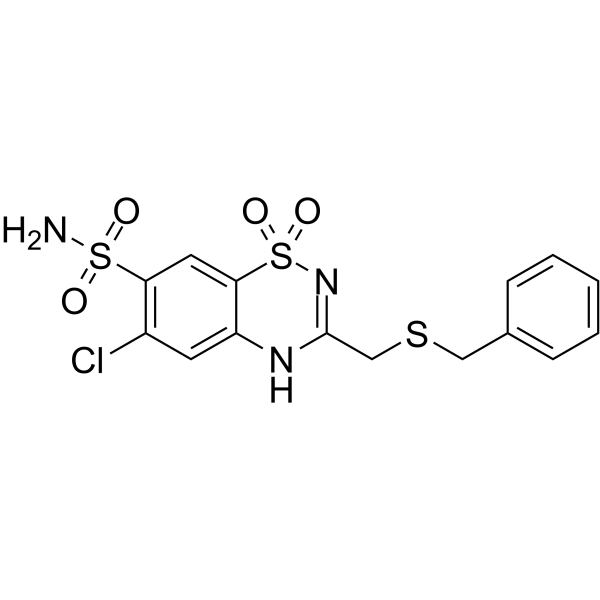
    Benzthiazide is a long-acting diuretic [1] and a hypertension agent. Benzthiazide is an inhibitor of carbonic anhydrase 9 (CA9), with Kis of 8.0, 8.8 and 10 nM for CA9, CA2 and CA1, respectively. Benzthiazide also suppresses proliferation of cancer cells .
    Benzthiazide
  • HY-10932
    Aniracetam
    1 Publications Verification

    Ro 13-5057

    nAChR iGluR Neurological Disease
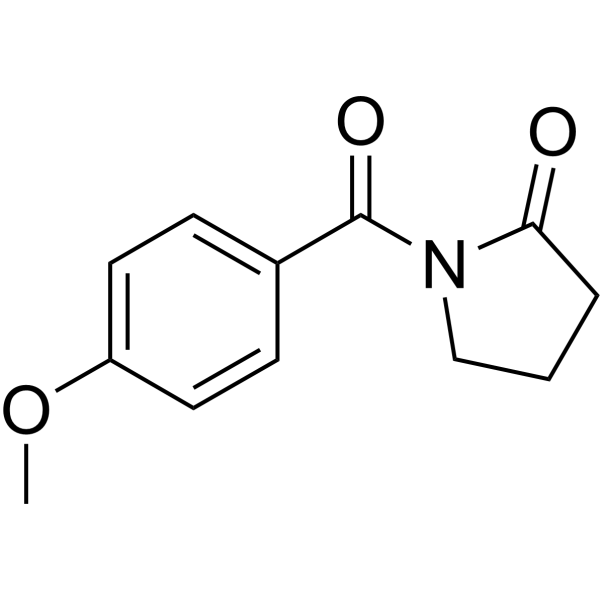
    Aniracetam (Ro 13-5057) is an orally active neuroprotective agent, possessing nootropics effects. Aniracetam potentiates the ionotropic quisqualate (iQA) responses in the CA1 region of rat hippocampal slices. Aniracetam also potentiates the excitatory post synaptic potentials (EPSPs) in Schaffer collateral-commissural synapses. Aniracetam can prevents the CO2-induced impairment of acquisition in hypercapnia model rats. Aniracetam can be used to research cerebral dysfunctional disorders [1] .
    Aniracetam
  • HY-B1154
    Penbutolol sulfate
    1 Publications Verification

    (-)-Terbuclomine

    Adrenergic Receptor 5-HT Receptor Neurological Disease
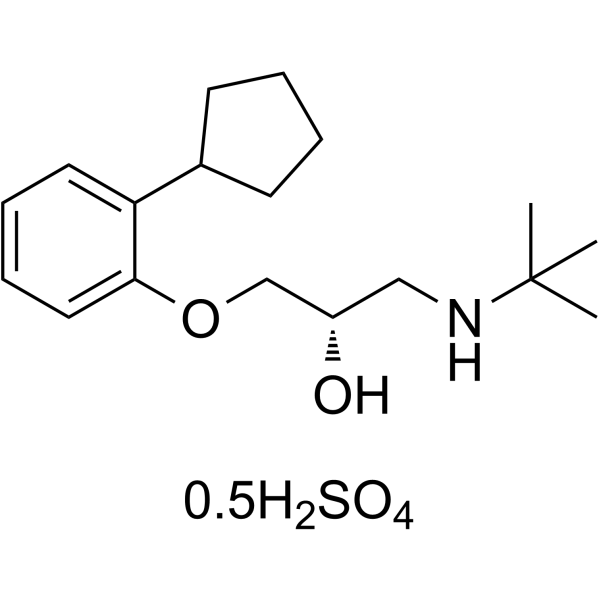
    Penbutolol sulfate ((-)-Terbuclomine) is a potent β-adrenoceptor and 5-HT receptor antagonist with Ki of 11.6 nM and 11.9 nM for 5-HT in rat cornu ammonis 1 (CA1) and human CA3 [1] .
    Penbutolol sulfate
  • HY-N2183
    Baimaside
    3 Publications Verification

    Quercetin 3-O-sophoroside

    SARS-CoV Infection Neurological Disease
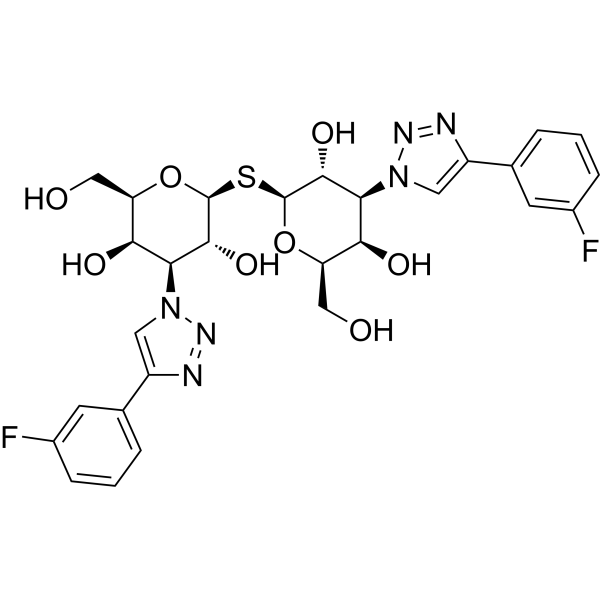
    Baimaside (Quercetin 3-O-sophoroside) is a flavonoid cholinergic function modulator that binds to SARS-CoV-2-related targets. Baimaside regulates the expression of cholinergic system-related proteins and acetylcholine levels, improves scopolamine-induced learning and memory impairment, protects hippocampal neurons, inhibits pollen protein fluorescence, and protects pollen DNA. Its biosynthesis is regulated by multiple enzymes. Baimaside is completely absorbed in rats, undergoes phase Ⅱ metabolism and gut microbiota decomposition, and inhibits the invasion and proliferation of SARS-CoV-2 and its variants, making it suitable for research related to Alzheimer's disease and COVID-19 [1] .
    Baimaside
  • HY-101955A

    (2R,6R)-HNK hydrochloride

    Drug Metabolite Neurological Disease
    (2R,6R)-Hydroxynorketamine ((2R,6R)-HNK) hydrochloride is an active ketamine metabolite with no NMDAR binding activity. (2R,6R)-Hydroxynorketamine hydrochloride rescues impaired dorsal hippocampal long-term potentiation and restores robust long-term potentiation in the hippocampal SC-CA1 pathway. (2R,6R)-Hydroxynorketamine hydrochloride can be used for research on depression [1].
    (2R,6R)-Hydroxynorketamine hydrochloride
  • HY-107111

    mAChR Neurological Disease
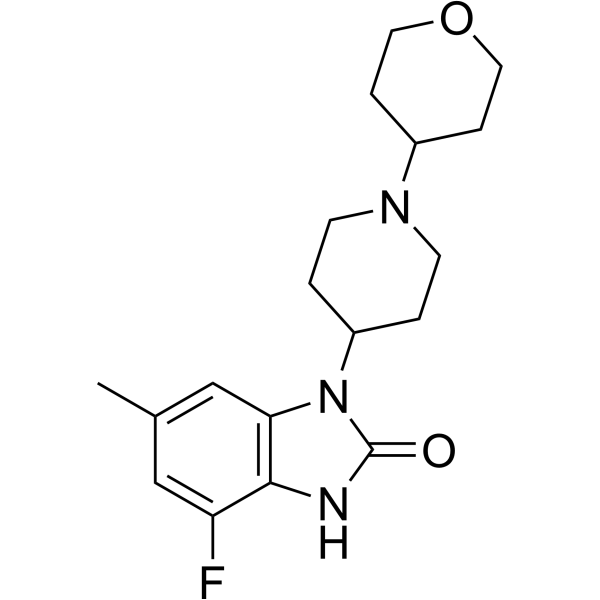
    GSK1034702 is an orally active and allosteric agonist of M1 mAChR (pEC50=8.1) that can cross the blood-brain barrier. GSK1034702 activates the Gq/11 protein-mediated signaling pathway, enhancing neuronal firing and long-term potentiation (LTP) in the CA1 region of the hippocampus. GSK1034702 can modulate hippocampal function, improve memory encoding in the nicotine withdrawal cognitive dysfunction model, and show pro-cognitive effects in rodents. GSK1034702 can be used for the study of the mechanisms of cognitive impairment diseases such as Alzheimer's disease, and has certain peripheral M receptor activation-related side effects (such as gastrointestinal reactions) [1] .
    GSK1034702
  • HY-100606

    (-)-Pindolol; (S)-(-)-Pindolol; S-Pindolol

    5-HT Receptor Adrenergic Receptor Neurological Disease
    l-Pindolol ((-)-pindolol) is a reversible, competitive and orally active 5-HT1A/1B antagonist. l-Pindolol is a partial β-adrenoceptor agonist. l-Pindolol can be used for the research of neurological disease [1] .
    l-Pindolol
  • HY-157786

    Sodium Channel Neurological Disease
    XPC-5462 is a selective NaV1.6/1.2 inhibitor, with an IC50 of 0.0103 μM against hNaV1.6, 0.0137 μM against mNaV1.6, and 0.0109 μM against hNaV1.2. XPC-5462 significantly reduces epileptiform discharges. XPC-5462 is applicable for epilepsy-related research [1].
    XPC-5462
  • HY-176550

    Sodium Channel Neurological Disease
    ASIC1a antagonist-1 (Compound 5b) is an orthosteric noncompetitive Acid sensing ion channels 1a (ASIC1a) antagonist with an IC50 of 27 nM (pH 6.7). ASIC1a antagonist-1 shifts pH dependence of ASIC1a activation and inhibits its maximal evoked response. ASIC1a antagonist-1 completely inhibits long-term potentiation (LTP) induction in CA3-CA1 pathway. ASIC1a antagonist-1 can be used for brain diseases and pathologies research [1].
    ASIC1a antagonist-1
  • HY-164288

    TDI-006570

    Cyclic GMP-AMP Synthase STING Neurological Disease Inflammation/Immunology
    TDI-6570 (TDI-006570) is a blood-brain barrier-permeable, orally active cGAS inhibitor with an IC50 of 1.64 μM. TDI-6570 exhibits high gastrointestinal absorption and a long brain half-life in mice, and shows no toxicity to primary neurons. By inhibiting the cGAS-STING-IFN signaling pathway, TDI-6570 reduces STING levels and the activation of TBK1, blocks double-stranded DNA-induced cGAS activation and downstream interferon-stimulated gene expression, thereby reducing tau protein spread and improving synaptic loss. TDI-6570 reverses memory deficits, increases the amplitude of long-term potentiation, enhances the MEF2C transcriptional network, restores PSD-95 and vGAT punctate structures, and significantly improves cognitive resilience. TDI-6570 can be applied to the research of Alzheimer's disease, Parkinson's disease, systemic lupus erythematosus, as well as various central nervous system and autoimmune diseases [1] .
    TDI-6570
  • HY-116790
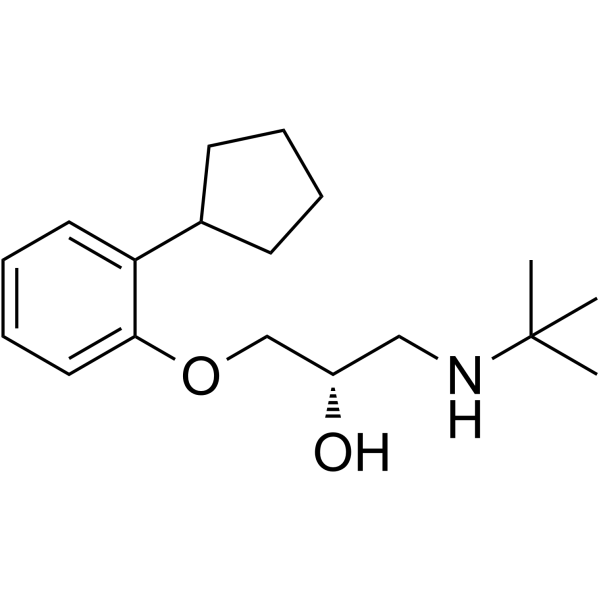
    (-)-Penbutolol
    1 Publications Verification

    (S)-Penbutolol; (-)-Isopenbutolol

    Adrenergic Receptor 5-HT Receptor Neurological Disease
    (-)-Penbutolol ((S)-Penbutolol) is a potent β-adrenoceptor and 5-HT receptor antagonist with Ki values of 11.6 nM and 11.9 nM for 5-HT in rat cornu ammonis 1 (CA1) and human CA3 [1] .
    (-)-Penbutolol
  • HY-N5130

    Others Neurological Disease
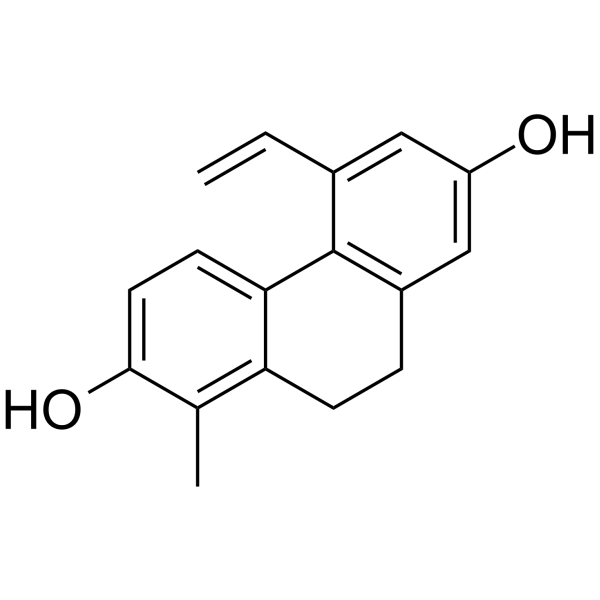
    Effusol, a phenolic constituent from Juncus effuses, exhibits potent scavenging activity for DPPH and ABTS radicals, with IC50 values of 79 μM and 2.73 μM, respectively. Effusol rescues CA1 LTP attenuated by corticosterone, defending the hippocampal function against stress-induced cognitive decline [1].
    Effusol
  • HY-P3914

    Oct-CA(1-7)M(2-9)

    Bacterial Infection
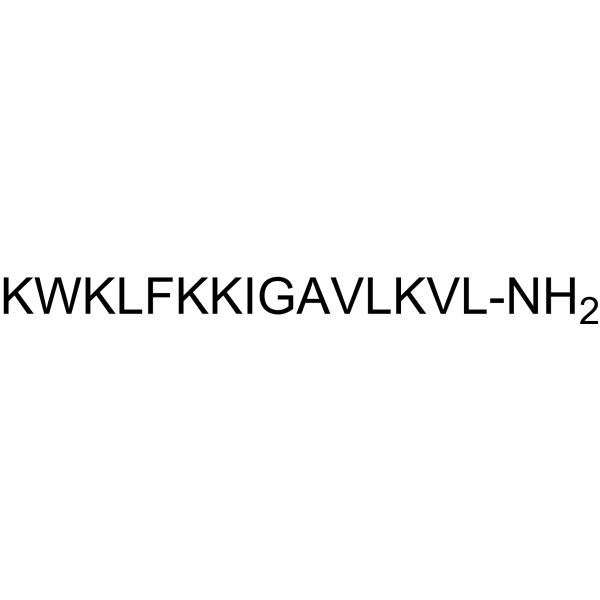
    Cecropin A (1-7)-Melittin A (2-9) is an antimicrobial peptide with antimicrobial activity against a broad spectrum of Gram-positive and Gram-negative aerobic bacteria, as well as antimalarial activity, without the adverse hemolytic properties of bee venom peptides [1].
    Cecropin A (1-7)-Melittin A (2-9)
  • HY-106784A

    Fungal Apoptosis Neurological Disease
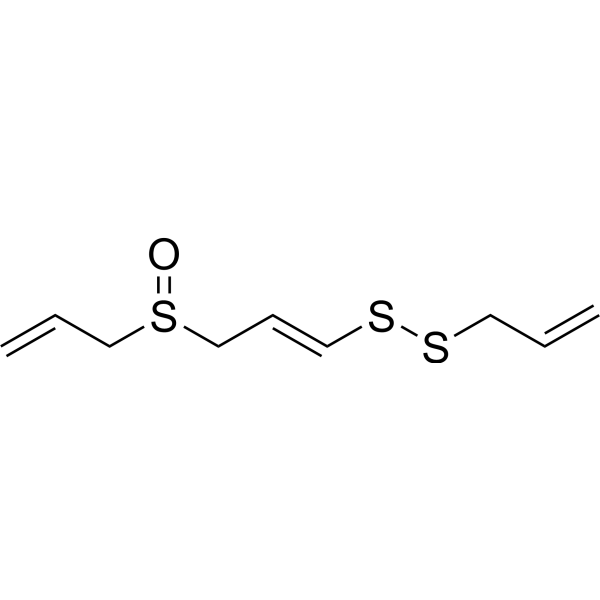
    (E)-Ajoene is a oxygenated ajoene and organosulfur compound, which can be acquired via allicin decomposing. The polysulfides from garlic can be converted by human red blood cells into hydrogen sulfide (H2S) and allyl glutathione. (E)-Ajoene has been proved to show neuroprotective effects against ischemic damage. (E)-Ajoene is orally active to inhibit lipid peroxidation. (E)-Ajoene increases the number of cresyl violet-positive neurons and decreases the number of reactive gliosis in the CA1 region [1] .
    (E)-Ajoene
  • HY-P1387

    Amyloid-β Apoptosis Neurological Disease
    β-Amyloid (1-40) (rat) is a rat form of the amyloid β-peptide, which accumulates as an insoluble extracellular deposit around neurons, giving rise to the senile plaques associated with Alzheimer's disease (AD). β-Amyloid (1-40) (rat) increases 45Ca 2+ influx, induces neurodegeneration in the rat hippocampal neurons of the CA1 subfield. β-Amyloid (1-40) (rat) induces apoptosis. β-Amyloid (1-40) (rat) can be used for the research of Alzheimer's disease [1] .
    β-Amyloid (1-40) (rat)
  • HY-136980

    Asp-Glu

    Endogenous Metabolite Neurological Disease
    Aspartylglutamate (Asp-Glu) is a dipeptide that exhibits excitatory activity, as it has been shown to depolarize CA1 pyramidal neurons and increase conductance in response to stimulation. Aspartylglutamate selectively binds to certain glutamate receptors and demonstrates potent effects in specific regions of the hippocampus, particularly in the stratum radiatum where it enhances excitatory neurotransmission.
    Aspartylglutamate
  • HY-P4397

    Oxytocin Receptor Endocrinology
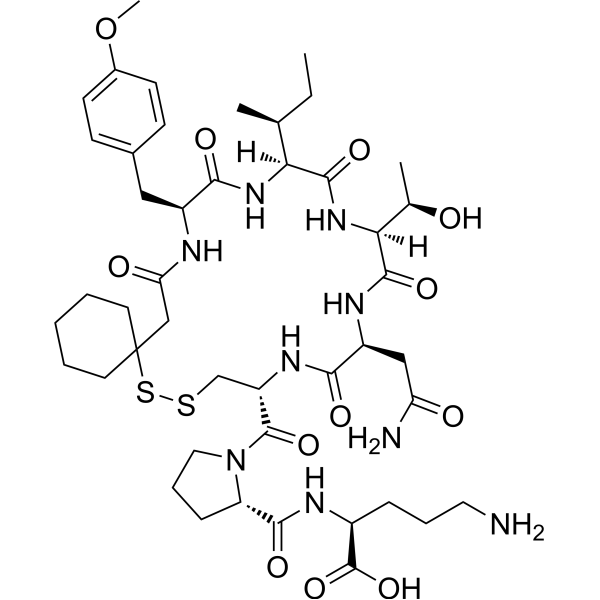
    (d(CH2)51,Tyr(Me)2,Thr4,Orn8,des-Gly-NH29)-Vasotocin, an oxytocin receptor antagonist, abolishes oxytocin-enhanced inhibitory postsynaptic currents in CA1 pyramidal neurons [1].
    (d(CH2)51,Tyr(Me)2,Thr4,Orn8,des-Gly-NH29)-Vasotocin
  • HY-106865

    Dopamine Receptor Adrenergic Receptor Cardiovascular Disease
    Mivazerol is a selective α2-adrenoceptor agonist. Mivazerol decreases the spontaneous release of serotonin (5-HT) and significantly inhibits the immobilization stress-induced enhancement of norepinephrine (NE), dopamine (DA) and dihydroxyphenylacetic acid (DOPAC). Mivazerol inhibits intrathecal release of glutamate evoked by halothane withdrawal in rats, and exerts neuroprotective effects in forebrain ischemia rats. Mivazerol can be used for myocardial ischemia research [1] .
    Mivazerol
  • HY-RS01762

    Small Interfering RNA (siRNA) Others

    CA1 Human Pre-designed siRNA Set A contains three designed siRNAs for CA1 gene (Human), as well as a negative control, a positive control, and a FAM-labeled negative control.

    CA1 Human Pre-designed siRNA Set A
    CA1 Human Pre-designed siRNA Set A
  • HY-RS12372

    Small Interfering RNA (siRNA) Others

    S100A10 Human Pre-designed siRNA Set A contains three designed siRNAs for S100A10 gene (Human), as well as a negative control, a positive control, and a FAM-labeled negative control.

    S100A10 Human Pre-designed siRNA Set A
    S100A10 Human Pre-designed siRNA Set A
  • HY-16147

    Oxi4503; CA1P; Combretastatin A1 diphosphate

    Microtubule/Tubulin Cancer
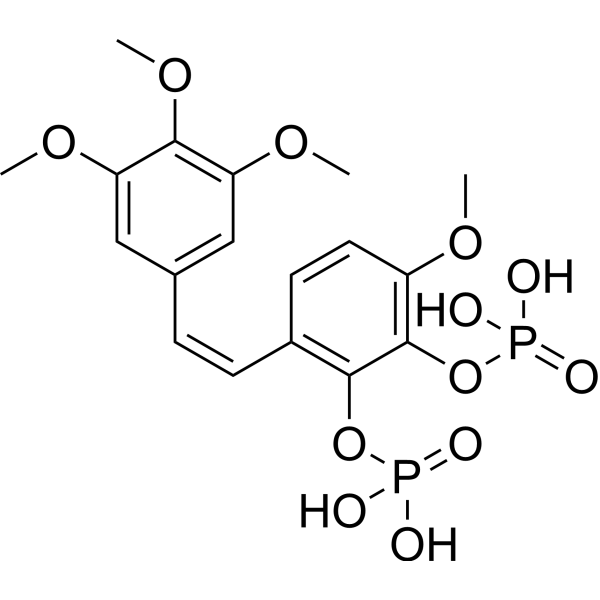
    Combretastatin A1 phosphate (Oxi4503) is a potent vascular disruptive agent. Combretastatin A1 phosphate exerts anti-angiogenic effects on tumors. Combretastatin A1 phosphate has the potential for the research of pancreatic neuroendocrine tumors [1] .
    Combretastatin A1 phosphate
  • HY-124985

    mGluR Neurological Disease
    VU6010608 is a blood-brain barrier-crossing mGlu7 negative allosteric modulator (IC50 = 0.76 μM). VU6010608 can block long-term enhancement (LTP) of SC-CA1 synapses in mouse brain slices induced by high-frequency stimulation. VU6010608 can be used for research on neurological diseases [1].
    VU6010608
  • HY-B0764R

    Dibutyryl CAMP sodium (Standard); DBCAMP sodium (Standard)

    Reference Standards PKA Reactive Oxygen Species (ROS) Apoptosis Neurological Disease Inflammation/Immunology Cancer
    Bucladesine (Dibutyryl cAMP; DBcAMP) sodium (Standard) is the analytical standard of Bucladesine sodiumn (HY-B0764). This product is intended for research and analytical applications. Bucladesine is a membrane-permeable 3′, 5′-cyclic adenosine monophosphate (cAMP) analog. Bucladesine selectively activates cAMP dependent protein kinase (PKA) by increasing the intracellular level of cAMP. Bucladesine significantly attenuates MDMA-induced increases in hippocampal mitochondrial ROS formation, mitochondrial outer membrane damage, cytochrome c release, and hippocampal ADP/ATP ratio, thereby improving spatial learning and memory impairments. Bucladesine exhibit anti-nociceptive and anti-inflammation effect. Bucladesine can inhibit cancer cells proliferation, induce apoptosis. Bucladesine can be used for the researches of neurological disease, cancer, inflammation [1] .
    Bucladesine sodium (Standard)
  • HY-103502
    CGP7930
    1 Publications Verification

    GABA Receptor Neurological Disease
    CGP7930 (3-(3’,5’-Di-tert-butyl-4’-hydroxy) phenyl-2, 2-dimethylpropanol) is a positive metabotropic GABAB receptor allosteric modulator. CGP7930 enhances the inhibitory effect of l-baclofen on the oscillatory activity of cultured cortical neurons [1].
    CGP7930
  • HY-135525

    Dopamine Receptor Adrenergic Receptor Neurological Disease Inflammation/Immunology
    Agroclavine acts as an agonist of the D1-dopamine receptor and α1-adrenergic receptor. Agroclavine enhances the sensitivity of the brain to magnetic fields; it impairs spatial memory without affecting hippocampal long-term potentiation (LTP). Agroclavine exerts bidirectional regulatory effects on immune activity: it enhances NK cell activity with low toxicity under normal conditions, while it inhibits NK cell activity and exhibits significant cardiac and hepatic toxicity under stress conditions. Agroclavine can be used for research on neuroelectrophysiology, learning and memory, and immunoregulation [1] .
    Agroclavine
  • HY-14477

    PARP Neurological Disease
    UPF-1035 is a selective PARP-2 inhibitor with an IC50 value of 0.15 μM. UPF-1035 increases CA1 pyramidal cell loss in hippocampal and has neuroprotective activity [1].
    UPF-1035
  • HY-177573

    GABA Receptor Neurological Disease
    Cholesteryl γ-aminobutyrate is a γ-aminobutyric acid (GABA)-mimetic prodrug. Cholesteryl γ-aminobutyrate inhibits the orthodromically-evoked discharge of pyramidal cells in the CA1 region of the hippocampus. Cholesteryl γ-aminobutyrate suppresses the open-field activity of mice and rats in a dose-dependent manner and inhibits Bicuculline (HY-N0219)-induced seizures in mice. Cholesteryl γ-aminobutyrate can be used for the study of CNS diseases related to impaired GABAergic neuronal function [1].
    Cholesteryl γ-aminobutyrate
  • HY-10932R

    Ro 13-5057 (Standard)

    Reference Standards nAChR iGluR Neurological Disease
    Aniracetam (Standard) is the analytical standard of Aniracetam. This product is intended for research and analytical applications. Aniracetam (Ro 13-5057) is an orally active neuroprotective agent, possessing nootropics effects. Aniracetam potentiates the ionotropic quisqualate (iQA) responses in the CA1 region of rat hippocampal slices. Aniracetam also potentiates the excitatory post synaptic potentials (EPSPs) in Schaffer collateral-commissural synapses. Aniracetam can prevents the CO2-induced impairment of acquisition in hypercapnia model rats. Aniracetam can be used to research cerebral dysfunctional disorders [1] .
    Aniracetam (Standard)
  • HY-100843

    Others Neurological Disease
    L-AP6 is a selective agonist for a quisqualate-sensitized site in hippocampal CA1 pyramidal neurons [1].
    L-AP6
  • HY-10049

    Neurokinin Receptor Neurological Disease Inflammation/Immunology
    CP 122721 is an orally active NK1 receptor antagonist. CP 122721 attenuates cisplatin-induced vomiting in ferrets (ID50: 0.08 mg/kg). CP 122721 inhibits kainate (KA)-induced seizure activity and CA1 neuronal cell death in rats. CP 122721 is useful in the study of depression, asthma, and irritable bowel syndrome (IBS) [1] .
    CP 122721
  • HY-139145

    Trimethylopropane phosphate

    GABA Receptor Neurological Disease
    Etbicyphat (Trimethylopropane phosphate) is a potent GABA(A) receptors competitive antagonist. Etbicyphat induces epileptiform activities in hippocampal CA1 neurons, and binds to the GABA(A)-benzodiazepine receptors [1].
    Etbicyphat
  • HY-139145S

    Trimethylopropane phosphate-13C3

    GABA Receptor Neurological Disease
    Etbicyphat- 13C3 is the 13C labeled Etbicyphat (HY-139145). Etbicyphat is a potent GABA(A) receptors competitive antagonist. Etbicyphat induces epileptiform activities in hippocampal CA1 neurons, and binds to the GABA(A)-benzodiazepine receptors [1] .
    Etbicyphat-13C3
  • HY-116143

    MAGL Metabolic Disease
    SAR127303 is an orally active, selective, competitive monoacylglycerol lipase (MAGL) covalent inhibitor with IC50s of 3.8 nM and 29 nM for mouse and human MAGL, respectively. SAR127303 potently elevates hippocampal levels of 2-AG in mice. SAR127303 decreased long term potentiation (LTP) of CA1 synaptic transmission and acetylcholine release in the hippocampus. SAR127303 produces antinociceptive effects in assays of inflammatory and visceral pain. SAR127303 slows down epileptogenesis [1].
    MAGL-IN-12
  • HY-B1154R

    (-)-Terbuclomine (Standard)

    Reference Standards Adrenergic Receptor 5-HT Receptor Neurological Disease
    Penbutolol (sulfate) (Standard) is the analytical standard of Penbutolol (sulfate). This product is intended for research and analytical applications. Penbutolol sulfate ((-)-Terbuclomine) is a potent β-adrenoceptor and 5-HT receptor antagonist with Ki of 11.6 nM and 11.9 nM for 5-HT in rat cornu ammonis 1 (CA1) and human CA3 [1] .
    Penbutolol sulfate (Standard)
  • HY-B1424R

    Carbonic Anhydrase Reference Standards Cardiovascular Disease Cancer
    Benzthiazide (Standard) is the analytical standard of Benzthiazide. This product is intended for research and analytical applications. Benzthiazide is a long-acting diuretic [1] and a hypertension agent. Benzthiazide is an inhibitor of carbonic anhydrase 9 (CA9), with Kis of 8.0, 8.8 and 10 nM for CA9, CA2 and CA1, respectively. Benzthiazide also suppresses proliferation of cancer cells .
    Benzthiazide (Standard)
  • HY-107111A

    Cholinesterase (ChE) mAChR Neurological Disease
    GSK1034702 hydrochloride is an orally active and allosteric agonist of M1 mAChR (pEC50=8.1) that can cross the blood-brain barrier. GSK1034702 hydrochloride activates the Gq/11 protein-mediated signaling pathway, enhancing neuronal firing and long-term potentiation (LTP) in the CA1 region of the hippocampus. GSK1034702 hydrochloride can modulate hippocampal function, improve memory encoding in the nicotine withdrawal cognitive dysfunction model, and show pro-cognitive effects in rodents. GSK1034702 hydrochloride can be used for the study of the mechanisms of cognitive impairment diseases such as Alzheimer's disease, and has certain peripheral M receptor activation-related side effects (such as gastrointestinal reactions) [1] .
    GSK1034702 hydrochloride
  • HY-117578

    Endogenous Metabolite Neurological Disease
    KB 5666 is a benzoxazine derivative with lipid peroxidation inhibitory activity. KB 5666 showed protective effects against post-ischemic neuronal death. KB 5666 effectively protected CA1 neurons when injected 5 minutes before or immediately after ischemia. KB 5666 also showed a dose-dependent protective effect when injected within 1 hour after ischemia. KB 5666 effectively prevented the significant decrease in microtubule-associated protein 2 immunoreactivity within the dendritic field of CA1 pyramidal cells. KB 5666 prevented the decrease in [3H]PDBu binding activity in different layers of the CA1 region after ischemia. The application of KB 5666 showed the ability to improve the cellular and functional consequences of ischemia [1].
    KB 5666
  • HY-RS01905

    Small Interfering RNA (siRNA) Others

    Car1 Mouse Pre-designed siRNA Set A contains three designed siRNAs for Car1 gene (Mouse), as well as a negative control, a positive control, and a FAM-labeled negative control.

    Car1 Mouse Pre-designed siRNA Set A
    Car1 Mouse Pre-designed siRNA Set A
  • HY-116431

    Prostaglandin Receptor Cardiovascular Disease Neurological Disease
    I-BOP is an agonist for thromboxane A2 receptor (TP) with a KD of 0.61 nM. I-BOP promotes proliferation through activation of PI3K pathway in vascular smooth muscle [1]. I-BOP dose-dependently biphasicly affects the excitatory postsynaptic potential (e.p.s.p.) in hippocampal neurons .
    I-BOP
  • HY-168320

    N-(1-Oxooctadecyl)-L-tyrosine

    Apoptosis Neurological Disease
    N-Stearoyltyrosine (N-(1-Oxooctadecyl)-L-tyrosine) is an analog of Anandamide (HY-10863). N-Stearoyltyrosine exhibits neuroprotective efficacy in gerbils ischemia-reperfusion model through protection in the CA1 region of the hippocampus. N-Stearoyltyrosine inhibits the free radicals production and improves antioxidant capacity. N-Stearoyltyrosine inhibits the IR-induced apoptosis [1].
    N-Stearoyltyrosine
  • HY-170558

    FLT3 Apoptosis Cancer
    FW-1 is a type I inhibitor for FLT3 with IC50 of ca. 1 μM. FW-1 exhibits cytotoxicity in FLT3 mutated AML cell. FW-1 arrests the cell cycle at G0/G1 phase, and induces apoptosis in cell MV4-11 and MOLM-13 [1].
    FW-1
  • HY-174269

    HIV Infection
    HIV Capsid-IN-2 (Compound IC-2b4) is a potent HIV-1 capsid protein (CA) inhibitor. HIV Capsid-IN-2 shows inhibitory effects against both HIV-1 (EC50=0.08 μM) and HIV-2. HIV Capsid-IN-2 exerts inhibitory effects during both early and late stages of infection by directly and stably binding to HIV-1 CA .
    HIV Capsid-IN-2
  • HY-107111R

    Reference Standards mAChR Neurological Disease
    GSK1034702 (Standard) is the analytical standard of GSK1034702 (HY-107111). This product is intended for research and analytical applications. GSK1034702 is an orally active and allosteric agonist of M1 mAChR (pEC50=8.1) that can cross the blood-brain barrier. GSK1034702 activates the Gq/11 protein-mediated signaling pathway, enhancing neuronal firing and long-term potentiation (LTP) in the CA1 region of the hippocampus. GSK1034702 can modulate hippocampal function, improve memory encoding in the nicotine withdrawal cognitive dysfunction model, and show pro-cognitive effects in rodents. GSK1034702 can be used for the study of the mechanisms of cognitive impairment diseases such as Alzheimer's disease, and has certain peripheral M receptor activation-related side effects (such as gastrointestinal reactions) [1] .
    GSK1034702 (Standard)
  • HY-159870

    Biochemical Assay Reagents Others
    E12CA1A3 is a lipid transfection reagent that boosts the delivery efficiency of mRNA [1].
    E12CA1A3
  • HY-182548

    GABA Receptor Sodium Channel iGluR Cardiovascular Disease Neurological Disease
    BTS 72664 is a broad-spectrum, non-sedating, orally effective anticonvulsant. Its anticonvulsant effect mainly arises from enhancing GABAA receptor (GABAA receptor)-mediated chloride channel currents, while it exerts weak blocking effects on Na + channels (Ki = 350 μM) and NMDA receptors (NMDA receptor) (IC50 = 43 μM). BTS 72664 prevents the elevation of extracellular glutamate, glycine and serine concentrations in neurons, reduces cerebral infarct size, promotes functional recovery, prevents multiple types of epileptic seizures, and has low sedative potential. BTS 72664 can be used for the research of epilepsy, stroke and migraine [1].
    BTS 72664
  • HY-Y0282

    NSC 77384; Sanibrom 40

    Environmental Pollutants Neurological Disease
    Sodium bromide (NSC 77384; Sanibrom 40) is a GABA-ergic system modulator that crosses the blood-brain barrier, and it effectively reduces and blocks epileptiform discharges. Sodium bromide exerts significant anticonvulsant effects by enhancing GABA-ergic inhibitory functions, such as increasing the amplitude of inhibitory postsynaptic currents and paired-pulse inhibition. Sodium bromide specifically enhances stimulation-induced extracellular alkalosis without affecting baseline pH or subsequent acidosis processes. Sodium bromide exhibits species-specific pharmacokinetic characteristics, competes with chloride ions for renal tubular reabsorption sites, and serves as a marker for extracellular fluid volume. Sodium bromide can be used in the research of epilepsy and related neurological diseases [1] .
    Sodium bromide
  • HY-15080

    LY 293606

    iGluR Cardiovascular Disease Neurological Disease
    GYKI 53405 is a non-competitive, orally active AMPA receptor antagonist. GYKI 53405 shows no significant binding affinity for GABAA, GABAB or benzodiazepine receptors. GYKI 53405 increases self-grooming behavior, induces wet dog-like shakes, reduces spontaneous activity, produces anxiolytic-like behavior, reverses the anxiogenic effect induced by mCPP, inhibits locomotor activity, suppresses sound-induced and maximal electroshock-induced seizures, prolongs survival in global cerebral ischemia models, and exhibits sustained anticonvulsant effects at doses below the sedation threshold. GYKI 53405 can be used in research related to absence epilepsy, anxiety disorders and global cerebral ischemia [1] .
    GYKI 53405
  • HY-183101

    iGluR NADPH Oxidase Neurological Disease
    AMPAR modulator-12 is a blood-brain barrier-permeable AMPAR positive allosteric modulator. AMPAR modulator-12 reduces NOX-1 expression, enhances AMPAR-mediated currents, promotes excitatory postsynaptic transmission and restores AMPAR function. AMPAR modulator-12 enhances excitatory and inhibitory synaptic transmission, reduces burst firing in the lateral habenula after withdrawal, and produces rapid and sustained antidepressant-like effects. AMPAR modulator-12 is applicable for the research of depression [1].
    AMPAR modulator-12

Inquiry Online

Your information is safe with us. * Required Fields.

Salutation


Country or Region *

Applicant Name *


Organization Name *

Department *


Email Address *


Product Name *

Cat. No.


Requested quantity *

Phone Number *


Remarks

Inquiry Online

Inquiry Information

Product Name:
Cat. No.:
Quantity:
MCE Japan Authorized Agent:

