
1. Search Result
Search Result
Results for "

CD11b+

" in MedChemExpress (MCE) Product Catalog:

41

Inhibitors & Agonists

7

Inhibitory Antibodies

6

Isotope-Labeled Compounds

8

Antibodies

4

Oligonucleotides

Cat. No. Product Name Target Research Areas Chemical Structure
  • HY-122218
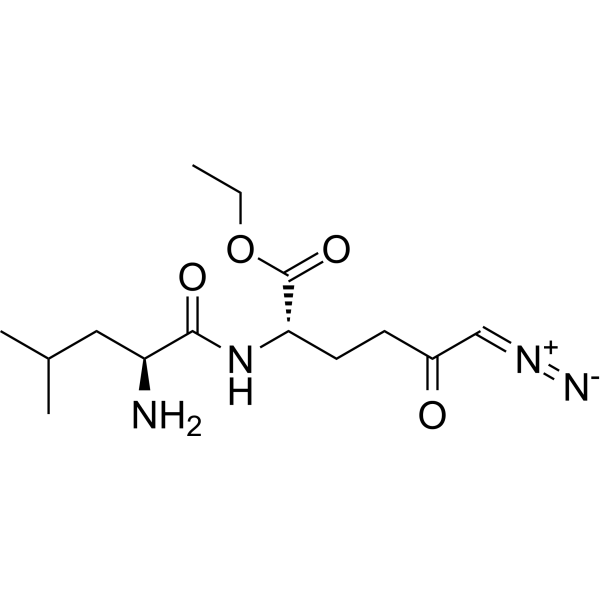
    JHU-083
    5+ Cited Publications

    Glutaminase Neurological Disease
    JHU-083, a proagent of 6-diazo-5-oxo-L-norleucine (DON; HY-108357), is an orally active and selective glutaminase antagonist. JHU-083 blocks glutaminase activity in brain CD11b + cells and experimental cerebral malaria (ECM) resulting in a net decrease of glutamate levels in the animals .
    JHU-083
  • HY-15701B
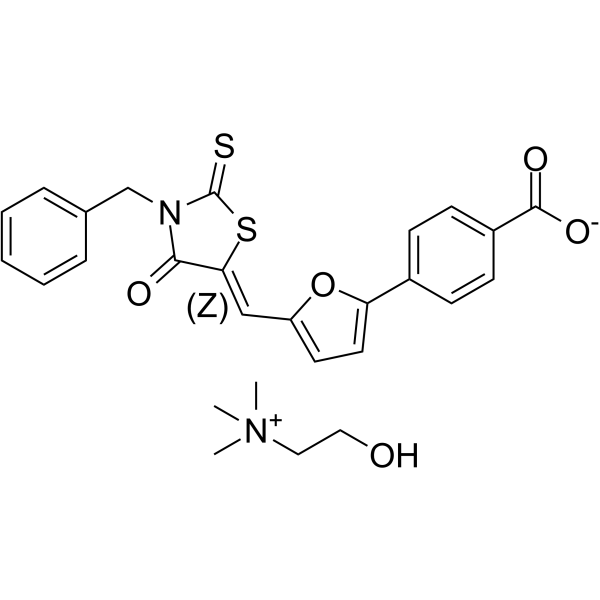
    ADH-503
    2 Publications Verification

    (Z)-Leukadherin-1 choline

    Complement System Cancer
    ADH-503 ((Z)-Leukadherin-1 choline) is an orally active and allosteric CD11b agonist. ADH-503 leads to the repolarization of tumor-associated macrophages, reduction in the number of tumor-infiltrating immunosuppressive myeloid cells, and enhances dendritic cell responses .
    ADH-503
  • HY-14648R
    Dexamethasone (Standard)
    Maximum Cited Publications
    356 Publications Verification

    Hexadecadrol(Standard); Prednisolone F (Standard)

    Reference Standards Exosomes Glucocorticoid Receptor SARS-CoV Autophagy Complement System Mitophagy Bacterial Antibiotic ADC Payload Infection Inflammation/Immunology Endocrinology Cancer
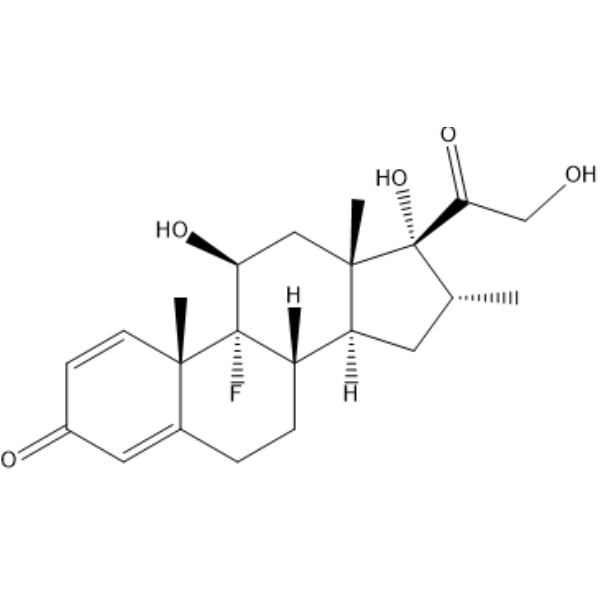
    Dexamethasone (Standard) is the analytical standard of Dexamethasone. This product is intended for research and analytical applications. Dexamethasone (Hexadecadrol) is a glucocorticoid receptor agonist. Dexamethasone also significantly decreases CD11b, CD18, and CD62L expression on neutrophils, and CD11b and CD18 expression on monocytes. Dexamethasone is highly effective in the control of COVID-19 infection. Dexamethasone inhibits production of exosomes containing inflammatory microRNA-155 in lipopolysaccharide-induced macrophage inflammatory responses.
    Dexamethasone (Standard)
  • HY-15701
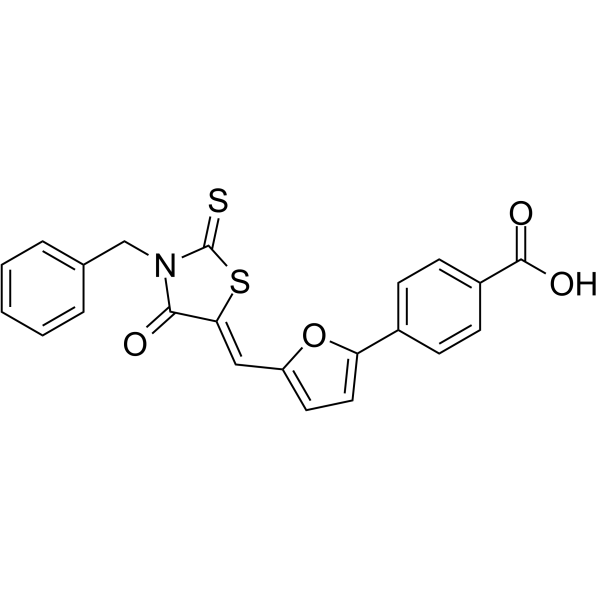
    Leukadherin-1
    5+ Cited Publications

    Integrin Complement System Inflammation/Immunology
    Leukadherin-1, a specific agonist of the leukocyte surface integrin CD11b/CD18, increases CD11b/CD18-dependent cell adhesion to fibrinogen with an EC50 of 4 μM. Leukadherin-1 enhances leukocyte adhesion to ligands (such as ICAM-1) and vascular endothelium and thus reduces leukocyte transendothelial migration and influx to the injury sites. Leukadherin-1 suppresses innate inflammatory signaling .
    Leukadherin-1
  • HY-W009123

    cis-13-Docosenamide

    Endogenous Metabolite Bacterial Infection Neurological Disease
    Erucamide is an orally active, blood-brain barrier-permeable TMEM19 ligand and T3SS inhibitor. Erucamide exerts retinal neuroprotective effects in mouse models of retinal degeneration. Erucamide attenuates depression- and anxiety-like behaviors in mice.\n\nErucamide binds to the conserved hydrophobic pocket in HrcC, disrupts its outer membrane localization, and blocks T3SS-mediated effector protein secretion in Gram-negative pathogenic bacteria. Erucamide enhances the antimicrobial immunity of plants against pathogenic bacteria. Erucamide can be used in research related to retinitis pigmentosa, anxiety and depression, bacterial wilt, and bacterial blight .
    Erucamide
  • HY-120878
    CXCR2-IN-2
    1 Publications Verification

    CXCR Inflammation/Immunology
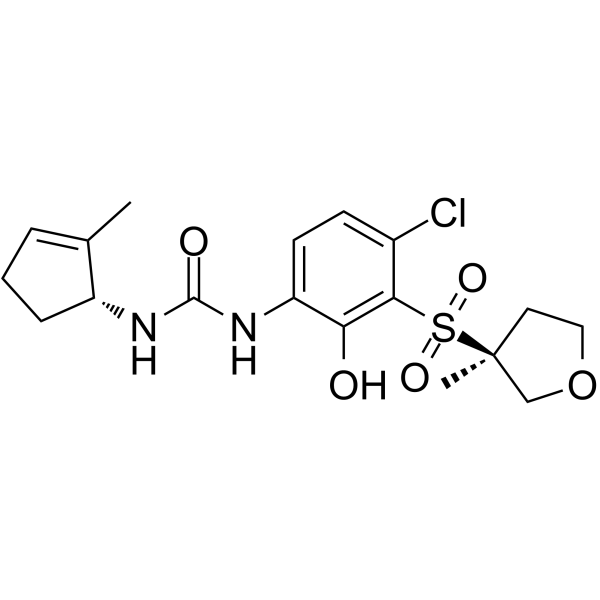
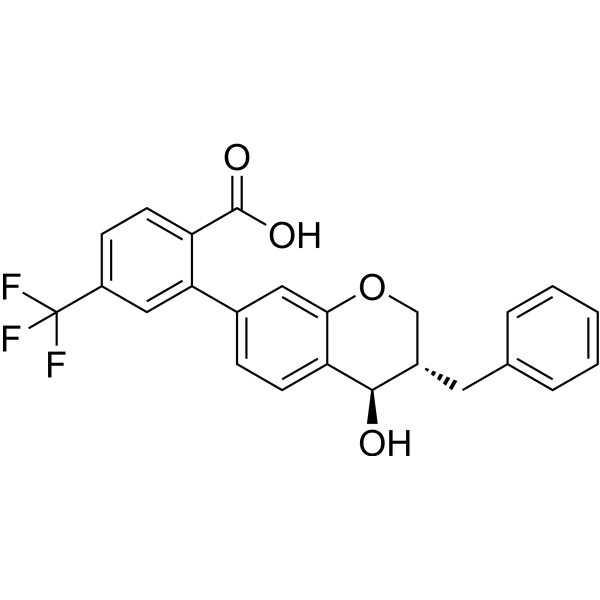
    CXCR2-IN-2 is a selective, brain penetrant, and orally bioavailable CXCR2 antagonist (IC50=5.2 nM/1 nM in β-arrestin assay/CXCR2 Tango assay, respectively). CXCR2-IN-2 displays ~730-fold selectivity over CXCR1 and >1900-fold selectivity over all other chemokine receptors. CXCR2-IN-2 inhibits human whole blood Gro-α induced CD11b expression with an IC50 of 0.04 μM .
    CXCR2-IN-2
  • HY-160229

    R-1075 sodium

    Toll-like Receptor (TLR) MyD88 Caspase Reactive Oxygen Species (ROS) Autophagy Pyroptosis HIV Infection Neurological Disease
    ssRNA40 sodium (R-1075 sodium) is a single-stranded RNA40 derived from HIV-1. ssRNA40 sodium activates the TLR7, TLR8, TLR2, RIG-I, MDA5, MyD88, Caspase-3, IRE1α, NLRP3 inflammasome and IRF7 signaling pathways. ssRNA40 sodium alters mRNA expression in neutrophils, induces pro-inflammatory cytokines, ROS, autophagy (autophagy), pyroptosis (pyroptosis), neuronal death, neurodegeneration, aggregate formation and NK cell activation. ssRNA40 sodium activates the expression of CD62L, CD11b, CD69, MX1, OAS1, ATG7, LC3B and XBP1 in immune cell and neuronal populations. ssRNA40 sodium causes cortical neuron loss and axonal damage in mice in a TLR7-dependent manner. ssRNA40 sodium can be used in research on HIV-1 infection, neurodegeneration, COVID-19 and HIV-associated neurological disorders .
    ssRNA40 sodium
  • HY-14648S

    Hexadecadrol-d5; Prednisolone F-d5

    Exosomes Glucocorticoid Receptor SARS-CoV Autophagy Complement System Mitophagy Bacterial Antibiotic Infection Inflammation/Immunology Endocrinology Cancer
    Dexamethasone-d5 is the deuterium labeled Dexamethasone. Dexamethasone (Hexadecadrol) is a glucocorticoid receptor agonist. Dexamethasone also significantly decreases CD11b, CD18, and CD62L expression on neutrophils, and CD11b and CD18 expression on monocytes. Dexamethasone is highly effective in the control of COVID-19 infection. Dexamethasone inhibits production of exosomes containing inflammatory microRNA-155 in lipopolysaccharide-induced macrophage inflammatory responses .
    Dexamethasone-d5
  • HY-135750
    VAF347
    3 Publications Verification

    Aryl Hydrocarbon Receptor Inflammation/Immunology
    VAF347 is a cell permeable and highly affinity aryl hydrocarbon receptor (AhR) agonist and induces AhR signaling. VAF347 inhibits the development of CD14 +CD11b + monocytes from granulo-monocytic (GM stage) precursors. VAF347 has anti-inflammatory effects .
    VAF347
  • HY-141677

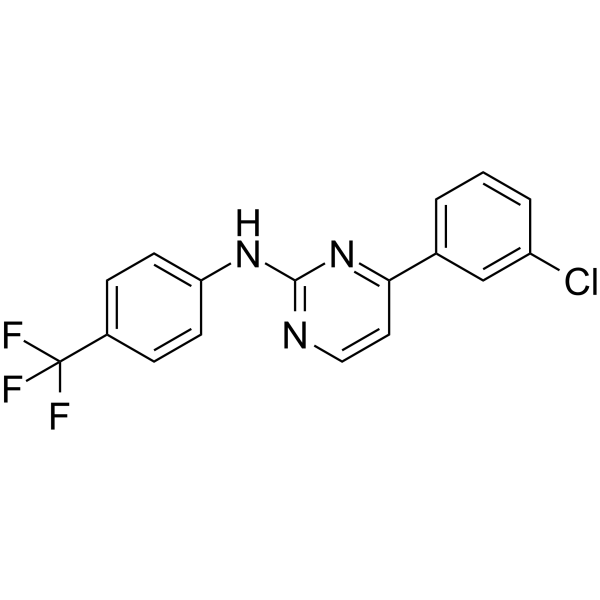
    Histone Demethylase Cancer
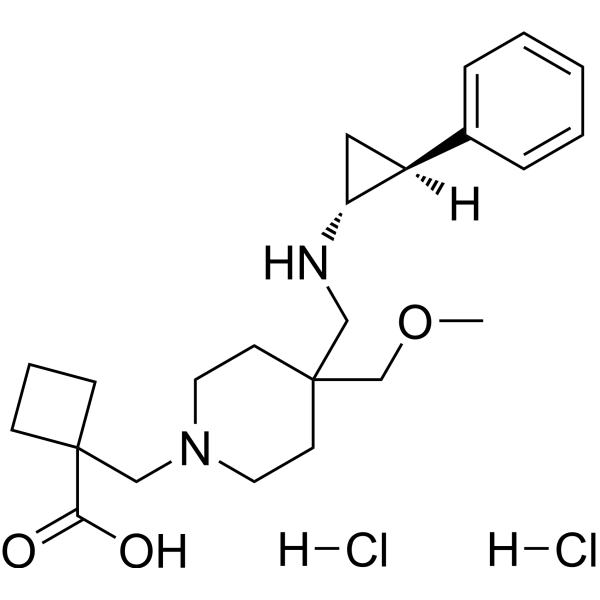
    INCB059872 is a potent, orally active, selective and irreversible Lysine-Specific Demethylase 1 (LSD1) inhibitor that achieves inhibitory activity through the formation of covalent FAD-adducts. INCB059872 can inhibit cell proliferation and induce cell differentiation by upregulating the expression of myeloid differentiation markers CD86 and CD11b. INCB059872 can be used for the research of myeloid leukemia .
    INCB059872
  • HY-14648AR

    Dexamethasone 21-acetate (Standard); Hexadecadrol acetate (Standard)

    Reference Standards Exosomes Glucocorticoid Receptor Autophagy Mitophagy Bacterial SARS-CoV Antibiotic Complement System ADC Payload Inflammation/Immunology Endocrinology Cancer
    Dexamethasone acetate (Standard) is the analytical standard of Dexamethasone acetate. This product is intended for research and analytical applications. Dexamethasone acetate (Dexamethasone 21-acetate) is a glucocorticoid receptor agonist. Dexamethasone also significantly decreases CD11b, CD18, and CD62L expression on neutrophils, and CD11b and CD18 expression on monocytes. Dexamethasone is highly effective in the control of COVID-19 infection. Dexamethasone inhibits production of exosomes containing inflammatory microRNA-155 in lipopolysaccharide-induced macrophage inflammatory responses.
    Dexamethasone acetate (Standard)
  • HY-18263C

    SB-656933 tosylate

    CXCR Interleukin Related Inflammation/Immunology
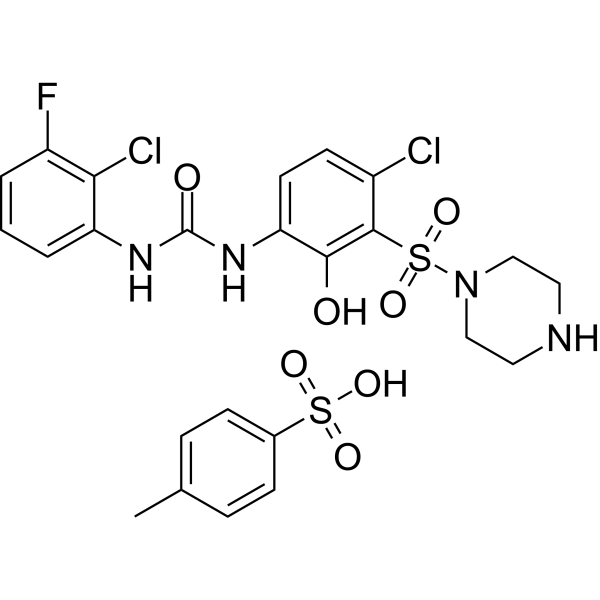
    Elubrixin tosylate (SB-656933 tosylate) is a potent, selective, competitive, reversible and orally active CXCR2 antagonist and an IL-8 receptor antagonist. Elubrixin tosylate inhibits neutrophil CD11b upregulation (IC50 of 260.7 nM) and shape change (IC50 of 310.5 nM). Elubrixin tosylate has the potential for inflammatory diseases research, such as inflammatory bowel disease and airway inflammation .
    Elubrixin tosylate
  • HY-P99121

    Integrin Inflammation/Immunology Cancer
    Anti-Mouse/Human CD11b Antibody (M1/70) is an anti-mouse CD11b IgG2b monoclonal antibody. Anti-Mouse/Human CD11b Antibody (M1/70) can significantly inhibit the adhesion between dendritic cells (DCs) and platelets. Anti-Mouse/Human CD11b Antibody (M1/70) can kill ovarian cancer cells and inhibit their migration. Anti-Mouse/Human CD11b Antibody (M1/70) can alleviate renal fibrosis and inflammation. Anti-Mouse/Human CD11b Antibody (M1/70) can be used for researches on inflammation conditions and cancer such as ischemia-reperfusion injury (IRI), thrombotic inflammatory conditions and ovarian cancer .
    Anti-Mouse/Human CD11b Antibody (M1/70)
  • HY-14648S3

    Isotope-Labeled Compounds Glucocorticoid Receptor SARS-CoV Autophagy Complement System Mitophagy Bacterial Antibiotic Metabolic Disease
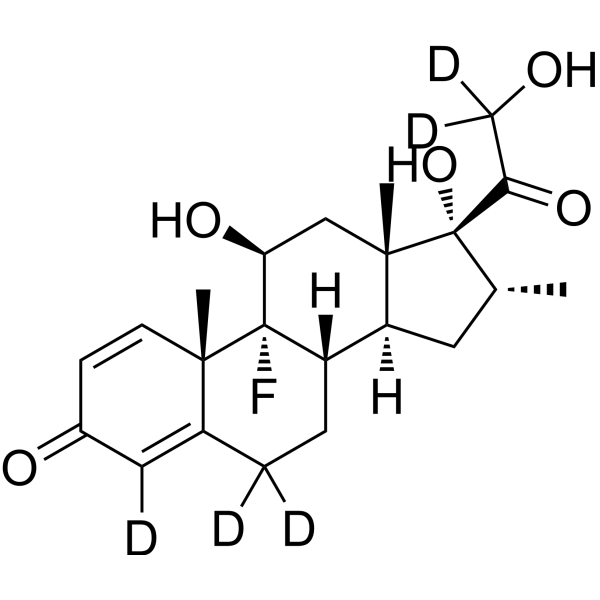
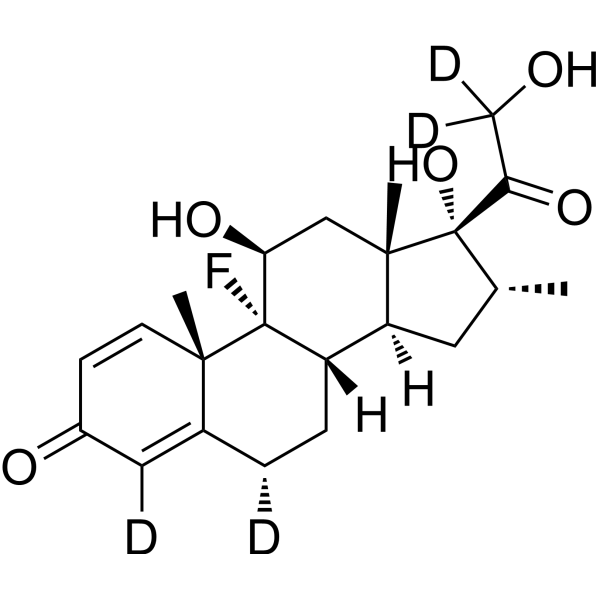
    Dexamethasone-4,6α,21,21-d4 is the deuterium labeled Dexamethasone-4,6α,21,21. Dexamethasone (Hexadecadrol) is a glucocorticoid receptor agonist. Dexamethasone also significantly decreases CD11b, CD18, and CD62L expression on neutrophils, and CD11b and CD18 expression on monocytes. Dexamethasone is highly effective in the control of COVID-19 infection. Dexamethasone inhibits production of exosomes containing inflammatory microRNA-155 in lipopolysaccharide-induced macrophage inflammatory responses.
    Dexamethasone-4,6α,21,21-d4
  • HY-141677A

    Histone Demethylase Cancer
    INCB059872 dihydrochloride is a potent, orally active, selective and irreversible Lysine-Specific Demethylase 1 (LSD1) inhibitor that achieves inhibitory activity through the formation of covalent FAD-adducts. INCB059872 dihydrochloride can inhibit cell proliferation and induce cell differentiation by upregulating the expression of myeloid differentiation markers CD86 and CD11b. INCB059872 dihydrochloride can be used for the research of myeloid leukemia .
    INCB059872 dihydrochloride
  • HY-14648S5

    Hexadecadrol-d3-1; Prednisolone F-d3-1

    Isotope-Labeled Compounds Antibiotic Autophagy Glucocorticoid Receptor SARS-CoV ADC Payload Mitophagy Complement System Bacterial Exosomes Cancer
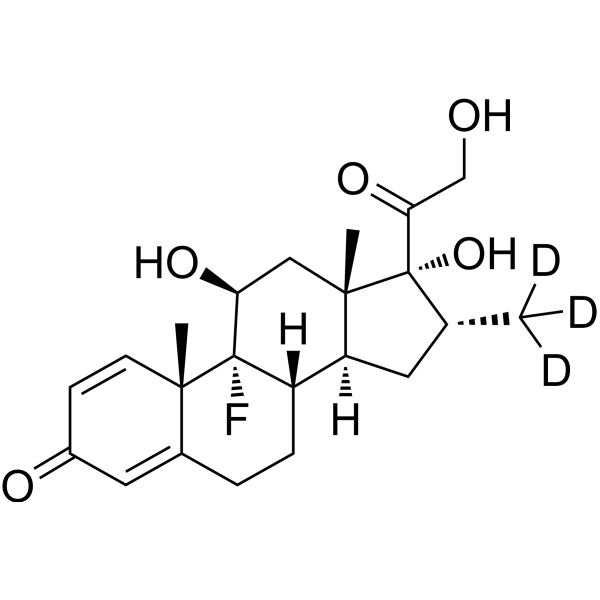
    Dexamethasone-d3-1 (Hexadecadrol-d3-1; Prednisolone F-d3-1) is a deuterium labeled Dexamethasone (HY-14648). Dexamethasone (Hexadecadrol) is a glucocorticoid receptor agonist. Dexamethasone also significantly decreases CD11b, CD18, and CD62L expression on neutrophils, and CD11b and CD18 expression on monocytes. Dexamethasone is highly effective in the control of COVID-19 infection. Dexamethasone inhibits production of exosomes containing inflammatory microRNA-155 in lipopolysaccharide-induced macrophage inflammatory responses.
    Dexamethasone-d3-1
  • HY-112742

    Leukotriene Receptor Inflammation/Immunology
    CP-195543 is a potent, selective and orally active leukotriene B4 (LTB4) receptor antagonist with IC50s of 6.8, 37.0 nM for human neutrophils and murine spleen membranes, respectively. CP-195543 blocks CD11b up-regulation. CP-195543 inhibits LTB4-mediated neutrophil infiltration .
    CP-195543
  • HY-125782

    15(R)-15-Methyl PGD2

    Prostaglandin Receptor Metabolic Disease
    15(R)-15-Methyl prostaglandin D2 (15(R)-15-methyl PGD2) is a metabolically stable synthetic analog of PGD2. The physiological actions of PGD2 include regulation of sleep, lowering of body temperature, inhibition of platelet aggregation and relaxation of vascular smooth muscle. PGD2 mediates its effects by 2 distinct G-protein-coupled receptors, DP1and CRTH2/DP2. 15(R)-15-Methyl prostaglandin D2 is a potent, selective agonist for the CRTH2/DP2 receptor. The EC50 values for eosinophil CD11b expression, actin polymerization, and chemotaxis are 1.4, 3.8, and 1.7 nM, respectively, each of which is approximately 3-5 fold lower than those for PGD2. In contrast the EC50 for the DP1-mediated increase in platelet cAMP by 15(R)-15-methyl PGD2 is >10 μM.
    15(R)​-​15-​Methyl prostaglandin D2
  • HY-14648S2

    Hexadecadrol-d4; Prednisolone F-d4

    Isotope-Labeled Compounds Exosomes Glucocorticoid Receptor SARS-CoV Autophagy Complement System Mitophagy Bacterial Antibiotic Infection Inflammation/Immunology Endocrinology Cancer
    Dexamethasone-d4 is deuterium labeled Dexamethasone. Dexamethasone (Hexadecadrol) is a glucocorticoid receptor agonist. Dexamethasone also significantly decreases CD11b, CD18, and CD62L expression on neutrophils, and CD11b and CD18 expression on monocytes. Dexamethasone is highly effective in the control of COVID-19 infection. Dexamethasone inhibits production of exosomes containing inflammatory microRNA-155 in lipopolysaccharide-induced macrophage inflammatory responses.
    Dexamethasone-d4
  • HY-18263A

    SB-656933

    CXCR Interleukin Related Inflammation/Immunology
    Elubrixin (SB-656933) is a potent, selective, competitive, reversible and orally active CXCR2 antagonist and an IL-8 receptor antagonist. Elubrixin inhibits neutrophil CD11b upregulation (IC50 of 260.7 nM) and shape change (IC50 of 310.5 nM). Elubrixin has the potential for inflammatory diseases research, such as inflammatory bowel disease and airway inflammation .
    Elubrixin
  • HY-RS20044

    Small Interfering RNA (siRNA) Others

    Itgam Mouse Pre-designed siRNA Set A contains three designed siRNAs for Itgam gene (Mouse), as well as a negative control, a positive control, and a FAM-labeled negative control.

    Itgam Mouse Pre-designed siRNA Set A
    Itgam Mouse Pre-designed siRNA Set A
  • HY-14648S1

    Hexadecadrol-d5-1; Prednisolone F-d5-1

    Isotope-Labeled Compounds Exosomes Glucocorticoid Receptor SARS-CoV Autophagy Complement System Mitophagy Bacterial Antibiotic Infection Inflammation/Immunology Endocrinology Cancer
    Dexamethasone-d5-1 is deuterium labeled Dexamethasone. Dexamethasone (Hexadecadrol) is a glucocorticoid receptor agonist. Dexamethasone also significantly decreases CD11b, CD18, and CD62L expression on neutrophils, and CD11b and CD18 expression on monocytes. Dexamethasone is highly effective in the control of COVID-19 infection. Dexamethasone inhibits production of exosomes containing inflammatory microRNA-155 in lipopolysaccharide-induced macrophage inflammatory responses.
    Dexamethasone-d5-1
  • HY-120878A

    CXCR Neurological Disease Inflammation/Immunology Cancer
    (R,R)-CXCR2-IN-2 (compound 67), diastereoisomer of CXCR2-IN-2 (compound 68) (HY-120878), is a CXCR2 antagonist with a pIC50 of 9 and 6.8 in the Tango assay and d in the HWB Gro-α induced CD11b expression assay, respectively .
    (R,R)-CXCR2-IN-2
  • HY-160018

    Epigenetic Reader Domain Cancer
    BAY-155 is a potent and selective menin-MLL tool inhibitor, with an IC50 of 8 nM. BAY-155 leads to a strong expression down-regulation of the MEIS1 gene and up-regulation of CD11b and MNDA genes. BAY-155 shows anti-proliferative effects in AML/ALL (acute myeloid/lymphoblastic leukemia) models .
    BAY-155
  • HY-P991773

    Integrin Inflammation/Immunology
    Anti-Mouse CD11b Antibody (5C6) is a CD11b blocking antibody. Anti-Mouse CD11b Antibody (5C6) can be used for in vitro inhibition of myelomonocytic cell adhesion and in vivo inhibition of inflammatory cell recruitment. Recommend Isotype Controls: Rat IgG2b kappa, Isotype Control (HY-P990682) .
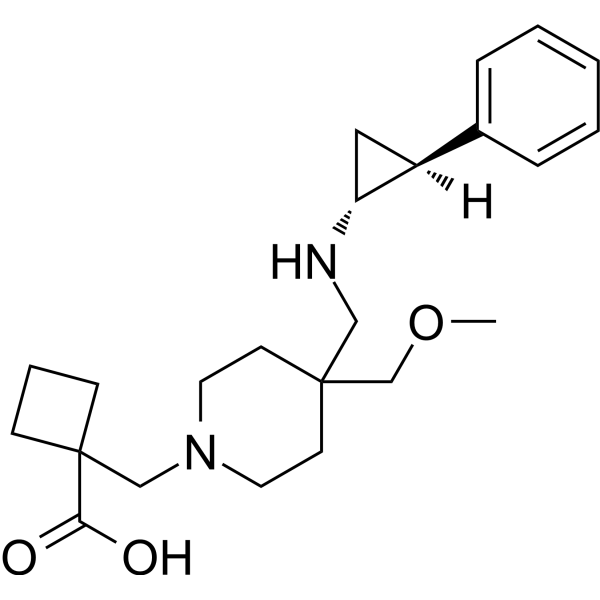
    Anti-Mouse CD11b Antibody (5C6)
  • HY-W744577

    Dexamethasone 21-acetate-d5; Hexadecadrol acetate-d5

    Isotope-Labeled Compounds Glucocorticoid Receptor ADC Payload Bacterial Autophagy SARS-CoV Complement System Mitophagy Antibiotic Exosomes Inflammation/Immunology Endocrinology Cancer
    Dexamethasone acetate-d5 (Dexamethasone 21-acetate-d5; Hexadecadrol acetate-d5) is the deuterium labeled Dexamethasone acetate (HY-14648A). Dexamethasone acetate (Dexamethasone 21-acetate) is a glucocorticoid receptor agonist. Dexamethasone also significantly decreases CD11b, CD18, and CD62L expression on neutrophils, and CD11b and CD18 expression on monocytes. Dexamethasone is highly effective in the control of COVID-19 infection. Dexamethasone inhibits production of exosomes containing inflammatory microRNA-155 in lipopolysaccharide-induced macrophage inflammatory responses.
    Dexamethasone acetate-d5
  • HY-P991836

    Integrin Inflammation/Immunology
    Anti-CD11b Antibody (ICRF44) reacts with the human CD11b. Anti-CD11b Antibody (ICRF44) recognizes the α subunit of the CD11b/CD18 complex, an α/β heterodimeric surface glycoprotein on human leukocytes. Recommend Isotype Controls: Mouse IgG1 kappa, Isotype Control (HY-P99977) .
    Anti-CD11b Antibody (ICRF44)
  • HY-15701R

    Integrin Complement System Inflammation/Immunology
    Leukadherin-1 (Standard) is the analytical standard of Leukadherin-1. This product is intended for research and analytical applications. Leukadherin-1, a specific agonist of the leukocyte surface integrin CD11b/CD18, increases CD11b/CD18-dependent cell adhesion to fibrinogen with an EC50 of 4 μM. Leukadherin-1 enhances leukocyte adhesion to ligands (such as ICAM-1) and vascular endothelium and thus reduces leukocyte transendothelial migration and influx to the injury sites. Leukadherin-1 suppresses innate inflammatory signaling .
    Leukadherin-1 (Standard)
  • HY-15701A
    (Z)-Leukadherin-1
    2 Publications Verification

    ADH-503 free base

    Complement System Cancer
    (Z)-Leukadherin-1 (ADH-503 free base) is an orally active and allosteric CD11b agonist. (Z)-Leukadherin-1 leads to the repolarization of tumor-associated macrophages, reduction in the number of tumor-infiltrating immunosuppressive myeloid cells, and enhances dendritic cell responses .
    (Z)-Leukadherin-1
  • HY-18263

    SB-656933 hydrochloride

    CXCR Interleukin Related Inflammation/Immunology
    Elubrixin (SB-656933) hydrochloride is a potent, selective, competitive, reversible and orally active CXCR2 antagonist and an IL-8 receptor antagonist. Elubrixin hydrochloride inhibits neutrophil CD11b upregulation (IC50 of 260.7 nM) and shape change (IC50 of 310.5 nM). Elubrixin hydrochloride has the potential for inflammatory diseases research, such as inflammatory bowel disease and airway inflammation .
    Elubrixin hydrochloride
  • HY-141677B

    Histone Demethylase Cancer
    INCB059872 tosylate is a potent, orally active, selective and irreversible Lysine-Specific Demethylase 1 (LSD1) inhibitor that achieves inhibitory activity through the formation of covalent FAD-adducts. INCB059872 tosylate can inhibit cell proliferation and induce cell differentiation by upregulating the expression of myeloid differentiation markers CD86 and CD11b. INCB059872 tosylate can be used for the research of myeloid leukemia .
    INCB059872 tosylate
  • HY-P991791

    Integrin Neurological Disease
    Anti-Rat CD11b/c Antibody (OX42) reacts with rat CD11b and CD11c. Anti-Rat CD11b/c Antibody (OX42) inhibits complement-mediated rosettes formation and leukocyte migration in vitro, and blocks the binding of iC3b to CR3 in vitro and in vivo. Recommend Isotype Controls: Mouse IgG2a kappa, Isotype Control (HY-P99978) .
    Anti-Rat CD11b/c Antibody (OX42)
  • HY-18263CR

    SB-656933 tosylate (Standard)

    CXCR Interleukin Related Reference Standards Inflammation/Immunology
    Elubrixin (tosylate) (Standard) is the analytical standard of Elubrixin (tosylate). This product is intended for research and analytical applications. Elubrixin tosylate (SB-656933 tosylate) is a potent, selective, competitive, reversible and orally active CXCR2 antagonist and an IL-8 receptor antagonist. Elubrixin tosylate inhibits neutrophil CD11b upregulation (IC50 of 260.7 nM) and shape change (IC50 of 310.5 nM). Elubrixin tosylate has the potential for inflammatory diseases research, such as inflammatory bowel disease and airway inflammation .
    Elubrixin tosylate (Standard)
  • HY-169067

    Mtx-C

    DNA/RNA Synthesis p38 MAPK Bacterial Infection Cancer
    10-Methoxy-canthin-6-one (Mtx-C) is analkaloid derivative. 10-Methoxy-canthin-6-one can induce DNA damage by intercalating into DNA. 10-Methoxy-canthin-6-one can inhibit cancer cells proliferation, cause G2/M phase arrest and induce myeloid differentiation. T10-Methoxy-canthin-6-one can upregulate the expression of myeloperoxidase, CD15, CD11b, and CD14, as well as activation of p38 MAPK. 10-Methoxy-canthin-6-one also exhibits anti-bacterial activity. 10-Methoxy-canthin-6-one can be used for the researches of cancer and infection, such as acute myeloid leukemias (AML) .
    10-Methoxy-canthin-6-one
  • HY-RS06960

    Small Interfering RNA (siRNA) Others

    ITGAM Human Pre-designed siRNA Set A contains three designed siRNAs for ITGAM gene (Human), as well as a negative control, a positive control, and a FAM-labeled negative control.

    ITGAM Human Pre-designed siRNA Set A
    ITGAM Human Pre-designed siRNA Set A
  • HY-P992314

    Integrin PD-1/PD-L1 Cancer
    ASD141 is a mouse IgG1 antibody targeting mouse CD11b and a CD11b antagonist. ASD141 remodels the tumor microenvironment, enhances antigen presentation ability, and induces PD-L1 expression. ASD141 can be used for the research of colon cancer .
    ASD141
  • HY-116509

    Linoleic acid anilide; LAA

    Drug Derivative Lactate Dehydrogenase Aminotransferases (Transaminases) Cardiovascular Disease
    Linoleylanilide (Linoleic acid anilide) is a Linoleic acid (HY-N0729) derivative. Linoleylanilide slightly inhibits the PMA (HY-18739)-induced expression of CD11b. Linoleylanilide inhibits serum LDH, GOT and GPT activities. Linoleylanilide decreases red cell counts and hemoglobin content .
    Linoleylanilide
  • HY-141677C

    Histone Demethylase Cancer
    INCB059872 TFA is a potent, orally active, selective and irreversible Lysine-Specific Demethylase 1 (LSD1) inhibitor that achieves inhibitory activity through the formation of covalent FAD-adducts. INCB059872 TFA can inhibit cell proliferation and induce cell differentiation by upregulating the expression of myeloid differentiation markers CD86 and CD11b. INCB059872 TFA can be used for the research of myeloid leukemia .
    INCB059872 TFA
  • HY-P991772

    Flavivirus Infection
    Anti-WNV E protein DIII-LR Antibody (E16) reacts with the domain III lateral ridge (DIII-LR) of the envelope (E) protein of West Nile Virus (WNV). Anti-Mouse CD11b Antibody (5C6) protects mice from WNV infection. Recommend Isotype Controls: Mouse IgG2b kappa, Isotype Control (HY-P99982) .
    Anti-WNV E protein DIII-LR Antibody (E16)
  • HY-RS26547

    Small Interfering RNA (siRNA) Others

    Itgam Rat Pre-designed siRNA Set A contains three designed siRNAs for Itgam gene (Rat), as well as a negative control, a positive control, and a FAM-labeled negative control.

    Itgam Rat Pre-designed siRNA Set A
    Itgam Rat Pre-designed siRNA Set A
  • HY-P992382

    Interleukin Related Neurological Disease Inflammation/Immunology
    IC 100 is a humanized IgG4κ monoclonal antibody targeting apoptosis-associated speck-like protein (ASC) with blood-brain barrier permeability. IC 100 specifically inhibits ASC after being endocytosed via its Fc segment, blocks ASC polymerization and inflammasome activation, suppresses IL-1β release, forms complexes with ASC and TRIM21, and evades TRIM21-mediated proteasomal degradation. IC 100 alleviates symptoms associated with autoimmune encephalomyelitis, reduces immune cell infiltration and microglial activation in the mouse EAE model. IC 100 is suitable for research on neuroinflammatory and inflammasome-related diseases such as multiple sclerosis. Isotype comparison: HY-P99003 .
    IC 100

Inquiry Online

Your information is safe with us. * Required Fields.

Salutation


Country or Region *

Applicant Name *


Organization Name *

Department *


Email Address *


Product Name *

Cat. No.


Requested quantity *

Phone Number *


Remarks

Inquiry Online

Inquiry Information

Product Name:
Cat. No.:
Quantity:
MCE Japan Authorized Agent:

