
9962 Results for "

CTSB-mediated linker cleavage

" in MedChemExpress (MCE) Product Catalog:
Products (9962)

9962 Results for "CTSB-mediated linker cleavage" in MCE Product Catalog:

859
859 Publications Verification
Cat. No.: HY-17394
CAS No.: 15663-27-1
Synonyms: cis-Platinum; CDDP; cis-Diaminodichloroplatinum
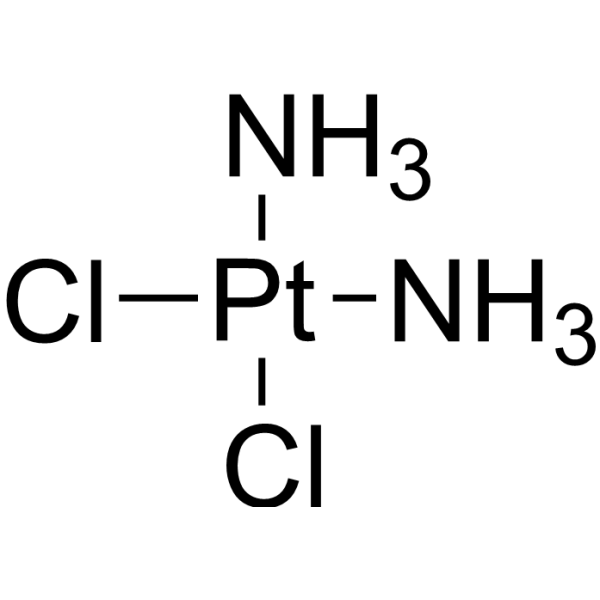
Cisplatin (CDDP) is an antineoplastic chemotherapy agent by cross-linking with DNA and causing DNA damage in cancer cells. Cisplatin activates ferroptosis and induces autophagy .
loading...
    loading...
316
316 Cited Publications
Cat. No.: HY-10201
CAS No.: 284461-73-0
Purity:  99.92%
Synonyms: Bay 43-9006
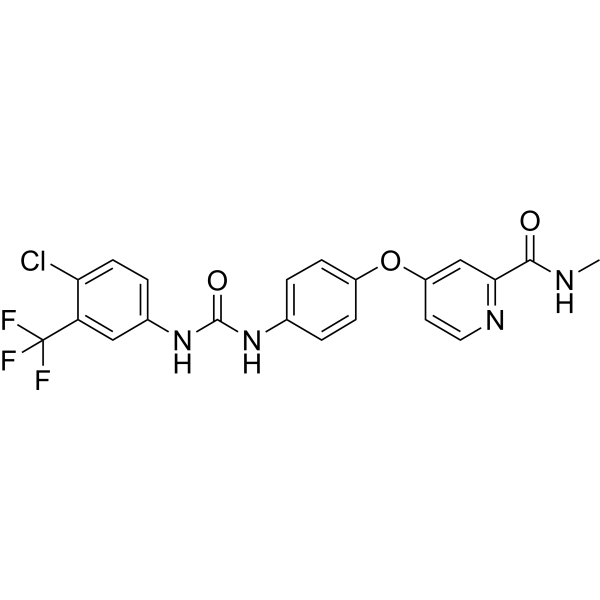
Sorafenib (Bay 43-9006) is a potent oral active multikinase inhibitor. Sorafenib blocks autophosphorylation and activity of receptor tyrosine kinases (VEGFR-2, VEGFR-3) and RAF family kinases, thereby suppressing the RAF/MEK/ERK and PI3K/Akt pathways, inhibiting STAT3 phosphorylation, and selectively inhibiting the MAPK pathway in cancer cells. Sorafenib induces cell cycle arrest, autophagy, apoptosis, and PARP cleavage, reduces Bcl-2, Bcl-XL, cyclin D1 levels, and activates Bak and Bax. Sorafenib inhibits tumor growth and metastasis in mouse and rat models. Sorafenib can be used for cancer research, such as colon, breast, non-small-cell lung cancer (NSCLC), ovarian, pancreatic, melanoma, colorectal and hepatocellular carcinoma .
loading...
    loading...
316
316 Cited Publications
Cat. No.: HY-10201A
CAS No.: 475207-59-1
Purity:  99.75%
Synonyms: Bay 43-9006 tosylate
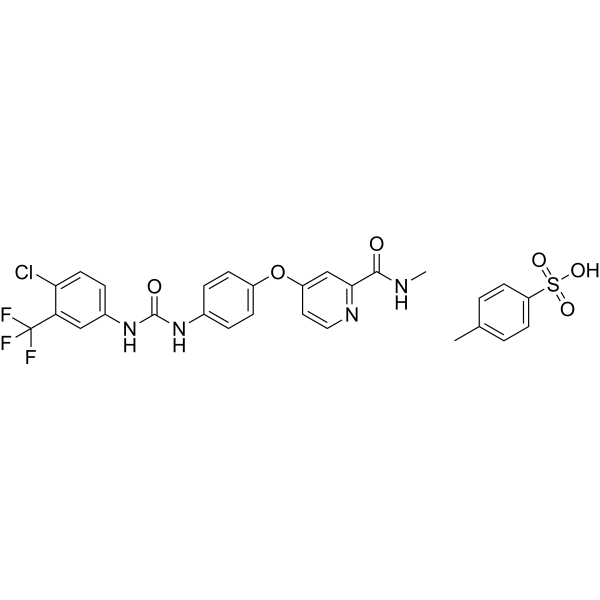
Sorafenib (Bay 43-9006) tosylate is a potent oral active multikinase inhibitor. Sorafenib blocks autophosphorylation and activity of receptor tyrosine kinases (VEGFR-2, VEGFR-3) and RAF family kinases, thereby suppressing the RAF/MEK/ERK and PI3K/Akt pathways, inhibiting STAT3 phosphorylation, and selectively inhibiting the MAPK pathway in cancer cells. Sorafenib tosylate induces cell cycle arrest, autophagy, apoptosis, and PARP cleavage, reduces Bcl-2, Bcl-XL, cyclin D1 levels, and activates Bak and Bax. Sorafenib tosylate inhibits tumor growth and metastasis in mouse and rat models. Sorafenib tosylate can be used for cancer research, such as colon, breast, non-small-cell lung cancer (NSCLC), ovarian, pancreatic, melanoma, colorectal and hepatocellular carcinoma .
loading...
    loading...
180
180 Cited Publications
Cat. No.: HY-A0098
CAS No.: 11089-65-9
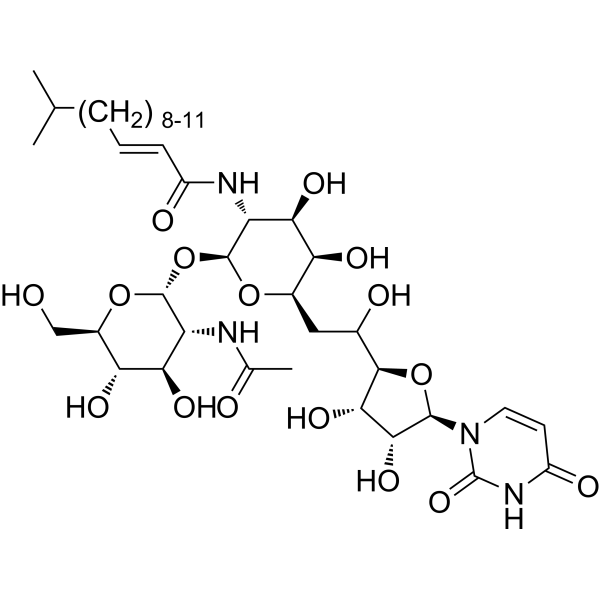
Tunicamycin is a mixture of homologous nucleoside antibiotic that inhibits N-linked glycosylation and blocks GlcNAc phosphotransferase (GPT). Tunicamycin causes accumulation of unfolded proteins in cell endoplasmic reticulum (ER) and induces ER stress, and causes blocking of DNA synthesis and cell cycle arrest in G1 phase. Tunicamycin inhibits gram-positive bacteria, yeasts, fungi, and viruses and has anti-cancer activity .Tunicamycin increases exosome release in cervical cancer cells .
loading...
    loading...
97
97 Cited Publications
Cat. No.: HY-15575
CAS No.: 646502-53-6
Purity:  99.94%
Synonyms: MC-Val-Cit-PAB-MMAE; mc-vc-PAB-MMAE; Vedotin
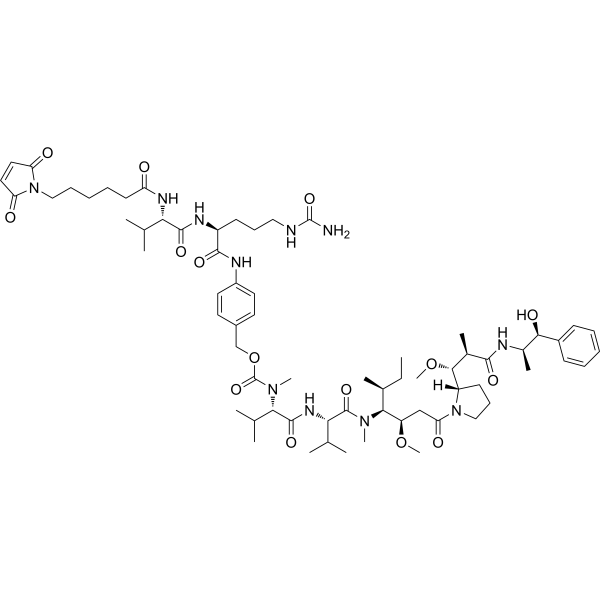
VcMMAE (mc-vc-PAB-MMAE) is a agent-linker conjugate for ADC with potent antitumor activity by using the anti-mitotic agent, monomethyl auristatin E (MMAE, a tubulin inhibitor), linked via the lysosomally cleavable dipeptide, valine-citrulline (vc).
loading...
    loading...
59
59 Cited Publications
Cat. No.: HY-16046
CAS No.: 195514-63-7
Synonyms: AP1903
Target:  

FKBP Apoptosis

Research Areas:  

Cancer

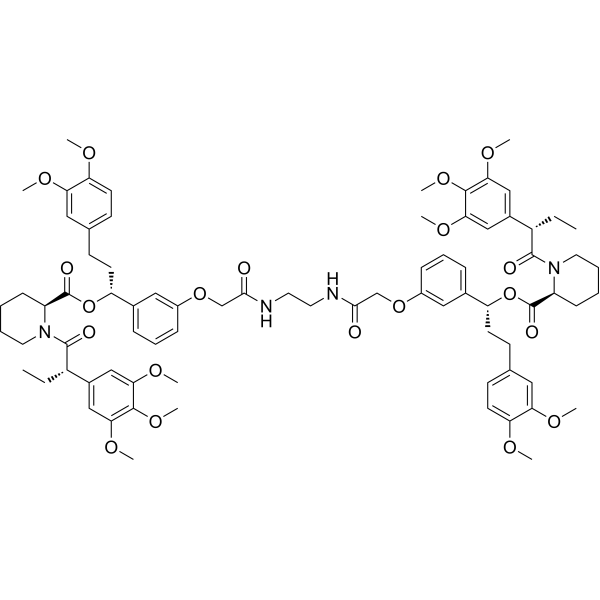
Rimiducid (AP1903) is a dimerizer agent that acts by cross-linking the FKBP domains. Rimiducid (AP1903) dimerizes the Caspase 9 suicide switch and rapidly induces apoptosis.
loading...
    loading...
57
57 Cited Publications
Cat. No.: HY-14452
CAS No.: 125256-00-0
Purity:  99.85%
Synonyms: 125B11
Research Areas:  

Cancer

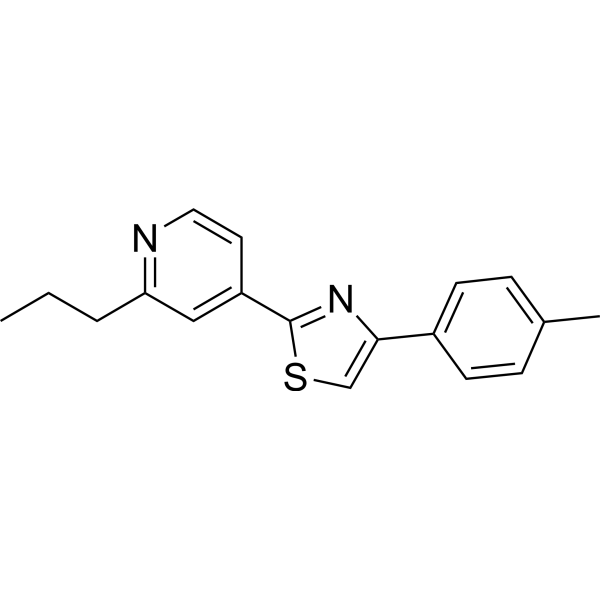
Fatostatin (125B11), a specific inhibitor of SREBP activation, impairs the activation of SREBP-1 and SREBP-2. Fatostatin binds to SCAP (SREBP cleavage-activating protein), and inhibits the ER-Golgi translocation of SREBPs. Fatostatin decreases the transcription of lipogenic genes in cells. Fatostatin possesses antitumor properties, and lowers hyperglycemia in ob/ob mice .
loading...
    loading...
57
57 Cited Publications
Cat. No.: HY-14452A
CAS No.: 298197-04-3
Purity:  99.52%
Synonyms: 125B11 hydrobromide
Research Areas:  

Cancer

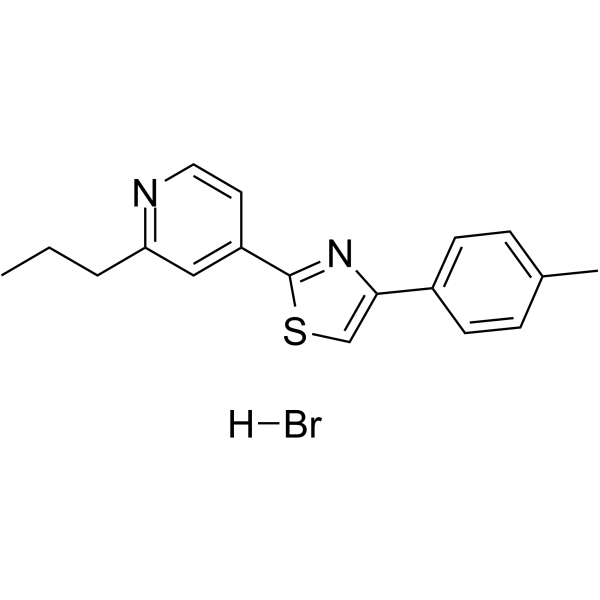
Fatostatin hydrobromide (125B11 hydrobromide), a specific inhibitor of SREBP activation, impairs the activation of SREBP-1 and SREBP-2. Fatostatin hydrobromide binds to SCAP (SREBP cleavage-activating protein), and inhibits the ER-Golgi translocation of SREBPs. Fatostatin hydrobromide decreases the transcription of lipogenic genes in cells. Fatostatin hydrobromide possesses antitumor properties, and lowers hyperglycemia in ob/ob mice .
loading...
    loading...
51
51 Cited Publications
Cat. No.: HY-119738
CAS No.: 1681056-61-0
Purity:  99.90%
Target:  

OGT Acyltransferase

Research Areas:  

Metabolic Disease

OSMI-1 is a cell-permeable O-GlcNAc transferase (OGT) inhibitor with an IC50 value of 2.7 μM. OSMI-1 inhibits protein O-linked N-acetylglucosamine (O-GlcNAcylation) in several mammalian cell lines without qualitatively altering cell surface N- or O-linked glycans .
loading...
    loading...
46
46 Cited Publications
Cat. No.: HY-108882
CAS No.: 9003-98-9
Synonyms: DNase
Target:  

Others

Research Areas:  

Inflammation/Immunology Cancer

DNase I (EC 3.1.21.1) is an enzyme that degrade DNA, it plays a key role in the cleavage of extracellular DNA is crucial for limiting the inflammatory response and maintaining homeostasis. Exogenous deoxyribonuclease shows beneficial effects in inflammatory diseases and cancer .
loading...
    loading...
46
46 Cited Publications
Cat. No.: HY-108882C
CAS No.: 9003-98-9
Target:  

DNA/RNA Synthesis

Research Areas:  

Inflammation/Immunology

DNase I is an enzyme that degrades DNA. DNase I is mainly produced by digestive system organs, such as the pancreas and parotid gland. Three types of DNase I are known in mammals: pancreatic type, parotid type, and pancreatico-parotid type. DNase I plays a key role in the cleavage of extracellular DNA, and is critical for limiting inflammatory responses and maintaining homeostasis. DNase I is responsible for digesting extracellular nucleoproteins, which may be essential for preventing autoimmune reactions. Decreased DNase I activity may be associated with the occurrence and development of systemic lupus erythematosus (SLE). DNase I (filtered) is filtered through a 0.22 μM membrane and is not tested for pyrogenicity .
loading...
    loading...
46
46 Cited Publications
Cat. No.: HY-108882B
CAS No.: 9003-98-9
Target:  

DNA/RNA Synthesis

Research Areas:  

Inflammation/Immunology

DNase I is an enzyme that degrades DNA. DNase I is mainly produced by digestive system organs, such as the pancreas and parotid gland. Three types of DNase I are known in mammals: pancreatic type, parotid type, and pancreatico-parotid type. DNase I plays a key role in the cleavage of extracellular DNA, and is critical for limiting inflammatory responses and maintaining homeostasis. DNase I is responsible for digesting extracellular nucleoproteins, which may be essential for preventing autoimmune responses. Decreased DNase I activity may be associated with the onset and progression of systemic lupus erythematosus (SLE). DNase I (RNase & Protease free) is a molecular biology-grade DNase I purified by chromatography to remove RNase and protease .
loading...
    loading...
40
40 Cited Publications
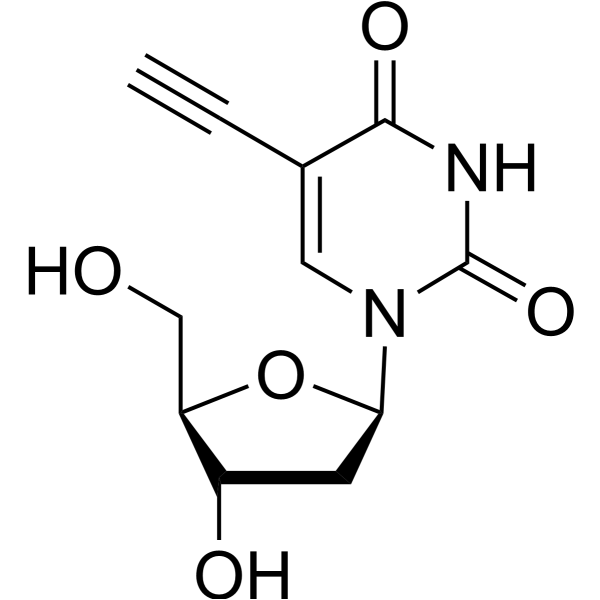
Cat. No.: HY-118411
CAS No.: 61135-33-9
Purity:  99.78%
Synonyms: EdU
Target:  

PROTAC Linkers

Research Areas:  

Cancer

5-Ethynyl-2'-deoxyuridine (EdU), a thymidine analogue, is incorporated into cellular DNA during DNA replication and the subsequent reaction of EdU with a fluorescent azide in a “Click” reaction. EdU staining is a fast, sensitive and reproducible method to study cell proliferation . 5-Ethynyl-2'-deoxyuridine is an alkyl chain-based PROTAC linker that can be used in the synthesis of PROTACs . 5-Ethynyl-2'-deoxyuridine is a click chemistry reagent, it contains an Alkyne group and can undergo copper-catalyzed azide-alkyne cycloaddition (CuAAc) with molecules containing Azide groups.
loading...
    loading...
37
37 Cited Publications
Cat. No.: HY-12495A
CAS No.: 548470-11-7
Purity:  98.58%
ISRIB is a brain-penetrant inhibitor of integrated stress response (ISR). Persistent activation of the ISR has been linked to the development of several neurological disorders as ISR represses translation through inhibiting eIF2B. ISRIB inhibits the ISR by promoting the nucleotide exchange activity of eIF2B and recovering the translation, and thus can be used for neurological disorders research .
loading...
    loading...
35
35 Cited Publications
Cat. No.: HY-K0210

MCE Ni-NTA His-Tag Purification Agarose, a 6% highly cross-linked agarose reagent, enables high-yield, high-purity purification of his-tagged proteins.

loading...
    loading...
33
33 Cited Publications
Cat. No.: HY-13631E
CAS No.: 1599440-13-7
Purity:  99.94%
Synonyms: MC-GGFG-DXD
Research Areas:  

Cancer

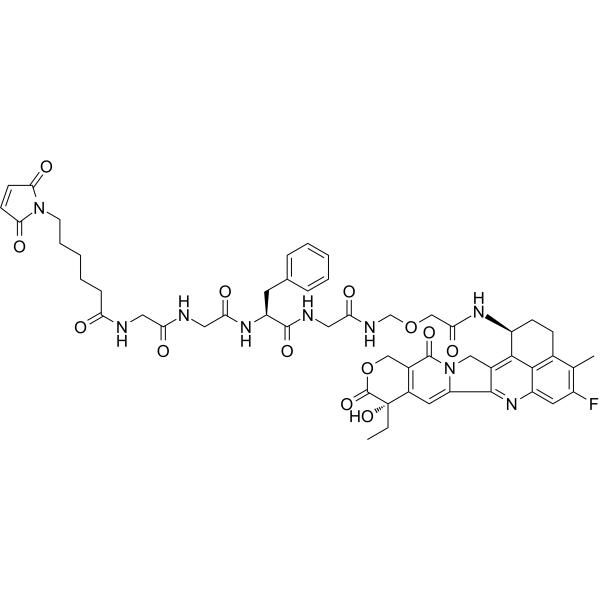
Deruxtecan is an ADC drug-linker conjugate composed of an DX-8951 derivative (DXd) and a maleimide-GGFG peptide linker, used for synthesizing Trastuzumab deruxtecan (HY-138298A) and Patritumab deruxtecan (HY-P99813) .
loading...
    loading...
30
30 Cited Publications
Cat. No.: HY-19792
CAS No.: 139504-50-0
Synonyms: DM1; Maytansinoid DM1
Research Areas:  

Cancer

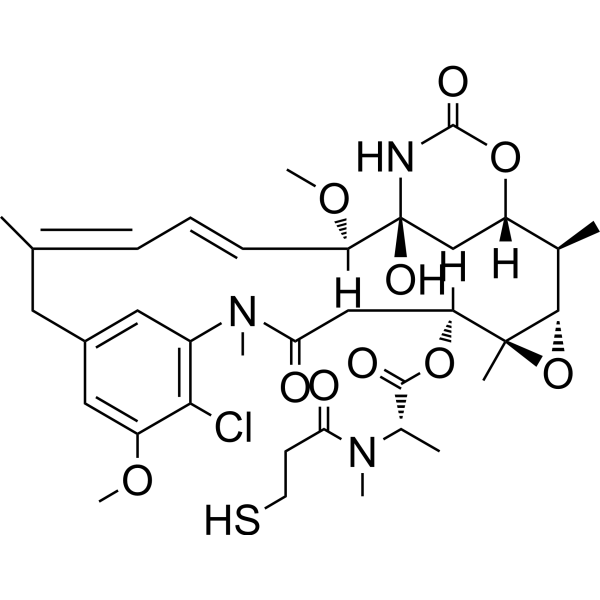
Mertansine (DM1) is a microtubulin inhibitor and is an antibody-conjugatable maytansinoid that is developed to overcome systemic toxicity associated with maytansine and to enhance tumor-specific delivery. Mertansine can be attached to a monoclonal antibody with a linker to create an antibody-drug conjugate (ADC) .
loading...
    loading...
29
29 Cited Publications
Cat. No.: HY-50752
CAS No.: 209984-57-6
Research Areas:  

Neurological Disease

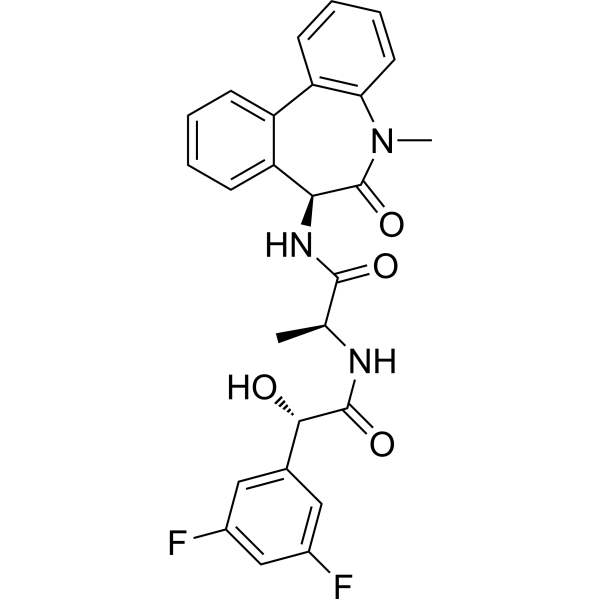
LY-411575 is a potent γ-secretase inhibitor with IC50 of 0.078 nM/0.082 nM (membrane/cell-based), and also inhibits Notch S3 cleavage with an IC50 of 0.39 nM.
loading...
    loading...
26
26 Cited Publications
Cat. No.: HY-13817
CAS No.: 314245-33-5
Purity:  99.30%
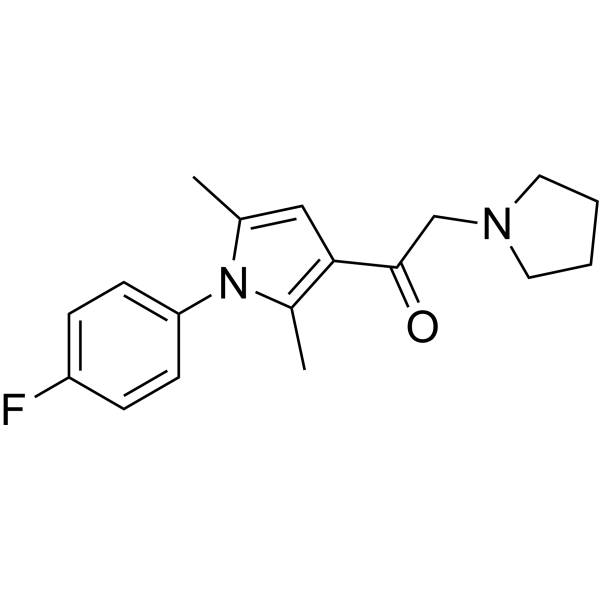
IU1 is a selective, reversible USP14 inhibitor with an IC50 of 4-5 μM. IU1 binds USP14’s catalytic cleft to block deubiquitinase activity. IU1 induces calpain-dependent Tau cleavage, causes ATP deficits, reduces E1~Ub thioester levels and 26S proteasome assembly. IU1 enhances 26S proteasome chymotrypsin-like activity, modulates LC3B-dependent autophagy flux, reduces cancer cell proliferation and migration, and blocks G0/G1 to S phase cell cycle transition in follicular thyroid cancer cells. IU1 activates autophagy-lysosomal and ubiquitin-proteasome pathways, triggers apoptosis, and reduces cervical cancer cell growth. IU1 enhances degradation of proteasome substrates linked to neurodegenerative disease, accelerates oxidized protein degradation, and increases oxidative stress resistance. IU1 can be used for the research of Alzheimer’s disease, follicular thyroid cancer, ischemic stroke, cervical cancer, and neurodegenerative disease .
loading...
    loading...
25
25 Cited Publications
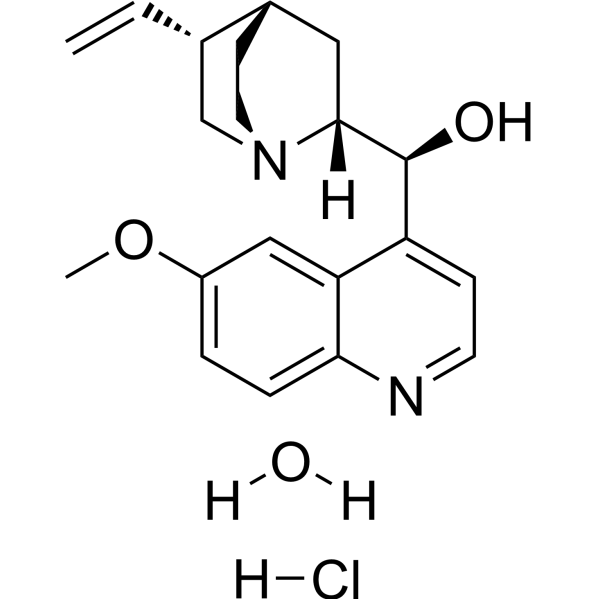
Cat. No.: HY-B1302
CAS No.: 6151-40-2
Quinidine hydrochloride monohydrate is an orally active antiarrhythmic agent. Quinidine hydrochloride monohydrate reduces the expression level of P-gp, inhibits P-gp-mediated efflux, increases the intracellular accumulation of P-gp substrates, induces PARP cleavage and Caspase-3 activation, and elevates the proportion of Apoptotic cells at the sub-G1 phase. Quinidine hydrochloride monohydrate exerts sustained block and open-channel block effects on IK(f). Quinidine hydrochloride monohydrate alters the urinary metabolic ratio of Amphetamine, modulates the Pentylenetetrazol-induced seizure threshold, and regulates the anticonvulsant effect of Dextromethorphan. Quinidine hydrochloride monohydrate can be used in studies related to uterine sarcoma and seizures .
loading...
    loading...

