9646 Results for "

Cancer cell

" in MedChemExpress (MCE) Product Catalog:
Products (9646)

9646 Results for "Cancer cell" in MCE Product Catalog:

918
918 Publications Verification
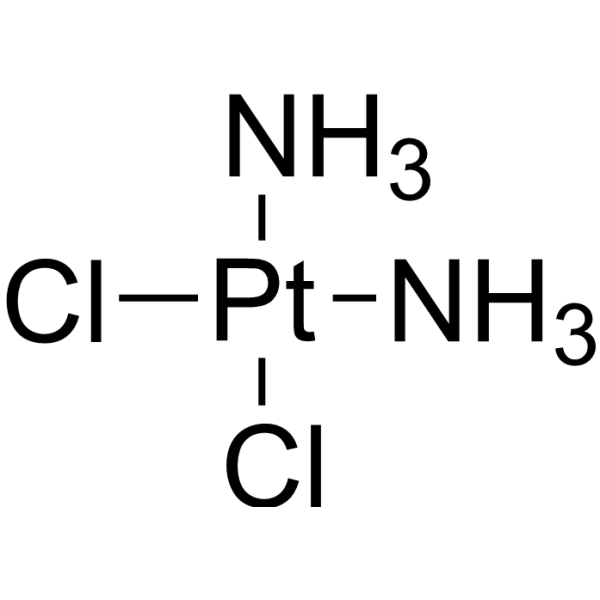
Cat. No.: HY-17394
CAS No.: 15663-27-1
Synonyms: cis-Platinum; CDDP; cis-Diaminodichloroplatinum
Cisplatin (CDDP) is an antineoplastic chemotherapy agent by cross-linking with DNA and causing DNA damage in cancer cells. Cisplatin activates ferroptosis and induces autophagy .
loading...
    loading...
687
687 Cited Publications
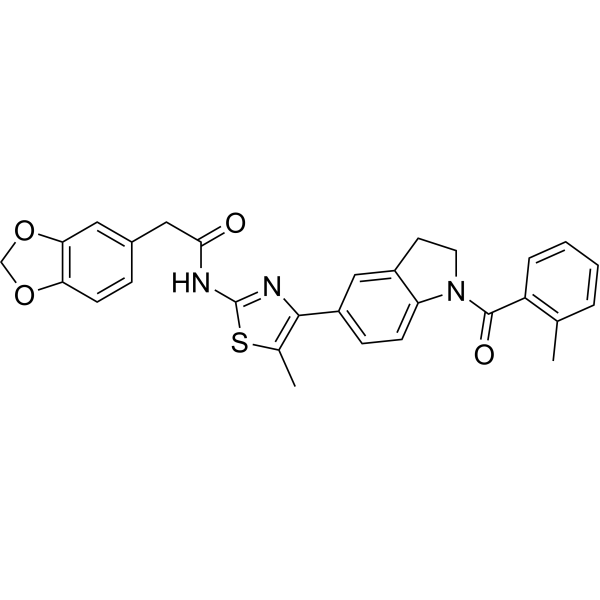
Cat. No.: HY-100523
CAS No.: 846557-71-9
Purity:  99.96%
ML385 is a potent and selective Nrf2 inhibitor with an IC50 of 1.9 μM. ML385 directly binds to the Neh1 domain of NRF2, interferes with the binding of the MAFG-NRF2 protein complex to the antioxidant response element (ARE) DNA sequence, thereby blocking the expression of downstream target genes of NRF2. ML385 can be used in studies related to adult T-cell leukemia, breast cancer, myocardial ischemia/reperfusion injury, non-small cell lung cancer, esophageal squamous cell carcinoma, head and neck squamous cell carcinoma, and lung squamous cell carcinoma .
loading...
    loading...
650
650 Cited Publications
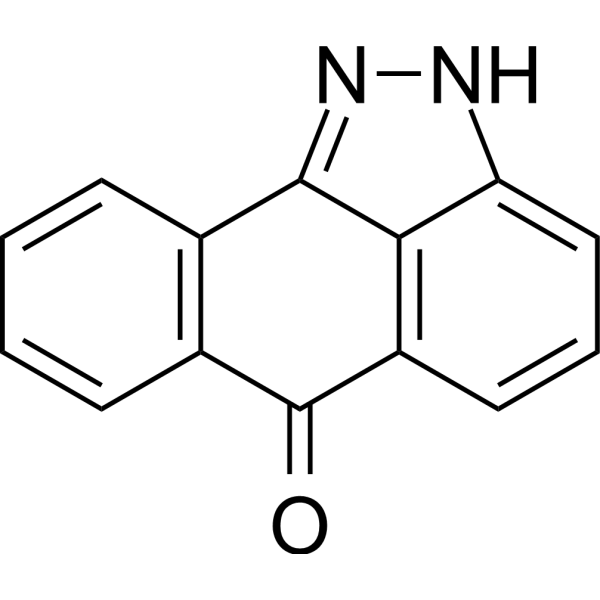
Cat. No.: HY-12041
CAS No.: 129-56-6
Purity:  99.73%
Research Areas:  

Cancer

SP600125 is an orally active, reversible, and ATP-competitive JNK inhibitor with IC50s of 40, 40 and 90 nM for JNK1, JNK2 and JNK3, respectively. SP600125 is a potent ferroptosis inhibitor. SP600125 induces the transformation of bladder cancer cells from autophagy to apoptosis .
loading...
    loading...
610
610 Cited Publications
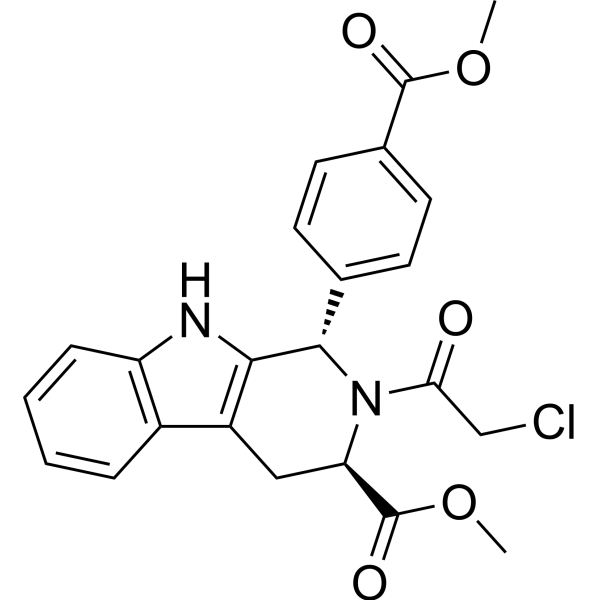
Cat. No.: HY-100218A
CAS No.: 1219810-16-8
Purity:  99.90%
Synonyms: (1S,3R)-RSL3
RSL3 ((1S,3R)-RSL3) is an inhibitor of glutathione peroxidase 4 (GPX4) (ferroptosis activator), reduces the expression of GPX4 protein, and induces ferroptotic death of head and neck cancer cell. RSL3 increases the expression of p62 and Nrf2 and inactivates Keap1 in HN3-rslR cells .
loading...
    loading...
476
476 Cited Publications
Cat. No.: HY-B0988
CAS No.: 138-14-7
Synonyms: Desferrioxamine B mesylate; DFOM
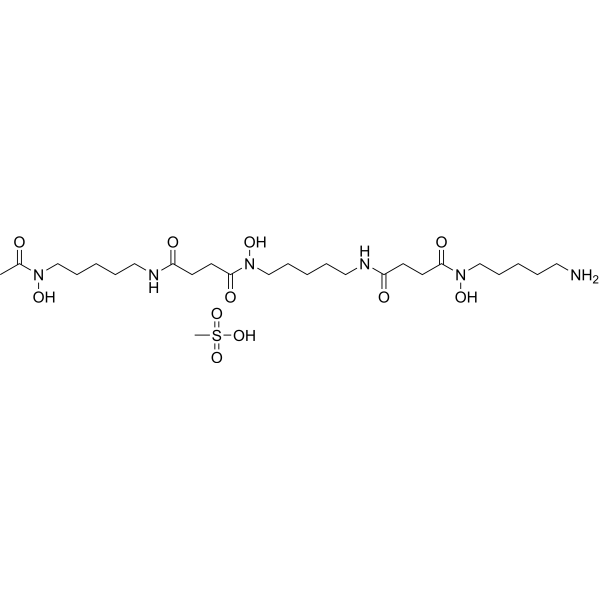
Deferoxamine mesylate (Deferoxamine B mesylate) is an iron chelator (binds to Fe(III) and many other metal cations), is widely used to reduce iron accumulation and deposition in tissues. Deferoxamine mesylate upregulates HIF-1α levels with good antioxidant activity. Deferoxamine mesylate also shows anti-proliferative activity, can induce apoptosis and autophagy in cancer cells. Deferoxamine mesylate can be used in studies of diabetes, neurodegenerative diseases as well as anti-cancer and anti-COVID-19 .
loading...
    loading...
476
476 Cited Publications
Cat. No.: HY-B1625
CAS No.: 70-51-9
Synonyms: Deferoxamine B; Deferriferrioxamine B; Deferrioxamine
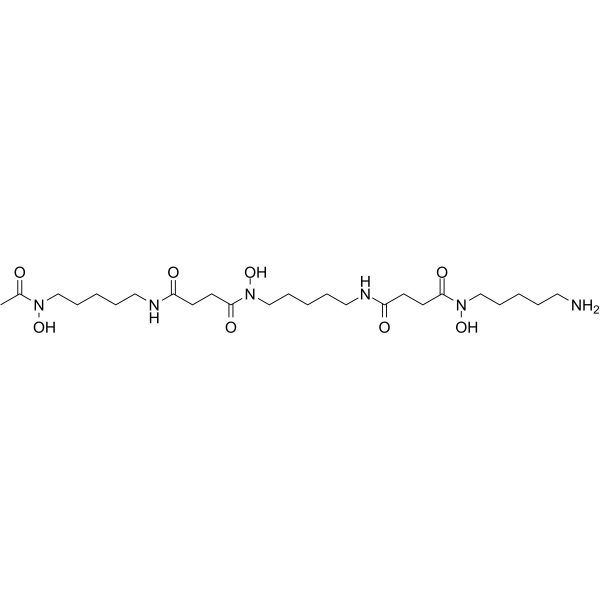
Deferoxamine (Deferoxamine B) is an iron chelator (binds to Fe(III) and many other metal cations), is widely used to reduce iron accumulation and deposition in tissues. Deferoxamine upregulates HIF-1α levels with good antioxidant activity. Deferoxamine also shows anti-proliferative activity, can induce apoptosis and autophagy in cancer cells. Deferoxamine can be used in studies of diabetes, neurodegenerative diseases as well as anti-cancer and anti-COVID-19 .
loading...
    loading...
328
328 Cited Publications
Cat. No.: HY-10201
CAS No.: 284461-73-0
Purity:  99.92%
Synonyms: Bay 43-9006
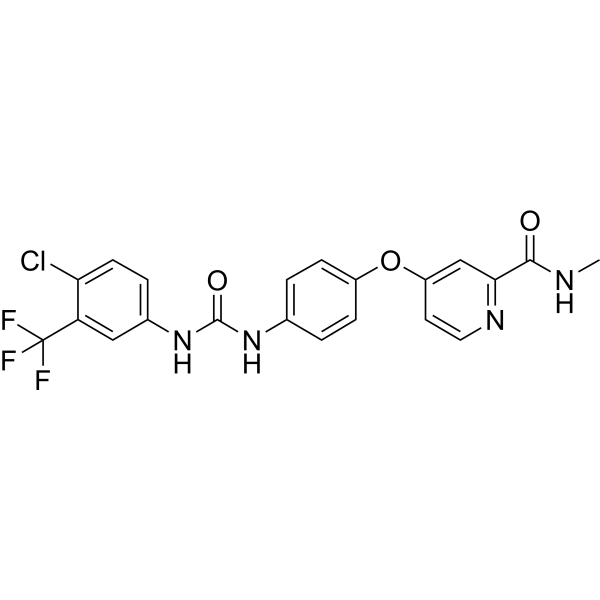
Sorafenib (Bay 43-9006) is a potent oral active multikinase inhibitor. Sorafenib blocks autophosphorylation and activity of receptor tyrosine kinases (VEGFR-2, VEGFR-3) and RAF family kinases, thereby suppressing the RAF/MEK/ERK and PI3K/Akt pathways, inhibiting STAT3 phosphorylation, and selectively inhibiting the MAPK pathway in cancer cells. Sorafenib induces cell cycle arrest, autophagy, apoptosis, and PARP cleavage, reduces Bcl-2, Bcl-XL, cyclin D1 levels, and activates Bak and Bax. Sorafenib inhibits tumor growth and metastasis in mouse and rat models. Sorafenib can be used for cancer research, such as colon, breast, non-small-cell lung cancer (NSCLC), ovarian, pancreatic, melanoma, colorectal and hepatocellular carcinoma .
loading...
    loading...
328
328 Cited Publications
Cat. No.: HY-10201A
CAS No.: 475207-59-1
Purity:  99.75%
Synonyms: Bay 43-9006 tosylate
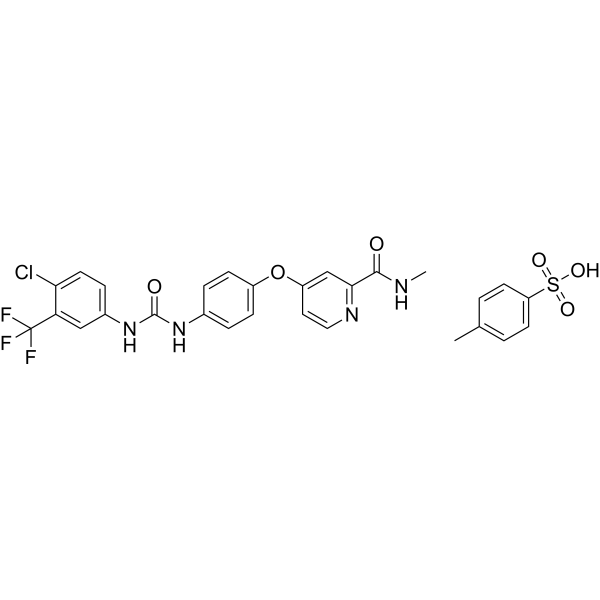
Sorafenib (Bay 43-9006) tosylate is a potent oral active multikinase inhibitor. Sorafenib blocks autophosphorylation and activity of receptor tyrosine kinases (VEGFR-2, VEGFR-3) and RAF family kinases, thereby suppressing the RAF/MEK/ERK and PI3K/Akt pathways, inhibiting STAT3 phosphorylation, and selectively inhibiting the MAPK pathway in cancer cells. Sorafenib tosylate induces cell cycle arrest, autophagy, apoptosis, and PARP cleavage, reduces Bcl-2, Bcl-XL, cyclin D1 levels, and activates Bak and Bax. Sorafenib tosylate inhibits tumor growth and metastasis in mouse and rat models. Sorafenib tosylate can be used for cancer research, such as colon, breast, non-small-cell lung cancer (NSCLC), ovarian, pancreatic, melanoma, colorectal and hepatocellular carcinoma .
loading...
    loading...
316
316 Cited Publications
Cat. No.: HY-17026
CAS No.: 95058-81-4
Synonyms: LY 188011
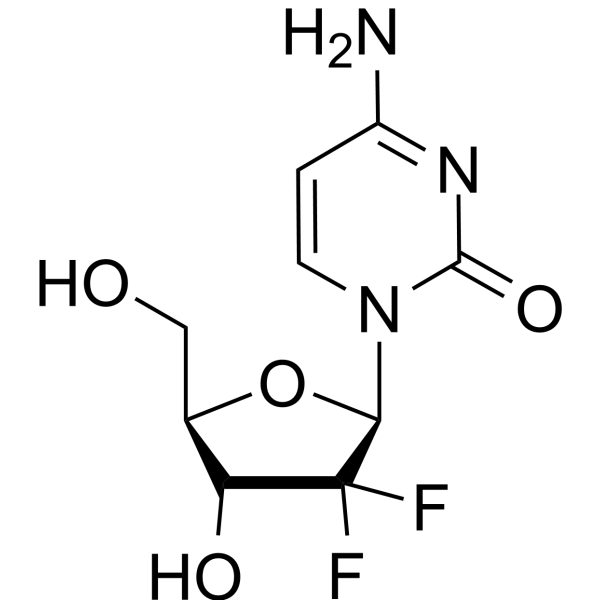
Gemcitabine (LY 188011) is a pyrimidine nucleoside analog antimetabolite and an antineoplastic agent. Gemcitabine inhibits DNA synthesis and repair, and can modulate autophagy. Gemcitabine induces apoptosis through the activation of p38 MAPK. Gemcitabine demonstrates efficacy in mouse models of pancreatic and breast cancer. Gemcitabine can be used for cancer research, such as pancreatic cancer, non-small cell lung cancer, and breast cancer .
loading...
    loading...
271
271 Cited Publications
Cat. No.: HY-50767
CAS No.: 571190-30-2
Synonyms: PD 0332991
Target:  

CDK

Research Areas:  

Cancer

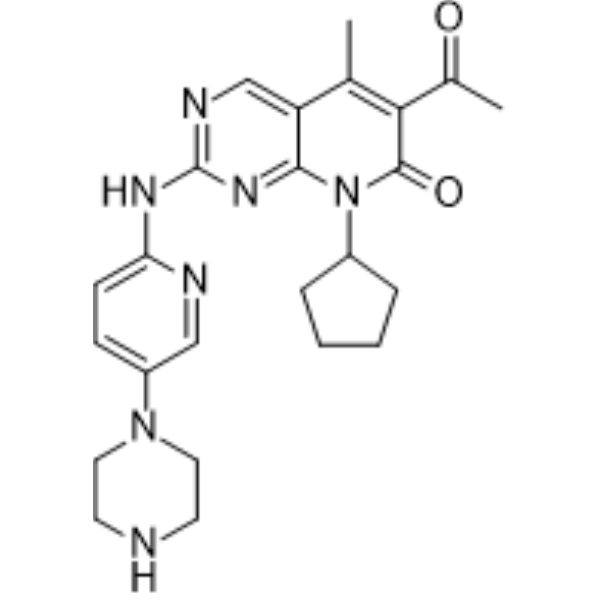
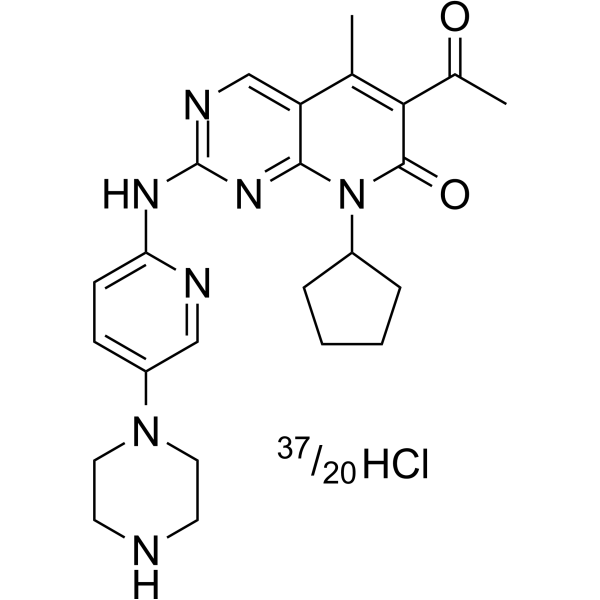
Palbociclib (PD 0332991) is an orally active selective CDK4 and CDK6 inhibitor with IC50 values of 11 and 16 nM, respectively. Palbociclib has potent anti-proliferative activity and induces cell cycle arrest in cancer cells, which can be used in the research of HR-positive and HER2-negative breast cancer and hepatocellular carcinoma .
loading...
    loading...
271
271 Cited Publications
Cat. No.: HY-50767A
CAS No.: 827022-32-2
Synonyms: PD 0332991 monohydrochloride
Target:  

CDK

Research Areas:  

Cancer

Palbociclib (PD 0332991) monohydrochloride is an orally active selective CDK4 and CDK6 inhibitor with IC50 values of 11 and 16 nM, respectively. Palbociclib monohydrochloride has potent anti-proliferative activity and induces cell cycle arrest in cancer cells, which can be used in the research of HR-positive and HER2-negative breast cancer and hepatocellular carcinoma .
loading...
    loading...
266
266 Cited Publications
Cat. No.: HY-A0065
CAS No.: 827022-33-3
Synonyms: PD 0332991 isethionate
Target:  

CDK

Research Areas:  

Infection Neurological Disease Cancer

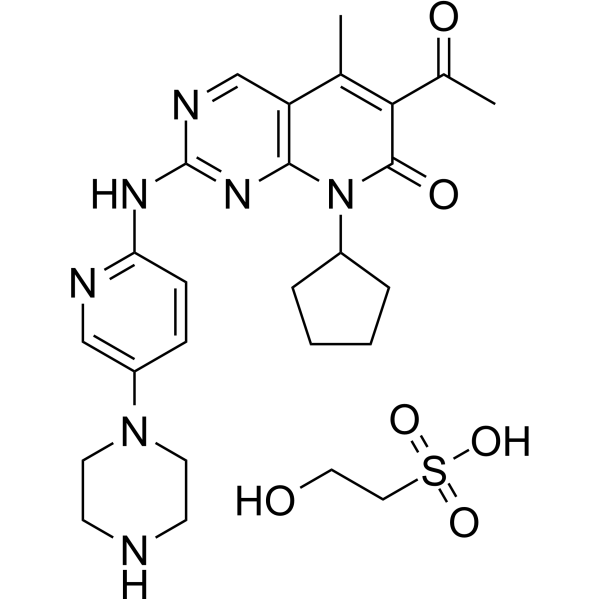
Palbociclib (PD 0332991) isethionate is an orally active selective CDK4 and CDK6 inhibitor with IC50 values of 11 and 16 nM, respectively. Palbociclib isethionate has potent anti-proliferative activity and induces cell cycle arrest in cancer cells, which can be used in the research of HR-positive and HER2-negative breast cancer and hepatocellular carcinoma .
loading...
    loading...
249
249 Cited Publications
Cat. No.: HY-50767C
CAS No.: 571189-11-2
Synonyms: PD-0332991 hydrochloride
Target:  

CDK

Research Areas:  

Cancer

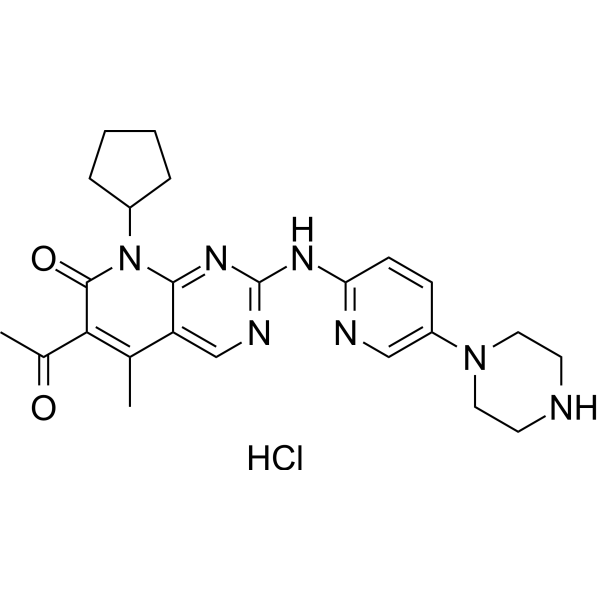
Palbociclib (PD 0332991) hydrochloride is an orally active selective CDK4 and CDK6 inhibitor with IC50 values of 11 and 16 nM, respectively. Palbociclib hydrochloride has potent anti-proliferative activity and induces cell cycle arrest in cancer cells. Palbociclib hydrochloride can be used in the research of HR-positive and HER2-negative breast cancer and hepatocellular carcinoma .
loading...
    loading...
229
229 Cited Publications
Cat. No.: HY-50895
CAS No.: 184475-35-2
Synonyms: ZD1839
Target:  

EGFR Autophagy Apoptosis

Research Areas:  

Infection Metabolic Disease Cancer

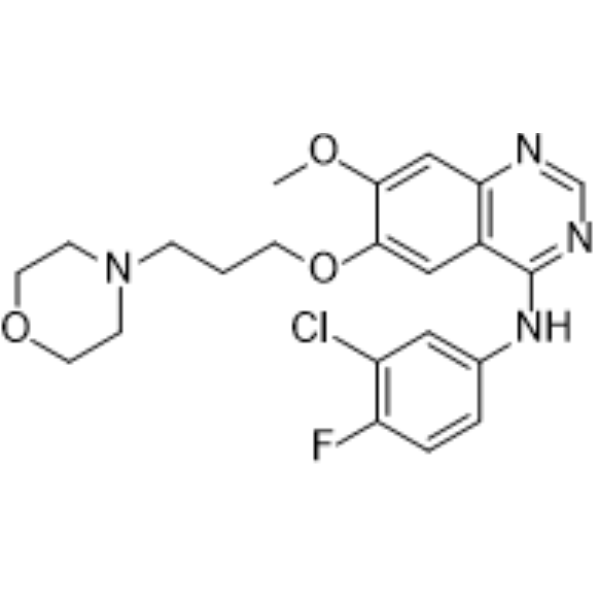
Gefitinib (ZD1839) is a potent, selective and orally active EGFR tyrosine kinase inhibitor with an IC50 of 33 nM. Gefitinib selectively inhibits EGF-stimulated tumor cell growth (IC50 of 54 nM) and that blocks EGF-stimulated EGFR autophosphorylation in tumor cells. Gefitinib also induces autophagy and cell apoptosis, which can be used for cancer related research, such as Lung cancer and breast cancer .
loading...
    loading...
207
207 Cited Publications
Cat. No.: HY-N0565
CAS No.: 564-25-0
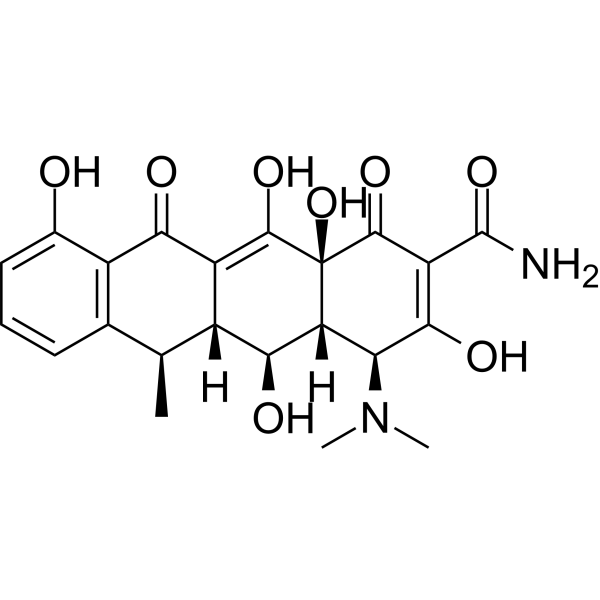
Doxycycline is an orally active, broad-spectrum tetracycline antibiotic that also functions as an MMP inhibitor, exhibiting antibacterial, antiviral, antiparasitic, and antitumor activities. Doxycycline can bind to the classical binding site (CBS) within the mRNA decoding center of the bacterial 70S ribosome's 30S small subunit.Doxycycline blocks bacterial protein synthesis and inhibits the degradation of the extracellular matrix through its interaction with zinc and calcium ions. Doxycycline also inhibits mitochondrial biogenesis, translation, and the expression of respiratory chain proteins. Doxycycline induces apoptosis, inhibits autophagy and EMT, downregulates stem cell markers, and activates the PI3K-AKT pathway, thereby effectively inhibiting the viability and proliferation of cancer cells such as breast cancer cells. Doxycycline can disrupt transthyretin (TTR) amyloid fibrils. Doxycycline also promotes the survival and self-renewal of embryonic stem cells and neural stem cells, and reduces the frequency of medium changes in culture. Doxycycline can be used in research related to cancers—such as breast, prostate, and bladder cancer—as well as neurological disorders .
loading...
    loading...
207
207 Cited Publications
Cat. No.: HY-N0565A
CAS No.: 10592-13-9
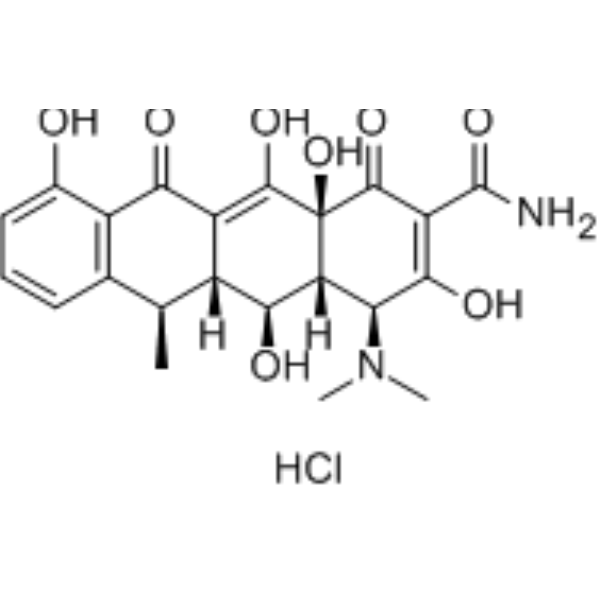
Doxycycline hydrochloride is an orally active, broad-spectrum tetracycline antibiotic that also functions as an MMP inhibitor, exhibiting antibacterial, antiviral, antiparasitic, and antitumor activities. Doxycycline hydrochloride can bind to the classical binding site (CBS) within the mRNA decoding center of the 30S small subunit of the bacterial 70S ribosome.Doxycycline hydrochloride blocks bacterial protein synthesis and inhibits the degradation of the extracellular matrix through its interaction with zinc and calcium ions. Doxycycline hydrochloride also inhibits mitochondrial biogenesis, translation, and the expression of respiratory chain proteins. Doxycycline hydrochloride induces apoptosis, inhibits autophagy and EMT, downregulates stem cell markers, and activates the PI3K-AKT pathway, thereby effectively inhibiting the viability and proliferation of cancer cells such as breast cancer cells. Doxycycline hydrochloride can disrupt transthyretin (TTR) amyloid fibrils. Doxycycline hydrochloride also promotes the survival and self-renewal of embryonic stem cells and neural stem cells, and reduces the frequency of medium changes in culture. Doxycycline hydrochloride can be used in research related to cancers—such as breast, prostate, and bladder cancer—as well as neurological disorders .
loading...
    loading...
207
207 Cited Publications
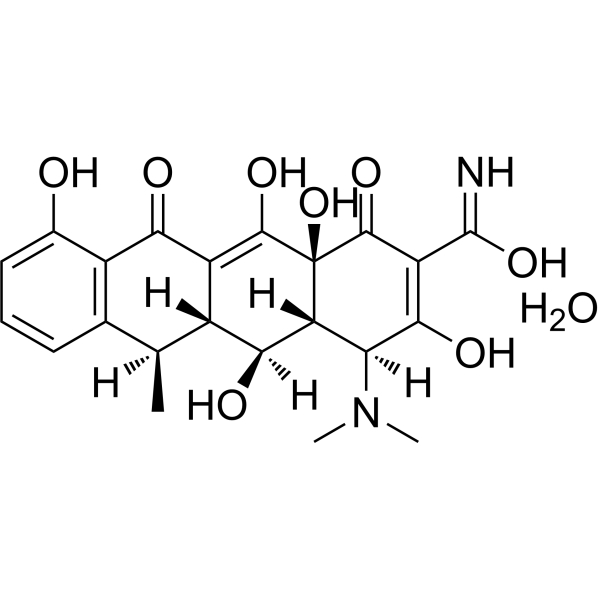
Cat. No.: HY-W008923
CAS No.: 17086-28-1
Doxycycline monohydrate (Doxycycline (hydrochloride hemiethanolate hemihydrate); WC2031) is an orally active, broad-spectrum tetracycline antibiotic that also functions as an MMP inhibitor, exhibiting antibacterial, antiviral, antiparasitic, and antitumor activities. Doxycycline monohydrate can bind to the classical binding site (CBS) within the mRNA decoding center of the 30S small subunit of the bacterial 70S ribosome.Doxycycline monohydrate blocks bacterial protein synthesis and inhibits the degradation of the extracellular matrix through its interaction with zinc and calcium ions. Doxycycline monohydrate also inhibits mitochondrial biogenesis, translation, and the expression of respiratory chain proteins. Doxycycline monohydrate induces apoptosis, inhibits autophagy and EMT, downregulates stem cell markers, and activates the PI3K-AKT pathway, thereby effectively inhibiting the viability and proliferation of cancer cells such as breast cancer cells. Doxycycline monohydrate can disrupt transthyretin (TTR) amyloid fibrils. Doxycycline monohydrate also promotes the survival and self-renewal of embryonic stem cells and neural stem cells, and reduces the frequency of medium changes in culture. Doxycycline monohydrate can be used in research related to cancers—such as breast, prostate, and bladder cancer—as well as neurological disorders .
loading...
    loading...
207
207 Cited Publications
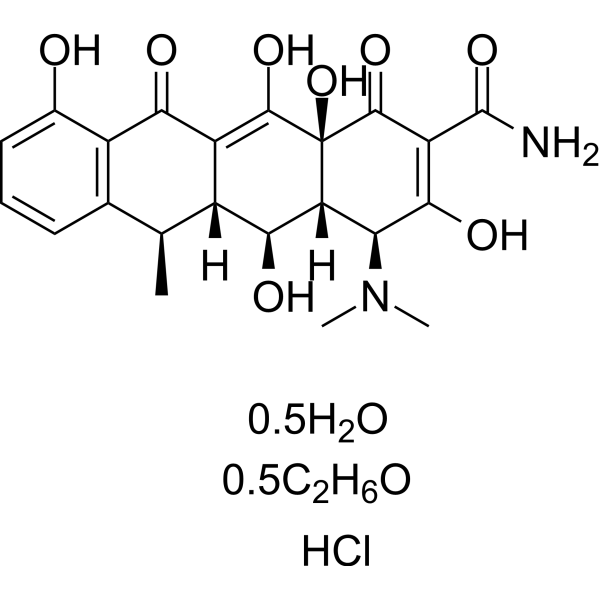
Cat. No.: HY-N0565B
CAS No.: 24390-14-5
Synonyms: Doxycycline hydrochloride hemiethanolate hemihydrate; WC2031
Doxycycline hyclate (Doxycycline (hydrochloride hemiethanolate hemihydrate); WC2031) is an orally active, broad-spectrum tetracycline antibiotic that also functions as an MMP inhibitor, exhibiting antibacterial, antiviral, antiparasitic, and antitumor activities. Doxycycline hyclate can bind to the classical binding site (CBS) within the mRNA decoding center of the 30S small subunit of the bacterial 70S ribosome.Doxycycline hyclate blocks bacterial protein synthesis and inhibits the degradation of the extracellular matrix through its interaction with zinc and calcium ions. Doxycycline hyclate also inhibits mitochondrial biogenesis, translation, and the expression of respiratory chain proteins. Doxycycline hyclate induces apoptosis, inhibits autophagy and EMT, downregulates stem cell markers, and activates the PI3K-AKT pathway, thereby effectively inhibiting the viability and proliferation of cancer cells such as breast cancer cells. Doxycycline hyclate can disrupt transthyretin (TTR) amyloid fibrils. Doxycycline hyclate also promotes the survival and self-renewal of embryonic stem cells and neural stem cells, and reduces the frequency of medium changes in culture. Doxycycline hyclate can be used in research related to cancers—such as breast, prostate, and bladder cancer—as well as neurological disorders .
loading...
    loading...
202
202 Cited Publications
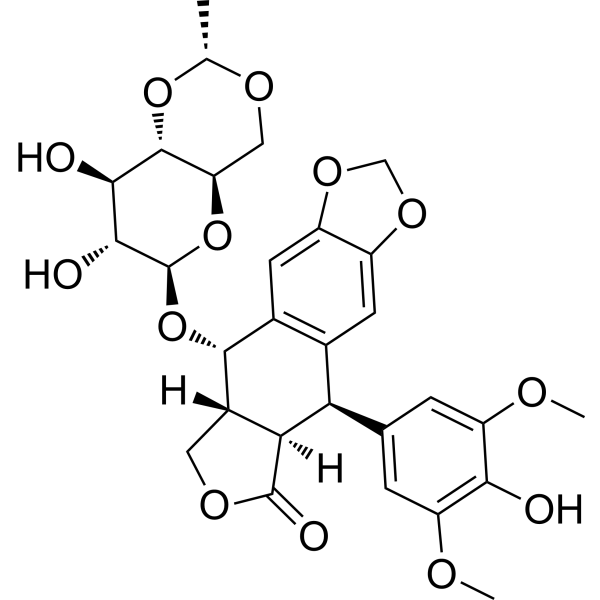
Cat. No.: HY-13629
CAS No.: 33419-42-0
Purity:  99.94%
Synonyms: VP-16; VP-16-213
Etoposide (VP-16; VP-16-213) is an anti-cancer chemotherapy agent. Etoposide inhibits topoisomerase II, thus stopping DNA replication. Etoposide induces cell cycle arrest, apoptosis and autophagy .
loading...
    loading...
202
202 Cited Publications
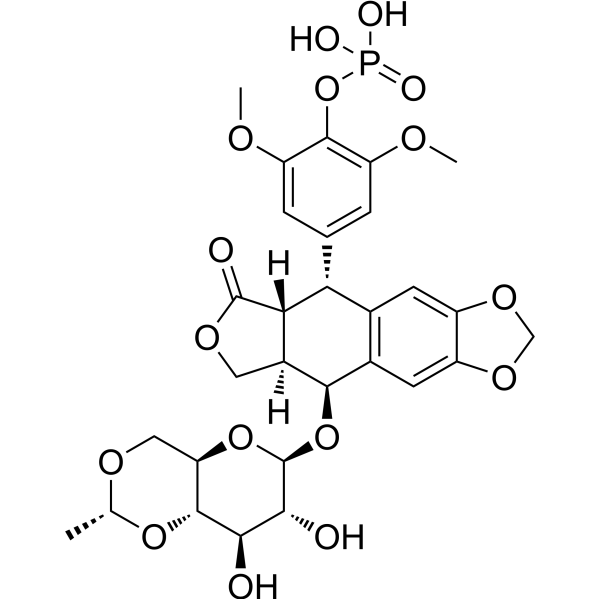
Cat. No.: HY-13630
CAS No.: 117091-64-2
Purity:  99.28%
Synonyms: BMY-40481
Etoposide phosphate (BMY-40481) is a potent anti-cancer chemotherapy agent and a selective topoisomerase II inhibitor to prevent re-ligation of DNA strands. Etoposide phosphate is the phosphate ester proagent of etoposide and is considered as active equivalent to Etoposide. Etoposide phosphate induces cell cycle arrest, apoptosis, and autophagy.
loading...
    loading...

