Search Result
Results for "
Chlorinated
" in MedChemExpress (MCE) Product Catalog:
2
Biochemical Assay Reagents
3
Isotope-Labeled Compounds
| Cat. No. |
Product Name |
Target |
Research Areas |
Chemical Structure |
-
- HY-Y1282
-
|
|
Environmental Pollutants
Biochemical Assay Reagents
SOD
|
Cardiovascular Disease
Infection
Neurological Disease
|
|
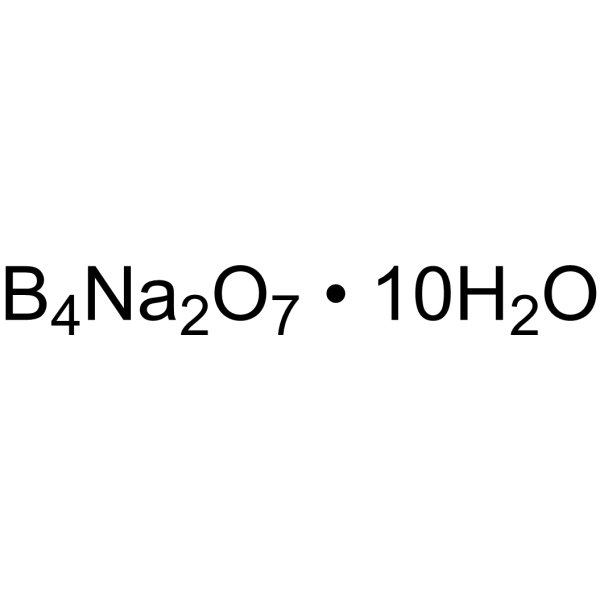
Sodium tetraborate decahydrate is an orally active biochemical reagent and antibacterial agent. Sodium tetraborate decahydrate leads to an increase in the activity of Catalase, Superoxide dismutase. Sodium tetraborate decahydrate reduces Hydrogen sulfide and the sulfate-reducing bacteria population of swine manure. Sodium tetraborate decahydrate serves as flame suppressant for wood cellulose. Sodium tetraborate decahydrate is a triglyceride transesterification catalyst. Sodium tetraborate decahydrate suppresses the formation of chlorinated by-products in Cl −-containing water. Sodium tetraborate decahydrate has a neuroprotective effect against chromium poisoning. Sodium tetraborate decahydrate can protect the heart from chromium damage at low doses. Sodium tetraborate in a low dose with an isolated application shows an antioxidant effect .
|
-
-
- HY-108712
-
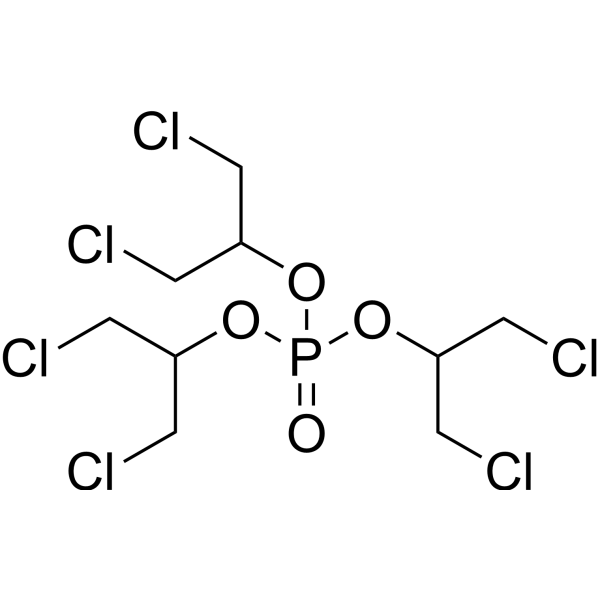
TDCPP
Maximum Cited Publications
8 Publications Verification
Tris(1,3-dichloroisopropyl)phosphate
|
Biochemical Assay Reagents
|
Cancer
|
|
TDCPP is a chlorinated analog of tris(2,3-dibromopropyl)phosphate (Tris) which is one of the most detected organophosphorus flame retardants (OPFRs) in the environment.
|
-
-
- HY-N6786
-
|
|
Endogenous Metabolite
|
Metabolic Disease
|
|
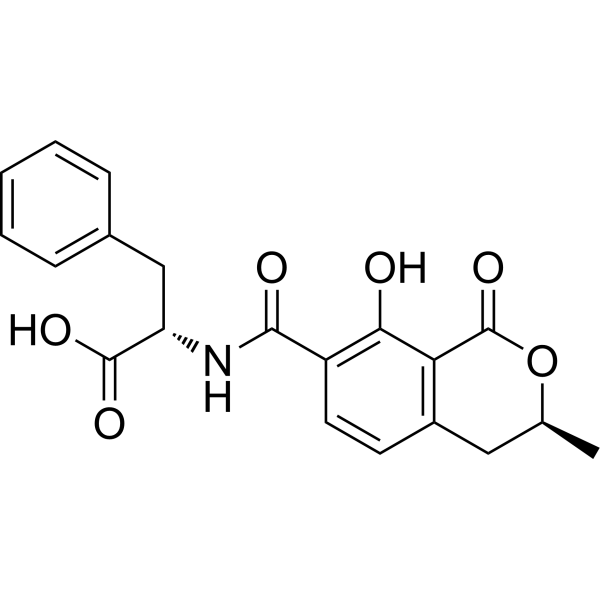
Ochratoxin B is an orally active secondary metabolite of Aspergillus ochraceus and non-chlorinated analog of the mycotoxin Ochratoxin A. Ochratoxin B reduces the toxic effects of Ochratoxin A (HY-N6788). Ochratoxin B inhibits cell division. Ochratoxin B causes craniofacial malformations in Xenopus laevis embryos .
|
-
-
- HY-W016371
-
|
3,4,5-threechlorine pyridine
|
Biochemical Assay Reagents
|
Others
|
|
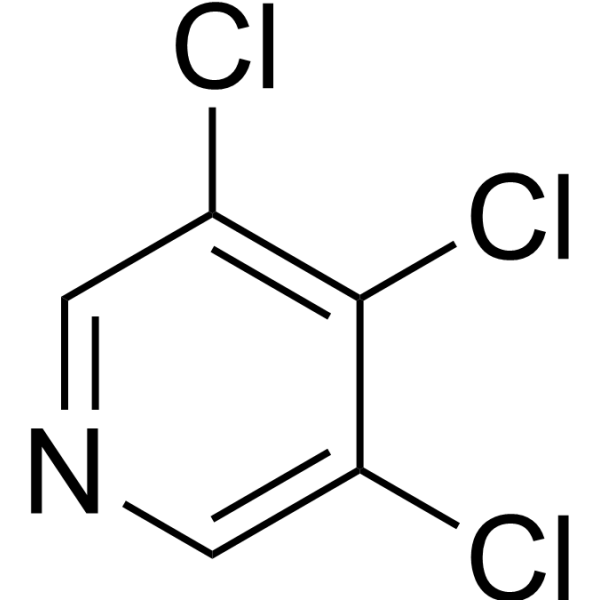
3,4,5-Trichloropyridine is a chlorinated pyridine compound and also serves as an internal standard for quantitative proton nuclear magnetic resonance spectroscopy .
|
-
-
- HY-W006267
-
|
4-Cl-IAA
|
Endogenous Metabolite
|
Others
|
|
4-Chloroindole-3-acetic acid (4-Cl-IAA) is a chlorinated analogue of indole-3-acetic acid (IAA) (HY-18569) auxin that functions as a plant hormone, which is found in the seeds of Medicago truncatula、Melilotus indicus and Trifolium .
|
-
-
- HY-66053
-
|
|
Fungal
|
Infection
|
|
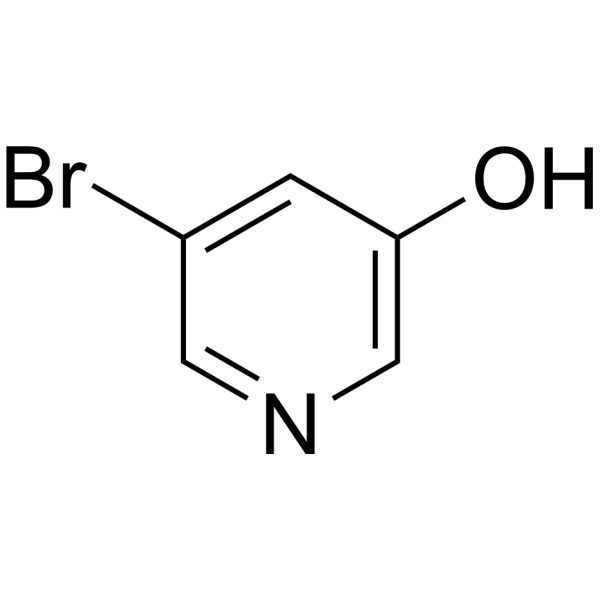
5-Bromo-3-pyridinol is a chemical and pharmaceutical intermediate that can be used in the research of biological activities. Chlorinated derivatives of 5-Bromo-3-pyridinol are potential fungicides [1] .
|
-
-
- HY-Y0532
-
|
Succinchlorimide
|
Environmental Pollutants
Bacterial
|
Infection
|
|
N-Chlorosuccinimide is a five-membered N-containing heterocyclic molecule. N-Chlorosuccinimide is a versatile reagent and can be used for different types of reactions, such as aliphatic and aromatic chlorination. N-Chlorosuccinimide can enhance the antimicrobial effect of Benzalkonium chloride (HY-B2232) on biofilm Pseudomonas aeruginosa .
|
-
-
- HY-N6937
-
|
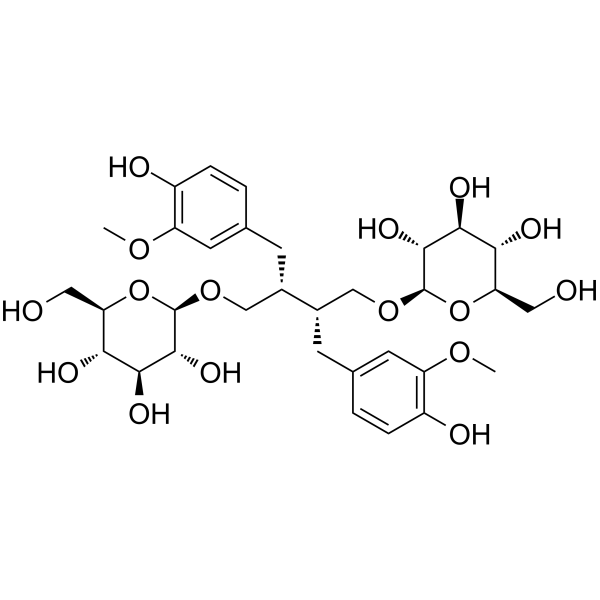
(R,R)-SDG; (R,R)-LGM2605
|
Others
|
Inflammation/Immunology
|
|
(R,R)-Secoisolariciresinol diglucoside ((R,R)-SDG) is the minor isomer of Secoisolariciresinol diglucoside in flaxseed. (R,R)-Secoisolariciresinol diglucoside ((R,R)-SDG) possesses antioxidant and free radical scavenging activities and DNA-radioprotective properties. (R,R)-Secoisolariciresinol diglucoside ((R,R)-SDG) inhibits myeloperoxidase (MPO) activity by suppressing both the peroxidase and chlorination cyclesin inflammatory cells .
|
-
-
- HY-W006000
-
|
|
Drug Metabolite
|
Others
|
|
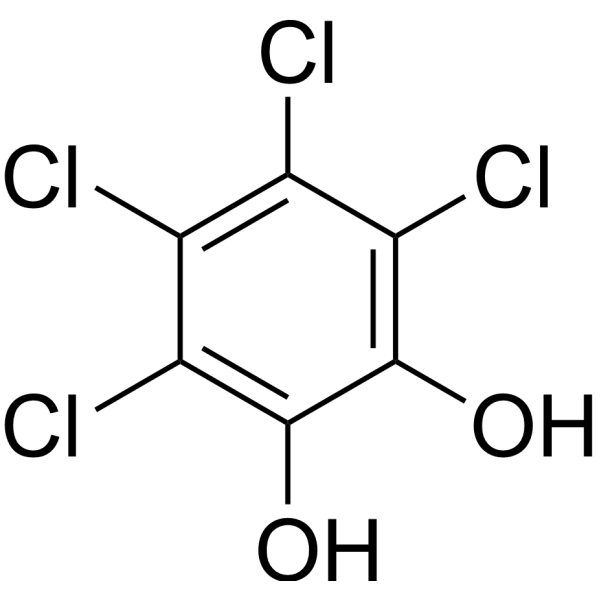
Tetrachlorocatechol is a metabolite of pentachlorophenol. Tetrachlorocatechol is one of the most toxic chlorinated catechol produced by the chlorobleaching of pulp and frequently found in the kraft pulp mill effluents .
|
-
-
- HY-W041171
-
|
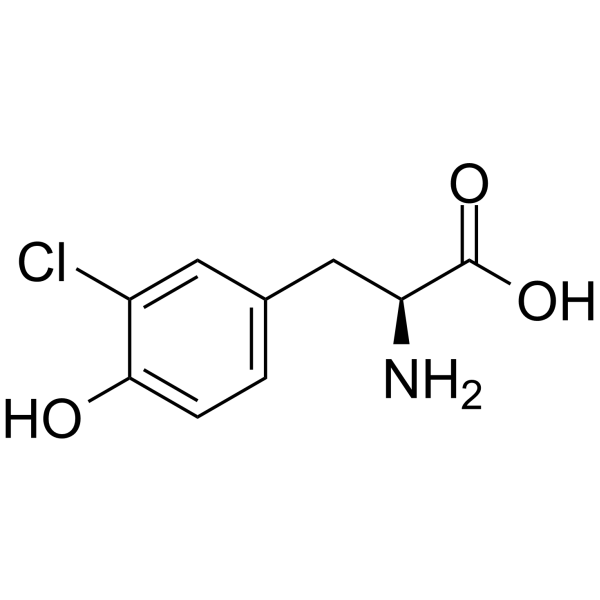
3-Chlorotyrosine
|
Glutathione Peroxidase
|
Others
|
|
3-Chloro-L-tyrosine is a specific biomarker in myeloperoxidase-catalyzed oxidation. 3-Chloro-L-tyrosine can be used as a molecular marker for oxidative stress and inflammation to determine whether myeloperoxidase-mediated tyrosine chlorination occurs. 3-Chloro-L-tyrosine is therefore used in the diagnosis of chlorine poisoning in forensic toxicology and in the auxiliary diagnosis of inflammation such as colorectal cancer .
|
-
-
- HY-W023144
-
-
-
- HY-106136
-
|
PD-6735; LY-156735
|
Melatonin Receptor
5-HT Receptor
|
Neurological Disease
|
|
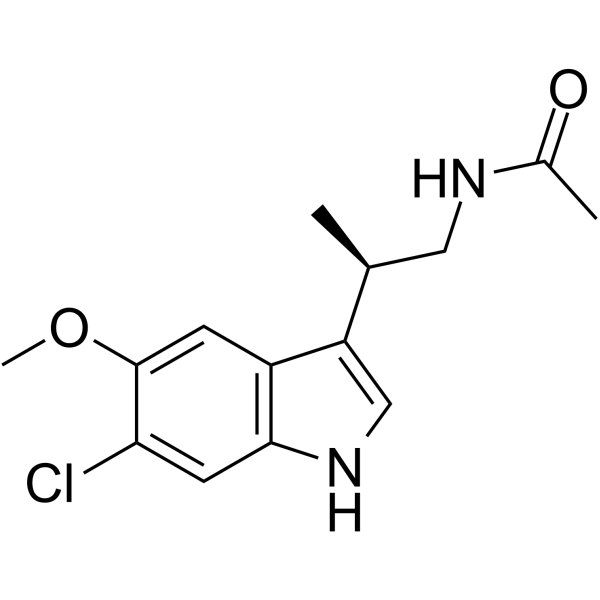
TIK-301 (PD-6735) is a chlorinated melatonin derivative and a potent, high-affinity and orally active melatonin MT1 and MT2 receptors agonist with Kis of 0.081 nM and 0.042 nM, respectively. TIK-301 is also a 5-HT2B/5-HT2C receptors antagonist with antidepressant action. TIK-301 has the potential for sleep disorders and other circadian rhythm disorders treatment .
|
-
-
- HY-132183
-
|
|
Endogenous Metabolite
|
Metabolic Disease
|
|
Chloride peroxidase is a monomeric, heme-containing enzyme. Chloride peroxidase is capable of electrophilic chlorinations through the umpolung of chloride by oxidation with hydrogen peroxide .
|
-
-
- HY-W044174
-
|
|
Drug Intermediate
|
Others
|
|
3-Phenylpropionamide is a ω-phenylalkylamide organic compound. 3-Phenylpropionamide can be used as an intermediate in the synthesis of chlorinated aromatic amide compounds .
|
-
-
- HY-108712R
-
|
Tris(1,3-dichloroisopropyl)phosphate (Standard)
|
Biochemical Assay Reagents
Reference Standards
|
Cancer
|
|
TDCPP (Standard) is the analytical standard of TDCPP. This product is intended for research and analytical applications. TDCPP is a chlorinated analog of tris(2,3-dibromopropyl)phosphate (Tris) which is one of the most detected organophosphorus flame retardants (OPFRs) in the environment.
|
-
-
- HY-B0497S1
-
|
BAY2353-13C6
|
Isotope-Labeled Compounds
STAT
Parasite
Antibiotic
|
Infection
Cancer
|
|
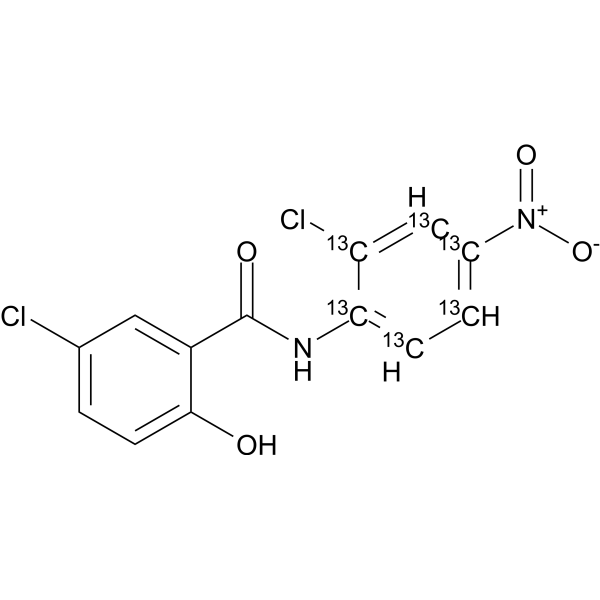
Niclosamide- 13C6 is the 13C6 labeled Niclosamide. Niclosamide (BAY2353) is an orally bioavailable chlorinated salicylanilide, with anthelmintic and potential antineoplastic activity. Niclosamide (BAY2353) inhibits STAT3 with IC50 of 0.25 μM in HeLa cells and inhibits DNA replication in a cell-free assay.
|
-
-
- HY-W585856
-
|
|
Drug Intermediate
|
Others
|
|
Bisphenol A (3-chloro-2-hydroxypropyl) glycidyl ether is a chlorinated derivative that is released during heat treatment of food cans, bulk storage containers, and food containers. Bisphenol A (3-chloro-2-hydroxypropyl) glycidyl ether is an endocrine disruptor that affects reproductive organs and brain development.
|
-
-
- HY-B1970
-
|
2,4'-DDT
|
Insecticide
Estrogen Receptor/ERR
|
Endocrinology
|
|
o,p'-DDT (2,4'-DDT) is a chlorinated organic pesticide with estrogenic activity. o,p'-DDT is persistent in the environment, can accumulate in organisms and disrupt the endocrine system. o,p'-DDT is used in agriculture as a pesticide, especially for controlling insect pests. The use of o,p'-DDT has led to toxic effects in organisms, raising widespread concern about its environmental and health effects. o,p'-DDT has also led to research into its long-term effects in ecosystems .
|
-
-
- HY-Y0532R
-
|
|
Bacterial
Reference Standards
|
Infection
|
|
N-Chlorosuccinimide is a five-membered N-containing heterocyclic molecule. N-Chlorosuccinimide is a versatile reagent and can be used for different types of reactions, such as aliphatic and aromatic chlorination. N-Chlorosuccinimide can enhance the antimicrobial effect of Benzalkonium chloride (HY-B2232) on biofilm Pseudomonas aeruginosa .
|
-
-
- HY-175985
-
|
|
Reactive Oxygen Species (ROS)
|
Inflammation/Immunology
|
|
MPO-IN-9 is a selective inhibitor of myeloperoxidase (MPO), with an IC50 value of 3.9 nM. MPO-IN-9 inhibits MPO-mediated ROS production and protects NO-dependent vascular function by blocking MPO's chlorination and peroxidation cycles. MPO-IN-9 can be used for the study of diseases such as chronic kidney disease (CKD), non-alcoholic steatohepatitis (NASH) .
|
-
-
- HY-W019780
-
|
Dichlorobromomethane
|
Glutathione S-transferase
|
Metabolic Disease
Cancer
|
|
Bromodichloromethane (Dichlorobromomethane) is a type of trihalomethane, commonly found in chlorinated drinking water for disinfection, and is a disinfection by-product. The bromination of bromodichloromethane can cause the formation of mutagenic intermediates through the transformation mediated by glutathione S-transferase (GST). Bromodichloromethane inhibits the differentiation of human placental trophoblast cells and reduces the secretion of chorionic gonadotropin (CG). Bromodichloromethane has potential reproductive toxicity and carcinogenicity .
|
-
-
- HY-N7535
-
|
|
Others
|
Cancer
|
|
Chlorovaltrate K is a chlorinated valepotriate with anticancer effects. Chlorovaltrate K shows moderate cytotoxicity against A549, PC-3M, HCT-8 and Bel 7402 cell lines with IC50 values of 2.32-8.26 μM .
|
-
-
- HY-133621
-
|
|
Biochemical Assay Reagents
|
Cancer
|
|
9,10-Dichlorostearic acid is a chlorinated stearic acid with antimutagenic properties. 9,10-Dichlorostearic acid can cause membrane damage by inducing leakage of adenosine triphosphate (ATP) from mammalian tumour cells in vitro .
|
-
-
- HY-133596
-
|
|
Potassium Channel
GABA Receptor
|
Neurological Disease
|
|
12,14-Dichlorodehydroabietic acid, a chlorinated resin acid, is a potent Ca 2+-activated K + (BK) channel opener. 12,14-Dichlorodehydroabietic acid blocks GABA-dependent chloride entry in mammalian brain and operates as a non-competitive GABAA antagonist. 12,14-Dichlorodehydroabietic acid increases cytosolic free Ca 2+ and stimulates transmitter release .
|
-
-
- HY-133599
-
-
-
- HY-133602
-
-
-
- HY-133606
-
-
-
- HY-N11494
-
|
|
NF-κB
|
Others
|
|
Dauricumine is a chlorinated alkaloid that inhibits NF-κB ligand-induced differentiation of mouse bone marrow-derived macrophages into multinucleated osteoclasts .
|
-
-
- HY-133603
-
|
|
Drug Derivative
|
Others
|
|
4,5-Dichloroveratrole is a chlorinated product formed by reaction of Veratryl alcohol (VE; HY-107858) with chlorine dioxide solution .
|
-
-
- HY-W460141
-
|
|
Ligands for E3 Ligase
|
Cancer
|
|
Thalidomide 4-chloro is a chlorinated E3 ligase activator. Thalidomide 4-chloro may be used for further derivitization by substitution of chlorine.
|
-
-
- HY-133607
-
|
|
Drug Derivative
|
Others
|
|
5,6-Dichlorovanillin is a product upon chlorination to afford 4,5,6-trichloroguaiacol, together with tetrachloroguaiacol and the unreacted starting materials .
|
-
-
- HY-133653
-
|
3,3-Dibromoacrylic acid
|
Drug Derivative
|
Others
|
|
3,3-Dibromopropenoic acid is a 3,3-dibromo product based on propenoic acid. 3,3-Dibromopropenoic acid is a polar aromatic brominated disinfection byproduct during chlorination in water .
|
-
-
- HY-W006000R
-
|
|
Drug Metabolite
Reference Standards
|
Others
|
|
Tetrachlorocatechol (Standard) is the analytical standard of Tetrachlorocatechol. This product is intended for research and analytical applications. Tetrachlorocatechol is a metabolite of pentachlorophenol. Tetrachlorocatechol is one of the most toxic chlorinated catechol produced by the chlorobleaching of pulp and frequently found in the kraft pulp mill effluents[1][2].
|
-
-
- HY-133654
-
|
|
Drug Derivative
|
Others
|
|
2,3,3-Tribromopropenoic acid is a 2,3,3-Tribromo product based on propenoic acid. 2,3,3-Tribromopropenoic acid is a polar aromatic brominated disinfection byproduct during chlorination in water and shows cytotoxic potency in mammalian cell chronic cytotoxicity experiments .
|
-
-
- HY-162827
-
|
|
RAR/RXR
Apoptosis
|
Cancer
|
|
RAR/RXR agonist-1 (compound 7) is a chlorinated retinoic acid isomer, a selective RARα agonist and a partial RXRα agonist. RAR/RXR agonist-1 can activate RXRα and induce G2/M arrest and apoptosis in cancer cells .
|
-
-
- HY-W041171R
-
|
3-Chlorotyrosine (Standard)
|
Glutathione Peroxidase
Reference Standards
|
Others
|
|
3-Chloro-L-tyrosine is a specific biomarker in myeloperoxidase-catalyzed oxidation. 3-Chloro-L-tyrosine can be used as a molecular marker for oxidative stress and inflammation to determine whether myeloperoxidase-mediated tyrosine chlorination occurs. 3-Chloro-L-tyrosine is therefore used in the diagnosis of chlorine poisoning in forensic toxicology and in the auxiliary diagnosis of inflammation such as colorectal cancer .
|
-
-
- HY-N6786R
-
|
|
Endogenous Metabolite
Reference Standards
|
Metabolic Disease
|
|
Ochratoxin B (Standard) is the analytical standard of Ochratoxin B (HY-N6786). This product is intended for research and analytical applications. Ochratoxin B is an orally active secondary metabolite of Aspergillus ochraceus and non-chlorinated analog of the mycotoxin Ochratoxin A. Ochratoxin B reduces the toxic effects of Ochratoxin A (HY-N6788). Ochratoxin B inhibits cell division. Ochratoxin B causes craniofacial malformations in Xenopus laevis embryos .
|
-
-
- HY-N6786S
-
|
|
Isotope-Labeled Compounds
Endogenous Metabolite
|
Metabolic Disease
|
|
Ochratoxin B- 13C20 is 13C-labeled Ochratoxin B (HY-N6786). Ochratoxin B is an orally active secondary metabolite of Aspergillus ochraceus and non-chlorinated analog of the mycotoxin Ochratoxin A. Ochratoxin B reduces the toxic effects of Ochratoxin A (HY-N6788). Ochratoxin B inhibits cell division. Ochratoxin B causes craniofacial malformations in Xenopus laevis embryos .
|
-
-
- HY-N6937R
-
|
(R,R)-SDG (Standard); (R,R)-LGM2605 (Standard)
|
Reference Standards
Others
|
Inflammation/Immunology
|
|
(R,R)-Secoisolariciresinol diglucoside (Standard) is the analytical standard of (R,R)-Secoisolariciresinol diglucoside. This product is intended for research and analytical applications. (R,R)-Secoisolariciresinol diglucoside ((R,R)-SDG) is the minor isomer of Secoisolariciresinol diglucoside in flaxseed. (R,R)-Secoisolariciresinol diglucoside ((R,R)-SDG) possesses antioxidant and free radical scavenging activities and DNA-radioprotective properties. (R,R)-Secoisolariciresinol diglucoside ((R,R)-SDG) inhibits myeloperoxidase (MPO) activity by suppressing both the peroxidase and chlorination cyclesin inflammatory cells .
|
-
-
- HY-N6937S1
-
|
(R,R)-SDG-d6; (R,R)-LGM2605-d6
|
Isotope-Labeled Compounds
|
Inflammation/Immunology
|
|
(R,R)-Secoisolariciresinol diglucoside-d6 is deuterated labeled (R,R)-Secoisolariciresinol diglucoside (HY-N6937). (R,R)-Secoisolariciresinol diglucoside ((R,R)-SDG) is the minor isomer of Secoisolariciresinol diglucoside in flaxseed. (R,R)-Secoisolariciresinol diglucoside ((R,R)-SDG) possesses antioxidant and free radical scavenging activities and DNA-radioprotective properties. (R,R)-Secoisolariciresinol diglucoside ((R,R)-SDG) inhibits myeloperoxidase (MPO) activity by suppressing both the peroxidase and chlorination cyclesin inflammatory cells .
|
-
-
- HY-W773487
-
|
|
Bacterial
|
Infection
|
|
FtsZ-IN-10 is a bacterial division inhibitor that interferes with the normal assembly of FtsZ. FtsZ-IN-10 specifically binds to Bacillus subtilis FtsZ monomers, thereby affecting their polymerization behavior. FtsZ-IN-10 may also activate nucleotide-free archaeal FtsZ to form ordered polymers. FtsZ-IN-10 can hinder the localization of FtsZ in the Z ring and inhibit bacterial cell division. Chlorinated analogs of FtsZ-IN-10 show the ability to inhibit the growth of antibiotic-resistant clinical isolates such as Staphylococcus aureus and Enterococci .
|
-
-
- HY-W052075
-
|
|
Drug Derivative
|
Others
|
|
3-Phenoxyphenol is a polymeric Phenol. 3-Phenoxyphenol generates iodinated and chlorinated polymeric phenolic disinfection byproducts during chlorination disinfection .
|
-
-
- HY-W751921
-
|
|
Insecticide
|
Others
|
|
Chlorethoxyfos is an organophosphate insecticide. Chlorethoxyfos undergoes oxidation to form its oxon in chlorinated laboratory water .
|
-
-
- HY-W006267R
-
|
4-Cl-IAA (Standard)
|
Endogenous Metabolite
Reference Standards
|
Others
|
|
4-Chloroindole-3-acetic acid (Standard) is the analytical standard of 4-Chloroindole-3-acetic acid (HY-W006267). This product is intended for research and analytical applications. 4-Chloroindole-3-acetic acid (4-Cl-IAA) is a chlorinated analogue of indole-3-acetic acid (IAA) (HY-18569) auxin that functions as a plant hormone, which is found in the seeds of Medicago truncatula、Melilotus indicus and Trifolium .
|
-
-
- HY-W587465
-
-
-
- HY-W587442
-
|
|
Estrogen Receptor/ERR
|
Cancer
|
|
3-Chlorobisphenol A, a chlorinated derivatives of bisphenol A, is an endocrine-disrupting compound. It binds to estrogen receptors, causing disorders in hormone signaling pathways. Bisphenol A is an industrial chemical used in the production of polycarbonate plastics and epoxy resin.
|
-
-
- HY-E71338
-
|
|
Biochemical Assay Reagents
|
Others
|
|
γ-Glutamylanilide synthase (EC 6.3.1.18) requires Mg2+. The enzyme, characterized from the bacterium Acinetobacter sp. YAA, catalyses the first step in the degradation of aniline. It can also accept chlorinated and methylated forms of aniline, preferrably in the o-and p-positions.
|
-
-
- HY-W009659
-
|
|
Drug Intermediate
|
Others
|
|
m-Terphenyl is a non-chlorinated trisphenyl compound and is commonly used as the basic structure for industrial raw materials (such as plastic additives). In liver enzyme induction experiments, m-Terphenyl exhibits weak activity and is unable to significantly activate the cytochrome P-450-dependent monooxygenase system .
|
-
-
- HY-E70987
-
|
|
Biochemical Assay Reagents
|
Metabolic Disease
|
|
Chloroperoxidase, Caldariomyces fumago (EC 1.11.1.10) is an extracellular heme glycoenzyme containing ferriprotoporphyrin IX as the prosthetic group. Chloroperoxidase, Caldariomyces fumago (EC 1.11.1.10) is a peroxide-dependent chlorinating enzyme. It also catalyzes peroxidase-, catalase-and cytochrome P450-type reactions of dehydrogenation, H2O2 decomposition and oxygen insertion, respectively.
|
-
-
- HY-N9731
-
|
|
NF-κB
|
Others
|
|
6-O-p-Hydroxybenzoylglutinoside acts as a selective NF-κB inhibitor that suppresses the transcriptional activity of TNF-α-activated NF-κB (IC50=52.78 μM). 6-O-p-Hydroxybenzoylglutinoside shows no significant inhibitory activity against sEH, AChE, or BChE. 6-O-p-Hydroxybenzoylglutinoside is a caged chlorinated iridoid glycoside identified from the seeds of Catalpa bungei (Manchurian catalpa) .
|
-
- HY-D3224
-
|
|
Fluorescent Dye
|
Neurological Disease
|
|
HCP is a two-photon fluorescent probe capable of crossing the blood-brain barrier, which is specifically designed for real-time detection of hypochlorous acid (HClO/ClO -) produced by myeloperoxidase (MPO). Chlorination of the quinoline skeleton of HCP generates HCP-Cl, which eliminates intramolecular charge transfer (ICT) quenching and thereby produces fluorescence. HCP is suitable for in vivo dynamic imaging of HClO in the brains of epileptic mice and high-throughput screening of antiepileptic drugs (HCP-Cl: Ex/Em = 800 nm/495 nm) .
|
-
| Cat. No. |
Product Name |
Type |
-
- HY-D3224
-
|
|
Fluorescent Dye
|
|
HCP is a two-photon fluorescent probe capable of crossing the blood-brain barrier, which is specifically designed for real-time detection of hypochlorous acid (HClO/ClO -) produced by myeloperoxidase (MPO). Chlorination of the quinoline skeleton of HCP generates HCP-Cl, which eliminates intramolecular charge transfer (ICT) quenching and thereby produces fluorescence. HCP is suitable for in vivo dynamic imaging of HClO in the brains of epileptic mice and high-throughput screening of antiepileptic drugs (HCP-Cl: Ex/Em = 800 nm/495 nm) .
|
| Cat. No. |
Product Name |
Type |
-
- HY-W016371
-
|
3,4,5-threechlorine pyridine
|
Biochemical Assay Reagents
|
|
3,4,5-Trichloropyridine is a chlorinated pyridine compound and also serves as an internal standard for quantitative proton nuclear magnetic resonance spectroscopy .
|
-
- HY-66053
-
|
|
Biochemical Assay Reagents
|
|
5-Bromo-3-pyridinol is a chemical and pharmaceutical intermediate that can be used in the research of biological activities. Chlorinated derivatives of 5-Bromo-3-pyridinol are potential fungicides [1] .
|
| Cat. No. |
Product Name |
Category |
Target |
Chemical Structure |
-
- HY-N6786
-
-
-
- HY-W006267
-
-
-
- HY-N6937
-
-
-
- HY-W041171
-
-
-
- HY-132183
-
-
-
- HY-N7535
-
-
-
- HY-N11494
-
-
-
- HY-W041171R
-
-
-
- HY-N6786R
-
-
-
- HY-N6937R
-
|
(R,R)-SDG (Standard); (R,R)-LGM2605 (Standard)
|
Structural Classification
Linum usitatissimum Linn.
Linaceae
Lignans
Phenylpropanoids
Plants
Source Classification
|
Reference Standards
Others
|
|
(R,R)-Secoisolariciresinol diglucoside (Standard) is the analytical standard of (R,R)-Secoisolariciresinol diglucoside. This product is intended for research and analytical applications. (R,R)-Secoisolariciresinol diglucoside ((R,R)-SDG) is the minor isomer of Secoisolariciresinol diglucoside in flaxseed. (R,R)-Secoisolariciresinol diglucoside ((R,R)-SDG) possesses antioxidant and free radical scavenging activities and DNA-radioprotective properties. (R,R)-Secoisolariciresinol diglucoside ((R,R)-SDG) inhibits myeloperoxidase (MPO) activity by suppressing both the peroxidase and chlorination cyclesin inflammatory cells .
|
-
-
- HY-W006267R
-
-
-
- HY-N9731
-
-
| Cat. No. |
Product Name |
Chemical Structure |
-
- HY-B0497S1
-
|
|
|
Niclosamide- 13C6 is the 13C6 labeled Niclosamide. Niclosamide (BAY2353) is an orally bioavailable chlorinated salicylanilide, with anthelmintic and potential antineoplastic activity. Niclosamide (BAY2353) inhibits STAT3 with IC50 of 0.25 μM in HeLa cells and inhibits DNA replication in a cell-free assay.
|
-
-
- HY-N6786S
-
|
|
|
Ochratoxin B- 13C20 is 13C-labeled Ochratoxin B (HY-N6786). Ochratoxin B is an orally active secondary metabolite of Aspergillus ochraceus and non-chlorinated analog of the mycotoxin Ochratoxin A. Ochratoxin B reduces the toxic effects of Ochratoxin A (HY-N6788). Ochratoxin B inhibits cell division. Ochratoxin B causes craniofacial malformations in Xenopus laevis embryos .
|
-
-
- HY-N6937S1
-
|
|
|
(R,R)-Secoisolariciresinol diglucoside-d6 is deuterated labeled (R,R)-Secoisolariciresinol diglucoside (HY-N6937). (R,R)-Secoisolariciresinol diglucoside ((R,R)-SDG) is the minor isomer of Secoisolariciresinol diglucoside in flaxseed. (R,R)-Secoisolariciresinol diglucoside ((R,R)-SDG) possesses antioxidant and free radical scavenging activities and DNA-radioprotective properties. (R,R)-Secoisolariciresinol diglucoside ((R,R)-SDG) inhibits myeloperoxidase (MPO) activity by suppressing both the peroxidase and chlorination cyclesin inflammatory cells .
|
-
| Cat. No. |
Product Name |
|
Classification |
-
- HY-Y1282
-
|
|
|
Others
|
|
Sodium tetraborate decahydrate is an orally active biochemical reagent and antibacterial agent. Sodium tetraborate decahydrate leads to an increase in the activity of Catalase, Superoxide dismutase. Sodium tetraborate decahydrate reduces Hydrogen sulfide and the sulfate-reducing bacteria population of swine manure. Sodium tetraborate decahydrate serves as flame suppressant for wood cellulose. Sodium tetraborate decahydrate is a triglyceride transesterification catalyst. Sodium tetraborate decahydrate suppresses the formation of chlorinated by-products in Cl −-containing water. Sodium tetraborate decahydrate has a neuroprotective effect against chromium poisoning. Sodium tetraborate decahydrate can protect the heart from chromium damage at low doses. Sodium tetraborate in a low dose with an isolated application shows an antioxidant effect .
|
Your information is safe with us. * Required Fields.
Inquiry Information
- Product Name:
- Cat. No.:
- Quantity:
- MCE Japan Authorized Agent:

