56 Results for "

Clpp

" in MedChemExpress (MCE) Product Catalog:
Products (56)

56 Results for "Clpp" in MCE Product Catalog:

  • Categories Recommended:
    More
8
8 Publications Verification
Cat. No.: HY-N2360
CAS No.: 19202-36-9
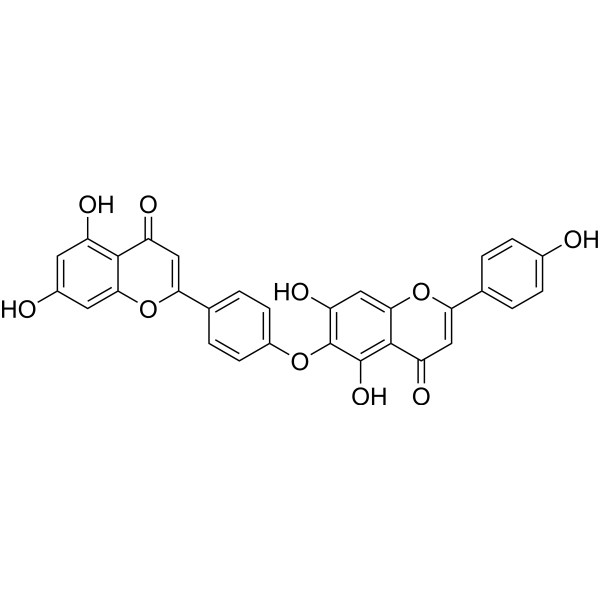
Hinokiflavone is a novel modulator of pre-mRNA splicing activity extracted from plants with anti-inflammatory, anti-tumor and antiviral activities. Hinokiflavone is also a potent inhibitor for matrix metalloproteinases (MMPs). Hinokiflavone attenuates the virulence of Methicillin (HY-121544)-resistant staphylococcus aureus by inhibiting caseinolytic protease P (ClpP) with an IC50 value of 34.36 mg/mL. Hinokiflavone induces apoptosis via the reactive oxygen species-mitochondria-mediated apoptotic pathway and inhibits tumor cell migration and invasion. Hinokiflavone is a SUMO protease inhibitor against sentrin-specific protease 1 (SENP1) activity .
loading...
    loading...
2
2 Cited Publications
Cat. No.: HY-N1181
CAS No.: 603-61-2
Synonyms: 4'-O-Methyl Quercetin
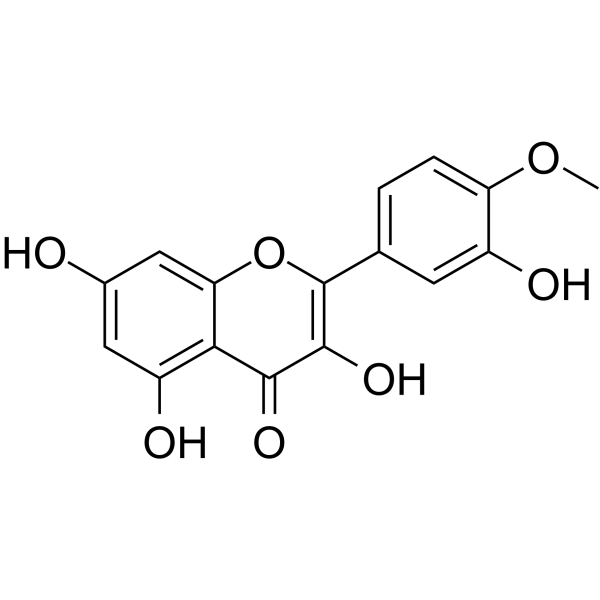
Tamarixetin (4'-O-Methyl Quercetin) is an orally active natural flavonoid derivative of quercetin and caseinolytic protease p (ClpP) inhibitor with anti-inflammatory, antioxidant and antitumor effects. Tamarixetin inhibits the hydrolytic activity of ClpP to the fluorescent substrate Suc-LY-AMC with an IC50 of 49.73 μM, which can be used for the study of Staphylococcus aureus infection. Tamarixetin inhibits tumor cell growth, induces apoptosis, and cell cycle arrest. Tamarixetin prevents cardiac hypertrophy by inhibiting the NFAT and AKT pathways .
loading...
    loading...
2
2 Cited Publications
Cat. No.: HY-111532
CAS No.: 1359752-95-6
Purity:  99.73%
Target:  

ClpP Bacterial

Research Areas:  

Infection

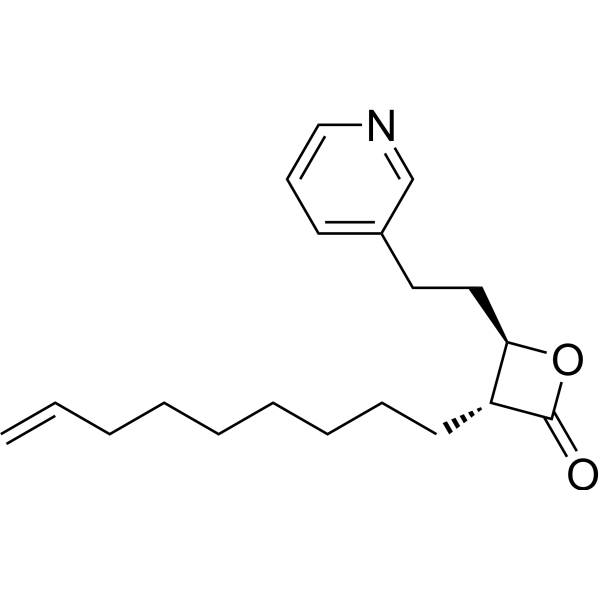
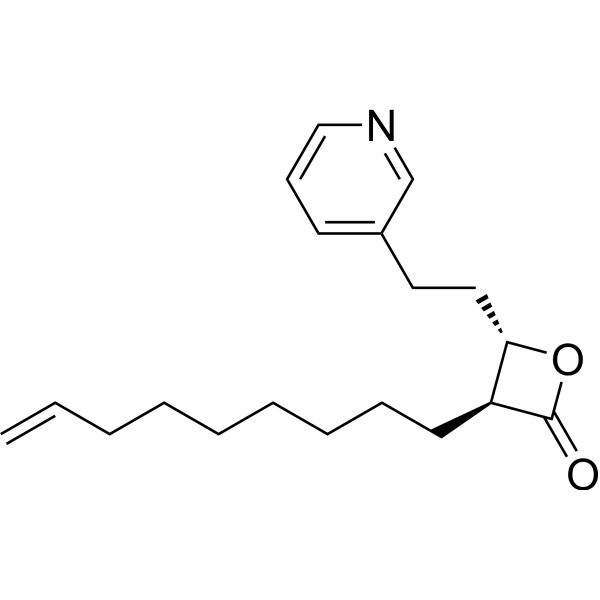
(3R,4R)-A2-32-01 (compound 24(R,R)), the (R,R)-enantiomer of A2-32-01, is a Staphylococcus aureus caseinolytic protease (SaClpP) inhibitor .
loading...
    loading...
1
1 Cited Publications
Cat. No.: HY-149677
CAS No.: 3031789-26-8
Purity:  98.94%
Research Areas:  

Cancer

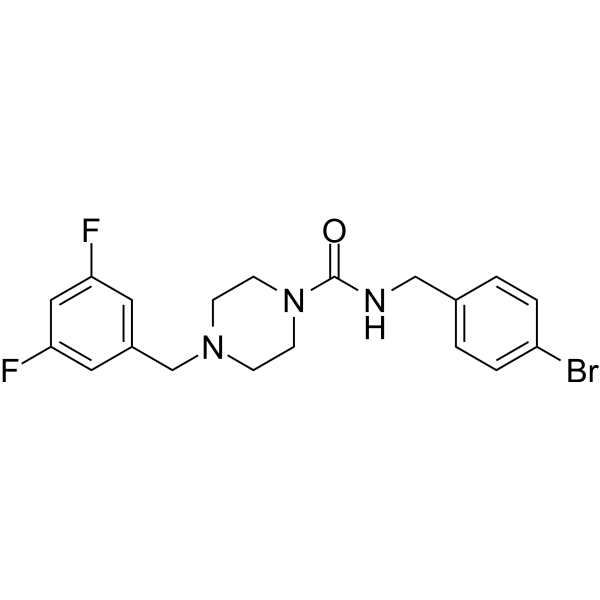
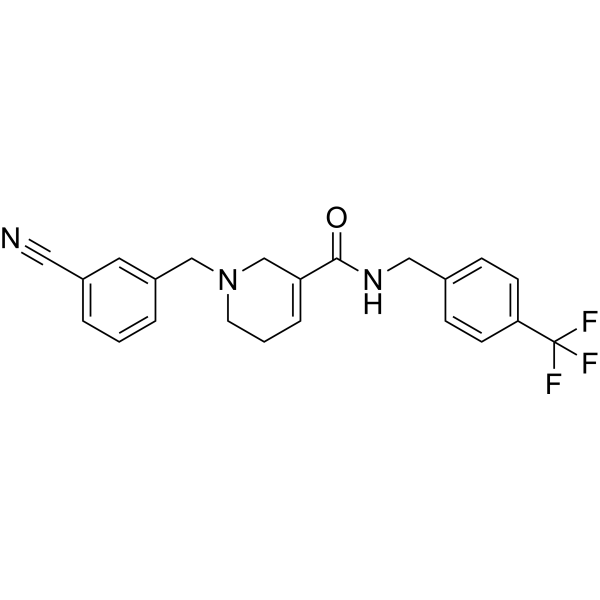
ZK53 is a selective activator of mitochondrial caseinolytic protease P (HsClpP) (EC50: 1.37?μM for α-casein hydrolysis by HsClpP). ZK53 is is inactive toward bacterial ClpP proteins. ZK53 induces apoptosis in H1703, H520 and SK-MES-1 cells. ZK53 induces dysregulation of mitochondrial functions in lung squamous cell carcinoma (LUSC) cells. ZK53 inhibits tumor growth in H1703 xenograft mouse model .
loading...
    loading...
Cat. No.: HY-W018587
CAS No.: 26040-51-7
TBPH is a brominated flame retardant. TBPH enhances hepatic steatosis, inflammation, and fibrosis in mice with nonalcoholic steatohepatitis (NASH). TBPH induces dysregulation of phospholipid metabolism, reducing cardiolipin (CL) and phosphatidylserine (PS) levels. TBPH leads to impaired endoplasmic reticulum-mitochondria (ER-Mito) contacts, subsequently causing mitochondrial dysfunction. TBPH induces lung injury through an inflammatory response mediated by mitochondria-derived ds-DNA. TBPH can be used to study the role of MFN2-mediated ER-mitochondria contacts in lipid metabolism homeostasis .
loading...
    loading...
Cat. No.: HY-P4284
CAS No.: 35172-59-9
Target:  

Proteasome ClpP Bacterial

Research Areas:  

Infection

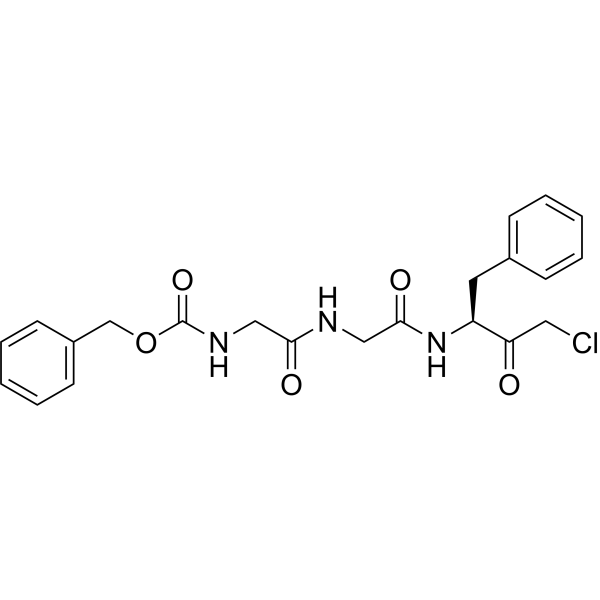
Z-GGF-CMK is an Antibacterial agent, an inhibitor of the ClpP1P2 serine protease complex (with an IC50 of 50 μM against intracellular ClpP1P2 protease activity in Mycobacterium bovis BCG), and a selective inhibitor of the mycobacterial Proteasome (with an IC50 of 50 μM against the proteasome in M. bovis BCG). Z-GGF-CMK inhibits the growth of mycobacteria. Z-GGF-CMK exhibits cytotoxic activity against liver cancer cells. Z-GGF-CMK can be used in the research of tuberculosis .
loading...
    loading...
Cat. No.: HY-172199
CAS No.: 3076954-42-9
Target:  

ClpP

Research Areas:  

Cancer

THX6 is an hClpP activator with an EC50 of 1.18 μM. THX6 improves off-target profile with no affinity for hD2R and only weak affinity for hD3R (Ki = 51.1 µM) in HEK293 cells. THX6 shows good cytotoxicity in ONC201-resistant cells with an IC50 of 0.13 μM. THX6 changes the levels of fatty acids (PUFAs, MUFAs, and SFAs) in DIPG cells. THX6 decreases the level of proteins involved in oxidative phosphorylation, biogenesis, and mitophagy proteins, thereby resulting in a global collapse of mitochondrial integrity and function. THX6 can be used for diffuse intrinsic pontine glioma research .
loading...
    loading...
Cat. No.: HY-171616
CAS No.: 878949-21-4
Target:  

HSP β-catenin

Research Areas:  

Cancer

DCEM1 binds to heat shock protein 60 (HSP60) and inhibits the interaction of HSP60 with ClpP, thereby blocking the mitochondrial unfolded protein response. DCEM1 inhibits β-catenin expression and ATP production in PC-3 and TKO cells. DCEM1 can be used in prostate cancer research .
loading...
    loading...
Cat. No.: HY-175597
CAS No.: 2363753-48-2
Target:  

ClpP

Research Areas:  

Infection

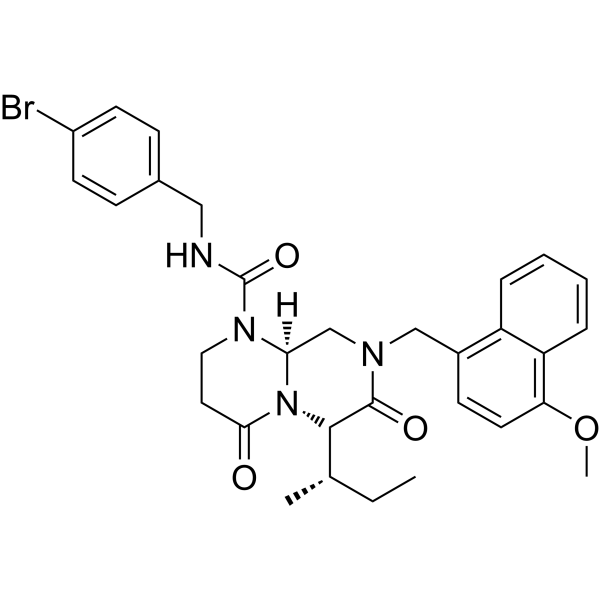
ClpP modulator-1 (Compound BC8a), a peptidomimetic, is an allosteric ClpP modulator. ClpP modulator-1 is a ClpP activator at low concentration with EC50s of 0.35 and 0.58  μM for for Neisseria meningitides ClpP (NmClpP) and Escherichia coli ClpP (EcClpP), resepectively. ClpP modulator-1 also inhibits peptidase activity at high concentration by competitively inhibiting substrate protein (LY-AMC) binding to ClpP C sites. ClpP modulator-1 has antibacterial activity. ClpP modulator-1 can be used for bacterial infections research .
loading...
    loading...
Cat. No.: HY-173048
CAS No.: 3104462-62-3
Research Areas:  

Cancer

CLPP-2068 is the orally active activator for human caseinolytic protease P (HsClpP) with an EC50 of 50.4 nM. CLPP-2068 exhibits anti-proliferative efficacy in OCI-LY10 cancer cell with an IC50 of 5.2 nM. CLPP-2068 decreases mitochondrial membrane potential, increases mitochondrial ROS levels, and induces mitochondrial dysfunction. CLPP-2068 arrests the cell cycle at G1 phase, and induces apoptosis in cell OCI-LY10. CLPP-2068 exhibits antitumor activity in mouse xenograft models .
loading...
    loading...
Cat. No.: HY-111532B
Purity:  98.15%
Target:  

ClpP Drug Isomer

Research Areas:  

Infection Cancer

(3S,4S)-A2-32-01 (compound 24 (S,S)) is the low/inactive (S,S)-enantiomer of A2-32-01. A2-32-01 is a potent caseinolytic protease (ClpP) inhibitor. (3S,4S)-A2-32-01 is applicable for oncology and microbiology research .
loading...
    loading...
Cat. No.: HY-163319
CAS No.: 3032667-94-7
Target:  

ClpP Apoptosis

Research Areas:  

Cancer

NCA029 is a potent and selective homo sapiens caseinolytic protease P (HsClpP) activator with an EC50 of 0.15 μM. NCA029 acts on HsClpP to activate an ATF3-dependent integrative stress response, leading to colon cancer cell death .
loading...
    loading...
Cat. No.: HY-162650
CAS No.: 3054715-45-3
Target:  

ClpP

Research Areas:  

Cancer

SL44 is an agonist for human caseinolytic protease P (HsClpP), with an EC50 of 1.30 μM. SL44 inhibits the proliferation of LM3 with an IC50 of 3.1 μM. SL44 induces apoptosis in HCC cells, through the degradation of respiratory chain complex subunits. SL44 exhibits antitumor efficacy in mouse models without obvious toxicity (LD50=400 mg/kg). SL44 exhibits good pharmacokinetic characters in rat models .
loading...
    loading...
Cat. No.: HY-155556
CAS No.: 2999673-34-4
Target:  

ClpP

Research Areas:  

Cancer

ZG36 is a human Caseinolytic protease P (ClpP) agonist. ZG36 non-selectively degrades respiratory chain complexes and reduces mitochondrial DNA, ultimately leading to mitochondrial dysfunction and leukemic cell death. ZG36 also inhibits the development of acute myeloid leukemia in a xenograft mouse model .
loading...
    loading...
Cat. No.: HY-175595
CAS No.: 1846579-07-4
Synonyms: ADEP26
Target:  

ClpP Bacterial

Research Areas:  

Infection

ADEP-14 (ADEP26) is a ClpP activator. ADEP-14 exhibits antibacterial activity against Gram-negative and Gram-positive bacteria. ADEP-14 can be used in studies related to bacterial infections .
loading...
    loading...
Cat. No.: HY-175596
CAS No.: 1382489-31-7
Target:  

ClpP Bacterial

Research Areas:  

Infection

ACP1-01 is a bacterial ClpP activator with EC50s of 3.4 and 2.6  μM for Neisseria meningitides ClpP (NmClpP) and Escherichia coli ClpP (EcClpP). ACP1-01 noncovalently binds to ClpP C sites and activates the protease. ACP1-01 has antibacterial activity. ACP1-01 can be used for bacterial infections research .
loading...
    loading...
Cat. No.: HY-178749
Research Areas:  

Cancer

MS6076 is a mitochondrial protease ClpP agonist. MS6076 specifically activates the ClpP protease in the mitochondrial matrix, significantly disrupting mitochondrial Electron Transport Chain (ETC) function by accelerating the degradation of unfolded proteins. MS6076 exhibits potent cytotoxicity against a variety of cancer cell lines. MS6076 induces cell apoptosis, increasing cleavage of caspase 3 and PARP. MS6076 can be used for the research of breast cancer .
loading...
    loading...
Cat. No.: HY-N1181R
CAS No.: 603-61-2
Synonyms: 4'-O-Methyl Quercetin (Standard)
Tamarixetin (Standard) is the analytical standard of Tamarixetin. This product is intended for research and analytical applications. Tamarixetin (4'-O-Methyl Quercetin) is an orally active natural flavonoid derivative of quercetin and caseinolytic protease p (ClpP) inhibitor with anti-inflammatory, antioxidant and antitumor effects. Tamarixetin inhibits the hydrolytic activity of ClpP to the fluorescent substrate Suc-LY-AMC with an IC50 of 49.73 μM, which can be used for the study of Staphylococcus aureus infection. Tamarixetin inhibits tumor cell growth, induces apoptosis, and cell cycle arrest. Tamarixetin prevents cardiac hypertrophy by inhibiting the NFAT and AKT pathways .
loading...
    loading...
Cat. No.: HY-176427
CAS No.: 3087033-83-5
Target:  

ClpP

Research Areas:  

Cancer

HsClpP activator-1 (compound 24) is a potent HsClpP activator with an EC50 of 0.22 μM. HsClpP activator-1 effectively inhibits cancer cell growth with IC50 values of 0.1-1 μM .
loading...
    loading...
Cat. No.: HY-P4399
CAS No.: 97792-39-7
Target:  

Bacterial ClpP

Research Areas:  

Others

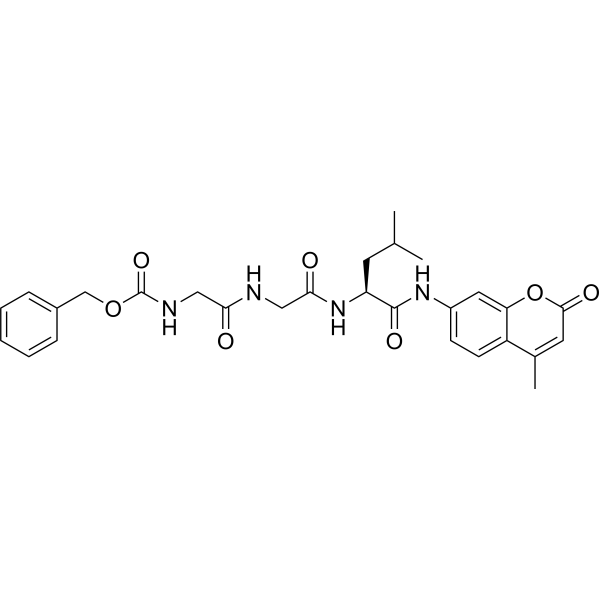
Z-Gly-Gly-Leu-AMC is the substrate of ClpP1 and ClpP2, to detect the enzymatic activity in the presence of the activating peptide Z-Leu-Leu .
loading...
    loading...

