
217 Results for "

Covalent binding

" in MedChemExpress (MCE) Product Catalog:
Products (217)

217 Results for "Covalent binding" in MCE Product Catalog:

35
35 Publications Verification
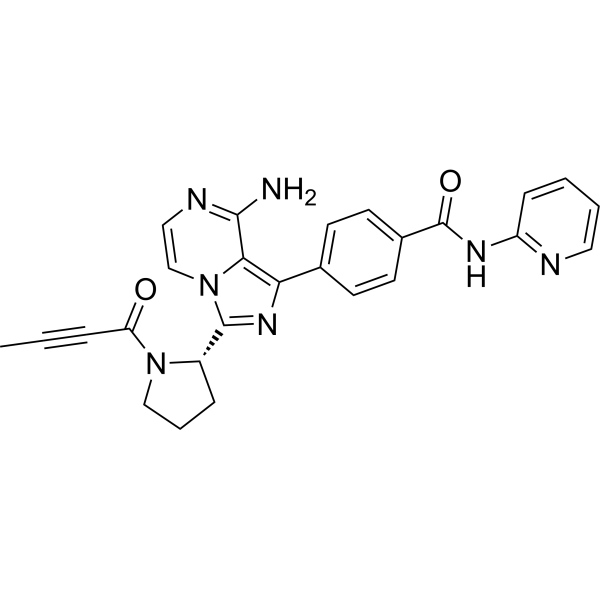
Cat. No.: HY-17600
CAS No.: 1420477-60-6
Synonyms: Calquence; ACP-196
Target:  

Btk

Research Areas:  

Inflammation/Immunology Cancer

Acalabrutinib (ACP-196) is an orally active, irreversible, and highly selective second-generation BTK inhibitor. Acalabrutinib binds covalently to Cys481 in the ATP-binding pocket of BTK. Acalabrutinib demonstrates potent on-target effects and efficacy in mouse models of chronic lymphocytic leukemia (CLL). Acalabrutinib can be used for CLL research . Acalabrutinib is a click chemistry reagent, itcontains an Alkyne group and can undergo copper-catalyzed azide-alkyne cycloaddition (CuAAc) with molecules containing Azide groups.
loading...
    loading...
34
34 Cited Publications
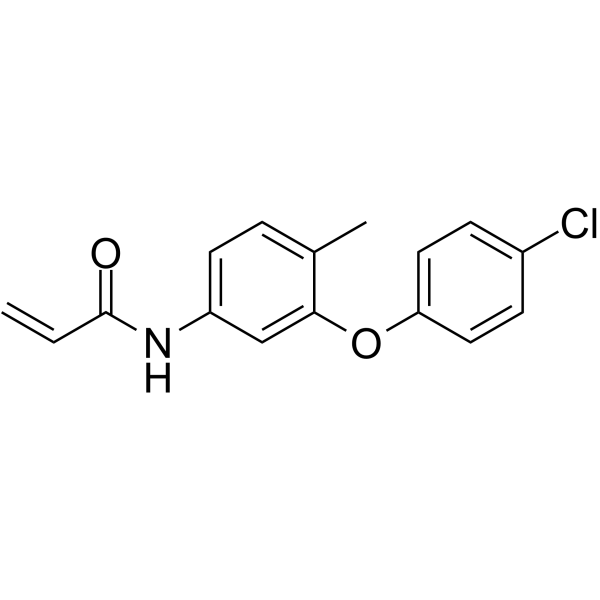
Cat. No.: HY-138565
CAS No.: 2563855-03-6
Purity:  99.89%
Target:  

YAP

Research Areas:  

Cancer

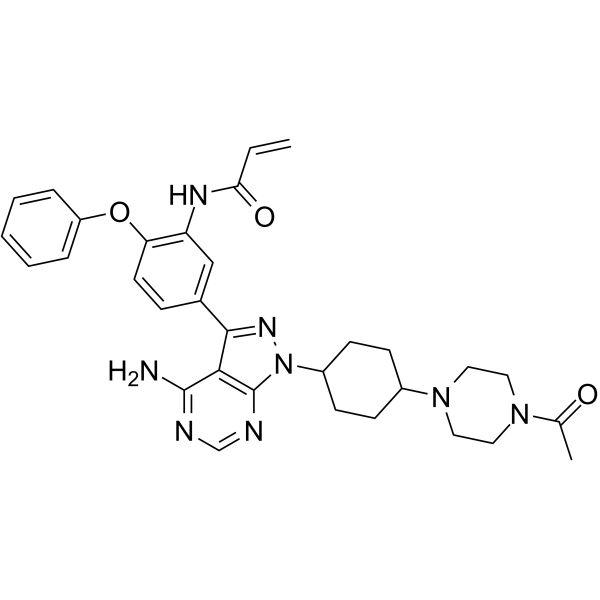
K-975 is a potent, selective and orally active TEAD inhibitor, with a strong inhibitory effect against protein-protein interactions between YAP1/TAZ and TEAD. K-975 covalently binds to Cys359 located in the palmitate-binding pocket of TEAD via an acrylamide structure. K-975 exhibits antitumor activity on malignant pleural mesothelioma .
loading...
    loading...
17
17 Cited Publications
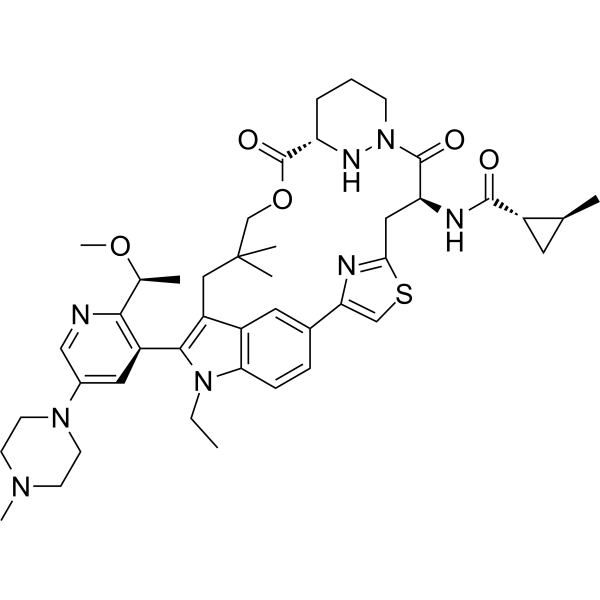
Cat. No.: HY-148439
CAS No.: 2765081-21-6
Purity:  99.68%
Synonyms: RMC-6236; RAS-IN-2
Target:  

Ras PERK

Research Areas:  

Cancer

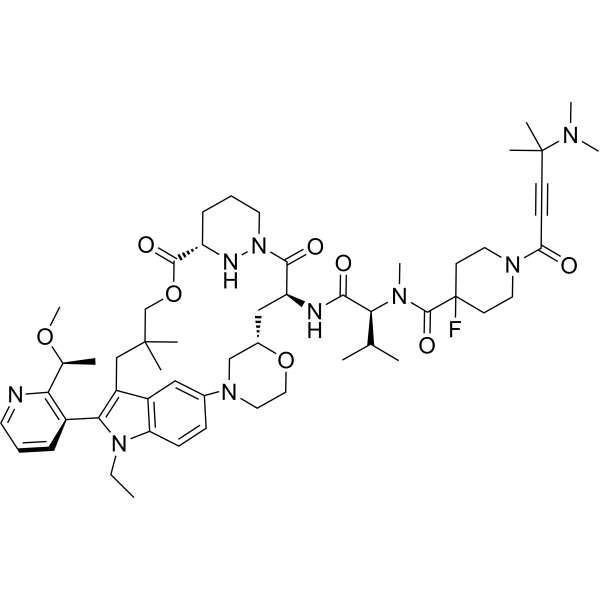
Daraxonrasib (RMC-6236) is an orally active, non-covalent RAS (ON) inhibitor. Daraxonrasib disrupts the interaction of wild-type or mutant RAS proteins with the RAS binding domain of BRAF, with EC50 values ranging from 28-220 nM for wild-type KRAS, NRAS, HRAS, and multiple oncogenic RAS variants. Daraxonrasib inhibits pERK. Daraxonrasib has anti-tumor activity against KRAS mutant tumors .
loading...
    loading...
10
10 Cited Publications
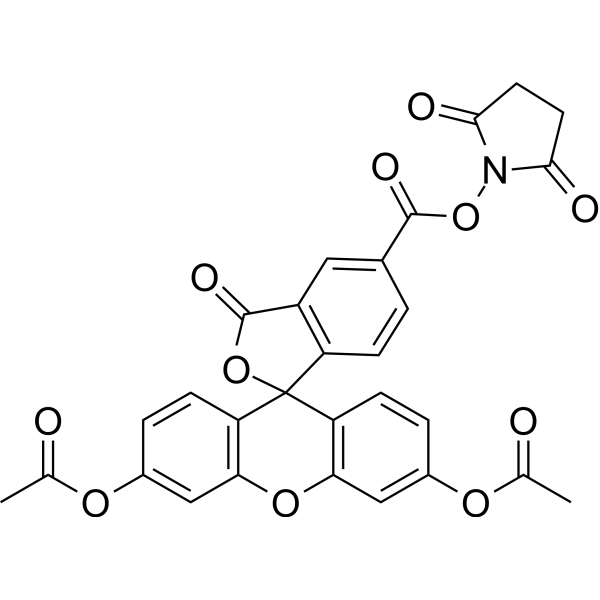
Cat. No.: HY-D0056
CAS No.: 150206-05-6
5-Carboxyfluorescein diacetate N-succinimidyl ester is a cell permeable dye (Ex=492 nm, Em=517 nm). 5-Carboxyfluorescein diacetate N-succinimidyl ester can label cells by covalently binding to intracellular molecules. 5-Carboxyfluorescein diacetate N-succinimidyl ester is used to track lymphocyte migration and proliferation .
loading...
    loading...
9
9 Cited Publications
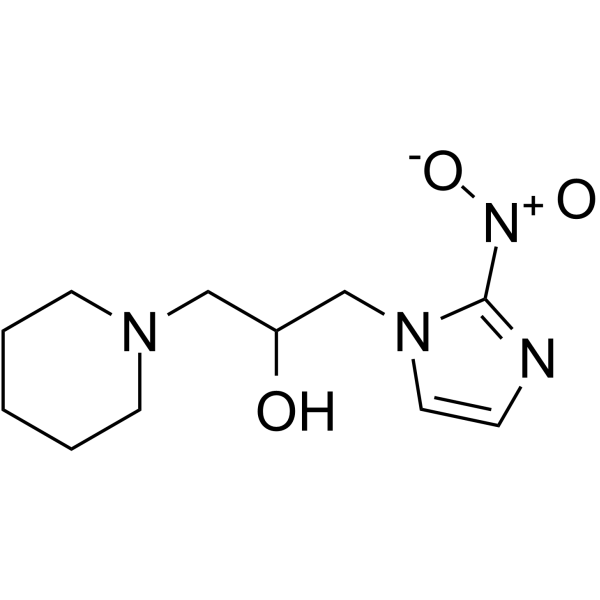
Cat. No.: HY-105129
CAS No.: 70132-51-3
Purity:  99.98%
Research Areas:  

Cancer

Pimonidazole is a novel hypoxia marker for complementary study of tumor hypoxia and cell proliferation in tumor . Pimonidazole accumulates in hypoxic cells via covalent binding with macromolecules or by forming reductive metabolites after reduction of its nitro group, it can be used for qualitative and quantitative assessment of tumor hypoxia .
loading...
    loading...
9
9 Cited Publications
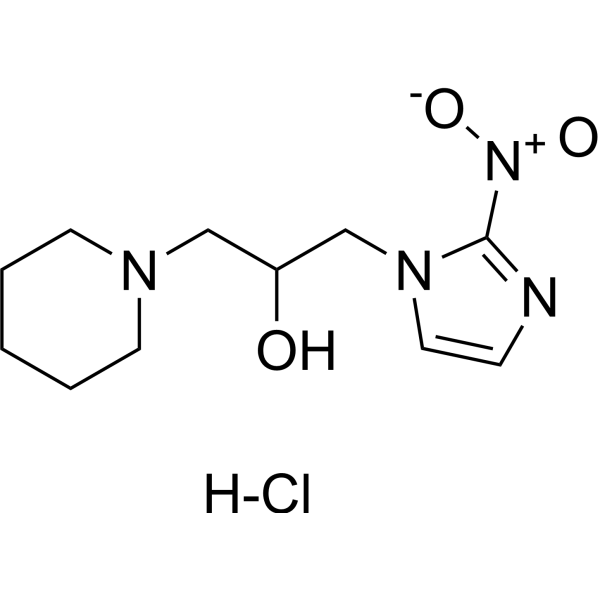
Cat. No.: HY-105129A
CAS No.: 70132-50-2
Purity:  99.32%
Research Areas:  

Cancer

Pimonidazole is a novel hypoxia marker for complementary study of tumor hypoxia and cell proliferation in tumor . Pimonidazole accumulates in hypoxic cells via covalent binding with macromolecules or by forming reductive metabolites after reduction of its nitro group, it can be used for qualitative and quantitative assessment of tumor hypoxia .
loading...
    loading...
7
7 Cited Publications
Cat. No.: HY-15317
CAS No.: 415713-60-9
Purity:  99.83%
Target:  

RAD51

Research Areas:  

Cancer

RI-1 is a RAD51 inhibitor, with IC50s ranging from 5 to 30 μM. RI-1 binds covalently to the surface of RAD51 protein at cysteine 319. RI-1 inactivates RAD51 by directly binding to a protein surface that serves as an interface between protein subunits in RAD51 filaments. RI-1 can disrupt homologous recombination in human cells .
loading...
    loading...
6
6 Cited Publications
Cat. No.: HY-19564
CAS No.: 729-46-4
Target:  

PDHK Apoptosis

Research Areas:  

Cancer

JX06 is a potent, selective and covalent inhibitor of PDK. JX06 inhibits PDK1, PDK2 and PDK3 with IC50s of 49 nM, 101 nM, and 313 nM, respectively. JX06 inhibits PDK1 activity via covalently binding to a cysteine residue in an irreversible manner. JX06 shows significant antitumor activity .
loading...
    loading...
6
6 Cited Publications
Cat. No.: HY-145928
CAS No.: 2417987-45-0
Purity:  99.31%
Synonyms: GDC-6036
Target:  

Ras

Research Areas:  

Cancer

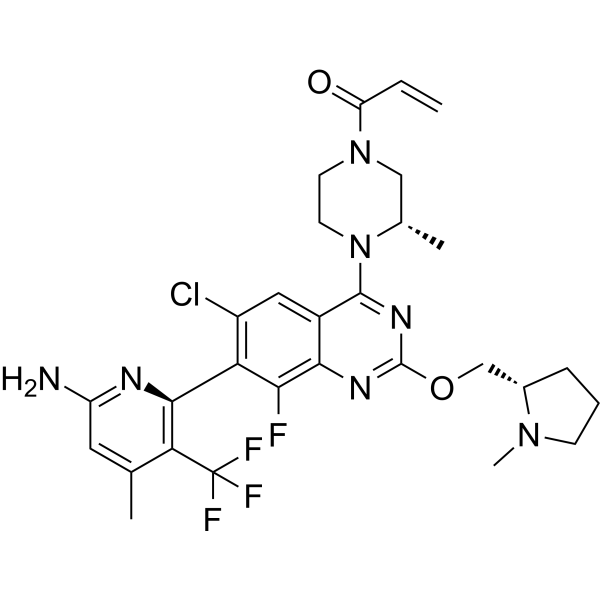
Divarasib (GDC-6036) is an orally active, selective KRAS G12C inhibitor with an IC50 of <0.01 μM. Divarasib covalently binds Cys12 in GDP-bound KRAS G12C, occupies the switch II pocket, blocks GTP binding and SOS-mediated reactivation, and inhibits oncogenic KRAS signaling. Divarasib induces tumor shrinkage and robust tumor growth inhibition in KRAS G12C-positive models and cancer cells. Divarasib can be used for the research of non-small cell lung cancer, colorectal adenocarcinoma, pancreatic ductal adenocarcinoma, and other KRAS G12C-mutated solid tumors .
loading...
    loading...
6
6 Cited Publications
Cat. No.: HY-145928B
CAS No.: 2762240-36-6
Synonyms: GDC-6036 adipate
Target:  

Ras

Research Areas:  

Cancer

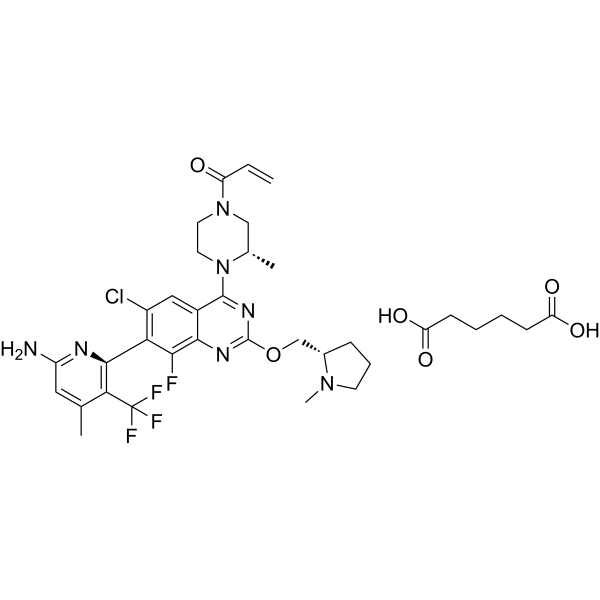
Divarasib (GDC-6036) adipate is an orally active, selective KRASG12C inhibitor with an IC50 of <0.01 μM. Divarasib adipate covalently binds Cys12 in GDP-bound KRASG12C, occupies the switch II pocket, blocks GTP binding and SOS-mediated reactivation, and inhibits oncogenic KRAS signaling. Divarasib adipate induces tumor shrinkage and robust tumor growth inhibition in KRASG12C-positive models and cancer cells. Divarasib adipate can be used for the research of non-small cell lung cancer, colorectal adenocarcinoma, pancreatic ductal adenocarcinoma, and other KRASG12C-mutated solid tumors .
loading...
    loading...
5
5 Cited Publications
Cat. No.: HY-P3152
CAS No.: 9013-20-1
Streptavidin is a ~60 kDa homotetramer. Streptavidin binds four molecules of biotin with the highest affinity. The binding affinity of biotin to streptavidin is one of the highest reported for a non-covalent interaction to date, with a KD ~0.01 pM . Streptavidin has an immunosuppressive role .
This product is a Streptavidin protein recombinantly expressed in an E. coli expression system.
loading...
    loading...
5
5 Cited Publications
Cat. No.: HY-19706
CAS No.: 1629268-00-3
Target:  

Ras Apoptosis

Research Areas:  

Cancer

ARS-853 is a cell-active, selective, covalent KRAS G12C inhibitor with an IC50 of 2.5 μM. ARS-853 inhibits mutant KRAS-driven signaling by binding to the GDP-bound oncoprotein and preventing activation .
loading...
    loading...
4
4 Cited Publications
Cat. No.: HY-100739
CAS No.: 1617495-03-0
Purity:  99.04%
Target:  

Proteasome

Research Areas:  

Cancer

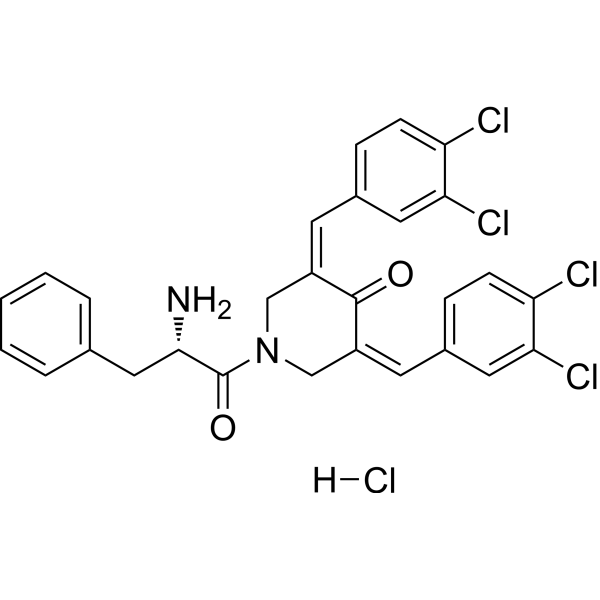
RA190, a bis-benzylidine piperidon, inhibits proteasome function by covalently binding to cysteine 88 of ubiquitin receptor RPN13.
loading...
    loading...
3
3 Cited Publications
Cat. No.: HY-47573
CAS No.: 2750414-35-6
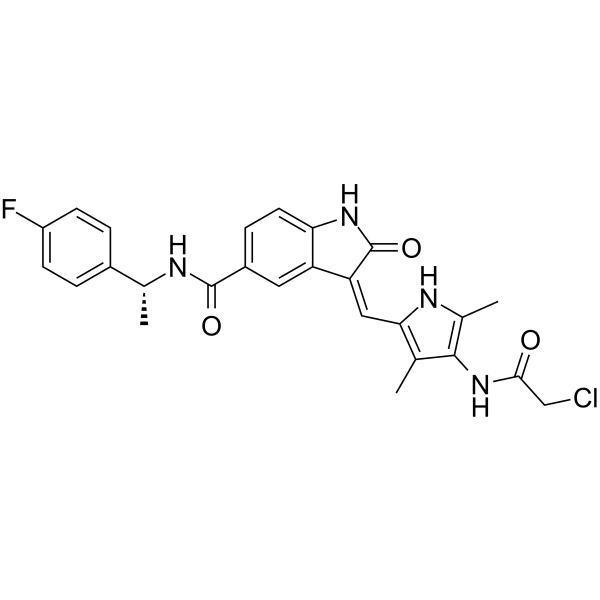
CCG273441 is a covalent inhibitor of G protein-coupled receptor (GPCR) kinase 5 (GRK5) with an IC50 value of 3.8 nM. CCG273441 is highly selective to GRK5 over GRK2 (IC50=4.8 μM) by binding Cys474, a GRK5 subfamily-specific residue, as a covalent handle .
loading...
    loading...
3
3 Cited Publications
Cat. No.: HY-100848
CAS No.: 1603845-32-4
Purity:  98.28%
Target:  

EGFR

Research Areas:  

Cancer

TX1-85-1 is an irreversible Her3 (ErbB3) inhibitor with an IC50 of 23 nM. TX1-85-1 is also the first selective Her3 ligand, which forms a covalent bond with Cys721 located in the ATP-binding site of Her3. TX1-85-1 induces partial degradation of Her3 protein and attenuates Her3-dependent signaling .
loading...
    loading...
3
3 Cited Publications
Cat. No.: HY-153346
CAS No.: 2641998-63-0
Purity:  99.65%
Synonyms: RMC-6291
Target:  

Ras ERK Apoptosis

Research Areas:  

Cancer

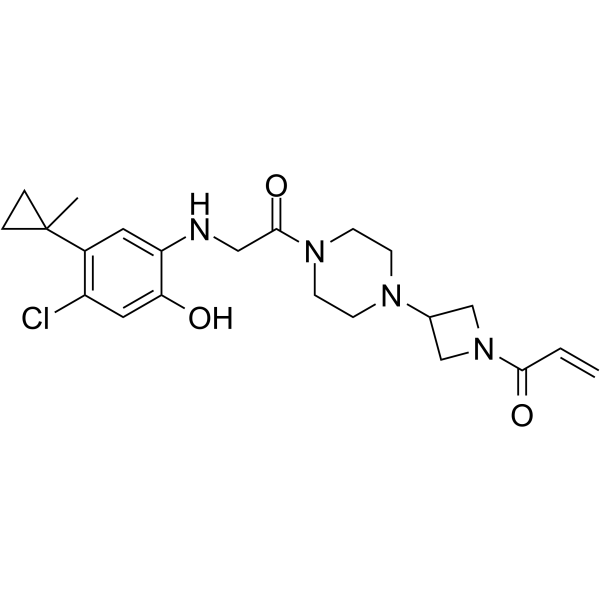
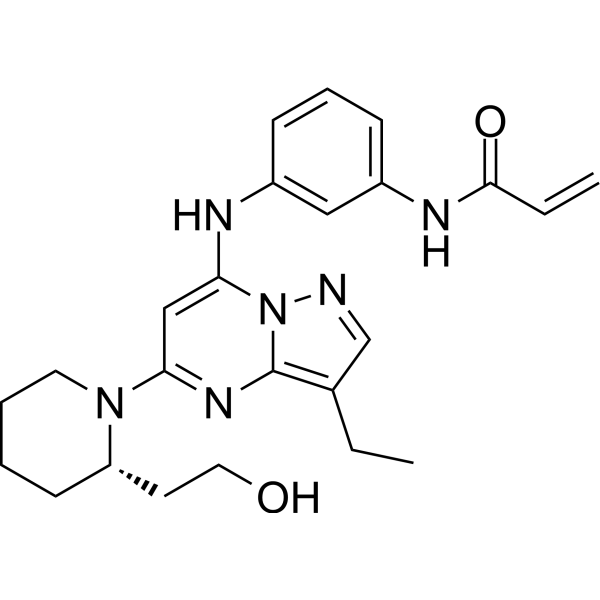
Elironrasib is an orally active and covalent inhibitor of KRAS G12C(ON). Elironrasib forms a tri-complex within tumor cells between KRAS G12C(ON) and cyclophilin A (CypA). Thus, Elironrasib prevents KRAS G12C(ON) from signaling via steric blockade of RAS effector binding. Elironrasib inhibits ERK signaling and induced apoptosis in KRASG12C-mutant H358 cells. Elironrasib also inhibits the proliferation of KRAS G12C mutant cells with a median IC50 of 0.11 nM .
loading...
    loading...
2
2 Cited Publications
Cat. No.: HY-119323
CAS No.: 95633-27-5
Purity:  99.11%
Target:  

Fluorescent Dye

Research Areas:  

Others

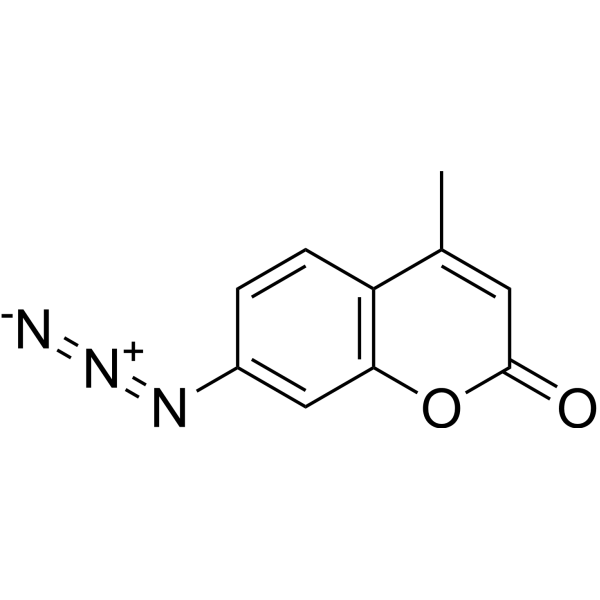
7-Azido-4-methylcoumarin is a selective coumarin-based fluorescent probe for hydrogen sulfide (H2S). In the presence of H2S, the aromatic azido group of 7-Azido-4-methylcoumarin is selectively reduced to produce the fluorescently active 7-amino-4-methylcoumarin (AMC). 7-Azido-4-methylcoumarin binds to the coumarin/phenol-binding site of BSA, the aglycone-binding site of UGT1A6, and the substrate-binding site of SULT1A1, respectively. 7-Azido-4-methylcoumarin retains its fluorescent properties after covalent binding, acts as a fluorescent H2S probe, and does not react with cysteine, homocysteine or glutathione (Ex/Em = 340/445 nm) .
loading...
    loading...
2
2 Cited Publications
Cat. No.: HY-117203A
CAS No.: 2020052-55-3
Purity:  99.71%
Target:  

CDK

Research Areas:  

Cancer

CDK12-IN-E9 is a potent and selective covalent CDK12 inhibitor and a non-covalent CDK9 inhibitor, while avoiding ABC transporter-mediated efflux. CDK12-IN-E9 has weak binding ability to CDK7/CyclinH complex with an IC50> 1 μM .
loading...
    loading...
2
2 Cited Publications
Cat. No.: HY-129589
CAS No.: 1426953-21-0
Purity:  98.51%
Target:  

ADC Payloads

Research Areas:  

Cancer

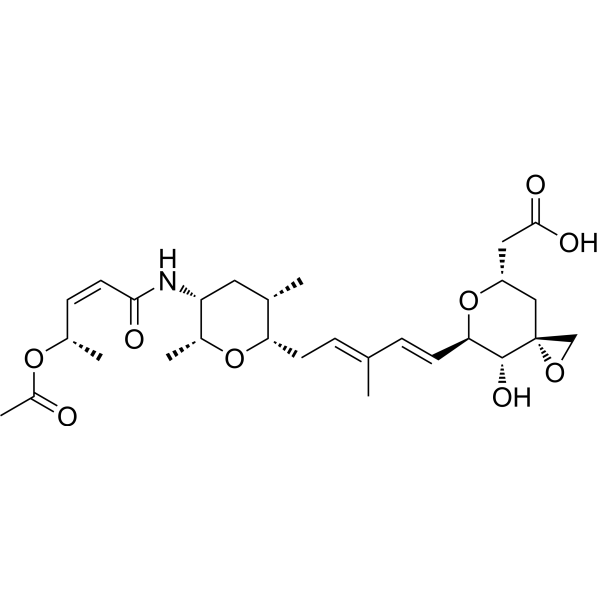
Thailanstatin A is an ultra-potent inhibitor of eukaryotic RNA splicing (IC50=650 nM). Thailanstatin A exerts effects via non-covalent binding to the SF3b subunit of the U2 snRNA subcomplex of the spliceosome and shows low-nM to sub-nM IC50s against multiple cancer cell lines. Thailanstatin A, a payload for ADCs, is conjugated to the lysines on trastuzumab yielding “linker-less” ADC .
loading...
    loading...
2
2 Cited Publications
Cat. No.: HY-153918
CAS No.: 2955634-67-8
Purity:  99.50%
Target:  

Androgen Receptor

Research Areas:  

Cancer

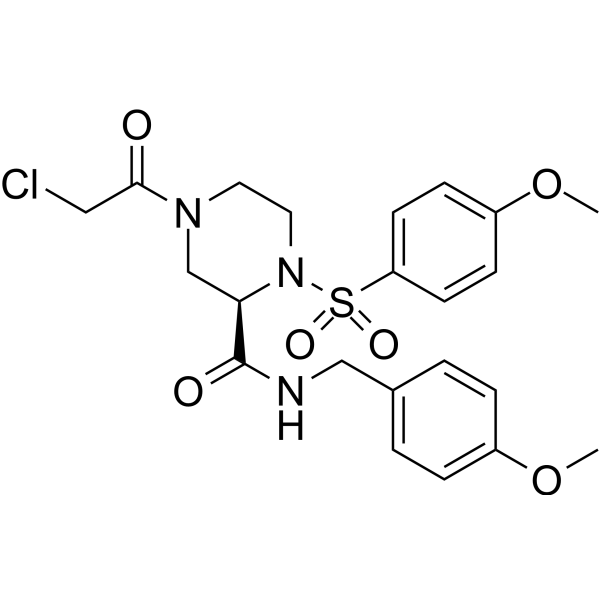
(R)-SKBG-1 is a covalent inhibitor targeting the RNA binding protein NONO. (R)-SKBG-1 can reduce the expression of androgen receptor (AR) and its splice variants, inhibiting cancer cell proliferation. (R)-SKBG-1 inhibits androgen receptor expression with IC50 of 3.1 μM and 5.5 μM for AR-FL mRNA and AR-V7 mRNA, respectively. (R)-SKBG-1 interferes with the gene regulatory network of cancer cells and inhibits cancer cell growth by stabilizing the interaction between NONO and mRNA. (R)-SKBG-1 can be used in the study of cancers related to NONO dysfunction, such as prostate cancer .
loading...
    loading...

