

6755 Results for "

Embryo-fetal development model

" in MedChemExpress (MCE) Product Catalog:
Products (6755)

6755 Results for "Embryo-fetal development model" in MCE Product Catalog:

616
616 Publications Verification
Cat. No.: HY-D1056
Synonyms: LPS, from Escherichia coli (O55:B5)
Lipopolysaccharides, from E. coli O55:B5 (LPS, from Escherichia coli (O55:B5)) are endotoxins and TLR4 activators extracted from Escherichia coli (E. coli O55:B5) and are classified as S (smooth) type LPS. Lipopolysaccharides, from E. coli O55:B5 possess the typical three-part structure: O-antigen, core oligosaccharide, and lipid A. Lipopolysaccharides, from E. coli O55:B5 activate TLR-4 in immune cells, exhibit high pyrogenicity, and demonstrate dose and serotype specificity. Lipopolysaccharides, from E. coli O55:B5 can be widely used to induce cellular inflammation and establish animal models related to inflammation .
It is recommended to prepare a solution with concentration ≥2 mg/mL. Vortex thoroughly for more than 10 minutes. Due to the adsorption characteristics of LPS, silanized container or low adsorption centrifuge tubes should be used for aliquoting and storage, and mix thoroughly before use.
loading...
    loading...
603
603 Cited Publications
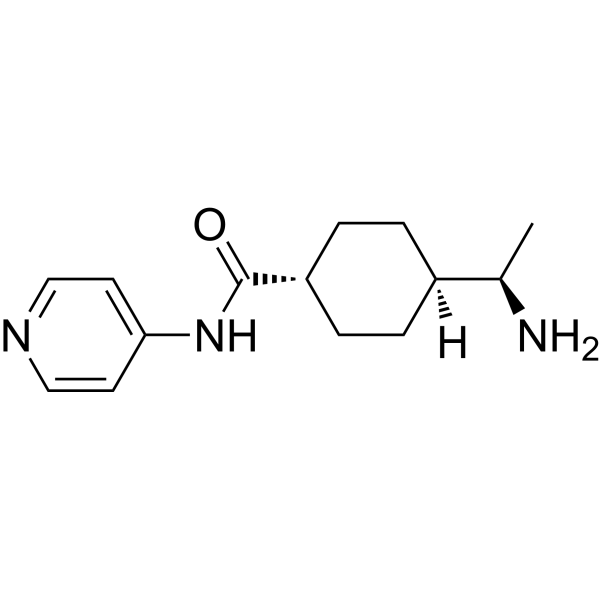
Cat. No.: HY-10071
CAS No.: 146986-50-7
Purity:  99.46%
Y-27632 is a ROCK inhibitor with Ki values of 220 nM and 300 nM for ROCK1 and ROCK2, respectively. Y-27632 exerts anti-inflammatory and immunomodulatory effects in systemic lupus erythematosus models by inhibiting the ROCK/NF-κB pathway. Y-27632 enhances autophagy by inhibiting the AKT/mTOR pathway, thereby inducing apoptosis apoptosis in oral squamous cell carcinoma. Y-27632 induces the formation of tunneling nanotubes in ARPE-19 cells and significantly enhances mitochondrial transfer through these channels. Y-27632 promotes neurite outgrowth in PC12 cells by activating the Rac1/NOX1/ROS/AKT/PAK1 signaling cascade .
loading...
    loading...
603
603 Cited Publications
Cat. No.: HY-10071A
CAS No.: 331752-47-7
Y-27632 hydrochloride hydrate is a ROCK inhibitor with Ki values of 220 nM and 300 nM for ROCK1 and ROCK2, respectively. Y-27632 hydrochloride hydrate exerts anti-inflammatory and immunomodulatory effects in systemic lupus erythematosus models by inhibiting the ROCK/NF-κB pathway. Y-27632 hydrochloride hydrate enhances autophagy by inhibiting the AKT/mTOR pathway, thereby inducing apoptosis apoptosis in oral squamous cell carcinoma. Y-27632 hydrochloride hydrate induces the formation of tunneling nanotubes in ARPE-19 cells and significantly enhances mitochondrial transfer through these channels. Y-27632 hydrochloride hydrate promotes neurite outgrowth in PC12 cells by activating the Rac1/NOX1/ROS/AKT/PAK1 signaling cascade .
loading...
    loading...
402
402 Cited Publications
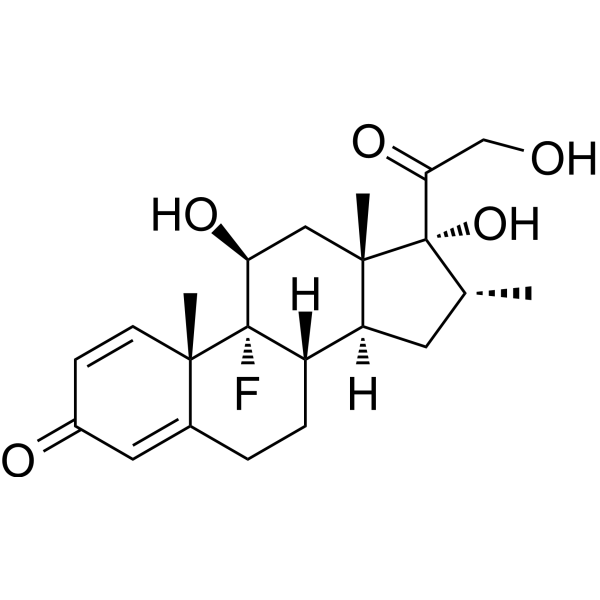
Cat. No.: HY-14648
CAS No.: 50-02-2
Purity:  99.86%
Synonyms: Hexadecadrol; Prednisolone F
Dexamethasone (Hexadecadrol) is a glucocorticoid receptor agonist, apoptosis inducer, and common disease inducer in experimental animals, constructing models of muscle atrophy, hypertension, and depression. Dexamethasone can inhibit the production of inflammatory miRNA-155 exosomes in macrophages and significantly reduce the expression of inflammatory factors in neutrophils and monocytes. Dexamethasone also has potential for use in COVID-19 research .
loading...
    loading...
402
402 Cited Publications
Cat. No.: HY-14648C
CAS No.: 50-02-2
Purity:  ≥98.0%
Synonyms: Dexamethasone cyclodextrin complex
Dexamethasone (Hexadecadrol) Water Soluble is a water-soluble form of Dexamethasone (HY-14648). Dexamethasone is a glucocorticoid receptor agonist, apoptosis inducer, and a common disease inducer in experimental animals. It can be used to construct models of muscle atrophy, hypertension, and depression. Dexamethasone can inhibit the production of inflammatory miRNA-155 exosomes in macrophages and significantly reduce the expression of inflammatory factors in neutrophils and monocytes. Dexamethasone also has the potential to be used in COVID-19 research .(Sale size is the weight of dexamethasone)
loading...
    loading...
316
316 Cited Publications
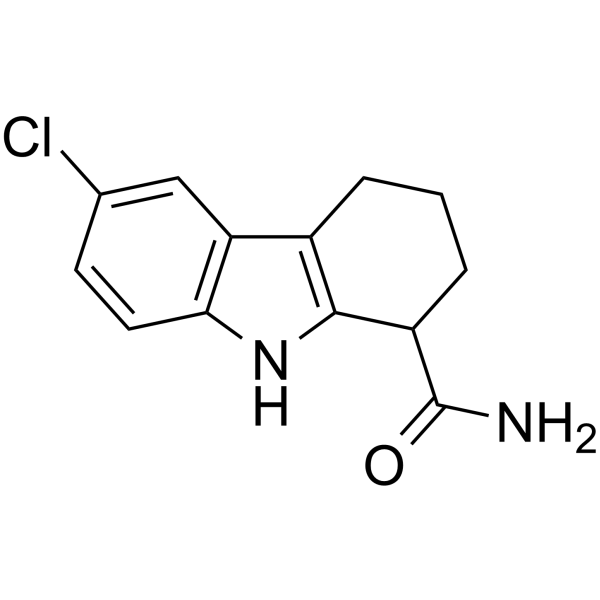
Cat. No.: HY-15452
CAS No.: 49843-98-3
Purity:  99.85%
Synonyms: EX-527
Target:  

Sirtuin

Research Areas:  

Inflammation/Immunology Cancer

Selisistat (EX-527) is a potent and selective SirT1 (Sir2 in Drosophila melanogaster) inhibitor with an IC50 of 123 nM for SirT1. Selisistat alleviates pathology in multiple animal and cell models of Huntington's disease .
loading...
    loading...
316
316 Cited Publications
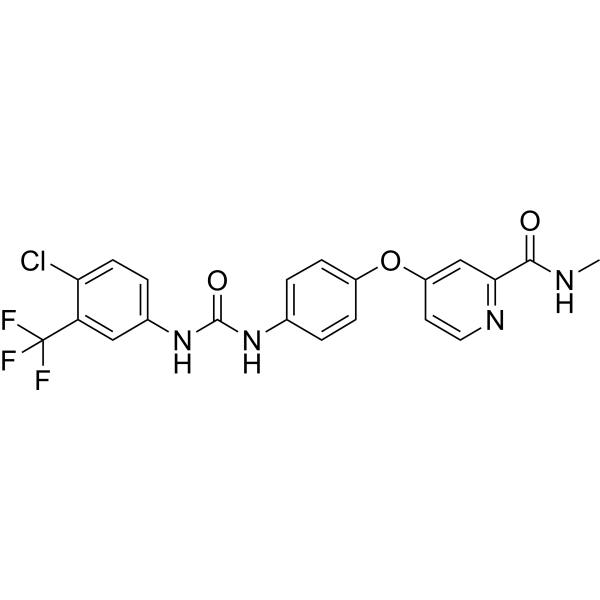
Cat. No.: HY-10201
CAS No.: 284461-73-0
Purity:  99.92%
Synonyms: Bay 43-9006
Sorafenib (Bay 43-9006) is a potent oral active multikinase inhibitor. Sorafenib blocks autophosphorylation and activity of receptor tyrosine kinases (VEGFR-2, VEGFR-3) and RAF family kinases, thereby suppressing the RAF/MEK/ERK and PI3K/Akt pathways, inhibiting STAT3 phosphorylation, and selectively inhibiting the MAPK pathway in cancer cells. Sorafenib induces cell cycle arrest, autophagy, apoptosis, and PARP cleavage, reduces Bcl-2, Bcl-XL, cyclin D1 levels, and activates Bak and Bax. Sorafenib inhibits tumor growth and metastasis in mouse and rat models. Sorafenib can be used for cancer research, such as colon, breast, non-small-cell lung cancer (NSCLC), ovarian, pancreatic, melanoma, colorectal and hepatocellular carcinoma .
loading...
    loading...
316
316 Cited Publications
Cat. No.: HY-10201A
CAS No.: 475207-59-1
Purity:  99.75%
Synonyms: Bay 43-9006 tosylate
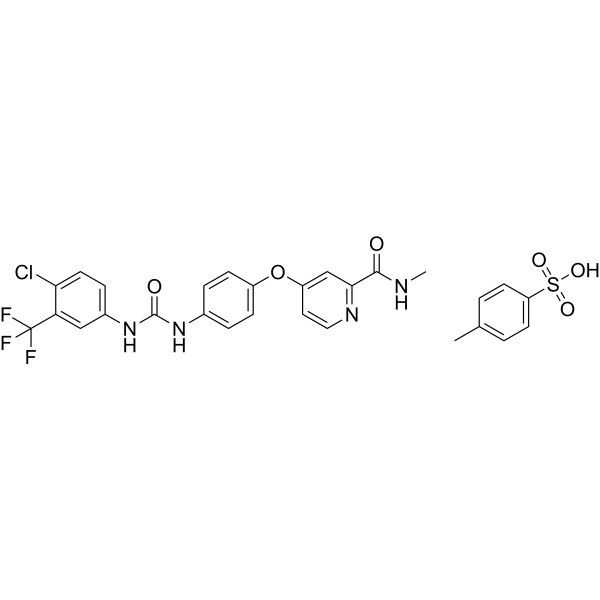
Sorafenib (Bay 43-9006) tosylate is a potent oral active multikinase inhibitor. Sorafenib blocks autophosphorylation and activity of receptor tyrosine kinases (VEGFR-2, VEGFR-3) and RAF family kinases, thereby suppressing the RAF/MEK/ERK and PI3K/Akt pathways, inhibiting STAT3 phosphorylation, and selectively inhibiting the MAPK pathway in cancer cells. Sorafenib tosylate induces cell cycle arrest, autophagy, apoptosis, and PARP cleavage, reduces Bcl-2, Bcl-XL, cyclin D1 levels, and activates Bak and Bax. Sorafenib tosylate inhibits tumor growth and metastasis in mouse and rat models. Sorafenib tosylate can be used for cancer research, such as colon, breast, non-small-cell lung cancer (NSCLC), ovarian, pancreatic, melanoma, colorectal and hepatocellular carcinoma .
loading...
    loading...
300
300 Cited Publications
Cat. No.: HY-17026
CAS No.: 95058-81-4
Synonyms: LY 188011
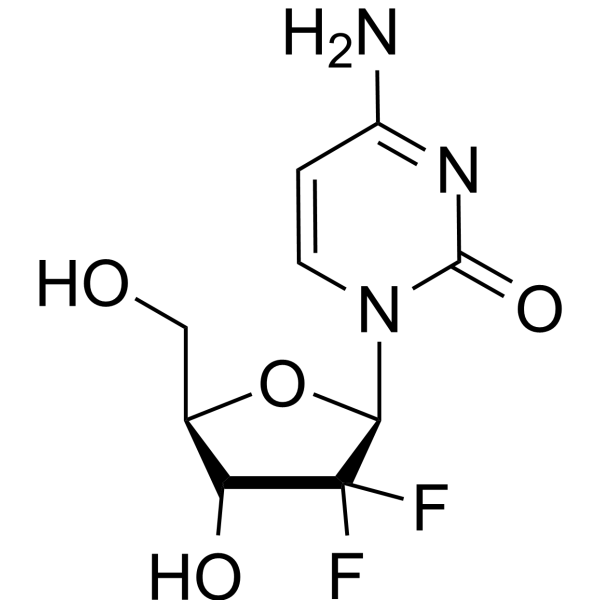
Gemcitabine (LY 188011) is a pyrimidine nucleoside analog antimetabolite and an antineoplastic agent. Gemcitabine inhibits DNA synthesis and repair, and can modulate autophagy. Gemcitabine induces apoptosis through the activation of p38 MAPK. Gemcitabine demonstrates efficacy in mouse models of pancreatic and breast cancer. Gemcitabine can be used for cancer research, such as pancreatic cancer, non-small cell lung cancer, and breast cancer .
loading...
    loading...
197
197 Cited Publications
Cat. No.: HY-N0565A
CAS No.: 10592-13-9
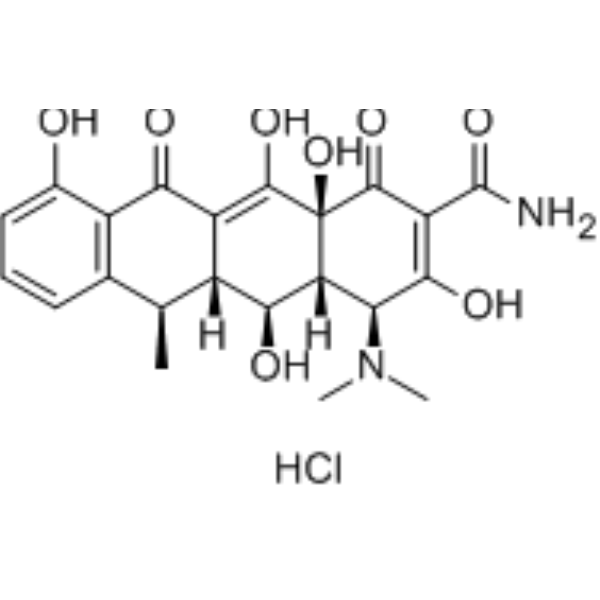
Doxycycline hydrochloride, an antibiotic, is an orally active and broad-spectrum metalloproteinase (MMP) inhibitor . Doxycycline hydrochloride shows antibacterial activity and anti-cancer cell proliferation activity. Doxycycline hydrochloride can be used to construct gene expression regulation models .
loading...
    loading...
197
197 Cited Publications
Cat. No.: HY-N0565B
CAS No.: 24390-14-5
Synonyms: Doxycycline hydrochloride hemiethanolate hemihydrate; WC2031
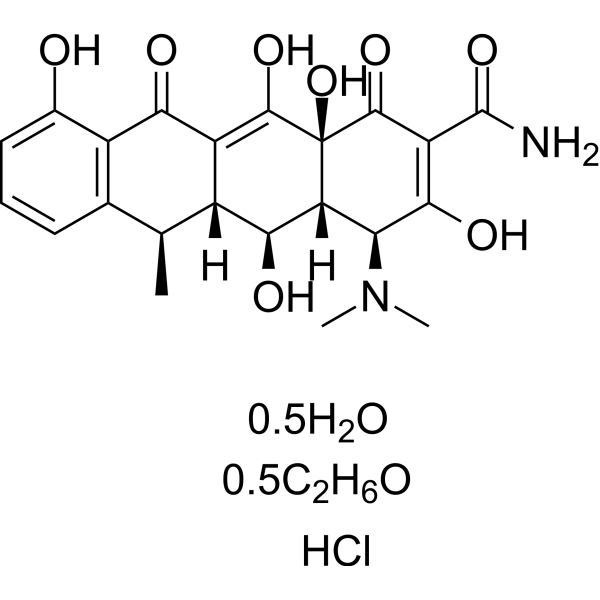
Doxycycline hyclate, an antibiotic, is an orally active and broad-spectrum metalloproteinase (MMP) inhibitor. Doxycycline hyclate shows antibacterial activity and anti-cancer cell proliferation activity. Doxycycline hyclate can be used to construct gene expression regulation models .
loading...
    loading...
174
174 Cited Publications
Cat. No.: HY-16561
CAS No.: 501-36-0
Synonyms: trans-Resveratrol; SRT501
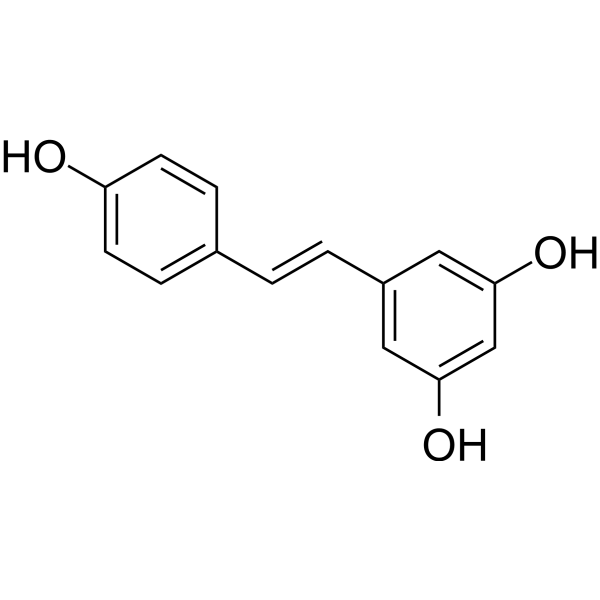
Resveratrol (trans-Resveratrol; SRT501) is a CNS-penetrant natural polyphenolic phytoalexin that possesses anti-oxidant, anti-inflammatory, cardioprotective, and anti-cancer properties. Resveratrol (SRT 501) has a wide spectrum of targets including mTOR, JAK, β-amyloid, Adenylyl cyclase, IKKβ, DNA polymerase. Resveratrol also is a specific SIRT1 activator . Resveratrol is a potent pregnane X receptor (PXR) inhibitor . Resveratrol is an Nrf2 activator, ameliorates aging-related progressive renal injury in mice model . Resveratrol increases production of NO in endothelial cells .
loading...
    loading...
154
154 Cited Publications
Cat. No.: HY-13753
CAS No.: 18883-66-4
Purity:  99.20%
Synonyms: Streptozocin; NSC-85998; U 9889
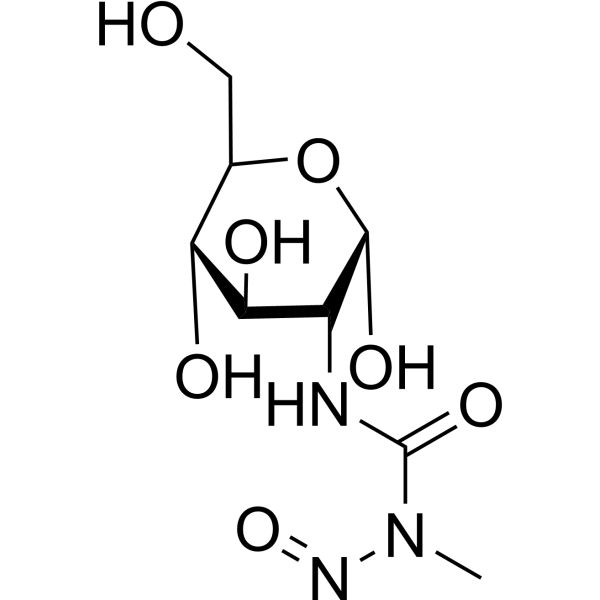
Streptozotocin (Streptozocin; STZ) is an antibiotic widely used in experimental animal models of induced diabetes. Streptozotocin enters B cells via the glucose transporter (GLUT2) and causes the alkylation of DNA ( DNA-methylating ). Streptozotocin can induce the apoptosis of β cells .
loading...
    loading...
122
122 Cited Publications
Cat. No.: HY-N0830
CAS No.: 57-10-3
Palmitic acid is a long-chain saturated fatty acid commonly found in both animals and plants. PA can induce the expression of glucose-regulated protein 78 (GRP78) and CCAAT/enhancer binding protein homologous protein (CHOP) in in mouse granulosa cells. Palmitic acid is used to establish a cell steatosis model .
loading...
    loading...
122
122 Cited Publications
Cat. No.: HY-N0830B
CAS No.: 408-35-5
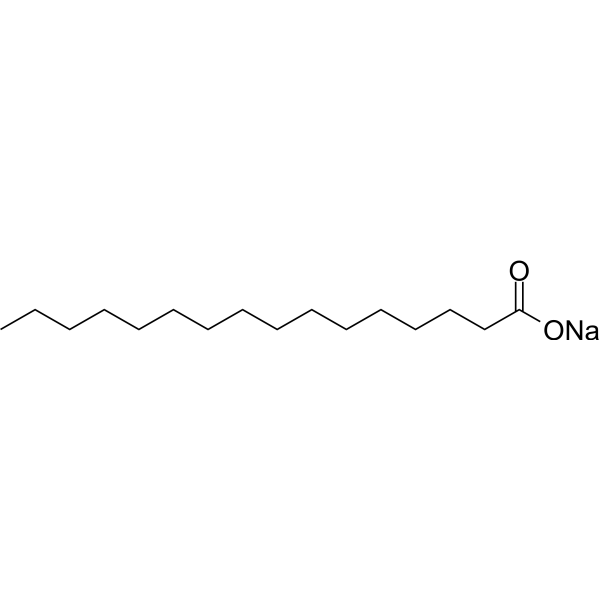
Palmitic acid sodium is a long-chain saturated fatty acid commonly found in both animals and plants. Palmitic acid sodium can induce the expression of glucose-regulated protein 78 (GRP78) and CCAAT/enhancer binding protein homologous protein (CHOP) in in mouse granulosa cells. Palmitic acid sodium is used to establish a cell steatosis model .
loading...
    loading...
109
109 Cited Publications
Cat. No.: HY-66019
CAS No.: 3326-32-7
Synonyms: Fluorescein 5-isothiocyanate
Target:  

Fluorescent Dye

Research Areas:  

Others

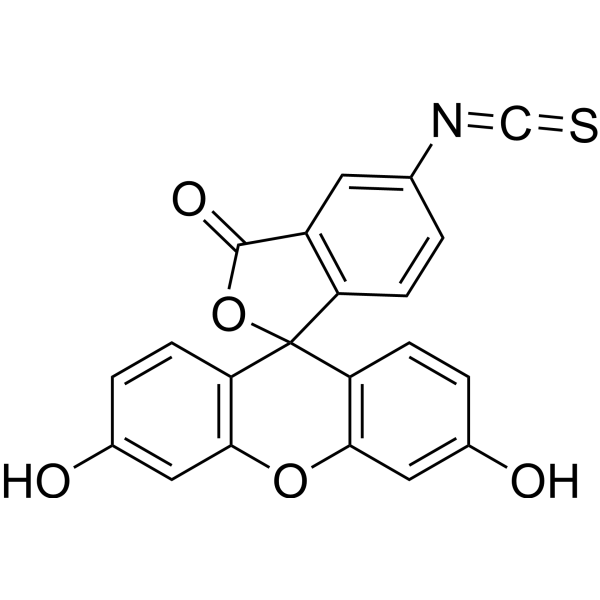
FITC (Fluorescein Isothiocyanate), is one of the green fluorescein derivatives widely used in biology. FITC has the characteristics of high absorptivity and excellent fluorescence quantum yield. The isothiocyanate group of FITC can be combined with amino, sulfhydryl, imidazole, tyrosyl, carbonyl and other groups on the protein, so as to achieve protein labeling including antibodies and lectins. In addition to its use as a protein marker, FITC can also be used as a fluorescent protein tracer to rapidly identify pathogens by labeling antibodies, or for microsequencing of proteins and peptides (HPLC). The maximum excitation wavelength of FITC is 494 nm. Once excited, it fluoresces yellow-green at a maximum emission wavelength of 520 nm. In addition, FITC is also a hapten that can induce contact hypersensitivity (CHS) and induce an atopic dermatitis model .
loading...
    loading...
101
101 Cited Publications
Cat. No.: HY-114153A
Purity:  99.88%
Target:  

c-Fms

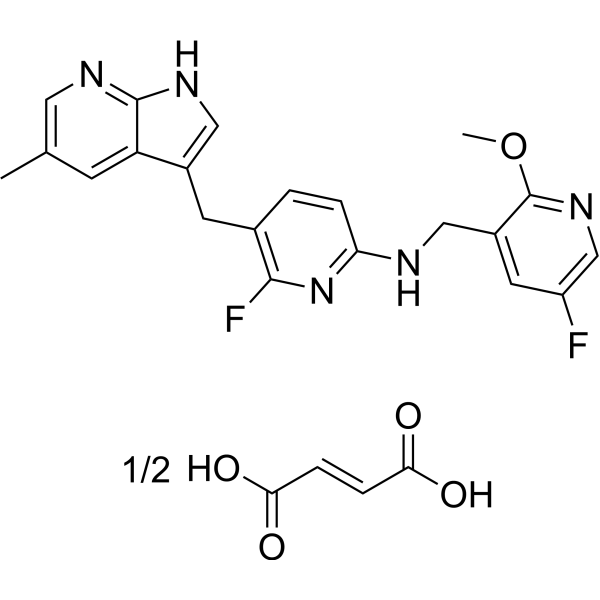
PLX5622 hemifumarate is a highly selective brain penetrant and orally active CSF1R inhibitor (IC50=0.016 μM; Ki=5.9 nM). PLX5622 hemifumarate allows for extended and specific microglial elimination, preceding and during pathology development. PLX5622 hemifumarate demonstrates desirable PK properties in varies animals .
loading...
    loading...
101
101 Cited Publications
Cat. No.: HY-114153
CAS No.: 1303420-67-8
Purity:  99.79%
Target:  

c-Fms

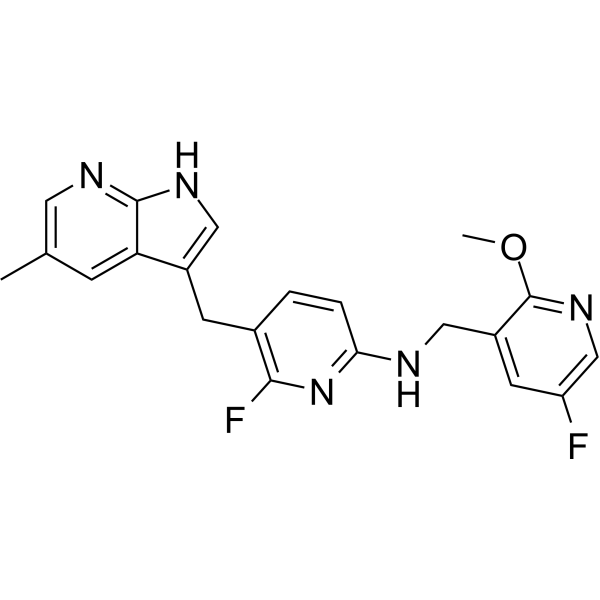
PLX5622 is a highly selective brain penetrant and orally active CSF1R inhibitor (IC50=0.016 μM; Ki=5.9 nM). PLX5622 allows for extended and specific microglial cells elimination, preceding and during pathology development. PLX5622 is an ideal choose for microglia function research in healthy or diseased states. PLX5622 has been verified by MedChemExpress, which demonstrates desirable microglia depletion efficiency in mice. PLX5622 is predominantly administered via ad libitum diets with a dose of 1200 ppm .
loading...
    loading...
95
95 Cited Publications
Cat. No.: HY-15608
CAS No.: 23007-85-4
Purity:  99.52%
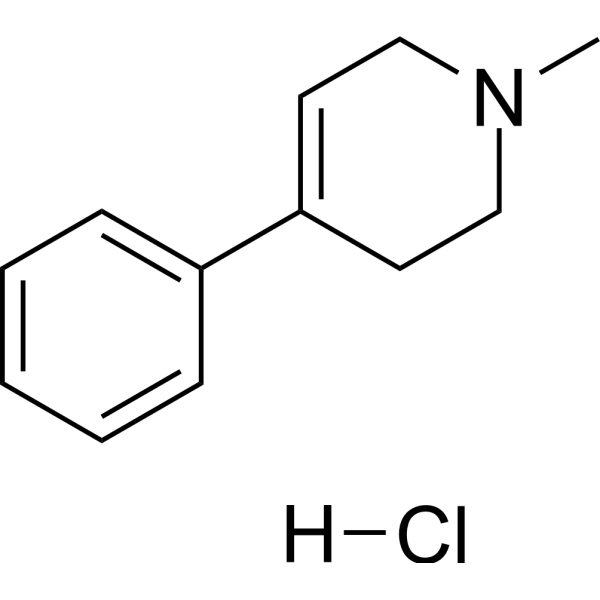
MPTP hydrochloride is a brain penetrant dopaminergic neurotoxin. MPTP hydrochloride can be used to induce Parkinson’s Disease model. MPTP hydrochloride, a precusor of MPP +, induces apoptosis . MPTP hydrochloride has been verified by MCE with professional biological experiments.
loading...
    loading...
95
95 Cited Publications
Cat. No.: HY-W114750
CAS No.: 28289-54-5
MPTP (1-Methyl-4-phenyl-1,2,3,6-tetrahydropyridine) is a brain penetrant dopamine neurotoxin. MPTP can be used to induce Parkinson’s Disease model. MPTP, a precusor of MPP +, induces apoptosis .
loading...
    loading...

