200 Results for "

FXR

" in MedChemExpress (MCE) Product Catalog:
Products (200)

200 Results for "FXR" in MCE Product Catalog:

  • Targets Recommended:
224
224 Publications Verification
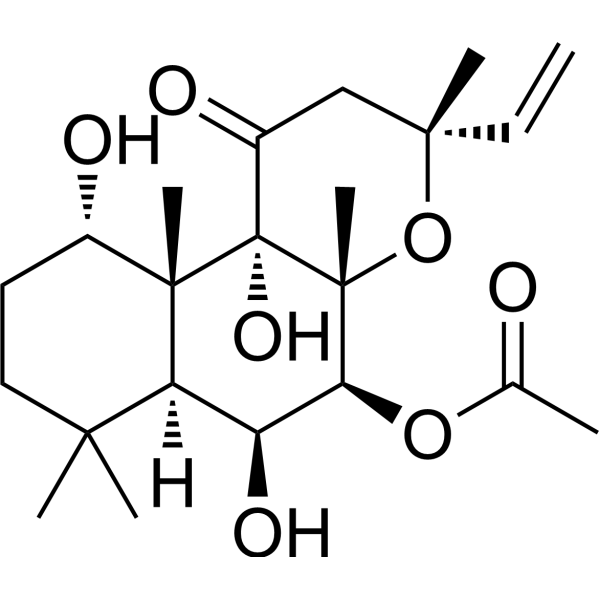
Cat. No.: HY-15371
CAS No.: 66575-29-9
Purity:  98.95%
Synonyms: Coleonol; Colforsin; HL 362
Forskolin (Coleonol) is a potent adenylate cyclase activator with an IC50 of 41 nM and an EC50 of 0.5 μM for type I adenylyl cyclase . Forskolin is also an inducer of intracellular cAMP formation . Forskolin induces differentiation of various cell types and activates pregnane X receptor (PXR) and FXR . Forskolin exerts a inotropic effect on the heart, and has platelet antiaggregatory and antihypertensive actions. Forskolin also induces autophagy .
loading...
    loading...
86
86 Cited Publications
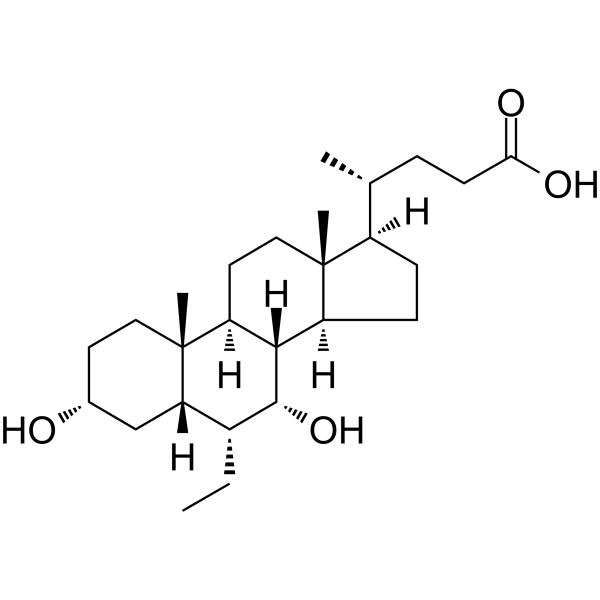
Cat. No.: HY-12222
CAS No.: 459789-99-2
Purity:  ≥98.0%
Synonyms: INT-747; 6-ECDCA; 6-Ethylchenodeoxycholic acid
Target:  

FXR Autophagy

Research Areas:  

Others

Obeticholic acid (INT-747) is a potent, selective and orally active FXR agonist with an EC50 of 99 nM. Obeticholic acid has anticholeretic and anti-inflammation effect. Obeticholic acid also induces autophagy .
loading...
    loading...
57
57 Cited Publications
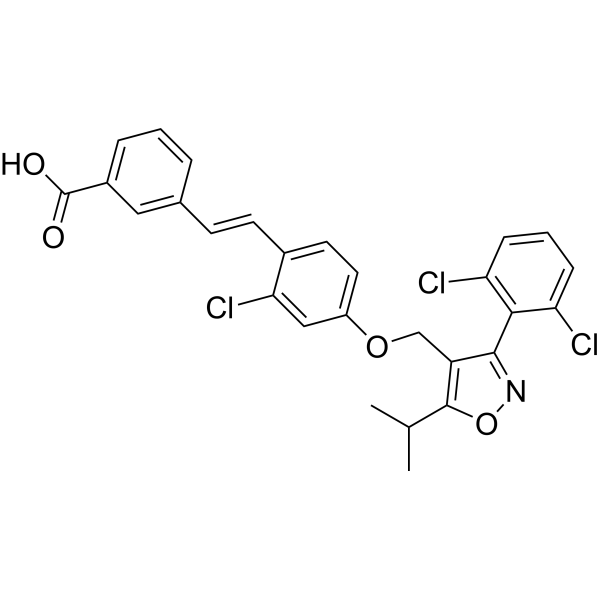
Cat. No.: HY-50108
CAS No.: 278779-30-9
Target:  

FXR Autophagy

Research Areas:  

Metabolic Disease Cancer

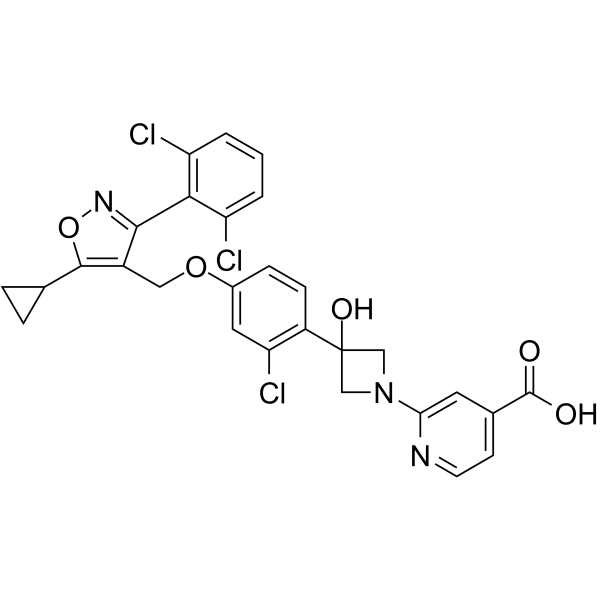
GW 4064 is a potent FXR agonist with an EC50 of 65 nM.
loading...
    loading...
49
49 Cited Publications
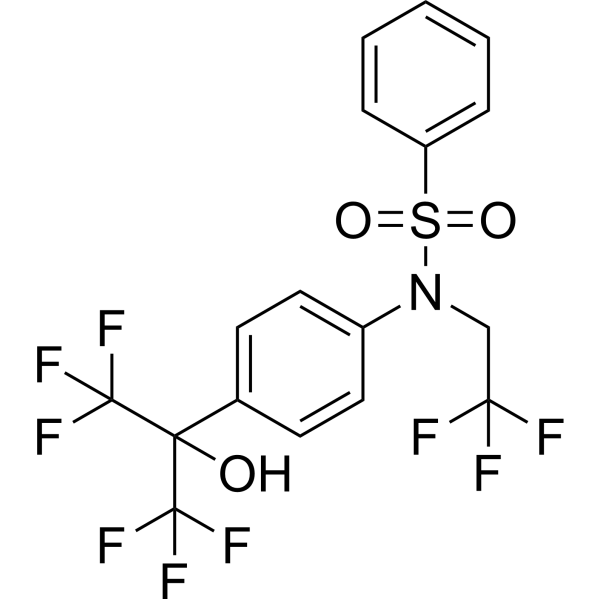
Cat. No.: HY-10626
CAS No.: 293754-55-9
Purity:  99.93%
T0901317 is an orally active and highly selective LXR agonist with an EC50 of 20 nM for LXRα . T0901317 activates FXR with an EC50 of 5 μM . T0901317 is RORα and RORγ dual inverse agonist with Ki values of 132 nM and 51 nM, respectively . T0901317 induces apoptosis and inhibits the development of atherosclerosis in low-density lipoprotein (LDL) receptor-deficient mice .
loading...
    loading...
30
30 Cited Publications
Cat. No.: HY-13771A
CAS No.: 2898-95-5
Purity:  99.06%
Synonyms: Ursodeoxycholate sodium; Ursodiol sodium; UCDA sodium
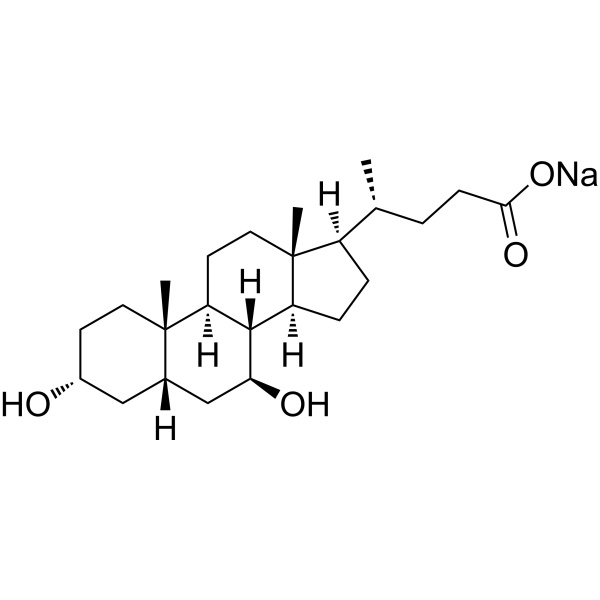
Ursodeoxycholic acid (Ursodeoxycholate) sodium is a secondary bile acid issued from the transformation of (cheno)deoxycholic acid by intestinal bacteria, acting as a key regulator of the intestinal barrier integrity and essential for lipid metabolism. Ursodeoxycholic acid sodium acts as signaling molecule, exerting its effects by interacting with bile acid activated receptors, including G-protein coupled bile acid receptor 5 (TGR5, GPCR19) and the farnesoid X receptor (FXR). Ursodeoxycholic acid sodium can be used for the research of a variety of hepatic and gastrointestinal diseases. Orally active .
loading...
    loading...
30
30 Cited Publications
Cat. No.: HY-13771
CAS No.: 128-13-2
Purity:  99.94%
Synonyms: Ursodeoxycholate; Ursodiol; UDCA
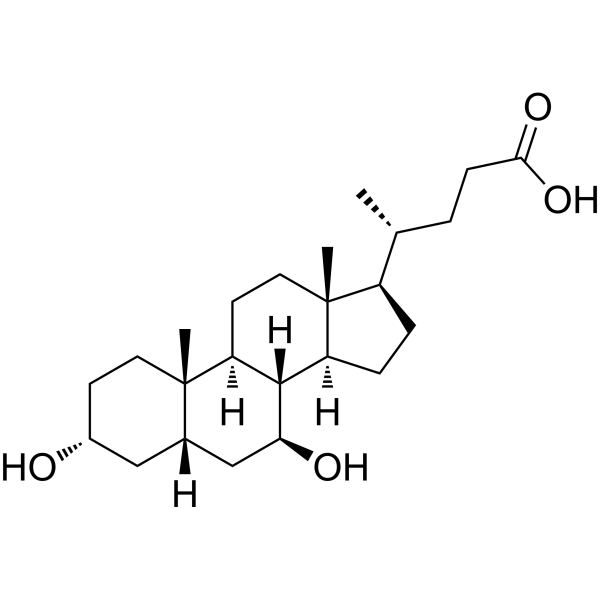
Ursodeoxycholic acid (Ursodeoxycholate) is a secondary bile acid issued from the transformation of (cheno)deoxycholic acid by intestinal bacteria, acting as a key regulator of the intestinal barrier integrity and essential for lipid metabolism. Ursodeoxycholic acid acts as signaling molecule, exerting its effects by interacting with bile acid activated receptors, including G-protein coupled bile acid receptor 5 (TGR5, GPCR19) and the farnesoid X receptor (FXR). Ursodeoxycholic acid can be used for the research of a variety of hepatic and gastrointestinal diseases. Ursodeoxycholic acid also reduces ACE2 expression and is beneficial for reducing SARS-CoV-2 infection. Orally active .
loading...
    loading...
28
28 Cited Publications
Cat. No.: HY-114392
CAS No.: 66225-78-3
Purity:  99.75%
Target:  

FXR Autophagy

Research Areas:  

Metabolic Disease

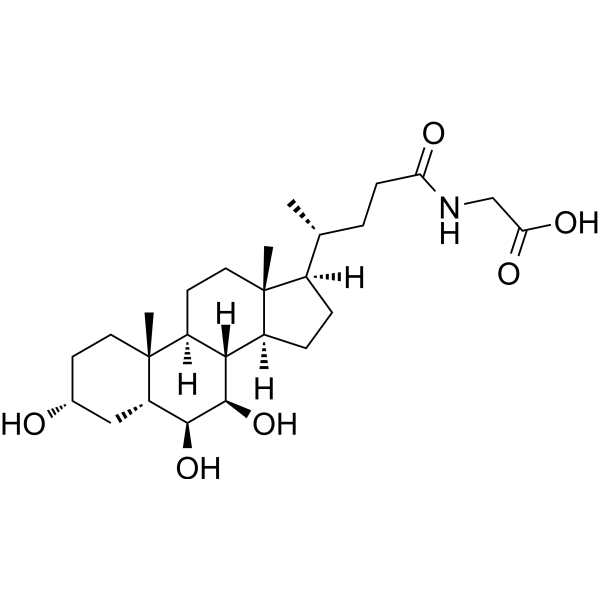
Gly-β-MCA, a bile acid, is a potent, sable, intestine-selective and oral bioactive farnesoid X receptor (FXR) inhibitor that may be a candidate for the treatment of metabolic disorders .
loading...
    loading...
25
25 Cited Publications
Cat. No.: HY-76847
CAS No.: 474-25-9
Synonyms: CDCA
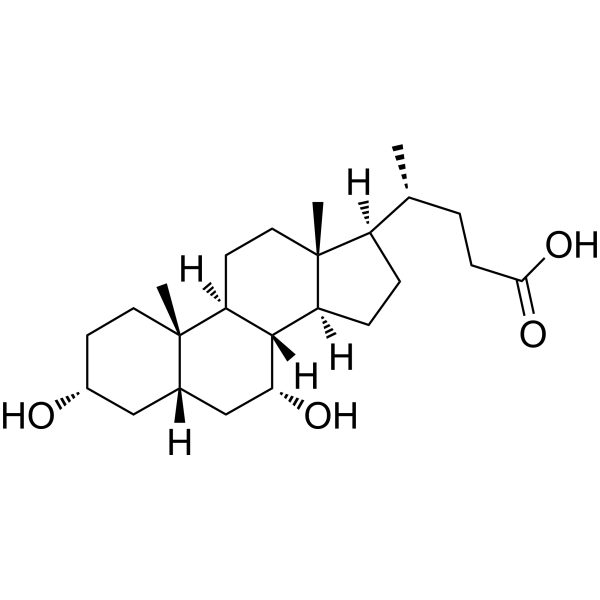
Chenodeoxycholic Acid is a hydrophobic primary bile acid that activates nuclear receptors (FXR) involved in cholesterol metabolism.
loading...
    loading...
25
25 Cited Publications
Cat. No.: HY-76847A
CAS No.: 2646-38-0
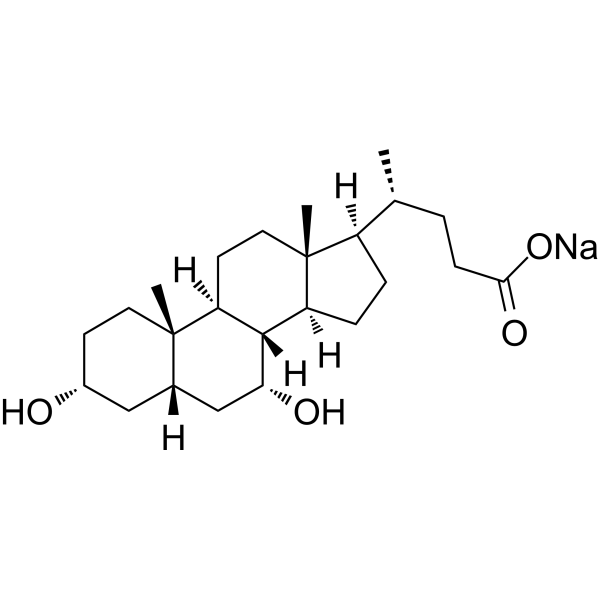
Synonyms: CDCA sodium
Chenodeoxycholic acid sodium is a hydrophobic primary bile acid that activates nuclear receptors (FXR) involved in cholesterol metabolism.
loading...
    loading...
22
22 Cited Publications
Cat. No.: HY-107738
CAS No.: 95975-55-6
Purity:  99.81%
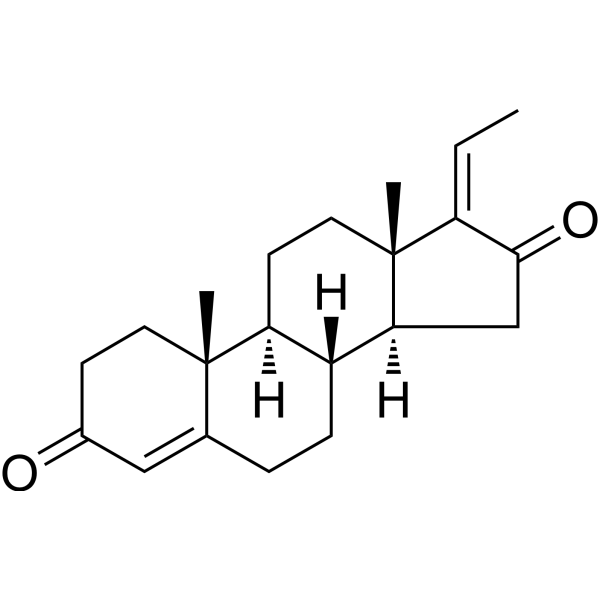
Synonyms: Z/E-Guggulsterone
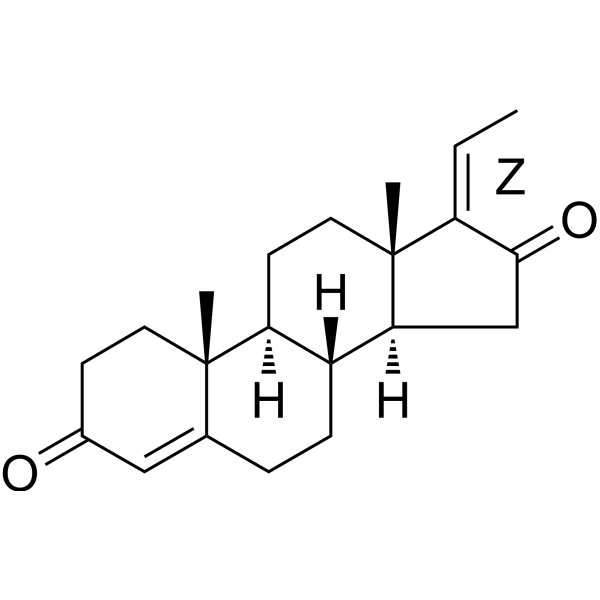
Guggulsterone is a plant sterol derived from the gum resin of the tree Commiphora wightii. Guggulsterone inhibits the growth of a wide variety of tumor cells and induces apoptosis through down regulation of antiapoptotic gene products (IAP1, xIAP, Bfl-1/A1, Bcl-2, cFLIP and survivin), modulation of cell cycle proteins (cyclin D1 and c-Myc), activation of caspases and JNK, inhibition of Akt . Guggulsterone, a farnesoid X receptor (FXR) antagonist, with IC50s of 24.06 μM and 39.05 μM for (-)-(E)-Guggulsterone (HY-N7781) and (Z)-Guggulsterone (HY-110066), respectively .
loading...
    loading...
21
21 Cited Publications
Cat. No.: HY-B0172
CAS No.: 434-13-9
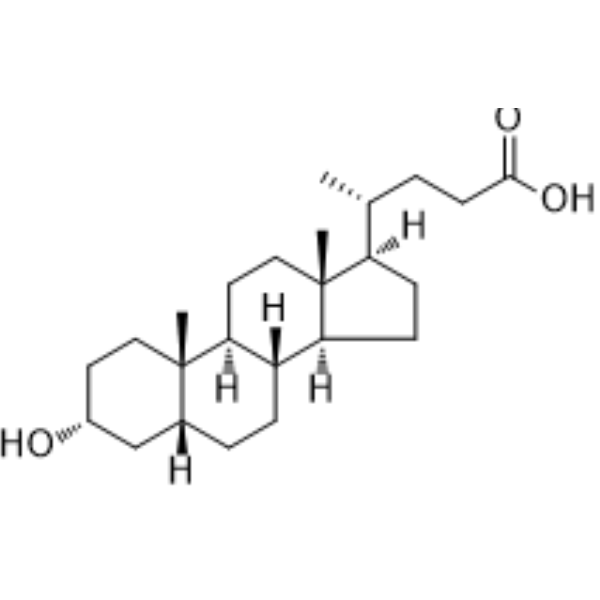
Synonyms: 3α-Hydroxy-5β-cholanic acid
Lithocholic acid is a toxic secondary bile acid that can promote intrahepatic cholestasis and promote tumorigenesis. Lithocholic acid is also a FXR antagonist and a PXR/SXR agonist .
loading...
    loading...
10
10 Cited Publications
Cat. No.: HY-10912
CAS No.: 574013-66-4
Purity:  99.24%
Target:  

FXR Autophagy

Research Areas:  

Others

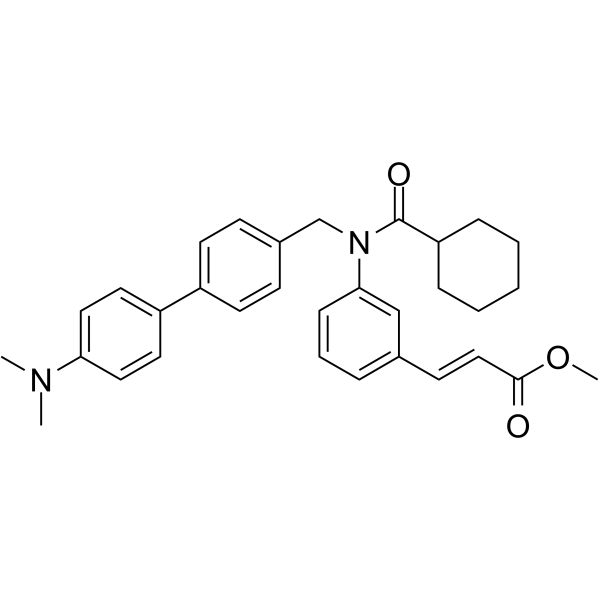
Fexaramine is a potent and selective FXR agonist with an EC50 of 25 nM. Fexaramine has no activity against hRXRα, hPPARαγδ, mPXR, hPXR, hLXRα, hTRβ, hRARβ, mCAR, mERRγ, and hVDR receptors .
loading...
    loading...
10
10 Cited Publications
Cat. No.: HY-109083
CAS No.: 1418274-28-8
Purity:  99.10%
Synonyms: GS-9674
Target:  

FXR Autophagy

Research Areas:  

Inflammation/Immunology

Cilofexor (GS-9674) is a potent, selective and orally active nonsteroidal FXR agonist with an EC50 of 43 nM. Cilofexor has anti-inflammatory and antifibrotic effects. Cilofexor has the potential for primary sclerosing cholangitis (PSC) and nonalcoholic steatohepatitis (NASH) research .
loading...
    loading...
8
8 Cited Publications
Cat. No.: HY-110066
CAS No.: 39025-23-5
Purity:  99.30%
(Z)-Guggulsterone, a constituent of Indian Ayurvedic medicinal plant Commiphora mukul, inhibits the growth of human prostate cancer cells by causing apoptosis. (Z)-Guggulsterone inhibits angiogenesis by suppressing the VEGF–VEGF-R2–Akt signaling axis . (Z)-Guggulsterone is also a potent FXR antagonist. (Z)-Guggulsterone reduces ACE2 expression and SARS-CoV-2 infection .
loading...
    loading...
7
7 Cited Publications
Cat. No.: HY-107418
CAS No.: 1383816-29-2
Purity:  99.35%
Synonyms: LJN452
Target:  

FXR Autophagy

Research Areas:  

Cardiovascular Disease

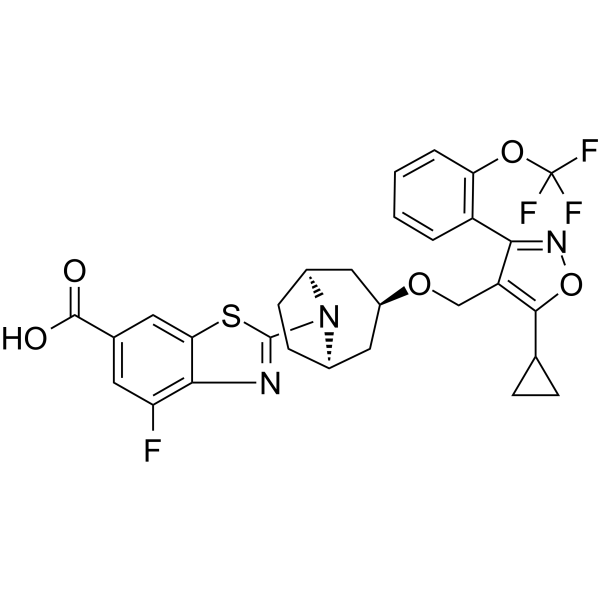
Tropifexor (LJN452) is a highly potent agonist of FXR with an EC50 of 0.2 nM .
loading...
    loading...
7
7 Cited Publications
Cat. No.: HY-N0010
CAS No.: 27741-01-1
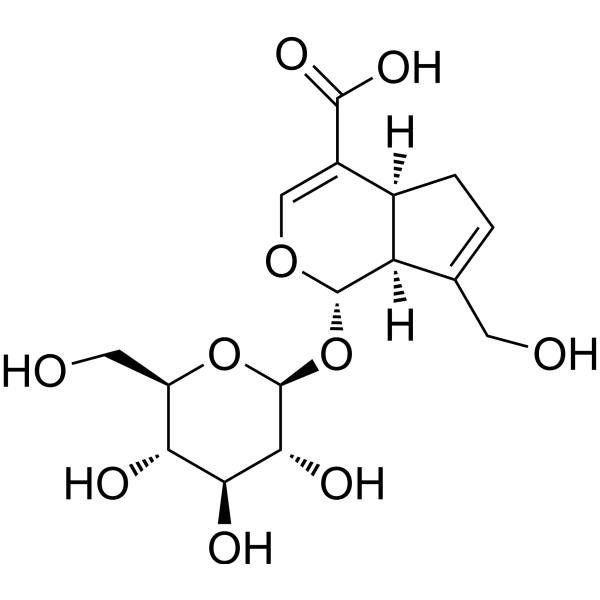
Geniposidic acid is an orally active FXR modulator and SIRT6 activator. Geniposidic acid binds to the Ser332 and His447 sites on the FXR ligand-binding domain, thereby driving nuclear translocation, coactivator recruitment, and transcription of downstream bile acid and cholesterol metabolism-related genes. Geniposidic acid improves metabolic dysfunction-related fatty liver disease by activating the SIRT6 signaling pathway. Geniposidic acid inhibits inflammation and modulates gut microbiota to alleviate colitis. Geniposidic acid can be used in research on drug-induced liver injury, inflammatory bowel disease, metabolic dysfunction-related fatty liver disease, and metabolic dysfunction-related steatohepatitis .
loading...
    loading...
6
6 Cited Publications
Cat. No.: HY-12434
CAS No.: 1000403-03-1
Purity:  99.81%
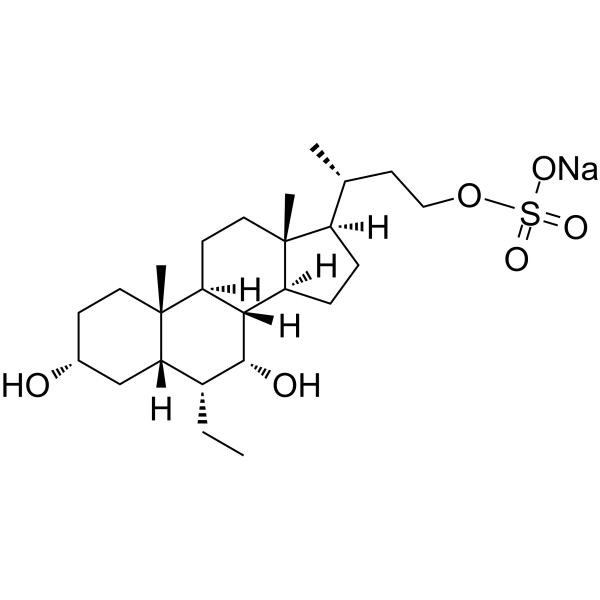
INT-767 is a dual farnesoid X receptor (FXR)/TGR5 agonist with mean EC50s of 30 and 630 nM, respectively .
loading...
    loading...
6
6 Cited Publications
Cat. No.: HY-107859
CAS No.: 115-96-8
Purity:  95.12%
Synonyms: TCEP
Tris(2-chloroethyl) phosphate (TCEP) is a widely used organic phosphorus flame retardant, mainly used as a plasticizer. Tris(2-chloroethyl) phosphate has orally active hepatotoxicity, inducing an increase in reactive oxygen species (ROS) and calcium ions (Ca²⁺) influx, a decrease in mitochondrial membrane potential (△Ψm), and causing DNA damage and cell apoptosis. Tris(2-chloroethyl) phosphate directly binds to FXR, inducing obesity and the formation of fatty liver in mice. Chloroethyl) phosphate activates the TLR4/NF-κB pathway, triggering liver inflammation .
loading...
    loading...
5
5 Cited Publications
Cat. No.: HY-135103
CAS No.: 145022-92-0
Purity:  98.60%
Synonyms: T-βMCA sodium
Target:  

FXR

Research Areas:  

Cancer

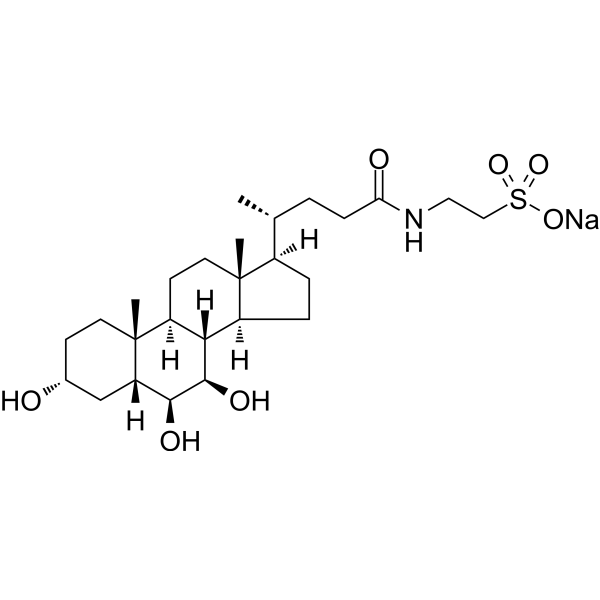
Tauro-β-muricholic Acid sodium (T-βMCA sodium), a endogenous metabolite, is a competitive and reversible farnesoid X receptor (FXR) antagonist, with an IC50 of 40 μM .
loading...
    loading...
5
5 Cited Publications
Cat. No.: HY-N9933
CAS No.: 25696-60-0
Synonyms: TβMCA
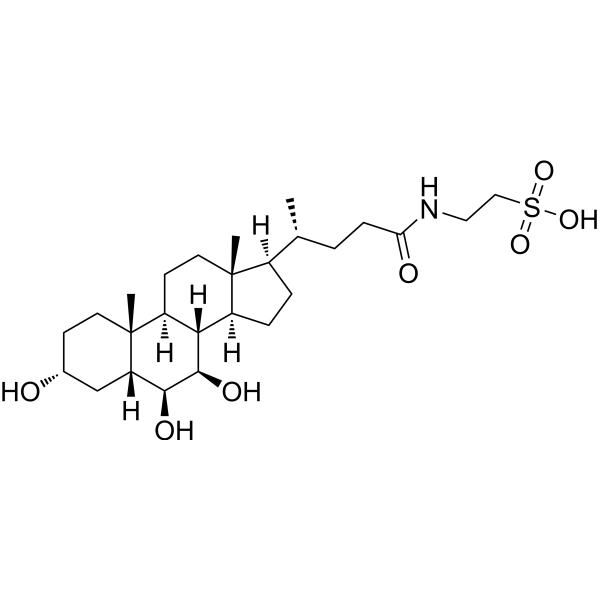
Tauro-β-muricholic acid (TβMCA) is an orally active trihydroxylated bile acid and a competitive, reversible FXR antagonist (IC50=40 μM). Tauro-β-muricholic acid inhibits bile acid-induced hepatocyte apoptosis by maintaining mitochondrial membrane potential, while simultaneously inhibiting intestinal FXR signaling, affecting bile acid synthesis, hepatic lipid metabolism, and insulin sensitivity. Accumulation of tauro-β-muricholic acid disrupts metabolic homeostasis, promoting cancer stem cell proliferation and tumor progression. The mechanisms of tauro-β-muricholic acid involve two aspects: first, inhibiting the translocation of the pro-apoptotic protein Bax to mitochondria and maintaining mitochondrial membrane potential (MMP); and second, blocking the FXR signaling pathway to regulate bile acid metabolism, reduce serum ceramide production, and downregulate the hepatic SREBP1C/CIDEA pathway. Tauro-β-muricholic acid possesses anti-hepatocyte apoptosis, bile acid homeostasis regulation, and liver fat accumulation reduction properties, and also functions as a biomarker, making it useful in the study of diseases such as bile acid metabolism disorders, non-alcoholic fatty liver disease, colorectal cancer, and liver fibrosis .
loading...
    loading...

