
From 11:00 pm to 12:00 pm EST ( 8:00 pm to 9:00 pm PST ) on January 6th, the website will be under maintenance. We are sorry for the inconvenience. Please arrange your schedule properly.
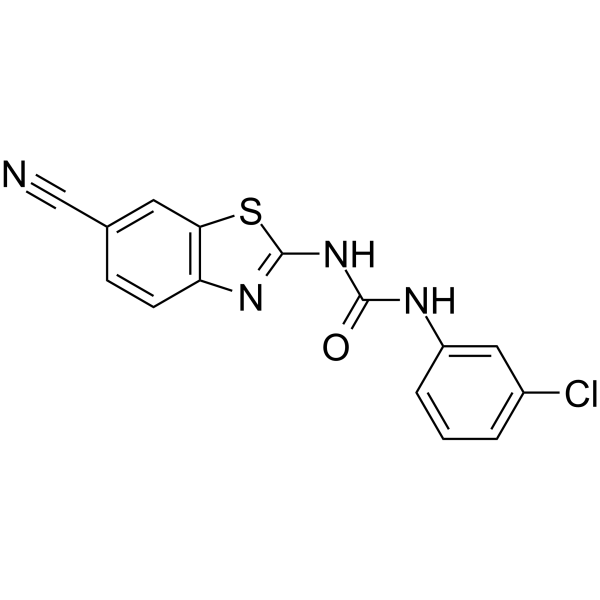
HB007 is a small ubiquitin-related modifier 1 (SUMO1) degrader. HB007 induces ubiquitination and degradation of SUMO1, resulting in reduced tumor growth in vivo. HB007 can be used for the research of brain, breast, colon, and lung cancers .
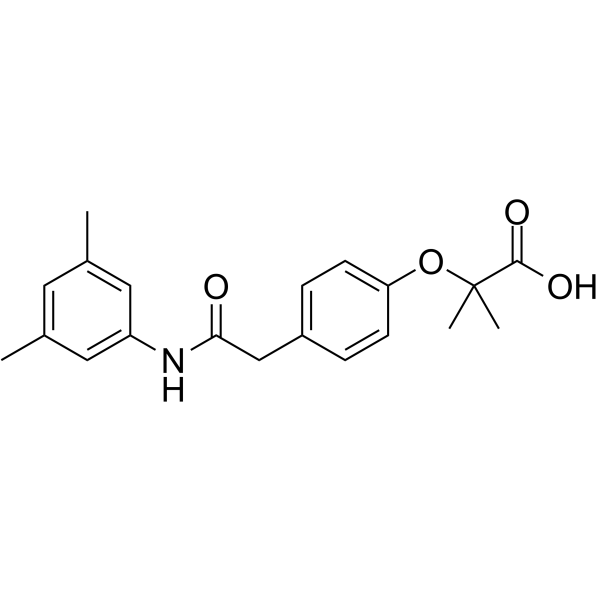
Efaproxiral (RSR13) is a haemoglobin (Hb) synthetic allosteric modifier. Efaproxiral decreases Hb-oxygen (O2) binding affinity and enhances oxygenation of hypoxic tumours during radiation therapy .
3-Methoxyphenol is a phenolic compound that is biologically toxic. 3-Methoxyphenol is systemically absorbed, disrupts the function of the liver, kidneys, central nervous system, and redox processes, and increases levels of Hb, red blood cells, and white blood cells in the body.
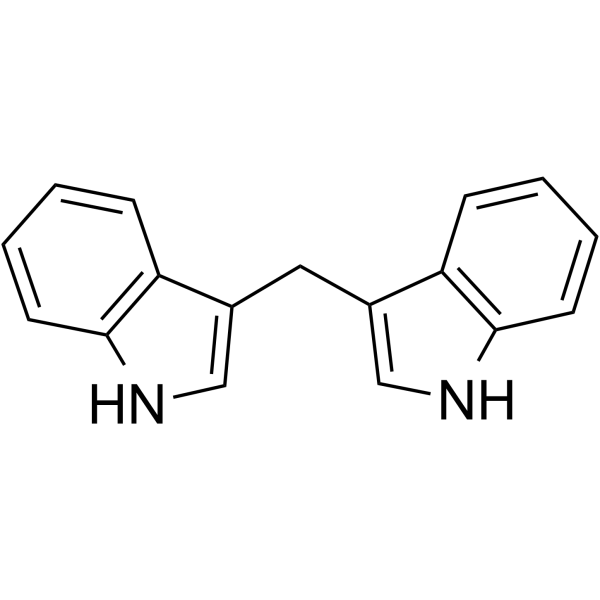
3,3'-Diindolylmethane (Standard) is the analytical standard of 3,3'-Diindolylmethane. This product is intended for research and analytical applications. 3,3'-Diindolylmethane is a strong, pure androgen receptor (AR) antagonist.
Anti-Influenza A virus NP Antibody (H16-L10-4R5 (HB-65)) is mouse-derived IgG2a κ type antibody inhibitor, targeting to influenza virus nucleoprotein. Anti-Influenza A virus NP Antibody (H16-L10-4R5 (HB-65)) reacts with influenza virus nucleoprotein (NP). Anti-Influenza A virus NP Antibody (H16-L10-4R5 (HB-65)) can induce passive immunity to influenza A virus. Anti-Influenza A virus NP Antibody (H16-L10-4R5 (HB-65)) can be used for the detections of western blot, flow cytometry and immunohistochemistry in Influenza A virus infection .
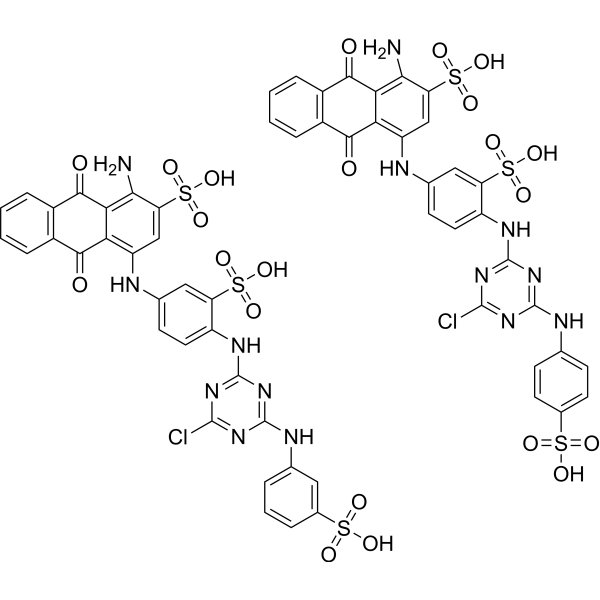
ATTO 488 streptavidin is a fluorescent reagent that specifically targets and binds to biotin (biotin), formed by the conjugation of ATTO 488 with streptavidin (HY-P3152). ATTO 488 streptavidin enables visualization of the activity of streptavidin immobilized on the surface of polymeric nanoparticles, or acts as a fluorescent probe to detect the selective binding and internalization process of anti-HB-EGF/NA with cells expressing HB-EGF (with no such effect on cells that do not express this receptor). ATTO 488 streptavidin effectively verifies the function of streptavidin conjugated to the surface of nanoparticles and is suitable for research related to atherosclerotic cardiovascular diseases .
5α-Tetrahydrocorticosterone (5α-HB), an endogenous steroid, is a glucocorticoid receptor (GR) agonist and a metabolite of Corticosterone (HY-B1618). 5α-Tetrahydrocorticosterone is an effective topical anti-inflammatory agent in vivo. 5α-Tetrahydrocorticosterone reduces metabolites that bind to GR-Corticosterone and its 5α-reduced metabolites in rat hepatocytes, with a Kd of 268 nM. 5α-Tetrahydrocorticosterone can be used for research on inflammatory skin diseases .
Anti-Mouse CD8 Antibody (HB-129) is a mouse-derived IgG2a κ type antibody inhibitor, targeting to mouse CD8. Anti-Mouse CD8 Antibody (HB-129) can deplete CD8 + T cells. Anti-Mouse CD8 Antibody (HB-129) can be used for the researches of cancer, inflammation, immunology and metabolic disease, such as P815 tumor, experimental autoimmune thyroiditis (EAT) and graft versus host disease (GVHD) .
P4HB Human Pre-designed siRNA Set A contains three designed siRNAs for P4HB gene (Human), as well as a negative control, a positive control, and a FAM-labeled negative control.
P4hb Mouse Pre-designed siRNA Set A contains three designed siRNAs for P4hb gene (Mouse), as well as a negative control, a positive control, and a FAM-labeled negative control.
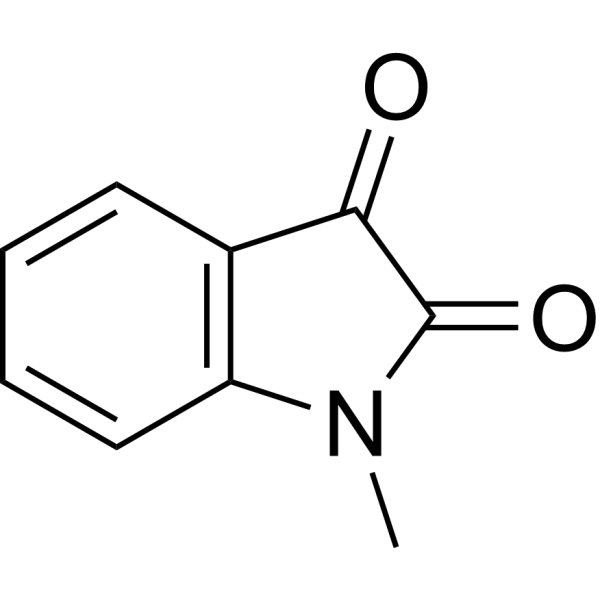
1-Methylisatin is a potent and selective CE (carboxylesterases) inhibitor, with Kis of 38.2 and 5.38 μM for hiCE and hCE1, respectively. 1-Methylisatin interacts with Hb (human adult hemoglobin) by hydrophobic binding and electrostatic attraction. 1-Methylisatin can be used in the study of regulation of agent metabolism in vivo .
Fosmidomycin is an orally active antibiotic, which exhibits antimalarial activity through inhibition of 1-deoxy-D-xylulose 5-phosphate reductoisomerase (DOXP reductoisomerase). Fosmidomycin inhibits P. falciparum strains 3D7, HB3, Dd2 and A2, with IC50s of 150, 71, 170 and 150 ng/mL, respectively. Fosmidomycin exhibits synergistic effect with Clindamycin (HY-B1455), and ameliorates malaria in mouse model .
EK1 is a peptide-based fusion inhibitor of coronaviruses (CoVs) with broad spectrum inhibition to a number of CoV species. EK1 shows substantially improved pan-CoV fusion inhibitory activity. EK1 potently inhibits SARS-CoV-2. EK1 can form a stable six-helix bundle (6HB) structure with both short α-hCoV and long β-hCoV N-terminal heptad repeats .
HB-230 is a red fluorescent transglutaminase 2 (TG2) probe. HB-230 complexes with TG2 and α2-macroglobulin via the LRP1 pathway for efficient endocytosis. The excitation and emission wavelengths of HB-230 are 649 and 665 nm, respectively .
Hb 98-114, the amino acids 98-114 of the alpha subunit of bovine hemoglobin, is an antimicrobial peptide. Hb 98-114 is active against several yeast and filamentous fungi (MIC: 2.1 μM-12.5 μM) .
HB-107 is a peptide with wound healing properties. HB-107 promotes the proliferation of keratinocytes and increased leukocyte infiltration at the wound site, and it also stimulates cultured endothelial cells to secrete interleukin 8 (IL-8). HB-107 holds potential for research in the fields of wound healing and inflammation .
HB-0017 is a humanized IgG1κ monoclonal antibody inhibitor, targeting IL-17A. HB-0017 inhibits the IL-6 secretion induced by IL-17A with an IC50 of 2.09 nM. HB-0017 significantly decreases ear thickness in Imiquimod (HY-B0180)-induced psoriasis-like mice model and alleviates inflammations in IL-17A-induced arthritis and air pouch mice model. The isotype control for the HB-0017 can be referenced as Human IgG1 kappa, Isotype Control (HY-P99001) .
Anti-Mouse TCRβ Antibody (HB218) is an anti-mouse TCRβ IgG2b monoclonal antibody. Anti-Mouse TCRβ Antibody (HB218) can deplete TCRβ + T cells. Anti-Mouse TCRβ Antibody (HB218) can be used for research on inflammation conditions and cancer such as spontaneous dermatitis and squamous cell carcinoma (SCC) .
Anti-Mouse MHC Class I (H-2Kd) Antibody (HB-159) is a mouse-derived IgG2a κ type antibody inhibitor, targeting to mouse MHC Class I. Anti-Mouse MHC Class I (H-2Kd) Antibody (HB-159) reacts with the mouse H-2Kd MHC class I alloantigen. Anti-Mouse MHC Class I (H-2Kd) Antibody (HB-159) can be used for immunology research, such as cardiac graft .
CV-4-26 (Compound 22) is a covalent inhibitor of TEAD. CV-4-26 inhibits YAP/TEAD-based transcription, leading to the reduction of CTGF and CYR61 expression. CV-4-26 inhibits Huh7 and HepG2 cell colony formation, induces cell cycle arrest, and apoptosis. CV-4-26 shows antitumor activity against hepatocellular carcinoma (HCC) and hepatoblastoma (HB) .
Anti-Mouse CD1d Antibody (20H2 (HB323)) is a rat-derived IgG1 κ type antibody inhibitor, targeting to mouse CD1d. Anti-Mouse CD1d Antibody (20H2 (HB323)) can block CD1d and neutralize invariant natural killer
T (iNKT) cells. Anti-Mouse CD1d Antibody (20H2 (HB323)) can be used for the researches of cancer, infection, inflammation and immunology, such as melanoma, L. monocytogenes infection and arthritis .
Anti-Mouse MHC Class I (H-2Kk, H-2Dk) Antibody (15-3-1S (HB-13)) is a mouse-derived IgG2a κ type antibody inhibitor, targeting to mouse MHC Class I. Anti-Mouse MHC Class I (H-2Kk, H-2Dk) Antibody (15-3-1S (HB-13)) reacts with the mouse H-2Kk and H-2Dk MHC class I alloantigens. Anti-Mouse MHC Class I (H-2Kk, H-2Dk) Antibody (15-3-1S (HB-13)) can be used for immunology research .
N-Formylsarcolysine has antitumor activity, and inhibits leukemia by increasing the Hb and erythrocyte levels and decreasing the number of leukocytes. N-Formylsarcolysine also involves in glioblastoma and other diseases research .
Efaproxiral (RSR13)-d6 is the deuterium labeled Efaproxiral (HY-13619). Efaproxiral is a haemoglobin (Hb) synthetic allosteric modifier. Efaproxiral decreases Hb-oxygen (O2) binding affinity and enhances oxygenation of hypoxic tumours during radiation therapy .
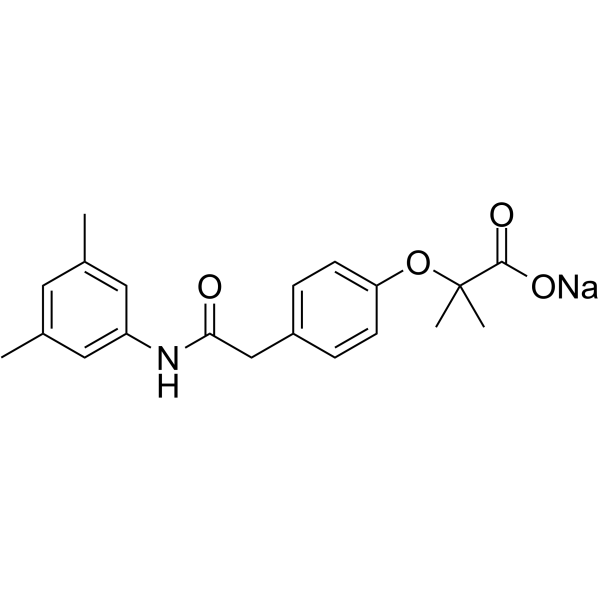
Efaproxiral (RSR13) sodium (Standard) is the analytical standard of Efaproxiral sodium (HY-13619A). This product is intended for research and analytical applications. Efaproxiral sodium is a haemoglobin (Hb) synthetic allosteric modifier. Efaproxiral sodium decreases Hb-oxygen (O2) binding affinity and enhances oxygenation of hypoxic tumours during radiation therapy .
Efaproxiral (RSR13) (Standard) is the analytical standard of Efaproxiral (HY-13619). This product is intended for research and analytical applications. Efaproxiral is a haemoglobin (Hb) synthetic allosteric modifier. Efaproxiral decreases Hb-oxygen (O2) binding affinity and enhances oxygenation of hypoxic tumours during radiation therapy .
NVP-SAA164 is an orally active nonpeptide kinin B1 receptor antagonist. NVP-SAA164 reverses CFA (Complete Freund's adjuvant) (HY-153808)-induced mechanical hyperalgesia and desArg10KD-induced hyperalgesia in hB1-KI mice, and is inactive in a model of inflammatory pain in wild-type mice .
Antimicrobial agent-29 (Compound C35) affects the interaction between human hemoglobin and Staphylococcus aureus IsdB hemophore. Antimicrobial agent-29 helps the discovery of IsdB:Hb PPI inhibitors .
GSTM1 Human Pre-designed siRNA Set A contains three designed siRNAs for GSTM1 gene (Human), as well as a negative control, a positive control, and a FAM-labeled negative control.
Tebuquine (WR228258), a 4-aminoquinoline, is a potent antimalarial agent. Tebuquine is active against the Chloroquine (HY-17589A) sensitive HB3 strain and the Chloroquine resistant K1 strain of Plasmodium falciparum with IC50s of 0.9 nM and 20.8 nM, respectively .
PF-07059013 is an orally active and potent noncovalent modulator of sickled hemoglobin (HbS). PF-07059013 specifically binds to Hb with nanomolar affinity and displays strong partitioning into red blood cells (RBCs). PF-07059013 can be used for sickle cell disease (SCD) research .
Methyl acetimidate is an imidoester that can inhibit the formation of sickle cells. Methyl acetimidate enhances the oxygen affinity and gelling properties of high molecular weight hemoglobin (HMW Hb) by modifying the amino groups of hemoglobin, thereby suppressing the formation of sickle cells. Methyl acetimidate can be used in research related to anemia .
Tau-aggregation-IN-5 is a Tau-aggregation inhibitor (EC50 = 0.31 μM). Tau-aggregation-IN-5 targets P4HB covalently and activates mild ER stress. Tau-aggregation-IN-4 can be used for the study of neurodegenerative disorders such as Alzheimer’s and Pick’s diseases .
3-Methoxyphenol (Standard) is the analytical standard of 3-Methoxyphenol. This product is intended for research and analytical applications. 3-Methoxyphenol is a phenolic compound that is biologically toxic. 3-Methoxyphenol is systemically absorbed, disrupts the function of the liver, kidneys, central nervous system, and redox processes, and increases levels of Hb, red blood cells, and white blood cells in the body.
3-Methoxyphenol-d3 is deuterated labeled 3-Methoxyphenol (HY-Y1840). 3-Methoxyphenol is a phenolic compound that is biologically toxic. 3-Methoxyphenol is systemically absorbed, disrupts the function of the liver, kidneys, central nervous system, and redox processes, and increases levels of Hb, red blood cells, and white blood cells in the body.
RO6889678 is a highly potent HBV capsid formation inhibitor with a complex absorption, distribution, metabolism, and excretion (ADME) profile. RO6889678 is a potent inducer of CYP3A4 and coregulated proteins in human hepatocytes. RO6889678 is metabolized by a combination of CYP3A4-mediated oxidation and UDP-glucuronosyltransferase UGT1A3- and UGT1A1-mediated direct glucuronidation .
HB0030 is a TIGIT inhibitor with antibody-dependent cellular cytotoxicity (ADCC) and complement-dependent cytotoxicity (CDC) activities. HB0030 enhances the expression of activation markers in natural killer (NK) cells, promotes the killing of regulatory T cells (Tregs), and reduces the proportion of FoxP3 +Treg in tumor-infiltrating lymphocytes. The combination of HB0030 with the anti-PD-L1/VEGF bispecific antibody HB0025 further enhances tumor suppression efficacy. HB0030 can be used in studies related to colorectal cancer, pancreatic adenocarcinoma, hepatocellular carcinoma, bladder cancer, breast cancer, non-small cell lung cancer, and advanced solid tumors .
P4hb Rat Pre-designed siRNA Set A contains three designed siRNAs for P4hb gene (Rat), as well as a negative control, a positive control, and a FAM-labeled negative control.
Ksr1 Mouse Pre-designed siRNA Set A contains three designed siRNAs for Ksr1 gene (Mouse), as well as a negative control, a positive control, and a FAM-labeled negative control.
KHK-2866 is a recombinant humanized monoclonal antibody targeting heparin-binding epidermal growth factor-like growth factor (HB-EGF). The predicted molecular weight (MW) of KHK-2866 is 147.68 kDa. KHK-2866 can be used for tumor research .
ATTO 488 streptavidin is a fluorescent reagent that specifically targets and binds to biotin (biotin), formed by the conjugation of ATTO 488 with streptavidin (HY-P3152). ATTO 488 streptavidin enables visualization of the activity of streptavidin immobilized on the surface of polymeric nanoparticles, or acts as a fluorescent probe to detect the selective binding and internalization process of anti-HB-EGF/NA with cells expressing HB-EGF (with no such effect on cells that do not express this receptor). ATTO 488 streptavidin effectively verifies the function of streptavidin conjugated to the surface of nanoparticles and is suitable for research related to atherosclerotic cardiovascular diseases .
EK1 is a peptide-based fusion inhibitor of coronaviruses (CoVs) with broad spectrum inhibition to a number of CoV species. EK1 shows substantially improved pan-CoV fusion inhibitory activity. EK1 potently inhibits SARS-CoV-2. EK1 can form a stable six-helix bundle (6HB) structure with both short α-hCoV and long β-hCoV N-terminal heptad repeats .
Hb 98-114, the amino acids 98-114 of the alpha subunit of bovine hemoglobin, is an antimicrobial peptide. Hb 98-114 is active against several yeast and filamentous fungi (MIC: 2.1 μM-12.5 μM) .
HB-107 is a peptide with wound healing properties. HB-107 promotes the proliferation of keratinocytes and increased leukocyte infiltration at the wound site, and it also stimulates cultured endothelial cells to secrete interleukin 8 (IL-8). HB-107 holds potential for research in the fields of wound healing and inflammation .
This enzyme is a DNA ligase cloned from Thermus aquaticus HB8. It is expressed in E. coli using genetic recombination technology and purified and isolated multiple times.
Anti-Influenza A virus NP Antibody (H16-L10-4R5 (HB-65)) is mouse-derived IgG2a κ type antibody inhibitor, targeting to influenza virus nucleoprotein. Anti-Influenza A virus NP Antibody (H16-L10-4R5 (HB-65)) reacts with influenza virus nucleoprotein (NP). Anti-Influenza A virus NP Antibody (H16-L10-4R5 (HB-65)) can induce passive immunity to influenza A virus. Anti-Influenza A virus NP Antibody (H16-L10-4R5 (HB-65)) can be used for the detections of western blot, flow cytometry and immunohistochemistry in Influenza A virus infection .
Anti-Mouse CD8 Antibody (HB-129) is a mouse-derived IgG2a κ type antibody inhibitor, targeting to mouse CD8. Anti-Mouse CD8 Antibody (HB-129) can deplete CD8 + T cells. Anti-Mouse CD8 Antibody (HB-129) can be used for the researches of cancer, inflammation, immunology and metabolic disease, such as P815 tumor, experimental autoimmune thyroiditis (EAT) and graft versus host disease (GVHD) .
HB-0017 is a humanized IgG1κ monoclonal antibody inhibitor, targeting IL-17A. HB-0017 inhibits the IL-6 secretion induced by IL-17A with an IC50 of 2.09 nM. HB-0017 significantly decreases ear thickness in Imiquimod (HY-B0180)-induced psoriasis-like mice model and alleviates inflammations in IL-17A-induced arthritis and air pouch mice model. The isotype control for the HB-0017 can be referenced as Human IgG1 kappa, Isotype Control (HY-P99001) .
Anti-Mouse Kappa Immunoglobulin Light Chain Antibody (HB-58) is an anti-mouse Kappa Immunoglobulin Light Chain IgG1 monoclonal antibody. Anti-Mouse Kappa Immunoglobulin Light Chain Antibody (HB-58) can reduce the phosphorylation levels of Src and Syk in B cells and the antigen presentation ability of B cells. Anti-Mouse Kappa Immunoglobulin Light Chain Antibody (HB-58) can be used for research on immunology .
Anti-Mouse TCRβ Antibody (HB218) is an anti-mouse TCRβ IgG2b monoclonal antibody. Anti-Mouse TCRβ Antibody (HB218) can deplete TCRβ + T cells. Anti-Mouse TCRβ Antibody (HB218) can be used for research on inflammation conditions and cancer such as spontaneous dermatitis and squamous cell carcinoma (SCC) .
Anti-Mouse MHC Class I (H-2Kd) Antibody (HB-159) is a mouse-derived IgG2a κ type antibody inhibitor, targeting to mouse MHC Class I. Anti-Mouse MHC Class I (H-2Kd) Antibody (HB-159) reacts with the mouse H-2Kd MHC class I alloantigen. Anti-Mouse MHC Class I (H-2Kd) Antibody (HB-159) can be used for immunology research, such as cardiac graft .
Anti-Mouse CD1d Antibody (20H2 (HB323)) is a rat-derived IgG1 κ type antibody inhibitor, targeting to mouse CD1d. Anti-Mouse CD1d Antibody (20H2 (HB323)) can block CD1d and neutralize invariant natural killer
T (iNKT) cells. Anti-Mouse CD1d Antibody (20H2 (HB323)) can be used for the researches of cancer, infection, inflammation and immunology, such as melanoma, L. monocytogenes infection and arthritis .
Anti-Mouse MHC Class I (H-2Kk, H-2Dk) Antibody (15-3-1S (HB-13)) is a mouse-derived IgG2a κ type antibody inhibitor, targeting to mouse MHC Class I. Anti-Mouse MHC Class I (H-2Kk, H-2Dk) Antibody (15-3-1S (HB-13)) reacts with the mouse H-2Kk and H-2Dk MHC class I alloantigens. Anti-Mouse MHC Class I (H-2Kk, H-2Dk) Antibody (15-3-1S (HB-13)) can be used for immunology research .
Anti-Mouse T15 VH and T15 VL regions of IgM Antibody (HB33) is an anti-mouse T15 VH and T15 VL regions of IgM IgG1 monoclonal antibody. Anti-Mouse T15 VH and T15 VL regions of IgM Antibody (HB33) is used in studies of the MHC class I heavy chain FcRn heterodimers and their interaction with IgG .
HB0030 is a TIGIT inhibitor with antibody-dependent cellular cytotoxicity (ADCC) and complement-dependent cytotoxicity (CDC) activities. HB0030 enhances the expression of activation markers in natural killer (NK) cells, promotes the killing of regulatory T cells (Tregs), and reduces the proportion of FoxP3 +Treg in tumor-infiltrating lymphocytes. The combination of HB0030 with the anti-PD-L1/VEGF bispecific antibody HB0025 further enhances tumor suppression efficacy. HB0030 can be used in studies related to colorectal cancer, pancreatic adenocarcinoma, hepatocellular carcinoma, bladder cancer, breast cancer, non-small cell lung cancer, and advanced solid tumors .
KHK-2866 is a recombinant humanized monoclonal antibody targeting heparin-binding epidermal growth factor-like growth factor (HB-EGF). The predicted molecular weight (MW) of KHK-2866 is 147.68 kDa. KHK-2866 can be used for tumor research .
3,3'-Diindolylmethane (Standard) is the analytical standard of 3,3'-Diindolylmethane. This product is intended for research and analytical applications. 3,3'-Diindolylmethane is a strong, pure androgen receptor (AR) antagonist.
Fosmidomycin is an orally active antibiotic, which exhibits antimalarial activity through inhibition of 1-deoxy-D-xylulose 5-phosphate reductoisomerase (DOXP reductoisomerase). Fosmidomycin inhibits P. falciparum strains 3D7, HB3, Dd2 and A2, with IC50s of 150, 71, 170 and 150 ng/mL, respectively. Fosmidomycin exhibits synergistic effect with Clindamycin (HY-B1455), and ameliorates malaria in mouse model .
HB-EGF protein is a multifunctional growth factor that is regulated through EGFR, ERBB2 and ERBB4 and is critical for cardiac valve formation and cardiac function. It promotes smooth muscle cell proliferation and may contribute to macrophage-mediated cell proliferation. HB-EGF Protein, Human (HEK293, His) is the recombinant human-derived HB-EGF protein, expressed by HEK293 , with C-6*His labeled tag.
P4HB proteins are versatile and multifunctional, coordinating disulfide bond catalysis at the cell surface and inside the cell.It exhibits reductase activity, cleaves disulfide bonds, induces structural modifications, and functions as a chaperone to inhibit aggregation of misfolded proteins.P4HB Protein, Mouse (HEK293, His) is the recombinant mouse-derived P4HB protein, expressed by HEK293 , with C-His labeled tag.
The P4HB protein is a multifunctional entity that catalyzes disulfide bonding processes at the cell surface and within cells. As a reductase, it modifies outer surface proteins and participates in the formation of disulfide bonds in nascent proteins. P4HB Protein, Human (HEK293, His) is the recombinant human-derived P4HB protein, expressed by HEK293 , with C-6*His labeled tag.
HB-EGF protein is a multifunctional growth factor that is regulated through EGFR, ERBB2 and ERBB4 and is critical for cardiac valve formation and cardiac function. It promotes smooth muscle cell proliferation and may contribute to macrophage-mediated cell proliferation. HB-EGF Protein, Human (sf9) is the recombinant human-derived HB-EGF protein, expressed by Sf9 insect cells , with tag free.
The P4HB protein is a multifunctional entity that catalyzes disulfide bonding processes at the cell surface and within cells. As a reductase, it modifies outer surface proteins and participates in the formation of disulfide bonds in nascent proteins. P4HB Protein, Human (His) is the recombinant human-derived P4HB protein, expressed by E. coli , with N-6*His labeled tag.
The ATF2 protein is a transcriptional activator that regulates anti-apoptotic genes, cell growth, and DNA damage responses. It binds to CRE and AP-1 sequences and plays a key role in nuclear transcription. ATF2 Protein, Human (sf9, His-GST) is the recombinant human-derived ATF2 protein, expressed by Sf9 insect cells , with N-His, N-GST labeled tag.
ALCAM/CD166 protein is a multifunctional cell adhesion molecule involved in various cell-cell interactions. It promotes T cell activation and immune synapse formation by interacting with CD6. ALCAM/CD166 Protein, Rat (HEK293, Fc) is the recombinant rat-derived ALCAM/CD166 protein, expressed by HEK293 , with C-hFc labeled tag.
ALCAM/CD166 protein is a multifunctional cell adhesion molecule involved in various cell-cell interactions. It promotes T cell activation and immune synapse formation by interacting with CD6. ALCAM/CD166 Protein, Rat (HEK293, His) is the recombinant rat-derived ALCAM/CD166 protein, expressed by HEK293 , with C-His labeled tag.
Pleiotrophin (PTN) is a secreted growth factor that transduces signals through cell surface proteoglycan and non-proteoglycan receptors.PTN binds to chondroitin sulfate (CS) groups and regulates cell proliferation, survival, and differentiation, particularly inhibiting long-term synaptic potentiation of neurons.Pleiotrophin Protein, Mouse (HEK293, Fc) is the recombinant mouse-derived Pleiotrophin protein, expressed by HEK293 , with N-hFc labeled tag.
Pleiotrophin is a secreted growth factor that signals through cell surface proteoglycan and non-proteoglycan receptors to influence a variety of cellular processes. It binds to chondroitin sulfate (CS) groups, regulates proliferation, survival and differentiation, and inhibits long-term synaptic potentiation of neurons. Pleiotrophin Protein, Human is the recombinant human-derived Pleiotrophin protein, expressed by E. coli , with tag free. The total length of Pleiotrophin Protein, Human is 136 a.a., with molecular weight of ~15.3 kDa.
Pleiotrophin is a secreted growth factor that signals through cell surface proteoglycan and non-proteoglycan receptors to influence a variety of cellular processes. It binds to chondroitin sulfate (CS) groups, regulates proliferation, survival and differentiation, and inhibits long-term synaptic potentiation of neurons. Animal-Free Pleiotrophin Protein, Human (His) is the recombinant human-derived animal-FreePleiotrophin protein, expressed by E. coli , with C-His labeled tag. This product is for cell culture use only.
Efaproxiral (RSR13)-d6 is the deuterium labeled Efaproxiral (HY-13619). Efaproxiral is a haemoglobin (Hb) synthetic allosteric modifier. Efaproxiral decreases Hb-oxygen (O2) binding affinity and enhances oxygenation of hypoxic tumours during radiation therapy .
3-Methoxyphenol-d3 is deuterated labeled 3-Methoxyphenol (HY-Y1840). 3-Methoxyphenol is a phenolic compound that is biologically toxic. 3-Methoxyphenol is systemically absorbed, disrupts the function of the liver, kidneys, central nervous system, and redox processes, and increases levels of Hb, red blood cells, and white blood cells in the body.
Glutathione S Transferase mu 1 Antibody (YA2928) is a Rabbit-derived and non-conjugated IgG monoclonal antibody, targeting to Glutathione S Transferase mu 1.
Glutathione S Transferase mu 1 Antibody (YA2308) is a Rabbit-derived and non-conjugated IgG monoclonal antibody, targeting to Glutathione S Transferase mu 1.
P4HB Human Pre-designed siRNA Set A contains three designed siRNAs for P4HB gene (Human), as well as a negative control, a positive control, and a FAM-labeled negative control.
P4hb Mouse Pre-designed siRNA Set A contains three designed siRNAs for P4hb gene (Mouse), as well as a negative control, a positive control, and a FAM-labeled negative control.
GSTM1 Human Pre-designed siRNA Set A contains three designed siRNAs for GSTM1 gene (Human), as well as a negative control, a positive control, and a FAM-labeled negative control.
P4hb Rat Pre-designed siRNA Set A contains three designed siRNAs for P4hb gene (Rat), as well as a negative control, a positive control, and a FAM-labeled negative control.
Ksr1 Mouse Pre-designed siRNA Set A contains three designed siRNAs for Ksr1 gene (Mouse), as well as a negative control, a positive control, and a FAM-labeled negative control.
Inquiry Online
Your information is safe with us. * Required Fields.
Western blot analysis of extracts from THP-1(lane 2(20μg), Jurkat (lane 3(20μg) and NIH3T3(lane 4(20μg) using FOXO1A (HY-P80132) Rabbit mAb. Proteins were transferred
to a PVDF membrane and blocked with 5% non-fat milk in TBST for 2 hour at room temperature. The primary antibody (1/1000) and Loading control antibody (Beta Actin, HY-P80438, 1/10000) was
used in 5% non-fat milk in TBST at 4°C overnight. Goat Anti-Mouse/Rabbit IgG-HRP Secondary Antibody (1/10000) was used for 1 hour at room temperature.
Western blot analysis of extracts from THP-1(lane 2(20μg), Jurkat (lane 3(20μg) and NIH3T3(lane 4(20μg) using FOXO1A (HY-P80132) Rabbit mAb. Proteins were transferred
to a PVDF membrane and blocked with 5% non-fat milk in TBST for 2 hour at room temperature. The primary antibody (1/1000) and Loading control antibody (Beta Actin, HY-P80438, 1/10000) was
used in 5% non-fat milk in TBST at 4°C overnight. Goat Anti-Mouse/Rabbit IgG-HRP Secondary Antibody (1/10000) was used for 1 hour at room temperature.
Western blot analysis of extracts from THP-1(lane 2(20μg), Jurkat (lane 3(20μg) and NIH3T3(lane 4(20μg) using FOXO1A (HY-P80132) Rabbit mAb. Proteins were transferred
to a PVDF membrane and blocked with 5% non-fat milk in TBST for 2 hour at room temperature. The primary antibody (1/1000) and Loading control antibody (Beta Actin, HY-P80438, 1/10000) was
used in 5% non-fat milk in TBST at 4°C overnight. Goat Anti-Mouse/Rabbit IgG-HRP Secondary Antibody (1/10000) was used for 1 hour at room temperature.
Western blot analysis of extracts from THP-1(lane 2(20μg), Jurkat (lane 3(20μg) and NIH3T3(lane 4(20μg) using FOXO1A (HY-P80132) Rabbit mAb. Proteins were transferred
to a PVDF membrane and blocked with 5% non-fat milk in TBST for 2 hour at room temperature. The primary antibody (1/1000) and Loading control antibody (Beta Actin, HY-P80438, 1/10000) was
MedchemExpress Validation 03
Western blot analysis of extracts from THP-1(lane 2(20μg), Jurkat (lane 3(20μg) and NIH3T3(lane 4(20μg) using FOXO1A (HY-P80132) Rabbit mAb. Proteins were transferred
MedchemExpress Validation 04
Western blot analysis of extracts from THP-1(lane 2(20μg), Jurkat (lane 3(20μg) and NIH3T3(lane 4(20μg) using FOXO1A (HY-P80132) Rabbit mAb. Proteins were transferred
to a PVDF membrane and blocked with 5% non-fat milk in TBST for 2 hour at room temperature. The primary antibody (1/1000) and Loading control antibody (Beta Actin, HY-P80438, 1/10000) was
used in 5% non-fat milk in TBST at 4°C overnight. Goat Anti-Mouse/Rabbit IgG-HRP Secondary Antibody (1/10000) was used for 1 hour at room temperature.
MedchemExpress Validation
Western blot analysis of extracts from THP-1(lane 2(20μg), Jurkat (lane 3(20μg) and NIH3T3(lane 4(20μg) using FOXO1A (HY-P80132) Rabbit mAb. Proteins were transferred
to a PVDF membrane and blocked with 5% non-fat milk in TBST for 2 hour at room temperature. The primary antibody (1/1000) and Loading control antibody (Beta Actin, HY-P80438, 1/10000) was
used in 5% non-fat milk in TBST at 4°C overnight. Goat Anti-Mouse/Rabbit IgG-HRP Secondary Antibody (1/10000) was used for 1 hour at room temperature.
Western blot analysis of extracts from THP-1(lane 2(20μg), Jurkat (lane 3(20μg) and NIH3T3(lane 4(20μg) using FOXO1A (HY-P80132) Rabbit mAb. Proteins were transferred
to a PVDF membrane and blocked with 5% non-fat milk in TBST for 2 hour at room temperature. The primary antibody (1/1000) and Loading control antibody (Beta Actin, HY-P80438, 1/10000) was
used in 5% non-fat milk in TBST at 4°C overnight. Goat Anti-Mouse/Rabbit IgG-HRP Secondary Antibody (1/10000) was used for 1 hour at room temperature.
MedchemExpress Validation
Western blot analysis of extracts from THP-1(lane 2(20μg), Jurkat (lane 3(20μg) and NIH3T3(lane 4(20μg) using FOXO1A (HY-P80132) Rabbit mAb. Proteins were transferred
to a PVDF membrane and blocked with 5% non-fat milk in TBST for 2 hour at room temperature. The primary antibody (1/1000) and Loading control antibody (Beta Actin, HY-P80438, 1/10000) was
used in 5% non-fat milk in TBST at 4°C overnight. Goat Anti-Mouse/Rabbit IgG-HRP Secondary Antibody (1/10000) was used for 1 hour at room temperature.
MedchemExpress Validation
Western blot analysis of extracts from THP-1(lane 2(20μg), Jurkat (lane 3(20μg) and NIH3T3(lane 4(20μg) using FOXO1A (HY-P80132) Rabbit mAb. Proteins were transferred
to a PVDF membrane and blocked with 5% non-fat milk in TBST for 2 hour at room temperature. The primary antibody (1/1000) and Loading control antibody (Beta Actin, HY-P80438, 1/10000) was
used in 5% non-fat milk in TBST at 4°C overnight. Goat Anti-Mouse/Rabbit IgG-HRP Secondary Antibody (1/10000) was used for 1 hour at room temperature.
MedchemExpress Validation
Western blot analysis of extracts from THP-1(lane 2(20μg), Jurkat (lane 3(20μg) and NIH3T3(lane 4(20μg) using FOXO1A (HY-P80132) Rabbit mAb. Proteins were transferred
to a PVDF membrane and blocked with 5% non-fat milk in TBST for 2 hour at room temperature. The primary antibody (1/1000) and Loading control antibody (Beta Actin, HY-P80438, 1/10000) was
used in 5% non-fat milk in TBST at 4°C overnight. Goat Anti-Mouse/Rabbit IgG-HRP Secondary Antibody (1/10000) was used for 1 hour at room temperature.
MedchemExpress Validation
Western blot analysis of extracts from THP-1(lane 2(20μg), Jurkat (lane 3(20μg) and NIH3T3(lane 4(20μg) using FOXO1A (HY-P80132) Rabbit mAb. Proteins were transferred
to a PVDF membrane and blocked with 5% non-fat milk in TBST for 2 hour at room temperature. The primary antibody (1/1000) and Loading control antibody (Beta Actin, HY-P80438, 1/10000) was
used in 5% non-fat milk in TBST at 4°C overnight. Goat Anti-Mouse/Rabbit IgG-HRP Secondary Antibody (1/10000) was used for 1 hour at room temperature.
MedchemExpress Validation
Western blot analysis of extracts from THP-1(lane 2(20μg), Jurkat (lane 3(20μg) and NIH3T3(lane 4(20μg) using FOXO1A (HY-P80132) Rabbit mAb. Proteins were transferred
to a PVDF membrane and blocked with 5% non-fat milk in TBST for 2 hour at room temperature. The primary antibody (1/1000) and Loading control antibody (Beta Actin, HY-P80438, 1/10000) was
used in 5% non-fat milk in TBST at 4°C overnight. Goat Anti-Mouse/Rabbit IgG-HRP Secondary Antibody (1/10000) was used for 1 hour at room temperature.
MedchemExpress Validation
Western blot analysis of extracts from THP-1(lane 2(20μg), Jurkat (lane 3(20μg) and NIH3T3(lane 4(20μg) using FOXO1A (HY-P80132) Rabbit mAb. Proteins were transferred
to a PVDF membrane and blocked with 5% non-fat milk in TBST for 2 hour at room temperature. The primary antibody (1/1000) and Loading control antibody (Beta Actin, HY-P80438, 1/10000) was
used in 5% non-fat milk in TBST at 4°C overnight. Goat Anti-Mouse/Rabbit IgG-HRP Secondary Antibody (1/10000) was used for 1 hour at room temperature.
MedChemExpress values your privacy and your trust is important to us. We use cookies to enhance your website experience. Some cookies are necessary to run the website.
Privacy and Cookie Policy

