
31 Results for "

HepG2 hepatoma

" in MedChemExpress (MCE) Product Catalog:
Products (31)

31 Results for "HepG2 hepatoma" in MCE Product Catalog:

4
4 Cited Publications
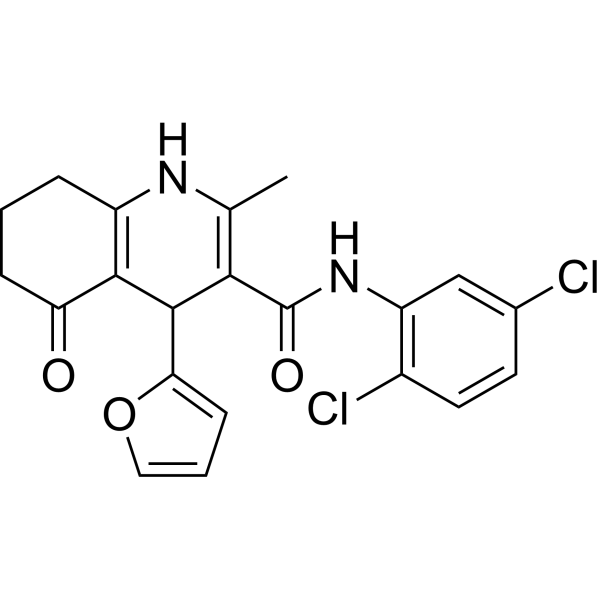
Cat. No.: HY-116522
CAS No.: 1798310-55-0
Purity:  98.29%
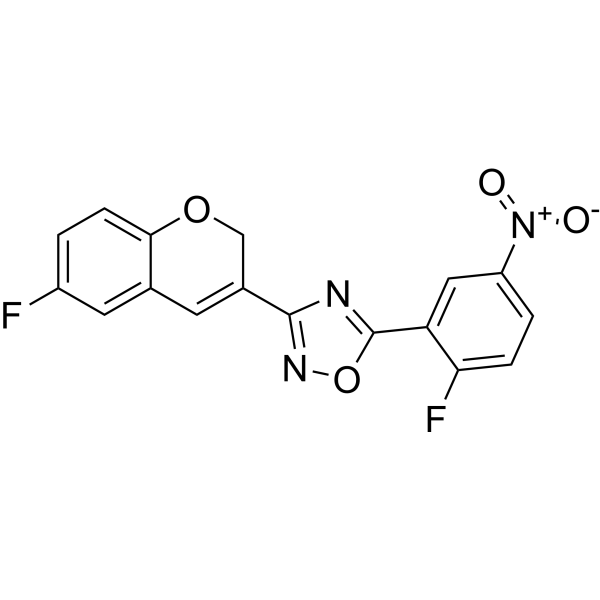
AR420626 is a selective agonist of free fatty acid receptor 3 (FFAR3) (IC50=117 nM). AR420626 has anti-inflammatory, anticancer and antidiabetic activities. AR420626 improves neurogenic diarrhea by inhibiting nAChR mediated neural pathways. AR420626 inhibits the growth of HepG2 xenografts and inhibits the proliferation of hepatoma cells by inducing apoptosis. AR420626 also suppresses allergic asthma and eczema and has the ability to activate GPR41 to increase Ca 2+ signal-mediated glucose uptake and improve diabetes .
loading...
    loading...
2
2 Cited Publications
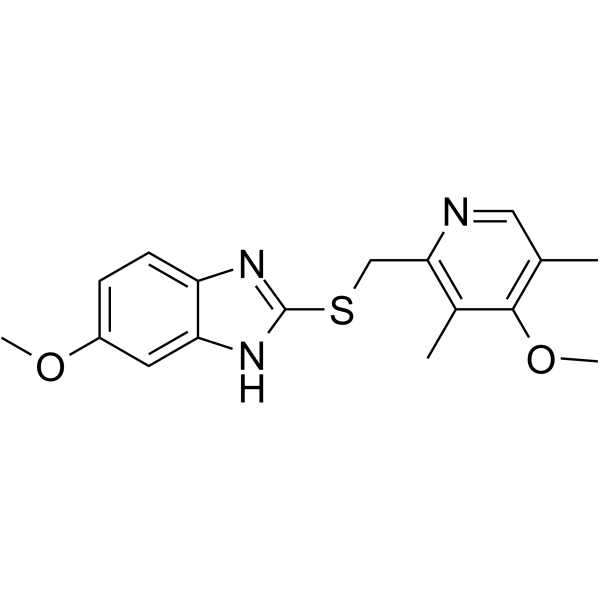
Cat. No.: HY-G0006
CAS No.: 73590-85-9
Synonyms: Ufiprazole
Omeprazole sulfide (Ufiprazole) is a metabolic degradation product of Omeprazole (HY-B0113). Omeprazole sulfide acts as a modulator of AhR. Omeprazole sulfide in cells with low CYP3A4 expression, functions as an AhR antagonist; however, in cells with high CYP3A4 expression, it is rapidly metabolized to Omeprazole, thereby acting as an AhR agonist. Omeprazole sulfide exhibits antibacterial activity when conjugated with silver nanoparticles (AgNPs). Omeprazole sulfide can be used in research on acid suppression and bacterial infections .
loading...
    loading...
1
1 Cited Publications
Cat. No.: HY-W081067
CAS No.: 13252-13-6
Synonyms: HFPO-DA
Target:  

PPAR

Research Areas:  

Infection

Perfluoro (2-methyl-3-oxahexanoic) acid (HFPO-DA) is an orally active PPARα agonist with an EC50 of 2.1 μM for human PPARα. Perfluoro (2-methyl-3-oxahexanoic) acid induces peroxisome proliferation and increases the levels of proinflammatory mediators. It impairs intestinal barrier function and disrupts cecal flora balance. Perfluoro (2-methyl-3-oxahexanoic) acid is applicable to research related to developmental toxicity, hepatotoxicity and intestinal toxicity .
loading...
    loading...
1
1 Cited Publications
Cat. No.: HY-21191
CAS No.: 375-73-5
Synonyms: PFBS
Perfluorobutanesulfonic acid (PFBS) is a short-chain perfluoroalkyl substance and the main replacement for perfluorooctanesulfonic acid. Perfluorobutanesulfonic acid induces fat accumulation in human HepG2 hepatoma cells. Perfluorobutanesulfonic acid promotes lipid accumulation by activating PPARγ pathway and triggering oxidative stress, endoplasmic reticulum stress and calcium dyshomeostasis. Perfluorobutanesulfonic acid impairs reproduction and causes developmental disorders in offspring of Caenorhabditis elegans. Perfluorobutanesulfonic acid disrupts pancreatic organogenesis and lipid homeostasis in zebrafish embryos. Perfluorobutanesulfonic acid can be used in environmental toxicology, lipid metabolism and developmental toxicity studies .
loading...
    loading...
Cat. No.: HY-112974
CAS No.: 1492984-65-2
Synonyms: GSK-2998728; ISIS-420915
Inotersen (GSK-2998728; ISIS-420915) is a 2'-O-methoxyethyl-modified antisense oligonucleotide and transthyretin (TTR) inhibitor with low genotoxicity. Inotersen triggers RNase H1-mediated degradation by binding to TTR mRNA, thereby effectively reducing the production of both mutant and wild-type transthyretin in the liver. Inotersen significantly reduces amyloid fiber deposition, yet specific toxicities such as inflammation or tumors are observed at high doses in some animal models. Inotersen is used in studies of hereditary transthyretin amyloidosis and the associated polyneuropathy and cardiomyopathy .
loading...
    loading...
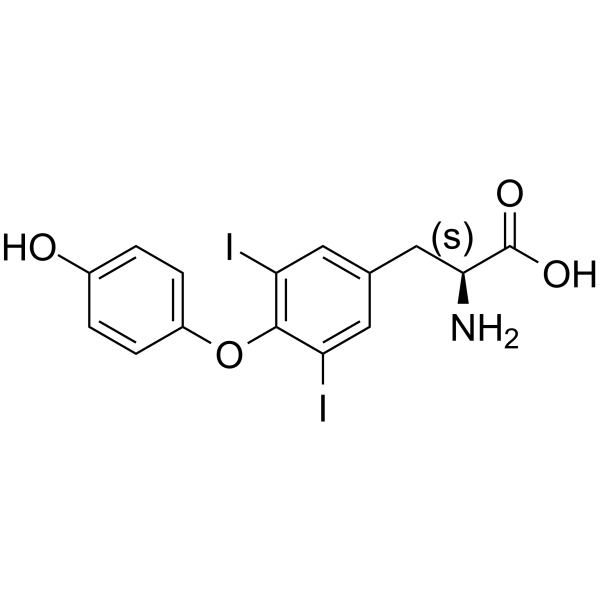
Cat. No.: HY-114557
CAS No.: 1041-01-6
Purity:  99.38%
Synonyms: 3,5-Diiodo-L-thyronine
NSC 90469 (3,5-Diiodo-L-thyronine) is an orally active thyroid hormone derivative. NSC 90469 inhibits JNK phosphorylation and NF-κB acetylation, blocks SIRT1 protein expression, induces elevated PGC-1α levels, and stimulates COX activity. NSC 90469 enhances UCP1-mediated thermogenesis, increases hepatic Dio1 activity, inhibits TSH levels and hypothalamic-pituitary-thyroid axis function, enhances lipid metabolism, and regulates energy metabolism via the mitochondrial pathway. NSC 90469 prevents blood glucose reduction, reduces urinary albumin excretion, inhibits renal matrix expansion, decreases TGF-β1 expression, and reduces renal fibronectin and type Ⅳ collagen deposition. NSC 90469 also increases energy expenditure and prevents diet-induced overweight. NSC 90469 can be used in studies related to diabetic nephropathy, hypothyroidism, non-alcoholic fatty liver disease, and diet-induced obesity .
loading...
    loading...
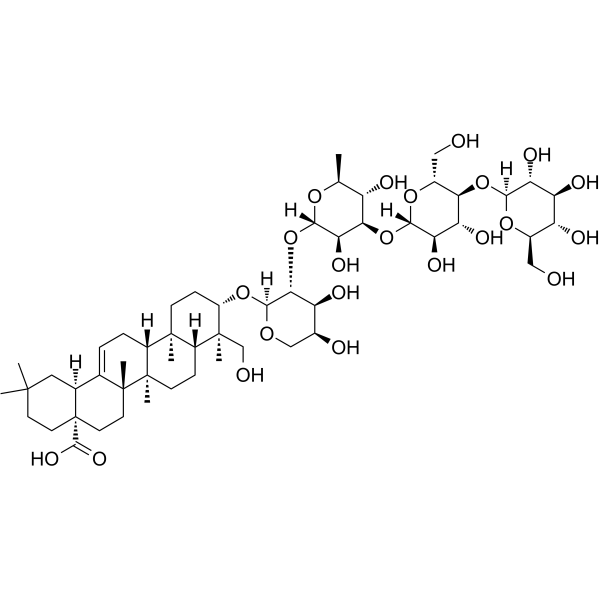
Cat. No.: HY-N5008
CAS No.: 146100-02-9
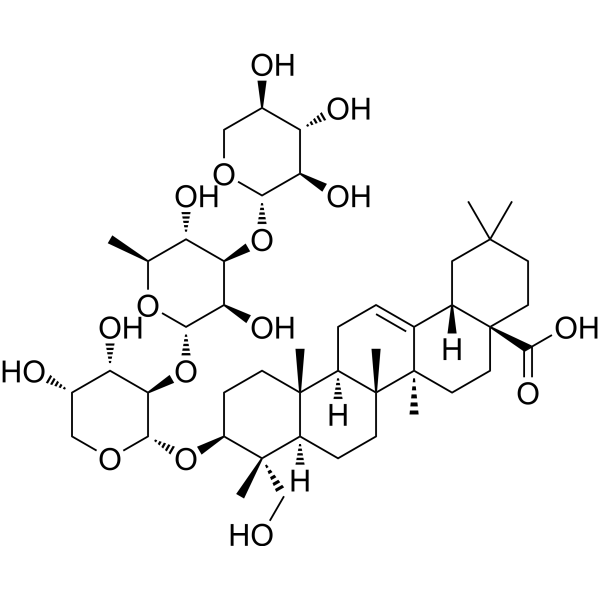
Macranthoside B is an apoptosis inducer with in vitro and in vivo anticancer activity. Macranthoside B induces autophagy and ferroptosis in cancer cells. Macranthoside B induces intracellular ROS accumulation, activates AMPK, inhibits mTOR and P70S6 kinase phosphorylation, and modulates Bcl-2/Bax expression. Macranthoside B activates caspase-3, caspase-9, and the intrinsic caspase cascade, induces PARP cleavage/degradation, and inhibits NRF2 signaling. Macranthoside B disrupts iron homeostasis via NCOA4-dependent ferritinophagy, up-regulates Lip-ROS, reduces mitochondrial membrane potential, and activates the JNK pathway. Macranthoside B can be used for the research of ovarian cancer, hepatoma, gastric carcinoma, breast carcinoma, colon carcinoma, glioma, melanoma, adenocarcinoma of the esophagogastric junction, and cervical cancer .
loading...
    loading...
Cat. No.: HY-204056
CAS No.: 1884341-01-8
Target:  

Telomerase

Research Areas:  

Cancer

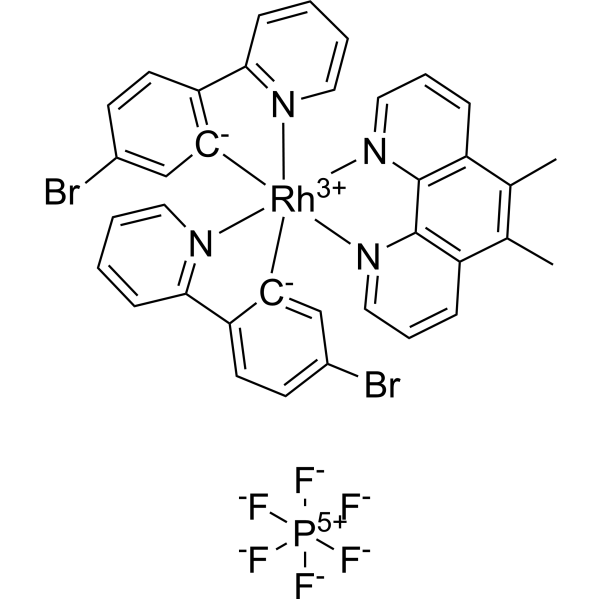
Telomerase-IN-8 is an orally active telomerase inhibitor, with an IC50 value of 0.98 μM. Telomerase-IN-8 exhibits potent antiproliferative activity against multiple tumor cell lines, including PC3, Bcap-37, MGC-803 and HepG2. Telomerase-IN-8 demonstrates potent antitumor efficacy in S180 sarcoma or HepG2 hepatoma xenograft mice. Telomerase-IN-8 can be used for the study of telomerase-targeted anticancer .
loading...
    loading...
Cat. No.: HY-N6674
CAS No.: 733035-26-2
Synonyms: ECO-4601; TLN-4601; BU 4664L
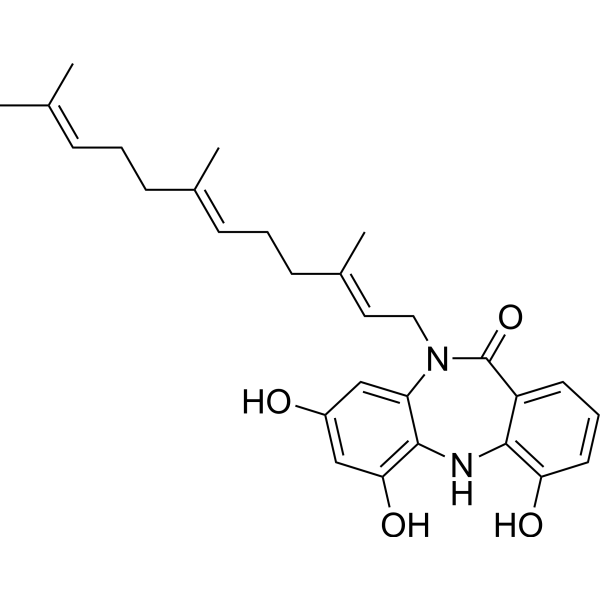
Diazepinomicin (ECO-4601) is an anticancer and antibacterial agent. Diazepinomicin can be produced by a Micromonospora strain. Diazepinomicin induces Apoptosis. Diazepinomicin inhibits the proteases Rhodesain and Cathepsin L at an IC50 of 70-90 μM. Diazepinomicin possesses anti-inflammatory and anti-tumor activity. Diazepinomicin has demonstrated activity against hepatocellular carcinoma. Diazepinomicin shows antiparasitic activity against trypomastigote forms of Trypanosoma brucei with an IC50 of 13.5 μM. Diazepinomicin exhibits moderate antibacterial activity against specific Gram-positive bacteria, with an MIC of approximately 32 μg/mL .
loading...
    loading...
Cat. No.: HY-126421
CAS No.: 57701-86-7
Purity:  99.81%
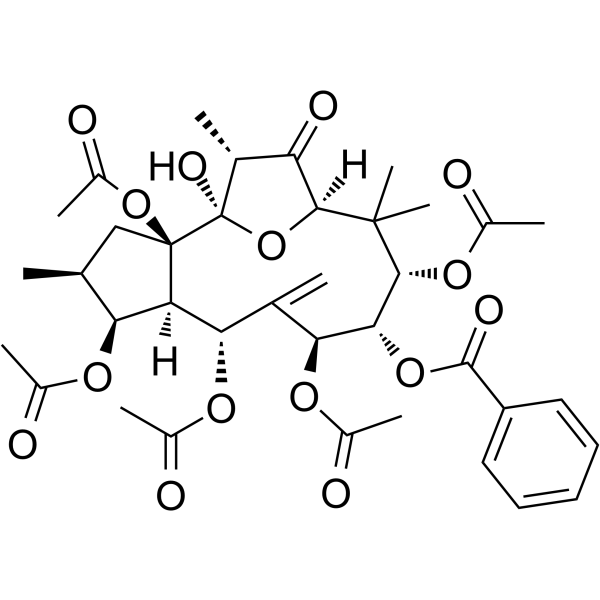
Kansuinine A is a diterpenoid compound. Kansuinine A is isolated from the roots of Euphorbia kansui. Kansuinine A inhibits H2O2-mediated upregulation of phosphorylated IKKβ, NF-κB and IκBα. Kansuinine A inhibits ROS production, reduces the Bax/Bcl-2 ratio and the expression of cleaved Caspase-3. Kansuinine A upregulates the expression of SOCS-3 and blocks IL-6-induced signal transduction. Kansuinine A decreases the expression of LOX-1 and inhibits Apoptosis. Kansuinine A reduces the atherosclerotic lesion area of the aortic arch, improves glucose/insulin tolerance, and enhances antioxidant capacity. Kansuinine A exhibits antiviral and antitumor activities. Kansuinine A can be used in research related to atherosclerosis, liver cancer and type 2 diabetes .
loading...
    loading...
Cat. No.: HY-Y0785
CAS No.: 107-22-2
Glyoxal (40% w/w in water) is an α-oxoaldehyde that inhibits Aldose Reductase, Glutathione Reductase, and NADPH synthase. Glyoxal (40% w/w in water) exhibits cytotoxicity, triggers oxidative stress, induces ROS accumulation, lipid peroxidation, mitochondrial membrane potential collapse, DNA damage, apoptosis, and massive production of advanced glycation end products (AGEs). Glyoxal (40% w/w in water) depletes glutathione and activates MAPK phosphorylation. It has lower toxicity as a fixative than paraformaldehyde (PFA) and serves as a precursor for the synthesis of oxalates and dietary carcinogens. Glyoxal (40% w/w in water) is suitable for research related to calcium oxalate kidney stones, diabetes, atherosclerosis, cardiovascular diseases, retinopathy, and cataracts .
loading...
    loading...
Cat. No.: HY-126644
CAS No.: 122548-04-3
Halocyamine B exhibits antimicrobial activity against a variety of bacteria and yeasts. Halocyamine B exhibits cytotoxicity to cultured neural cells of rat fetal brain, mouse neuroblastoma N18 cells, and human hepatoma HepG2 cells .
loading...
    loading...
Cat. No.: HY-P3016B
CAS No.: 9000-97-9
Synonyms: EC 2.6.1.1, Human liver; GOT, Human liver; AST, Human liver
Aspartate aminotransferase (EC 2.6.1.1), Human liver is a metabolic regulator with the highest activity in the heart, liver and skeletal muscle. Aspartate aminotransferase, Human liver comprises two isozymes: the cytoplasmic form (AST1) and the mitochondrial form (AST2). By catalyzing reversible transamination reactions between oxaloacetate, L-glutamate and other substances, it is deeply involved in key physiological processes such as amino acid metabolism, the tricarboxylic acid cycle and neurotransmitter synthesis. Aspartate aminotransferase, Human liver also provides substrate support for the synthesis of urea and purines/pyrimidines. Aspartate aminotransferase, Human liver is a serum marker reflecting cardiac and hepatic injury, and its abnormal levels are also closely associated with myocardial infarction, cardiovascular diseases and various cancers .
loading...
    loading...
Cat. No.: HY-N11546
CAS No.: 30994-75-3
Sapindoside B is a substance with hepatoprotective activity, and also acts as a cytochrome P-450 (cytochrome P-450) inhibitor, antibacterial agent and membrane-disrupting agent. Sapindoside B reversibly inhibits the content of cytochrome P-450 in liver microsomes, suppresses the phenobarbital-induced increase in enzyme content, reduces the production of active metabolites mediated by cytochrome P-450, and alleviates hepatotoxic injury. Sapindoside B binds to Cutibacterium acnes lipase, reduces lipase activity, inhibits biofilm formation, and decreases bacterial adhesion. Sapindoside B exhibits cytotoxicity against human cancer, liver cancer, leukemia and glioblastoma cells. Sapindoside B inhibits mycelial growth of phytopathogenic fungal strains, possesses antibacterial activity against dermatophytes, and also has hemolytic/membrane-lytic activity. Sapindoside B can be used in research related to liver injury, Cutibacterium acnes biofilm-associated infections, gastric cancer, carcinoma, promyelocytic leukemia, glioblastoma, apple scab and grape gray mold .
loading...
    loading...
Cat. No.: HY-156130
Research Areas:  

Cancer

Menin-MLL inhibitor 29 (Compound C1) is a Menin-MLL PPI inhibitor. Menin-MLL inhibitor 29 binds to Menin with a KD value of 138 nM, and inhibits the binding of Menin to MBM1 (Menin-binding motif 1) with an IC50 value of 46 nM. Menin-MLL inhibitor 29 inhibits HepG2 and Hep3B hepatoma cell proliferation (IC50s: 0.31 μM and 0.71 μM). Menin-MLL inhibitor 29 inhibits tumor growth .
loading...
    loading...
Cat. No.: HY-N17236
CAS No.: 2767053-65-4
Foryshiyanine A is a triterpenoid alkaloid. Foryshiyanine A possesses anti-inflammatory activity, inhibiting the release of β-glucuronidase from rat polymorphonuclear leukocytes. Foryshiyanine A exhibits antiviral activity, with an EC50 of 4.5 μM against respiratory syncytial virus (RSV) and an IC50 of 7.3 μM against influenza A virus (H1N1). Foryshiyanine A reduces viral load by disrupting viral replication and entry. Foryshiyanine A may be used for the researches of inflammation and infection .
loading...
    loading...
Cat. No.: HY-158058
CAS No.: 3029403-05-9
WYJ-2 is a selective agonist for toll-like receptor 2/1 (TLR2/1) with EC50 of 18.57 nM in human TLR2 and TLR1 transient-cotransfected HEK 293T cells. WYJ-2 induces pyroptosis and exhibits anticancer activity against non-small cell lung cancer (NSCLC) .
loading...
    loading...
Cat. No.: HY-21191S
CAS No.: 2708218-84-0
Synonyms: PFBS-13C3 sodium
Perfluorobutanesulfonic acid- 13C3 sodium (PFBS- 13C3 sodium) is the 13C-labeled Perfluorobutanesulfonic acid (HY-21191). Perfluorobutanesulfonic acid (PFBS) is a short-chain perfluoroalkyl substance and the main replacement for perfluorooctanesulfonic acid. Perfluorobutanesulfonic acid induces fat accumulation in human HepG2 hepatoma cells. Perfluorobutanesulfonic acid promotes lipid accumulation by activating PPARγ pathway and triggering oxidative stress, endoplasmic reticulum stress and calcium dyshomeostasis. Perfluorobutanesulfonic acid impairs reproduction and causes developmental disorders in offspring of Caenorhabditis elegans. Perfluorobutanesulfonic acid disrupts pancreatic organogenesis and lipid homeostasis in zebrafish embryos. Perfluorobutanesulfonic acid can be used in environmental toxicology, lipid metabolism and developmental toxicity studies .
loading...
    loading...
Cat. No.: HY-N16714
CAS No.: 182261-96-7
Clausine K is a carbazole alkaloid anticancer agent. Clausine K exhibits strong cytotoxicity against human hepatoma HepG2 cells (IC50 = 1.05 μg/mL), superior to the standard drug Etoposide (HY-13629) (IC50 13.40 μg/mL). Clausine K can be naturally extracted from the dried stems of Clausena excavata (a plant of the Rutaceae family) through chromatographic separation and other methods .
loading...
    loading...
Cat. No.: HY-180117
Target:  

MMP STAT Apoptosis

Research Areas:  

Cancer

MMP-2/9-IN-2 (Compound 6k) is a MMP-2 and MMP-9 inhibitor, with IC50 values of 29.27 and 24.87 μM respectively. MMP-2/9-IN-2 exhibits good selective toxicity against multiple human hepatoma cell lines. MMP-2/9-IN-2 induces cell cycle arrest and apoptosis, significantly inhibits cell migration and invasion. MMP-2/9-IN-2 inhibits the phosphorylation of the STAT3 signaling pathway. MMP-2/9-IN-2 shows strong anti-tumor activity in a nude mouse xenograft model of HepG2 liver cancer cells .
loading...
    loading...

