

1. Search Result
Search Result
Results for "

IIA

" in MedChemExpress (MCE) Product Catalog:

87

Inhibitors & Agonists

1

Fluorescent Dye

1

Biochemical Assay Reagents

5

Peptides

5

Inhibitory Antibodies

28

Natural
Products

22

Recombinant Proteins

1

Isotope-Labeled Compounds

11

Antibodies

Cat. No. Product Name Target Research Areas Chemical Structure
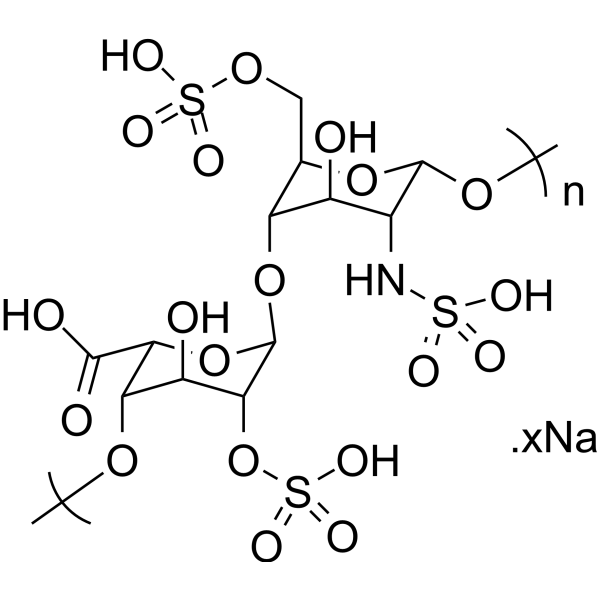
  • HY-17567A
    Heparin sodium salt
    Maximum Cited Publications
    59 Publications Verification

    Sodium heparin; Sodium heparinate

    Exosomes Thrombin Factor Xa Autophagy Cardiovascular Disease Cancer
    Heparin sodium salt (Sodium heparin) is an anticoagulant which binds reversibly to antithrombin III (ATIII) and greatly accelerates the rate at which ATIII inactivates coagulation enzymes thrombin factor IIa and factor Xa. Heparin sodium salt significantly inhibits exosome-cell interactions.
    Heparin sodium salt
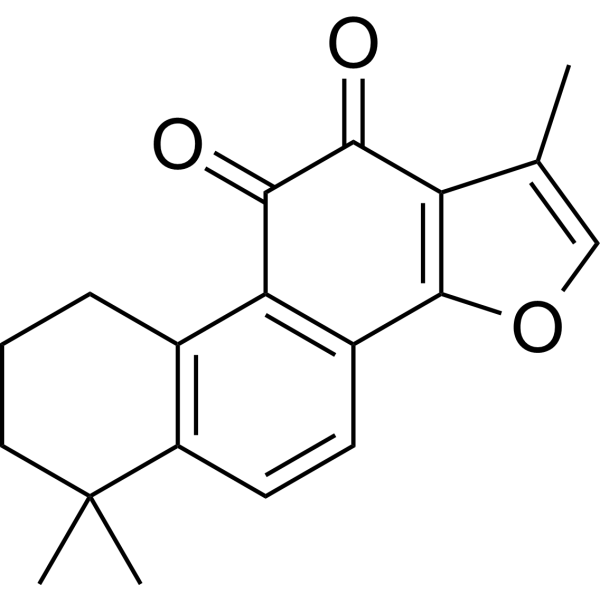
  • HY-N0135
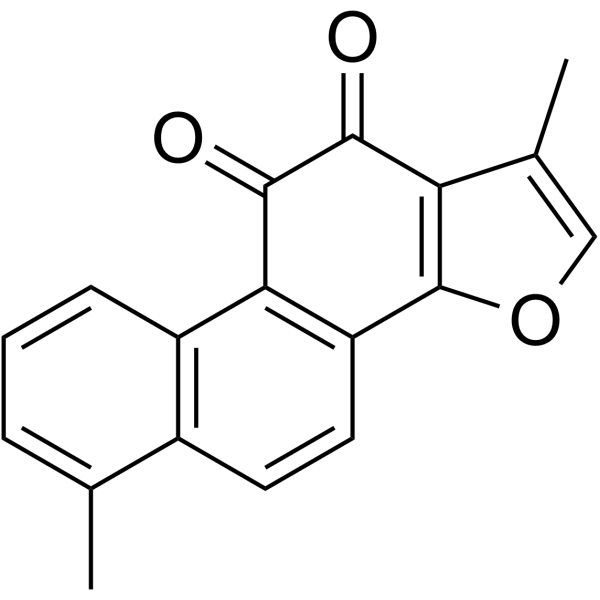
    Tanshinone IIA
    Maximum Cited Publications
    36 Publications Verification

    Dan Shen ketone

    VEGFR Cardiovascular Disease Cancer
    Tanshinone IIA (Tan IIA) is one of the main compositions in the root of Salvia miltiorrhiza Bunge. Tanshinone IIA may suppress angiogenesis by targeting the protein kinase domains of VEGF/VEGFR2.
    Tanshinone IIA
  • HY-17567C
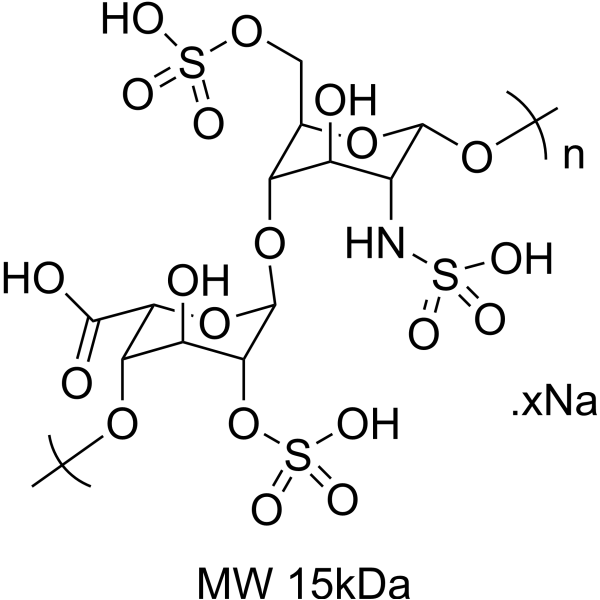
    Heparin sodium salt (MW 15kDa)
    3 Publications Verification

    Sodium heparin (MW 15kDa); Sodium heparinate (MW 15kDa)

    Thrombin Factor Xa Autophagy Cardiovascular Disease
    Heparin sodium salt (MW 15kDa) (Sodium heparin (MW 15kDa)) is a polymer of Heparin with the molecular weight of 15kDa. Heparin sodium salt is an anticoagulant which binds reversibly to antithrombin III (ATIII) and greatly accelerates the rate at which ATIII inactivates coagulation enzymes thrombin factor IIa and factor Xa .
    Heparin sodium salt (MW 15kDa)
  • HY-109509
    Enoxaparin
    1 Publications Verification

    PK 10169; Enoxaparin sodium

    Factor Xa Thrombin SARS-CoV Infection Cardiovascular Disease Neurological Disease Inflammation/Immunology Cancer
    Enoxaparin (PK 10169), a low-molecular-weight heparin (LMWH) derivative. Enoxaparin exerts anticoagulant activity through antithrombin III, an endogenous inhibitor of factor Xa and thrombin IIa. Enoxaparin protect the rat hippocampus against TBI (traumatic brain injury) via antioxidant and anti-inflammatory properties. Enoxaparin can be used for the research of deep vein thrombosis (DVT), pulmonary embolism, TBI and COVID-19 .
    Enoxaparin
  • HY-13402
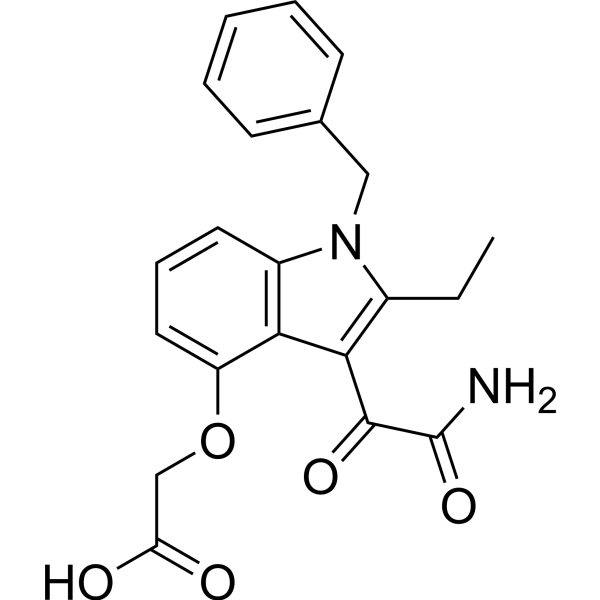
    Varespladib
    5+ Cited Publications

    LY315920

    Phospholipase Inflammation/Immunology
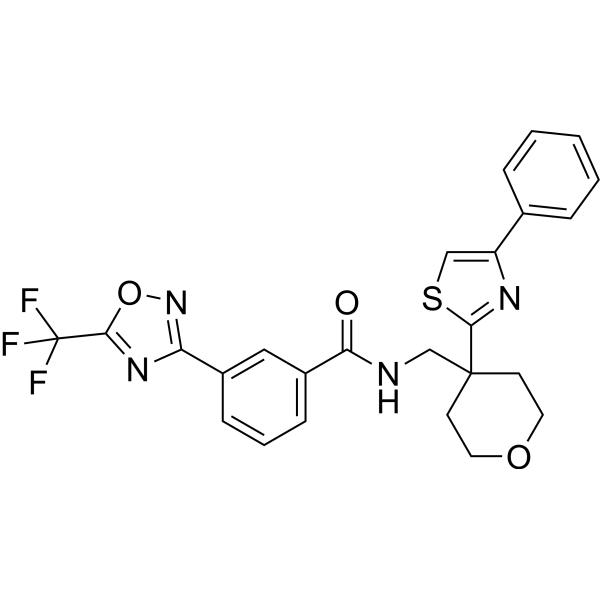
    Varespladib (LY315920) is a potent and selective group IIA, secretory phospholipase A2 (sPLA2) inhibitor with an IC50 of 9 nM. Varespladib exhibits the significant inhibitory effect on sPLA2 activity in serum from various species including rat, rabbit, guinea pig and human with IC50s of 8.1 nM, 5.0 nM, 3.2 nM and 6.2 nM, respectively .
    Varespladib
  • HY-N1370
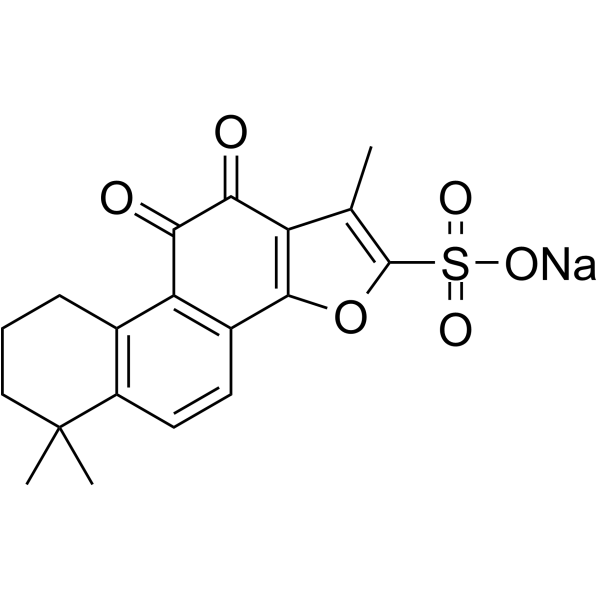
    Tanshinone IIA sulfonate sodium
    5+ Cited Publications

    Sodium Tanshinone IIA sulfonate; Tanshinone IIA sodium sulfonate

    CRAC Channel Cardiovascular Disease Cancer
    Tanshinone IIA sulfonate (sodium) is a derivative of tanshinone IIA, which acts as an inhibitor of store-operated Ca 2+ entry (SOCE), and is used to treat cardiovascular disorders.
    Tanshinone IIA sulfonate sodium
  • HY-16914
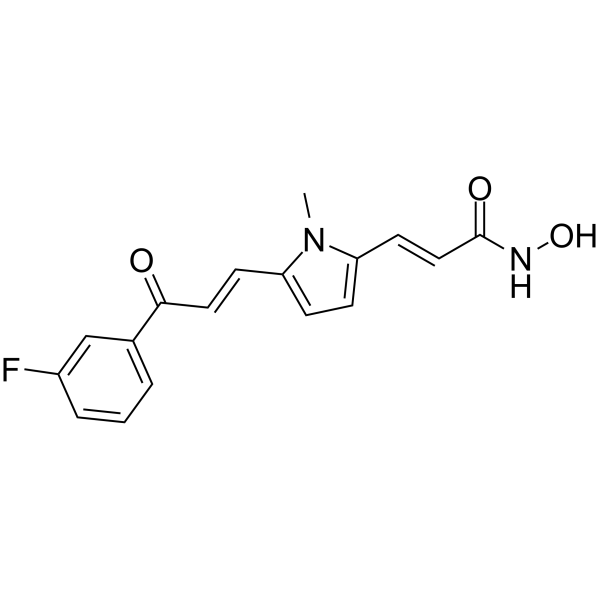
    MC1568
    5+ Cited Publications

    HDAC Cancer
    MC1568 is a selective class II (IIa) histone deacetylas (HDAC II) inhibitor, used for cancer research.
    MC1568
  • HY-18361
    TMP195
    15+ Cited Publications

    HDAC Cancer
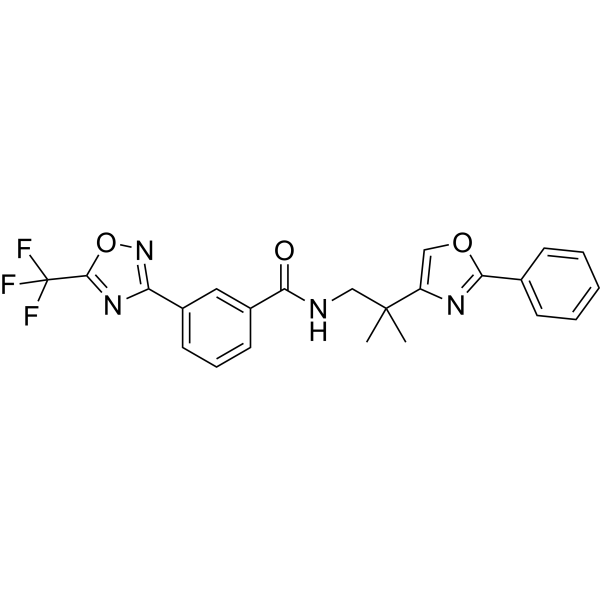
    TMP195 is a selective class IIa histone deacetylase (HDAC) inhibitor with Kis of 59, 60, 26, 15 nM for HDAC4, HDAC5, HDAC7 and HDAC9, respectively.
    TMP195
  • HY-N0134
    Tanshinone I
    5 Publications Verification

    Tanshinone A

    Phospholipase Cardiovascular Disease Cancer
    Tanshinone I is an inhibitor of type IIA human recombinant sPLA2 (IC50=11 μM) and rabbit recombinant cPLA2 (IC50=82 μM).
    Tanshinone I
  • HY-18360
    TMP269
    15+ Cited Publications

    HDAC Cancer
    TMP269 is a novel and selective class IIa histone deacetylase (HDAC) inhibitor with IC50s of 157 nM, 97 nM, 43 nM and 23 nM for HDAC4, HDAC5, HDAC7 and HDAC9, respectively.
    TMP269
  • HY-P99590A
    Sotatercept (mIgG2a)
    1 Publications Verification

    RAP-011

    TGF-β Receptor TGF-beta/Smad Cardiovascular Disease Metabolic Disease
    Sotatercept (mIgG2a) (RAP-011), the murine homolog of Sotatercept (ACE-011) (HY-P99590), is a soluble activin receptor type IIA (ActRIIA) ligand trap. Sotatercept (mIgG2a) inhibits the binding of activin A and other members of the TGF-β superfamily (such as Activin A/B, GDF11 and BMP9/10) to their receptors by combining and neutralizing them, thereby regulating cell proliferation and differentiation. Sotatercept (mIgG2a) mainly inhibits the SMAD2/3 signaling pathway, and can be used in various diseases such as chronic kidney disease. Sotatercept (mIgG2a) reduces the expression of erythropoietic hepcidin (ERFE), regulates iron metabolism, and promotes red blood cell production. Sotatercept (mIgG2a) has a dual effect of promoting bone formation (anabolic) and inhibiting bone resorption (catabolic) .
    Sotatercept (mIgG2a)
  • HY-N1988
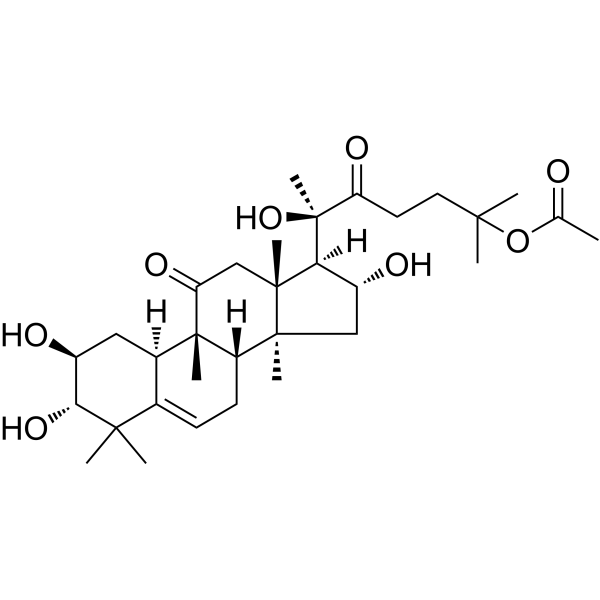
    Cucurbitacin IIa
    1 Publications Verification

    Hemslecin A

    Survivin Apoptosis EGFR Caspase p38 MAPK Autophagy MEK Raf ERK STAT CaMK Inflammation/Immunology Cancer
    Cucurbitacin IIa (Hemslecin A) is an orally active, blood-brain barrier-permeable EGFR inhibitor with an IC50 of 1.455 nM against human EGFR. Cucurbitacin IIa induces caspase-3-dependent apoptosis, downregulates survivin expression, enhances autophagy levels, disrupts the actin cytoskeleton via actin aggregation, arrests the cell cycle at the G2/M phase, and exerts anti-inflammatory activity by inhibiting the EGFR-MAPK signaling pathway. Cucurbitacin IIa can be used in the research of inflammation-related diseases, depression, and cancers such as non-small cell lung cancer .
    Cucurbitacin IIa
  • HY-N6686
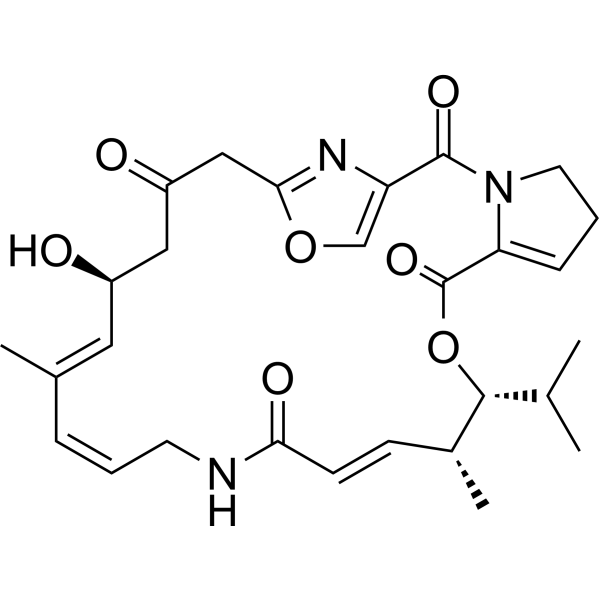
    Virginiamycin M1
    2 Publications Verification

    Pristinamycin IIA; Ostreogrycin A

    Bacterial Antibiotic Infection
    Virginiamycin M1 (Pristinamycin IIA; Ostreogrycin A), produced by?Streptomyces virginiae, is an polyunsaturated macrocyclic lactone antibiotic and acts as a component of Virginiamycin (HY-112665) . Virginiamycin M1 alone is against Staphylococcus aureus with a MIC of 0.25 μg/mL.
    Virginiamycin M1
  • HY-P99333
    Volociximab
    2 Publications Verification

    M200; Eos 200-4

    Integrin Cardiovascular Disease Cancer
    Volociximab (M200) is a chimeric human/murine IgG4 antibody IIA1 targeting integrin α5β1 (EC50=0.2 nM). Integrin α5β1 is a major fibronectin receptor involved in angiogenesis. Volociximab has antiangiogenic and antitumor activities and inhibits the proliferation of human umbilical vein vascular endothelial cells (HUVECs) .
    Volociximab
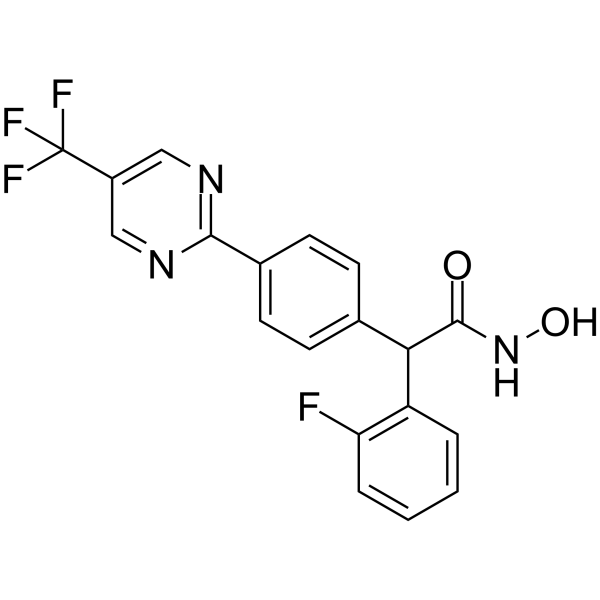
  • HY-174406

    Myosin PDGFR Reactive Oxygen Species (ROS) Ferroptosis Akt mTOR ERK Cancer
    MT-125 is a specific and well-tolerated inhibitor of non-muscle myosin IIA (Ki,NMIIA = 2.7 μM) and IIB (EC50 = 1.7 μM). MT-125 can pass through the blood-brain barrier. MT-125 induces ferroptosis and DNA damage by increasing the levels of reactive oxygen species (ROS) within tumor cells. MT-125 can enhance the PDGFR signaling pathway. MT-125 can be used for research on glioblastoma.
    MT-125
  • HY-149285

    HDAC Neurological Disease
    NT160 is a highly potent class-IIa HDAC inhibitor with an IC50 value of 0.046 μM. NT160 can be used for the research of central nervous system diseases .
    NT160
  • HY-P10352A

    Bacterial Infection
    Pediocin PA-1 TFA is a class IIa bacteriocin that specifically binds to membrane proteins of susceptible Gram-positive bacteria (such as Listeria monocytogenes) to form voltage-independent hydrophilic pores, leading to dissipation of proton motive force, ATP depletion and cell death. Pediocin PA-1 TFA shows no significant activity against intact Gram-negative bacteria, strains carrying immunity genes and obligate anaerobic commensal gut microbiota, and its bactericidal function depends on the integrity of disulfide bonds, with activity lost upon reduction. Pediocin PA-1 TFA can be used not only as a food biopreservative but also for research on listeriosis .
    Pediocin PA 1 TFA
  • HY-NP001
    Cationic Bovine Serum Albumin
    1 Publications Verification

    CBSA

    Biochemical Assay Reagents Neurological Disease
    Cationic Bovine Serum Albumin is a bovine serum albumin (BSA) modified with excess ethylenediamine, which has enhanced immunogenicity compared to native BSA. Positively charged primary amines block all negatively charged carboxyl groups, making Cationic Bovine Serum Albumin a cationic protein. Cationic Bovine Serum Albumin has remarkable neuroprotective effects on ischemic stroke when in combination with Tanshinone IIA (HY-N0135) .
    Cationic Bovine Serum Albumin
  • HY-11059

    Phospholipase Inflammation/Immunology
    KH064, a D-tyrosine derivative, is an orally active, potent secretory phospholipase A2 (sPLA2) inhibitor with an IC50 of 29 nM for human nonpancreatic secretory PLA2 isoform IIa (hnpsPLA2-IIa). KH064 has anti-inflammatory activity .
    KH064
  • HY-119939
    CHDI-390576
    1 Publications Verification

    CHDI00390576

    HDAC Cancer
    CHDI-390576, a potent, cell permeable and CNS penetrant class IIa histone deacetylase (HDAC) inhibitor with IC50s of 54 nM, 60 nM, 31 nM, 50 nM for class IIa HDAC4, HDAC5, HDAC7, HDAC9, respectively, shows >500-fold selectivity over class I HDACs (1, 2, 3) and ~150-fold selectivity over HDAC8 and the class IIb HDAC6 isoform .
    CHDI-390576
  • HY-P991504

    Anaplastic lymphoma kinase (ALK) TGF-β Receptor TGF-beta/Smad Metabolic Disease Cancer
    LAE-102 is the selective anti-ActRIIA (activin receptor type IIA or ACVR2) monoclonal antibody. LAE-102 increases muscle mass and reduces fat mass. LAE102 can increase serum activin A levels in vivo. LAE-102 is promising for research of obesity .
    LAE-102
  • HY-174406A

    Myosin PDGFR Reactive Oxygen Species (ROS) Ferroptosis Akt mTOR ERK Inflammation/Immunology Cancer
    MT-125 free base is a specific and well-tolerated inhibitor of non-muscle myosin IIA (Ki,NMIIA = 2.7 μM) and IIB (EC50 = 1.7 μM). MT-125 free base can pass through the blood-brain barrier. MT-125 free base induces ferroptosis and DNA damage by increasing the levels of reactive oxygen species (ROS) within tumor cells. MT-125 free base can enhance the PDGFR signaling pathway. MT-125 free base can be used for research on glioblastoma.
    MT-125 free base
  • HY-118052

    PKD HDAC Cardiovascular Disease
    BPKDi is an inhibitor of PKD. BPKDi inhibits three members of the PKD family, PKD1, PKD2, and PKD3, with IC50 values of 1 nM, 9 nM, and 1 nM, respectively. BPKDi blocks signal-dependent phosphorylation and nuclear export of class IIa HDACs in cardiomyocytes and concomitantly suppresses hypertrophy of these cells .
    BPKDi
  • HY-N7327

    Phospholipase Inflammation/Immunology
    Ochnaflavone is an inhibitor of IIA-type secretory phospholipase A2 (sPLA2-IIA) with an IC50 of 3.45 µM. Ochnaflavone exhibits significant anti-inflammatory and liver-protective effects, capable of inhibiting the degradation of phosphatidylethanolamine (PE) and lipid peroxidation induced by carbon tetrachloride (CCl4) in rat liver, with an IC50 of 7.16 µM for lipid peroxidation. Ochnaflavone can be used in research on liver damage and inflammatory diseases .
    Ochnaflavone
  • HY-169259

    HDAC DNA/RNA Synthesis Reactive Oxygen Species (ROS) Apoptosis Caspase p38 MAPK Cancer
    HDAC9-IN-1 is a selective class IIa HDAC inhibitor that binds to HDAC9 with an IC50 of 40 nM. HDAC9-IN-1 potently inhibits HDACs 4 and 7 while showing weak activity against HDAC6 (IC50 values: 180 nM (HDAC4), 190 nM (HDAC7), 970 nM (HDAC6)). HDAC9-IN-1 significantly inhibits several human cancer cells, induces apoptosis and DNA damage in human cancer cells, and modulates caspase-related proteins and p38 in human cancer cells. HDAC9-IN-1 can be used for the research of oral cancer, breast cancer, gastric cancer .
    HDAC9-IN-1
  • HY-P10352

    Bacterial Infection
    Pediocin PA 1 is a class IIa bacteriocin that specifically binds to membrane proteins of susceptible Gram-positive bacteria (such as Listeria monocytogenes) to form voltage-independent hydrophilic pores, leading to dissipation of proton motive force, ATP depletion and cell death. Pediocin PA 1 shows no significant activity against intact Gram-negative bacteria, strains carrying immunity genes and obligate anaerobic commensal gut microbiota, and its bactericidal function depends on the integrity of disulfide bonds, with activity lost upon reduction. Pediocin PA 1 can be used not only as a food biopreservative but also for research on listeriosis .
    Pediocin PA 1
  • HY-N10686

    Carboxylesterase (CES) Cancer
    Tanshinone IIA anhydride, present in root extracts of Salvia miltiorrhiza, acts as an inhibitor of human carboxylesterase (CE). Tanshinone IIA anhydride has a Ki value of 1.9 nM against hCE1 and a Ki value of 1.4 nM against hiCE. Tanshinone IIA anhydride forms a stable covalent complex with serine Ser221 at the active site of hCE1, blocking the catalytic cycle of carboxylesterase, and the activity of the inactivated enzyme cannot recover spontaneously. Tanshinone IIA anhydride is applicable in metabolism-related studies .
    Tanshinone IIA anhydride
  • HY-N6915

    Others Metabolic Disease Inflammation/Immunology
    Mogroside II-​A is a natural product isolated from Siraitia grosvenorii .
    Mogroside II-​A
  • HY-13402A
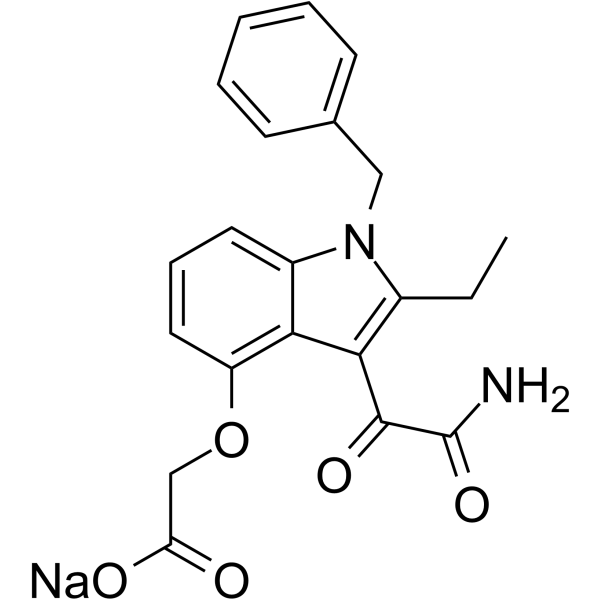
    Varespladib sodium
    5+ Cited Publications

    LY315920 sodium

    Phospholipase Inflammation/Immunology
    Varespladib sodium (LY315920 sodium) is a potent and selective group IIA, secretory phospholipase A2 (sPLA2) inhibitor with an IC50 of 9 nM. Varespladib sodium exhibits the significant inhibitory effect on sPLA2 activity in serum from various species including rat, rabbit, guinea pig and human with IC50s of 8.1 nM, 5.0 nM, 3.2 nM and 6.2 nM, respectively .
    Varespladib sodium
  • HY-N7177

    Drug Metabolite VEGFR Cancer
    Hydroxytanshinone IIA is a hydroxylated metabolite of Tanshinone IIA. Tanshinone IIA may suppress angiogenesis by targeting the protein kinase domains of VEGF/VEGFR2 .
    Hydroxytanshinone IIA
  • HY-D0193A

    Acid Red 18 (85%); New Coccine (85%)

    Environmental Pollutants Drug Derivative Neurological Disease Inflammation/Immunology
    Ponceau 4R (85%) (Acid Red 18 (85%); New Coccine (85%)) is an orally active synthetic food colorant and a HSA-binding aggregator. Ponceau 4R (85%) binds to HSA, inducing its partial unfolding, conformational changes and aggregation. Ponceau 4R (85%) serves as a food colorant and can be used in research on diseases including type Ⅱ diabetes, Parkinson's disease, Huntington's disease and spongiform encephalopathy .
    Ponceau 4R (85%)
  • HY-N7041

    EBV HSV Infection
    11-Oxomogroside IIa (11-oxomogroside II A1) is a cucurbitane glycoside extracted from the fruits of Siraitia grosVenorii. 11-Oxomogroside IIa has inhibitory effects against the Epstein-Barr virus early antigen (EBV-EA) activation induced by 12-O-tetradecanoylphorbol-13-acetate (TPA), shows weak inhibitory effects on activation of (+/-)-(E)-methyl-2-[(E)-hydroxyimino]-5-nitro-6-methoxy-3-hexemide (NOR 1), a nitric oxide (NO) donor .
    11-Oxomogroside IIa
  • HY-108272

    Others Metabolic Disease Cancer
    Mogroside II-A2 is a triterpenoid glycoside and a nonsugar sweetener. Mogrosides are sweeter than sucrose. Mogrosides exhibit antioxidant, antidiabetic and anticancer activities .
    Mogroside II-A2
  • HY-120078

    Phospholipase
    AZD2716 is a selective sPLA2 (secretory phospholipase A2) inhibitor. AZD2716 significantly reduces the production of pro-inflammatory lipids by inhibiting sPLA2-IIa (IC50 = 10 nM), sPLA2-V (IC50 = 40 nM), and sPLA2-X (IC50 = 400 nM), thereby decreasing macrophage activation and foam cell formation. AZD2716 is promising for studying mechanisms related to atherosclerosis and inflammatory diseases associated with sPLA2 .
    AZD2716
  • HY-107393

    Phospholipase Inflammation/Immunology
    LY-311727 is a potent secretory non-pancreatic phospholipase A2 (sPLA2) inhibitor (IC50 <1 μM for group IIA sPLA2). sPLA2 is an important proinflammatory enzyme .
    LY-311727
  • HY-P10053

    Phospholipase Metabolic Disease
    sPLA2-IIA Inhibitor is a cyclic pentapeptide analog of FLSYK (cyclic 2-Nal-Leu-Ser-2-Nal-Arg (c2)), that binds to hGIIA (human IIA phospholipase A2) and inhibits its hydrolytic ability. sPLA2 is a member of the esterase superfamily that catalyzes the hydrolysis of the ester bond at the sn-2 position of glycerophospholipids, releasing free fatty acids such as arachidonic acid and lysophospholipids .
    sPLA2-IIA Inhibitor
  • HY-N8671

    Amyloid-β Apoptosis Reactive Oxygen Species (ROS) SARS-CoV Infection Neurological Disease
    Withanoside V is a blood-brain barrier-permeable withanolide derivative . Withanoside V binds strongly to Sudlow I (domain IIA) of human serum albumin (HSA) to form a stable complex and alter the secondary structure of albumin, thereby increasing helix content and reducing β-sheet and random coil. Withanoside V binds to Aβ (1-42) to block the interaction between monomers and subsequent aggregation. Withanoside V inhibits the viability of neuroblastoma cells, reduces the number of apoptotic cells induced by Aβ (1-42), and decreases ROS production. Withanoside V inhibits SARS-CoV-2 Mpro. Withanoside V can be used for research on Alzheimer's disease and coronavirus disease 2019 .
    Withanoside V
  • HY-N1989

    Na+/K+ ATPase CaMK Apoptosis Cholinesterase (ChE) NO Synthase NF-κB Neurological Disease Cancer
    Bacoside A is an orally active, blood-brain barrier-permeable triterpenoid saponin that modulates the activities of ATPases, AChE, CaMK2A and iNOS. Derived from Bacopa monniera. Bacoside A exerts significant antioxidant, anti-inflammatory and anti-apoptotic effects by maintaining ion balance, scavenging reactive oxygen species, stabilizing cell membranes, and regulating the expression of NF-κB and apoptosis-related proteins. Bacoside A counteracts morphine-induced reductions in Na +/K +-ATPase, Ca 2+-ATPase and Mg 2+-ATPase activities, increases mitochondrial membrane potential, and decreases intracellular reactive oxygen species levels. Bacoside A specifically binds to calcium/calmodulin-dependent protein kinase IIA to trigger endoplasmic reticulum calcium release. Bacoside A exhibits non-apoptotic cytotoxicity against glioblastoma cells while protecting normal nerve cells from stress-induced damage. Bacoside A is applicable to the research of Parkinson's disease and glioblastoma multiforme .
    Bacoside A
  • HY-W157376

    Bacterial Antibiotic Drug Intermediate Infection Cancer
    PAMAM Dendrimer G0.0 amine is a pore-forming channel antagonist, including anthrax toxin protective antigen 63 (PA63, IC50 = 231 nM) and C. botulinum C2 toxin subunit (C2IIa, IC50 = 940 nM). At concentrations of 10 and 20 µM, PAMAM Dendrimer G0.0 amine reduces C2 toxin-induced death in HeLa cells. Additionally, PAMAM Dendrimer G0.0 amine is a chelator of nickel. In complexes with polysulfone membrane-bound chitosan, PAMAM Dendrimer G0.0 amine selectively captures and stores carbon dioxide (CO2) in a gas-feed system. PAMAM Dendrimer G0.0 amine has been used in the synthesis of PAMAM Dendrimer G0.5 Carboxylate (CAS 339334-01-9) and PAMAM Dendrimer G1.0 Amine (CAS 142986-44-5). PAMAM Dendrimer G0.0 amine can be used in research related to infections, cancer, and drug delivery systems .
    PAMAM Dendrimer G0.0 amine (20% in methanol)
  • HY-N6650

    Phosphatase Metabolic Disease
    Isotanshinone IIA, an abietane-type diterpene metabolite, could non-competitively inhibit Protein Tyrosine Phosphatase 1B (PTP1B) activity with an IC50 0f 11.4 μM.
    Isotanshinone IIA
  • HY-148624

    HDAC Neurological Disease
    CHDI-00484077 (Compound 12) is a CNS-penetrant class IIa HDAC inhibitor, with IC50s of 0.01 μM (HDAC4), 0.02 μM(HDAC5), 0.02 μM (HDAC7), 0.03 μM (HDAC9) respectively. CHDI-00484077 can be used for research of huntington’s disease .
    CHDI-00484077
  • HY-14790

    (S,S)-(+)-Reboxetine

    Adrenergic Receptor Neurological Disease
    Esreboxetine ((S,S)-Reboxetine) is a selective norepinephrine reuptake inhibitor with activity in increasing urethral resistance. Esreboxetine has been reported to be effective in patients with stress urinary incontinence in a Phase IIa clinical study, achieving this effect by increasing urethral closure. The mechanism of action of esreboxetine involves inhibition of norepinephrine transporters in the central and peripheral nervous systems. The peripheral selectivity of esreboxetine helps it significantly increase urethral resistance without penetrating the brain .
    Esreboxetine
  • HY-P990863

    Fc Receptor (FcR) Infection Inflammation/Immunology
    Anti-CD32/FcγRIIA Antibody (IV.3) is a kind of mouse IgG2b chimeric antibody inhibitor, targeting to human CD32/FcγRIIA. Anti-CD32/FcγRIIA Antibody (IV.3) can block Fc receptor IIA. Anti-CD32/FcγRIIA Antibody (IV.3) can be used for the researches of inflammation and infection, such as arthritis and E. coli infection .
    Anti-CD32/FcγRIIA Antibody (IV.3)
  • HY-159977

    Cholinesterase (ChE) Indoleamine 2,3-Dioxygenase (IDO) Others
    1,2-Didehydrotanshinone IIA is a moderate AChE and BChE inhibitor, with an IC50 value of 5.98 μM for BChE . 1,2-Didehydrotanshinone IIA is a IDO inhibitor, with an IC50 value of 4.68 µM μM .
    1,2-Didehydrotanshinone IIA
  • HY-N6855

    Others Metabolic Disease Cancer
    Mogroside IIA1 is a triterpenoid glycoside and a nonsugar sweetener. Mogrosides are sweeter than sucrose. Mogrosides exhibit antioxidant, antidiabetic and anticancer activities .
    Mogroside IIA1
  • HY-P990720

    KER-050

    TGF-beta/Smad Inflammation/Immunology
    Elritercept (KER-050) is a recombinant fusion protein comprising a modified activin receptor type IIA extracellular domain fused to a human IgG1 Fc. Elritercept inhibits activin A and other select TGF-β superfamily ligands .
    Elritercept
  • HY-P11074

    Bacterial Infection
    Sakacin P is an antimicrobial peptide that targets Gram-positive bacteria (such as Listeria monocytogenes) and belongs to Class IIa bacteriocin. Sakacin P has almost no antimicrobial activity against Gram-negative bacteria. Sakacin P exerts its antimicrobial activity by interacting with bacterial cell membranes and destroying membrane integrity. Sakacin P can be used for the study of Listeria contamination and antimicrobial drugs in the food industry.
    Sakacin P
  • HY-149721

    Apoptosis HDAC Cancer
    HDAC4-IN-1 (compound 1a) is a class IIa HDACI inhibitor (IC50=0.077 μM). HDAC4-IN-1 can enhance Caspase-induced Apoptosis. HDAC4-IN-1 has anticancer activity. HDAC4-IN-1 can be used in the research of drug combination against cancer .
    HDAC4-IN-1
  • HY-N15644

    Bacterial Infection
    Mycolic acid IIa is a structural lipid component of mycobacterial cell wall. Mycolic acid IIa can be isolated from Mycobacterium bovis BCG. Mycolic acid IIa significantly modulates membrane permeability and stability, promising for mycobacterium tuberculosis infection research .
    Mycolic acid IIa
  • HY-N0135R

    Dan Shen ketone (Standard)

    Reference Standards VEGFR Cardiovascular Disease Cancer
    Tanshinone IIA (Standard) is the analytical standard of Tanshinone IIA. This product is intended for research and analytical applications. Tanshinone IIA (Tan IIA) is one of the main compositions in the root of Salvia miltiorrhiza Bunge. Tanshinone IIA may suppress angiogenesis by targeting the protein kinase domains of VEGF/VEGFR2.
    Tanshinone IIA (Standard)

Inquiry Online

Your information is safe with us. * Required Fields.

Salutation


Country or Region *

Applicant Name *


Organization Name *

Department *


Email Address *


Product Name *

Cat. No.


Requested quantity *

Phone Number *


Remarks

Inquiry Online

Inquiry Information

Product Name:
Cat. No.:
Quantity:
MCE Japan Authorized Agent:

