
35 Results for "

LI/ARDS

" in MedChemExpress (MCE) Product Catalog:
Products (35)

35 Results for "LI/ARDS" in MCE Product Catalog:

1
1 Cited Publications
Cat. No.: HY-156111
CAS No.: 2632305-36-1
Purity:  99.36%
Research Areas:  

Neurological Disease Cancer

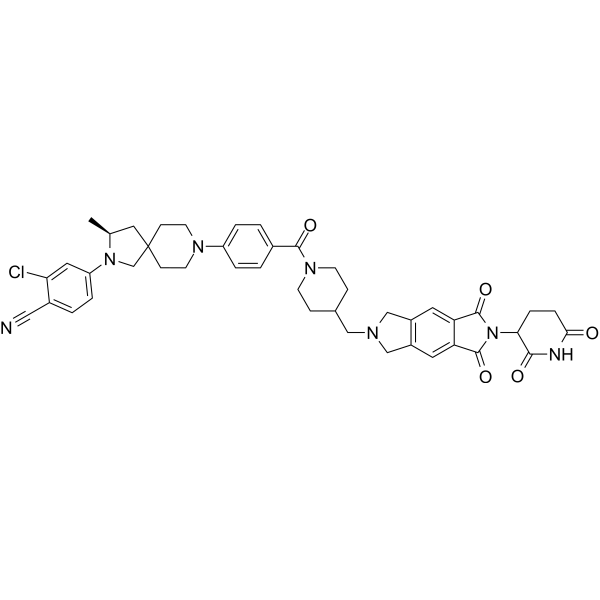
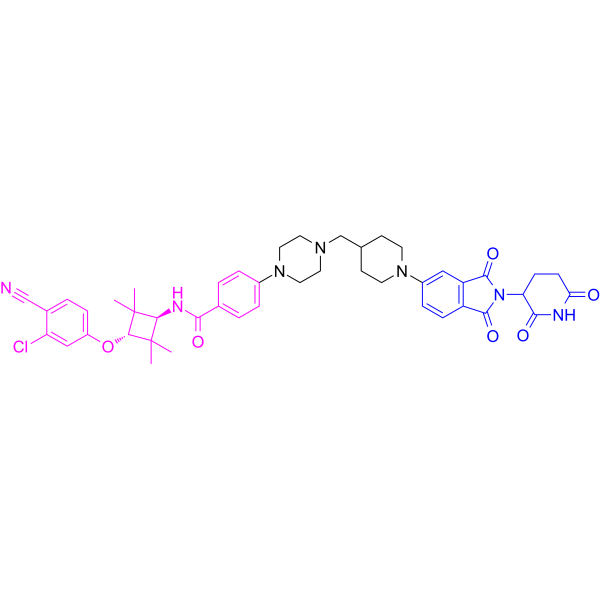
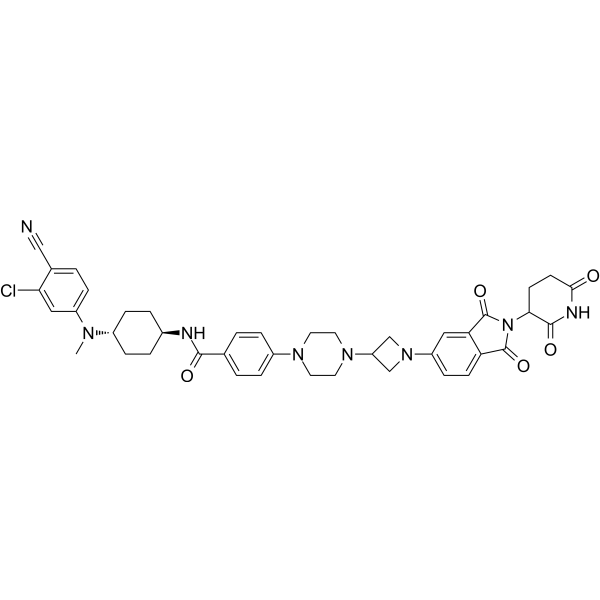
ARD-1676 is an orally active androgen receptor (AR) PROTAC degrader . ARD-1676 induces proteasomal degradation of AR, inhibits AR-regulated gene expression, suppresses cell growth, reduces AR protein levels and inhibits tumor growth in in vivo models. ARD-1676 can be used in studies related to AR+ human prostate cancer and spinal bulbar muscular atrophy .
loading...
    loading...
1
1 Cited Publications
Cat. No.: HY-149862
CAS No.: 2632305-17-8
Purity:  98.19%
Research Areas:  

Cancer

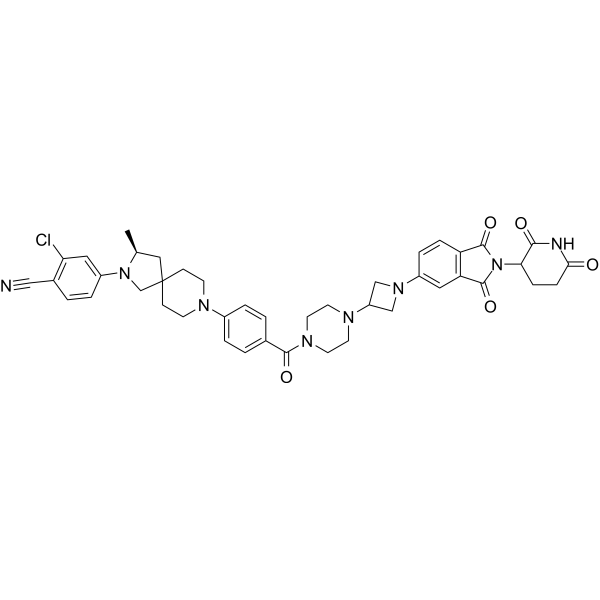
ARD-2051 is a selective and orally active androgen receptor (AR) PROTAC degrader. ARD-2051 achieves DC50 values of 0.6 nM for AR protein degradation in both the LNCaP and VCaP prostate cancer cell lines. ARD-2051 exhibits effective anti-tumor activity in VCaP xenograft mice model. ARD-2051 can be used for the research of prostate cancer .
loading...
    loading...
Cat. No.: HY-NP004
Synonyms: CVF
Cobra Venom Factor (CVF) is a selective activator targeting complement components C3, C5, and factor B in the complement system. After binding to factor B, Cobra Venom Factor is cleaved by factor D, forming a stable C3/C5 convertase resistant to regulatory proteins H and I. This continuously hydrolyzes C3 and C5, depleting serum complement while inducing neutrophil migration, vascular leakage, and increased TNF-α levels. Cobra Venom Factor can be used to deplete complement and mimic complement activation-related pathological states, and is applied in animal models of complement-mediated diseases such as acute respiratory distress syndrome (ARDS), sepsis, and shock. Cobra Venom Factor can be isolated from the venom of cobras (e.g., Naja atra, Naja melanoleuca, Naja kaouthia, etc.) .
loading...
    loading...
Cat. No.: HY-130845A
CAS No.: 1818885-55-0
Purity:  99.53%
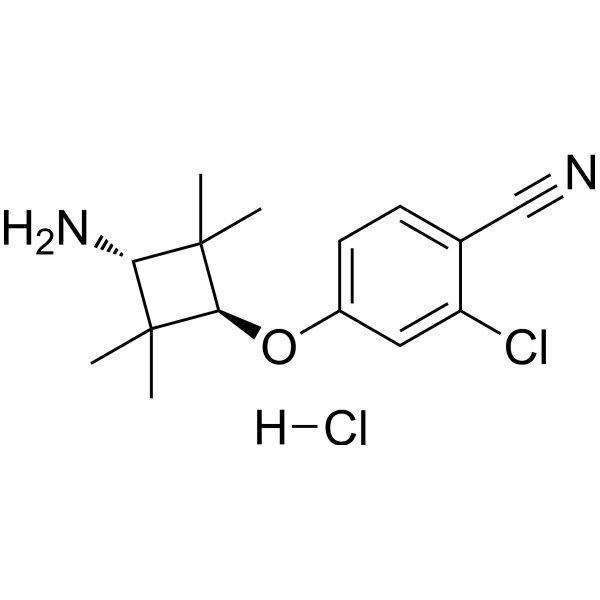
AR antagonist 1 (compound 29) hydrochloride is a potent androgen receptor (AR) antagonist and binds to E3 ligase ligands with weak binding affinities to VHL protein in the synthesis of PROTAC ARD-266 (HY-133020) .
loading...
    loading...
Cat. No.: HY-114402
CAS No.: 2316837-10-0
Purity:  99.61%
Research Areas:  

Cancer

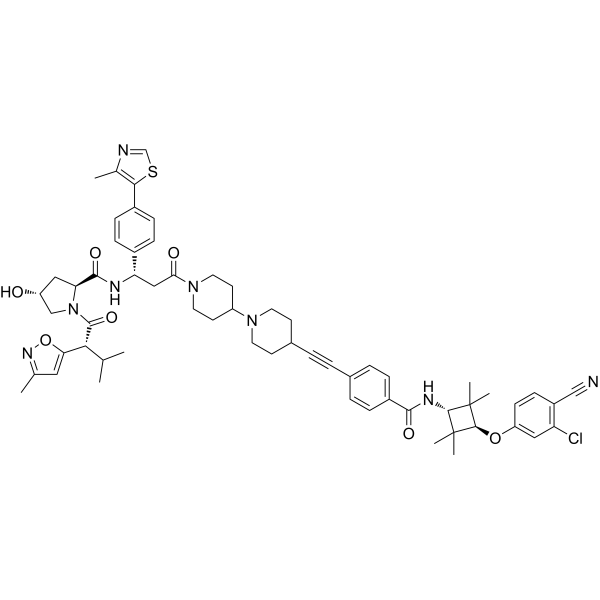
ARD-69 is a PROTAC degrader based on the E3 ubiquitin ligase VHL and targeting the androgen receptor, which can induce androgen receptor (AR) protein degradation in AR-positive prostate cancer cells. ARD-69 inhibits AR-regulated gene expression, binds to the AR ligand binding domain at one end and binds to VHL at the other end, prompting AR to be recruited to the E3 ubiquitin ligase complex, triggering proteasome degradation, thereby inhibiting AR signaling pathways and downstream gene expression (such as PSA, TMPRSS2). ARD-69 can be used to study of castration-resistant prostate cancer (mCRPC) .
loading...
    loading...
Cat. No.: HY-132292
CAS No.: 2222111-87-5
Purity:  99.40%
Research Areas:  

Cancer

ARD-2128 is a highly potent, orally bioavailable PROTAC androgen receptor (AR) degrader. ARD-2128 effectively reduces AR protein, suppresses AR-regulated genes in tumor tissues, and inhibits growth of tumor without signs of toxicity. ARD-2128 has the potential for the research of the prostate cancer .
loading...
    loading...
Cat. No.: HY-139659
CAS No.: 2316837-08-6
Purity:  99.68%
ARD-61 is a highly potent, effective and specific PROTAC androgen receptor (AR) degrader. ARD-61 potently and effectively induces AR and progesterone receptors (PR) degradation in AR+ cancer cell lines. ARD-61 induces apoptosis and effectively induces tumor growth inhibition in the MDA-MB-453 xenograft model in mice . ARD-61 is a click chemistry reagent, it contains an Alkyne group and can undergo copper-catalyzed azide-alkyne cycloaddition (CuAAc) with molecules containing Azide groups.
loading...
    loading...
Cat. No.: HY-133045
CAS No.: 2701565-76-4
Purity:  98.04%
Target:  

Ligands for E3 Ligase

Research Areas:  

Cancer

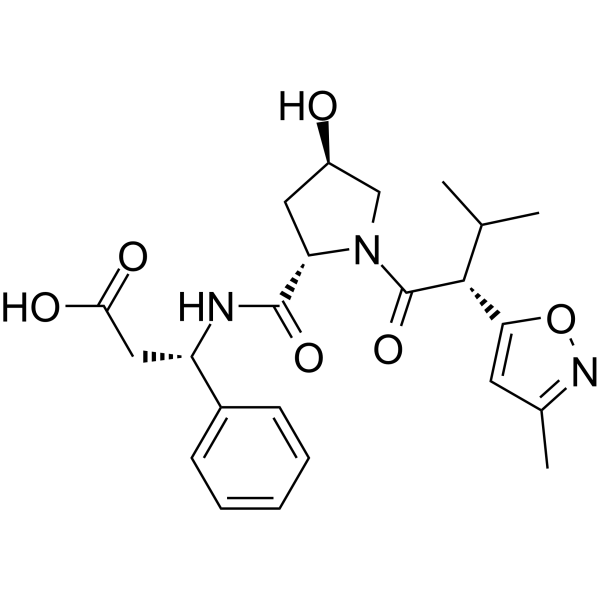
VHL Ligand 8 is a VHL ligand. VHL Ligand 8 can be used to synthesize ARD-266 (HY-133020), a highly potent and VHL E3 ligase-based androgen receptor (AR) PROTAC degrader. ARD-266 effectively induces degradation of AR protein in AR-positive LNCaP, VCaP, and 22Rv1 prostate cancer cell lines with DC50 values of 0.2-1 nM .
loading...
    loading...
Cat. No.: HY-P991401

Target:  

TNF Receptor

Research Areas:  

Inflammation/Immunology

GSK2862277 is a human monoclonal antibody (mAb) targeting TNFRSF1A. GSK2862277 increases neutrophil extracellular trap formation and alveolar macrophage phagocytosis. GSK2862277 can be used in Acute lung injury and Acute Respiratory Distress Syndrome (ARDS) research. Recommended isotype control: VHH-hFc .
loading...
    loading...
Cat. No.: HY-133020
CAS No.: 2666951-70-6
Purity:  99.94%
Research Areas:  

Cancer

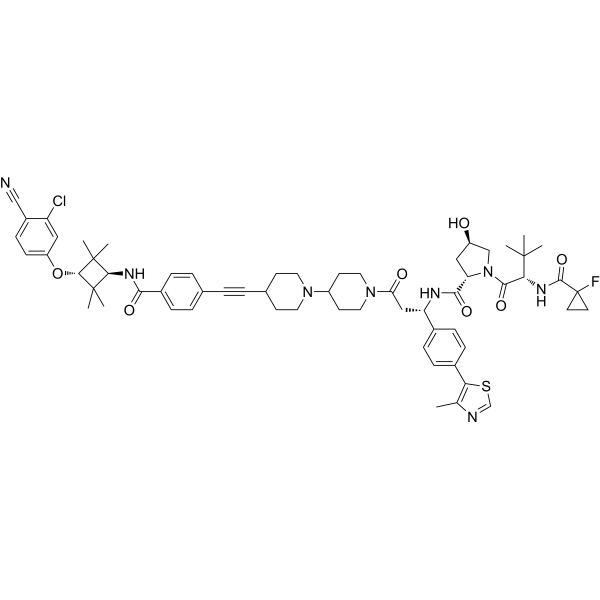
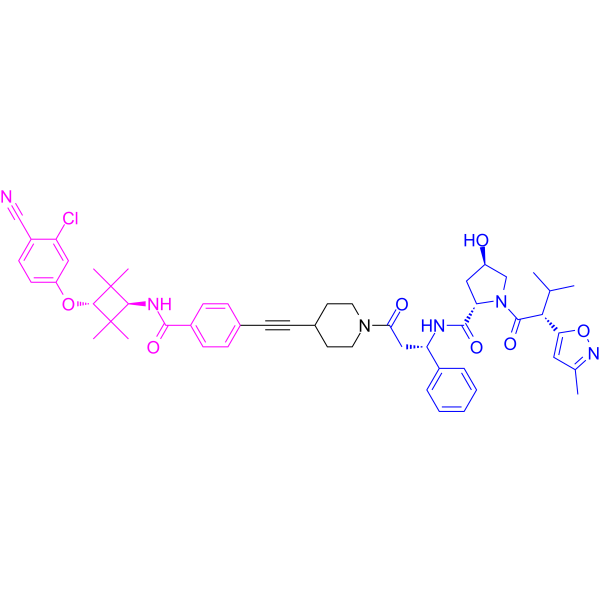
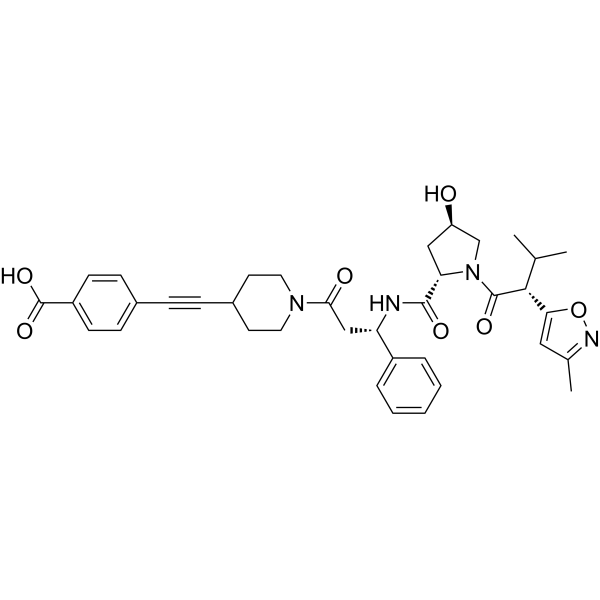
ARD-266 is a highly potent and von Hippel-Lindau E3 ligase-based Androgen Receptor (AR) PROTAC degrader. ARD-266 effectively induces degradation of AR protein in AR-positive LNCaP, VCaP, and 22Rv1 prostate cancer cell lines with DC50 values of 0.2-1 nM . ARD-266 is a click chemistry reagent, it contains an Alkyne group and can undergo copper-catalyzed azide-alkyne cycloaddition (CuAAc) with molecules containing Azide groups.
loading...
    loading...
Cat. No.: HY-139436
CAS No.: 2757422-79-8
Purity:  99.16%
Research Areas:  

Cancer

ARD-2585 is an exceptionally potent and orally active PROTAC degrader of androgen receptor .
loading...
    loading...
Cat. No.: HY-W248665A
CAS No.: 2616553-35-4
Target:  

Ligands for E3 Ligase

Research Areas:  

Others

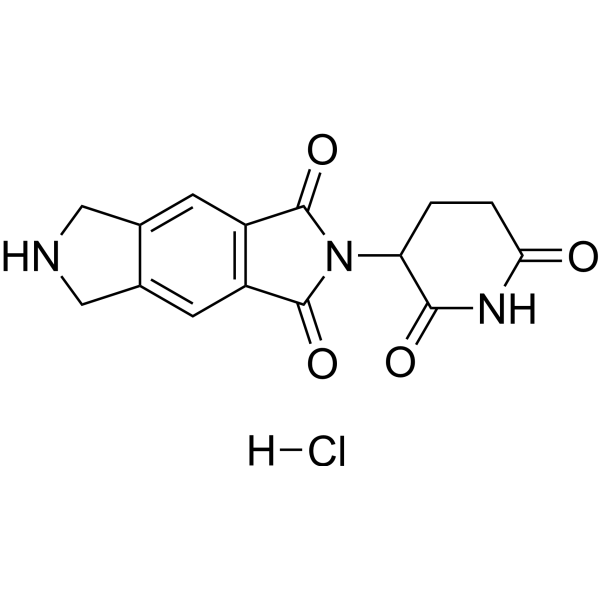
Thalidomide-pyrrolidine hydrochloride (Compound 18) is an E3 ligase ligand. Thalidomide-pyrrolidine serves as a building block for the synthesis of PROTAC ARD-1676 (HY-156111) .
loading...
    loading...
Cat. No.: HY-150735
CAS No.: 1931994-80-7
Purity:  96.05%
Target:  

IRAK

Research Areas:  

Inflammation/Immunology

IRAK4-IN-20 (Compound BAY-1834845) is an orally active IRAK4 inhibitor with an IC50 of 3.55 nM. IRAK4-IN-20 can be used for acute respiratory distress syndrome (ARDS) research .
loading...
    loading...
Cat. No.: HY-W013249
CAS No.: 162046-66-4
Target:  

PROTAC Linkers

Research Areas:  

Cancer

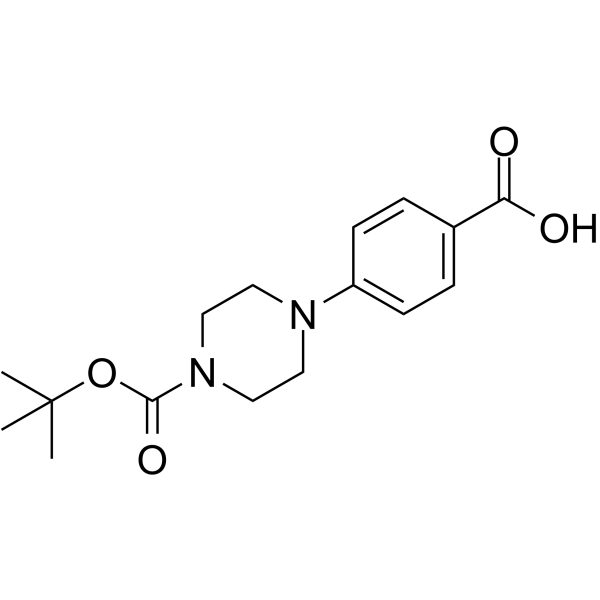
Boc-piperazine-benzoic acid is a PROTAC linker and can be used in the synthesis of PROTACs, such as PROTAC androgen receptor (AR) degrader ARD-2128 (HY-13229) .
loading...
    loading...
Cat. No.: HY-400666
CAS No.: 2632308-15-5
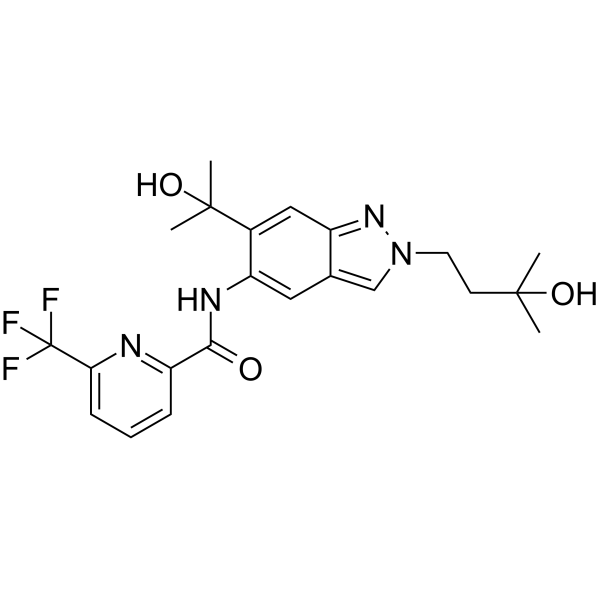
AR ligand-44 is an androgen receptor ligand that can be used in the synthesis of PROTACs, such as ARD-2051 (HY-149862) .
loading...
    loading...
Cat. No.: HY-133046
Research Areas:  

Cancer

VHL Ligand-Linker Conjugates 17 incorporates a VHL ligand for the E3 ubiquitin ligase, and a PROTAC linker. VHL Ligand-Linker Conjugates 17 can be used in the synthesis of a series of PROTACs, such as ARD-266 (HY-133020). ARD-266 is a highly potent androgen receptor (AR) PROTAC degrader . VHL Ligand-Linker Conjugates 17 is a click chemistry reagent, it contains an Alkyne group and can undergo copper-catalyzed azide-alkyne cycloaddition (CuAAc) with molecules containing Azide groups.
loading...
    loading...
Cat. No.: HY-130845
CAS No.: 1818885-54-9
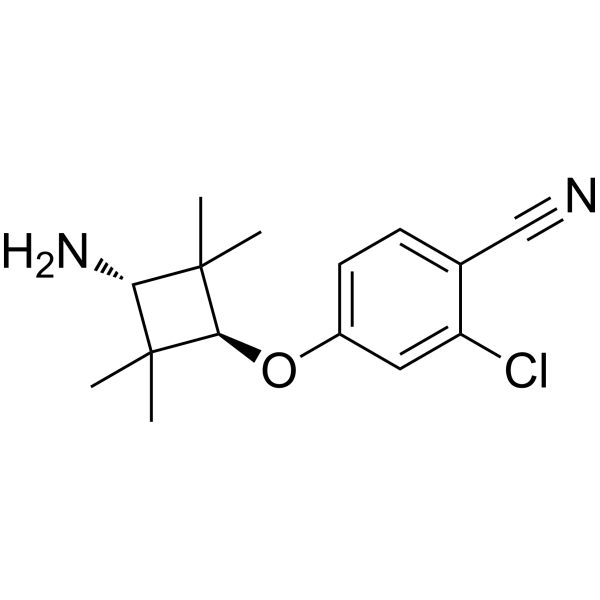
AR antagonist 1 (compound 29) is a potent androgen receptor (AR) antagonist and binds to E3 ligase ligands with weak binding affinities to VHL protein in the synthesis of PROTAC ARD-266 (HY-133020).
loading...
    loading...
Cat. No.: HY-145390A
Purity:  96.88%
Target:  

Keap1-Nrf2

Research Areas:  

Inflammation/Immunology

(R,R)-Nrf2 activator-1 is the enantiomer of Nrf2 activator-1. Nrf2 activator-1 is a potent activator of NF-E2 related factor 2 (Nrf2). Nrf2 activator-1 has the potential for the research of COPD and other respiratory diseases, including asthma, Acute Lung Injury (ALI), Acute Respiratory Distress Syndrome (ARDS) and pulmonary fibrosis .
loading...
    loading...
Cat. No.: HY-106377
CAS No.: 901117-03-1
Target:  

MARCKS

Research Areas:  

Inflammation/Immunology

BIO-11006 is a peptide that inhibits the function of the MARCKS protein. BIO-11006 attenuates LPS-induced neutrophil influx into the lungs, NF-κB activation, and expression of the proinflammatory cytokines KC and TNF-α. BIO-11006 also reverses disease progression in an LPS-induced mouse lung injury model. BIO-11006 is indicated for research on acute lung injury/acute respiratory distress syndrome (ALI/ARDS) .
loading...
    loading...
Cat. No.: HY-133044
CAS No.: 2581824-70-4
Target:  

PROTAC Linkers

Research Areas:  

Cancer

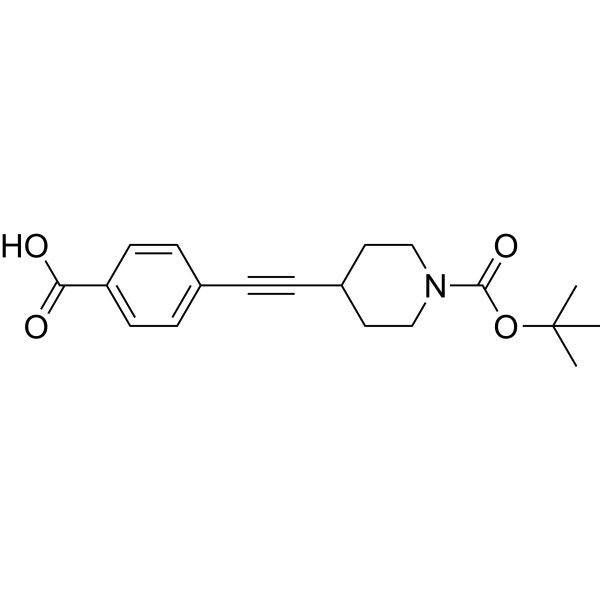
Boc-Pip-alkyne-Ph-COOH is a PROTAC linker, which refers to the alkyl/ether composition. Boc-Pip-alkyne-Ph-COOH can be used in the synthesis of a series of PROTACs, such as ARD-266 (HY-133020). ARD-266 effectively induces degradation of androgen receptor (AR) protein in AR-positive LNCaP, VCaP, and 22Rv1 prostate cancer cell lines with DC50 values of 0.2-1 nM . Boc-Pip-alkyne-Ph-COOH is a click chemistry reagent, it contains an Alkyne group and can undergo copper-catalyzed azide-alkyne cycloaddition (CuAAc) with molecules containing Azide groups.
loading...
    loading...

