1. Search Result
Search Result
Results for "

Lithium

" in MedChemExpress (MCE) Product Catalog:

133

Inhibitors & Agonists

45

Biochemical Assay Reagents

1

Peptides

1

Inhibitory Antibodies

21

Natural
Products

1

Recombinant Proteins

9

Isotope-Labeled Compounds

3

Oligonucleotides

Cat. No. Product Name Target Research Areas Chemical Structure
  • HY-Y0649
    Lithium chloride, 99.3%-T
    15+ Cited Publications

    LiCl, Premium grade

    Environmental Pollutants Biochemical Assay Reagents Others
    Lithium chloride, 99% (LiCl, Premium grade) is a biochemical reagent that can be used as a biological material or organic compound for life science related research .
    Lithium chloride, 99.3%-T
  • HY-44076
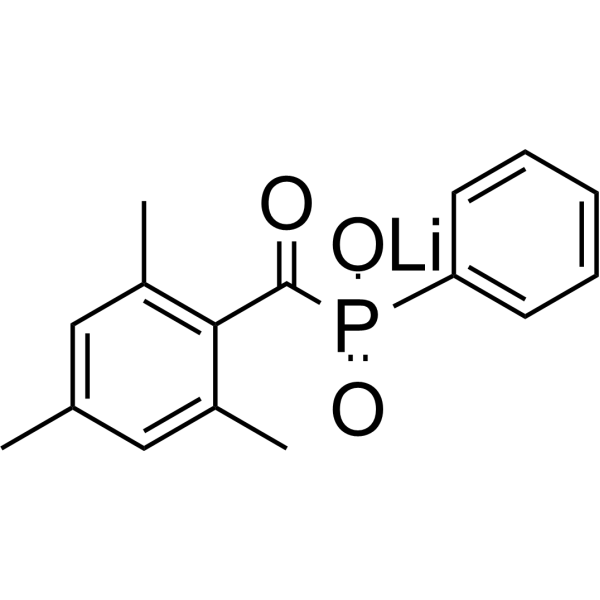
    LAP
    4 Publications Verification

    Lithium phenyl-2,4,6-trimethylbenzoylphosphinate

    Biochemical Assay Reagents Others Cancer
    LAP (Lithium phenyl-2,4,6-trimethylbenzoylphosphinate) is a free radical initiator. The free radicals produced by LAP under bioprinting conditions are potentially cytotoxic and mutagenic. In addition, the concentration of LAP affects the mechanical strength of 3D printed scaffolds. Generally, the concentration range of LAP used for curing is 0.05%-1%. The elastic modulus produced at a concentration of 0.1% is the highest, with enhanced mechanical properties and excellent biocompatibility .
    LAP
  • HY-113071A
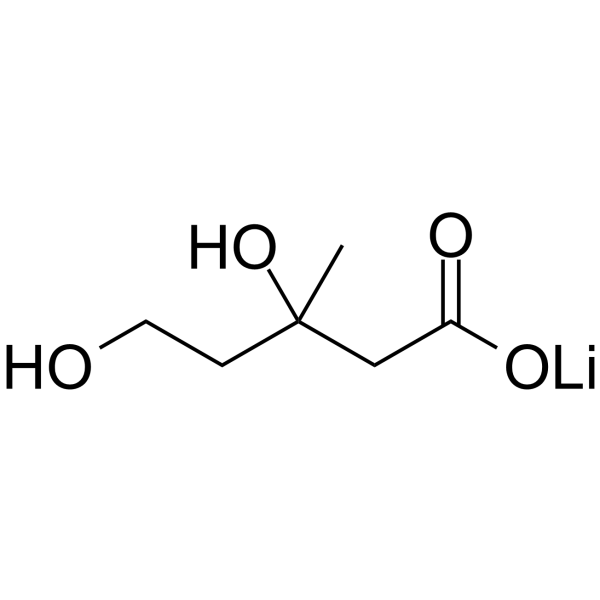
    Mevalonic acid lithium salt
    5+ Cited Publications

    MVA Lithium salt

    Endogenous Metabolite Cardiovascular Disease Neurological Disease Metabolic Disease Cancer
    Mevalonic acid (MVA) lithium salt is a precursor substance of the mevalonate pathway, which is essential for cell growth and proliferation. Mevalonic acid lithium salt is effective in inhibiting Simvastatin (HY-17502)-induced decrease in C2C12 cell viability in vitro. Mevalonic acid lithium salt can be used in studies of myopathy and heart failure .
    Mevalonic acid lithium salt
  • HY-136408

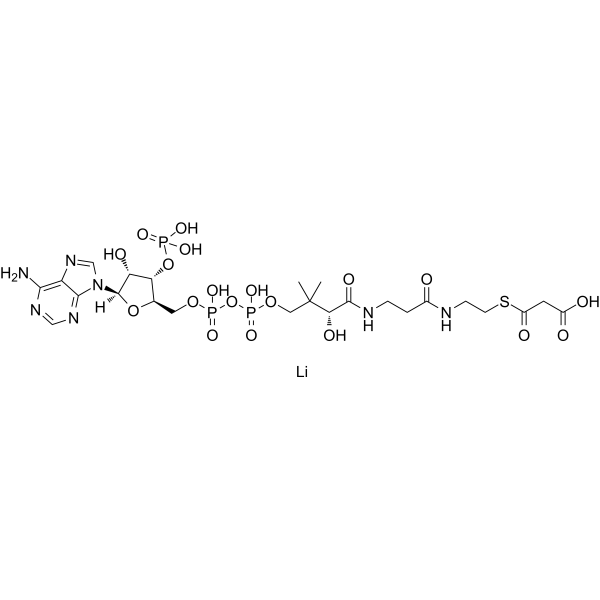
    Malonyl coenzyme A Lithium

    Carnitine Palmitoyltransferase (CPT) Mitochondrial Metabolism Metabolic Disease
    Malonyl CoA (Malonyl Coenzyme A) lithium is an inhibitor of carnitine palmitoyl transferase 1 (CPT1). High Malonyl CoA lithium concentrations suppress fatty acid oxidation, while low Malonyl CoA lithium concentrations are permissive for fat oxidation .
    Malonyl CoA lithium
  • HY-Y0649D

    Environmental Pollutants Biochemical Assay Reagents Others
    Lithium chloride, for molecular biology, 99% can be used in the preparation of wash buffers for chromatin immunoprecipitation. Lithium chloride, for molecular biology, 99% is a kind of biological materials or organic compounds that are widely used in life science research .
    Lithium chloride, 99%
  • HY-128730

    Endogenous Metabolite Bacterial Metabolic Disease
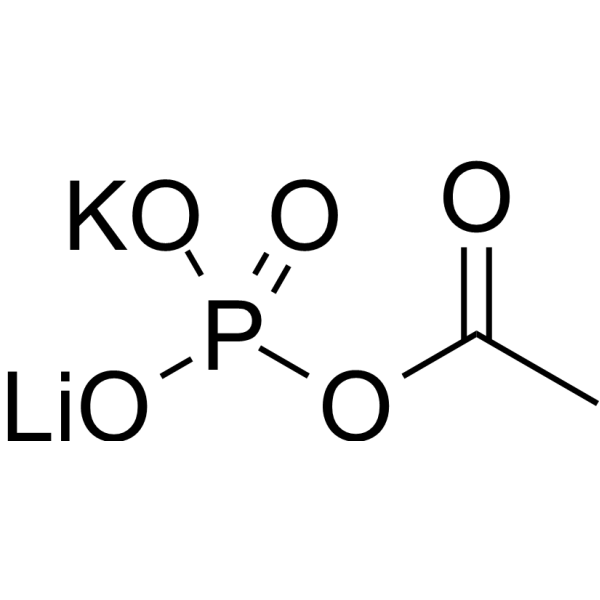
    Acetyl phosphate lithium potassium is an endogenous metabolic product. Acetyl phosphate lithium potassium is a key substance in bacterial metabolic regulation, particularly in Lysine acetylation, and plays an important role in bacterial responses to environmental stress and adaptive reactions .
    Acetyl phosphate lithium potassium
  • HY-Y0292

    CarboLithium; Lithium carbonate

    Environmental Pollutants Biochemical Assay Reagents Others
    Lithium carbonate (Carbolithium) is a biochemical reagent that can be used as a biological material or organic compound for life science related research .
    Lithium carbonate
  • HY-113128A

    Endogenous Metabolite Metabolic Disease
    sn-Glycerol 3-phosphate lithium is an important intermediate in glycolysis and lipid metabolism. The cytosolic sn-Glycerol 3-phosphate dehydrogenase (GPDH) consumes NADH to generate sn-Glycerol 3-phosphate lithium from dihydroxyacetone phosphate (DHAP). Glyceroneogenesis is an important supplier of sn-Glycerol 3-phosphate lithium for lipid metabolism .
    sn-Glycerol 3-phosphate lithium
  • HY-W099535

    Biochemical Assay Reagents Others
    Lithium dodecyl sulfate is an anionic hydrocarbon surfactant with both surface tension reduction and interfacial adsorption capabilities. Lithium dodecyl sulfate induces low surface viscosity; it forms micelles in aqueous solutions through entropy-driven (low temperature) and enthalpy-driven (high temperature) mechanisms. When acting synergistically with tetrabutylammonium bromide, Lithium dodecyl sulfate exhibits cloud point behavior due to micelle aggregation and phase separation. Lithium dodecyl sulfate can form an adsorption layer at the air-water interface with quantifiable surface excess and minimum area per molecule, and it has higher equilibrium surface tension and foamability compared to other dodecyl sulfate counterion variants. The foam stability of Lithium dodecyl sulfate above its critical micelle concentration is low, and its dynamic surface tension pattern changes dynamically with bubble frequency .
    Lithium dodecyl sulfate
  • HY-17567B
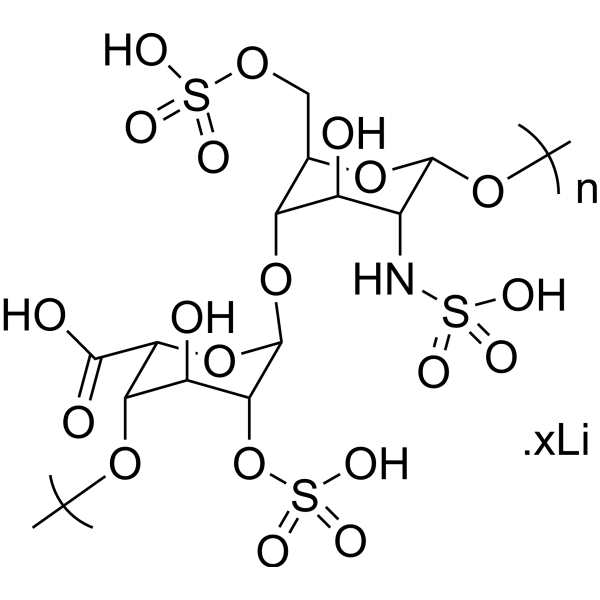
    Heparin Lithium salt
    3 Publications Verification

    Exosomes Thrombin Autophagy Bacterial Cardiovascular Disease Cancer
    Heparin Lithium salt is an anticoagulant which binds reversibly to antithrombin III (ATIII). Heparin Lithium salt significantly inhibits exosome-cell interactions.
    Heparin Lithium salt
  • HY-W094474
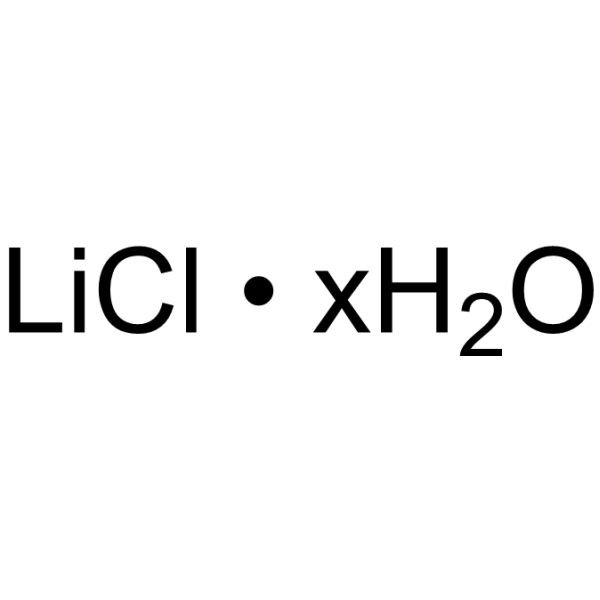
    Lithium chloride hydrate
    5+ Cited Publications

    hydrate/monohydrateortrihydrate

    GSK-3 Apoptosis Infection Neurological Disease
    Lithium chloride hydrate, an orally active mood stabilizer, is a potent virus inhibitor and effective immunomodulatory agent. Lithium chloride hydrate has antidepressant activity by inhibiting GSK3β and promoting neurogenesis. Lithium chloride hydrate alleviates cognition dysfunction and the symptoms of acute mania and depression. Lithium chloride hydrate can also be used for research of virus infection and Alzheimer's disease .
    Lithium chloride hydrate
  • HY-130777A
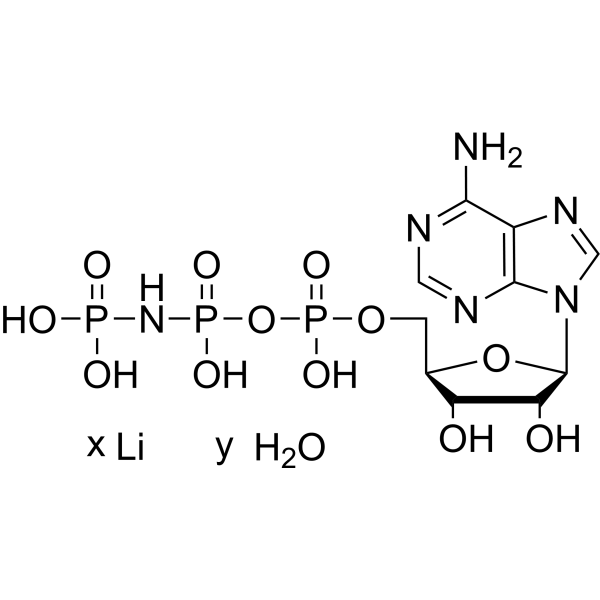
    AMP-PNP lithium hydrate
    3 Publications Verification

    Adenylyl imidodiphosphate Lithium hydrate

    Drug Derivative Metabolic Disease
    AMP-PNP (Adenylyl imidodiphosphate) lithium hydrate is a non-hydrolyzable ATP analog. AMP-PNP lithium hydrate binds to ATP binding sites competely but is not hydrolyzed by enzymes, providing stable experimental conditions for studying ATP-dependent processes. AMP-PNP lithium hydrate can also be used to study enzyme activity, kinase regulation, DNA/RNA metabolism, ion channel function, and protein complex assembly .
    AMP-PNP lithium hydrate
  • HY-134427
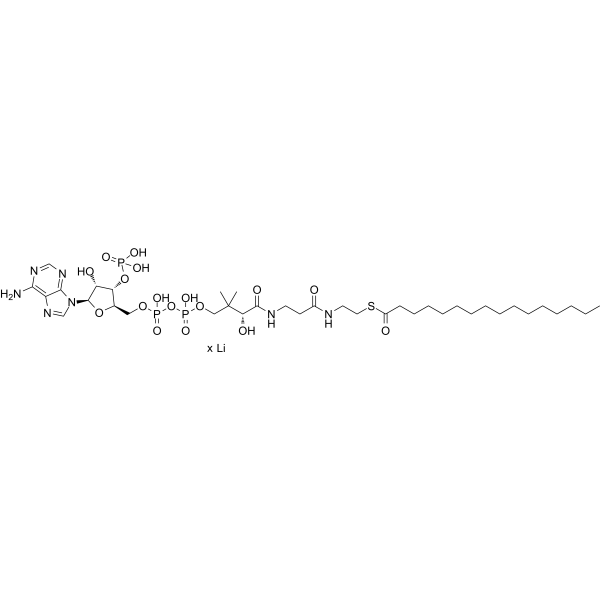
    Palmitoyl coenzyme A lithium
    2 Publications Verification

    Palmitoyl CoA Lithium

    Endogenous Metabolite Metabolic Disease
    Palmitoyl coenzyme A lithium is an acyl-CoA thioester that can be transported into the mitochondrial matrix via the carnitine shuttle system and is involved in β-oxidation. Palmitoyl coenzyme A lithium can also be used as a substrate for sphingosine biosynthesis .
    Palmitoyl coenzyme A lithium
  • HY-A0256B
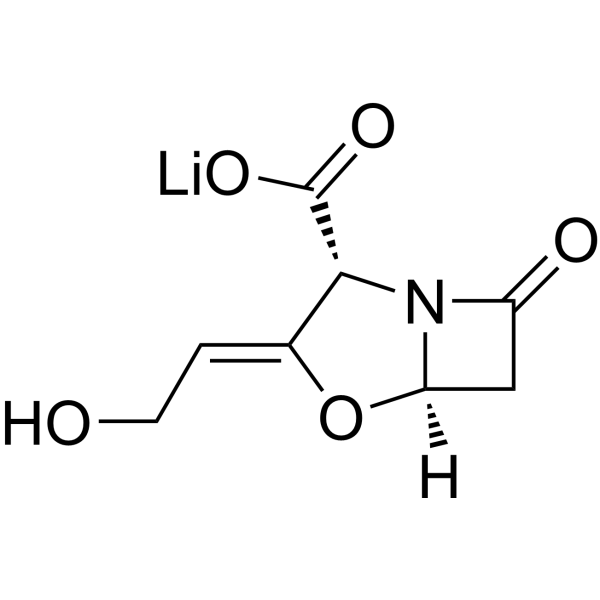
    Clavulanate lithium
    5+ Cited Publications

    Beta-lactamase Bacterial Antibiotic Infection
    Clavulanate lithium is a potent β-lactamase inhibitor and acts as an antibiotic .
    Clavulanate lithium
  • HY-137167

    Gpp(NH)p Lithium

    Adenylate Cyclase Metabolic Disease
    Guanylyl imidodiphosphate lithium (Gpp (NH) p lithium) is a non-hydrolyzable GTP analog. Guanylyl imidodiphosphate lithium increases adenylate cyclase activity. Guanylyl imidodiphosphate lithium binds to and irreversibly activates G proteins .
    Guanylyl imidodiphosphate lithium
  • HY-W250174

    3,5-Diiodosalicylic acid Lithium salt

    Biochemical Assay Reagents Others
    Lithium 3,5-diiodosalicylate is a compound used in the study of bipolar disorder and other psychiatric disorders. It contains lithium and a salicylate. Lithium 3,5-diiodosalicylate works by affecting the levels of certain neurotransmitters in the brain, including dopamine and serotonin.
    Lithium 3,5-diiodosalicylate
  • HY-112540A
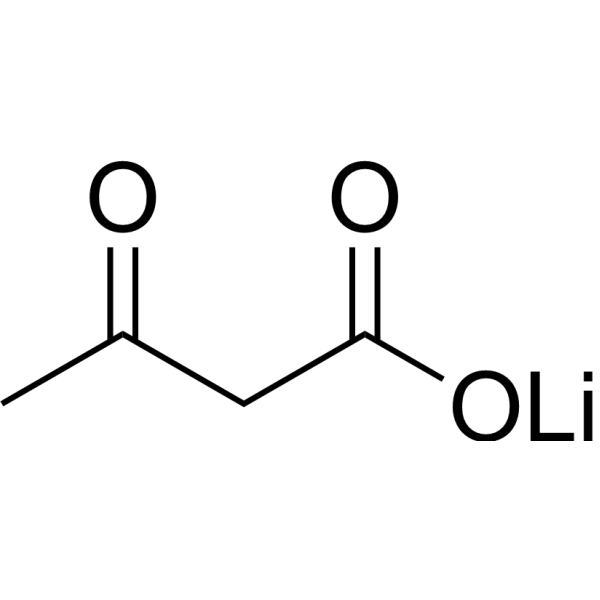
    Acetoacetic acid lithium
    4 Publications Verification

    Endogenous Metabolite Metabolic Disease
    Acetoacetic acid lithium is an oxidative stress inducer that affects the antioxidant enzyme system and lipoprotein metabolism. Acetoacetic acid lithium induces oxidative stress by decreasing the mRNA expression and activity of superoxide dismutase (SOD), catalase (CAT), and glutathione peroxidase (GSH-Px), increasing MDA content, and inhibiting very low density lipoprotein (VLDL) assembly by downregulating apolipoprotein ApoB100, ApoE, and low density lipoprotein receptor (LDLR), leading to triglyceride (TG) accumulation in hepatocytes. Acetoacetic acid lithium can be used to study metabolic diseases .
    Acetoacetic acid lithium
  • HY-W108875
    Mupirocin lithium
    1 Publications Verification

    BRL-4910A Lithium; Pseudomonic acid Lithium

    Antibiotic Bacterial Aminoacyl-tRNA Synthetase Infection Endocrinology
    Mupirocin lithium is an antibiotic. Mupirocin lithium inhibits bacterial isoleucyl-tRNA synthetase, blocking protein synthesis. Mupirocin lithium has high activity against Gram-positive bacteria such as Staphylococcus and Streptococcus, as well as some Gram-negative bacteria (such as Haemophilus influenzae). Mupirocin lithium can be used in the research of diseases such as skin infections (such as MRSA infections) and chronic sinusitis .
    Mupirocin lithium
  • HY-113596A
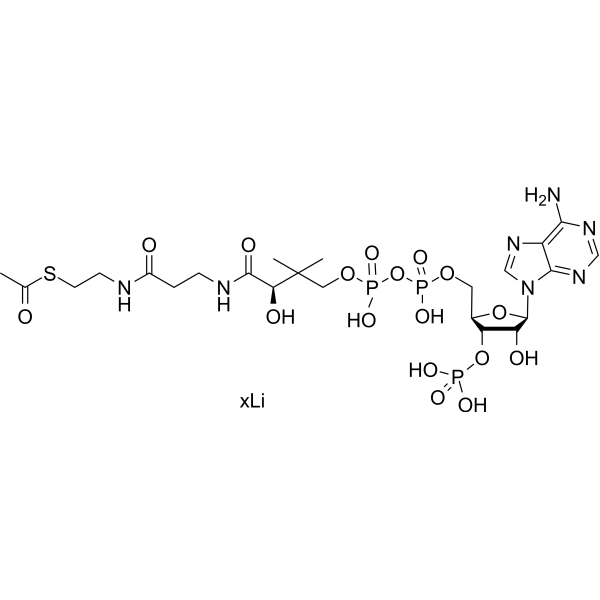
    Acetyl coenzyme A lithium
    4 Publications Verification

    Acetyl-CoA Lithium

    Oxidative Phosphorylation Endogenous Metabolite Autophagy Cardiovascular Disease Metabolic Disease
    Acetyl-coenzyme A (Acetyl-CoA) lithium is a membrane-impermeant central metabolic intermediate, participates in the TCA cycle and oxidative phosphorylation metabolism. Acetyl-coenzyme A lithium, regulates various cellular mechanisms by providing (sole donor) acetyl groups to target amino acid residues for post-translational acetylation reactions of proteins. Acetyl Coenzyme A lithium is also a key precursor of lipid synthesis .
    Acetyl coenzyme A lithium
  • HY-W007531

    Biochemical Assay Reagents Others
    2-Fluoro-5-iodopyridine is an electrolyte additive. 2-Fluoro-5-iodopyridine can not only effectively protect the anode by forming a stable SEI film, but also convert dead lithium into active lithium. 2-Fluoro-5-iodopyridine effectively improves the performance of lithium metal batteries .
    2-Fluoro-5-iodopyridine
  • HY-134891

    (E)-4-Hydroxy-3-methyl-but-2-enyl diphosphate Lithium

    Nuclear Factor of activated T Cells (NFAT) Infection Inflammation/Immunology
    HMBPP lithium is an intermediate in isoprenoid biosynthesis that can be produced by bacteria and protozoa that use the non-mevalonate pathway for isoprenoid biosynthesis. HMBPP lithium is a ligand of the internal domain of BTN3A1 and is an activator for human Vγ9/Vδ2 T cells. HMBPP lithium exhibits phagostimulant property in mosquitos .
    HMBPP lithium
  • HY-B1295
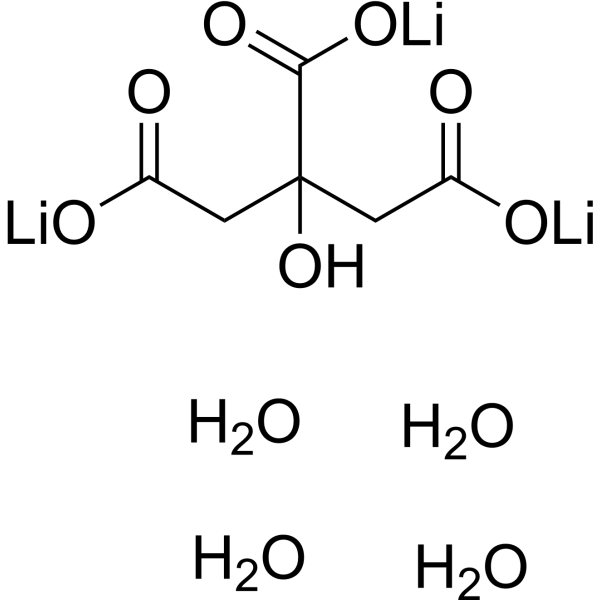
    Lithium citrate tetrahydrate
    10+ Cited Publications

    Litarex tetrahydrate

    Apoptosis Endogenous Metabolite Bacterial Infection Cardiovascular Disease Metabolic Disease Inflammation/Immunology Cancer
    Lithium citrate (Litarex) tetrahydrate is a natural preservative and food tartness enhancer. Lithium citrate tetrahydrate induces apoptosis and cell cycle arrest at G2/M phase and S phase in HaCaT cells. Lithium citrate tetrahydrate cause oxidative damage of the liver by means of the decrease of antioxidative enzyme activities. Lithium citrate tetrahydrate is also an acidulant, emulsifier, sequestrant and buffering agent widely used across many industries .
    Lithium citrate tetrahydrate
  • HY-134421

    HMG-CoA Reductase (HMGCR) Metabolic Disease
    2-Butenoyl coenzyme A lithium is an inactivator and a substrate of Plasmodium falciparum enoyl-β-hydroxyacyl-acyl carrier protein (ACP) reductase and other enoyl-CoA reductases, and it is also the lithium salt of trans-2-methyl-2-butenoyl coenzyme A. 2-Butenoyl coenzyme A lithium acts on short-chain and medium-chain coenzyme A dehydrogenases as well as glutaryl-CoA dehydrogenase, and shows no activity against wild-type isovaleryl-CoA dehydrogenase. 2-Butenoyl coenzyme A lithium functions as a metabolite in the L-isoleucine catabolic pathway, and can serve as a substrate in the activity assay of 3-ketothiolase. 2-Butenoyl coenzyme A lithium is applicable to research related to 3-ketothiolase deficiency .
    2-Butenoyl coenzyme A lithium
  • HY-126833A
    Myristoyl coenzyme A lithium
    1 Publications Verification

    Endogenous Metabolite Infection Cancer
    Myristoyl coenzyme A lithium is lithium-labeled myristoylated coenzyme A (CoA). Myristoylation is an essential process in viruses and is generally controlled by N-myristoyltransferase (NMT). And NMT is more active in colon epithelial tumors than in normal cells. Reduced Ccoenzyme A (CoA) is known to be a key regulator of NMT activity, whereas oxidized CoA does not allow NMT to promote myristoylation. Myristoyl coenzyme A blocks the demyristoylation process and has potential anticancer and antiviral mechanisms .
    Myristoyl coenzyme A lithium
  • HY-134424

    Endogenous Metabolite Metabolic Disease
    Propionyl coenzyme A lithium, a coenzyme A derivative of propionic acid, is an important metabolic intermediate formed by the thioester bond between coenzyme A and propionic acid. The breakdown and production of Propionyl coenzyme A lithim is important for the metabolism of organisms .
    Propionyl coenzyme A lithium
  • HY-W094471

    Biochemical Assay Reagents Others
    Lithium acetate dihydrate is a compound with a one-dimensional structure that has various applications in industries such as pharmaceuticals, ceramics, and research laboratories. Lithium acetate dihydrate is often used as a source of lithium ions in chemical reactions and as a precursor in the synthesis of other lithium compounds .
    Lithium acetate dihydrate
  • HY-141474

    Biochemical Assay Reagents Others
    Glutaryl coenzyme A lithium is an important endogenous metabolites. Glutaryl coenzyme A lithium can be used in HMG-CoA or Glutaryl-CoA related experiment.
    Glutaryl coenzyme A lithium
  • HY-115062

    Phospholipase NADPH Oxidase p38 MAPK Akt NF-κB AP-1 Reactive Oxygen Species (ROS) Cardiovascular Disease Inflammation/Immunology Cancer
    MJ-33 lithium salt is a competitive phospholipase A2 (PLA2) inhibitor with an IC50 of 0.3 μM. MJ-33 lithium salt inhibits NOX2 activation and reduces ROS production by blocking the PLA2 activity of Prdx6. MJ-33 lithium salt effectively inhibits the activity of acidic PLA2 (pH 4.0) and reduces the degradation of alveolar surfactant phosphatidylcholine (PC), but exerts no effect on alkaline PLA2 (pH 8.5). MJ-33 lithium salt significantly alleviates lung oxidative injury induced by ischemia-reperfusion (I/R). MJ-33 lithium salt significantly inhibits the invasion, migration and adhesion abilities of prostate cancer cells by suppressing the MAPK, AKT, NF-κB and AP-1 signaling pathways. MJ-33 lithium salt can be used for the research of ROS-related diseases and prostate cancer .
    MJ33 lithium salt
  • HY-W250153

    P2Y Receptor Cardiovascular Disease
    Adenosine 3'-phosphate 5'-phosphosulfate lithium, an adenine nucleotide derivative, is a selective P2Y1 antagonist with no effect on P2Y2, P2Y4, or P2Y6 receptors. Adenosine 3'-phosphate 5'-phosphosulfate lithium can competitive inhibit ADP-induced platelet aggregation, as well as the ability of ADP to cause shape change and increases in Ca 2+ in platelets, but had no effect on the inhibition of stimulated adenylate cyclase by ADP. Adenosine 3'-phosphate 5'-phosphosulfate lithium is a co-substrate used for the sulfonation of glycans. Adenosine 3'-phosphate 5'-phosphosulfate lithium can be used for Golgi-resident PAP-specific 3'-phosphatase-coupled sulfotransferase assays, which as donor substrate to transfer a sulfonate group .
    Adenosine 3'-phosphate 5'-phosphosulfate lithium
  • HY-W337739

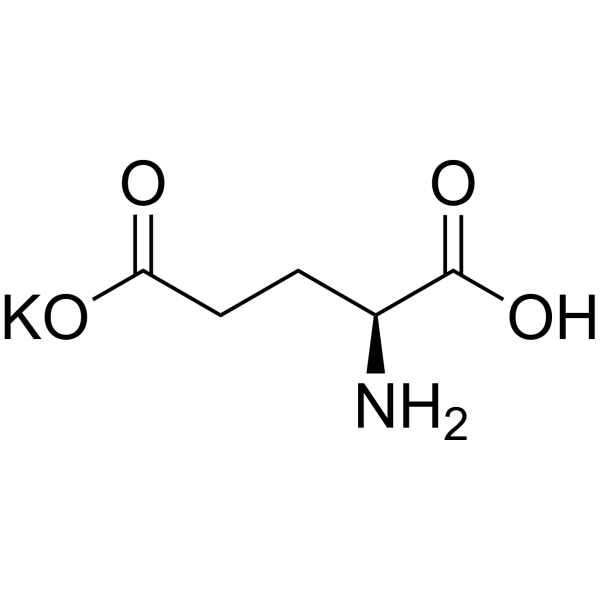
    Monopotassium L-glutamate

    Biochemical Assay Reagents Others
    L-Glutamic acid monopotassium salt is a food additive and flavor enhancer that can reduce the harmful effects of lithium .
    L-Glutamic acid monopotassium salt
  • HY-W010479

    Environmental Pollutants Drug Intermediate Biochemical Assay Reagents Others
    Propane sultone is a multifunctional intermediate, which can be used for the synthesis of other active compounds. Propane sultone can also be used as an additive in lithium battery electrolytes .
    Propane sultone
  • HY-109591A

    Oleoyl-CoA Lithium

    Endogenous Metabolite Others
    Oleoyl coenzyme A (Oleoyl-CoA) lithium is a thioester of oleic acid and coenzyme A. Oleoyl coenzyme A lithium has a role as an Escherichia coli metabolite and a mouse metabolite .
    Oleoyl coenzyme A lithium
  • HY-D0884
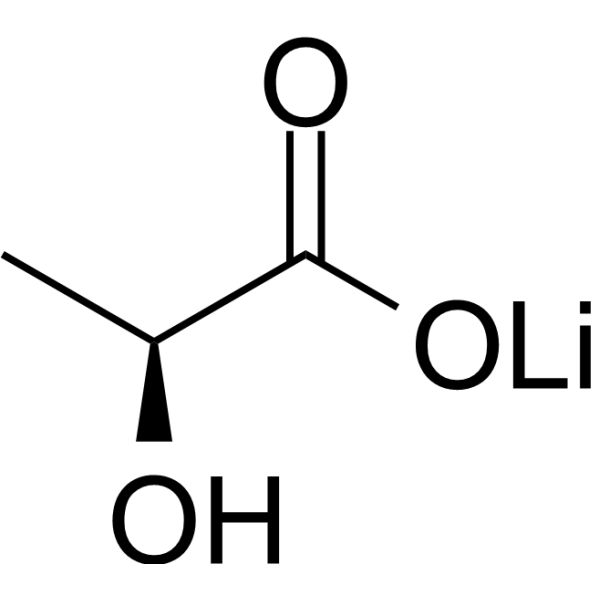
    L-Lactic acid lithium
    10+ Cited Publications

    (S)-2-Hydroxypropanoic acid Lithium

    Biochemical Assay Reagents Others
    L-Lactic acid lithium is a lithium salt of L-Lactic acid (HY-Y0479) with certain bioconductive properties. L-Lactic acid can be used as a precursor for the production of bioplastic polymer polylactic acid .
    L-Lactic acid lithium
  • HY-126912A

    Biochemical Assay Reagents Endogenous Metabolite Others
    Lauroyl coenzyme A lithium salt is an intermediary in fatty acid synthesis or metabolism, formed by combining long-chain fatty acids (or lauric acid) with coenzyme A. Lauroyl coenzyme A lithium salt is involved in lipid biosynthesis and fatty acid transport, in which coenzyme A acts as a transport molecule to help move and target specific compounds.
    Lauroyl coenzyme A lithium
  • HY-21170B

    Triflate Lithium; Trifluoromethylsulfonate Lithium; Trifluoromethanesulphonic acid Lithium

    Biochemical Assay Reagents Herbicide Others
    Trifluoromethanesulfonate (Triflate;Trifluoromethylsulfonate) lithium is a stable lithium salt and dopant with four resonance states, which is commonly used as an electrolyte component in polymer light-emitting electrochemical cells and primary lithium batteries. Trifluoromethanesulfonate lithiumalso acts as a catalyst for the preparation of the herbicide Imazapyr. In MEH-PPV-based light-emitting electrochemical cells, Trifluoromethanesulfonate lithium promotes electrochemical p-type doping at the anode interface under applied bias, thereby facilitating the formation of p-i-n junctions, exciton generation, and light emission. Trifluoromethanesulfonate lithiumexhibits strong ion pairing in non-aqueous electrolytes, but its electrochemical stability window is narrower than that of lithium bistrifluoromethylsulfonyl imidee .
    Trifluoromethanesulfonate lithium
  • HY-W250163
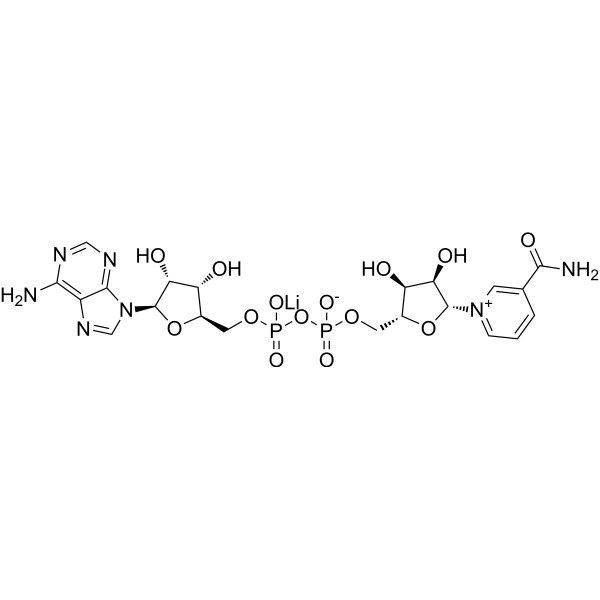
    NAD+ lithium
    Maximum Cited Publications
    44 Publications Verification

    β-DPN Lithium; β-NAD Lithium; β-Nicotinamide Adenine Dinucleotide Lithium

    Biochemical Assay Reagents Metabolic Disease
    NAD+ lithium (β-DPN lithium) is a lithium salt of nicotinamide adenine dinucleotide. NAD+ is a coenzyme in the REDOX reaction. NAD+ can directly or indirectly affect several key cellular functions, including metabolic pathways, DNA repair, chromatin remodeling, cell aging, and immune cell function .
    NAD+ lithium
  • HY-W010625
    Lithium 2-hydroxypropanoate
    35+ Cited Publications

    Biochemical Assay Reagents Neurological Disease Inflammation/Immunology
    Lithium 2-hydroxypropanoate is a lithium salt. Lithium 2-hydroxypropanoate has immunomodulatory activity (slightly enhancing PHA (HY-N7038)-induced lymphocyte proliferation). Lithium 2-hydroxypropanoate can be used in antioxidant activity assays. Lithium 2-hydroxypropanoate can be used in the research of mental diseases .
    Lithium 2-hydroxypropanoate
  • HY-160596

    5-Formyl-deoxycytidine Lithium

    DNA/RNA Synthesis Others
    5-Formyl-dCTP (5-Formyl-deoxycytidine) lithium is a DCTPP1 substrate. 5-Formyl-dCTP lithium acts as a mutagen/epigenetic disruptor via DNA polymerase incorporation, mutagenic mispairings, and disturbed epigenetic programming. 5-Formyl-dCTP lithium can be used for research on genotoxicity .
    5-Formyl-dCTP lithium
  • HY-W094464

    Biochemical Assay Reagents Neurological Disease
    Lithium sulfate is an inorganic compound that can improve the cycling life and efficiency of a 2 V/20 A H lead-acid battery. Lithium sulfate can be used to study mental illnesses .
    Lithium sulfate
  • HY-134423S

    Isotope-Labeled Compounds Others
    Stearoyl coenzyme A- 13C18 (lithium) is the 13C labeled Stearoyl coenzyme A lithium . Stearoyl coenzyme A (Stearoyl-CoA) lithium is an active compound that can be used as a substrate for the determination of stearoyl-Coenzyme desaturase in microsomes .
    Stearoyl coenzyme A-13C18 lithium
  • HY-W099571
    Lithium stearate
    20+ Cited Publications

    Stearic acid Lithium; Lithium octadecanoate

    Environmental Pollutants Biochemical Assay Reagents Others
    Lithium stearate (Stearic acid (lithium)) is a compound that forms vesicles in reaction with silver nitrate, thereby changing the reaction kinetics of the nucleation and self-assembly process of silver stearate. It has the activity that even in the presence of excess silver nitrate, only about 80% can be converted into silver stearate and the residual lithium stearate will inhibit the growth process of silver stearate crystals, thereby producing silver stearate crystals that are much smaller than those obtained from sodium stearate, providing an opportunity to further control the self-assembly and crystal growth of silver stearate.
    Lithium stearate
  • HY-113499B

    Drug Metabolite Others
    cis-Malonylcarnitine lithium is an ester compound and a metabolite of Malonyl CoA (HY-115899). The level of cis-Malonylcarnitine lithium is closely related to some diseases, such as malonic aciduria, non-syndromic cleft lip with or without cleft palate, etc .
    cis-Malonylcarnitine lithium
  • HY-113005A

    Endogenous Metabolite Metabolic Disease
    Glutarylcarnitine lithium is the diagnostic metabolite for malonic aciduria and glutaric aciduria type I monitored in most tandem mass spectrometry newborn screening programmes .
    Glutarylcarnitine lithium
  • HY-113304A

    Endogenous Metabolite Metabolic Disease
    (S)-3,4-Dihydroxybutyric acid lithium hydrate, a normal human urinary metabolite, is a β-oxidation metabolite of γ-hydroxybutyrate. (S)-3,4-Dihydroxybutyric acid lithium hydrate can be used for research on succinic semialdehyde dehydrogenase deficiency .
    (S)-3,4-Dihydroxybutyric acid lithium hydrate
  • HY-179170S

    Malonyl coenzyme A-13C3 Lithium

    Isotope-Labeled Compounds Mitochondrial Metabolism Carnitine Palmitoyltransferase (CPT) Metabolic Disease
    Malonyl CoA- 13C3 (Malonyl coenzyme A- 13C3) lithium is the 13C-labeled Malonyl CoA lithium (HY-136408). Malonyl CoA (Malonyl Coenzyme A) lithium is an inhibitor of carnitine palmitoyl transferase 1 (CPT1). High Malonyl CoA lithium concentrations suppress fatty acid oxidation, while low Malonyl CoA lithium concentrations are permissive for fat oxidation .
    Malonyl CoA-13C3 lithium
  • HY-N11409A

    Herbicide Others
    Shikimate-3-phosphate lithium is the salt form of Shikimate-3-phosphate. Shikimate-3-phosphate lithium is a central microbial, parasite and plant metabolite, as a product of the shikimate kinase-catalysed reaction. Shikimate-3-phosphate lithium serves as an enzyme substrate for 5-enolpyruvoyl-shikimate 3-phosphate synthase, which is a target of anti-infectives and of herbicides .
    Shikimate-3-phosphate lithium
  • HY-B1680

    Litarex

    Biochemical Assay Reagents Neurological Disease
    Lithium citrate is a lithium supplement that reduces excess brain N-acetylaspartate (NAA) in Canavan disease. Canavan disease is an autosomal recessive leukodystrophy caused by mutations in the aspartate acylase (ASPA) gene, which catalyzes the hydrolysis of N-acetylaspartate (NAA) to acetate and aspartate .
    Lithium citrate
  • HY-134428

    Endogenous Metabolite Metabolic Disease
    Arachidonoyl coenzyme A lithium is an unsaturated fatty acyl coenzyme A, formed by the condensation of the thiol group of coenzyme A with the carboxyl group of arachidonic acid .
    Arachidonoyl coenzyme A lithium
  • HY-147064

    Fructose-1,6-bisphosphate aldolase Others Others
    DL-4-Hydroxy-2-ketoglutarate lithium is the substrate of 4-hydroxy-2-oxoglutarate aldolase (HOGA). DL-4-Hydroxy-2-ketoglutarate lithium can be cleaved by HOGA to produce pyruvate and glyoxylate .
    DL-4-Hydroxy-2-ketoglutarate lithium
  • HY-14654A

    Acetylsalicylic acid Lithium; ASA Lithium

    COX Virus Protease NF-κB Autophagy Apoptosis Mitophagy Caspase p38 MAPK Cardiovascular Disease Infection Metabolic Disease Inflammation/Immunology Cancer
    Aspirin (Acetylsalicylic Acid) lithium is an orally active, potent and irreversible inhibitor of cyclooxygenase COX-1 and COX-2, with IC50 values of 5 and 210 μg/mL, respectively. Aspirin lithium induces apoptosis. Aspirin lithium inhibits the activation of NF-κB. Aspirin lithium also inhibits platelet prostaglandin synthetase, and can prevent coronary artery and cerebrovascular thrombosis .
    Aspirin lithium

Inquiry Online

Your information is safe with us. * Required Fields.

Salutation


Country or Region *

Applicant Name *


Organization Name *

Department *


Email Address *


Product Name *

Cat. No.


Requested quantity *

Phone Number *


Remarks

Inquiry Online

Inquiry Information

Product Name:
Cat. No.:
Quantity:
MCE Japan Authorized Agent:

