1. Search Result
Search Result
Results for "

Mitochondrial synthesis

" in MedChemExpress (MCE) Product Catalog:

110

Inhibitors & Agonists

3

Screening Libraries

1

Fluorescent Dyes

1

Biochemical Assay Reagents

4

Peptides

26

Natural
Products

25

Isotope-Labeled Compounds

1

Antibodies

6

Oligonucleotides

1

GMP Molecules

Cat. No. Product Name Target Research Areas Chemical Structure
  • HY-B0158
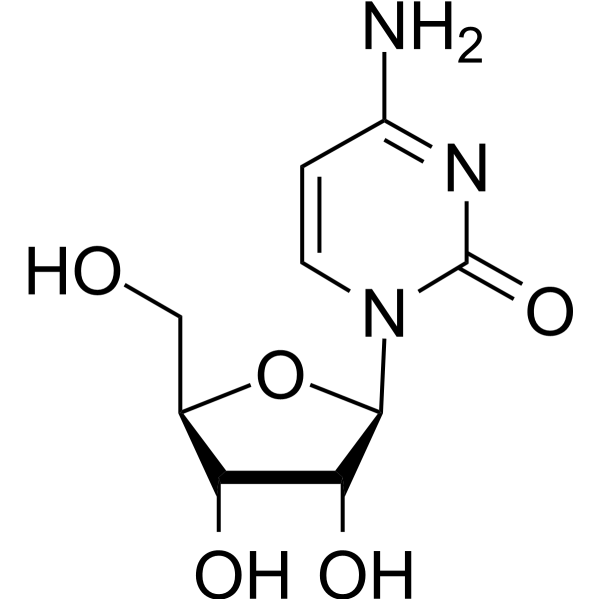
    Cytidine
    Maximum Cited Publications
    8 Publications Verification

    Cytosine β-D-riboside; Cytosine-1-β-D-ribofuranoside

    Nucleoside Antimetabolite/Analog Endogenous Metabolite Neurological Disease
    Cytidine is a pyrimidine nucleoside and acts as a component of RNA. Cytidine is a precursor of uridine. Cytidine controls neuronal-glial glutamate cycling, affecting cerebral phospholipid metabolism, catecholamine synthesis, and mitochondrial function .
    Cytidine
  • HY-W010382
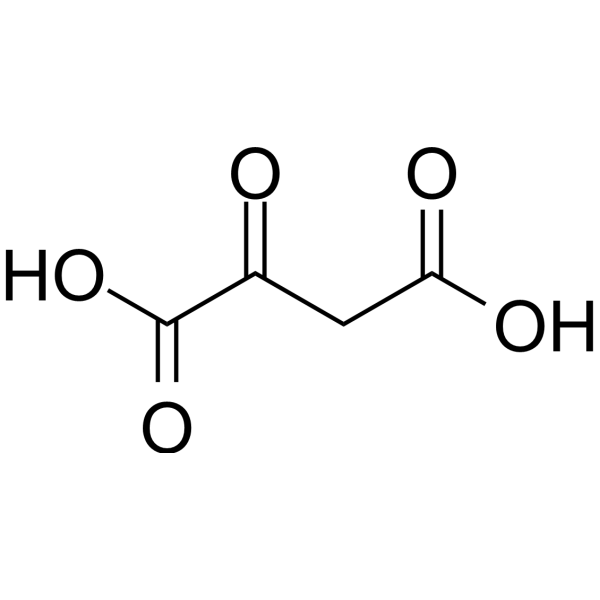
    Oxaloacetic acid
    2 Publications Verification

    2-Oxosuccinic acid

    Endogenous Metabolite Reactive Oxygen Species (ROS) Metabolic Disease
    Oxaloacetic acid (2-Oxosuccinic acid) is a metabolic intermediate involved in several ways, such as citric acid cycle, gluconeogenesis, the urea cycle, the glyoxylate cycle, amino acid synthesis, and fatty acid synthesis, whereby Oxaloacetic acid facilitates the clearance of reactive oxygen species (ROS) and improves mitochondrial function .
    Oxaloacetic acid
  • HY-N9933
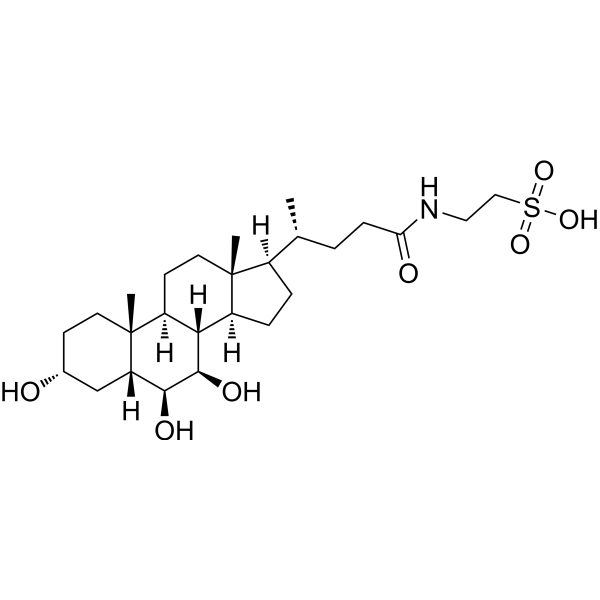
    Tauro-β-muricholic acid
    4 Publications Verification

    TβMCA

    FXR Apoptosis Neurological Disease Metabolic Disease Inflammation/Immunology Cancer
    Tauro-β-muricholic acid (TβMCA) is an orally active trihydroxylated bile acid and a competitive, reversible FXR antagonist (IC50=40 μM). Tauro-β-muricholic acid inhibits bile acid-induced hepatocyte apoptosis by maintaining mitochondrial membrane potential, while simultaneously inhibiting intestinal FXR signaling, affecting bile acid synthesis, hepatic lipid metabolism, and insulin sensitivity. Accumulation of tauro-β-muricholic acid disrupts metabolic homeostasis, promoting cancer stem cell proliferation and tumor progression. The mechanisms of tauro-β-muricholic acid involve two aspects: first, inhibiting the translocation of the pro-apoptotic protein Bax to mitochondria and maintaining mitochondrial membrane potential (MMP); and second, blocking the FXR signaling pathway to regulate bile acid metabolism, reduce serum ceramide production, and downregulate the hepatic SREBP1C/CIDEA pathway. Tauro-β-muricholic acid possesses anti-hepatocyte apoptosis, bile acid homeostasis regulation, and liver fat accumulation reduction properties, and also functions as a biomarker, making it useful in the study of diseases such as bile acid metabolism disorders, non-alcoholic fatty liver disease, colorectal cancer, and liver fibrosis .
    Tauro-β-muricholic acid
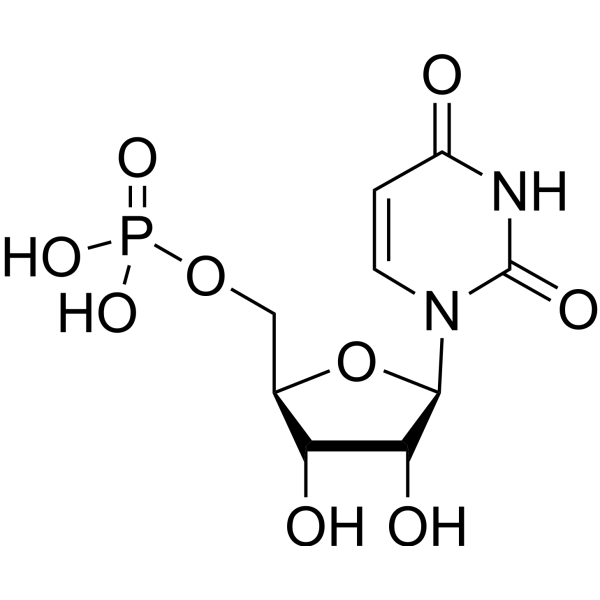
  • HY-101981
    Uridine 5'-monophosphate
    2 Publications Verification

    5'-​Uridylic acid

    Endogenous Metabolite Cholinesterase (ChE) Potassium Channel Apoptosis Cardiovascular Disease Metabolic Disease
    Uridine 5'-monophosphate (5'-Uridylic acid) is an orally active mitochondrial ATP-dependent potassium channel activator that has a protective effect on the heart. Uridine 5'-monophosphate can promote the synthesis of CDP-choline and induce apoptosis in intestinal epithelial cells, which is beneficial for gut development and reduces diarrhea .
    Uridine 5'-monophosphate
  • HY-B0762
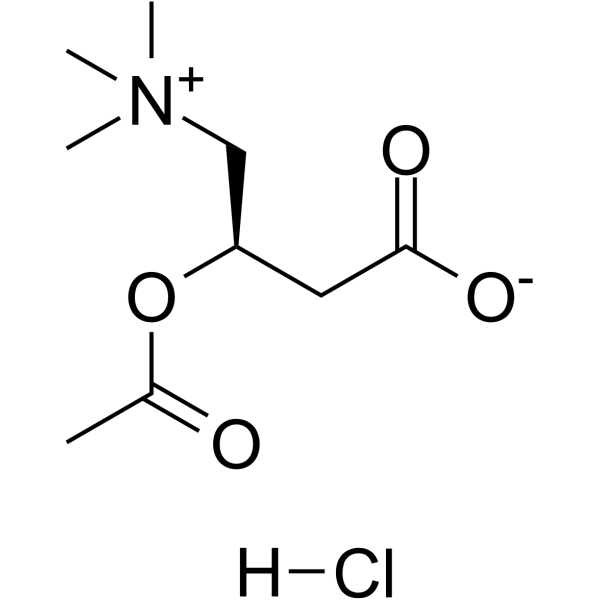
    Acetyl-L-carnitine hydrochloride
    2 Publications Verification

    O-Acetyl-L-carnitine hydrochloride; ALCAR hydrochloride

    Caspase Apoptosis Neurological Disease
    Acetyl-L-carnitine (O-Acetyl-L-carnitine; ALCAR) hydrochloride is an orally active mitochondrial energy metabolism regulator and neuroprotectant that can penetrate the blood-brain barrier. Acetyl-L-carnitine hydrochloride selectively enters cells and the brain through the organic cation transporter OCTN2. Acetyl-L-carnitine hydrochloride can participate in fatty acid β-oxidation, promote acetylcholine synthesis, regulate mitochondrial function and inhibit oxidative stress as an acetyl donor. Acetyl-L-carnitine hydrochloride exerts its activity by enhancing energy metabolism, protecting neurons and improving synaptic plasticity. Acetyl-L-carnitine hydrochloride is mainly used in the study of neurodegenerative diseases and metabolic disorder-related diseases such as neonatal hypoxic-ischemic brain damage, Alzheimer's disease, and depression .
    Acetyl-L-carnitine hydrochloride
  • HY-P2048
    MOTS-c (human)
    1 Publications Verification

    Apoptosis GLUT AMPK Neurological Disease Metabolic Disease Inflammation/Immunology Endocrinology
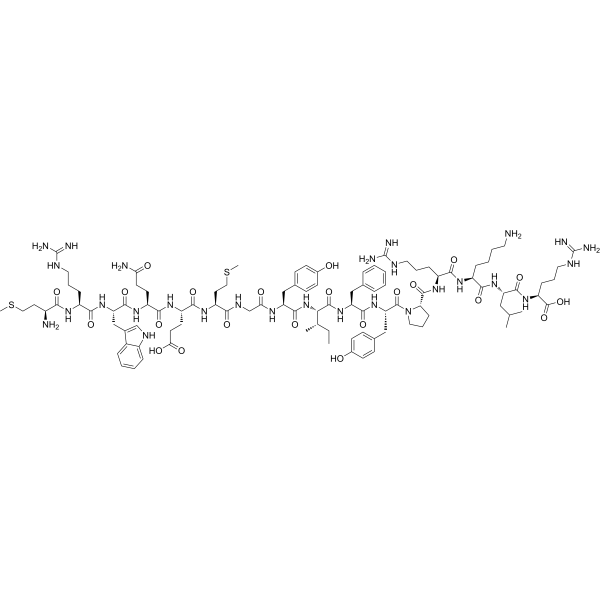
    MOTS-c (human) is a blood-brain barrier-penetrating, mitochondrial-derived peptide that modulates the AMPK/PGC-1α pathway to enhance insulin sensitivity. MOTS-c (human) inhibits the folate cycle and de novo purine synthesis, increases AICAR levels to activate AMPK, and then regulates the Nrf2/Keap1 antioxidant pathway and inhibits the NF-κB inflammatory pathway, while promoting mitochondrial biogenesis and energy metabolism. MOTS-c (human) has the effects of improving glucose and lipid metabolism, anti-oxidative stress, anti-inflammatory and neuroprotection, and can be used in the study of type 2 diabetes, traumatic brain injury, inflammatory diseases and aging-related metabolic disorders .
    MOTS-c (human)
  • HY-121360

    DNA/RNA Synthesis Reactive Oxygen Species (ROS) Cancer
    Cylindrospermopsin, a cyanotoxin, is a polycyclic uracil derivative containing guanidine and sulfate groups, which can inhibit protein synthesis and covalently modify DNA or RNA. Cylindrospermopsin induces hepatocellular hypertrophy, renal cellular hypertrophy, intracellular reactive oxygen species (ROS), DNA strand breaks, mitochondrial hyperpolarisation, ultrastructural damage, and altered gene expression in liver, kidney, and intestinal cells. Cylindrospermopsin can be used in research including hepatocellular carcinoma and water quality testing .
    Cylindrospermopsin
  • HY-113218
    Acetyl-L-carnitine
    2 Publications Verification

    O-Acetyl-L-carnitine; ALCAR

    Caspase Apoptosis Neurological Disease
    Acetyl-L-carnitine (O-Acetyl-L-carnitine; ALCAR) is an orally active mitochondrial energy metabolism regulator and neuroprotectant that can penetrate the blood-brain barrier. Acetyl-L-carnitine selectively enters cells and the brain through the organic cation transporter OCTN2. Acetyl-L-carnitine can participate in fatty acid β-oxidation, promote acetylcholine synthesis, regulate mitochondrial function and inhibit oxidative stress as an acetyl donor. Acetyl-L-carnitine exerts its activity by enhancing energy metabolism, protecting neurons and improving synaptic plasticity. Acetyl-L-carnitine is mainly used in the study of neurodegenerative diseases and metabolic disorder-related diseases such as neonatal hypoxic-ischemic brain damage, Alzheimer's disease, and depression .
    Acetyl-L-carnitine
  • HY-B0863
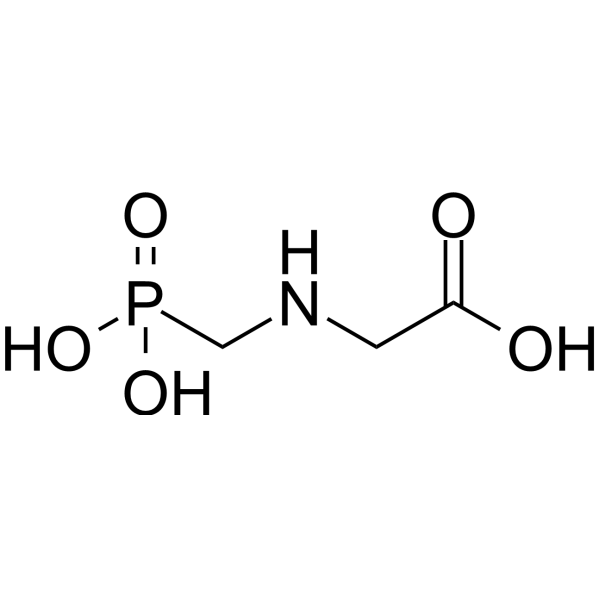
    Glyphosate
    1 Publications Verification

    Environmental Pollutants Necroptosis Apoptosis Autophagy Neurological Disease
    Glyphosate, a non-selective systemic biocide with broad-spectrum activity, is an herbicidal derivative of the amino acid glycine. Glyphosate inhibits the enzymatic activity of the 5-endopyruvylshikimate 3-phosphate synthase (EPSPS) in the shikimic acid pathway, preventing the synthesis of the aromatic amino acids tyrosine, phenylalanine, and tryptophan. Glyphosate induces oxidative stress, neuroinflammation, and mitochondrial dysfunction, processes that lead to neuronal death by autophagia, necrosis, or apoptosis, as well as the appearance of behavioral and motor disorders .
    Glyphosate
  • HY-P1925A
    GO-203 TFA
    2 Publications Verification

    PI3K Reactive Oxygen Species (ROS) Apoptosis Cancer
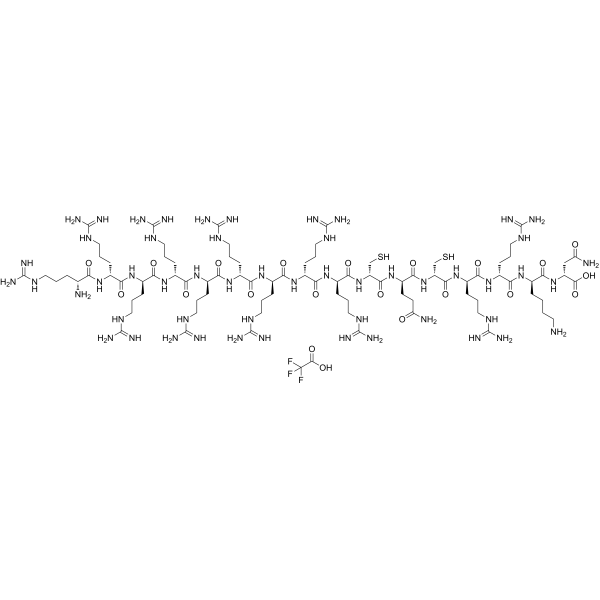
    GO-203 TFA is a potent MUC1-C oncoprotein inhibitor. GO-203 TFA is an all D-amino acid peptide that consists of a poly-R transduction domain linked to a CQCRRKN motif that binds to the MUC1-C cytoplasmic tail and blocks MUC1-C homodimerization. GO-203 TFA downregulates TIGAR (TP53-induced glycolysis and apoptosis regulator) protein synthesis by inhibiting the PI3K-AKT-S6K1 pathway. GO-203 TFA induces the production of ROS and loss of mitochondrial transmembrane potential. GO-203 TFA inhibits the growth of colon cancer cells in vitro and as xenografts in nude mice .
    GO-203 TFA
  • HY-111536
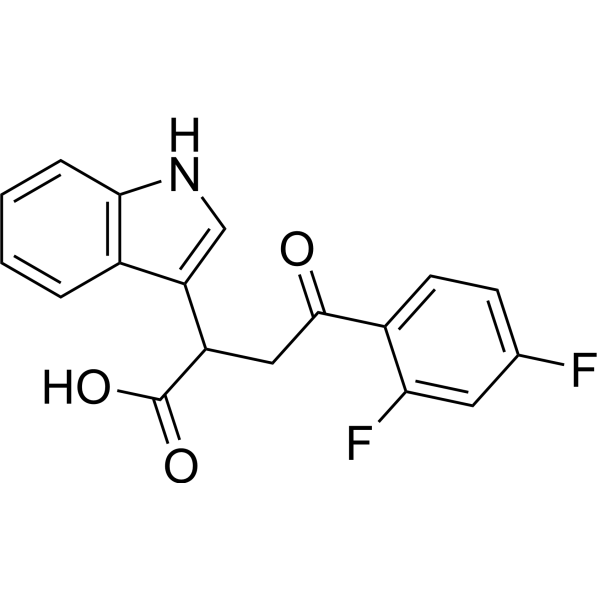
    Mitochonic acid 5
    5 Publications Verification

    MA-5

    Oxidative Phosphorylation Mitochondrial Metabolism Cardiovascular Disease
    Mitochonic acid 5 binds mitochondria and ameliorates renal tubular and cardiac myocyte damage. Mitochonic acid 5 modulates mitochondrial ATP synthesis.
    Mitochonic acid 5
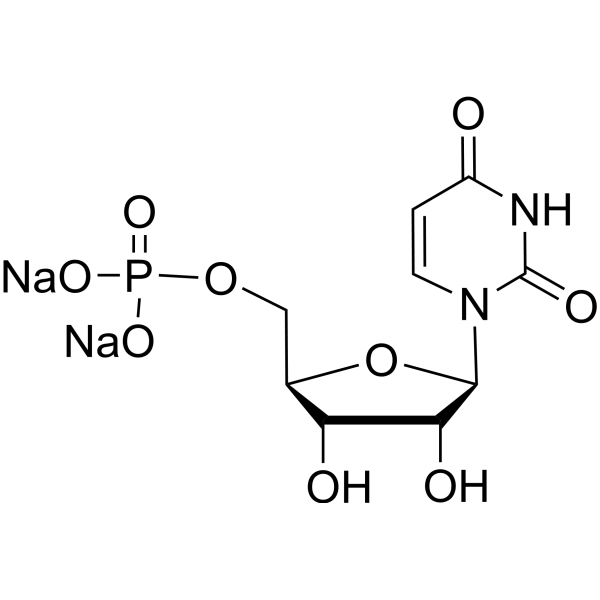
  • HY-W013175
    Uridine 5'-monophosphate disodium salt
    2 Publications Verification

    5'-​Uridylic acid disodium salt

    Endogenous Metabolite Cholinesterase (ChE) Potassium Channel Apoptosis Cardiovascular Disease Metabolic Disease
    Uridine 5'-monophosphate (5'-Uridylic acid) disodium salt is an orally active mitochondrial ATP-dependent potassium channel activator that has a protective effect on the heart. Uridine 5'-monophosphate disodium salt can promote the synthesis of CDP-choline and induce apoptosis in intestinal epithelial cells, which is beneficial for gut development and reduces diarrhea .
    Uridine 5'-monophosphate disodium salt
  • HY-W010201
    Citronellol
    2 Publications Verification

    (±)-Citronellol; (±)-β-Citronellol

    Environmental Pollutants Necroptosis Autophagy Fungal Reactive Oxygen Species (ROS) ERK Atg8/LC3 TNF Receptor Apoptosis PI3K p62 Cardiovascular Disease Neurological Disease Cancer
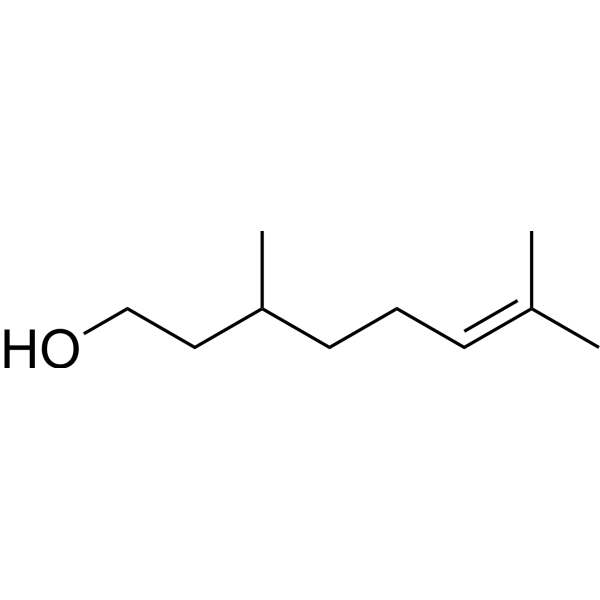
    Citronellol ((±)-Citronellol) is an orally active inducer of apoptosis. Citronellol can prevent oxidative stress, mitochondrial dysfunction, and apoptosis in the SH-SY5Y cell Parkinson's disease model induced by 6-OHDA by regulating the ROS-NO, MAPK/ERK, and PI3K/Akt signaling pathways. Citronellol can induce necroptosis in human lung cancer cells through the TNF-α pathway and accumulation of ROS. Citronellol can reduce the levels of LC-3 and p62 to regulate the autophagy pathway, inhibit oxidative stress and neuroinflammation, and thus have neuroprotective effects on Parkinson's rats. Citronellol exhibits anti-fungal activity against Trichophyton rubrum by inhibiting ergosterol synthesis .
    Citronellol
  • HY-B2004

    Environmental Pollutants Fungal Mitochondrial Metabolism Infection
    Thifluzamide is a fungicide that inhibits fungal respiration by blocking the ubiquinone-binding site in mitochondrial complex II. Thifluzamide exhibits significant activity against Basidiomycota pathogens (such as Rhizoctonia cerealis, Ustilago and Puccinia genera) and is commonly used in studies on wheat sharp eyespot. Thifluzamide displays a dual mechanism in regulating lipid metabolism: it reduces fatty acid synthase activity to inhibit endogenous fatty acid synthesis, and increases carnitine palmitoyltransferase-I activity to accelerate fatty acid β-oxidation, thereby reducing total cholesterol and triglyceride levels in the liver. Thifluzamide also induces hepatotoxicity in zebrafish models and carries a risk of developmental toxicity. Thifluzamide inhibition of Rhizoctonia cerealis may result in low to moderate levels of drug resistance, leading to the generation of stable drug-resistant mutants .
    Thifluzamide
  • HY-15877
    BTB06584
    2 Publications Verification

    ATP Synthase Cancer
    BTB06584 is a selective and IF1-dependent mitochondrial F1Fo-ATPase inhibitor without compromising ATP synthesis. BTB06584 can delays ischaemic cell death .
    BTB06584
  • HY-174216

    DNA/RNA Synthesis Oxidative Phosphorylation Mitochondrial Metabolism Neurological Disease Metabolic Disease
    PZL-A is a activator of mitochondrial DNA (mtDNA) synthesis. PZL-A restores wild-type-like activity to mutant forms of polymerase γ (POLγ) with AC50 s of 160 and 20 nM for A467T and G848S. PZL-A activates mtDNA synthesis in cells, enhancing biogenesis of the oxidative phosphorylation machinery and cellular respiration. PZL-A is promising for relieving POLG disease and other severe conditions linked to depletion of mtDNA .
    PZL-A
  • HY-163771

    Pyruvate Carboxylase (PC) Metabolic Disease
    Pyruvate Carboxylase-IN-5 (compound 6m) is a pyruvate carboxylase inhibitor with high selectivity and permeability. Pyruvate carboxylase is a mitochondrial enzyme that catalyzes the carboxylation of pyruvate to oxaloacetate, a process that plays an important role in maintaining steady-state levels of Krebs cycle intermediates, which are precursors for the synthesis of biomacromolecules such as amino acids, fatty acids, and glucose .
    Pyruvate Carboxylase-IN-5
  • HY-P2994

    3-HBDH

    Endogenous Metabolite Metabolic Disease
    3-Hydroxybutyrate dehydrogenase (3-HBDH), a mitochondrial enzyme, is a key enzyme in the ketone body metabolism pathway. 3-Hydroxybutyrate dehydrogenase is the last enzyme for ketone synthesis in the liver and the first enzyme for ketone breakdown in extracellular tissues. The absence of 3-Hydroxybutyrate dehydrogenase leads to the inhibition of fatty acid oxidation in the liver during fasting in mice, resulting in lipid accumulation and the development of fatty liver .
    3-Hydroxybutyrate dehydrogenase
  • HY-B0762S

    O-Acetyl-L-carnitine-d3 hydrochloride

    Isotope-Labeled Compounds Caspase Apoptosis Neurological Disease
    Acetyl-L-carnitine-d3 (O-Acetyl-L-carnitine-d3) hydrochloride is the deuterium labeled Acetyl-L-carnitine hydrochloride (HY-B0762). Acetyl-L-carnitine (O-Acetyl-L-carnitine; ALCAR) hydrochloride is an orally active mitochondrial energy metabolism regulator and neuroprotectant that can penetrate the blood-brain barrier. Acetyl-L-carnitine hydrochloride selectively enters cells and the brain through the organic cation transporter OCTN2. Acetyl-L-carnitine hydrochloride can participate in fatty acid β-oxidation, promote acetylcholine synthesis, regulate mitochondrial function and inhibit oxidative stress as an acetyl donor. Acetyl-L-carnitine hydrochloride exerts its activity by enhancing energy metabolism, protecting neurons and improving synaptic plasticity. Acetyl-L-carnitine hydrochloride is mainly used in the study of neurodegenerative diseases and metabolic disorder-related diseases such as neonatal hypoxic-ischemic brain damage, Alzheimer's disease, and depression .
    Acetyl-L-carnitine-d3 hydrochloride
  • HY-P3016A

    EC 2.6.1.1, porcine heart; GOT, porcine heart; AST, porcine heart

    Aminotransferases (Transaminases) Cardiovascular Disease
    Aspartate aminotransferase (EC 2.6.1.1), porcine heart is a metabolic regulator with the highest activity in the heart, liver and skeletal muscle. Aspartate aminotransferase, porcine heart comprises two isozymes: the cytoplasmic form (AST1) and the mitochondrial form (AST2). By catalyzing reversible transamination reactions between oxaloacetate, L-glutamate and other substances, it is deeply involved in key physiological processes such as amino acid metabolism, the tricarboxylic acid cycle and neurotransmitter synthesis. Aspartate aminotransferase, porcine heart also provides substrate support for the synthesis of urea and purines/pyrimidines. Aspartate aminotransferase, porcine heart is a serum marker reflecting cardiac and hepatic injury, and its abnormal levels are also closely associated with myocardial infarction, cardiovascular diseases and various cancers .
    Aspartate aminotransferase, porcine heart
  • HY-W008923
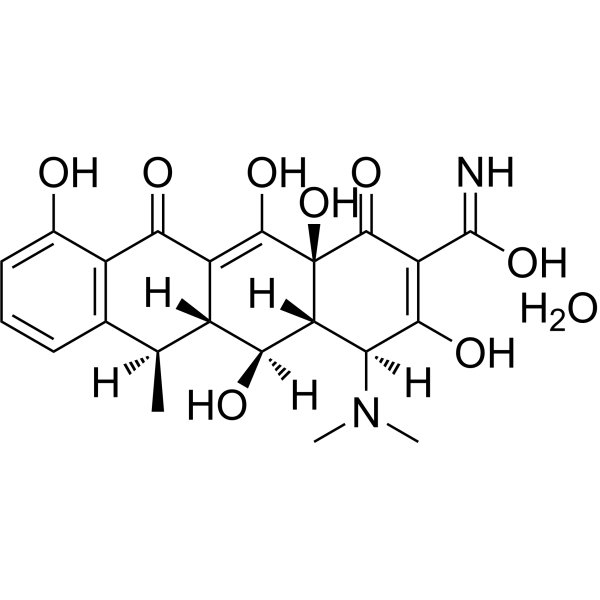
    Doxycycline monohydrate
    Maximum Cited Publications
    173 Publications Verification

    MMP Parasite Bacterial Antibiotic Apoptosis Akt PI3K Infection Neurological Disease Inflammation/Immunology Cancer
    Doxycycline monohydrate is an orally active highly lipophilic, tissue-permeable MMP inhibitor with broad-spectrum antibacterial activity. Doxycycline monohydrate is also a semi-synthetic antibiotic with chelating properties, which blocks bacterial protein synthesis and inhibits extracellular matrix degradation through interactions with zinc and calcium atoms. Doxycycline monohydrate also inhibits mitochondrial biogenesis, translation, and the expression of respiratory chain proteins. Doxycycline monohydrate induces apoptosis, inhibits autophagy and EMT, downregulates stem cell markers, and activates the PI3K-AKT pathway, thereby effectively inhibiting the viability and proliferation of cancer cells such as breast cancer cells. Doxycycline monohydrate also promotes the survival and self-renewal of embryonic stem cells and neural stem cells, and reduces the frequency of medium changes in culture. Doxycycline monohydrate has been applied in studies related to breast cancer, prostate cancer, bladder cancer, and other cancers .
    Doxycycline monohydrate
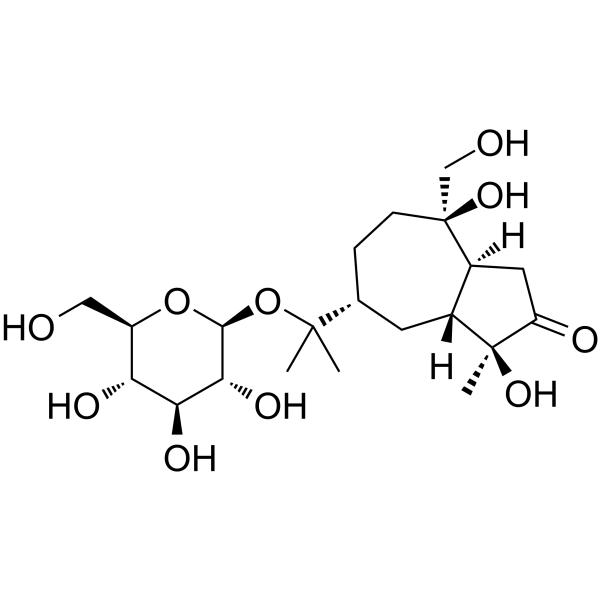
  • HY-N0237
    Atractyloside A
    3 Publications Verification

    Toll-like Receptor (TLR) MyD88 NF-κB Mitochondrial Metabolism Interleukin Related Aquaporin Cardiovascular Disease Metabolic Disease Inflammation/Immunology
    Atractyloside A is an orally active inhibitor of the TLR4/MyD88/NF-κB signaling pathway and also an opener of the mitochondrial permeability transition pore (MPTP). Atractyloside A interferes with the activation of the TLR4/MyD88/NF-κB pathway, thereby inhibiting intestinal inflammatory responses. Atractyloside A reverses mucin synthesis impairment, improves intestinal barrier integrity, and restores homeostasis by altering the composition of the gut microbiota. Atractyloside A can be used in studies related to spleen deficiency diarrhea and myocardial injury .
    Atractyloside A
  • HY-P3003

    Potassium Channel Apoptosis Autophagy Reactive Oxygen Species (ROS) Mitochondrial Metabolism Infection Neurological Disease Metabolic Disease Inflammation/Immunology
    Cereulide is an orally active, blood-brain barrier-permeable emetic toxin. Cereulide acts as a potassium ionophore that inserts into membranes, forms complexes with K +, and transports K + from the cytoplasm into the mitochondrial matrix. Cereulide disrupts the electrochemical gradient of the inner mitochondrial membrane, leading to mitochondrial swelling and dysfunction, uncoupling of oxidative phosphorylation, inhibition of ATP synthesis, ROS accumulation, and ultimately triggering apoptosis and autophagy. Cereulide exhibits multi-organ toxicity and can be used for research on emetic food poisoning .
    Cereulide
  • HY-N4104
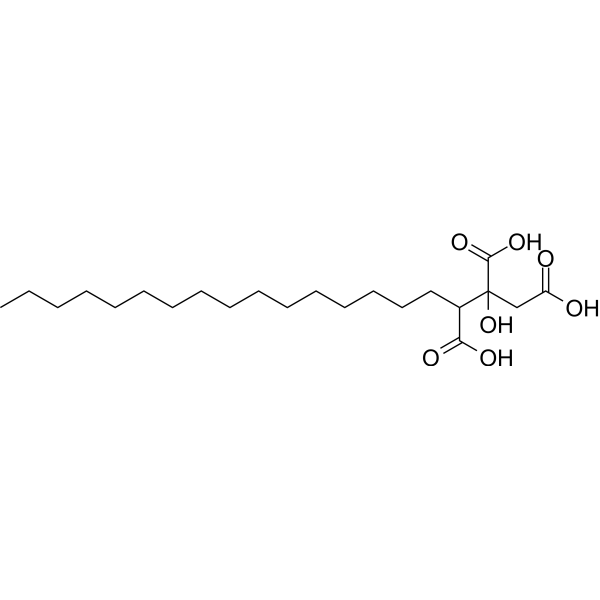
    Agaric acid
    1 Publications Verification

    Agaricinic Acid

    Mitochondrial Metabolism Bacterial Calcium Channel Infection Metabolic Disease
    Agaric acid (Agaricinic Acid) is an orally active inhibitor of adenine nucleotide translocase found in specific fungi. Agaric acid can inhibit the biofilm formation of various bacteria such as Salmonella. Agaric acid can also induce mitochondrial permeability transition, prompting mitochondria to release Ca 2+, disrupting the transmembrane potential, and causing mitochondrial swelling. In addition, Agaric acid can also inhibit citrate transport in liver mitochondria and participate in the inhibition of fatty acid synthesis, affecting multiple metabolic processes .
    Agaric acid
  • HY-16350
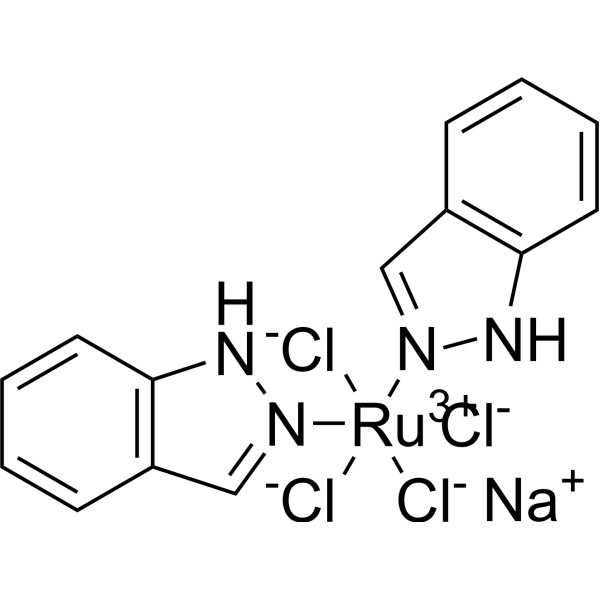
    BOLD-100
    1 Publications Verification

    NKP-1339; IT-139; KP-1339

    DNA/RNA Synthesis Apoptosis Cancer
    BOLD-100 (NKP-1339; IT-139) is the first-in-class ruthenium-based anticancer agent in development against solid cancer with limited side effects. BOLD-100 induces G2/M cell cycle arrest, blockage of DNA synthesis, and induction of apoptosis via the mitochondrial pathway. BOLD-100 has a high tumor targeting potential, strongly binds to serum proteins such as albumin and transferrin and activates in the reductive tumor milieu .
    BOLD-100
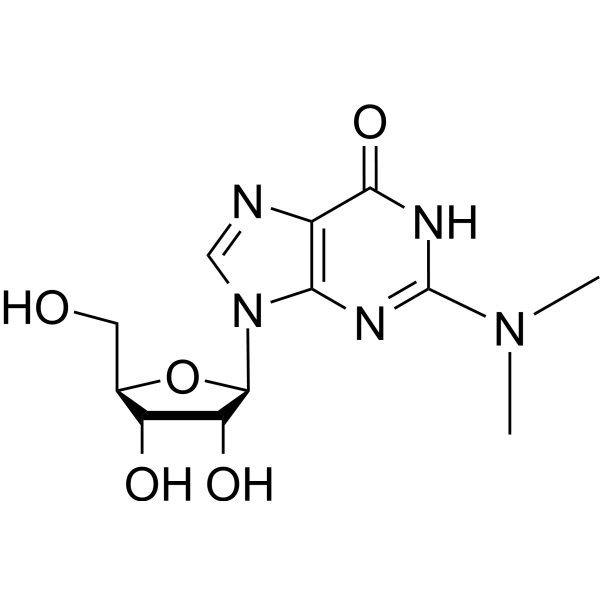
  • HY-113137
    N2,N2-Dimethylguanosine
    4 Publications Verification

    Endogenous Metabolite Cancer
    N2,N2-Dimethylguanosine is a methylated modified nucleoside present in RNA and serves as a structural modification component of tRNA. N2,N2-Dimethylguanosine inhibits reverse transcriptase-mediated cDNA synthesis and is one of the key modifications affecting sequencing efficiency in high-throughput RNA sequencing. N2,N2-Dimethylguanosine can be selectively demethylated at one methyl group by AlkB mutant enzymes (such as D135S/L118V) and converted to N2-methylguanosine, thereby reducing the inhibition of reverse transcription .
    N2,N2-Dimethylguanosine
  • HY-148009

    16:0-18:1 Cardiolipin sodium

    Biochemical Assay Reagents Others
    Cardiolipin (16:0/18:1/16:0/18:1) (16:0-18:1 Cardiolipin) sodium is a di-saturated mitochondrial-specific anionic phospholipid sodium salt containing the long-chain fatty acid palmitic acid (HY-N0830) and the monounsaturated fatty acid oleic acid (HY-N1446). Cardiolipin (16:0/18:1/16:0/18:1) sodium undergoes in-source fragmentation via diglyceride (DG)-H2O fragment formation and (DG-H2O) fragment loss pathways. Cardiolipin (16:0/18:1/16:0/18:1) sodium can be used in the synthesis of lipid nanodiscs for application in in situ mass spectrometry .
    Cardiolipin (16:0/18:1/16:0/18:1) sodium
  • HY-112747

    LPI; PE (soy)

    Phospholipase Infection
    Soy PE (LPI) is the most abundant phospholipid in prokaryotes and the second most abundant found in the membrane of mammalian, plant, and yeast cells, comprising approximately 25% of total mammalian phospholipids. In the brain, phosphatidylethanolamine comprises almost half of the total phospholipids. It is synthesized mainly through the cytidine diphosphate-ethanolamine and phosphatidylserine decarboxylation pathways, which occur in the endoplasmic reticulum (ER) and mitochondrial membranes, respectively. It is a precursor in the synthesis of phosphatidylcholine and arachidonoyl ethanolamide and is a source of ethanolamine used in various cellular functions. In E.coli, phosphatidylethanolamine deficiency prevents proper assembly of lactose permease, suggesting a role as a lipid chaperone. It is a cofactor in the propagation of prions in vitro and can convert recombinant mammalian proteins into infectious molecules even in the absence of RNA. This product contains phosphatidylethanolamine molecular species with variable fatty acyl chain lengths at the sn-1 and sn-2 positions .
    Soy PE
  • HY-132182
    HPA-12
    1 Publications Verification

    Ceramidase Autophagy Apoptosis ATF6 Neurological Disease Cancer
    HPA-12 is a blood-brain barrier-permeable small-molecule inhibitor of ceramide transfer protein (CERT) with four stereoisomers (the (1R,3R)-stereoisomer exhibits the highest activity). HPA-12 blocks the transport of ceramide from the endoplasmic reticulum to the Golgi apparatus by binding to the START domain of CERT, leading to intracellular ceramide accumulation and inhibition of sphingomyelin (SM) synthesis. HPA-12 induces endoplasmic reticulum stress via the GRP78/ATF6/CHOP axis and activates mitochondrial autophagy, thereby inhibiting cell growth and inducing apoptosis. In in vivo experiments, HPA-12 significantly reduces the leukemia burden and splenomegaly in mouse models of acute myeloid leukemia (AML) and prolongs survival. HPA-12 is applicable for the research of lipid metabolism in acute myeloid leukemia and Alzheimer's disease .
    HPA-12
  • HY-148165

    Nucleoside Antimetabolite/Analog Neurological Disease
    L-Cytidine is an L-configurational form of Cytidine (HY-B0158). L-Cytidine is a pyrimidine nucleoside, a component of RNA. Cytidine can control the glial glutamate cycle, affect brain phospholipid metabolism, catecholamine synthesis and mitochondrial function .
    L-Cytidine
  • HY-P2048A
    MOTS-c(human) acetate
    1 Publications Verification

    AMPK GLUT Neurological Disease Metabolic Disease Inflammation/Immunology Endocrinology
    MOTS-c (human) acetate is a blood-brain barrier-penetrating, mitochondrial-derived peptide that modulates the AMPK/PGC-1α pathway to enhance insulin sensitivity. MOTS-c (human) acetate inhibits the folate cycle and de novo purine synthesis, increases AICAR levels to activate AMPK, and then regulates the Nrf2/Keap1 antioxidant pathway and inhibits the NF-κB inflammatory pathway, while promoting mitochondrial biogenesis and energy metabolism. MOTS-c (human) acetate has the effects of improving glucose and lipid metabolism, anti-oxidative stress, anti-inflammatory and neuroprotection, and can be used in the study of type 2 diabetes, traumatic brain injury, inflammatory diseases and aging-related metabolic disorders .
    MOTS-c(human) acetate
  • HY-P2989

    Endogenous Metabolite Metabolic Disease Cancer
    Pyruvate carboxylase is a key mitochondrial anaplerotic enzyme that catalyzes the conversion of pyruvate to oxaloacetate. Pyruvate carboxylase not only maintains tricarboxylic acid cycle activity and redox homeostasis, but also drives hepatic gluconeogenesis and fatty acid synthesis. The activity of Pyruvate carboxylase is upregulated in insulin-resistant states, exacerbating hepatic glucose production. Pyruvate carboxylase also shows significantly enhanced expression in early-stage non-small cell lung cancer (NSCLC). Pyruvate carboxylase promotes tumor proliferation by supporting nucleotide and lipid synthesis, and its functional deficiency cannot be compensated by glutaminolysis. Pyruvate carboxylase can be used in the research of prediabetes type 2 and NSCLC .
    Pyruvate carboxylase
  • HY-139398
    TBI-223
    1 Publications Verification

    Antibiotic Bacterial Infection
    TBI-223 is an orally active oxazolidinone antibiotic and an antimicrobial. TBI-223 shows activity against Mycobacterium tuberculosis (Mtb). TBI-223 exhibits an IC50 of 68 μg/mL for inhibiting mitochondrial protein synthesis (MPS) in HepG2 cells. TBI-223 is effective in three mouse models (bloodstream infection, skin infection, and bone infection) of methicillin-resistant staphylococcus aureus infection. TBI-223 can be used for the study of tuberculosis .
    TBI-223
  • HY-P3016

    EC 2.6.1.1; GOT; AST

    Aminotransferases (Transaminases) Cardiovascular Disease
    Aspartate aminotransferase (EC 2.6.1.1), Genetically engineered bacteria is a metabolic regulator with the highest activity in the heart, liver and skeletal muscle. Aspartate aminotransferase, Genetically engineered bacteria comprises two isozymes: the cytoplasmic form (AST1) and the mitochondrial form (AST2). By catalyzing reversible transamination reactions between oxaloacetate, L-glutamate and other substances, it is deeply involved in key physiological processes such as amino acid metabolism, the tricarboxylic acid cycle and neurotransmitter synthesis. Aspartate aminotransferase, Genetically engineered bacteria also provides substrate support for the synthesis of urea and purines/pyrimidines. Aspartate aminotransferase, Genetically engineered bacteria is a serum marker reflecting cardiac and hepatic injury, and its abnormal levels are also closely associated with myocardial infarction, cardiovascular diseases and various cancers .
    Aspartate aminotransferase, Genetically engineered bacteria
  • HY-130687A

    DL-Psicose

    PI3K mTOR Akt IGF-1R TGF-beta/Smad Mitochondrial Metabolism Neurological Disease Metabolic Disease
    Psicose (DL-Psicose) is an orally effective sugar substitute. Psicose activates the PI3K/Akt/mTOR pathway to promote muscle synthesis. Psicose upregulates IGF-1 and downregulates Myostatin. Psicose normalizes mitochondrial dysfunction by increasing G6P activity. Psicose enhances the activity of antioxidant enzymes and reduces oxidative stress markers. Psicose increases muscle mass, grip strength and muscle weight in aged mice and diet-induced obese mice. Psicose improves obesity and type 2 diabetes. Psicose can be used in the research of age-related sarcopenia .
    Psicose
  • HY-W017424

    Drug Intermediate Caspase Apoptosis Neurological Disease Cancer
    2-Aminobenzothiazole acts as a caspase 3/7 activator, an anticancer cytotoxic agent, and also exhibits neurotoxicity. 2-Aminobenzothiazole drives the apoptotic pathway by activating caspase 3/7, induces mitochondrial inner membrane depolarization, and triggers both early and late apoptosis via a caspase-dependent pathway. In zebrafish models, 2-Aminobenzothiazole induces oxidative damage in brain tissues and inhibits genes related to GABA and 5-HT synthesis pathways. Long-term exposure to 2-Aminobenzothiazole impairs motor ability, social behavior, anxiety-like state and cognitive function. 2-Aminobenzothiazole can be used in studies of human laryngeal carcinoma and related neurotoxicity .
    2-Aminobenzothiazole
  • HY-135700

    Calcineurin Ras HMG-CoA Reductase (HMGCR) Metabolic Disease Inflammation/Immunology
    Mevalonolactone is an intermediate metabolite in the eukaryotic mevalonate pathway, serving as the stable δ-lactone form of mevalonate with oral activity. Mevalonolactone exhibits binding affinity for ZNF384 (Ka = 12.6 μM) and inhibitory activity against aconitase (aconitase). Mevalonolactone promotes the nuclear localization of ZNF384 and enhances its binding to the GGPPS promoter. Mevalonolactone induces insulin resistance, disrupts glucose and lipid metabolism, enhances the isoprenylation of K-Ras, and inhibits the activation of the insulin signaling pathway. Mevalonolactone inhibits polypeptide synthesis of HMG-CoA reductase in isolated rat hepatocytes, promotes its degradation, and reduces its enzymatic activity. Mevalonolactone impairs mitochondrial function in rat brains. Mevalonolactone promotes the development of metabolically unhealthy obesity. Mevalonolactone can be used in research related to metabolically abnormal obesity, mevalonic aciduria, HMGCR-related limb-girdle myopathy, and statin-induced myopathy .
    Mevalonolactone
  • HY-150407

    Ligands for Target Protein for PROTAC Autophagy Others Neurological Disease Cancer
    TSPO ligand-1 is the ligand of AUTAC4 (HY-134640) that can be used in the synthesis of PROTACs. TSPO ligand-1 is a mitochondrial outer membrane transmembrane structural domain protein can bind to AUTAC4 and regulate mitochondrial autophagy to promote targeted mitochondrial renewal. TSPO ligand-1 is also involved in the transport of cholesterol from the outer to inner mitochondrial membrane and serves as a sensitive biomarker of brain injury and neurodegeneration .
    TSPO ligand-1
  • HY-136394
    Diafenthiuron
    2 Publications Verification

    Environmental Pollutants Mitochondrial Metabolism Oxidative Phosphorylation Parasite Others
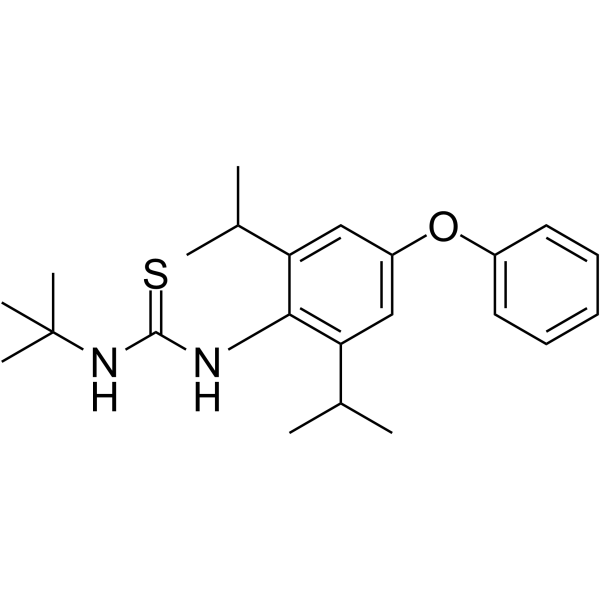
    Diafenthiuron is a thiourea compound commonly used a broad-spectrum insecticide and acaricide. Diafenthiuron disturbs the insect respiratory system by inhibiting the oxidative phosphorylation and mitochondrial ATP synthesis .
    Diafenthiuron
  • HY-B0158S7

    Cytosine β-D-riboside-13C9; Cytosine-1-β-D-ribofuranoside-13C9

    Nucleoside Antimetabolite/Analog Endogenous Metabolite Isotope-Labeled Compounds Neurological Disease
    Cytidine- 13C9 (Cytosine β-D-riboside- 13C9) is 13C labeled Cytidine (HY-B0158). Cytidine is a pyrimidine nucleoside and acts as a component of RNA. Cytidine is a precursor of uridine. Cytidine controls neuronal-glial glutamate cycling, affecting cerebral phospholipid metabolism, catecholamine synthesis, and mitochondrial function .
    Cytidine-13C9
  • HY-W747676

    Isotope-Labeled Compounds Apoptosis Autophagy Necroptosis Neurological Disease
    Glyphosate- 13C is the 13C-labeled Glyphosate (HY-B0863). Glyphosate, a non-selective systemic biocide with broad-spectrum activity, is an herbicidal derivative of the amino acid glycine. Glyphosate inhibits the enzymatic activity of the 5-endopyruvylshikimate 3-phosphate synthase (EPSPS) in the shikimic acid pathway, preventing the synthesis of the aromatic amino acids tyrosine, phenylalanine, and tryptophan. Glyphosate induces oxidative stress, neuroinflammation, and mitochondrial dysfunction, processes that lead to neuronal death by autophagia, necrosis, or apoptosis, as well as the appearance of behavioral and motor disorders .
    Glyphosate-13C
  • HY-Y0716

    Environmental Pollutants Biochemical Assay Reagents Metabolic Disease
    3-t-Butylphenol is a mitochondrial uncoupler. 3-t-Butylphenol disrupts the proton gradient, inhibits ATP synthesis and induces cytotoxicity .
    3-t-Butylphenol
  • HY-P3003S

    Isotope-Labeled Compounds Apoptosis Potassium Channel Mitochondrial Metabolism Autophagy Reactive Oxygen Species (ROS) Infection Neurological Disease Metabolic Disease Inflammation/Immunology
    Cereulide- 13C6 is a deuterated form of Cereulide. Cereulide is an orally active, blood-brain barrier-permeable emetic toxin. Cereulide acts as a potassium ionophore that inserts into membranes, forms complexes with K +, and transports K + from the cytoplasm into the mitochondrial matrix. Cereulide disrupts the electrochemical gradient of the inner mitochondrial membrane, leading to mitochondrial swelling and dysfunction, uncoupling of oxidative phosphorylation, inhibition of ATP synthesis, ROS accumulation, and ultimately triggering apoptosis and autophagy. Cereulide exhibits multi-organ toxicity and can be used for research on emetic food poisoning.
    Cereulide-13C6
  • HY-W010382R
    Oxaloacetic acid (Standard)
    2 Publications Verification

    2-Oxosuccinic acid (Standard)

    Reference Standards Endogenous Metabolite Reactive Oxygen Species (ROS) Metabolic Disease
    Oxaloacetic acid (Standard) is the analytical standard of Oxaloacetic acid. This product is intended for research and analytical applications. Oxaloacetic acid (2-Oxosuccinic acid) is a metabolic intermediate involved in several ways, such as citric acid cycle, gluconeogenesis, the urea cycle, the glyoxylate cycle, amino acid synthesis, and fatty acid synthesis, whereby Oxaloacetic acid facilitates the clearance of reactive oxygen species (ROS) and improves mitochondrial function .
    Oxaloacetic acid (Standard)
  • HY-B0158S6

    Cytosine β-D-riboside-15N3; Cytosine-1-β-D-ribofuranoside-15N3

    Nucleoside Antimetabolite/Analog Endogenous Metabolite Neurological Disease
    Cytidine- 15N3 is the 15N labeled Cytidine . Cytidine is a pyrimidine nucleoside and acts as a component of RNA. Cytidine is a precursor of uridine. Cytidine controls neuronal-glial glutamate cycling, affecting cerebral phospholipid metabolism, catecholamine synthesis, and mitochondrial function .
    Cytidine-15N3
  • HY-B0158R

    Cytosine β-D-riboside (Standard); Cytosine-1-β-D-ribofuranoside (Standard)

    Reference Standards Nucleoside Antimetabolite/Analog Endogenous Metabolite Neurological Disease
    Cytidine (Standard) is the analytical standard of Cytidine. This product is intended for research and analytical applications. Cytidine is a pyrimidine nucleoside and acts as a component of RNA. Cytidine is a precursor of uridine. Cytidine controls neuronal-glial glutamate cycling, affecting cerebral phospholipid metabolism, catecholamine synthesis, and mitochondrial function . In Vivo:Cytidine decreases glutamate/glutamine levels and induces earlier improvement of depressive symptoms .
    Cytidine (Standard)
  • HY-101981R

    5'-​Uridylic acid (Standard)

    Reference Standards Endogenous Metabolite Cardiovascular Disease Metabolic Disease
    Uridine 5'-monophosphate (Standard) is the analytical standard of Uridine 5'-monophosphate. This product is intended for research and analytical applications. Uridine 5'-monophosphate (5'-Uridylic acid) is an orally active mitochondrial ATP-dependent potassium channel activator that has a protective effect on the heart. Uridine 5'-monophosphate can promote the synthesis of CDP-choline and induce apoptosis in intestinal epithelial cells, which is beneficial for gut development and reduces diarrhea.
    Uridine 5'-monophosphate (Standard)
  • HY-B0762S1

    O-Acetyl-L-carnitine-d3-1 hydrochloride

    Isotope-Labeled Compounds Caspase Apoptosis Neurological Disease
    Acetyl-L-carnitine-d3-1 (O-Acetyl-L-carnitine-d3-1) hydrochloride is the deuterium labeled Acetyl-L-carnitine hydrochloride (HY-B0762). Acetyl-L-carnitine (O-Acetyl-L-carnitine; ALCAR) hydrochloride is an orally active mitochondrial energy metabolism regulator and neuroprotectant that can penetrate the blood-brain barrier. Acetyl-L-carnitine hydrochloride selectively enters cells and the brain through the organic cation transporter OCTN2. Acetyl-L-carnitine hydrochloride can participate in fatty acid β-oxidation, promote acetylcholine synthesis, regulate mitochondrial function and inhibit oxidative stress as an acetyl donor. Acetyl-L-carnitine hydrochloride exerts its activity by enhancing energy metabolism, protecting neurons and improving synaptic plasticity. Acetyl-L-carnitine hydrochloride is mainly used in the study of neurodegenerative diseases and metabolic disorder-related diseases such as neonatal hypoxic-ischemic brain damage, Alzheimer's disease, and depression .
    Acetyl-L-carnitine-d3-1 hydrochloride
  • HY-128710

    2'-​Deoxy-​2'-​fluoro-​5-​Methyluridine

    Nucleoside Antimetabolite/Analog Cancer
    2'-Fluorothymidine (2'-Fluoro-2'-deoxythymidine) is a nucleoside analog and hCNT inhibitor, with an IC50 of 1.1 μM against hCNT1 and an IC50 of 9.7 μM against hCNT3. 2'-Fluorothymidine undergoes phosphorylation by cytosolic thymidine kinase (TK1) and mitochondrial thymidine kinase (TK2). 2'-Fluorothymidine acts as a backbone stabilizer in oligonucleotide synthesis and can also form radiolabeled candidates. 2'-Fluorothymidine is applicable in tumor-related research .
    2'-Fluorothymidine
  • HY-W013175S2

    5'-​Uridylic acid-13C9,15N2 disodium

    Isotope-Labeled Compounds Endogenous Metabolite Cholinesterase (ChE) Potassium Channel Apoptosis Cardiovascular Disease Metabolic Disease
    Uridine 5'-monophosphate- 13C9, 15N2 disodium is the 13C and 15N labeled Uridine 5'-monophosphate disodium salt (HY-W013175). Uridine 5'-monophosphate (5'-Uridylic acid) disodium salt is an orally active mitochondrial ATP-dependent potassium channel activator that has a protective effect on the heart. Uridine 5'-monophosphate disodium salt can promote the synthesis of CDP-choline and induce apoptosis in intestinal epithelial cells, which is beneficial for gut development and reduces diarrhea .
    Uridine 5'-monophosphate-13C9,15N2 disodium

Inquiry Online

Your information is safe with us. * Required Fields.

Salutation


Country or Region *

Applicant Name *


Organization Name *

Department *


Email Address *


Product Name *

Cat. No.


Requested quantity *

Phone Number *


Remarks

Inquiry Online

Inquiry Information

Product Name:
Cat. No.:
Quantity:
MCE Japan Authorized Agent:

