

1. Search Result
Search Result
Results for "

Mortality

" in MedChemExpress (MCE) Product Catalog:

88

Inhibitors & Agonists

9

Screening Libraries

11

Peptides

3

Inhibitory Antibodies

20

Natural
Products

1

Recombinant Proteins

7

Isotope-Labeled Compounds

1

Click Chemistry

1

Oligonucleotides

Cat. No. Product Name Target Research Areas Chemical Structure
  • HY-113416
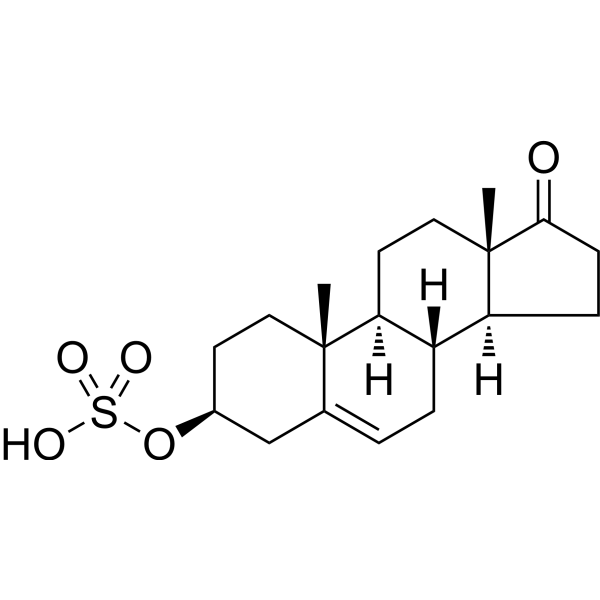
    Dehydroepiandrosterone sulfate
    5 Publications Verification

    DHEA sulfate; Prasterone sulfate

    GABA Receptor Sigma Receptor iGluR PPAR NF-κB Neurological Disease Metabolic Disease Inflammation/Immunology
    Dehydroepiandrosterone sulfate (DHEA sulfate; Prasterone sulfate) is a neurosteroid and the main secretion product of the adrenal gland. Dehydroepiandrosterone sulfate has both non-competitive antagonist activity of GABAA receptor and agonist activity of σ1 receptor. Dehydroepiandrosterone sulfate can partially penetrate the blood-brain barrier, inhibit GABAA receptor-mediated chloride influx, enhance NMDA receptor activity through σ1 receptors, exert anti-inflammatory, anti-glucocorticoid and antidepressant effects, and increase convulsive sensitivity. Dehydroepiandrosterone sulfate participates in neuroprotection, neurite growth regulation and catecholamine secretion regulation, and can be used in the study of depression, post-traumatic stress disorder (PTSD), Alzheimer's disease, etc. Dehydroepiandrosterone sulfate may also be a biomarker for cardiovascular disease mortality, and its concentration is independently and negatively correlated with mortality .
    Dehydroepiandrosterone sulfate
  • HY-Y0740

    Environmental Pollutants Endogenous Metabolite Metabolic Disease
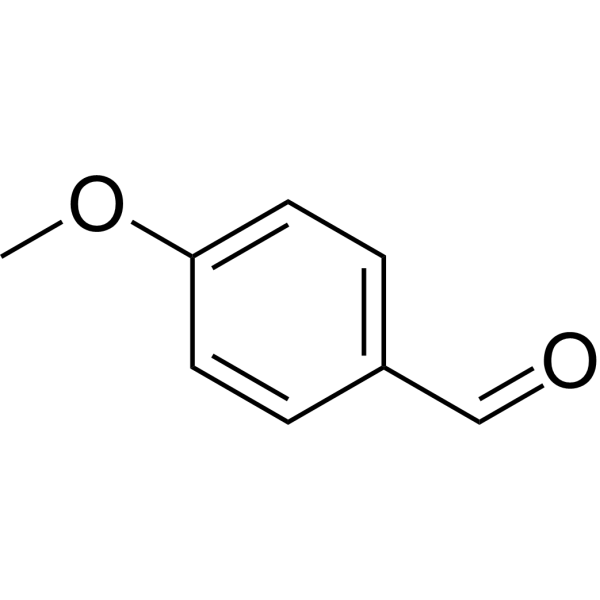
    4-Methoxybenzaldehyde (p-anisaldehyde) is a fragrant phenolic compound. 4-Methoxybenzaldehyde has been found in many plant species including horseradish, anise, star anise. 4-Methoxybenzaldehyde is a possible neurotoxicant and it has shown effects that include mortality, attractancy, and interference with host seeking .
    4-Methoxybenzaldehyde
  • HY-B0765
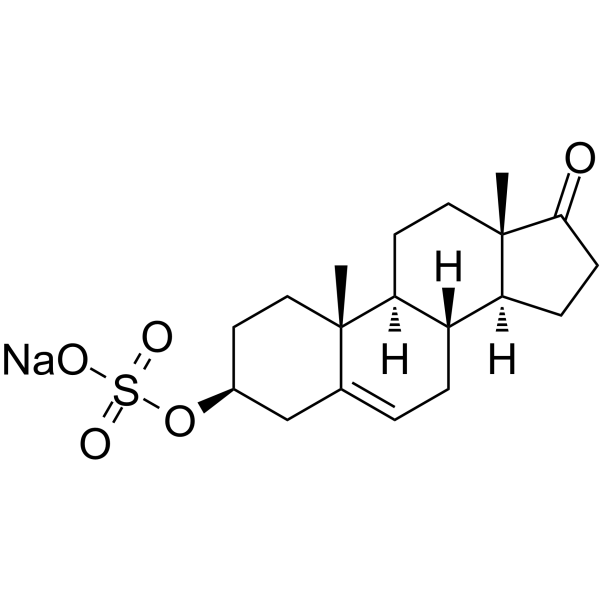
    Dehydroepiandrosterone sulfate sodium
    5 Publications Verification

    DHEA sulfate sodium; Prasterone sulfate sodium

    GABA Receptor Sigma Receptor iGluR PPAR NF-κB Neurological Disease Metabolic Disease Inflammation/Immunology
    Dehydroepiandrosterone sulfate (DHEA sulfate; Prasterone sulfate) sodium salt is a neurosteroid and the main secretion product of the adrenal gland. Dehydroepiandrosterone sulfate sodium salt has both non-competitive antagonist activity of GABAA receptor and agonist activity of σ1 receptor. Dehydroepiandrosterone sulfate sodium salt can partially penetrate the blood-brain barrier, inhibit GABAA receptor-mediated chloride influx, enhance NMDA receptor activity through σ1 receptors, exert anti-inflammatory, anti-glucocorticoid and antidepressant effects, and increase convulsive sensitivity. Dehydroepiandrosterone sulfate sodium salt participates in neuroprotection, neurite growth regulation and catecholamine secretion regulation, and can be used in the study of depression, post-traumatic stress disorder (PTSD), Alzheimer's disease, etc. Dehydroepiandrosterone sulfate sodium salt may also be a biomarker for cardiovascular disease mortality, and its concentration is independently and negatively correlated with mortality .
    Dehydroepiandrosterone sulfate sodium
  • HY-P2260
    Tat-beclin 1
    5+ Cited Publications

    CHIKV Autophagy HIV Infection
    Tat-beclin 1, a peptide derived from a region of the autophagy protein (beclin 1), is a potent inducer of autophagy and interacts with negative regulator of autophagy, GAPR-1 (GLIPR2). Tat-beclin 1 decreases the accumulation of polyglutamine expansion protein aggregates and the replication of several pathogens (including HIV-1) in vitro, and reduces mortality in mice infected with chikungunya (CHIKV) or West Nile virus (WNV) .
    Tat-beclin 1
  • HY-B0027
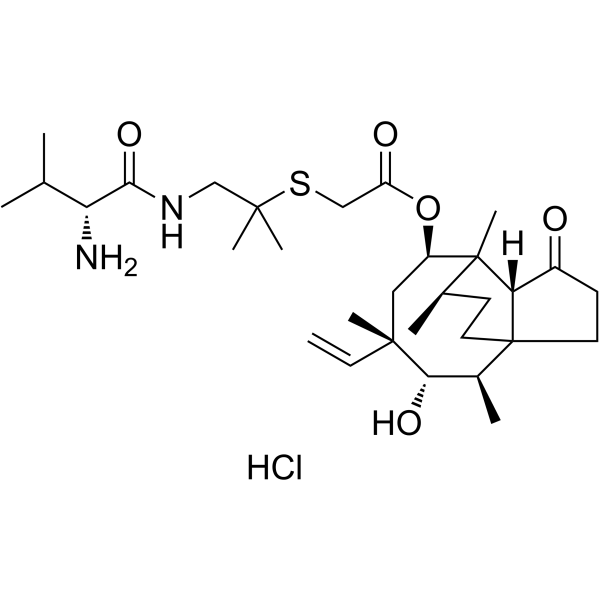
    Valnemulin hydrochloride
    2 Publications Verification

    Antibiotic Bacterial Infection Metabolic Disease
    Valnemulin hydrochloride is an orally effective truncated pleurotin antibiotic that inhibits protein synthesis in bacteria by binding to peptidyl transferase in the 50s ribosome subunit. Valnemulin hydrochloride effectively eliminates Mycobacterium bovis in the lungs in an experimental bovine model of Mycoplasma bovis infection. Valnemulin hydrochloride can reduce the mortality of epidemic rabbit enteropathy and has no adverse effect on the growth performance of rabbits .
    Valnemulin hydrochloride
  • HY-109556

    Akt ERK Metabolic Disease
    Insulin Detemir is an artificial insulin, shows effect on controlling blood sugar levels. Insulin Detemir stimulates GLP-1 secretion as a consequence of enhanced Gcg expression by a mechanism involving activation of Akt- and/or extracellular signal-regulated kinase (ERK)-dependent-cat and CREB signaling pathways. Insulin Detemir can be used for type 2 diabetes research .
    Insulin Detemir
  • HY-W017423

    Environmental Pollutants Cholinesterase (ChE) Neurological Disease
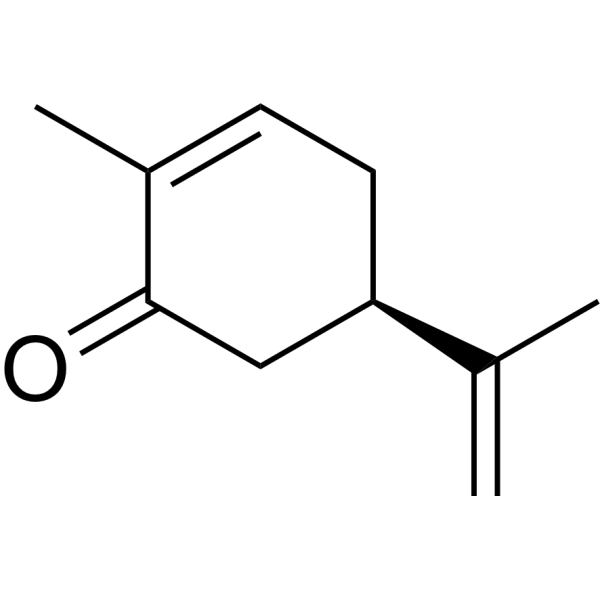
    (-)-Carvone is an insect neurotoxin and a irreversible acetylcholinesterase (AChE) inhibitor. (-)-Carvone can be used as a bird repellent, inhibits larval growth, decreases pupatation rate, and increases mortality of larvae .
    (-)-Carvone
  • HY-N9599

    Fungal Endogenous Metabolite Parasite Insecticide Infection
    Roridin A acts as an inhibitor of pollen development in Arabidopsis thaliana and nematicide. Roridin A is isolated from the fungus Cylindrocarpon sp. Roridin A delays the flowering time of Arabidopsis thaliana, inhibits pollen development and stem elongation, and blocks plant growth. Roridin A induces larval death of the southern root-knot nematode (Meloidogyne incognita) .
    Roridin A
  • HY-17424
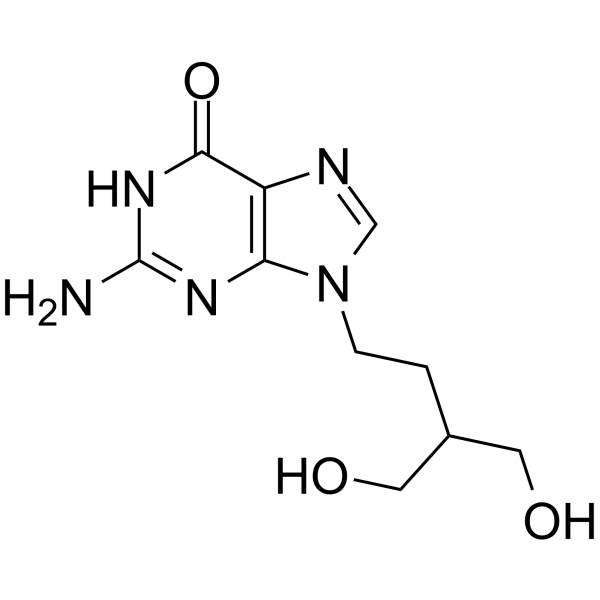
    Penciclovir
    1 Publications Verification

    BRL 39123; VSA 671

    HSV Infection
    Penciclovir (VSA 671) is a potent and selective anti-herpesvirus agent with EC50 values of 0.5, 0.8 μg/ml for HSV-1 (HFEM), HSV-2 (MS), respectively. Penciclovir shows anti-herpesvirus activity with no-toxic. Penciclovir preventes mortality in mouse .
    Penciclovir
  • HY-Y0284
    Diethyl phthalate
    2 Publications Verification

    Environmental Pollutants Biochemical Assay Reagents Apoptosis Aminotransferases (Transaminases) Phosphatase Endocrinology
    Diethyl phthalate is an orally active plasticizer and detergent base. Diethyl phthalate increases the activities of ACP, ALP, SDH, and ALT in liver, muscle, or both tissues. Diethyl phthalate induces dose-dependent mortality and sluggish behavior in freshwater fish. Diethyl phthalate may induce male reproductive toxicity. Diethyl phthalate is added to plastic polymers to help maintain their flexibility .
    Diethyl phthalate
  • HY-N7916

    L-Menthone

    Environmental Pollutants Others
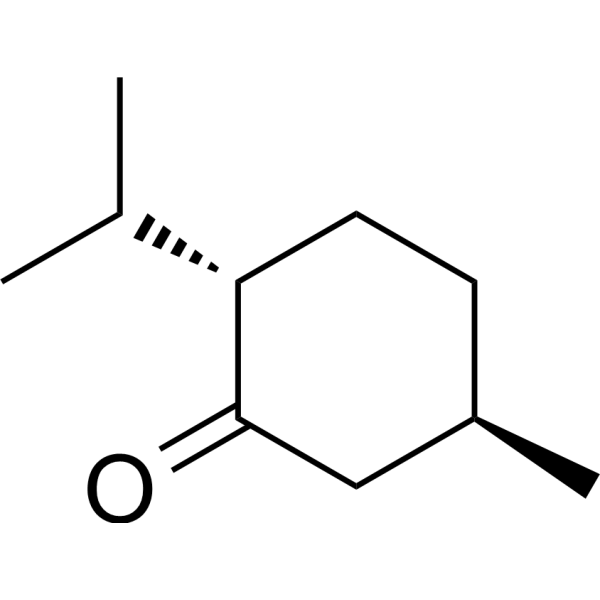
    (-)-Menthone is a monoterpene component of the essential oil of maturing peppermint. (+)-Neomenthyl-β-d-glucoside is a metabolite of (-)-Menthone [1].Mortality of two biological forms of Anopheles stephensi(larvae) exposed to about 45 ppm (-)-Menthone is 27.67% and 94.92%.
    (-)-Menthone
  • HY-W203683

    PFNA; Heptadecafluorononanoic acid

    PPAR PERK Metabolic Disease
    Perfluorononanoic acid (PFNA) is an orally active PPARα activator. Perfluorononanoic acid activates PPARα-mediated gene expression, including upregulating target genes associated with lipid metabolism and triglyceride storage. Perfluorononanoic acid exhibits certain developmental and reproductive toxicity. Perfluorononanoic acid causes hepatomegaly in pregnant mice, induces high postnatal mortality in neonatal mice, and leads to dose-dependent delays in eye-opening time and puberty onset in mouse offspring .
    Perfluorononanoic acid
  • HY-P99124
    Anti-Mouse CD3 Antibody (17A2)
    1 Publications Verification

    CD3 Inflammation/Immunology
    Anti-Mouse CD3 Antibody (17A2) is an anti-mouse CD3 IgG2b antibody inhibitor derived from the host Rat. Anti-Mouse CD3 Antibody (17A2) enhances T-cell proliferation and activation and stimulate IFN-γ or IL-17 production in splenic T cells. Anti-Mouse CD3 Antibody (17A2) significantly suppresses mortality in Graft-versus-host disease (GVHD) mice models .
    Anti-Mouse CD3 Antibody (17A2)
  • HY-15648C
    GSK-J5
    1 Publications Verification

    Histone Demethylase Parasite Cancer
    GSK-J5 is a potent inhibitor of Schistosome and worm. GSK-J5 increases schistosomula mortality and adult worm motility and mortality, as well as egg oviposition, in a dose- and time-dependent manner .
    GSK-J5
  • HY-119487

    STAT Inflammation/Immunology
    MMPP is an anti-inflammatory agent. MMPP prevents LPS-induced mortality by inhibiting the inflammatory response via STAT3 activity inhibition .
    MMPP
  • HY-141921S

    DHEA sulfate sodium-d6; Prasterone sulfate sodium-d6

    Isotope-Labeled Compounds GABA Receptor Sigma Receptor iGluR PPAR NF-κB Neurological Disease Metabolic Disease Inflammation/Immunology
    Dehydroepiandrosterone sulfate sodium salt-d6 (DHEA sulfate sodium salt-d6; Prasterone sulfate sodium salt-d6) is the deuterium labeled Dehydroepiandrosterone sulfate sodium salt (HY-B0765). Dehydroepiandrosterone sulfate (DHEA sulfate; Prasterone sulfate) sodium salt is a neurosteroid and the main secretion product of the adrenal gland. Dehydroepiandrosterone sulfate sodium salt has both non-competitive antagonist activity of GABAA receptor and agonist activity of σ1 receptor. Dehydroepiandrosterone sulfate sodium salt can partially penetrate the blood-brain barrier, inhibit GABAA receptor-mediated chloride influx, enhance NMDA receptor activity through σ1 receptors, exert anti-inflammatory, anti-glucocorticoid and antidepressant effects, and increase convulsive sensitivity. Dehydroepiandrosterone sulfate sodium salt participates in neuroprotection, neurite growth regulation and catecholamine secretion regulation, and can be used in the study of depression, post-traumatic stress disorder (PTSD), Alzheimer's disease, etc. Dehydroepiandrosterone sulfate sodium salt may also be a biomarker for cardiovascular disease mortality, and its concentration is independently and negatively correlated with mortality .
    Dehydroepiandrosterone sulfate sodium-d6
  • HY-100978

    DL-Hexanoylcarnitine chloride

    Endogenous Metabolite Metabolic Disease
    (±)-Hexanoylcarnitine chloride is a fatty acid metabolite that breaks down fatty acids into energy that can be used by the body. (±)-Hexanoylcarnitine chloride also serves as a specific and easily detectable biomarker for rat skeletal muscle toxicity. Cerivastatin (HY-129458) and TMPD (HY-W012145) induce an increase in Hexanoylcarnitine in rats in a metabolomic analysis of the rectus femoris muscle. In type 2 diabetes, Hexanoylcarnitine is also significantly associated with and improves prediction of all-cause mortality. Hexanoylcarnitine is a biomarker for the identification of novel pathogenic pathways .
    (±)-Hexanoylcarnitine chloride
  • HY-P2260B

    HIV Infection
    Tat-beclin 1 scrambled is the scrambled part and a scrambled control of Tat-beclin 1 (HY-P2260), which is derived from a region of the autophagy protein, beclin 1. beclin 1 induces autophagy via binding human immunodeficiency virus, HIV-1 Nef and interacting with negative regulator GAPR-1 (GLIPR2). Tat-beclin 1 decreases the accumulation of polyglutamine expansion protein aggregates and the replication of several pathogens, such as HIV-1. Tat-beclin 1 also reduces mortality in mice infected with chikungunya or West Nile virus .
    Tat-beclin 1 scrambled
  • HY-174830

    PD-1/PD-L1 Cancer
    GJ19 is a PD-L1 inhibitor with an IC50 of 32.06 nM. GJ19 can effectively bind to human/murine PD-L1 protein with Kd values of 171 and 290 nM, respectively. GJ19 concentration-dependently promotes HepG2 cell mortality in a co-culture model of HepG2/hPD-L1 and Jurkat T/hPD-1 cells. GJ19 effectively suppresses tumor growth in a B16-F10 melanoma mouse model. GJ19 can be used for the study of tumor immunotherapy .
    GJ19
  • HY-130581

    Bacterial Cardiovascular Disease Inflammation/Immunology
    Lipid X is a 2,3-diacylglucosamine-1-phosphate that serves as the monosaccharide precursor of lipid A, possessing both LPS antagonist and weak agonist activities. Lipid X exerts protective effects by inhibiting tumor necrosis factor production, monocyte procoagulant activity, and neutrophil priming. Lipid X may induce transient pulmonary hypertension, neutropenia, and mild pyrogenic effects in laboratory animals. Lipid X has low toxicity and no in vitro antibacterial activity, but it significantly reduces mortality following Gram-negative bacterial infection and endotoxin exposure. Lipid X tends to accumulate in liver tissue, binds to circulating cellular components, and can be converted to lipid Y through transesterification. Lipid X can be used in research on Gram-negative bacterial sepsis, endotoxemia, and associated pulmonary hypertension .
    Lipid X
  • HY-17424R

    BRL 39123 (Standard); VSA 671 (Standard)

    Reference Standards HSV Infection
    Penciclovir (Standard) is the analytical standard of Penciclovir. This product is intended for research and analytical applications. Penciclovir (VSA 671) is a potent and selective anti-herpesvirus agent with EC50 values of 0.5, 0.8 µg/ml for HSV-1 (HFEM), HSV-2 (MS), respectively. Penciclovir shows anti-herpesvirus activity with no-toxic. Penciclovir preventes mortality in mouse .
    Penciclovir (Standard)
  • HY-106382

    HIV CMV Infection Cancer
    PMEDAP is a potent inhibitor of human immunodeficiency virus (HIV) replication. PMEDAP has anti-murine cytomegalovirus (MCMV) activity. PMEDAP is a very potent inhibitor of Moloney murine sarcoma virus (MSV)-induced tumor formation and associated mortality .
    PMEDAP
  • HY-B0337B

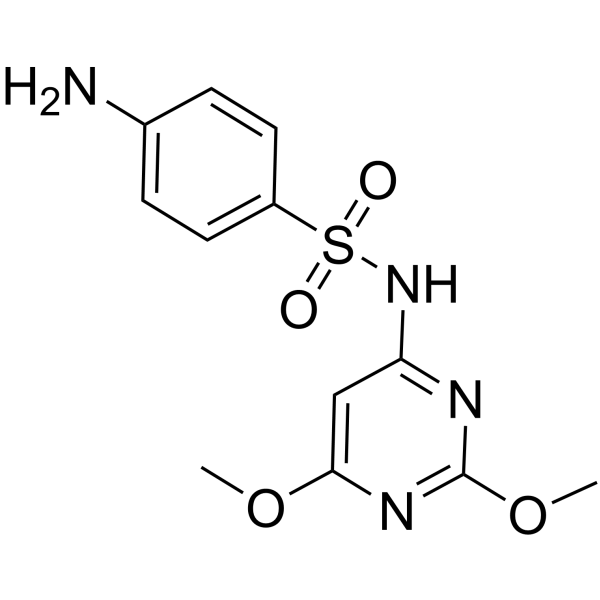
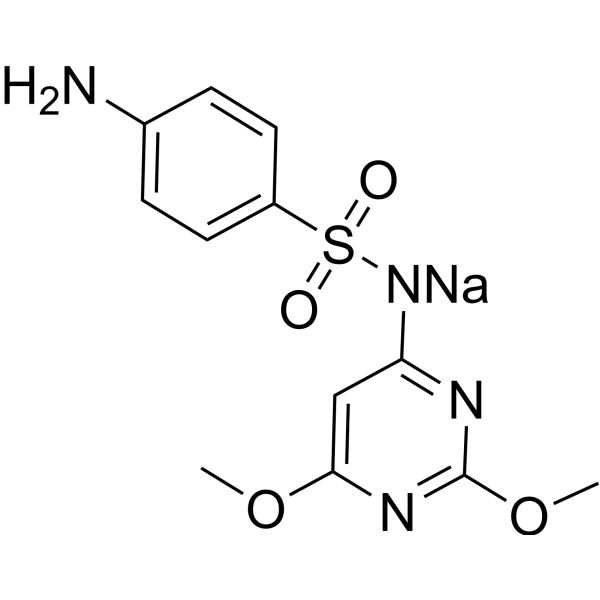
    Sulphadimethoxine 1000 µg/mL in methanol

    Antibiotic Parasite Environmental Pollutants Infection
    Sulfadimethoxine (Sulphadimethoxine) 1000 µg/mL in methanol is an orally active sulfonamide antibiotic. Sulfadimethoxine 1000 µg/mL in methanol reduces Eimeria-related mortality, weight loss, and lesions. Sulfadimethoxine 1000 µg/mL in methanol can be used for the research of avian coccidiosis .
    Sulfadimethoxine 1000 µg/mL in methanol
  • HY-113416R

    DHEA sulfate (Standard); Prasterone sulfate (Standard)

    Reference Standards GABA Receptor Sigma Receptor iGluR PPAR NF-κB Neurological Disease Metabolic Disease Inflammation/Immunology
    Dehydroepiandrosterone sulfate (DHEA sulfate; Prasterone sulfate) (Standard) is the analytical standard of Dehydroepiandrosterone sulfate (HY-113416). This product is intended for research and analytical applications. Dehydroepiandrosterone sulfate (DHEA sulfate; Prasterone sulfate) is a neurosteroid and the main secretion product of the adrenal gland. Dehydroepiandrosterone sulfate has both non-competitive antagonist activity of GABAA receptor and agonist activity of σ1 receptor. Dehydroepiandrosterone sulfate can partially penetrate the blood-brain barrier, inhibit GABAA receptor-mediated chloride influx, enhance NMDA receptor activity through σ1 receptors, exert anti-inflammatory, anti-glucocorticoid and antidepressant effects, and increase convulsive sensitivity. Dehydroepiandrosterone sulfate participates in neuroprotection, neurite growth regulation and catecholamine secretion regulation, and can be used in the study of depression, post-traumatic stress disorder (PTSD), Alzheimer's disease, etc. Dehydroepiandrosterone sulfate may also be a biomarker for cardiovascular disease mortality, and its concentration is independently and negatively correlated with mortality .
    Dehydroepiandrosterone sulfate (Standard)
  • HY-113416AS

    DHEA sulfate-d6 sodium dihydrate; Prasterone sulfate-d6 sodium dihydrate

    Isotope-Labeled Compounds GABA Receptor Sigma Receptor iGluR PPAR NF-κB Neurological Disease Metabolic Disease Inflammation/Immunology
    Dehydroepiandrosterone sulfate sodium dihydrate-d6 sodium dihydrate is the deuterium labeled Dehydroepiandrosterone sulfate sodium dihydrate. Dehydroepiandrosterone sulfate (DHEA sulfate; Prasterone sulfate) sodium dihydrate is a neurosteroid and the main secretion product of the adrenal gland. Dehydroepiandrosterone sulfate sodium dihydrate has both non-competitive antagonist activity of GABAA receptor and agonist activity of σ1 receptor. Dehydroepiandrosterone sulfate sodium dihydrate can partially penetrate the blood-brain barrier, inhibit GABAA receptor-mediated chloride influx, enhance NMDA receptor activity through σ1 receptors, exert anti-inflammatory, anti-glucocorticoid and antidepressant effects, and increase convulsive sensitivity. Dehydroepiandrosterone sulfate sodium dihydrate participates in neuroprotection, neurite growth regulation and catecholamine secretion regulation, and can be used in the study of depression, post-traumatic stress disorder (PTSD), Alzheimer's disease, etc. Dehydroepiandrosterone sulfate sodium dihydrate may also be a biomarker for cardiovascular disease mortality, and its concentration is independently and negatively correlated with mortality .
    Dehydroepiandrosterone sulfate-d6 sodium dihydrate
  • HY-P5640

    Bacterial Parasite Infection
    Tritrpticin is a porcine-derived antimicrobial peptide with properties such as membrane disruption and hemolysis. Tritrpticin disrupts the cell membranes of bacteria, fungi and Jurkat T cell leukemia cells and induces their death. Tritrpticin also enhances the efficacy of Metronidazole (HY-B0318) against *Trichomonas vaginalis*, reduces plasma endotoxin and inflammatory cytokine levels, restricts bacterial growth in blood and visceral tissues, decreases the mortality rate of septic shock in rats and enhances the therapeutic effect of ertapenem. Tritrpticin exhibits selective cytotoxicity against Jurkat T cell leukemia cells, while showing low toxicity to normal peripheral blood mononuclear cells and red blood cells, and can serve as a template for antimicrobial peptide design. Tritrpticin can be applied to research related to bacterial infections, fungal infections, trichomoniasis, septic shock and leukemia .
    Tritrpticin
  • HY-P3100

    Parasite Infection
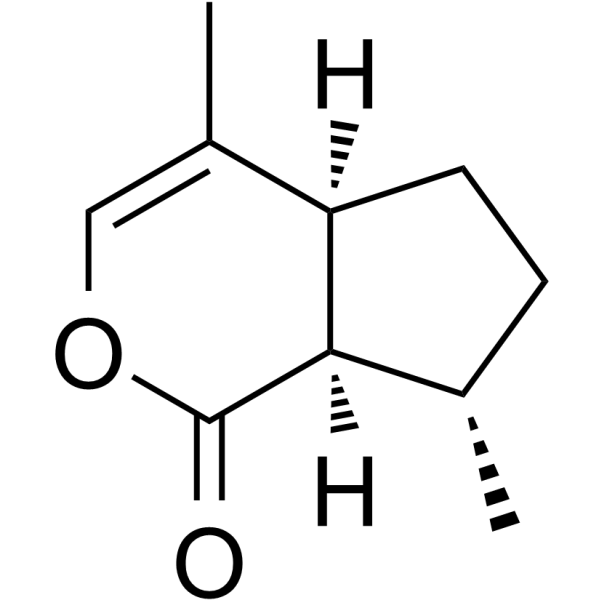
    Orfamide A is a major metabolite of insecticidal biosurfactant in Pseudomonas sp. F6 and has aphidicidal activity. Orfamide A can be used for aphid control in organic agriculture. Orfamide A exhibits dose-dependent mortality against aphids with an LC50 value of 34.5 μg/mL .
    Orfamide A
  • HY-114899

    Environmental Pollutants Cholinesterase (ChE) Insecticide Infection Neurological Disease
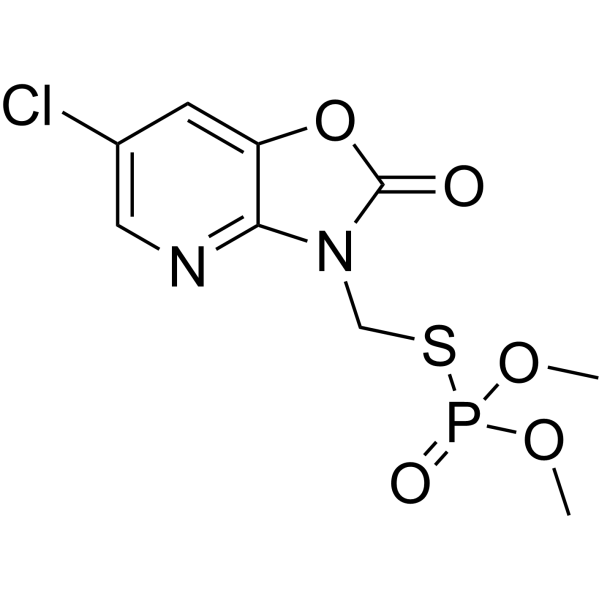
    Azamethiphos is an acetylcholinesterase inhibitor and insecticide. Azamethiphos covalently binds to acetylcholinesterase via phosphorylation, inhibits its activity, causes acetylcholine to accumulate in cholinergic synapses, triggers uncontrolled excitation of cholinergic sites, induces paralysis and leads to death. Azamethiphos can be used as a bath insecticide in salmonid aquaculture to control sea lice infestations, and it exerts acute toxicity to European lobster larvae, including mortality and movement disorders .
    Azamethiphos
  • HY-P3434A
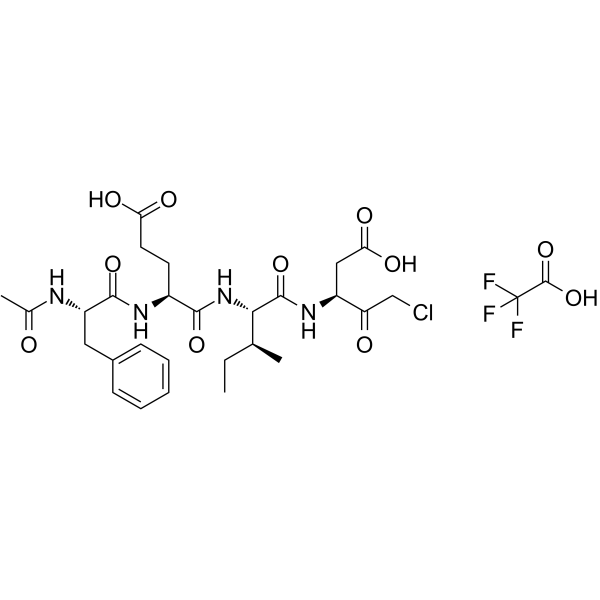
    Ac-FEID-CMK TFA
    2 Publications Verification

    Pyroptosis Inflammation/Immunology
    Ac-FEID-CMK TFA is a potent zebrafish-specific GSDMEb-derived peptide inhibitor. Ac-FEID-CMK TFA can attenuate the mortality and kidney injury during septic shock. Ac-FEID-CMK TFA inhibits pyroptosis and attenuates septic AKI (acute kidney injury) in vivo. Ac-FEID-CMK TFA can suppress the caspy2-mediated noncanonical inflammasome pathway .
    Ac-FEID-CMK TFA
  • HY-141713

    TRP Channel Neurological Disease Inflammation/Immunology
    ZA10 is a selective TRPM2 channel inhibitor, with an IC50 value of 8.1 μM. ZA10 can effectively suppress intracellular Ca 2+ overload triggered by TRPM2 channel activation. ZA10 significantly reduce the mortality of SH-SY5Y cells induced by H2O2. ZA10 can be used for the study of ischemia-reperfusion injury, inflammation, or other neurodegenerative diseases .
    ZA10
  • HY-141712

    TRP Channel Neurological Disease Inflammation/Immunology
    ZA18 is a selective TRPM2 channel inhibitor, with an IC50 value of 6.2 μM. ZA18 can effectively suppress intracellular Ca 2+ overload triggered by TRPM2 channel activation. ZA18 significantly reduce the mortality of SH-SY5Y cells induced by H2O2. ZA18 can be used for the study of ischemia-reperfusion injury, inflammation, or other neurodegenerative diseases .
    ZA18
  • HY-159925

    Cyclic GMP-AMP Synthase Infection Inflammation/Immunology
    QKY-613 is a prodrug that enhances immune surveillance by targeting nucleic acid modification pathways. QKY-613 promotes the selective incorporation of 6mdA (N6-methyldeoxyadenosine) into viral DNA, enhancing the phase separation potential of DNA, thereby increasing the activation of cGAS and strengthening host immune surveillance. In virus-infected mouse models, QKY-613 significantly reduced mortality in aged mice. QKY-613 holds promise for research on nucleic acid modification-based immune surveillance mechanisms .
    QKY-613
  • HY-N7697C

    Toll-like Receptor (TLR) Interleukin Related Reactive Oxygen Species (ROS) Cardiovascular Disease Metabolic Disease Inflammation/Immunology
    Chitohexaose hexahydrochloride is a small molecular polysaccharide. Chitohexaose hexahydrochloride inhibits the binding of AgW to TLR4. Chitohexaose hexahydrochloride upregulates IL-10, inhibits LPS-induced upregulation of ROS, induces alternative activation of macrophages/monocytes, and suppresses LPS-induced production of TNF-α, IL-1β and IL-6. Chitohexaose hexahydrochloride reverses the mortality of mice challenged with APAP or LPS. Chitohexaose hexahydrochloride can be used in research related to Acetaminophen (HY-66005)-induced hepatotoxicity and endotoxemia .
    Chitohexaose hexahydrochloride
  • HY-P2260C

    HIV Infection
    Tat-beclin 1 scrambled TFA is the scrambled part and a scrambled control of Tat-beclin 1 (HY-P2260), which is derived from a region of the autophagy protein, beclin 1. beclin 1 induces autophagy via binding human immunodeficiency virus, HIV-1 Nef and interacting with negative regulator GAPR-1 (GLIPR2). Tat-beclin 1 decreases the accumulation of polyglutamine expansion protein aggregates and the replication of several pathogens, such as HIV-1. Tat-beclin 1 also reduces mortality in mice infected with chikungunya or West Nile virus .
    Tat-beclin 1 scrambled TFA
  • HY-178163

    Ferroptosis Necroptosis RIP kinase Reactive Oxygen Species (ROS) Mixed Lineage Kinase Inflammation/Immunology
    Zharp1-163 is a dual inhibitor of ferroptosis and necroptosis. Zharp1-163 effectively blocks ferroptosis by reducing reactive oxygen species (ROS) levels and inhibits necroptosis by potently and selectively targeting RIPK1 kinase activity (KD = 240 nM; IC50 = 406.1 nM). Zharp1-163 inhibits the cellular activation of RIPK1, RIPK3 and MLKL in response to necroptotic stimulation. Zharp1-163 markedly attenuates TNF-α (HY-P1875)-induced systemic inflammatory syndrome, including the prevention of TNF-α-induced mortality and hypothermia in mice. Zharp1-163 significantly alleviates acute kidney injury associated with both necroptosis and ferroptosis in models induced by Cisplatin (HY-17394) and ischemia-reperfusion. Zharp1-163 can be used for the study of diseases associated with cell death pathways, such as kidney disease .
    Zharp1-163
  • HY-Y0740R

    Reference Standards Endogenous Metabolite Metabolic Disease
    4-Methoxybenzaldehyde (Standard) is the analytical standard of 4-Methoxybenzaldehyde. This product is intended for research and analytical applications. 4-Methoxybenzaldehyde (p-anisaldehyde) is a fragrant phenolic compound. 4-Methoxybenzaldehyde has been found in many plant species including horseradish, anise, star anise. 4-Methoxybenzaldehyde is a possible neurotoxicant and it has shown effects that include mortality, attractancy, and interference with host seeking .
    4-Methoxybenzaldehyde (Standard)
  • HY-146079

    Fungal Infection
    Antifungal agent 31 (compound 12) is a potent and orally active triazole antifungal agents with a pyrrolotriazinone scaffold. Antifungal agent 31 shows antifungal activity against Candida spp. and filamentous fungi. Antifungal agent 31 significantly reduced mortality rates and kidney fungal burden in two murine models of lethal systemic infections .
    Antifungal agent 31
  • HY-106166

    16α-Bromoepiandrosterone

    Drug Derivative NO Synthase Infection Inflammation/Immunology
    α-Epibromide (16α-Bromoepiandrosterone) is an adrenal steroid derivative. α-Epibromide decreases nitric oxide production. α-Epibromide restores T helper cell type 1 activity and accelerates chemotherapy-induced bacterial clearance in a model of progressive pulmonary tuberculosis. α-Epibromide reduces mortality related to excessive inflammation and opportunistic lung infections .
    α-Epibromide
  • HY-174820

    Necroptosis RIP kinase Inflammation/Immunology Cancer
    AZ'320 is an ATP-competitive necroptosis (EC50 of 4.9 μM) inhibitor and a RIPK1 (pKD of 5.45) inhibitor. AZ'320 inhibits necroptosis by inhibiting RIPK1 phosphorylation. AZ’320 prevents mortality of the mice and rescues temperature and body weight in SIRS mice models. AZ'320 can be used for researches of cancer and inflammation .
    AZ'320
  • HY-P2260A

    Autophagy HIV Infection
    Tat-beclin 1 TFA, a peptide derived from a region of the autophagy protein (beclin 1), is a potent inducer of autophagy and interacts with negative regulator of autophagy, GAPR-1 (GLIPR2). Tat-beclin 1 TFA decreases the accumulation of polyglutamine expansion protein aggregates and the replication of several pathogens (including HIV-1) in vitro, and reduces mortality in mice infected with chikungunya (CHIKV) or West Nile virus (WNV) .
    Tat-beclin 1 TFA
  • HY-165600A

    TMB-4

    Cholinesterase (ChE) Others
    Trimedoxime (TMB-4) is a blood-brain barrier-permeable cholinesterase reactivator . Trimedoxime reactivates cholinesterase inhibited by paraoxon, sarin, tabun and other agents, restricts the breakdown of acetylcholine and alleviates excessive cholinergic stimulation. Trimedoxime reduces mortality and prolongs survival time. Trimedoxime exhibits reactivation efficacy against AChE in rat tissues. Trimedoxime can be used in research related to organophosphate (paraoxon) poisoning and tabun poisoning .
    Trimedoxime
  • HY-178175

    Insecticide Infection
    Chitin synthase-IN-15 (Compound 6k) is a chitin synthase inhibitor. Chitin synthase-IN-15 has insecticidal efficacy against Plutella xylostella, with LC50 values of 0.789 and 0.951 μg/mL. Chitin synthase-IN-15 induces molting disruptions, larval mortality, and aberrant pupation, thereby effectively mitigating pest populations. Chitin synthase-IN-15 is an insecticidal agent with favorable ecological safety profiles .
    Chitin synthase-IN-15
  • HY-107739

    VSA 671 sodium; BRL 39123A; BRL 39123D

    HSV Infection
    Penciclovir (VSA 671) sodium is a potent and selective anti-herpesvirus agent with EC50 values of 0.5, 0.8 µg/ml for HSV-1 (HFEM), HSV-2 (MS), respectively. Penciclovir sodium shows anti-herpesvirus activity with no-toxic. Penciclovir sodium preventes mortality in mouse .
    Penciclovir sodium
  • HY-158659

    Prostaglandin Receptor Neurological Disease Inflammation/Immunology
    TG11-77 hydrochloride is a potent, selective, orally active and brain permeant EP2 antagonist, with a KB of 9.7 nM. TG11-77 hydrochloride inhibits PGE2-induced human EP2 receptor activation. TG11-77 hydrochloride exhibits anti-inflammatory activity. TG11-77 hydrochloride reduces delayed mortality and memory deficit .
    TG11-77 hydrochloride
  • HY-N16479

    Insecticide Infection
    Azadirachtin I is an insecticide targeting insect growth and development-related pathways (e.g., ecdysone signaling pathway, chitin synthesis pathway). Azadirachtin I inhibits chitin synthesis and disrupting intestinal function by interfering with the growth and development processes of insect larvae such as molting and pupation, increasing insect mortality and reducing adult fecundity. Azadirachtin I is promising for research of agricultural pests, such as Lepidoptera, Coleoptera .
    Azadirachtin I
  • HY-163478

    NF-κB Inflammation/Immunology
    TNIK-IN-9 (Compound 54) is a selective and potent NIK inhibitor, with an IC50 of 1.27 nM. TNIK-IN-9 can inhibit pro-inflammatory cytokines and nitric oxide production. TNIK-IN-9 exhibits significant anti-inflammatory effects, improved mortality, and hepatoprotective effects in sepsis models .
    TNIK-IN-9
  • HY-W017423R

    Reference Standards Cholinesterase (ChE) Neurological Disease
    (-)-Carvone (Standard) is the analytical standard of (-)-Carvone. This product is intended for research and analytical applications. (-)-Carvone is an insect neurotoxin and a irreversible acetylcholinesterase (AChE) inhibitor. (-)-Carvone can be used as a bird repellent, inhibits larval growth, decreases pupatation rate, and increases mortality of larvae .
    (-)-Carvone (Standard)
  • HY-W595136

    Endogenous Metabolite Cardiovascular Disease Cancer
    (rac)-α-Carotene is the racemate of α-Carotene. α-Carotene is a carotenoid and potent antioxidant. Serum α-Carotene concentrations are inversely associated with the risk of all-cause mortality, cardiovascular disease, cancer, and mortality from all causes other than cardiovascular disease and cancer .
    (rac)-α-Carotene
  • HY-N7916R

    L-Menthone (Standard)

    Reference Standards Others Others
    (-)-Menthone (Standard) is the analytical standard of (-)-Menthone. This product is intended for research and analytical applications. (-)-Menthone is a monoterpene component of the essential oil of maturing peppermint. (+)-Neomenthyl-β-d-glucoside is a metabolite of (-)-Menthone [1].Mortality of two biological forms of Anopheles stephensi(larvae) exposed to about 45 ppm (-)-Menthone is 27.67% and 94.92%.
    (-)-Menthone (Standard)
  • HY-119863

    Insecticide Others
    Barthrin is a pyrethroid insecticide. The toxicity of Barthrin to housefly (Musca domestica L.) at the 50% mortality level is 14 % of that of Barthrin (HY-B1559) .
    Barthrin

Inquiry Online

Your information is safe with us. * Required Fields.

Salutation


Country or Region *

Applicant Name *


Organization Name *

Department *


Email Address *


Product Name *

Cat. No.


Requested quantity *

Phone Number *


Remarks

Inquiry Online

Inquiry Information

Product Name:
Cat. No.:
Quantity:
MCE Japan Authorized Agent:

