1. Search Result
Search Result
Pathways Recommended: Membrane Transporter/Ion Channel
Results for "

NMDA channel

" in MedChemExpress (MCE) Product Catalog:

65

Inhibitors & Agonists

1

Screening Libraries

5

Natural
Products

6

Isotope-Labeled Compounds

1

Oligonucleotides

Cat. No. Product Name Target Research Areas Chemical Structure
  • HY-15084B
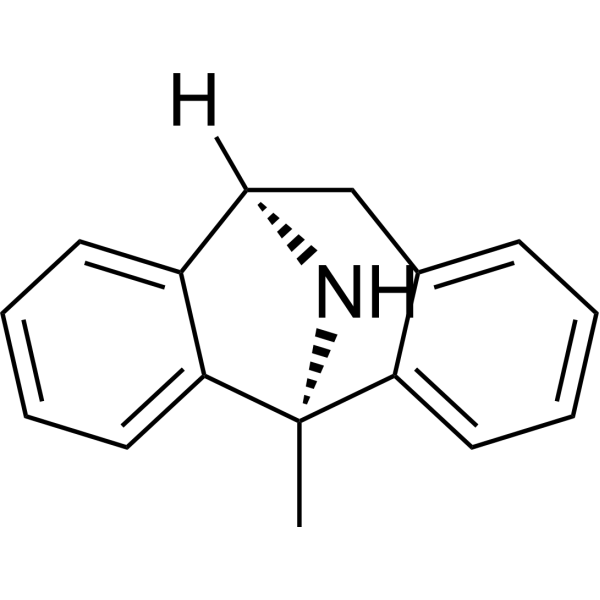
    Dizocilpine
    Maximum Cited Publications
    44 Publications Verification

    MK-801

    iGluR Neurological Disease
    Dizocilpine (MK-801), a potent anticonvulsant, is a selective and non-competitive NMDA receptor antagonist, with a Kd of 37.2 nM in rat brain membranes. Dizocilpine acts by binding to a site located within the NMDA associated ion channel and thus prevents Ca 2+ flux .
    Dizocilpine
  • HY-12323
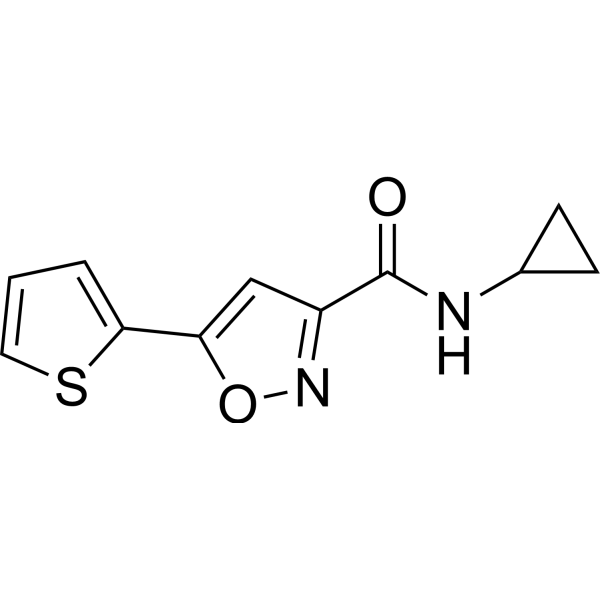
    ISX-9
    10+ Cited Publications

    Isoxazole 9

    Calcium Channel Neurological Disease
    ISX-9 (Isoxazole 9) is a potent inducer of adult neural stem cell differentiation. ISX-9 activates Ca 2+ influx through both voltage-gated Ca 2+ channels and NMDA receptors and increases neuroD expression. ISX-9 also induces cardiomyogenic differentiation of Notch-activated epicardium-derived cells (NECs) .
    ISX-9
  • HY-100714
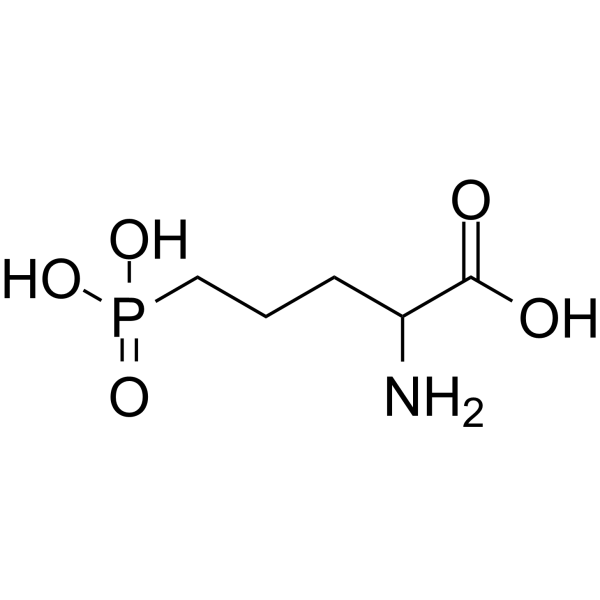
    DL-AP5
    3 Publications Verification

    2-APV; DL-2-Amino-5-phosphonovaleric acid

    iGluR Neurological Disease Inflammation/Immunology
    DL-AP5 (2-APV) is a competitive NMDA (N-methyl-D-aspartate) receptor antagonist. DL-AP5 shows significantly antinociceptive activity. DL-AP5 specifically blocks on channels in the rabbit retina .
    DL-AP5
  • HY-B0405
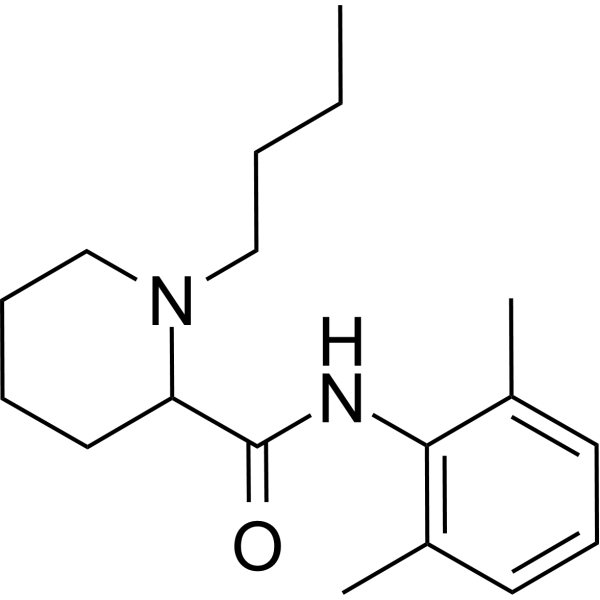
    Bupivacaine
    4 Publications Verification

    iGluR Sodium Channel Calcium Channel Potassium Channel Neurological Disease Cancer
    Bupivacaine is a NMDA receptor inhibitor. Bupivacaine can block sodium, L-calcium, and potassium channels.Bupivacaine potently blocks SCN5A channels with the IC50 of 69.5 μM. Bupivacaine can be used for the research of chronic pain .
    Bupivacaine
  • HY-B0402
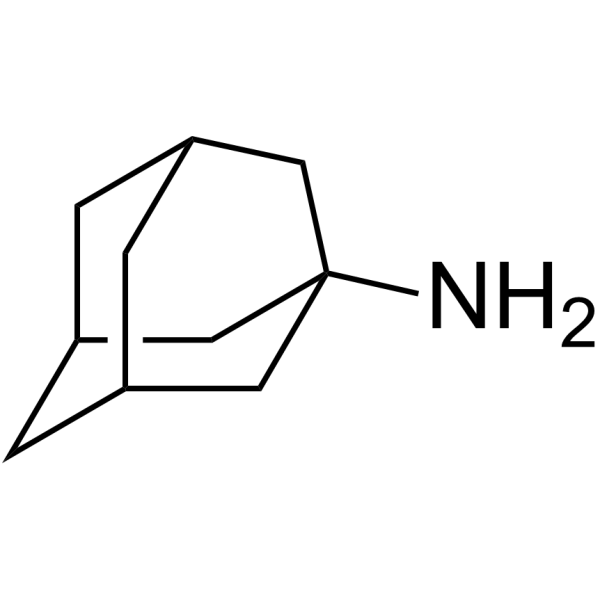
    Amantadine
    5+ Cited Publications

    1-Adamantanamine; 1-Aminoadamantane

    Influenza Virus Orthopoxvirus SARS-CoV Apoptosis CDK Bcl-2 Family Infection Neurological Disease Cancer
    Amantadine (1-Adamantanamine) is an orally avtive and potent antiviral agent with activity against influenza A viruses. Amantadine inhibits several ion channels such as NMDA and M2, and also inhibits Coronavirus ion channels. Amantadine also has anti-orthopoxvirus and anticancer activity. Amantadine can be used for Parkinson's disease, postoperative cognitive dysfunction (POCD) and COVID-19 research .
    Amantadine
  • HY-N2072
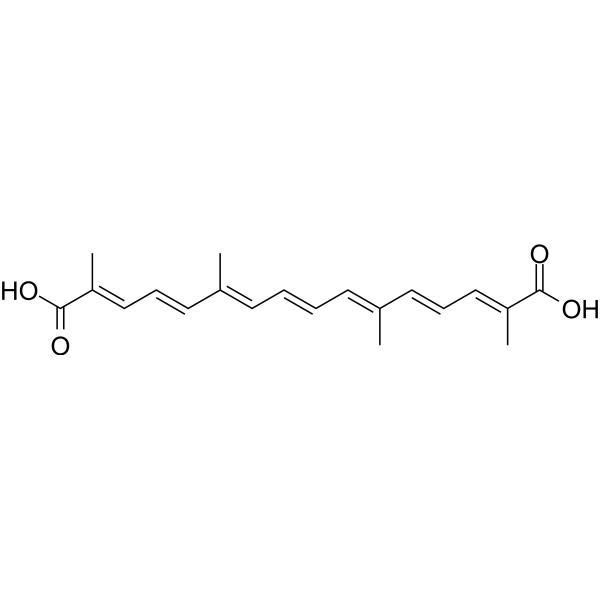
    Crocetin
    3 Publications Verification

    Transcrocetin; trans-Crocetin

    iGluR Apoptosis COX p38 MAPK Neurological Disease Inflammation/Immunology Cancer
    Crocetin (Transcrocetin) is an aglycone of crocin. Crocetin is an orally active and brain-penetrant. Crocetin shows strong NMDA receptor affinity and channel opening activity. Crocetin can downregulate the proinflammatory cytokines and COX-2 exoression. Crocetin can inhibit apoptosis and activation of MAPK. Crocetin can delay delays brain and body aging. Crocetin can be used for the researches of cancer, neurological disease and inflammation, such as cervical cancer and ischemia .
    Crocetin
  • HY-B0402A
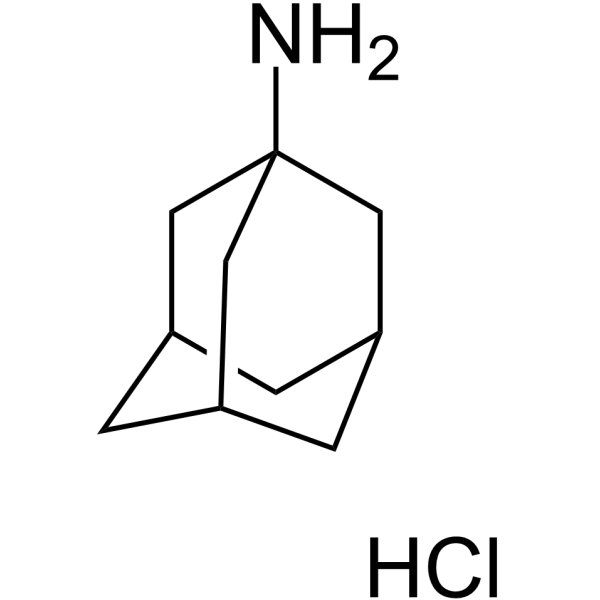
    Amantadine hydrochloride
    5+ Cited Publications

    1-Adamantanamine hydrochloride; 1-Adamantylamine hydrochloride; 1-Aminoadamantane hydrochloride

    Influenza Virus Orthopoxvirus SARS-CoV Apoptosis Bcl-2 Family CDK Infection Neurological Disease Cancer
    Amantadine (1-Adamantanamine) hydrochloride is an orally avtive and potent antiviral agent with activity against influenza A viruses. Amantadine hydrochloride inhibits several ion channels such as NMDA and M2, and also inhibits Coronavirus ion channels. Amantadine hydrochloride also has anti-orthopoxvirus and anticancer activity. Amantadine hydrochloride can be used for Parkinson's disease, postoperative cognitive dysfunction (POCD) and COVID-19 research .
    Amantadine hydrochloride
  • HY-116330A
    Hyperforin dicyclohexylammonium salt
    3 Publications Verification

    Hyperforin DCHA

    TRP Channel Calcium Channel Neurological Disease Cancer
    Hyperforin dicyclohexylammonium salt (Hyperforin DCHA) is a transient receptor canonical 6 (TRPC6) channels activator. Hyperforin dicyclohexylammonium salt modulates Ca 2+ levels by activating Ca 2+-conducting non-selective canonical TRPC6 channels. Hyperforin dicyclohexylammonium salt also shows diverse pharmacological activities including anti-depression, anti-tumor, anti-dementia, anti-diabetes. Hyperforin dicyclohexylammonium salt modulates γδ T cells to secret IL-17α, improves Imiquimod (HY-B0180)-induced psoriasis-like mice model .
    Hyperforin dicyclohexylammonium salt
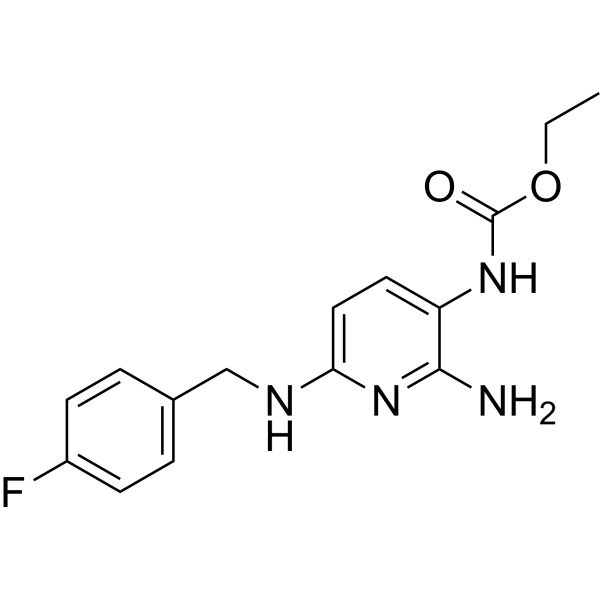
  • HY-17001A
    Flupirtine
    1 Publications Verification

    D 9998

    Potassium Channel iGluR GABA Receptor Neurological Disease Inflammation/Immunology
    Flupirtine (D 9998) is an orally active, blood-brain barrier-crossing non-opioid analgesic and neuroprotective agent. Flupirtine is a neuronal potassium channel opener (Kv7 activator), a NMDA receptor antagonist and a GABA receptor activator. Flupirtine stabilizes blood-brain-barrier integrity, reduces oxidative stress and brain leukocyte infiltration, enhances angioneurogenesis, suppresses calcium influx, stabilizes neuronal resting membrane potential, and counteracts focal cerebral ischemia. Flupirtine exhibits analgesic, muscle relaxant properties, protects neurons from excitotoxic, ischemic, or cytokine-mediated death. Flupirtine functions as a non-opioid analgesic without antipyretic or antiphlogistic properties, shows no relevant affinity to opiate receptor. Flupirtine can be used for the research of focal cerebral ischemia, pain, Alzheimer’s disease, or multiple sclerosis .
    Flupirtine
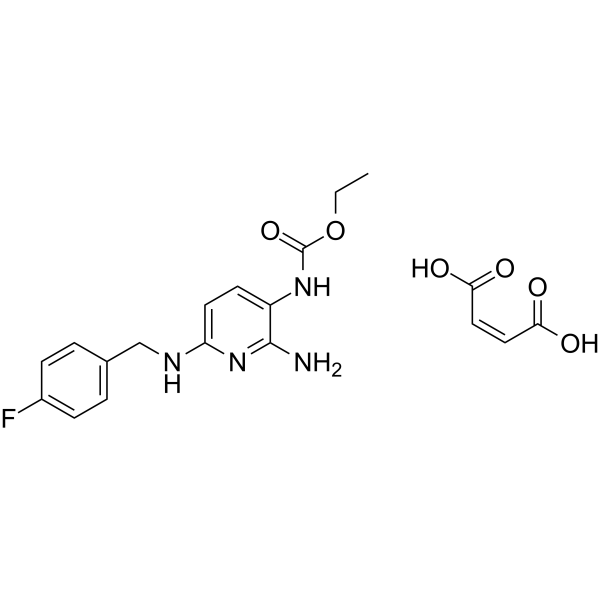
  • HY-17001
    Flupirtine Maleate
    1 Publications Verification

    D 9998 Maleate

    Potassium Channel iGluR GABA Receptor Neurological Disease Inflammation/Immunology
    Flupirtine (D 9998) Maleate is an orally active, blood-brain barrier-crossing non-opioid analgesic and neuroprotective agent. Flupirtine Maleate is a neuronal potassium channel opener (Kv7 activator), a NMDA receptor antagonist and a GABA receptor activator. Flupirtine Maleate stabilizes blood-brain-barrier integrity, reduces oxidative stress and brain leukocyte infiltration, enhances angioneurogenesis, suppresses calcium influx, stabilizes neuronal resting membrane potential, and counteracts focal cerebral ischemia. Flupirtine Maleate exhibits analgesic, muscle relaxant properties, protects neurons from excitotoxic, ischemic, or cytokine-mediated death. Flupirtine Maleate functions as a non-opioid analgesic without antipyretic or antiphlogistic properties, shows no relevant affinity to opiate receptor. Flupirtine Maleate can be used for the research of focal cerebral ischemia, pain, Alzheimer’s disease, or multiple sclerosis .
    Flupirtine Maleate
  • HY-B0405A
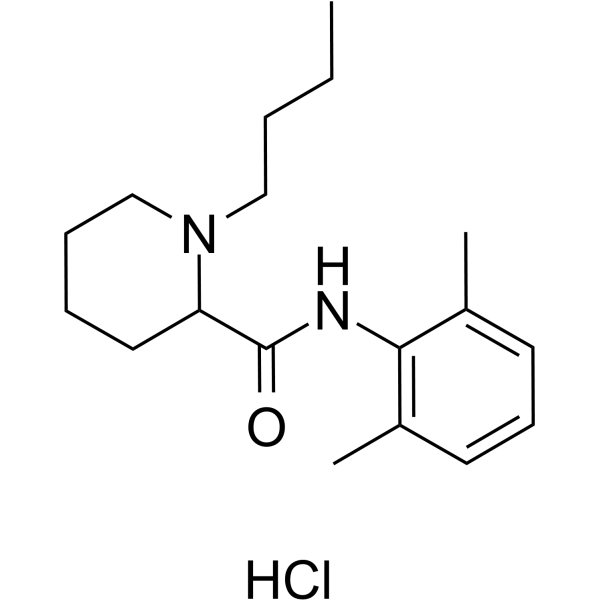
    Bupivacaine hydrochloride
    4 Publications Verification

    iGluR Sodium Channel Calcium Channel Potassium Channel Neurological Disease Cancer
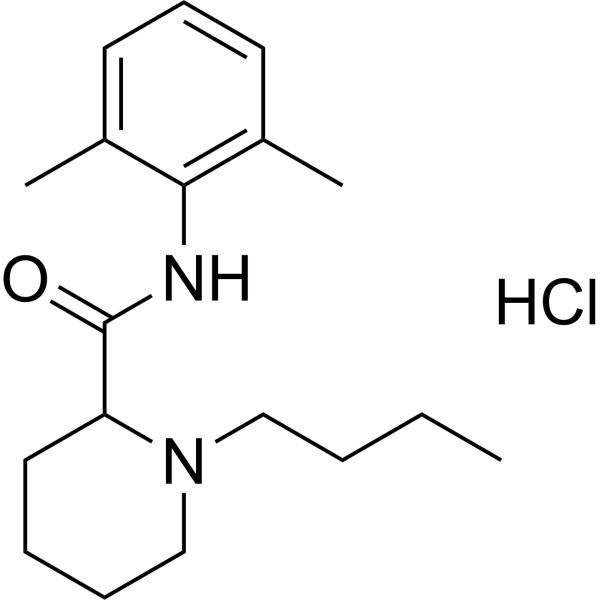
    Bupivacaine hydrochloride is a NMDA receptor inhibitor.Bupivacaine can block sodium, L-calcium, and potassium channels.Bupivacaine potently blocks SCN5A channels with the IC50 of 69.5 μM. Bupivacaine hydrochloride can be used for the research of chronic pain .
    Bupivacaine hydrochloride
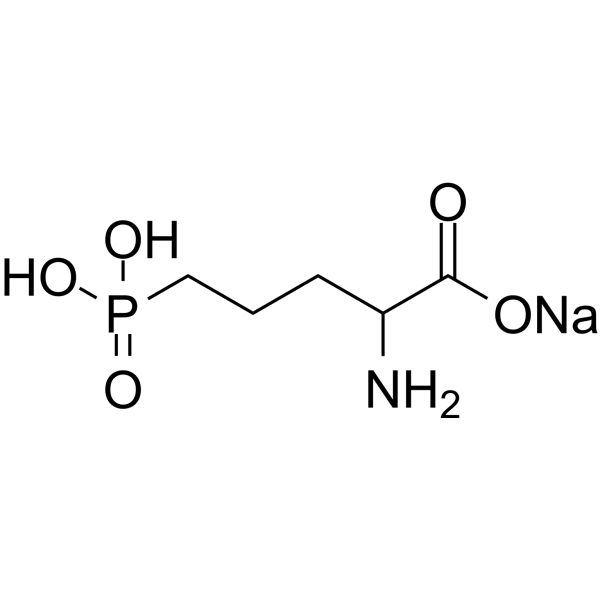
  • HY-100714C
    DL-AP5 sodium
    3 Publications Verification

    2-APV sodium; DL-2-Amino-5-phosphonovaleric acid sodium

    iGluR Neurological Disease Inflammation/Immunology
    DL-AP5 (2-APV) sodium is a competitive NMDA (N-methyl-D-aspartate) receptor antagonist. DL-AP5 sodium shows significantly antinociceptive activity. DL-AP5 sodium specifically blocks on channels in the rabbit retina .
    DL-AP5 sodium
  • HY-B0402S1

    1-Adamantanamine-d6; 1-Aminoadamantane-d6

    Apoptosis CDK SARS-CoV Bcl-2 Family Influenza Virus Orthopoxvirus Cancer
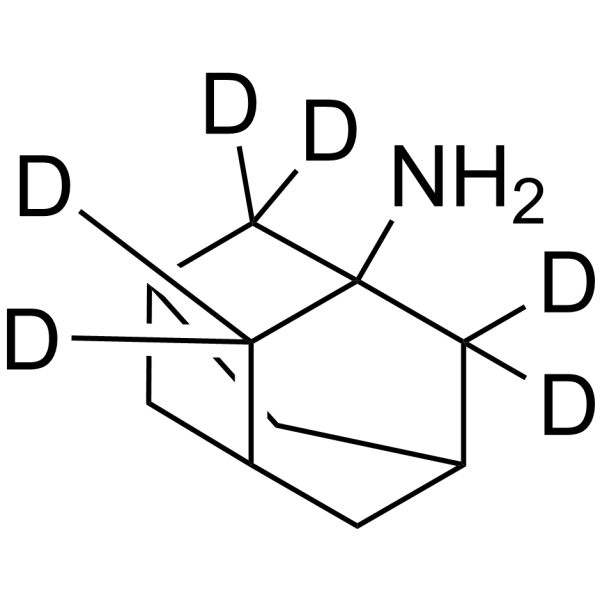
    Amantadine-d6 is the deuterium labeled Amantadine . Amantadine (1-Adamantanamine) is an orally avtive and potent antiviral agent with activity against influenza A viruses. Amantadine inhibits several ion channels such as NMDA and M2, and also inhibits Coronavirus ion channels. Amantadine also has anti-orthopoxvirus and anticancer activity. Amantadine can be used for Parkinson's disease, postoperative cognitive dysfunction (POCD) and COVID-19 research .
    Amantadine-d6
  • HY-148825

    iGluR Histamine Receptor Potassium Channel Cytochrome P450 Adrenergic Receptor Metabolic Disease Inflammation/Immunology Cancer
    NP10679 is a selective, pH dependent GluN2B subunit-specific N-methyl-D-aspartate (NMDA) receptor inhibitor with high oral bioavailability and good brain penetration. NP10679 inhibits GluN2B with IC50s of 23 and 142 nM at pH 6.9 and 7.6, respectively. NP10679 is a histamine H1 antagonist and a hERG channel inhibitor with IC50s of 73 and 620 nM, respectively. NP10679 is a reversible inhibitor of human liver CYP enzymes .
    NP10679
  • HY-108235A
    Lanicemine dihydrochloride
    1 Publications Verification

    AZD6765 dihydrochloride; ARL 15896AR

    iGluR Neurological Disease
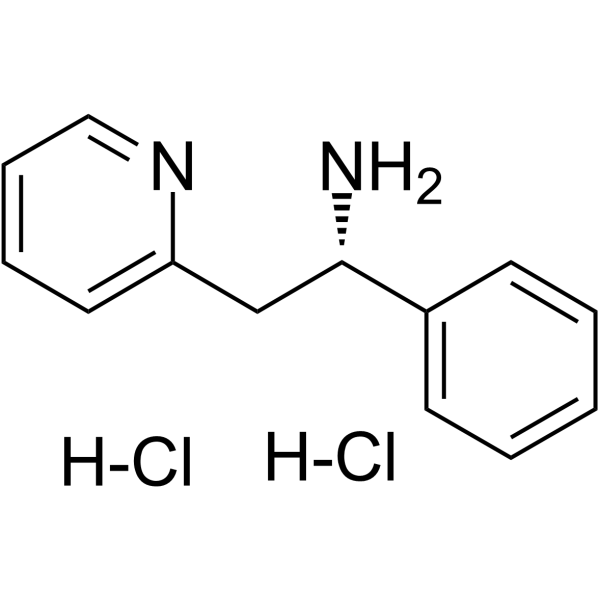
    Lanicemine (AZD6765) dihydrochloride is a low-trapping NMDA channel blocker (Ki of 0.56-2.1 μM for NMDA receptor; IC50s of 4-7 μM and 6.4 μM in CHO and Xenopus oocyte cells, respectively). Antidepressant effects .
    Lanicemine dihydrochloride
  • HY-B0405AR
    Bupivacaine hydrochloride (Standard)
    1 Publications Verification

    Reference Standards iGluR Sodium Channel Calcium Channel Potassium Channel Neurological Disease Cancer
    Bupivacaine (hydrochloride) (Standard) is the analytical standard of Bupivacaine (hydrochloride). This product is intended for research and analytical applications. Bupivacaine hydrochloride is a NMDA receptor inhibitor.Bupivacaine can block sodium, L-calcium, and potassium channels.Bupivacaine potently blocks SCN5A channels with the IC50 of 69.5 μM. Bupivacaine hydrochloride can be used for the research of chronic pain .
    Bupivacaine hydrochloride (Standard)
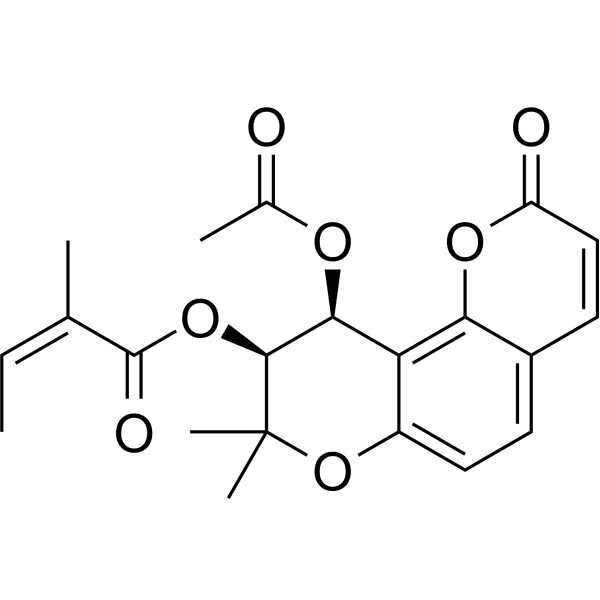
  • HY-N6065
    Praeruptorin A
    3 Publications Verification

    (+)-Praeruptorin A

    Calcium Channel Drug Isomer Cytochrome P450 iGluR Apoptosis Cardiovascular Disease Neurological Disease
    Praeruptorin A ((+)-Praeruptorin A) is an orally active isomer of (±)-Praeruptorin A (HY-N0081). Praeruptorin A also acts as a Calcium channel blocker. Praeruptorin A can be isolated from Peucedanum. Praeruptorin A serves as a substrate for CYP3A4. Praeruptorin A downregulates NMDA receptors containing GluN2B and inhibits neuronal Apoptosis. Praeruptorin A mediates vasodilation, inhibits vascular hypertrophy and reduces blood pressure. Praeruptorin A can be used in research related to neurological diseases, myocardial ischemia, heart failure, exertional angina, renovascular hypertension and spontaneous hypertension .
    Praeruptorin A
  • HY-B0405S

    Isotope-Labeled Compounds iGluR Sodium Channel Calcium Channel Potassium Channel Neurological Disease
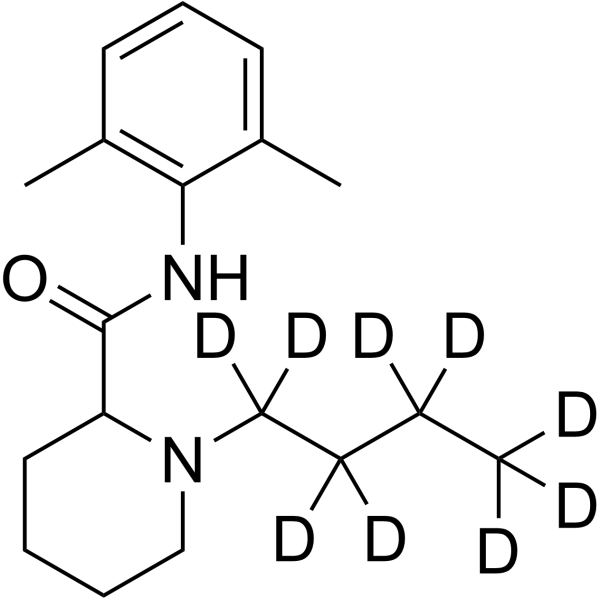
    Bupivacaine-d99 is a deuterium labeled Bupivacaine. Bupivacaine is a NMDA receptor inhibitor.Bupivacaine can block sodium, L-calcium, and potassium channels.Bupivacaine potently blocks SCN5A channels with the IC50 of 69.5 μM. Bupivacaine can be used for the research of chronic pain .
    Bupivacaine-d9
  • HY-B0402B

    1-Adamantanamine sulfate; 1-Aminoadamantane sulfate

    Influenza Virus Orthopoxvirus SARS-CoV Apoptosis CDK Bcl-2 Family Infection Neurological Disease Cancer
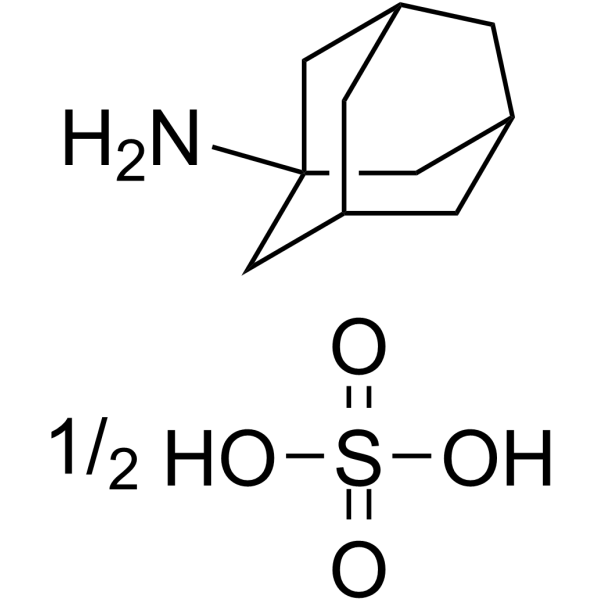
    Amantadine (1-Adamantanamine) sulfate is an orally avtive and potent antiviral agent with activity against influenza A viruses. Amantadine sulfate inhibits several ion channels such as NMDA and M2, and also inhibits Coronavirus ion channels. Amantadine sulfate also has anti-orthopoxvirus and anticancer activity. Amantadine sulfate can be used for Parkinson's disease, postoperative cognitive dysfunction (POCD) and COVID-19 research .
    Amantadine sulfate
  • HY-100547

    iGluR Neurological Disease
    IEM-1754, a dicationic adamantane derivative, is a potent blocker of open channels of native ionotropic glutamate receptors including quisqualate-sensitive receptors in insect muscles, NMDAR in cultured rat cortical neurons, and AMPAR in freshly isolated hippocampal cells. IEM-1754 shows anticonvulsant potency in vivo .
    IEM-1754
  • HY-N2072R

    Transcrocetin (Standard); trans-Crocetin (Standard)

    iGluR Reference Standards Apoptosis COX p38 MAPK Neurological Disease Inflammation/Immunology Cancer
    Crocetin (Standard) (TransCrocetin (Standard) ) is an aglycone of crocin. Crocetin (Standard) is orally active and brain-penetrant. Crocetin (Standard) shows strong NMDA receptor affinity and channel opening activity. Crocetin (Standard) can downregulate the proinflammatory cytokines and COX-2 exoression. Crocetin (Standard) can inhibit apoptosis and activation of MAPK. Crocetin (Standard) can delay delays brain and body aging. Crocetin (Standard) can be used for the researches of cancer, neurological disease and inflammation, such as cervical cancer and ischemia .
    Crocetin (Standard)
  • HY-108235

    AZD6765

    iGluR Neurological Disease
    Lanicemine (AZD6765) is a low-trapping NMDA channel blocker (Ki of 0.56-2.1 μM for NMDA receptor; IC50s of 4-7 μM and 6.4 μM in CHO and Xenopus oocyte cells, respectively). Antidepressant effects .
    Lanicemine
  • HY-101809A

    iGluR Cardiovascular Disease
    CNS-5161 is a novel NMDA ion-channel antagonist that interacts with the NMDA receptor/ion channel site to produce a noncompetitive blockade of the actions of glutamate.
    CNS 5161
  • HY-12962

    iGluR Neurological Disease
    NMDA-IN-1 is a potent and NR2B-selective NMDA antagonist with Ki of 0.85 nM; NR2B Ca2+ influx IC50 is 9.7 nM; no activities on NR2A, NR2C, NR2D, hERG-channel and α1-adrenergic receptor.
    NMDA-IN-1
  • HY-110230

    D 9998-d4 hydrochloride

    Isotope-Labeled Compounds Potassium Channel iGluR GABA Receptor Neurological Disease Inflammation/Immunology
    Flupirtine-d4 (D 9998-d4) hydrochloride is the deuterium labeled Flupirtine hydrochloride (HY-W709349). Flupirtine hydrochloride is an orally active, blood-brain barrier-crossing non-opioid analgesic and neuroprotective agent. Flupirtine hydrochloride is a neuronal potassium channel opener (Kv7 activator), a NMDA receptor antagonist and a GABA receptor activator. Flupirtine hydrochloride stabilizes blood-brain-barrier integrity, reduces oxidative stress and brain leukocyte infiltration, enhances angioneurogenesis, suppresses calcium influx, stabilizes neuronal resting membrane potential, and counteracts focal cerebral ischemia. Flupirtine hydrochloride exhibits analgesic, muscle relaxant properties, protects neurons from excitotoxic, ischemic, or cytokine-mediated death. Flupirtine hydrochloride functions as a non-opioid analgesic without antipyretic or antiphlogistic properties, shows no relevant affinity to opiate receptor. Flupirtine hydrochloride can be used for the research of focal cerebral ischemia, pain, Alzheimer’s disease, or multiple sclerosis .
    Flupirtine-d4 hydrochloride
  • HY-107695

    FPL 12924AA

    iGluR Sodium Channel Neurological Disease
    Remacemide hydrochloride (FPL 12924AA), a moderate inhibitor of the Na + channel, is a weak uncompetitive NMDA receptor antagonist with IC50s of 68 μM and 76 μM for MK-801 binding and NMDA currents, respectively . Remacemide hydrochloride is an anticonvulsant agent .
    Remacemide hydrochloride
  • HY-W415121

    iGluR Sodium Channel Calcium Channel Potassium Channel Neurological Disease Cancer
    Bupivacaine hydrochloride monohydrate is a NMDA receptor inhibitor. Bupivacaine hydrochloride monohydrate can block sodium, L-calcium, and potassium channels. Bupivacaine hydrochloride monohydrate potently blocks SCN5A channels with the IC50 of 69.5 μM. Bupivacaine hydrochloride monohydrate can be used for the research of chronic pain .
    Bupivacaine hydrochloride monohydrate
  • HY-19021

    mGluR Neurological Disease
    ADD-17014 is a L-Glu antagonist. ADD-17014 impairs presynaptic excitatory amino acid L-Glu neurotransmission. ADD-17014 is a prodrug of its β-amino alcohol metabolite, and the metabolite acts as a NMDA receptor antagonist by binding to the MK-801 site located inside the NMDA receptor or ion channel. ADD-17014 has an anticonvulsant and anti-ischemic activity. ADD-17014 can be used for neurodegenerative diseases like Parkinson’s disease, Alzheimer’s disease and stroke research .
    ADD-17014
  • HY-B0402AR

    1-Adamantanamine hydrochloride (Standard); 1-Adamantylamine hydrochloride (Standard); 1-Aminoadamantane hydrochloride (Standard)

    Reference Standards Influenza Virus Orthopoxvirus SARS-CoV Apoptosis Bcl-2 Family CDK Infection Neurological Disease Cancer
    Amantadine (hydrochloride) (Standard) is the analytical standard of Amantadine (hydrochloride). This product is intended for research and analytical applications. Amantadine (1-Adamantanamine) hydrochloride is an orally avtive and potent antiviral agent with activity against influenza A viruses. Amantadine hydrochloride inhibits several ion channels such as NMDA and M2, and also inhibits Coronavirus ion channels. Amantadine hydrochloride also has anti-orthopoxvirus and anticancer activity. Amantadine hydrochloride can be used for Parkinson's disease, postoperative cognitive dysfunction (POCD) and COVID-19 research .
    Amantadine hydrochloride (Standard)
  • HY-B0402R1

    1-Adamantanamine in Methanol (Standard); 1-Aminoadamantane in Methanol (Standard)

    Reference Standards Influenza Virus Orthopoxvirus SARS-CoV Apoptosis CDK Bcl-2 Family Infection Neurological Disease Cancer
    Amantadine in Methanol (Standard) is the solution of Amantadine (Standard). This product is intended for research and analytical applications. Amantadine (1-Adamantanamine) is an orally avtive and potent antiviral agent with activity against influenza A viruses. Amantadine inhibits several ion channels such as NMDA and M2, and also inhibits Coronavirus ion channels. Amantadine also has anti-orthopoxvirus and anticancer activity. Amantadine can be used for Parkinson's disease, postoperative cognitive dysfunction (POCD) and COVID-19 research [4] .
    Amantadine in Methanol (Standard)
  • HY-117734

    iGluR Neurological Disease
    PYD-106 is a stereoselective pyrrolidinone (PYD) positive allosteric modulator for GluN2C-containing NMDA receptors. PYD-106 increases opening frequency and open time of single channel currents activated by maximally effective concentrations of agonist but only has modest effects on glutamate and glycine EC50. PYD-106 selectively enhances the responses of diheteromeric GluN1/GluN2C receptors but not triheteromeric GluN1/GluN2A/GluN2C receptors .
    PYD-106
  • HY-120155

    Sigma Receptor iGluR Neurological Disease
    MS-377 is a selective and orally active sigma-1 receptor ligand (Ki=73 nM) with weak affinity for sigma-2 receptor (Ki=6900 nM) and no affinity for any other receptors including dopamine, serotonin, PCP site, glutamate, γ-aminobutylic acid, adenosine, adrenergic receptors, etc. (Ki: >10 μM). MS-377 indirectly modulates the NMDA receptor ion-channel complex. MS-377 is a antipsychotic agent. MS-377 inhibits PCP-induced behaviors by inhibition of the increase in dopamine and serotonin release in the rat medial prefrontal cortex. MS-377 can be used for research of schizophrenia .
    MS-377
  • HY-108235B

    (Rac)-AZD6765

    iGluR Neurological Disease
    (Rac)-Lanicemine ((Rac)-AZD6765) is the racemate of Lanicemine. Lanicemine (AZD6765) is a low-trapping NMDA channel blocker (Ki of 0.56-2.1 μM for NMDA receptor; IC50s of 4-7 μM and 6.4 μM in CHO and Xenopus oocyte cells, respectively). Antidepressant effects .
    (Rac)-Lanicemine
  • HY-B0405R

    iGluR Sodium Channel Calcium Channel Potassium Channel Reference Standards Neurological Disease Cancer
    Bupivacaine (Standard) is the analytical standard of Bupivacaine. This product is intended for research and analytical applications. Bupivacaine is a NMDA receptor inhibitor. Bupivacaine can block sodium, L-calcium, and potassium channels.Bupivacaine potently blocks SCN5A channels with the IC50 of 69.5 μM. Bupivacaine can be used for the research of chronic pain .
    Bupivacaine (Standard)
  • HY-108235BR

    (Rac)-AZD6765 (Standard)

    iGluR Reference Standards Neurological Disease
    (Rac)-Lanicemine (Standard) is the analytical standard of (Rac)-Lanicemine. This product is intended for research and analytical applications. (Rac)-Lanicemine ((Rac)-AZD6765) is the racemate of Lanicemine. Lanicemine (AZD6765) is a low-trapping NMDA channel blocker (Ki of 0.56-2.1 μM for NMDA receptor; IC50s of 4-7 μM and 6.4 μM in CHO and Xenopus oocyte cells, respectively). Antidepressant effects .
    (Rac)-Lanicemine (Standard)
  • HY-101809

    CNS 5161A

    iGluR Cardiovascular Disease
    CNS-5161 hydrochloride is a novel NMDA ion-channel antagonist that interacts with the NMDA receptor/ion channel site to produce a noncompetitive blockade of the actions of glutamate.
    CNS-5161 hydrochloride
  • HY-120524

    iGluR Neurological Disease
    CGP 31358 is an anticonvulsant agent that binds to a site on the NMDA receptor complex that is coupled to both the transmitter recognition site and to the channel domain. CGP 31358 inhibits the binding of L-Glutamate to the NMDA receptor complex with an IC50 of 53 μM .
    CGP 31358
  • HY-19225

    KA-672 hydrochloride; Anseculin hydrochloride

    iGluR Neurological Disease
    Ensaculin is an NMDA receptor channel blocker. Ensaculin has neuroprotective effects in NMDA toxicity models and promotes neuronal growth in primary cultures of rat brain cells. Ensaculin has the potential to be developed as an anti-dementia drug that acts on various neurotransmitter systems .
    Ensaculin
  • HY-164264

    iGluR Neurological Disease
    Caged MK801 (cMK801) is a selective, non-competitive, irreversible NMDA receptor open-channel blocker. NVOC cages are neuro pharmocologically compatible .
    Caged MK801
  • HY-B0369AS

    Isotope-Labeled Compounds iGluR Neurological Disease
    Orphenadrine-d3 (citrate) is the deuterium labeled Orphenadrine citrate. Orphenadrine citrate is a NMDA receptor antagonist with Ki of 6.0 +/- 0.7 μM, HERG potassium channel blocker.
    Orphenadrine-d3 citrate
  • HY-108235C

    (R)-AZD6765

    iGluR Neurological Disease
    (R)-Lanicemine ((R)-AZD6765) is the less active R-enantiomer of Lanicemine. Lanicemine (AZD6765) is a low-trapping NMDA channel blocker (Ki of 0.56-2.1 μM for NMDA receptor; IC50s of 4-7 μM and 6.4 μM in CHO and Xenopus oocyte cells, respectively). Antidepressant effects .
    (R)-Lanicemine
  • HY-107697

    iGluR Neurological Disease
    N20C hydrochloride is a selective and noncompetitive open NMDA receptor open channel blocker, with micromolar affinity, fast on-off blockade kinetics, and strong voltage dependence. Neuroprotective activity .
    N20C hydrochloride
  • HY-B1682AR

    Reference Standards Antibiotic Bacterial Infection
    Bupivacaine (hydrochloride monohydrate) (Standard) is the analytical standard of Bupivacaine (hydrochloride monohydrate). This product is intended for research and analytical applications. Bupivacaine hydrochloride monohydrate is a NMDA receptor inhibitor. Bupivacaine hydrochloride monohydrate can block sodium, L-calcium, and potassium channels. Bupivacaine hydrochloride monohydrate potently blocks SCN5A channels with the IC50 of 69.5 μM. Bupivacaine hydrochloride monohydrate can be used for the research of chronic pain .
    Loracarbef hydrate (Standard)
  • HY-W415121R

    Reference Standards iGluR Sodium Channel Calcium Channel Potassium Channel Neurological Disease Cancer
    Bupivacaine (hydrochloride monohydrate) (Standard) is the analytical standard of Bupivacaine (hydrochloride monohydrate). This product is intended for research and analytical applications. Bupivacaine hydrochloride monohydrate is a NMDA receptor inhibitor. Bupivacaine hydrochloride monohydrate can block sodium, L-calcium, and potassium channels. Bupivacaine hydrochloride monohydrate potently blocks SCN5A channels with the IC50 of 69.5 μM. Bupivacaine hydrochloride monohydrate can be used for the research of chronic pain .
    Bupivacaine hydrochloride monohydrate (Standard)
  • HY-107031

    19560 RP

    iGluR Others
    Metapramine (19560 RP) is an antidepressant agent, belonging to the class of tricyclic compounds . Metapramine inhibits norepinephrine reuptake, without affecting the reuptake of serotonin or dopamine . Metapramine is a low-affinity antagonist of the N-methyl-D-aspartic acid (NMDA) receptor complex channel .
    Metapramine
  • HY-100714D

    2-APV lithium; DL-2-Amino-5-phosphonovaleric acid lithium

    iGluR Neurological Disease Inflammation/Immunology
    DL-AP5 (2-APV) lithium is a competitive NMDA (N-methyl-D-aspartate) receptor antagonist. DL-AP5 lithium shows significantly antinociceptive activity. DL-AP5 lithium specifically blocks on channels in the rabbit retina .
    DL-AP5 lithium
  • HY-W653905

    1-Adamantanamine hydrochloride-d15

    Isotope-Labeled Compounds Infection Neurological Disease Cancer
    Amantadine-d15 hydrochloride is deuterated labeled Amantadine. Amantadine (1-Adamantanamine) is an orally avtive and potent antiviral agent with activity against influenza A viruses. Amantadine inhibits several ion channels such as NMDA and M2, and also inhibits Coronavirus ion channels. Amantadine also has anti-orthopoxvirus and anticancer activity. Amantadine can be used for Parkinson's disease, postoperative cognitive dysfunction (POCD) and COVID-19 research .
    Amantadine-d15 hydrochloride
  • HY-B0402R

    1-Adamantanamine (Standard); 1-Aminoadamantane (Standard)

    Reference Standards Influenza Virus Orthopoxvirus SARS-CoV Apoptosis CDK Bcl-2 Family Infection Neurological Disease Cancer
    Amantadine (Standard) is the analytical standard of Amantadine. This product is intended for research and analytical applications. Amantadine (1-Adamantanamine) is an orally avtive and potent antiviral agent with activity against influenza A viruses. Amantadine inhibits several ion channels such as NMDA and M2, and also inhibits Coronavirus ion channels. Amantadine also has anti-orthopoxvirus and anticancer activity. Amantadine can be used for Parkinson's disease, postoperative cognitive dysfunction (POCD) and COVID-19 research [4] .
    Amantadine (Standard)
  • HY-135131

    iGluR Neurological Disease
    Synthalin hydrochloride is a K+ channel blocker with neuronal excitability modulating activity. Synthalin hydrochloride has an effect on NMDA-mediated depolarization, possibly through receptor-mediated modulation of L-glutamate and serotonin (5-HT). The use of Synthalin hydrochloride can enhance the understanding of changes in membrane potential of different neurons and help study the role of polyamines in neuronal excitability .
    Synthalin hydrochloride
  • HY-107708

    iGluR Sigma Receptor Potassium Channel Neurological Disease
    threo Ifenprodil hemitartrate is a σ receptor agonist, with Kis of 59.1 and 2 nM for σ1 and σ2 receptors, respectively. threo Ifenprodil hemitartrate is also a NR2B subunit-selective NMDA receptor antagonist (IC50=0.22 μM). threo Ifenprodil hemitartrate is a hERG potassium channel inhibitor, with an IC 50 of 88 nM, showing antiarrhythmic activity .
    threo-Ifenprodil hemitartrate

Inquiry Online

Your information is safe with us. * Required Fields.

Salutation


Country or Region *

Applicant Name *


Organization Name *

Department *


Email Address *


Product Name *

Cat. No.


Requested quantity *

Phone Number *


Remarks

Inquiry Online

Inquiry Information

Product Name:
Cat. No.:
Quantity:
MCE Japan Authorized Agent:

