83 Results for "

PAR1

" in MedChemExpress (MCE) Product Catalog:
Products (83)

83 Results for "PAR1" in MCE Product Catalog:

12
12 Publications Verification
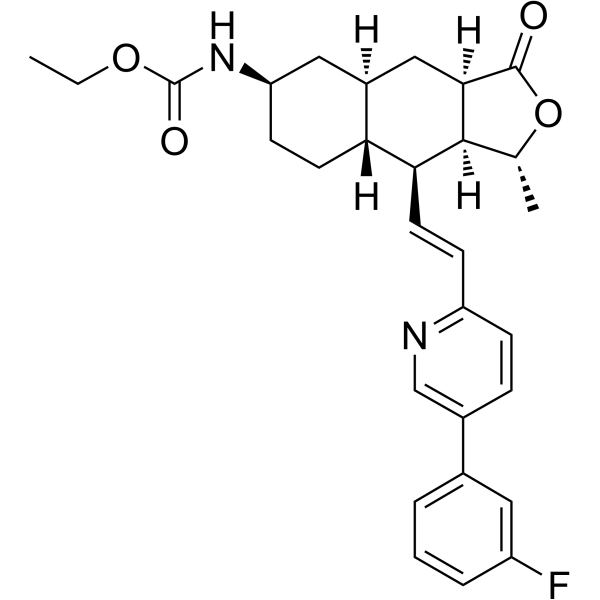
Cat. No.: HY-10119
CAS No.: 618385-01-6
Purity:  99.79%
Synonyms: SCH 530348
Vorapaxar (SCH 530348), an antiplatelet agent, is a selective, orally active, and competitive thrombin receptor protease-activated receptor (PAR-1) antagonist (Ki=8.1 nM). Vorapaxar (SCH 530348) inhibits thrombin receptor-activating peptide (TRAP)-induced platelet aggregation in a dose-dependent manner [1].
loading...
    loading...
12
12 Publications Verification
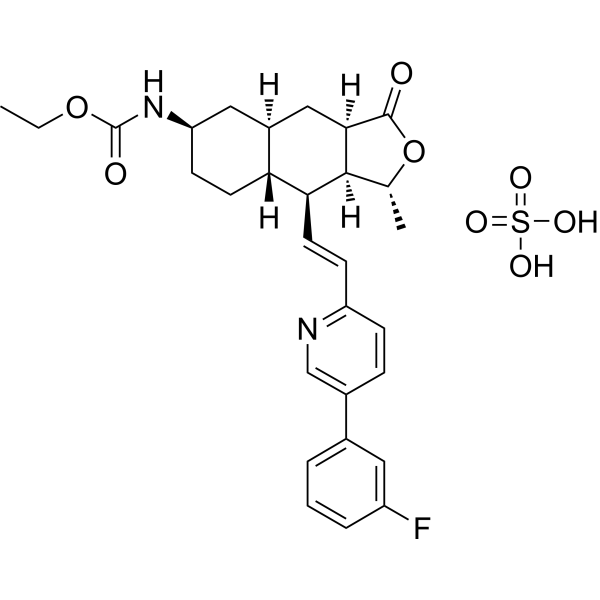
Cat. No.: HY-10119A
CAS No.: 705260-08-8
Purity:  99.81%
Synonyms: SCH 530348 sulfate
Vorapaxar sulfate (SCH 530348 sulfate), an antiplatelet agent, is a selective, orally active, and competitive thrombin receptor protease-activated receptor (PAR-1) antagonist (Ki=8.1 nM). Vorapaxar sulfate inhibits thrombin receptor-activating peptide (TRAP)-induced platelet aggregation in a dose-dependent manner [1].
loading...
    loading...
9
9 Cited Publications
Cat. No.: HY-114164F
CAS No.: 9002-04-4
Canine Thrombin is a Canine serine protease that plays a central role in blood coagulation. Canine Thrombin stimulates macrophages to polarize into a unique phenotype characterized by anti-inflammatory and pro-repair properties. Canine Thrombin activates PAR1, induces the production of MCP-1, MMP3 and VEGF in intervertebral discs, and causes degradation of the cartilage matrix and destruction of intervertebral disc structure. Canine Thrombin activity increases significantly in paraoxon-induced status epilepticus [1] .
loading...
    loading...
6
6 Cited Publications
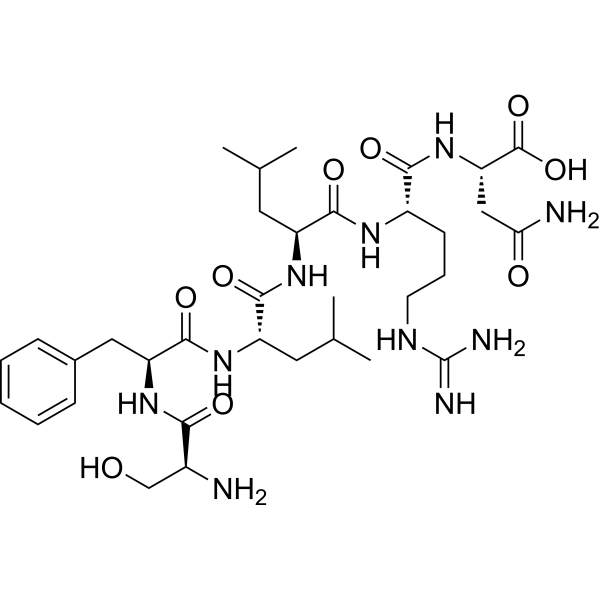
Cat. No.: HY-P0078
CAS No.: 141136-83-6
Synonyms: PAR-1 agonist peptide; Thrombin Receptor Activator Peptide 6
TRAP-6 (PAR-1 agonist peptide), a peptide fragment, is a selective protease activating receptor 1 (PAR1) agonist. TRAP-6 activates human platelets via the thrombin receptor. TRAP-6 shows no activity at PAR4 [1].
loading...
    loading...
5
5 Cited Publications
Cat. No.: HY-14993
CAS No.: 245520-69-8
Purity:  99.74%
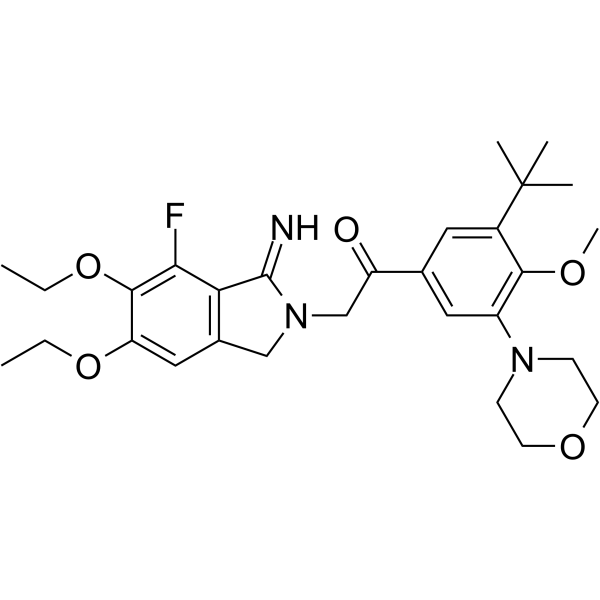
SCH79797 is a highly potent, selective nonpeptide protease activated receptor 1 (PAR1) antagonist. SCH79797 inhibits binding of a high-affinity thrombin receptor-activating peptide to PAR1 with an IC50 of 70 nM and a Ki of 35 nM. SCH79797 inhibits thrombin-induced platelet aggregation with an IC50 of 3 μM. SCH79797 has antiproliferative and pro-apoptotic effects, and limits myocardial ischemia/reperfusion injury in rat hearts. SCH79797 also potently prevents PAR1 activation in vascular smooth muscle cells, endothelial cells, and astrocytes [1] .
loading...
    loading...
5
5 Cited Publications
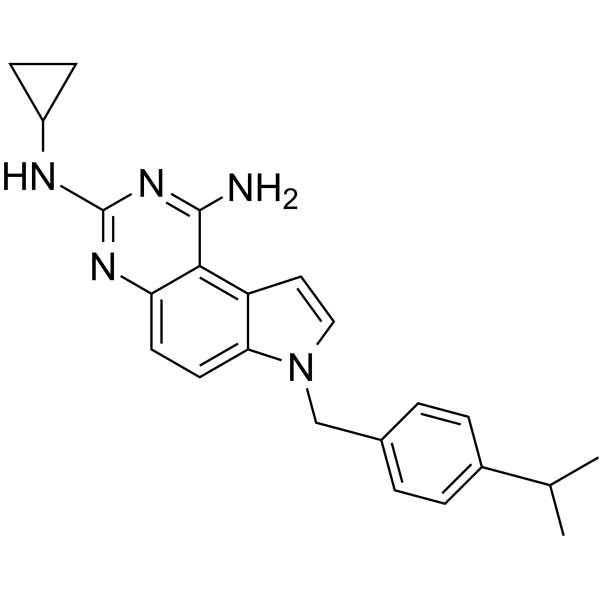
Cat. No.: HY-13965
CAS No.: 423735-93-7
Purity:  99.82%
Synonyms: ML161
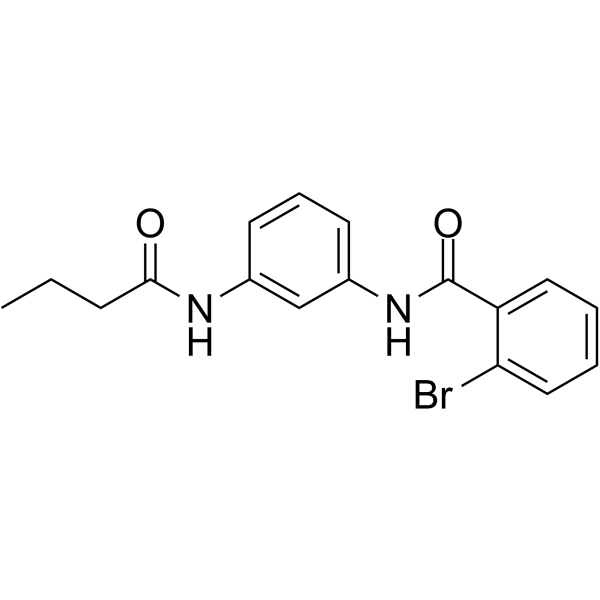
Parmodulin 2 (ML161) is an allosteric inhibitor of protease-activated receptor 1 (PAR1) with an IC50 of 0.26 μM [1]. Parmodulin 2 is a potent and non-competitive inhibitor of SFLLRN-induced P-selectin expression leading to inhibition of platelet aggregation in vitro and platelet thrombus formation in vivo .
loading...
    loading...
5
5 Cited Publications
Cat. No.: HY-14994
CAS No.: 1216720-69-2
Purity:  99.91%
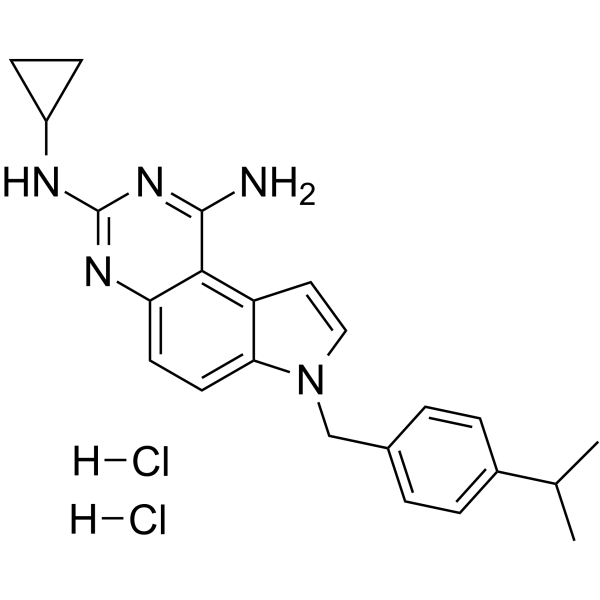
SCH79797 dihydrochloride is a highly potent, selective nonpeptide protease activated receptor 1 (PAR1) antagonist. SCH79797 dihydrochloride inhibits binding of a high-affinity thrombin receptor-activating peptide to PAR1 with an IC50 of 70 nM and a Ki of 35 nM. SCH79797 dihydrochloride inhibits thrombin-induced platelet aggregation with an IC50 of 3 μM. SCH79797 dihydrochloride has antiproliferative and pro-apoptotic effects, and limits myocardial ischemia/reperfusion injury in rat hearts. SCH79797 dihydrochloride also potently prevents PAR1 activation in vascular smooth muscle cells, endothelial cells, and astrocytes [1] .
loading...
    loading...
3
3 Cited Publications
Cat. No.: HY-P0226
CAS No.: 197794-83-5
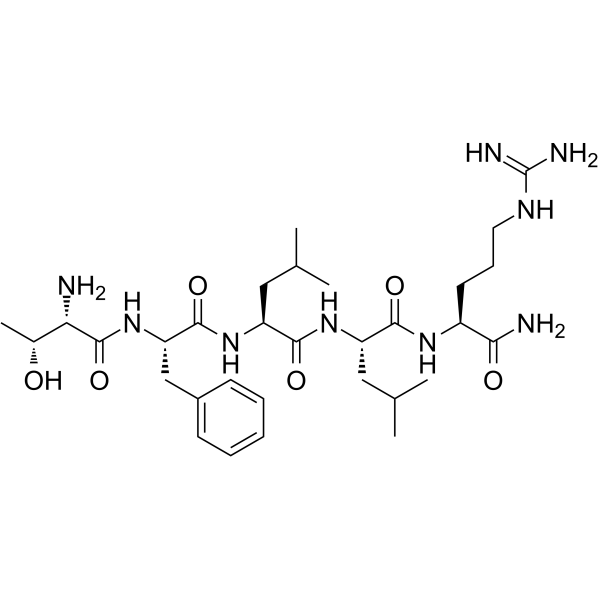
TFLLR-NH2 is a selective PAR1 agonist with an EC50 of 1.9 μM.
loading...
    loading...
3
3 Cited Publications
Cat. No.: HY-P0226A
CAS No.: 1313730-19-6
Research Areas:  

Others

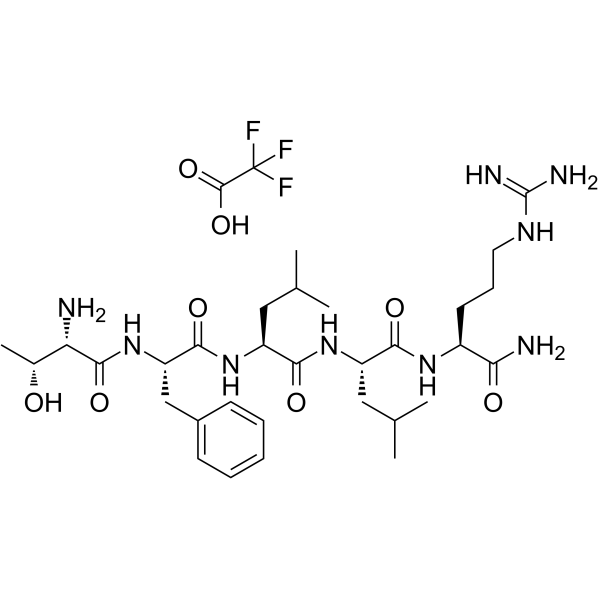
TFLLR-NH2 (TFA) is a selective PAR1 agonist with an EC50 of 1.9 μM.
loading...
    loading...
2
2 Cited Publications
Cat. No.: HY-P1309
CAS No.: 352017-71-1
Synonyms: PAR-4-AP; AY-NH2
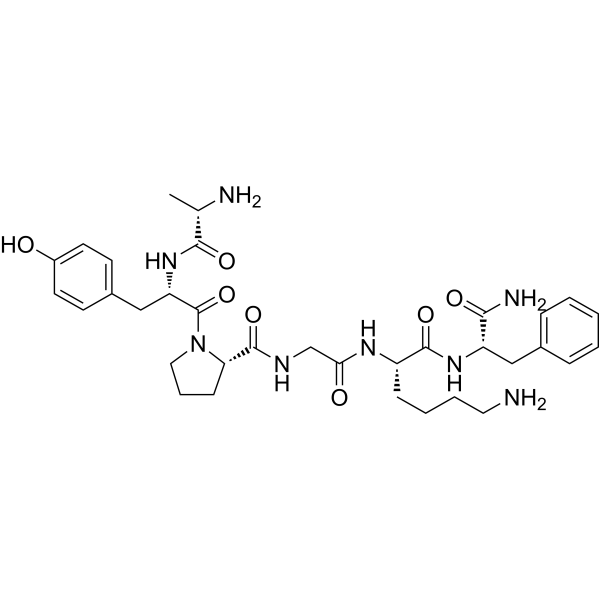
PAR-4 Agonist Peptide, amide (PAR-4-AP; AY-NH2) is a proteinase-activated receptor-4 (PAR-4) agonist, which has no effect on either PAR-1 or PAR-2 and whose effects are blocked by a PAR-4 antagonist.
loading...
    loading...
2
2 Cited Publications
Cat. No.: HY-122542B
CAS No.: 157379-44-7
Purity:  99.28%
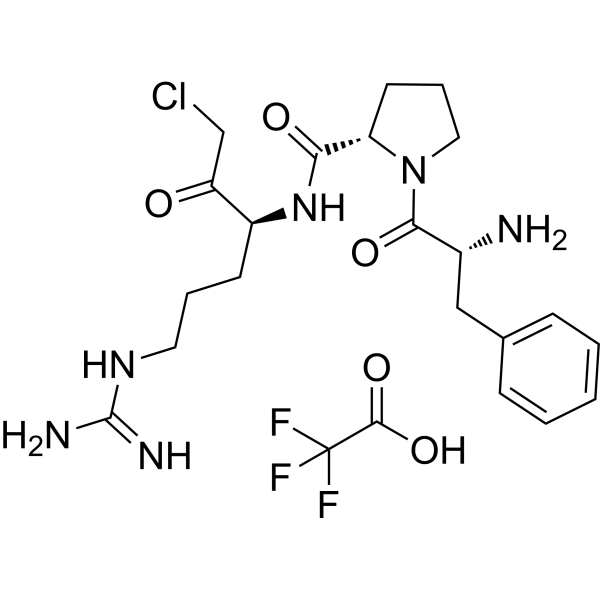
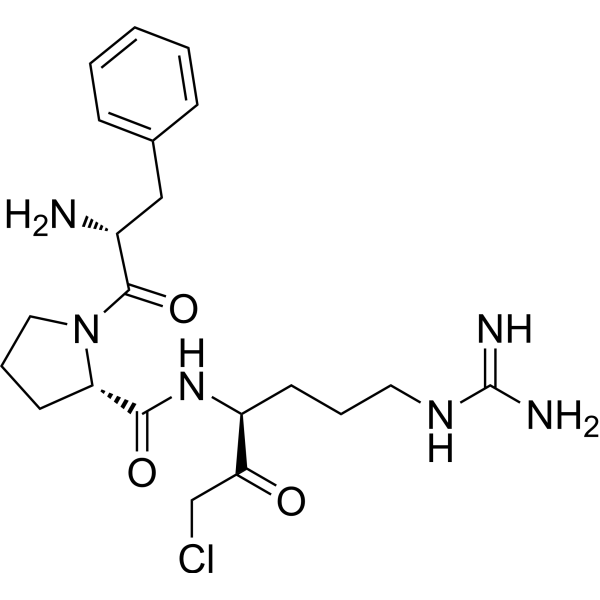
PPACK TFA is a potent, peptidic inhibitor targeting thrombin and granzyme GZMK. PPACK TFA specifically blocks the activities of thrombin and GZMK, thereby inhibiting thrombin-mediated PAR-1 cleavage, as well as downstream inflammatory and procoagulant signaling pathways. Through stabilizing IκB proteins, blocking NF-κB activation and reducing systemic levels of proinflammatory/procoagulant biomarkers, PPACK TFA exerts multiple effects including anti-inflammatory, antithrombotic, barrier repair, and inhibition of atherosclerotic plaque progression. PPACK TFA binds to platelets without interference from kininogen, effectively limiting acute thrombus growth and reducing eosinophil infiltration and goblet cell hyperplasia in asthma models. PPACK TFA is an important tool molecule for investigating the mechanisms of atherosclerosis, asthma and related thromboinflammatory diseases [1] .
loading...
    loading...
2
2 Cited Publications
Cat. No.: HY-P1309A
CAS No.: 1228078-65-6
Synonyms: PAR-4-AP TFA; AY-NH2 TFA
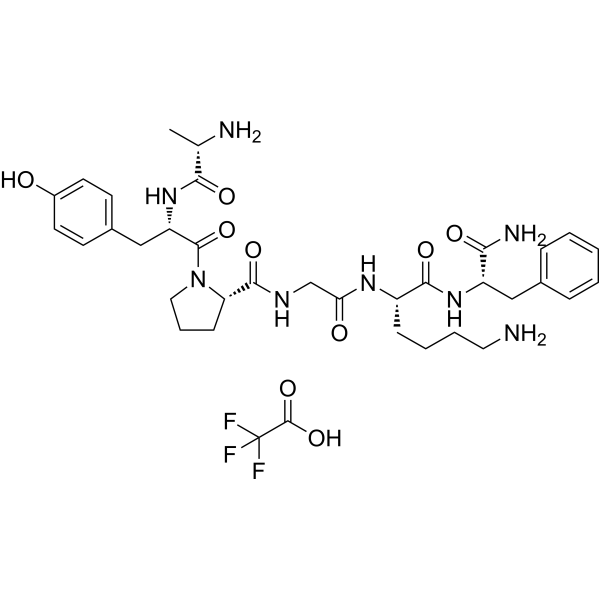
PAR-4 Agonist Peptide, amide TFA (PAR-4-AP TFA; AY-NH2 TFA) is a proteinase-activated receptor-4 (PAR-4) agonist, which has no effect on either PAR-1 or PAR-2 and whose effects are blocked by a PAR-4 antagonist [1].
loading...
    loading...
2
2 Cited Publications
Cat. No.: HY-122542A
CAS No.: 82188-90-7
Synonyms: Pebac; D-Phenylalanyl-prolyl-arginyl Chloromethyl Ketone; D-Phe-Pro-Arg-CH2Cl
PPACK dihydrochloride is a potent, peptidic inhibitor targeting thrombin and granzyme GZMK. PPACK dihydrochloride specifically blocks the activities of thrombin and GZMK, thereby inhibiting thrombin-mediated PAR-1 cleavage, as well as downstream inflammatory and procoagulant signaling pathways. Through stabilizing IκB proteins, blocking NF-κB activation and reducing systemic levels of proinflammatory/procoagulant biomarkers, PPACK dihydrochloride exerts multiple effects including anti-inflammatory, antithrombotic, barrier repair, and inhibition of atherosclerotic plaque progression. PPACK dihydrochloride binds to platelets without interference from kininogen, effectively limiting acute thrombus growth and reducing eosinophil infiltration and goblet cell hyperplasia in asthma models. PPACK dihydrochloride is an important tool molecule for investigating the mechanisms of atherosclerosis, asthma and related thromboinflammatory diseases [1] .
loading...
    loading...
Cat. No.: HY-P2518
CAS No.: 141136-85-8
Protease-Activated Receptor-1, PAR-1 Agonist is a selective proteinase-activated receptor1 (PAR-1) agonist peptide. Protease-Activated Receptor-1, PAR-1 Agonist corresponds to PAR1 tethered ligand and which can selectively mimic theactions of thrombin via this receptor [1] .
loading...
    loading...
Cat. No.: HY-114164G
CAS No.: 9002-04-4
Murine Thrombin is a murine serine protease that plays a central role in blood coagulation. Murine Thrombin stimulates macrophages to polarize into a unique phenotype characterized by anti-inflammatory and pro-repair properties. Murine Thrombin activates PAR1, induces the production of MCP-1, MMP3 and VEGF in mouse intervertebral discs, and causes degradation of the cartilage matrix and destruction of intervertebral disc structure. Murine Thrombin activity increases significantly in paraoxon-induced status epilepticus [1] .
loading...
    loading...
Cat. No.: HY-122542
CAS No.: 71142-71-7
PPACK is a potent, peptidic inhibitor targeting thrombin and granzyme GZMK. PPACK specifically blocks the activities of thrombin and GZMK, thereby inhibiting thrombin-mediated PAR-1 cleavage, as well as downstream inflammatory and procoagulant signaling pathways. Through stabilizing IκB proteins, blocking NF-κB activation and reducing systemic levels of proinflammatory/procoagulant biomarkers, PPACK exerts multiple effects including anti-inflammatory, antithrombotic, barrier repair, and inhibition of atherosclerotic plaque progression. PPACK binds to platelets without interference from kininogen, effectively limiting acute thrombus growth and reducing eosinophil infiltration and goblet cell hyperplasia in asthma models. PPACK is an important tool molecule for investigating the mechanisms of atherosclerosis, asthma and related thromboinflammatory diseases [1] .
loading...
    loading...
Cat. No.: HY-18200
CAS No.: 751475-53-3
Synonyms: E5555; ER-172594-00
Atopaxar (E5555) is a potent, orally active, selective and reversible thrombin receptor protease-activated receptor-1 (PAR-1) antagonist. Atopaxar, an antiplatelet agent, interferes with platelet signaling. Atopaxar can be used for the research of atherothrombotic disease [1] .
loading...
    loading...
Cat. No.: HY-107146
CAS No.: 371131-16-7
Purity:  99.84%
Synonyms: P1pal-7
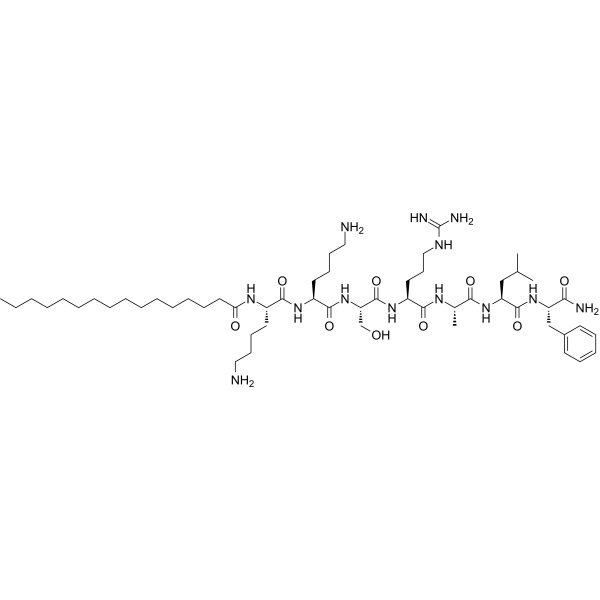
PZ-128 (P1pal-7), a cell-penetrating lipopeptide pepducin, is a first-in-class, specific and reversible protease-activated receptor-1 (PAR1) antagonist. PZ-128 targets the cytoplasmic surface of PAR1 and interrupts signaling to internally-located G (PAR1-G) proteins. PZ-128 has antiplatelet, anti-metastatic, anti-angiogenic and anticancer effects [1] .
loading...
    loading...
Cat. No.: HY-P5360
CAS No.: 244095-36-1
Research Areas:  

Others

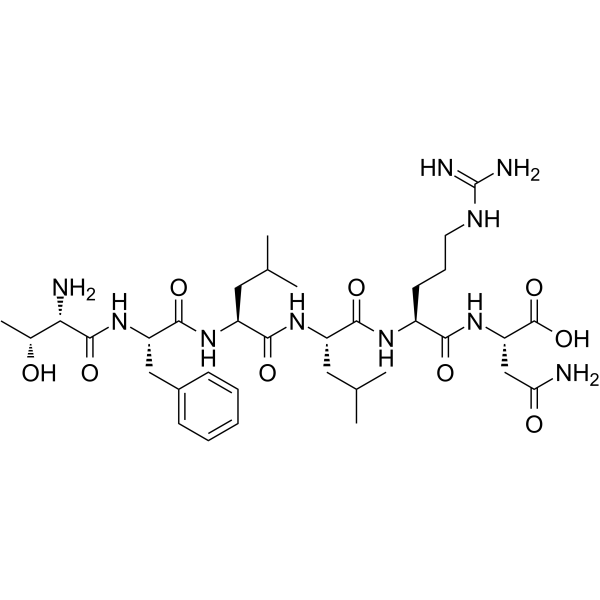
TFLLRN-NH2 is a biological active peptide. (PAR-1 Agonist)
loading...
    loading...
Cat. No.: HY-P2321
CAS No.: 141923-40-2
TRAP-6 amide is a PAR-1 thrombin receptor agonist peptide [1].
loading...
    loading...

