1. Search Result
Search Result
Results for "

Pyridoxal 5'-phosphate hydrate

" in MedChemExpress (MCE) Product Catalog:

53

Inhibitors & Agonists

2

Biochemical Assay Reagents

1

MCE Kits

1

Inhibitory Antibodies

20

Natural
Products

2

Recombinant Proteins

5

Isotope-Labeled Compounds

1

Antibodies

2

Oligonucleotides

Cat. No. Product Name Target Research Areas Chemical Structure
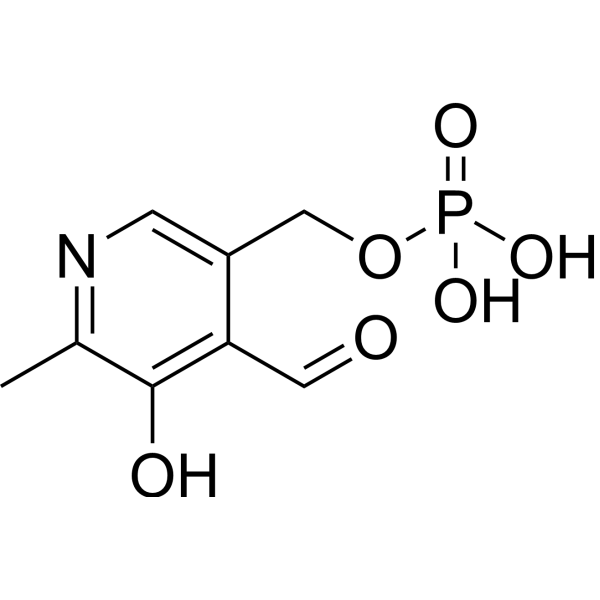
  • HY-B1744
    Pyridoxal phosphate
    4 Publications Verification

    Pyridoxal 5′-phosphate; Pyridoxyl phosphate

    Reverse Transcriptase Endogenous Metabolite ERK Amyloid-β Neurological Disease Metabolic Disease Cancer
    Pyridoxal phosphate is the active form of vitamin B6, acts as an inhibitor of reverse transcriptases, and is used for the treatment of tardive dyskinesia.
    Pyridoxal phosphate
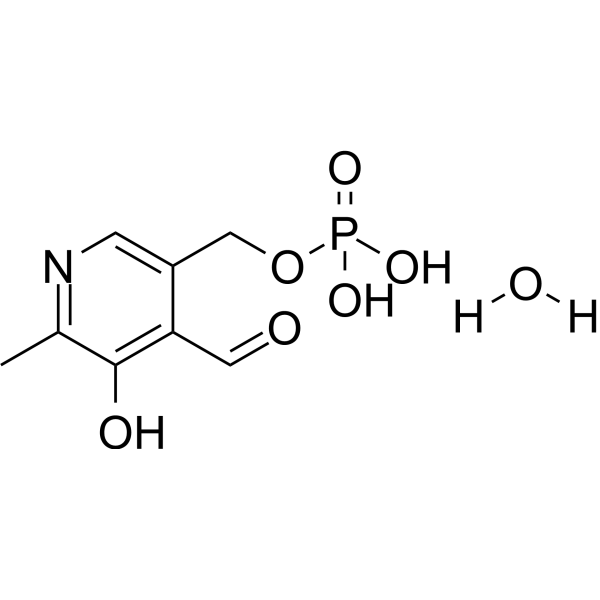
  • HY-W011727A
    Pyridoxal 5'-​phosphate monohydrate
    4 Publications Verification

    Pyridoxal phosphate monohydrate

    Endogenous Metabolite Amyloid-β ERK Neurological Disease Metabolic Disease Cancer
    Pyridoxal 5'-phosphate monohydrate, the active form of vitamin B6, is an essential cofactor for multiple enzymes, including aromatic l-amino acid decarboxylase that catalyzes the final stage in the production of the neurotransmitters dopamine and serotonin. Pyridoxal 5'-phosphate monohydrate is the most important coenzyme variant in the process of vitamin B6 intracellular phosphorylation and is interconvertible with other variants, including pyridoxine 5′‐phosphate (PNP) and pyridoxamine 5′‐phosphate (PMP) .
    Pyridoxal 5'-​phosphate monohydrate
  • HY-W011727S

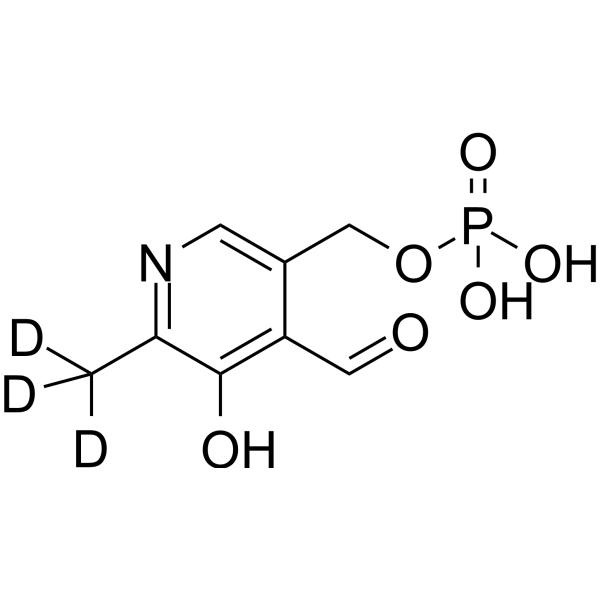
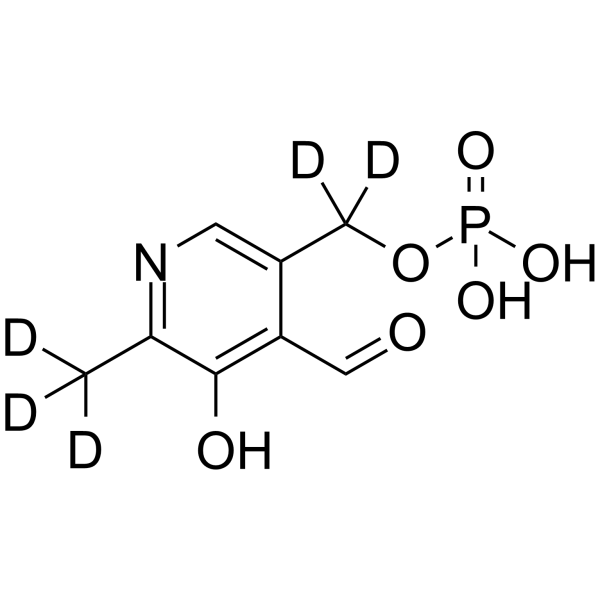
    Pyridoxal 5'-phosphate-d3

    Endogenous Metabolite Amyloid-β ERK Neurological Disease Metabolic Disease Cancer
    Pyridoxal Phosphate-d3 is the deuterium labeled Pyridoxal 5'-phosphate. Pyridoxal 5'-phosphate, the active form of vitamin B6, is an essential cofactor for multiple enzymes, including aromatic l-amino acid decarboxylase that catalyzes the final stage in the production of the neurotransmitters dopamine and serotonin. Pyridoxal 5'-phosphate is the most important coenzyme variant in the process of vitamin B6 intracellular phosphorylation and is interconvertible with other variants, including pyridoxine 5′‐phosphate (PNP) and pyridoxamine 5′-phosphate (PMP) .
    Pyridoxal Phosphate-d3
  • HY-W027446
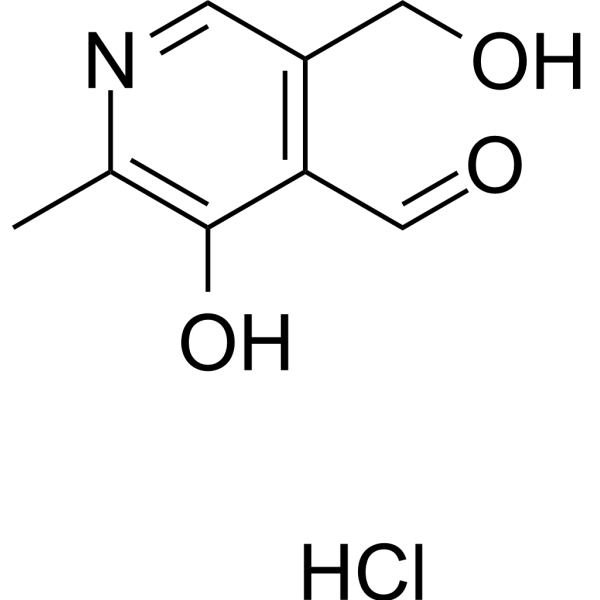
    Pyridoxal hydrochloride
    1 Publications Verification

    Endogenous Metabolite Neurological Disease Metabolic Disease
    Pyridoxal hydrochloride, the hydrochloride form of Pyridoxal (HY-107469), is a newly developed neuroprotective agent. Pyridoxal hydrochloride is one of the major forms of vitamin B6. Pyridoxal hydrochloride is solvolyzed in methanol to form pyridoxal monomethylacetal. Pyridoxal is phosphorylated by pyridoxal kinase to Pyridoxal phosphate (HY-B1744). Pyridoxal is oxidized by the liver to 4-Pyridoxic acid (HY-113493) which is excreted in the urine. Pyridoxal hydrochloride is proming for research of carpal tunnel syndrome (CTS) .
    Pyridoxal hydrochloride
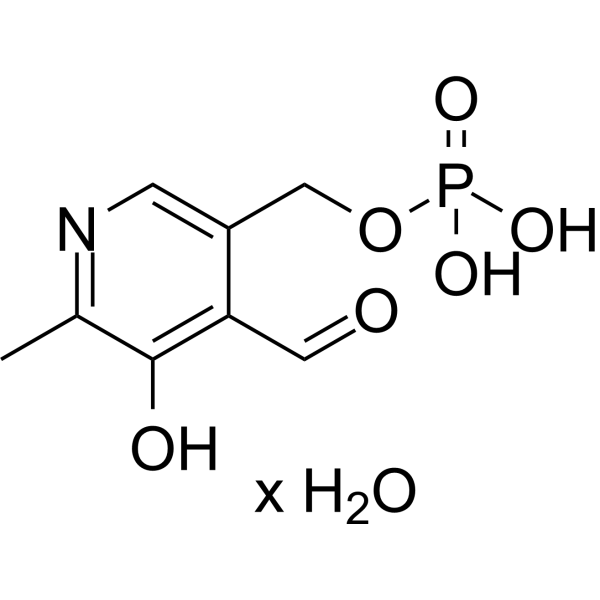
  • HY-W011727
    Pyridoxal 5'-phosphate hydrate
    4 Publications Verification

    Pyridoxal phosphate hydrate

    Endogenous Metabolite Amyloid-β ERK Neurological Disease Metabolic Disease Cancer
    Pyridoxal 5'-phosphate hydrate, the active form of vitamin B6, is an essential cofactor for multiple enzymes, including aromatic l-amino acid decarboxylase that catalyzes the final stage in the production of the neurotransmitters dopamine and serotonin. Pyridoxal 5'-phosphate hydrate is the most important coenzyme variant in the process of vitamin B6 intracellular phosphorylation and is interconvertible with other variants, including pyridoxine 5′‐phosphate (PNP) and pyridoxamine 5′-phosphate (PMP) .
    Pyridoxal 5'-phosphate hydrate
  • HY-N8157
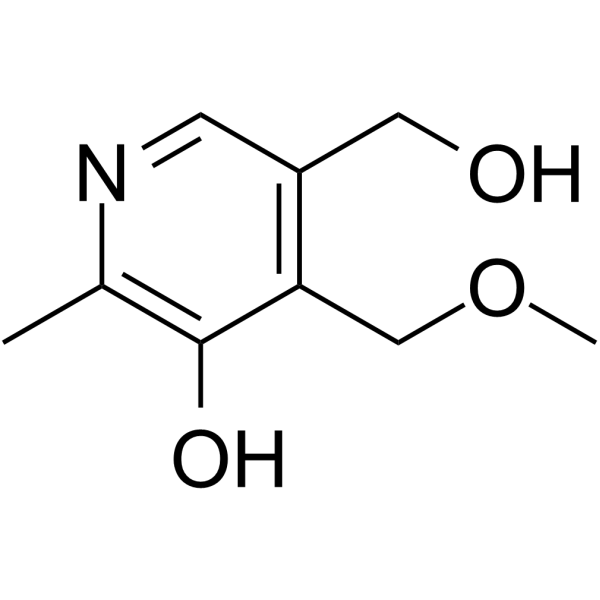
    4'-O-Methylpyridoxine
    1 Publications Verification

    Others Cardiovascular Disease Neurological Disease
    4'-O-Methylpyridoxine is an orally active antivitamin B6 compound found in Ginkgo biloba seeds and leaves. 4'-O-Methylpyridoxine inhibits pyridoxal kinase. 4'-O-Methylpyridoxine reduces brain pyridoxal-5'-phosphate (PLP) levels, decreases gamma-aminobutyric acid/glutamate (GABA/Glu) ratio. 4'-O-Methylpyridoxine increases plasma levels of pyridoxal-5'-phosphate and pyridoxal. 4'-O-Methylpyridoxine induces hyperactivity, convulsions, pathological tissue changes, organ damage in rodent brain and heart .
    4'-O-Methylpyridoxine
  • HY-P2985

    Endogenous Metabolite Metabolic Disease
    Alanine aminotransferase, Porcine heart is a pyridoxal enzyme that catalyzes the reversible interconversion of L-alanine and 2-oxoglutalate to pyruvate and L-glutamate .
    Alanine aminotransferase, Porcine heart
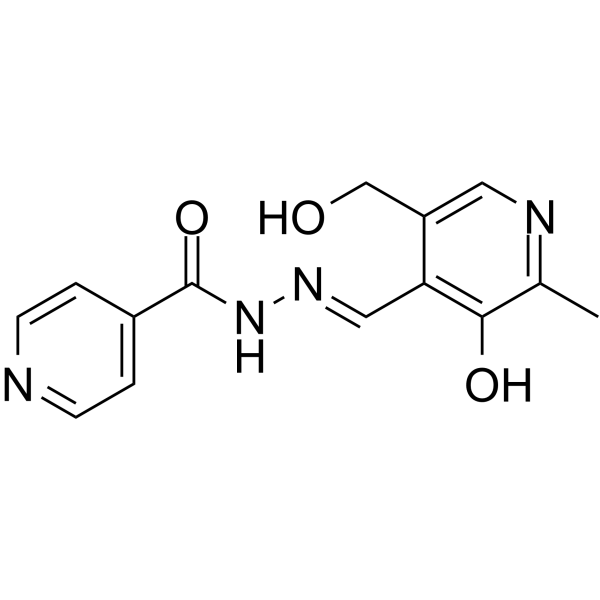
  • HY-114758
    Pyridoxal isonicotinoyl hydrazone
    4 Publications Verification

    Biochemical Assay Reagents Ferrochelatase Cardiovascular Disease
    Pyridoxal isonicotinoyl hydrazone is an orally active and lipophilic iron-specific chelator that acts as a non-competitive inhibitor of ferrochelatase (FECH) by binding iron ions. Pyridoxal isonicotinoyl hydrazone disrupts heme biosynthesis, leading to reduced FECH stability and increased protoporphyrin IX (PPIX) accumulation. Pyridoxal isonicotinoyl hydrazone is promising for research of iron-overload diseases (e.g., β-thalassemia) [5] .
    Pyridoxal isonicotinoyl hydrazone
  • HY-B1746

    Endogenous Metabolite Neurological Disease
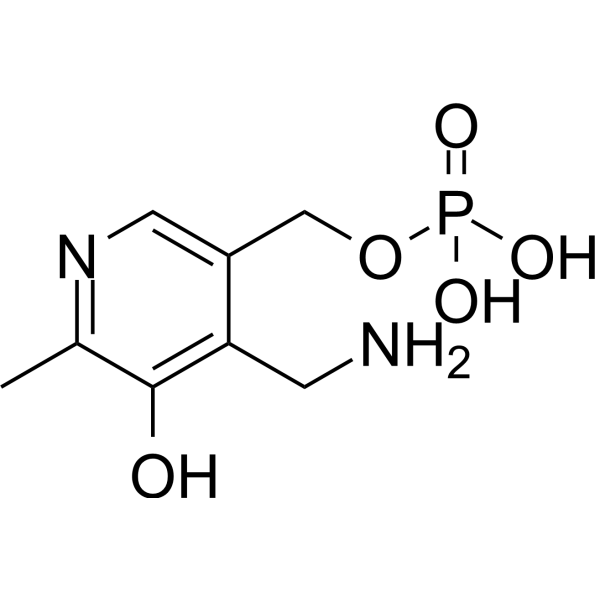
    Pyridoxamine 5′-phosphate is the active form of vitamin B6 bound to phosphoric acid. Pyridoxamine 5′-phosphate is the aminated form of Pyridoxal 5'-?phosphate monohydrate (HY-W011727A) and as co-factor of a variety of enzymes central metabolite, potent antioxidant, vitamin B6 vitamer and enzyme substrate. Pyridoxamine 5′-phosphate can be interconverted with pyridoxal 5'-phosphate hydrate .
    Pyridoxamine 5′-phosphate
  • HY-B1500
    2,2,2-Trichloroethanol
    2 Publications Verification

    Potassium Channel Endogenous Metabolite Neurological Disease
    2,2,2-Trichloroethanol, the active form of Chloral hydrate, is an agonist for the nonclassical K2P channels TREK-1 (KCNK2) and TRAAK (KCNK4) .
    2,2,2-Trichloroethanol
  • HY-B1744R

    Pyridoxal 5′-phosphate (Standard); Pyridoxyl phosphate (Standard)

    Reference Standards Reverse Transcriptase Endogenous Metabolite Neurological Disease
    Pyridoxal phosphate (Standard) is the analytical standard of Pyridoxal phosphate. This product is intended for research and analytical applications. Pyridoxal phosphate is the active form of vitamin B6, acts as an inhibitor of reverse transcriptases, and is used for the treatment of tardive dyskinesia.
    Pyridoxal phosphate (Standard)
  • HY-107469
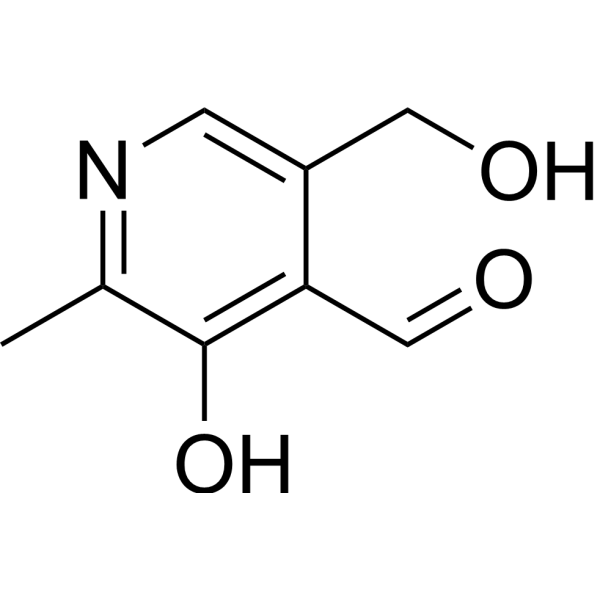
    Pyridoxal
    1 Publications Verification

    Pyridoxaldehyde

    Endogenous Metabolite Neurological Disease Metabolic Disease
    Pyridoxal is a neuroprotectant. Pyridoxal is one of the main forms of vitamin B6. Pyridoxal is phosphorylated by pyridoxal kinase to pyridoxal phosphate (HY-B1744). Pyridoxal is oxidized by the liver to 4-pyridoxic acid (HY-113493) and excreted in the urine. Pyridoxal has shown promise in the study of carpal tunnel syndrome (CTS) .
    Pyridoxal
  • HY-N7113

    Environmental Pollutants Cancer
    Squalane, found in certain fish oils (especially shark liver oil), and some vegetable oils, is a saturated derivative of Squalene. Squalane shows anticancer, antioxidant, skin hydrating, and emollient activities .
    Squalane
  • HY-A0104K

    Hypromellose (Type II,Viscosity:3mPa.s); (Hydroxypropyl)methyl cellulose (Type II,Viscosity:3mPa.s); Celacol HPM 5000 (Type II,Viscosity:3mPa.s)

    Environmental Pollutants Biochemical Assay Reagents Others
    HPMC (Type II, Viscosity: 3 mPa.s) is a nonionic polymer prepared via synthetic modification of cellulose. As a hydrophilic matrix material, HPMC prolongs drug release through non-Fickian diffusion, which includes the diffusion of drugs in the hydrated matrix and the polymer relaxation process .
    HPMC (Type II,Viscosity:3mPa.s)
  • HY-148009

    16:0-18:1 Cardiolipin sodium

    Biochemical Assay Reagents Others
    Cardiolipin (16:0/18:1/16:0/18:1) (16:0-18:1 Cardiolipin) sodium is a di-saturated mitochondrial-specific anionic phospholipid sodium salt containing the long-chain fatty acid palmitic acid (HY-N0830) and the monounsaturated fatty acid oleic acid (HY-N1446). Cardiolipin (16:0/18:1/16:0/18:1) sodium undergoes in-source fragmentation via diglyceride (DG)-H2O fragment formation and (DG-H2O) fragment loss pathways. Cardiolipin (16:0/18:1/16:0/18:1) sodium can be used in the synthesis of lipid nanodiscs for application in in situ mass spectrometry .
    Cardiolipin (16:0/18:1/16:0/18:1) sodium
  • HY-107469R
    Pyridoxal (Standard)
    1 Publications Verification

    Pyridoxaldehyde (Standard)

    Endogenous Metabolite Reference Standards Neurological Disease Metabolic Disease
    Pyridoxal (Standard) is the analytical standard of Pyridoxal. This product is intended for research and analytical applications. Pyridoxal is a neuroprotectant. Pyridoxal is one of the main forms of vitamin B6. Pyridoxal is phosphorylated by pyridoxal kinase to pyridoxal phosphate (HY-B1744). Pyridoxal is oxidized by the liver to 4-pyridoxic acid (HY-113493) and excreted in the urine. Pyridoxal has shown promise in the study of carpal tunnel syndrome (CTS)[1][2][3].
    Pyridoxal (Standard)
  • HY-145539

    Liposome Others
    1,2-Dipalmitoyl-sn-glycero-3-PS sodium is a phosphatidylserine phospholipid. 1,2-Dipalmitoyl-sn-glycero-3-PS sodium is used for the preparation of phospholipid bilayers .
    1,2-Dipalmitoyl-sn-glycero-3-PS sodium
  • HY-W094712

    Biochemical Assay Reagents Others
    Potassium oxalate monohydrate is a biochemical reagent that can be used as a biological material or organic compound for life science related research .
    Potassium oxalate monohydrate
  • HY-107469S1

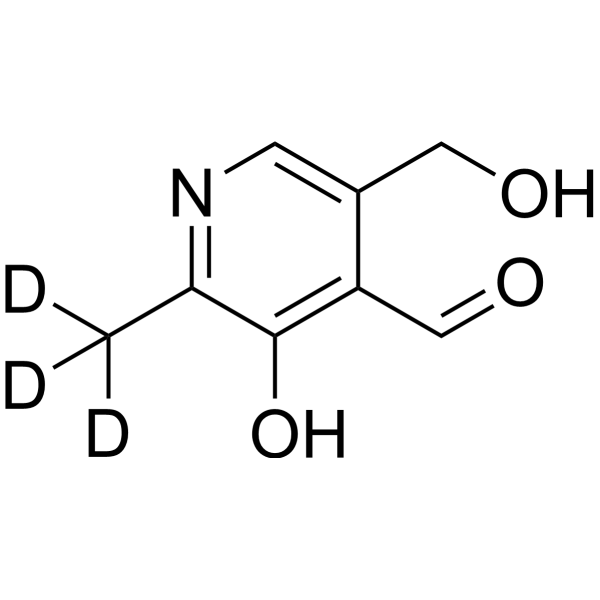
    Pyridoxaldehyde-d3

    Endogenous Metabolite Others
    Pyridoxal-d3 is the deuterium labeled Pyridoxal .
    Pyridoxal-d3
  • HY-N3394

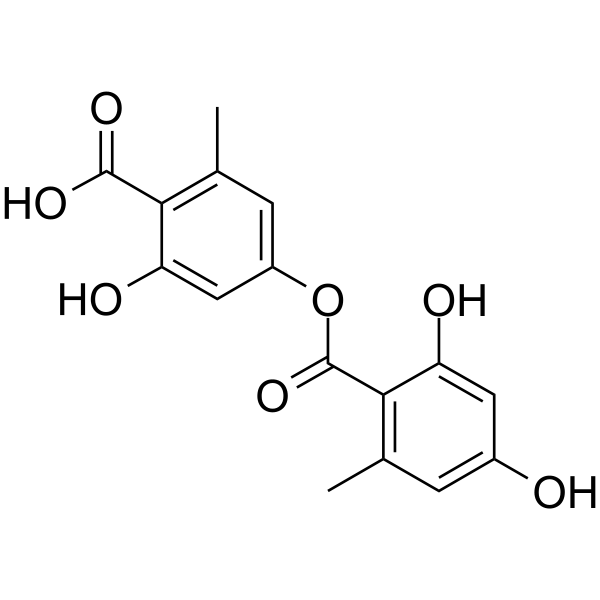
    Others Infection
    Lecanoric acid is a histidine-decarboxylase inhibitor isolated from fungus. The inhibition by lecanoric acid is competitive with histidineand noncompetitive with pyridoxal phosphate. Lecanoric acid did not inhibit aromatic amino acid decarboxylase .
    Lecanoric acid
  • HY-15377

    GABA Receptor Neurological Disease
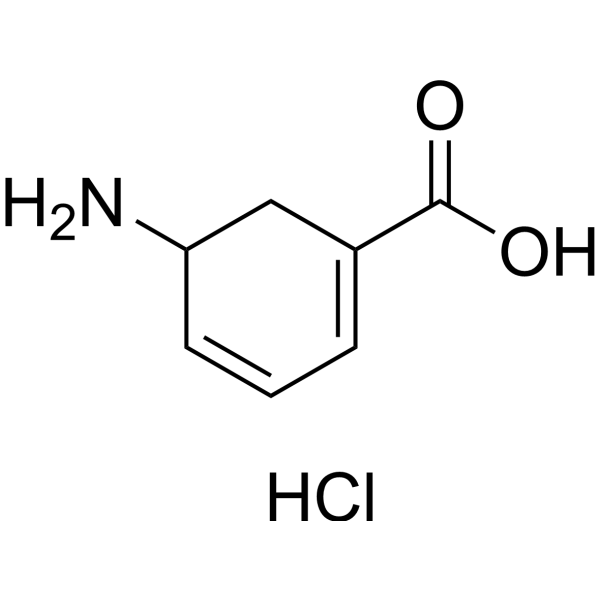
    DL-Gabaculine hydrochloride is a neurotoxin that irreversibly inhibits bacterial pyridoxal phosphate linked γ-aminobutyric acid-α-ketoglutaric acid transaminase with a Ki of 2.86 μM .
    DL-Gabaculine hydrochloride
  • HY-107469S

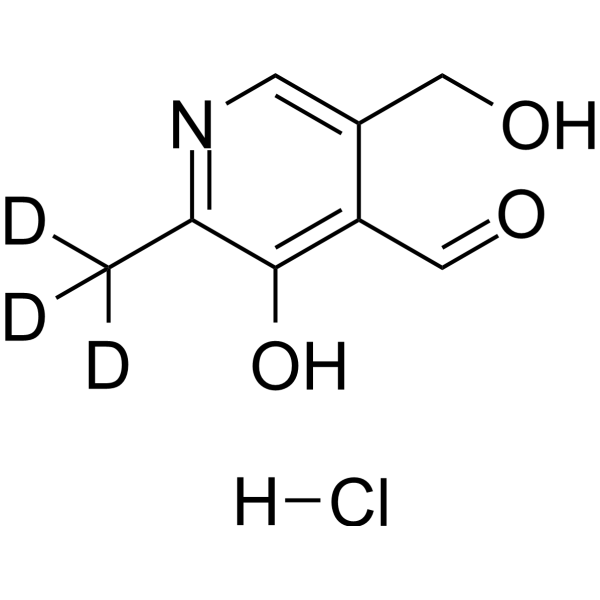
    Pyridoxaldehyde-d3 hydrochloride

    Isotope-Labeled Compounds Others
    Pyridoxal-d3 (hydrochloride) is the deuterium labeled Pyridoxal hydrochloride .
    Pyridoxal-d3 hydrochloride
  • HY-B1744S

    Isotope-Labeled Compounds Reverse Transcriptase Endogenous Metabolite Neurological Disease
    Pyridoxal phosphate-d5 is the deuterium labeled Pyridoxal phosphate. Pyridoxal phosphate is the active form of vitamin B6, acts as an inhibitor of reverse transcriptases, and is used for the treatment of tardive dyskinesia .
    Pyridoxal phosphate-d5
  • HY-P2876

    Bacterial Others
    Tryptophanase is a zymogen-converting enzyme and inducible enzyme that can convert its inactive precursor form into an active enzyme without additional polypeptide synthesis. In Escherichia coli K12, tryptophanase functions as an inducible enzyme, and its induction kinetics are similar to those of β-galactosidase. Tryptophanase catalyzes the conversion of L-tryptophan to indole .
    Tryptophanase
  • HY-W011727AR

    Pyridoxal phosphate monohydrate (Standard)

    Reference Standards Endogenous Metabolite Amyloid-β ERK Neurological Disease Metabolic Disease Cancer
    Pyridoxal 5'-​phosphate (monohydrate) (Standard) is the analytical standard of Pyridoxal 5'-​phosphate (monohydrate). This product is intended for research and analytical applications. Pyridoxal 5'-phosphate monohydrate, the active form of vitamin B6, is an essential cofactor for multiple enzymes, including aromatic l-amino acid decarboxylase that catalyzes the final stage in the production of the neurotransmitters dopamine and serotonin. Pyridoxal 5'-phosphate monohydrate is the most important coenzyme variant in the process of vitamin B6 intracellular phosphorylation and is interconvertible with other variants, including pyridoxine 5′‐phosphate (PNP) and pyridoxamine 5′-phosphate (PMP) .
    Pyridoxal 5'-phosphate monohydrate (Standard)
  • HY-N7113R

    Reference Standards Others Cancer
    Squalane (Standard) is the analytical standard of Squalane. This product is intended for research and analytical applications. Squalane, found in certain fish oils (especially shark liver oil), and some vegetable oils, is a saturated derivative of Squalene. Squalane shows anticancer, antioxidant, skin hydrating, and emollient activities .
    Squalane (Standard)
  • HY-W588249

    Bacterial Endogenous Metabolite Infection
    Sabinene hydrate is a volatile organic compound of a bicyclic monoterpene alcohol. Sabinene hydrate, as a plant secondary metabolite, is naturally present in various plants and their essential oils. Sabinene hydrate exhibits broad-spectrum but varying-intensity antibacterial activity, with the greatest sensitivity to Gram-positive bacteria, especially Bacillus subtilis (MIC = 0.0312 mg/mL) and Staphylococcus aureus (MIC = 0.0625 mg/mL). Sabinene hydrate also shows certain sensitivity to Escherichia coli and Candida albicans, with MIC values of 0.125 mg/mL for both. Sabinene hydrate can be used in the research of the ecological functions of plant defense substances .
    Sabinene hydrate
  • HY-W745771

    Isotope-Labeled Compounds Biochemical Assay Reagents Metabolic Disease
    D-Penicillamine-d6 is the deuterium labeled L-Penicillamine (HY-116073). L-Penicillamine is a mechanism-based inhibitor of serine palmitoyltransferase by forming a pyridoxal-5 '-phosphate-thiazolidine adduct. L-Penicillamine is a metal chelating agent of intermediate strength .
    D-Penicillamine-d6
  • HY-P991210

    ALXN-1850

    Phosphatase Cardiovascular Disease
    Efzimfotase alfa (ALXN-1850) is enzyme replacement therapy agent targeting the deficiency of tissue-nonspecific alkaline phosphatase (TNSALP). Efzimfotase alfa functions by hydrolyzing the substrates of TNSALP, reducing the concentrations of substrates such as inorganic pyrophosphate (PPi) and pyridoxal 5′-phosphate (PLP). Efzimfotase alfa is promising for research of hypophosphatasia (HPP) .
    Efzimfotase alfa
  • HY-W011727R

    Pyridoxal phosphate hydrate (Standard)

    Endogenous Metabolite Reference Standards Amyloid-β ERK Neurological Disease Metabolic Disease Cancer
    Pyridoxal 5'-phosphate (hydrate) (Standard) is the analytical standard of Pyridoxal 5'-phosphate (hydrate) (HY-W011727). This product is intended for research and analytical applications. Pyridoxal 5'-phosphate hydrate, the active form of vitamin B6, is an essential cofactor for multiple enzymes, including aromatic l-amino acid decarboxylase that catalyzes the final stage in the production of the neurotransmitters dopamine and serotonin. Pyridoxal 5'-phosphate hydrate is the most important coenzyme variant in the process of vitamin B6 intracellular phosphorylation and is interconvertible with other variants, including pyridoxine 5′‐phosphate (PNP) and pyridoxamine 5′-phosphate (PMP) .
    Pyridoxal 5'-phosphate hydrate (Standard)
  • HY-13682A

    MTP-PE sodium hydrate; L-MTP-PE sodium hydrate; CGP 19835 sodium hydrate

    NOD-like Receptor (NLR) Inflammation/Immunology Cancer
    Mifamurtide (MTP-PE; CGP 19835) sodium hydrate is the sodium hydrate of mifamurtide. Mifamurtide is a nonspecific immunomodulator that acts by stimulating immune responses by activating macrophages and monocytes. Mifamurtide is a specific ligand for NOD2 and is used as an insulin sensitizer and may also be used in osteosarcoma research .
    Mifamurtide sodium hydrate
  • HY-E70570

    GABA Receptor Metabolic Disease
    Glutamate decarboxylase is an enzyme that catalyzes the decarboxylation of glutamate to gamma-aminobutyric acid (GABA) and carbon dioxide (CO2). Many gut microbes can metabolize glutamate via their Glutamate decarboxylase in a pyridoxal-5′-phosphate (PLP) dependent manner .
    Glutamate decarboxylase
  • HY-123202

    P2Y Receptor Cancer
    MRS2603 is a pyridoxal derivative. MRS2603 antagonized both P2Y1 and P2Y13 receptors .
    MRS2603
  • HY-W027446R

    Reference Standards Endogenous Metabolite Neurological Disease Metabolic Disease
    Pyridoxal hydrochloride (Standard) is the analytical standard of Pyridoxal hydrochloride. This product is intended for research and analytical applications. Pyridoxal hydrochloride, the hydrochloride form of Pyridoxal (HY-107469), is a newly developed neuroprotective agent. Pyridoxal hydrochloride is one of the major forms of vitamin B6. Pyridoxal hydrochloride is solvolyzed in methanol to form pyridoxal monomethylacetal. Pyridoxal is phosphorylated by pyridoxal kinase to Pyridoxal phosphate (HY-B1744). Pyridoxal is oxidized by the liver to 4-Pyridoxic acid (HY-113493) which is excreted in the urine. Pyridoxal hydrochloride is proming for research of carpal tunnel syndrome (CTS) .
    Pyridoxal hydrochloride (Standard)
  • HY-162508

    Bacterial Infection
    KSK-104 has potent antibacterial activity against Mycobacterium tuberculosis (MIC=0.78 μM). The role of KSK-104 is mainly involved in the synthesis and recovery pathways of pyridoxal 5'-phosphate (PLP), PLP-dependent enzymes and oxidative stress networks. KSK-104, as a candidate molecule for novel anti-tuberculosis drugs, can be used to develop research against drug-resistant mycobacterium tuberculosis .
    KSK-104
  • HY-162652

    Serine Racemase (SR) Neurological Disease
    HSR-IN-1 (Compound 28) is an effective hSR (human serine racemase) inhibitor. In the presence of the cofactor Pyridoxal 5'-phosphate monohydrate (HY-W011727A), HSR-IN-1 has a Kd value of 5.4 μM and an IC50 of 18.3 μM for hSR, while the IC50 of HSR-IN-1 alone is 4.7 μM. HSR-IN-1 can be used for research on central nervous system diseases .
    HSR-IN-1
  • HY-B1746R

    Reference Standards Endogenous Metabolite Neurological Disease
    Sacubitril (sodium) (Standard) is the analytical standard of Sacubitril (sodium). This product is intended for research and analytical applications. Sacubitril sodium is a potent and orally active NEP (neprilysin) inhibitor, with an IC50 of 5 nM. Sacubitril sodium enhances the tone of the natriuretic peptide (NP) system and exerts significant antihypertensive effects. Sacubitril sodium is a component of the heart failure medicine LCZ696. Sacubitril sodium can be used for the research of heart failure, hypertension and COVID-19 .
    Pyridoxamine 5′-phosphate (Standard)
  • HY-47272A

    Nucleoside Antimetabolite/Analog Cancer
    N6-Benzoyl-9-β-D-arabinofuranosyladenine hydrate is the hydrate of N6-Benzoyl-9-β-D-arabinofuranosyladenine (HY-47272). N6-Benzoyl-9-β-D-arabinofuranosyladenine is an adenosine analog. Adenosine analogs mostly act as smooth muscle vasodilators and have also been shown to inhibit cancer progression. Its popular products are adenosine phosphate, Acadesine (HY-13417), Clofarabine (HY-A0005), Fludarabine phosphate (HY-B0028) and Vidarabine (HY-B0277) .
    N6-Benzoyl-9-β-D-arabinofuranosyladenine hydrate
  • HY-B1500R

    Reference Standards Potassium Channel Endogenous Metabolite Neurological Disease
    2,2,2-Trichloroethanol (Standard) is the analytical standard of 2,2,2-Trichloroethanol. This product is intended for research and analytical applications. 2,2,2-Trichloroethanol, the active form of Chloral hydrate, is an agonist for the nonclassical K2P channels TREK-1 (KCNK2) and TRAAK (KCNK4) .
    2,2,2-Trichloroethanol (Standard)
  • HY-111598

    Drug Intermediate Bacterial Infection
    4-Phospho-D-erythronate is a Ribose 5-phosphate isomerase inhibitor, intermediate in pyridoxal 5'-phosphate synthesis in some bacteria, and substrate for 4PE dehydrogenase (PdxB) in select proteobacteria .
    4-Phospho-D-erythronate
  • HY-E70894

    Endogenous Metabolite Metabolic Disease
    α,γ-Homocysteinase, Trichomonas vaginalis is a pyridoxal-5’-phosphate dependent enzyme. α,γ-Homocysteinase, Trichomonas vaginalis is a mutant of homocysteinase from Trichomonas vaginalis encoded by mgl1 gene, containing three point mutations, such as; Phe47Leu, Asp172Glu, Ser308Tyr. α,γ-Homocysteinase, Trichomonas vaginalis can metabolize homocysteine into α-keto butyrate, hydrogen sulfide and ammonia.
    α,γ-Homocysteinase, Trichomonas vaginalis
  • HY-P2985B

    Endogenous Metabolite Metabolic Disease
    Alanine aminotransferase, Human (E.coli) is a pyridoxal enzyme that catalyzes the reversible interconversion of L-alanine and 2-oxoglutalate to pyruvate and L-glutamate .
    Alanine aminotransferase, Human (E.coli)
  • HY-E71076

    Biochemical Assay Reagents Others
    (5-Formylfuran-3-yl)methyl phosphate transaminase (EC 2.6.1.108), characterized from the archaebacterium Methanocaldococcus jannaschii, participates in the biosynthesis of the cofactor methanofuran. Requires pyridoxal 5'-phosphate.
    (5-Formylfuran-3-yl)Methyl phosphate transaminase
  • HY-W791994A

    Bacterial Inflammation/Immunology
    BVL3572S, a hydroxamic acid derivative, exhibits potent bactericidal activity against Mycobacterium tuberculosis (Mtb) with a MIC90 of 1.7 µM. BVL3572S inhibits pyridoxal phosphate (PLP)-dependent aminotransferases HisC and AlaA to kill Mtb. BVL3572S can be used for tuberculosis (TB) research .
    BVL3572S
  • HY-126915

    Drug Metabolite Metabolic Disease
    CNK-6004 is a Montirelin hydrate (NS-3) (HY-19154) metabolite .
    CNK-6004
  • HY-E71319

    Biochemical Assay Reagents Others
    β-Methylphenylalanine transaminase (EC 2.6.1.107) requires pyridoxal phosphate. Isolated from the bacterium Streptomyces hygroscopicus NRRL3085. It is involved in the biosynthesis of the glycopeptide antibiotic mannopeptimycin.
    β-Methylphenylalanine transaminase
  • HY-124655

    LPL Receptor Inflammation/Immunology
    S1PL-IN-2 (Compound 28) is a potent sphingosine-1-phosphate lyase (S1PL) inhibitor with an IC50 of 120 nM. S1PL-IN-2 shows an IC50 of 230 nM on HEK293 cells. S1PL-IN-2 block the conversion of Vitamin B6 into the active pyridoxal-4-phosphate cofactor required for S1P lyase activity. S1PL-IN-2 can be used for the researches of inflammation and immunology, such as rheumatoid arthritis .
    S1PL-IN-
2
  • HY-W460727

    Insecticide Infection
    Boron sodium oxide (tetrahydrate) is an alkaline salt. Boron sodium oxide (tetrahydrate) can be used as an insecticide, a flame retardant, and an agricultural micronutrient .
    Boron sodium oxide tetrahydrate
  • HY-E70938

    Endogenous Metabolite Metabolic Disease
    L-Tyrosine Decarboxylase Apoenzyme, Streptococcus faecalis (EC 4.1.1.25), is a carboxyl lyase capable of cleaving carbon-carbon bonds. L-Tyrosine Decarboxylase Apoenzyme participates in tyrosine metabolism and alkaloid biosynthesis. L-Tyrosine Decarboxylase Apoenzyme uses a cofactor—pyridoxal phosphate. L-Tyrosine Decarboxylase Apoenzyme has one substrate, L-tyrosine, and two products: tyramine and carbon dioxide.
    L-Tyrosine Decarboxylase Apoenzyme, Streptococcus faecalis
  • HY-P2825A

    Endogenous Metabolite Metabolic Disease
    L-Tyrosine Decarboxylase, Streptococcus faecalis (EC 4.1.1.25), is a carboxyl lyase capable of cleaving carbon-carbon bonds. L-Tyrosine Decarboxylase Apoenzyme participates in tyrosine metabolism and alkaloid biosynthesis. L-Tyrosine Decarboxylase Apoenzyme uses a cofactor—pyridoxal phosphate. L-Tyrosine Decarboxylase Apoenzyme has one substrate, L-tyrosine, and two products: tyramine and carbon dioxide.
    L-Tyrosine Decarboxylase, Streptococcus faecalis

Inquiry Online

Your information is safe with us. * Required Fields.

Salutation


Country or Region *

Applicant Name *


Organization Name *

Department *


Email Address *


Product Name *

Cat. No.


Requested quantity *

Phone Number *


Remarks

Inquiry Online

Inquiry Information

Product Name:
Cat. No.:
Quantity:
MCE Japan Authorized Agent:

