1. Search Result
Search Result
Results for "

RAMOS

" in MedChemExpress (MCE) Product Catalog:

48

Inhibitors & Agonists

5

Inhibitory Antibodies

1

Click Chemistry

Cat. No. Product Name Target Research Areas Chemical Structure
  • HY-P99349

    Loncastuximab tesirine-lpyl; ADCT-402

    Antibody-Drug Conjugates (ADCs) Apoptosis Cancer
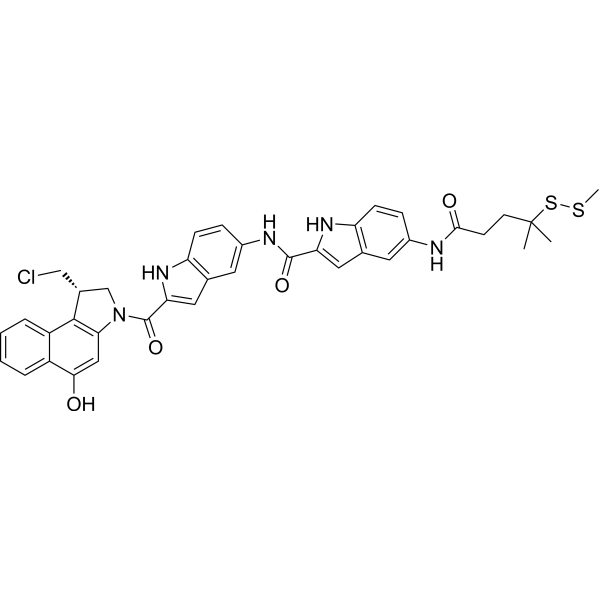
    Loncastuximab tesirine is a human cluster of differentiation 19 (CD19)-directed antibody-drug conjugate (ADC). The antibody portion is Loncastuximab (HY-P99711), and the drug-linker conjugate for ADC is Tesirine (HY-128952). Once bound to CD19 on the cell membrane, loncastuximab tesirine is rapidly internalised and triggers cell death. Loncastuximab tesirin induces cell apoptosis, it can be used for the research of diffuse large B-cell lymphoma .
    Loncastuximab tesirine
  • HY-136241
    OT-82
    1 Publications Verification

    NAMPT Caspase Cancer
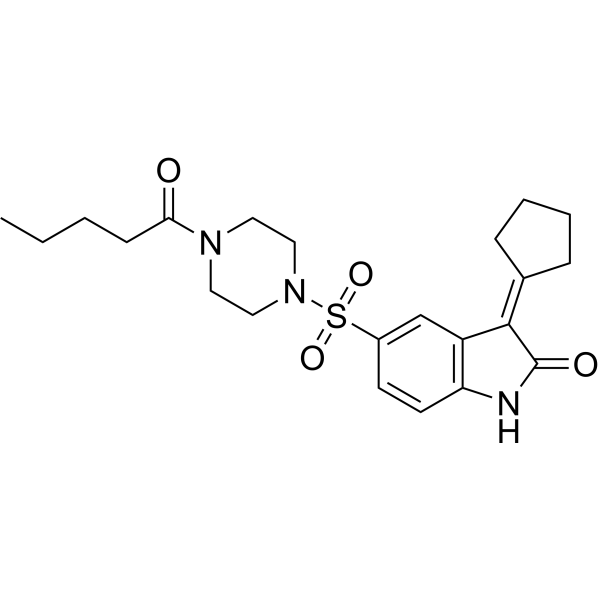
    OT-82 is a potent, selective and orally active inhibitor of NAMPT. OT-82 is selectively toxic to cells of hematopoietic origin and?induces cell death in a NAD + dependent manner. OT-82 is a promising antineoplastic agent for the study of hematological malignancies .
    OT-82
  • HY-15322
    PRT062607
    4 Publications Verification

    P505-15; PRT-2607; BIIB-057

    Syk Apoptosis Caspase Inflammation/Immunology Cancer
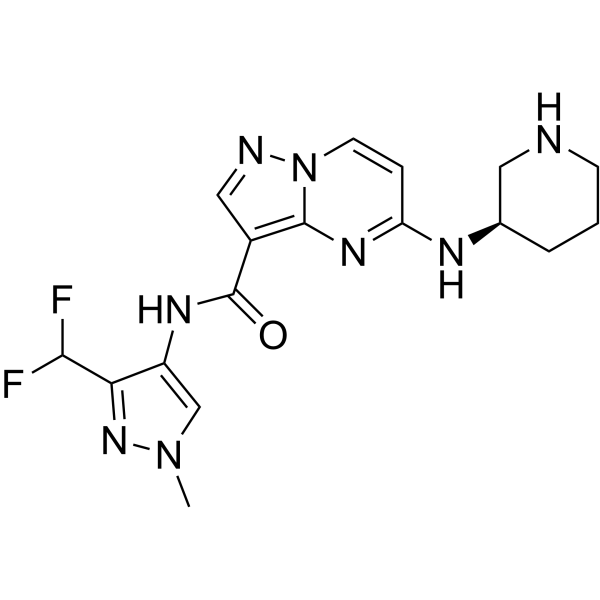
    PRT062607 (P505-15; PRT-2607) is an orally active ATP-competitive Syk inhibitor with an IC50 value of 1 nM, and exhibits at least 80-fold selectivity over other kinases. PRT062607 blocks B cell antigen receptor-mediated activation, Fcε receptor 1-mediated basophil degranulation and microglial phagocytosis, and induces caspase-dependent apoptosis and microglial death. PRT062607 inhibits tumor growth and peripheral nerve injury-induced mechanical allodynia, and prevents neuronal loss. PRT062607 can be used in research related to rheumatoid arthritis, chronic lymphocytic leukemia, non-Hodgkin's lymphoma, neurodegenerative diseases and neuropathic pain .
    PRT062607
  • HY-176244

    Histone Acetyltransferase Cancer
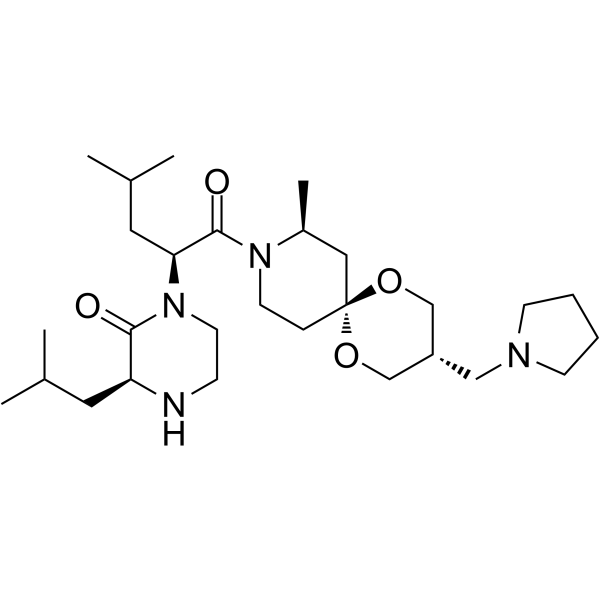
    KI-TOX-A3 is a TOX protein-protein interaction inhibitor that blocks the TOX-KAT7 protein-protein interaction with an IC50 of 0.51 μM. KI-TOX-A3 induces proteasomal degradation of TOX, restores KAT7-mediated H3K14 acetylation, reverses exhaustion of CD8 + T cells, and inhibits the proliferation of T cell acute lymphoblastic leukemia (T-ALL) cells. KI-TOX-A3 shows promise for use in studies of hematological malignancies such as T-ALL .
    KI-TOX-A3
  • HY-128943
    MAC glucuronide phenol-linked SN-38
    1 Publications Verification

    Drug-Linker Conjugates for ADC Cancer
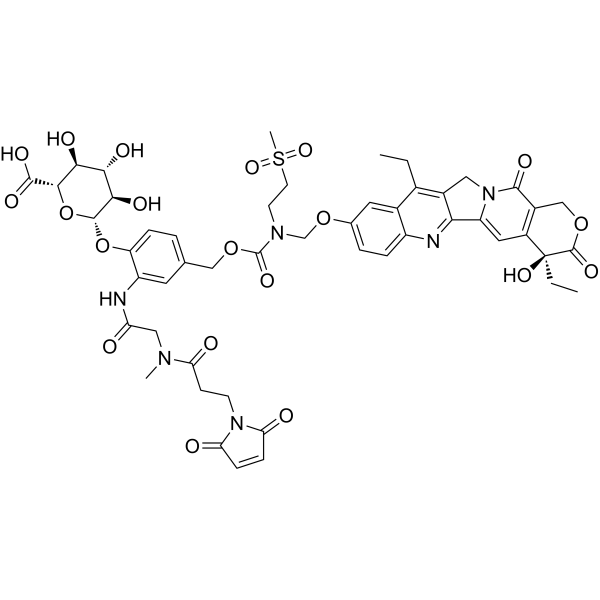
    MAC glucuronide phenol-linked SN-38 is a pH-susceptible lactone MAC glucuronide phenol-linked SN-38 (DNA topoisomerase I inhibitor) agent linker. MAC glucuronide phenol-linked SN-38 is cytotoxic across L540cy cells and Ramos cells with IC50 values of 113 and 67 ng/mL, respectively.Albumin-coupled MAC glucosidol-linked SN-38 shows good stability in mouse plasma .
    MAC glucuronide phenol-linked SN-38
  • HY-109192
    Tolebrutinib
    Maximum Cited Publications
    7 Publications Verification

    SAR442168; PRN2246

    Btk Neurological Disease
    Tolebrutinib (SAR442168) is a potent, selective, orally active and brain-penetrant inhibitor of Bruton tyrosine kinase (BTK), with IC50s of 0.4 and 0.7 nM in Ramos B cells and in HMC microglia cells, respectively. Tolebrutinib exhibits efficacy in central nervous system immunity. Tolebrutinib can be used for the research of multiple sclerosis (MS) .
    Tolebrutinib
  • HY-148837

    PROTACs c-Myc Casein Kinase Infection Cardiovascular Disease Cancer
    PROTAC c-Myc degrader-1 (Compound A153) is a multiple target protein degrader (PROTAC). PROTAC c-Myc degrader-1 effective degrades c-MYC, CK1α, GSPT1 and IKZF1/2/3 proteins in a variety of tumor cells. PROTAC c-Myc degrader-1 can be used for c-Myc high expression related disease research, such as cancer, cardiovascular and cerebrovascular diseases, and viral infection (Pink: c-Myc ligand (HY-168685); Blue: E3 ligase ligand (HY-W093472); Black: linker (HY-W015808)) .
    GT19630
  • HY-177554

    Biochemical Assay Reagents Cancer
    KB05yne is a site-selective, alkyne-functionalized electrophilic "probe" fragment probe designed for covalent ligand discovery, with preferential reactivity toward specific cysteine residues in proteins. KB05yne strongly labels wild-type target proteins (e.g., CDKN2AIP, HPCAL1) but does not label their cysteine-to-alanine mutants, confirming site-specific cysteine reactivity. KB05yne can be used for the discovery and optimization of site-specific covalent ligands, and is applicable to proteins with diverse structures and functions, especially in studies targeting cysteine residues in cancer-related or difficult-to-purify proteins .
    KB05yne
  • HY-P991669

    AML-01

    Caspase Apoptosis Cancer
    IGN523 is an anti-CD98 antibody (hCD98, KD = 0.55 nM). IGN523 induces antibody-dependent cell-mediated cytotoxicity (ADCC) activity, lysosomal membrane permeabilization, and inhibition of essential amino acid transport, ultimately leading to caspase-3 and caspase-7-mediated apoptosis of tumor cells. IGN523 inhibits tumor growth in multiple tumor xenograft models. IGN523 is useful in the research of non-small cell lung cancer (NSCLC), acute myeloid leukemia (AML), and other cancers. .
    IGN523
  • HY-P99272
    Ulocuplumab
    1 Publications Verification

    BMS 936564; MDX 1338; Anti-Human CXCR4 Recombinant Antibody

    CXCR Cancer
    Ulocuplumab (Anti-Human CXCR4 Recombinant Antibody/BMS-936564/MDX1338) is a fully human IgG4 anti-CXCR4 antibody. Ulocuplumab induces apoptosis and inhibits CXCL12 mediated CXCR4 activation-migration of chronic lymphocytic leukemia (CLL). Ulocuplumab exhibits antitumor activity in established tumors including acute myeloid leukemia (AML), non-Hodgkin lymphoma (NHL), and multiple myeloma xenograft models .
    Ulocuplumab
  • HY-15163
    Zotiraciclib
    2 Publications Verification

    TG02; SB1317

    JAK CDK FLT3 Cancer
    Zotiraciclib (TG02; SB1317) is an orally active JAK2/FLT3/CDK2 inhibitor with IC50 values of 13 nM, 73 nM and 56 nM , respectively. Zotiraciclib inhibits cancer cell proliferation, tumor growth and the activity of CYP2D6. Zotiraciclib exhibits high plasma protein binding rate, Caco-2 permeability and tissue distribution capacity, as well as metabolic stability in human and canine liver microsomes. Zotiraciclib achieves tumor growth inhibition in nude mouse models of colon cancer and lymphoma xenografts. Zotiraciclib can be used for research related to colon cancer, B-cell lymphoma, advanced leukemia, acute leukemia and multiple myeloma .
    Zotiraciclib
  • HY-15809

    Btk Calcium Channel Inflammation/Immunology
    (Rac)-Ibrutinib alkyne (Compound 8) is a Btk inhibitor with an IC50 of 0.72 nM. (Rac)-Ibrutinib alkyne can effectively inhibit functions related to the B-cell receptor signaling pathway, with an IC50 of 9 nM for inhibiting Ca flux in Ramos cells. (Rac)-Ibrutinib alkyne can be used in the research of diseases such as rheumatoid arthritis .
    (Rac)-Ibrutinib alkyne
  • HY-139344

    FAK PROTACs Cancer
    FC-11 is a PROTAC FAK degrader (DC90: 1 nM) . FC-11 contains CRBN ligand Pomalidomide (HY-10984), linker and FAK ligand PF562271 (HY-10459) .
    FC-11
  • HY-122828

    PROTACs Btk Others
    PROTAC BTK Degrader-2 is a potent BTK PROTAC degrader. PROTAC BTK Degrader-2 effectively reduces BTK protein levels .
    PROTAC BTK Degrader-2
  • HY-133121

    Apoptosis WDR5 Cancer
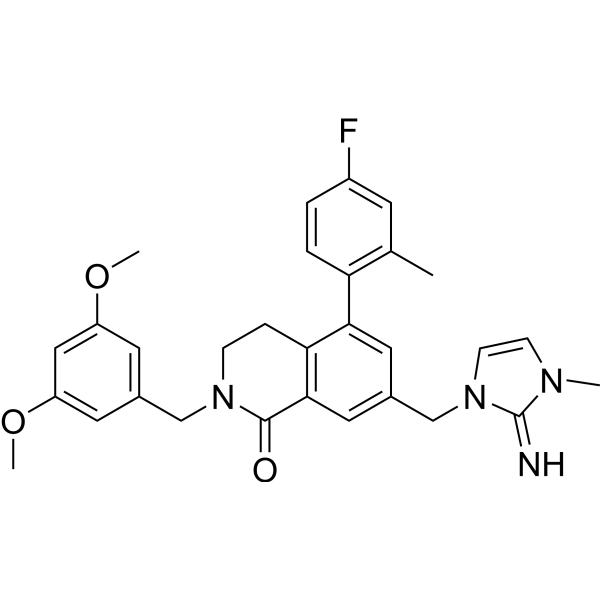
    WDR5-IN-1 is a potent and selective WD repeat domain 5 (WDR5) inhibitor, with a Kd of <0.02 nM. WDR5-IN-1 inhibits MLL1 histone methyltransferase (HMT) activity with an IC50 of 2.2 nM. WDR5-IN-1 diminishes MYC recruitment at WDR5-displaced genes and exhibits potent anti-proliferative effects in CHP-134 (neuroblastoma) and Ramos (Burkitt’s lymphoma) lines .
    WDR5-IN-1
  • HY-154860

    PROTACs Btk Apoptosis Caspase Bcl-2 Family NF-κB Akt Inflammation/Immunology Cancer
    PTD10 is a selective and potent BTK PROTAC degrader (DC50 = 0.5 nM, KD = 2.28 nM). PTD10 can recruit cereblon (CRBN) E3 ligase and form a ternary complex with BTK, thereby mediating the ubiquitination and proteasome-dependent degradation of BTK. PTD10 inhibits cancer cells proliferation, and induces cell apoptosis via activation of the caspase-dependent pathway and mitochondrial pathway. PTD10 potently inhibits the BCR, AKT and NF-κB signaling pathway. PTD10 can be used for researches of B-cell malignancies and autoimmune disease .
    PTD10
  • HY-122830

    PROTACs Btk NF-κB Cardiovascular Disease Cancer
    DD-03-171 is a PROTAC BTK degrader. DD-03-171 inhibits mantle cell lymphoma (MCL) cell proliferation (IC50 = 5.1 nM) and prolongs the survival of mice bearing a lymphoma PDX model by degrading BTK, IKFZ1, and IKFZ3. DD-03-171 also inhibits platelet function and thrombosis. (Pink: BTK ligand 9 (HY-168292); Black: linker (HY-28875); Blue: Thalidomide-NH-CH2-COOH (HY-131717)) .
    DD-03-171
  • HY-136531

    Btk Apoptosis Cancer
    XMU-MP-3 is a potent non-covalent BTK inhibitor with IC50s of 10.7 nM and 17.0 nM for BTK WT and BTK C481S mutation in the presence of 10 μM ATP, respectively. XMU-MP-3 also induces apoptosis .
    XMU-MP-3
  • HY-112898

    ADC Payload Cancer
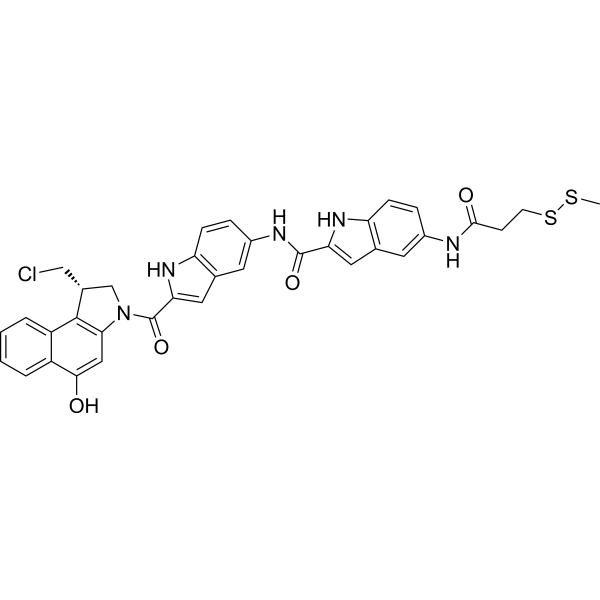
    DC1Sme, a DC1 derivative, exhibits IC50 values of 22 pM, 10 pM, 32 pM and 250 pM for Ramos, Namalwa, HL60/s and COLO 205 cancer cells, respectively. DC1, an analogue of the minor groove-binding DNA alkylator CC-1065, is a ADC Cytotoxin. DC1 can be used in synthesis of antibody-drug conjugates for the targeted treatment of cancer.
    DC1SMe
  • HY-135122

    ADC Payload DNA Alkylator/Crosslinker Cancer
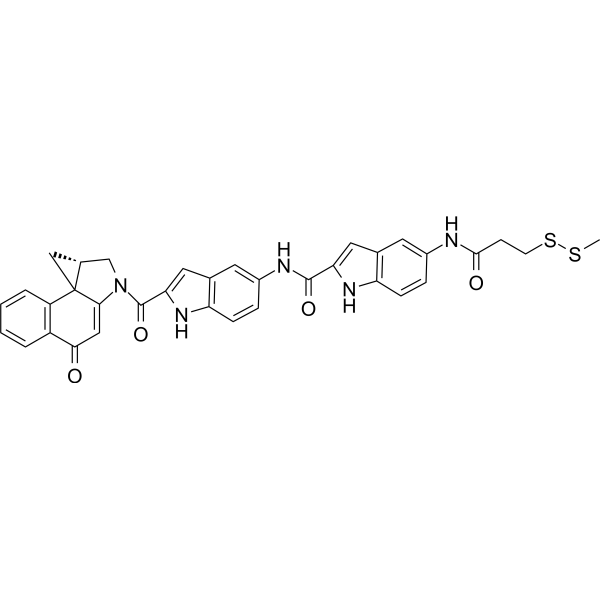
    DC10SMe is a DNA alkylator, can be used in the synthesis of antibody-drug conjugate (ADC). DC10SMe exhibits IC50s of 15 pM, 12 pM, and 12 pM for Ramos, Namalwa, and HL60/s cancer cells, respectively .
    DC10SMe
  • HY-150593

    IRAK Cancer
    IRAK4-IN-16 (compound 4) is a potent IRAK4 (interleukin-1 receptor associated kinase 4) inhibitor, with an IC50 of 2.5 nM. IRAK4-IN-16 shows cytotoxicity activity against OCI-LY10, TMD8, Ramos and HT cells, with IC50 values of 0.2, 0.2, 0.6, and 2.7 μM, respectively .
    IRAK4-IN-16
  • HY-176071

    ByeTAC Epigenetic Reader Domain Cancer
    TEC 4 is a ByeTAC (Bypassing E-Ligase-Targeting Chimera) BRD4 degrader, with 33% BRD4 remaining at 500 nM in Ramos B-cells. TEC 4 shows toxicity for Ramos B-cells, with an IC50 of 30.5 nM. ByeTACs directly recruits a protein to the proteasome via interactions with Rpn-13 for degradation. Pink: BRD4 lignad (HY-78695); Blue: Rpn-13 ligand (HY-159808); Black: linker (HY-W008352) .
    TEC 4
  • HY-168963

    PROTACs Btk Itk p38 MAPK Inflammation/Immunology Cancer
    PROTAC BTK Degrader-13 (Compound 25) is the PROTAC degrader for BTK with a DC50 of 0.27 μM. PROTAC BTK Degrader-13 inhibits the activity of BTK with an IC50 of 0.44 μM, inhibits IL-2-induced T cell kinase (ITK) with an IC50 of 2.16 μM. PROTAC BTK Degrader-13 inhibits p38 MAPK signaling pathway, block the activation of the BCR (B cell receptor) signaling pathway . (Pink: ligand for target protein BTK ligand 15 (HY-168965); Black: linker (HY-Y0524); Blue: ligand for E3 ligase cereblon (HY-103596))
    PROTAC BTK Degrader-13
  • HY-112900

    ADC Payload Cancer
    DC41SMe, a DC1 derivative, shows cytotoxicity in Ramos, Namalwa, and HL60/s cells with IC50s ranging from 18-25 pM. DC1, a simplified analogue of CC-1065, is an antibody conjugate of cytotoxic DNA alkylators for the targeted treatment of cancer .
    DC41SMe
  • HY-173462

    IKK Cancer
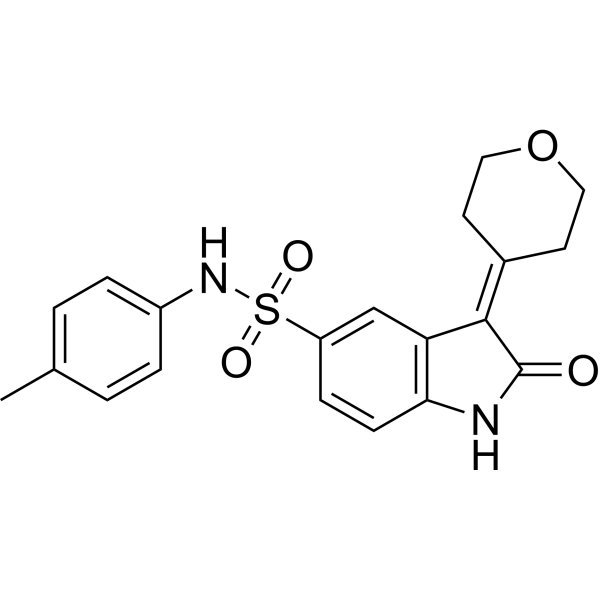
    TBK1-IN-2 (Compound A1) is a potent TBK1 inhibitor (IC50: 775 pM). TBK1-IN-2 binds to TBK1 through stable hydrogen bonds and π-π stacking, inhibiting IRF3 phosphorylation. TBK1-IN-2 synergizes with TNF/IFNγ to enhance immune-mediated tumor cell death. TBK1-IN-2 can be used in cancer immunotherapy research .
    TBK1-IN-2
  • HY-150594

    IRAK NF-κB Cancer
    IRAK4-IN-17 (Compound 5) is a potent IRAK4 inhibitor with the IC50 of 1.3 nM . IRAK4-IN-17 can be used in large B-cell lymphoma (DLBCL) research .
    IRAK4-IN-17
  • HY-162407

    Btk Cancer
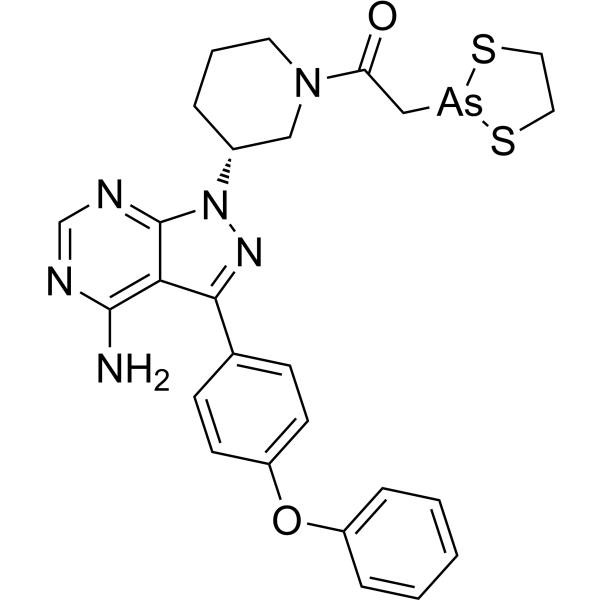
    I-As-1 is a potent inhibitor of Bruton’s tyrosine kinase (BTK), with the IC50 of 2.35 nM. I-As-1 shows antiproliferative activities among Ramos cells and OCI-LY10 cells with IC50s of 0.52 μM and 0.11 μM, respectively .
    I-As-1
  • HY-136342

    Others Cancer
    Antitumor agent-23 is a potent anti-cancer agent with GI50s of 38, 48, 5, 27, 80, and 28 nM for lymphoma cell line GRANTA-519, KARPAS-422, KARPAS-299, RAMOS, DAUDI, and RAJI, respectively. Antitumoral activity .
    Antitumor agent-23
  • HY-135124

    ADC Payload Cancer
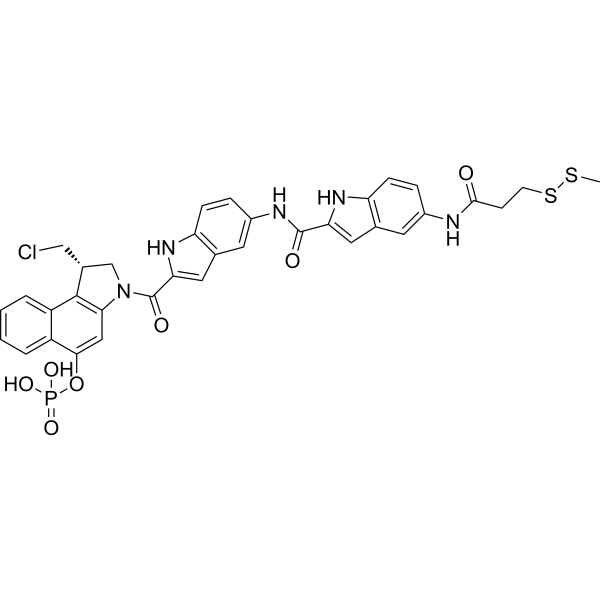
    DC44SMe, a phosphate proagent of cytotoxic DNA alkylator DC44, can be used in the synthesis of antibody-drug conjugate (ADC). DC44SMe exhibits IC50s of 2.0 nM, 2.8 nM, and 1.9 nM for Ramos, Namalwa, and HL60/s cancer cells, respectively. DC44SMe can be used for the targeted treatment of cancer .
    DC44SMe
  • HY-135123

    ADC Payload Cancer
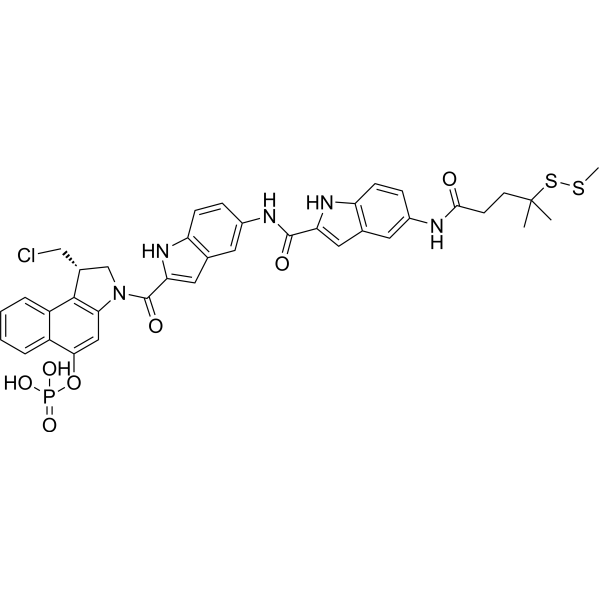
    DC4SMe, a phosphate proagent of cytotoxic DNA alkylator DC4, can be used in the synthesis of antibody-drug conjugate (ADC). DC4SMe exhibits IC50s of 1.9 nM, 2.9 nM, and 1.8 nM for Ramos, Namalwa, and HL60/s cancer cells, respectively. DC4SMe can be used for the targeted treatment of cancer .
    DC4SMe
  • HY-162257

    Btk Cancer
    BTK-IN-34 (compound 9h) is a selective BTK inhibitor. BTK-IN-34 shows antiproliferative activity in RAMOS cells through selective inhibition of pBTK (Tyr223) without affecting Lyn and Syk, upstream proteins in the BCR signaling pathway .
    BTK-IN-34
  • HY-157159

    Btk Cancer
    BTK-IN-28 (compound PID-4) is a potent BTK inhibitor with anticancer activity. BTK-IN-28 has inhibitory effects on BTK and downstream signaling cascades and selectively inhibits Burkitt lymphoma RAMOS proliferation. BTK-IN-28 has no significant cytotoxicity towards non-tumor cells .
    BTK-IN-28
  • HY-151503

    Autophagy Cancer
    MPM-1, a marine Eusynstyelamides mimic, is a potent anticancer agent. MPM-1 can rapidly kill cancer cells in vitro by inducing a necrosis-like death. MPM-1 has the ability to induce immunogenic cell death. MPM-1 causes perturbation of autophagy and lysosomal swelling in cancer cells .
    MPM-1
  • HY-151920

    Btk Inflammation/Immunology
    BTK-IN-17 (compound 36R) is a selective and orally activeBTK inhibitor with an IC50 value of 13.7 nM. BTK-IN-17 decreases the expression of p-BTK Y223 and p-PLCγ2 Y1217. BTK-IN-17 shows anti-inflammatory effects .
    BTK-IN-17
  • HY-143472

    PI3K Akt Apoptosis Cancer
    PI3Kδ-IN-11 is a highly potent and selective PI3Kδ inhibitor with IC50 value of 27.5 nM. PI3Kδ-IN-11 dose-dependently blocks the activity of PI3K/Akt pathway. PI3Kδ-IN-11 can be used for researching B or T cell-related malignancies .
    PI3Kδ-IN-11
  • HY-145884

    Btk Inflammation/Immunology
    BTK-IN-8 is a potent and selective peripheral covalent BTK inhibitor (IC50=0.22 nM; Kd=0.91 nM). BTK-IN-8 has good whole blood CD69 cellular potency (IC50=0.029 µM) .
    BTK-IN-8
  • HY-181996

    Btk Caspase Apoptosis PARP Cancer
    BTK-IN-47 (Compound 9e) is a covalent, selective BTK inhibitor with an IC50 of 5.15 nM against BTK. BTK-IN-47 inhibits the BTK signaling pathway, induces cell cycle arrest, and activates the canonical Caspase-dependent Apoptotic pathway (promoting the cleavage of Caspase-3, Caspase-7 and PARP), without inducing necroptosis, pyroptosis or ferroptosis. BTK-IN-47 exerts dose-dependent antiproliferative activity against hematologic tumor cell lines. BTK-IN-47 exhibits dose-dependent in vivo antitumor activity in a Ramos cell xenograft model in BALB/c nude mice. BTK-IN-47 can be used for the research of hematologic malignancies .
    BTK-IN-47
  • HY-178712

    Apoptosis Cancer
    CT 32228 is an inhibitor of lysophosphatidic acid acyltransferase-β (LPAAT-β). CT 32228 inhibits tumor cell growth. CT 32228 exhibits IC50 values of around 0.1-0.8 μM in various leukemia cell lines. CT 32228 induces caspase activation in DHL-4 and Ramos cells. CT 32228 induces apoptosis when combined with Rituximab (HY-P9913). CT 32228 results in a 50% xenograft growth delay in vivo. CT 32228 can be studied in research on acute leukemia .
    CT 32228
  • HY-183188

    Androgen Receptor COX Infection Neurological Disease Metabolic Disease Inflammation/Immunology Cancer
    7-Methoxy-4H-chromen-4-one-o-carborane is an ER agonist and COX inhibitor with a COX-1 IC50 of 3.0 μM, COX-2 IC50 of 1.0 μM. 7-Methoxy-4H-chromen-4-one-o-carborane can be used for research on antimicrobial, anti-inflammatory, antitumor, neuroprotective, and estrogenic effects .
    7-Methoxy-4H-chromen-4-one-o-carborane
  • HY-182080

    Microtubule/Tubulin Inflammation/Immunology
    EVs inducer-1 is a release inducer of immunostimulatory extracellular vesicles (EVs). EVs inducer-1 inhibits tubulin polymerization. EVs inducer-1 enhances the release of immunostimulatory EVs by antigen-presenting cells, increases the release of EV particles from dendritic cells, and elevates CD63 reporter gene activity. EVs inducer-1 inhibits the viability of proliferating cells. EVs inducer-1 is applicable for research related to immune regulation .
    EVs inducer-1
  • HY-181546

    Btk PERK Syk HMG Family Cancer
    Ibt-DOX is a BTK inhibitor with an IC50 of 2.89 nM. Ibt-DOX is also a targeted covalent activated chemotherapeutic agent composed of the targeting ligand Ibrutinib (HY-10997), Doxorubicin (DOX) (HY-15142A), α-MAA (HY-W017180), and a linker (HY-Y0892). Ibt-DOX specifically binds to BTK and releases DOX, synergistically achieving BTK inhibition and chemotherapeutic killing, significantly enhancing toxicity against B-cell lymphoma cells and greatly reducing the toxic side effects of DOX on BTK-negative cells. Ibt-DOX can be used in lymphoma-related research .
    Ibt-DOX
  • HY-P992488

    ZV0501 Antibody

    Transmembrane Glycoprotein ADC Antibody Cancer
    ZV05 (ZV0501 Antibody) is an anti-5T4 monoclonal antibody with an EC50 of 4.3 ng/mL against h5T4. ZV05 does not induce apoptosis or interfere with cell cycle progression. ZV05 accumulates specifically in 5T4-positive tumor xenografts. ZV05 can serve as the antibody component of antibody-active molecule conjugates (ADCs) to bind the 5T4 glycoprotein, thereby enabling targeted delivery of toxins. ZV05 is used in studies of 5T4-positive cancers, including triple-negative breast cancer .
    ZV05
  • HY-181064

    Epigenetic Reader Domain Cancer
    FWG-33B is an activator of TRMT112:METTL5 complex with an IC50 value of 0.47 μM. FWG-33B can be used for the research of breast carcinoma, hepatocellular carcinoma, nasopharyngeal carcinoma .
    FWG-33B
  • HY-183187

    Estrogen Receptor/ERR COX Cancer
    4H-Chromen-4-one-o-carborane is an estrogen receptor (ER) agonist, with an EC50 of 0.9 μM for ERα and an EC50 of 11.1 μM for ERβ. 4H-Chromen-4-one-o-carborane also acts as an inhibitor of COX-1 and COX-2, with an IC50 of 6.6 μM for COX-1 and an IC50 of 17.7 μM for COX-2 .
    4H-Chromen-4-one-o-carborane
  • HY-P992408

    TNF Receptor NF-κB MHC IFNAR Cancer
    MEDI-5083 is an Fc fusion protein that targets CD40 and is a CD40 agonist. MEDI-5083 stimulates CD40 signaling via NF-κB activation. MEDI-5083 upregulates MHCII, CD80, and CD86 expression, induces pro-inflammatory cytokine secretion, and enhances IFN-γ secretion by memory CD8+ T cells. MEDI-5083 can be used for the research of melanoma, colon carcinoma, and advanced solid tumors[1][2].
    MEDI-5083
  • HY-125585

    Syk Others
    Syk-IN-2 (Page 78; 35) is a spleen tyrosine kinase (Syk) inhibitor .
    Syk-IN-2
  • HY-181869

    PROTACs Epigenetic Reader Domain Apoptosis Cancer
    PROTAC BET Degrader-17 is a potent BET protein PROTAC degrader. By recruiting the VHL E3 ligase, PROTAC BET Degrader-17 specifically degrades BRD2, BRD3 (DC50=0.09 nM) and BRD4 (IC50=4.3 nM). PROTAC BET Degrader-17 exhibits strong anti-tumor activity in acute myeloid leukemia (AML) studies; it not only inhibits cancer cell proliferation, induces cell cycle arrest and apoptosis, but also effectively suppresses tumor growth in xenograft mouse models. PROTAC BET Degrader-17 can be used to explore targeted therapies for acute myeloid leukemia .
    PROTAC BET Degrader-17
  • HY-183643

    DNA/RNA Synthesis Cancer
    RUVBL1/2-IN-1 is an orally active RUVBL1/2 complex inhibitor with an EC50 of 0.012 μM against human targets. RUVBL1/2-IN-1 impairs ATPase-related functions, thereby reducing nuclear MYC protein levels, impairing DNA damage response and inhibiting cancer cell proliferation. In a MYC-dependent Burkitt's lymphoma xenograft model, RUVBL1/2-IN-1 effectively inhibits tumor growth and suppresses the activity of RUVBL1 R117H mutant cells. RUVBL1/2-IN-1 has been applied in research related to MYC-dependent Burkitt's lymphoma .
    RUVBL1/2-IN-1

Inquiry Online

Your information is safe with us. * Required Fields.

Salutation


Country or Region *

Applicant Name *


Organization Name *

Department *


Email Address *


Product Name *

Cat. No.


Requested quantity *

Phone Number *


Remarks

Inquiry Online

Inquiry Information

Product Name:
Cat. No.:
Quantity:
MCE Japan Authorized Agent:

