228 Results for "

Reactive oxygen species production

" in MedChemExpress (MCE) Product Catalog:
Products (228)

228 Results for "Reactive oxygen species production" in MCE Product Catalog:

206
206 Publications Verification
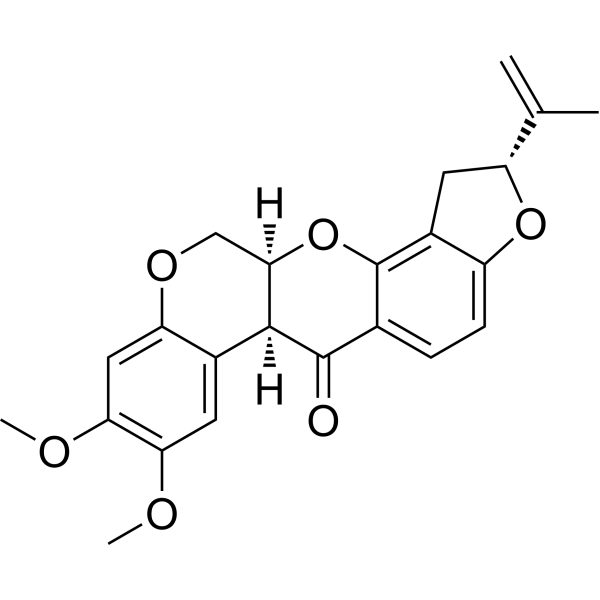
Cat. No.: HY-B1756
CAS No.: 83-79-4
Rotenone is a mitochondrial electron transport chain complex I inhibitor. Rotenone induces apoptosis through enhancing mitochondrial reactive oxygen species production.
loading...
    loading...
80
80 Cited Publications
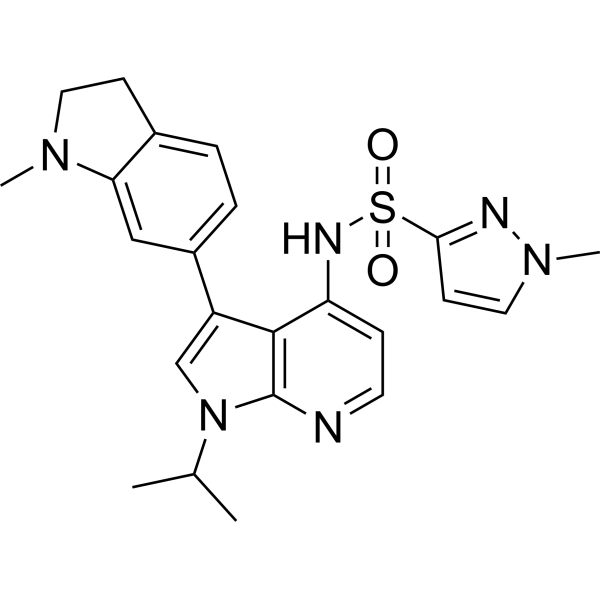
Cat. No.: HY-18950
CAS No.: 1415925-18-6
GSK2795039 is a NADPH oxidase 2 (NOX2) inhibitor with a mean pIC50 of 6 in different cell-free assays. GSK2795039 inhibits reactive oxygen species (ROS) production and NADPH consumption . GSK2795039 reduces apoptosis .
loading...
    loading...
50
50 Cited Publications
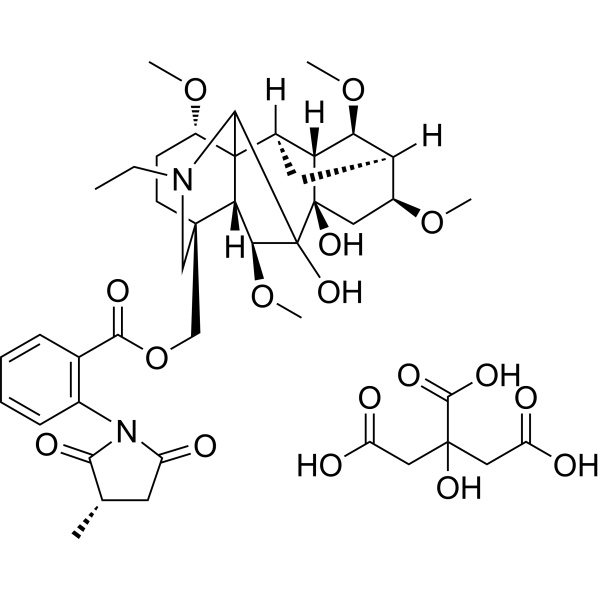
Cat. No.: HY-N2332A
CAS No.: 351344-10-0
Synonyms: MLA citrate
Methyllycaconitine (MLA) citrate is a blood-brain barrier-permeable antagonist of α7 nicotinic acetylcholine receptor (α7nAChR) with an IC50 of 2 nM. Methyllycaconitine citrate inhibits Aβ25-35-induced autophagy by restoring the mTOR pathway, and prevents reactive oxygen species (ROS) production, microglial activation, reduced dopamine uptake, loss of dopaminergic terminals and catecholamine secretion. Methyllycaconitine citrate induces hippocampal glutamate efflux, enhances long-term potentiation, and improves memory acquisition. Methyllycaconitine citrate can be used in research related to Alzheimer's disease, cerebral palsy, Parkinson's disease and schizophrenia .
loading...
    loading...
37
37 Cited Publications
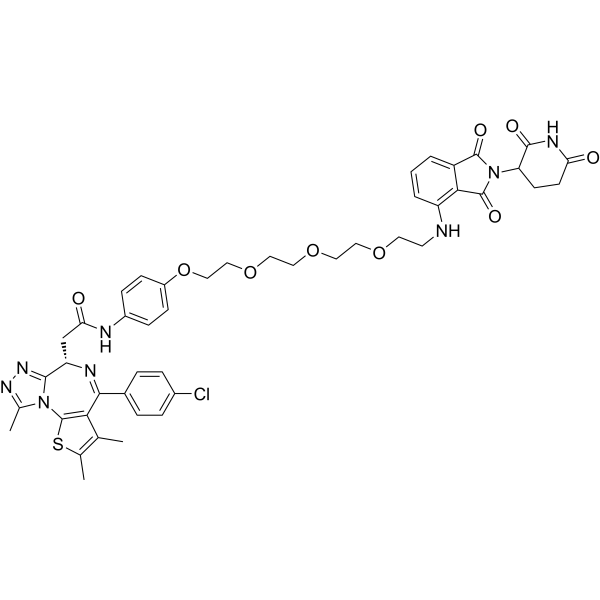
Cat. No.: HY-16954
CAS No.: 1818885-28-7
ARV-825 is a BET protein PROTAC degrader that recruits cereblon, and it targets BRD2, BRD3, and BRD4 for degradation via the ubiquitin-proteasome pathway. ARV-825 downregulates c-MYC, PLK1, MYCN, CDK4/6, JAK2, pSTAT3/5, PIM1, and Bcl-xL, upregulates p21 and p27, and modulates H3K27Ac-mediated transcription, the G2/M checkpoint, the Wnt/β-catenin pathway, and amino acid transport pathways. ARV-825 induces G1 phase cell cycle arrest, caspase 3/PARP-mediated apoptosis, DNA damage, and reactive oxygen species (ROS) production, reduces mitochondrial respiration, and simultaneously inhibits cell proliferation, clonogenic growth, and cell migration. ARV-825 is used in research on gastric cancer, leukemia, neuroblastoma, and cholangiocarcinoma .
loading...
    loading...
31
31 Cited Publications
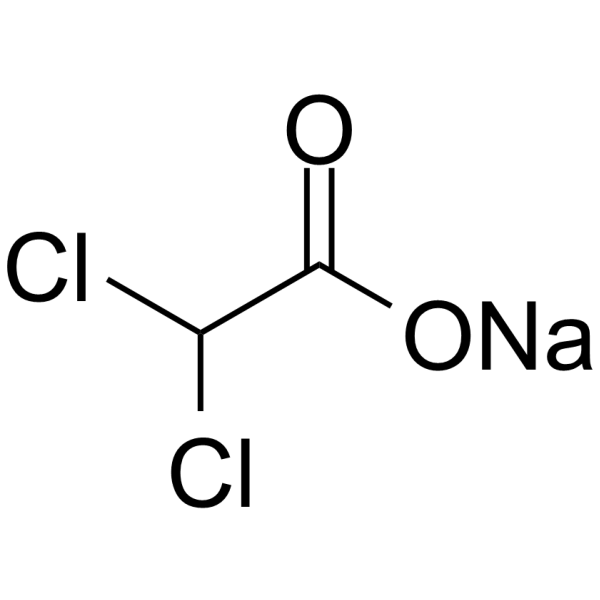
Cat. No.: HY-Y0445A
CAS No.: 2156-56-1
Research Areas:  

Cancer

Sodium dichloroacetate is an orally active pyruvate dehydrogenase kinase (PDK) inhibitor. Sodium dichloroacetate also stimulates pyruvate dehydrogenase (PDH) activity and works as a Na +-K +-2Cl cotransporter (NKCC) inhibitor. Sodium dichloroacetate prevents the phosphorylation of the E1α subunit of PDC, promoting the entry of pyruvate into the mitochondria for oxidative metabolism, reducing lactate production, and simultaneously increasing the production of reactive oxygen species (ROS). Sodium dichloroacetate inhibits tumor cell proliferation and induces apoptosis. Sodium dichloroacetate is promising for research of cancers .
loading...
    loading...
17
17 Cited Publications
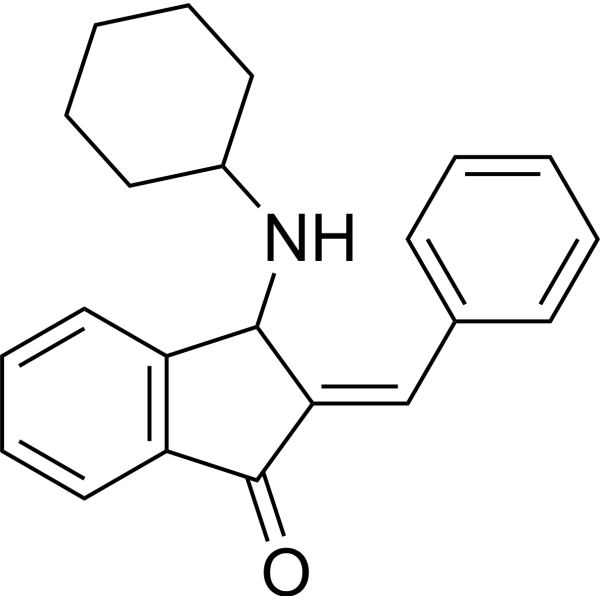
Cat. No.: HY-115502
CAS No.: 1245792-51-1
Purity:  99.73%
Synonyms: (E)-BCI
Target:  

Phosphatase

Research Areas:  

Inflammation/Immunology

BCI ((E)-BCI) is a DUSP6 (dual specificity phosphatase 6) inhibitor. BCI shows anti-inflammatory activity and decreases reactive oxygen species (ROS) production. BCI can be used in inflammatory disease research .
loading...
    loading...
17
17 Cited Publications
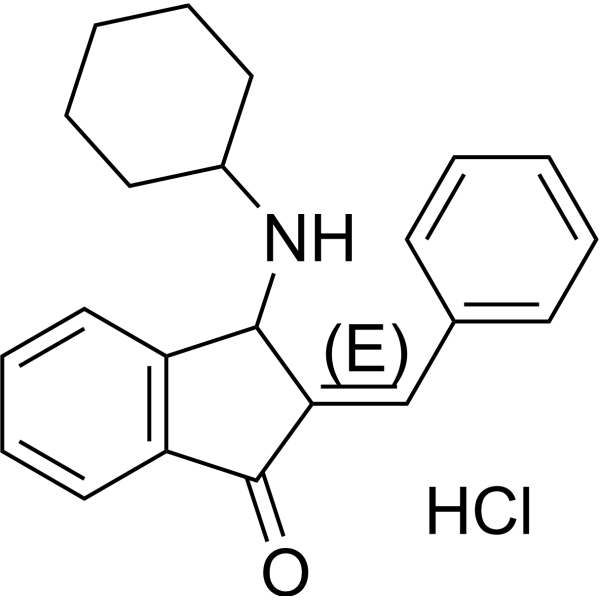
Cat. No.: HY-115502A
CAS No.: 95130-23-7
Purity:  99.93%
Synonyms: (E)-BCI hydrochloride
Target:  

Phosphatase

Research Areas:  

Inflammation/Immunology

BCI ((E)-BCI) hydrochloride is a DUSP6 (dual specificity phosphatase 6) inhibitor. BCI hydrochloride shows anti-inflammatory activity and decreases reactive oxygen species (ROS) production. BCI hydrochloride can be used in inflammatory disease research .
loading...
    loading...
16
16 Cited Publications
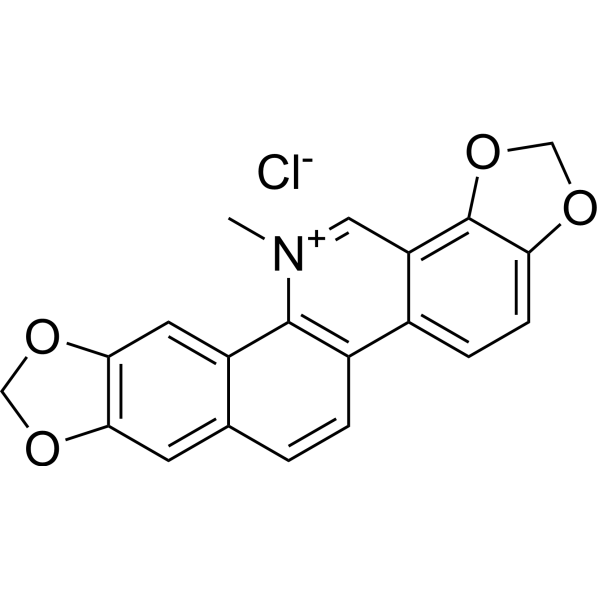
Cat. No.: HY-N0052A
CAS No.: 5578-73-4
Synonyms: Sanguinarin chloride; Sanguinarium chloride; Pseudochelerythrine chloride
Sanguinarine (Sanguinarin) chloride, a benzophenanthridine alkaloid derived from the root of Sanguinaria Canadensis, can stimulate apoptosis via activating the production of reactive oxygen species (ROS). Sanguinarine-induced apoptosis is associated with the activation of JNK and NF-κB.
loading...
    loading...
14
14 Cited Publications
Cat. No.: HY-12688A
CAS No.: 864167-45-3
Purity:  ≥98.0%
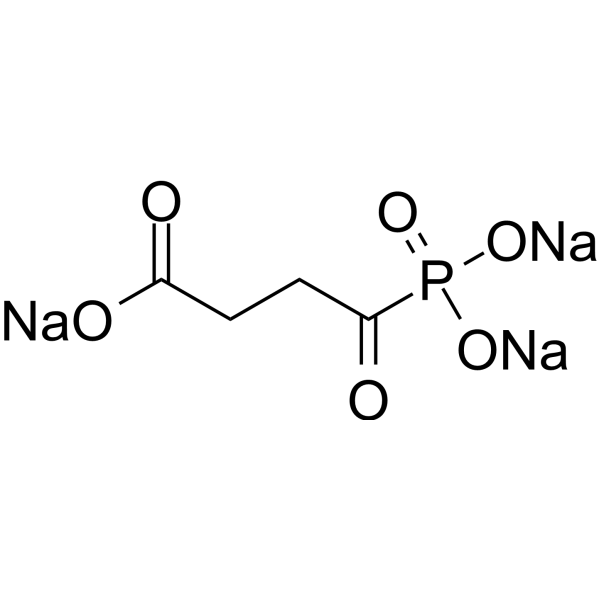
Succinyl phosphonate trisodium salt is a α-Ketoglutarate Dehydrogenase Complex (KGDHC) modulator with neuroprotective activity. Succinyl phosphonate trisodium salt protects this complex, reduces cellular succinyl-CoA concentration, downregulates protein succinylation levels, and inhibits the activity of the α-ketoglutarate dehydrogenase complex. Succinyl phosphonate trisodium salt corrects hypoxic or ethanol-induced behavioral impairments, modulates exploratory behavior and emotional stress responses, and improves hypoxia tolerance. Succinyl phosphonate trisodium salt reduces glutamate excitotoxicity, restores the activity of the α-ketoglutarate dehydrogenase complex, reverses the changes in glutamate dehydrogenase and glutamine synthetase activities induced by β-amyloid (Amyloid-β), modulates cognitive function, and prevents β-amyloid-induced neuronal damage. Succinyl phosphonate trisodium salt improves microglial senescence, alleviates neuroinflammation, reactive oxygen species (ROS) production, lipid peroxidation, and the expression of proinflammatory cytokines. Succinyl phosphonate trisodium salt can be used in the research of Alzheimer's disease, aging-related neuroinflammation, and Parkinson's disease .
loading...
    loading...
10
10 Cited Publications
Cat. No.: HY-D0844
CAS No.: 27025-41-8
Synonyms: L-Glutathione oxidized; GSSG; Oxiglutatione
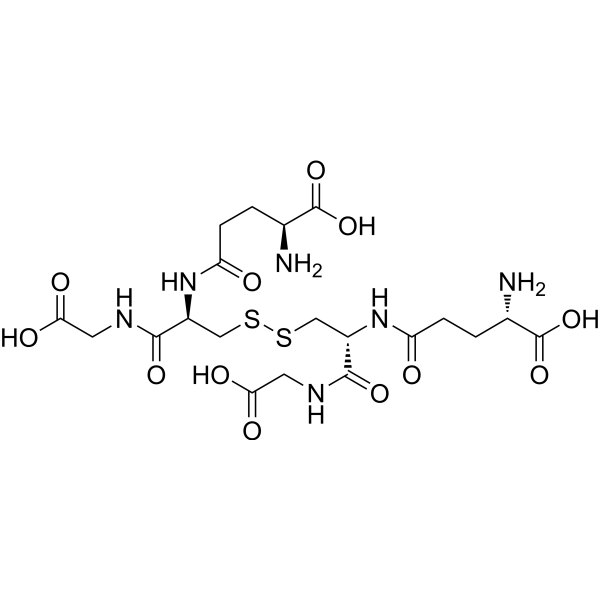
Glutathione oxidized (L-Glutathione oxidized) is produced by the oxidation of glutathione. Detoxification of reactive oxygen species is accompanied by production of glutathione oxidized. Glutathione oxidized can be used for the research of sickle cells and erythrocytes .
loading...
    loading...
9
9 Cited Publications
Cat. No.: HY-14771A
CAS No.: 775351-61-6
Purity:  99.98%
Synonyms: EMD 387008 hydrochloride
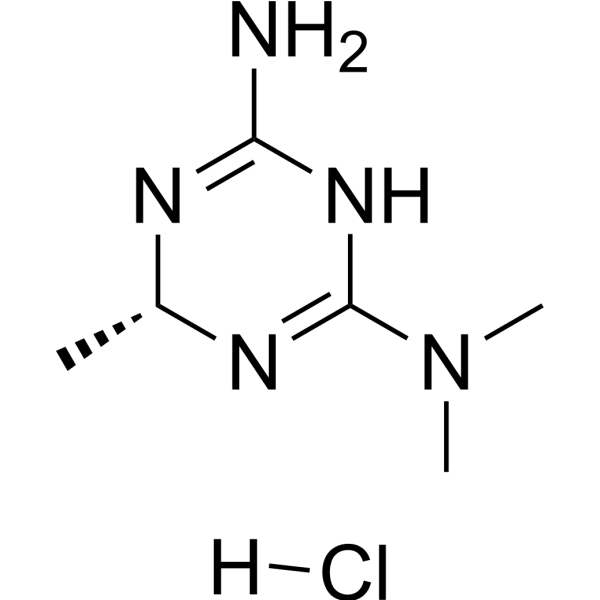
Imeglimin hydrochloride (EMD 387008) is an oral glucose-lowering agent. Imeglimin also reduces reactive oxygen species (ROS) production, increases mitochondrial DNA and improves mitochondrial function .
loading...
    loading...
9
9 Cited Publications
Cat. No.: HY-14771
CAS No.: 775351-65-0
Synonyms: EMD 387008
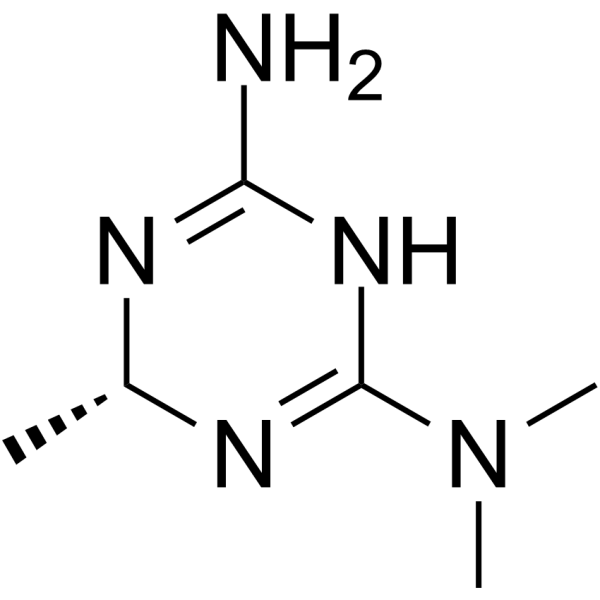
Imeglimin (EMD 387008) is an oral glucose-lowering agent. Imeglimin improves insulin sensitivity. Imeglimin also reduces reactive oxygen species (ROS) production, increases mitochondrial DNA and improves mitochondrial function .
loading...
    loading...
9
9 Cited Publications
Cat. No.: HY-N1913
CAS No.: 76822-21-4
Synonyms: Dan shen suan A; Salvianic acid A
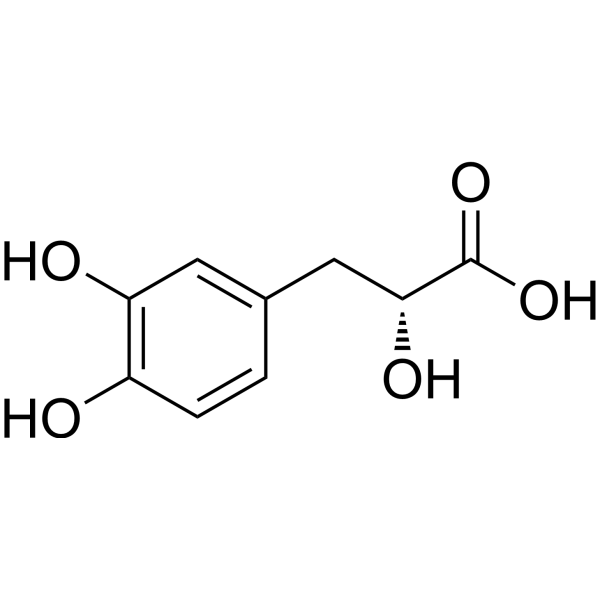
Danshensu (Dan shen suan A), an orally active phenolic compound, can induce Nrf2/HO-1 activation and inhibition of NF-κB pathway. Danshensu reduces reactive oxygen species (ROS) production, upregulates antioxidant defense mechanism and inhibits intrinsic apoptotic pathway. Danshensu displays a potent antiviral activity against SARS-CoV-2 with EC50 of 0.97 μM. Danshensu has anti-oxidation, anti-apoptosis, anti-lung inflammatory and has the potential for COVID-19, cardiovascular and cerebrovascular diseases research .
loading...
    loading...
9
9 Cited Publications
Cat. No.: HY-N1913A
CAS No.: 81075-52-7
Synonyms: Dan shen suan A sodium; Salvianic acid A sodium
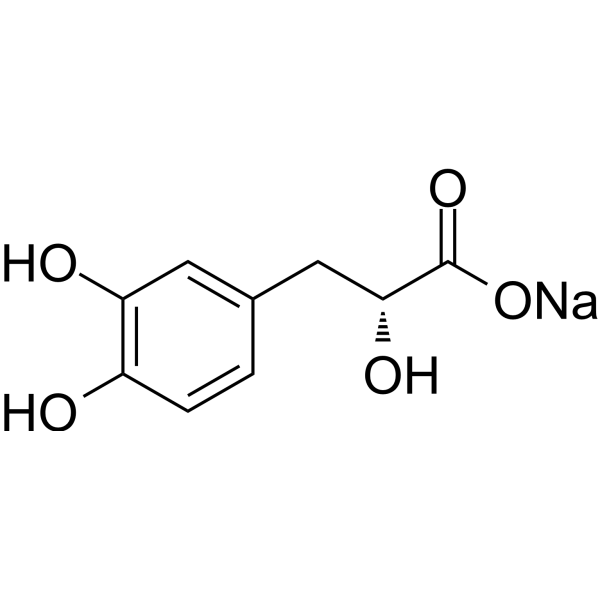
Danshensu (Dan shen suan A) sodium, an orally active phenolic compound, can induce Nrf2/HO-1 activation and inhibition of NF-κB pathway. Danshensu sodium reduces reactive oxygen species (ROS) production, upregulates antioxidant defense mechanism and inhibits intrinsic apoptotic pathway. Danshensu sodium displays a potent antiviral activity against SARS-CoV-2 with EC50 of 0.97 μM. Danshensu sodium has anti-oxidation, anti-apoptosis, anti-lung inflammatory and has the potential for COVID-19, cardiovascular and cerebrovascular diseases research .
loading...
    loading...
6
6 Cited Publications
Cat. No.: HY-113224
CAS No.: 313-04-2
Purity:  ≥98.0%
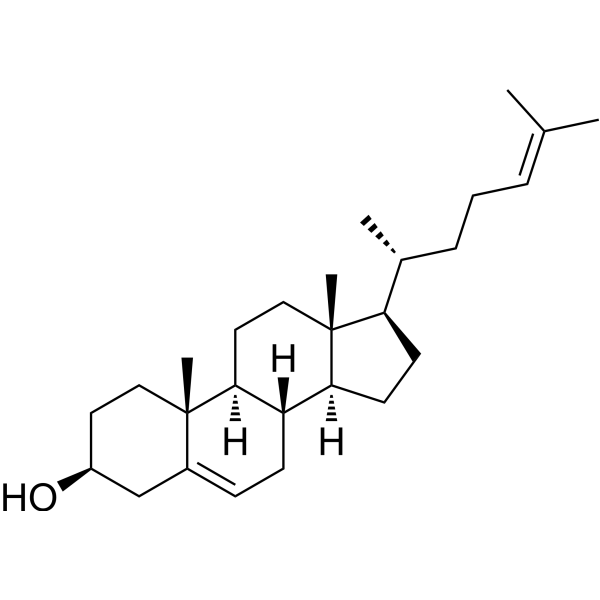
Desmosterol is a cholesterol-like molecule. In the Bloch pathway of cholesterol biosynthesis, Desmosterol is a direct precursor of cholesterol. As an endogenous metabolite, Desmosterol is used to study cholesterol metabolism . Desmosterol is an LXR activator and SREBP inhibitor, which can suppress macrophage inflammasome activation and prevent vascular inflammation and atherosclerosis. A reduction in Desmosterol promotes the production of mitochondrial reactive oxygen species (ROS) in macrophages and pyrin domain-dependent inflammasome activation of NLRP3. Desmosterol holds potential for research in inflammation, metabolism, and cardiovascular diseases .
loading...
    loading...
4
4 Cited Publications
Cat. No.: HY-113038
CAS No.: 13095-47-1
Synonyms: (R)-2-Hydroxyglutarate; (R)-2-Hydroxyglutaric acid; (R)-2-Hydroxypentanedioic acid
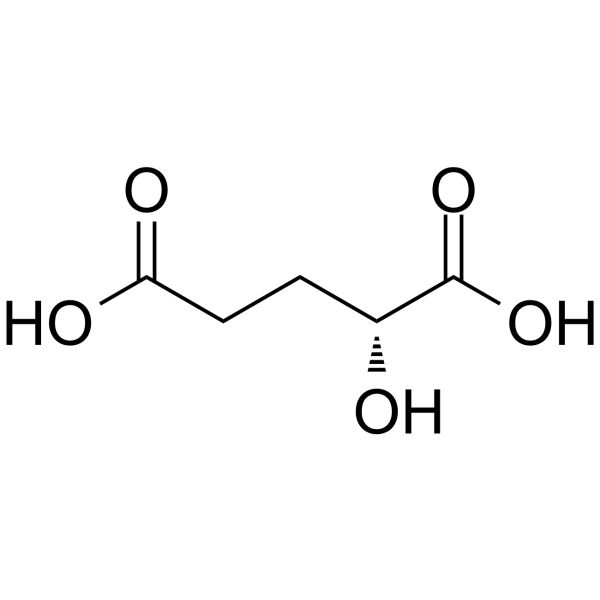
D-α-Hydroxyglutaric acid ((R)-2-Hydroxyglutarate) is the principal metabolite accumulating in neurometabolic disease D-2-hydroxyglutaric aciduria. D-α-Hydroxyglutaric acid is a weak competitive antagonist of α-ketoglutarate (α-KG) and inhibits multiple α-KG-dependent dioxygenases with a Ki of 10.87 mM. D-α-Hydroxyglutaric acid increases reactive oxygen species (ROS) production. D-α-Hydroxyglutaric acid binds and inhibits ATP synthase and inhibits mTOR signaling .
loading...
    loading...
4
4 Cited Publications
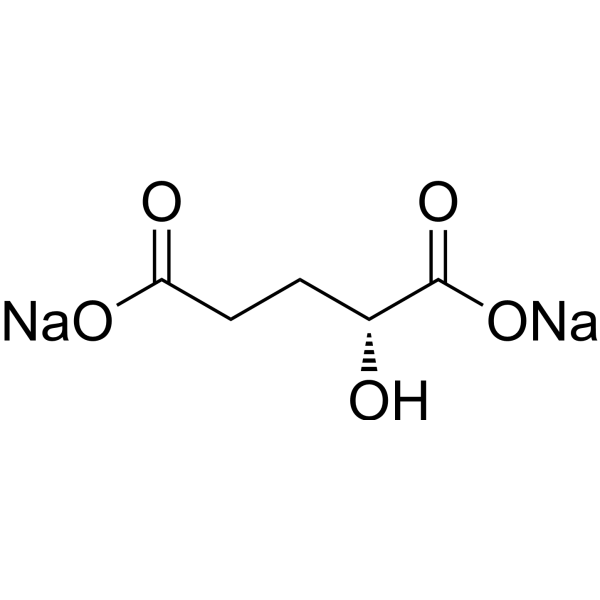
Cat. No.: HY-100542
CAS No.: 103404-90-6
Purity:  ≥98.0%
Synonyms: Disodium (R)-2-hydroxyglutarate
D-α-Hydroxyglutaric acid disodium (Disodium (R)-2-hydroxyglutarate) is the principal metabolite accumulating in neurometabolic disease D-2-hydroxyglutaric aciduria. D-α-Hydroxyglutaric acid disodium is a weak competitive antagonist of α-ketoglutarate (α-KG) and inhibits multiple α-KG-dependent dioxygenases with a Ki of 10.87 mM. D-α-Hydroxyglutaric acid disodium increases reactive oxygen species (ROS) production. D-α-Hydroxyglutaric acid disodium binds and inhibits ATP synthase and inhibits mTOR signaling .
loading...
    loading...
4
4 Cited Publications
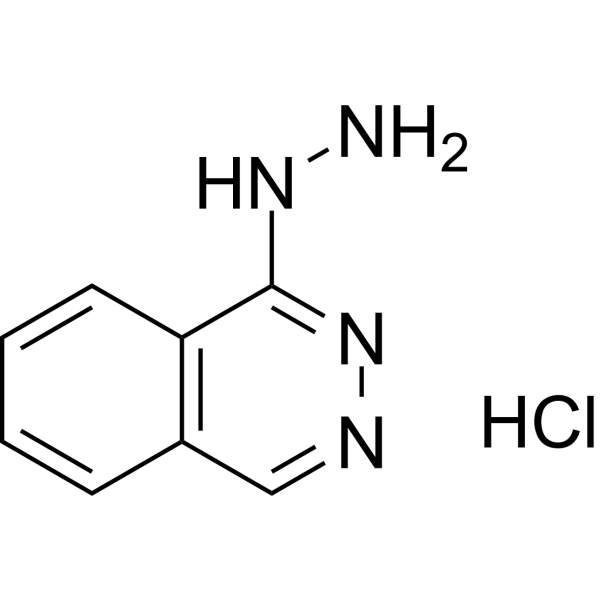
Cat. No.: HY-B0464
CAS No.: 304-20-1
Hydralazine hydrochloride is an orally active, blood-brain barrier-permeable DNA methyltransferase inhibitor with vasodilatory, arterial smooth muscle relaxant and hypotensive activities. Hydralazine hydrochloride reactivates silenced tumor suppressor genes via mediating DNA demethylation, while exerting neuroprotective and anti-inflammatory properties. Hydralazine hydrochloride inhibits NOS-2 (iNOS) and COX-2, and reduces the production of NO and PGEE2; meanwhile, Hydralazine hydrochloride scavenges reactive oxygen species and inhibits macrophage activation. Hydralazine hydrochloride alleviates motor dysfunction, neuropathic inflammatory pain, and formalin-induced somatic and emotional pain responses. In addition, Hydralazine hydrochloride directly induces DNA strand breaks and sister chromatid exchange, exhibiting certain mutagenic characteristics. Hydralazine hydrochloride has been widely used in studies on hypertension, various cancers (such as cervical cancer, leukemia), spinal cord injury and the mechanisms of inflammatory pain .
loading...
    loading...
4
4 Cited Publications
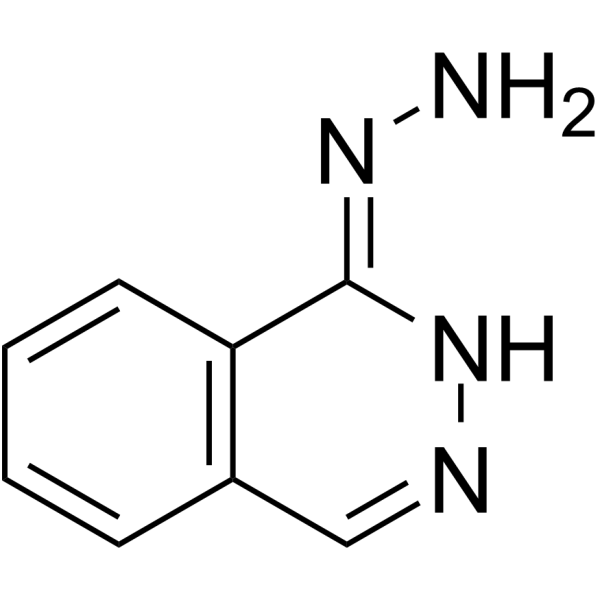
Cat. No.: HY-B0464A
CAS No.: 86-54-4
Hydralazine is an orally active, blood-brain barrier-permeable DNA methyltransferase inhibitor with vasodilatory, arterial smooth muscle relaxant and hypotensive activities. Hydralazine reactivates silenced tumor suppressor genes via mediating DNA demethylation, while exerting neuroprotective and anti-inflammatory properties. Hydralazine inhibits NOS-2 (iNOS) and COX-2, and reduces the production of NO and PGEE2; meanwhile, Hydralazine scavenges reactive oxygen species and inhibits macrophage activation. Hydralazine alleviates motor dysfunction, neuropathic inflammatory pain, and formalin-induced somatic and emotional pain responses. In addition, Hydralazine directly induces DNA strand breaks and sister chromatid exchange, exhibiting certain mutagenic characteristics. Hydralazine has been widely used in studies on hypertension, various cancers (such as cervical cancer, leukemia), spinal cord injury and the mechanisms of inflammatory pain .
loading...
    loading...
4
4 Cited Publications
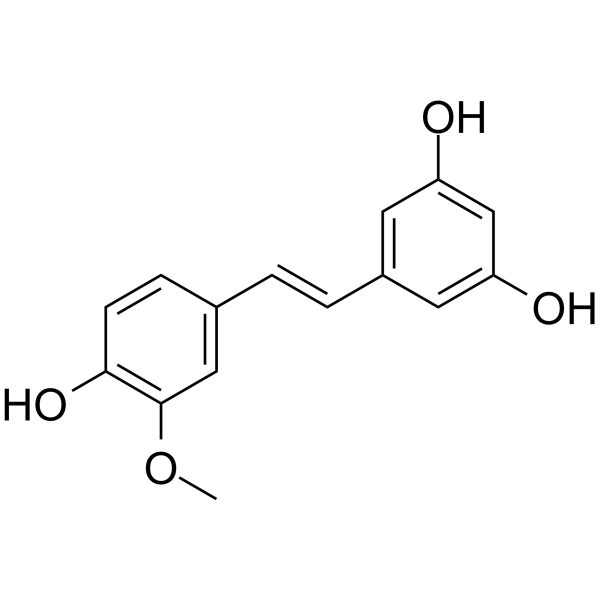
Cat. No.: HY-N2593
CAS No.: 32507-66-7
Isorhapontigenin is an orally active dietary polyphenol. Isorhapontigenin acts as a potent antioxidant that reduces the production of reactive oxygen species (ROS). Isorhapontigenin promotes the binding of JUN to the AP-1 site on the SESN2 promoter, induces SESN2 transcription, triggers MAPK8-dependent JUN activation, and upregulates the expression of PPAR-α, PGC-1α and CPT-1A to facilitate fatty acid oxidation. Isorhapontigenin induces autophagy, apoptosis and preadipocyte differentiation; it inhibits tumor growth, cell invasion, NF-κB transcriptional activity, the PI3K/Akt signaling pathway, STAT1 phosphorylation and MMP-2 expression. Isorhapontigenin alleviates oxidative stress, inflammatory cytokine release and triglyceride accumulation; it increases intracellular ATP levels and promotes Nrf2 nuclear translocation. Isorhapontigenin improves insulin sensitivity in adipose tissue and glucose tolerance, and reduces postprandial blood glucose, insulin and free fatty acid levels. Isorhapontigenin is applicable to research on bladder cancer, liver injury, chronic obstructive pulmonary disease, acute lung injury and type 2 diabetes .
loading...
    loading...

