




1. Search Result
Search Result
Results for "

Safety profiling

" in MedChemExpress (MCE) Product Catalog:

115

Inhibitors & Agonists

4

Screening Libraries

2

Peptides

7

Inhibitory Antibodies

7

Natural
Products

2

Isotope-Labeled Compounds

3

Oligonucleotides

Cat. No. Product Name Target Research Areas Chemical Structure
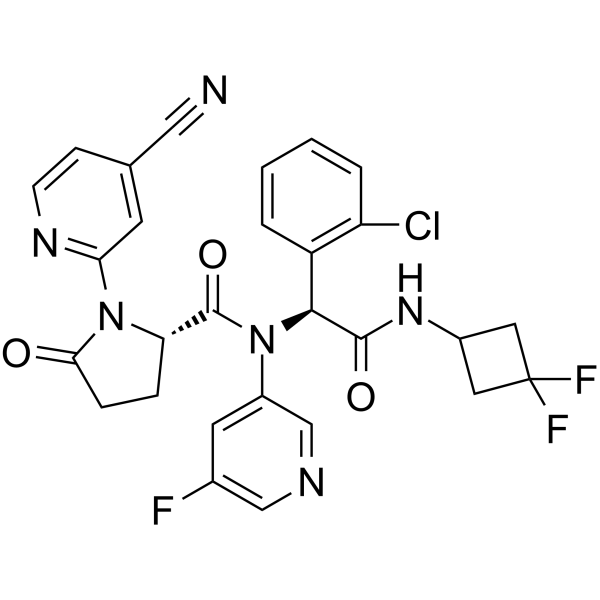
  • HY-18767
    Ivosidenib
    Maximum Cited Publications
    19 Publications Verification

    AG-120

    Isocitrate Dehydrogenase (IDH) Metabolic Disease Cancer
    Ivosidenib (AG-120) is an orally active inhibitor of isocitrate dehydrogenase 1 mutant (mIDH1) enzyme, it exhibits profound d-2-hydroxyglutatrate (2-HG) lowering in vivo. Ivosidenib (AG-120) has the potential for AML therapy due to its acceptable safety profile and clinical activity .
    Ivosidenib
  • HY-17552
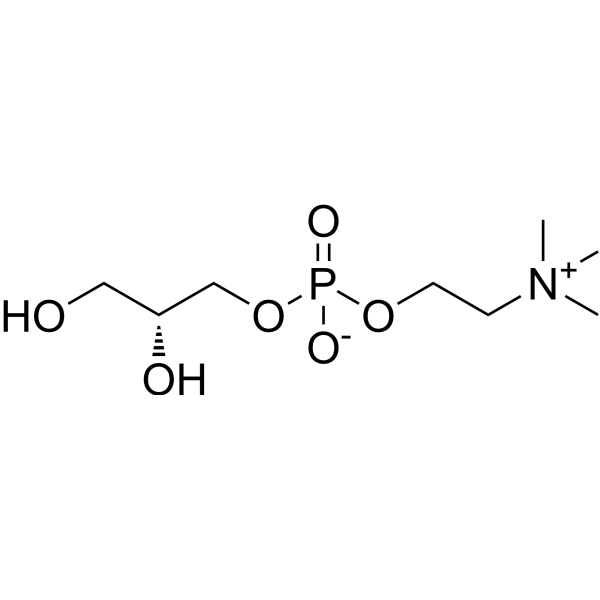
    sn-Glycero-3-phosphocholine
    3 Publications Verification

    Choline Alfoscerate; Alpha-GPC; L-α-GPC

    Cholinesterase (ChE) Endogenous Metabolite Neurological Disease
    sn-Glycero-3-phosphocholine (Choline Alfoscerate) is a precursor in the biosynthesis of brain phospholipids and increases the bioavailability of choline in nervous tissue. sn-Glycero-3-phosphocholine (Choline Alfoscerate) has significant effects on cognitive function with a good safety profile and tolerability, and is effective in the treatment of Alzheimer's disease and dementia .
    sn-Glycero-3-phosphocholine
  • HY-156654
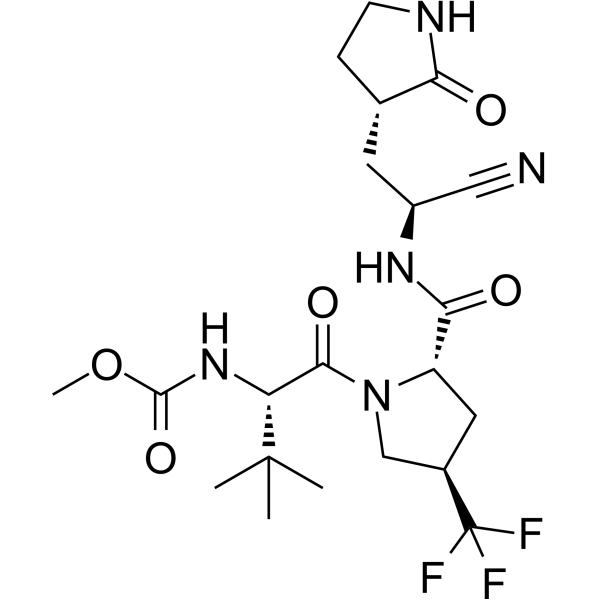
    Ibuzatrelvir
    1 Publications Verification

    PF-07817883

    SARS-CoV Virus Protease Infection
    Ibuzatrelvir (PF-07817883), a second-generation, orally bioavailable, is SARS-CoV-2 main protease (M pro and 3CL pro) inhibitor with improved metabolic stability. Ibuzatrelvir has demonstrated pan-human coronavirus antiviral activity and off-target selectivity profile in vitro and in preclinical animal studies. Ibuzatrelvir is well tolerated with a safety profile similar to placebo and prevents viral infection and transmission. Ibuzatrelvir can be used to inhibit COVID-19 .
    Ibuzatrelvir
  • HY-107784

    Bacterial Inflammation/Immunology
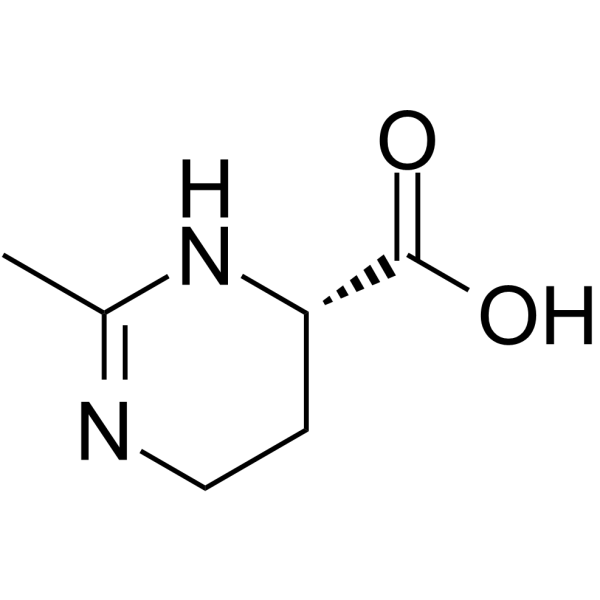
    Ectoine is a natural cell protectant, an amino acid derivate produced by bacteria living under extremely harsh environmental conditions. Ectoine serves as an osmoregulatory compatible solute, increasing the hydration of the skin surface and stabilizing lipid layers, which is useful in skincare. Ectoine demonstrates a good safety profile for the treatment of allergic rhinitis .
    Ectoine
  • HY-P10746

    Neurokinin Receptor Metabolic Disease
    EB1002 is a highly selective, long-acting NK2R agonist. EB1002 exerts central appetite suppression, increases peripheral energy expenditure and enhances insulin sensitivity, which effectively reduces body weight, improves glucose and lipid metabolism, with favorable safety profiles. EB1002 can be used for research on diseases such as obesity and type 2 diabetes .
    EB1002
  • HY-P991015

    JNJ-78278343; KLCB-245

    CD3 Cancer
    Pasritamig (JNJ-78278343; KLCB-245) is a bispecific T-cell engager (BiTE) that targets the complex of human kallikrein KLK2 and CD3 receptor. Pasritamig redirects the cytotoxicity of T cells to KLK2-expressing tumor cells and induces T cell-mediated lysis of KLK2-expressing prostate cancer cells. Administered via subcutaneous injection, subcutaneous infusion or intravenous infusion, Pasritamig exhibits antitumor activity against metastatic castration-resistant prostate cancer. Pasritamig has a safety profile with an extremely low incidence of cytokine release syndrome and can be safely administered in an outpatient setting. Pasritamig is applicable to the research of metastatic castration-resistant prostate cancer .
    Pasritamig
  • HY-177439

    Antibody-Drug Conjugates (ADCs) PD-1/PD-L1 Cancer
    HLX43 is an antibody-drug conjugate (ADC) targeting PD-L1. HLX43 consists of a human monoclonal antibody anti-PD-L1 antibody Opucolimab (HY-P99785) with the drug-linker conjugate being DL-01 (HY-155870A). HLX43 exerts superior anticancer efficacy with safety profile in vivo. HLX43 can be used for non-small cell lung cancer (NSCLC), head and neck squamous cell carcinoma (HNSCC), esophageal squamous cell carcinoma (ESCC), melanoma (MEL), ovarian cancer (Ovc) research .
    HLX43
  • HY-P99116

    RG7716; RO-6867461

    VEGFR Cardiovascular Disease Metabolic Disease Inflammation/Immunology
    Faricimab, an overall good safety and tolerability profile, is a bispecific antibody targeting Angiopoietin-2 (Ang-2) and vascular endothelial growth factor-A (VEGF-A). Faricimab prevents retinal vascular leakage, cell death and inflammation in retinal ischemia/reperfusion (I/R) injury and sCNV mouse models. Faricimab demonstrates statistically superior visual acuity gains versus Ranibizumab (HY-P9951). Faricimab can be used for retinal diseases, such as age-related macular degeneration (w-AMD), diabetic macular edema (DME) and macular edema following retinal vein occlusion (RVO) .
    Faricimab
  • HY-119024

    SHP1 STAT Cancer
    BCI-137 is a Argonaute 2 (AGO2) inhibitor. By inhibiting AGO2 function, reducing PTPN6/SHP-1 protein levels and enhancing STAT1 phosphorylation, BCI-137 restores the sensitivity of tumor cells to IFN-γ. BCI-137 effectively enhances the recruitment, activation and cytotoxicity of CD8 + T cells. BCI-137 exerts a synergistic effect with anti-PD-1 antibodies and significantly reduces tumor volume in preclinical mouse models. BCI-137 exhibits favorable safety profiles and does not cause significant weight loss or death in mice. BCI-137 can be used in research related to bladder cancer, colorectal cancer, melanoma and other related fields .
    BCI-137
  • HY-151813

    Fluorescent Dye Cancer
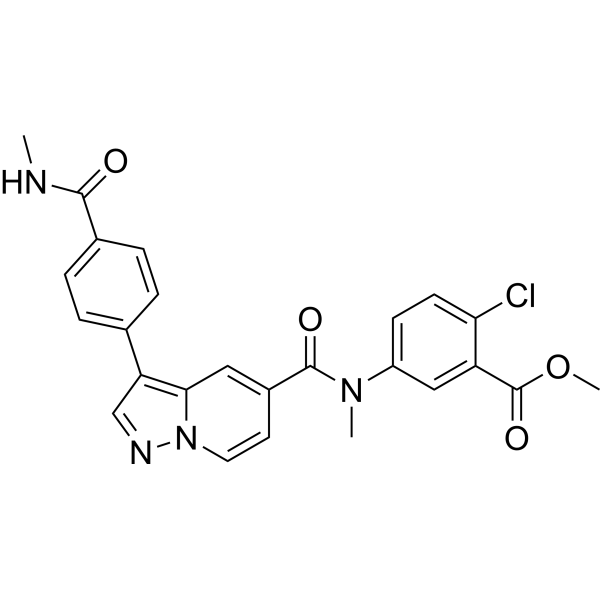
    NNMT-IN-4 (compound 38) is a selective, uncompetitive and membrane permeability nicotinamide N-methyltransferase (NNMT) inhibitor with IC50 values of 42 and 38 nM in vitro biochemical and cell-based assays, respectively. NNMT-IN-4 shows favorable PK/PD and safety profiles as well as excellent oral bioavailability and pharmaceutical properties. NNMT-IN-4 can be used as a vivo chemical probe of NNMT .
    NNMT-IN-4
  • HY-P9989

    REGN5458

    CD3 TNF Receptor Cancer
    Linvoseltamab (REGN5458) is a bispecific T-cell engager (BiTE) antibody that specifically binds to B cell maturation antigen (BCMA) and CD3 of T cells, thereby directing T cells to multiple myeloma (MM) cells expressing BCMA and activating T cells to kill tumor cells. Linvoseltamab can be used in research of relapsed/refractory multiple myeloma (RRMM) .
    Linvoseltamab
  • HY-155489
    DDO-2728
    2 Publications Verification

    Anaplastic lymphoma kinase (ALK) Apoptosis Cancer
    DDO-2728 (compound 19) is a selective AlkB homologue 5 (ALKBH5) inhibitor with an IC50 of 2.97 μM. DDO-2728 increases the abundance of N 6 methyladenosine (m 6A) modifications, inducing cell apoptosis and cycle arrest. DDO-2728 suppresses tumor growth in the MV4 11 xenograft model with favorable safety profile, shows the potential of targeting ALKBH5 in cancer research .
    DDO-2728
  • HY-P99625

    SAR441344; INX-021

    TNF Receptor Metabolic Disease Inflammation/Immunology
    Frexalimab (SAR441344) is a second-generation monoclonal antibody targeting the CD40 ligand (CD40L) with a good safety profile. Frexalimab inhibits the binding between CD40 and CD40L to modulate immune response. Frexalimab is likely to help prevent the process of β-cell destruction. Frexalimab is proming for multiple sclerosis, lupus erythematosus, Sj gren’s syndrome and type I diabetes research .
    Frexalimab
  • HY-172435

    AGN-232411; AG-80308; AGN-411

    Formyl Peptide Receptor (FPR) Neurological Disease
    Rezuforimod (AGN-232411; AG-80308) is an ophthalmic solution targeting the formyl peptide receptor (FPR) pathway. Rezuforimod exerts anti-inflammatory effects by targeting the formyl peptide receptor pathway. Administered topically, Rezuforimod significantly reduces the corneal conjunctival staining score and improves ocular discomfort symptoms, with no serious adverse events reported and favorable overall safety profile. Rezuforimod shows remarkable potential to serve as a novel therapeutic option for dry eye disease .
    Rezuforimod
  • HY-142118
    Trabedersen
    1 Publications Verification

    AP 12009

    TGF-beta/Smad Cancer
    Trabedersen (AP 12009) is an orally active synthetic antisense phosphorothioate oligodeoxynucleotide that selectively targets human TGFβ2 mRNA. Trabedersen blocks TGFβ2 protein production, enters the nucleus without a transfection vector, and exerts dose-dependent antitumor effects. By reversing TGFβ2-induced immunosuppression and enhancing immune cytotoxicity, Trabedersen exhibits significant antiproliferative, antimigratory, and antimetastatic activities, with favorable safety profiles. Trabedersen is widely used in research related to various solid tumors, including anaplastic astrocytoma, glioblastoma, colorectal tumor, and melanoma .
    Trabedersen
  • HY-175188

    BPN-0027490

    Myosin Neurological Disease
    MT-110 (BPN-0027490) is a non-muscle myosin NMIIB-selective inhibitor with high brain penetration and favorable safety profile. MT-110 specifically disrupts NMIIB-dependent actin dynamics in dendritic spines, while it exerts no significant adverse effects on cardiac myosin II and cardiac functions (such as cardiac output and heart rate) at tested concentrations. A single administration of MT-110 produces long-lasting (sustained for several weeks) blockade of methamphetamine motivation associated with environmental cues. MT-110 exhibits extremely high specificity, with no interference with cocaine motivation, hippocampus-dependent memory, fear memory, or locomotor and anxiety-like behaviors. MT-110 serves as a valuable tool compound for investigating the mechanisms of methamphetamine use disorder .
    MT-110
  • HY-W725179

    EBV Cancer
    VK-2019 is an orally bioavailable selective inhibitor of EBNA1. By binding to the protein-DNA interface to interfere with the recruitment and anchoring of the viral DNA replication machinery, VK-2019 effectively blocks the replication and proliferation of EBV in latently infected cells. VK-2019 reduces the copy number and gene expression level of Epstein-Barr virus in tumor cells, decreases the number of EBER-positive cells, and exhibits significant antiviral, immunomodulatory and antiproliferative activities. VK-2019 successfully inhibits tumor growth in EBV-dependent xenograft models. VK-2019 has favorable systemic exposure and acceptable safety profiles, and is widely used in research on advanced nasopharyngeal carcinoma and various EBV-associated cancers .
    VK-2019
  • HY-114301

    Sodium Channel Neurological Disease
    PF-06305591 is a potent and highly selective voltage gated sodium channel NaV1.8 blocker, with an IC50 of 15 nM. An excellent preclinical in vitro ADME and safety profile .
    PF-06305591
  • HY-100375
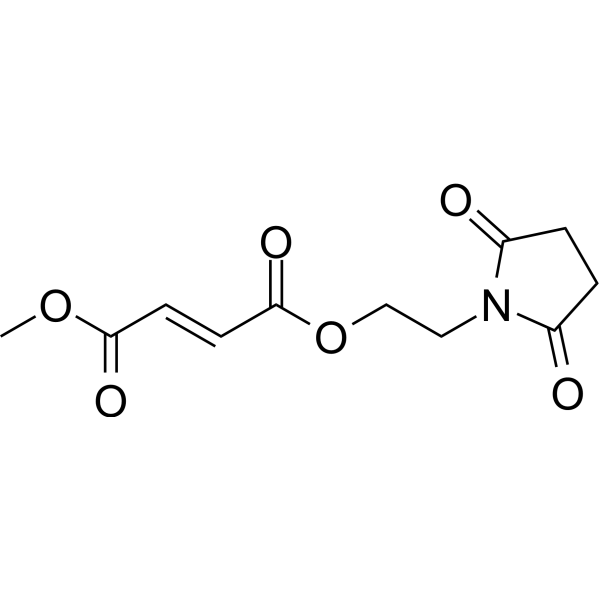
    Diroximel fumarate
    4 Publications Verification

    ALKS 8700; BIIB098

    Keap1-Nrf2 Inflammation/Immunology
    Diroximel fumarate (ALKS 8700) is an orally-active and well-tolerated monomethyl fumarate (MMF) proagent in a controlled-release formulation. Diroximel fumarate is considered as active equivalent to its active metabolite dimethyl fumarate (DMF). Diroximel fumarate has a favorable safety and efficacy profile, has the potential for the study of multiple sclerosis (MS). Diroximel fumarate is a Nrf2 activator that alleviate MGO-induced pain hypersensitivity .
    Diroximel fumarate
  • HY-173268

    TAM Receptor Cardiovascular Disease Cancer
    UNC9426 is a potent and selective TYRO3 inhibitor (IC50 = 2.1 nM), demonstrating 276-fold and 90-fold selectivity over MERTK and AXL, respectively. UNC9426 reduces platelet aggregation without increasing bleeding time and blocks TYRO3-dependent functions in tumor cells and macrophages. UNC9426 demonstrates a favorable safety profile with no significant increase in bleeding risk in vivo. UNC9426 can be used for functional studies of TYRO3-dependent phenotypes such as non-small cell lung cancer (NSCLC) .
    UNC9426
  • HY-113603

    SPR001; LY2371712

    CRFR Cancer
    Tildacerfont is a potent and orally active corticotrophin-releasing factor type 1 (CRF1) receptort antagonis. Tildacerfont effectively reduces adrenocorticotropic hormone (ACTH) and adrenal androgen levels. Tildacerfont has favourable safety profile. Tildacerfont can be used for researching congenital adrenal hyperplasia .
    Tildacerfont
  • HY-132590A

    ALN-TTRSC sodium

    Small Interfering RNA (siRNA) Transthyretin (TTR) Neurological Disease
    Revusiran (ALN-TTRSC) sodium is an RNA interference agent targeting the mRNA of transthyretin (Transthyretin, TTR). Revusiran sodium mediates sequence-specific degradation of TTR mRNA through RNA interference, reduces the synthesis of TTR protein, binds to GalNAc ligands, and is taken up by hepatocytes via the asialoglycoprotein receptor. Revusiran sodium exhibits favorable nonclinical safety profiles. Revusiran sodium can be used in studies related to transthyretin-mediated amyloidosis .
    Revusiran sodium
  • HY-P99242
    Alsevalimab
    1 Publications Verification

    CD276/B7-H3 Cancer
    Alsevalimab is a humanized, afucosylated IgG1 monoclonal antibody against B7-H4. Alsevalimab blocks the binding of the B7-H4 protein to the receptors on the surface of T cells, reversing the immunosuppressive state in the tumor microenvironment, thereby activating the killing effect of T cells on cancer cells. Alsevalimab can be used in combination with Pembrolizumab (HY-P9902), and shows good safety profiles .
    Alsevalimab
  • HY-156685

    PI4K Parasite Infection Metabolic Disease Cancer
    EDI048 is an orally active, gut-restricted parasiticidal agent. EDI048 specifically binds to the ATP-binding site of Cryptosporidium phosphatidylinositol 4-kinase (CpPI (4) K), blocks parasite membrane biogenesis, arrests the pathogen at the schizont stage, and thus irreversibly clears the infection. EDI048 is rapidly converted to an inactive carboxylic acid metabolite via hepatic first-pass metabolism, with extremely low systemic exposure, good safety profile, and no cardiotoxicity, genotoxicity or off-target effects. EDI048 is used in studies of intestinal cryptosporidiosis in children .
    EDI048
  • HY-107784R

    Reference Standards Bacterial Inflammation/Immunology
    Ectoine (Standard) is the analytical standard of Ectoine. This product is intended for research and analytical applications. Ectoine is a natural cell protectant, an amino acid derivate produced by bacteria living under extremely harsh environmental conditions. Ectoine serves as an osmoregulatory compatible solute, increasing the hydration of the skin surface and stabilizing lipid layers, which is useful in skincare. Ectoine demonstrates a good safety profile for the treatment of allergic rhinitis .
    Ectoine (Standard)
  • HY-136576
    RP101075
    1 Publications Verification

    LPL Receptor Drug Metabolite Inflammation/Immunology
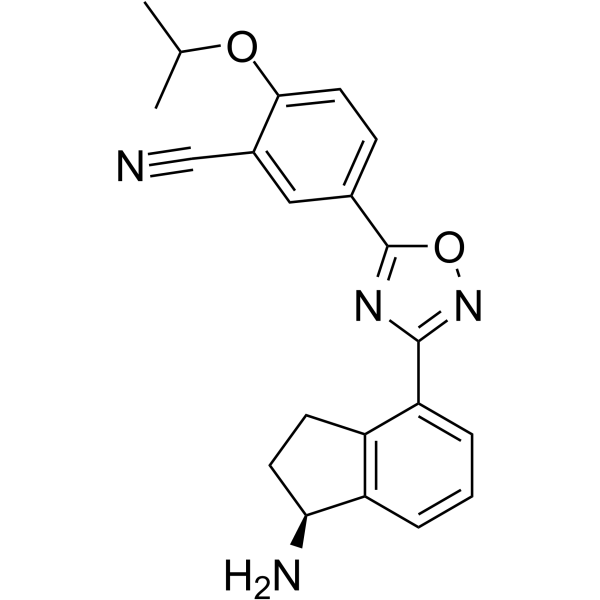
    RP101075, an active metabolite of Ozanimod, is a potent, orally active S1PR (sphingosine-1-phosphate receptor 1) agonist, with an EC50 of 0.27 nM. RP101075 displays >100-fold selectivity over S1PR5 (EC50=5.9 nM) and >10000-fold over S1PR 2, 3, and 4. RP101075 displays superior cardiovascular safety profile .
    RP101075
  • HY-17552R

    Choline Alfoscerate (Standard); Alpha-GPC (Standard); L-α-GPC (Standard)

    Reference Standards Cholinesterase (ChE) Endogenous Metabolite Neurological Disease
    sn-Glycero-3-phosphocholine (Standard) is the analytical standard of sn-Glycero-3-phosphocholine. This product is intended for research and analytical applications. sn-Glycero-3-phosphocholine (Choline Alfoscerate) is a precursor in the biosynthesis of brain phospholipids and increases the bioavailability of choline in nervous tissue. sn-Glycero-3-phosphocholine (Choline Alfoscerate) has significant effects on cognitive function with a good safety profile and tolerability, and is effective in the treatment of Alzheimer's disease and dementia[1][2].
    sn-Glycero-3-phosphocholine (Standard)
  • HY-142118A
    Trabedersen sodium
    1 Publications Verification

    AP 12009 sodium

    TGF-beta/Smad Cancer
    Trabedersen (AP 12009) sodium is an orally active synthetic antisense phosphorothioate oligodeoxynucleotide that selectively targets human TGFβ2 mRNA. Trabedersen sodium blocks TGFβ2 protein production, enters the nucleus without a transfection vector, and exerts dose-dependent antitumor effects. By reversing TGFβ2-induced immunosuppression and enhancing immune cytotoxicity, Trabedersen sodium exhibits significant antiproliferative, antimigratory, and antimetastatic activities, with favorable safety profiles. Trabedersen sodium is widely used in research related to various solid tumors, including anaplastic astrocytoma, glioblastoma, colorectal tumor, and melanoma .
    Trabedersen sodium
  • HY-111021
    ASP-4058
    1 Publications Verification

    LPL Receptor Inflammation/Immunology
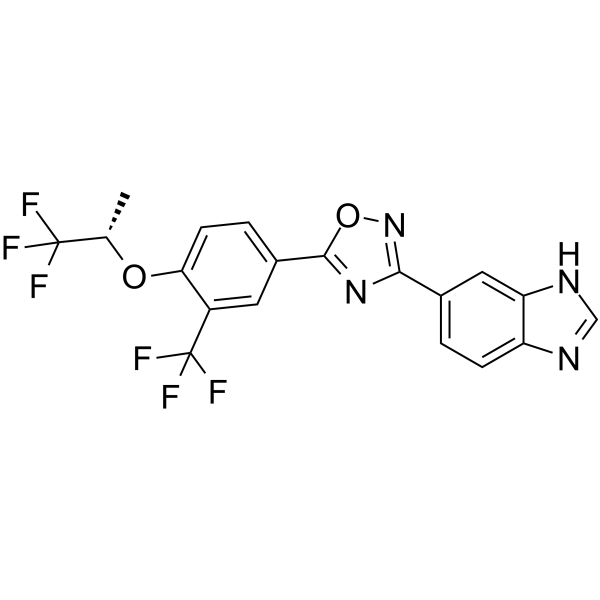
    ASP-4058 is a next-generation, selective and oral bioactive agonist for Sphingosine 1-Phosphate receptors 1 and 5 (S1P1 and S1P5), ameliorates rodent experimental autoimmune encephalomyelitis with a favorable safety profile .
    ASP-4058
  • HY-179537

    Acetyl-CoA Carboxylase Drug Derivative Inflammation/Immunology
    CKBA, a derivative of AKBA (HY-N0892) is an inhibitor of acetyl-CoA carboxylase 1 (ACC1), with an IC50 of 5.02 μM. CKBA inhibits the differentiation of Th17 cells and has IC50 values of 3.28 μM for mouse cells and 3.61 μM for human cells. CKBA ointment significantly alleviates psoriasis-like inflammation in mice. CKBA can be used for the study of psoriasis .
    CKBA
  • HY-120802

    AZD-8871; LAS191351

    mAChR Adrenergic Receptor Inflammation/Immunology
    Navafenterol (AZD-8871) is an inhaled dual-acting, potent, selective, and long-lasting M3-antagonist/β2-agonist (MABA) with long-lasting effects and favorable safety profile. The pIC50 is 9.5 for human M3 receptor, and the pEC50 is 9.5 for β2-adrenoceptor. Navafenterol can be used for the research of chronic obstructive pulmonary disease (COPD). Bronchoprotective and antisialagogue effects. Favorable cardiovascular profile .
    Navafenterol
  • HY-113603S

    SPR001-d8; LY2371712-d8

    Isotope-Labeled Compounds CRFR Cancer
    Tildacerfont-d8 (SPR001-d8) is a deuterium labeled Tildacerfont (HY-113603). Tildacerfont is a potent and orally active corticotrophin-releasing factor type 1 (CRF1) receptort antagonis. Tildacerfont effectively reduces adrenocorticotropic hormone (ACTH) and adrenal androgen levels. Tildacerfont has favourable safety profile. Tildacerfont can be used for researching congenital adrenal hyperplasia .
    Tildacerfont-d8
  • HY-123353

    Neladenoson bialanate; BAY-1067197

    Adenosine Receptor Cardiovascular Disease
    Neladenoson dalanate (Neladenoson bialanate; BAY-1067197) is a orally active agonist precursor of partial Adenosine A1 Receptor. Neladenoson dalanate has a good pharmacokinetic and safety profile, can be used for the chronic heart diseases .
    Neladenoson dalanate
  • HY-114301A

    Sodium Channel Neurological Disease
    PF-06305591 dihydrate is a potent and highly selective voltage gated sodium channel NaV1.8 blocker, with an IC50 of 15 nM. An excellent preclinical in vitro ADME and safety profile .
    PF-06305591 dihydrate
  • HY-161178

    Bacterial Infection
    LK-60 is a potent DprE1 inhibitor. LK-60 effectively inhibits the proliferation of Mycobacterium tuberculosis. LK-60 has good safety profiles to gut microbiota and human cells .
    LK-60
  • HY-17552S

    Choline Alfoscerate-d9; Alpha-GPC-d9; L-α-GPC-d9

    Isotope-Labeled Compounds Cholinesterase (ChE) Endogenous Metabolite Neurological Disease
    sn-Glycero-3-phosphocholine-d9 is the deuterium labeled sn-Glycero-3-phosphocholine. sn-Glycero-3-phosphocholine (Choline Alfoscerate) is a precursor in the biosynthesis of brain phospholipids and increases the bioavailability of choline in nervous tissue. sn-Glycero-3-phosphocholine (Choline Alfoscerate) has significant effects on cognitive function with a good safety profile and tolerability, and is effective in the treatment of Alzheimer's disease and dementia .
    sn-Glycero-3-phosphocholine-d9
  • HY-105998

    5-HT Receptor Neurological Disease
    AVN-211 (CD-008-0173) is a selective and orally active 5HT6R antagonist with an IC50 of 2.34 nM and a Ki of 1.09 nM. AVN-211 exhibits 5K-fold higher 5HT6R selectivity over other 65 receptors, enzymes, and ion channels. AVN-211 significantly improves cognitive and anxiety behaviors in various AD animal models, and has good safety profiles. AVN-211 can be used for the study of Alzheimer's dementia .
    AVN-211
  • HY-105040

    LY2140023 hydrate

    mGluR Neurological Disease
    Pomaglumetad methionil (LY2140023 hydrate) is an oral methionine prodrug of the potent specific mGlu2/3 receptor agonist LY404039 (HY-50906). Pomaglumetad methionil is well-tolerated and has a distinct safety profile, and can be used for schizophrenia .
    Pomaglumetad methionil
  • HY-145285

    Apelin Receptor (APJ) Cardiovascular Disease
    APJ receptor agonist 5 (compound 3) is a potent and orally active agonist of apelin receptor (APJ) with an EC50 of 0.4 nM. APJ receptor agonist 5 displays excellent pharmacokinetic profiles in the rodent heart failure (HF) model. APJ receptor agonist 5 also shows an acceptable safety profile in preclinical toxicology studies. APJ receptor agonist 5 leads to improved cardiac function and can be used for researching the HF disease .
    APJ receptor agonist 5
  • HY-145311

    Nucleoside Antimetabolite/Analog Cancer
    Bis-Pro-5FU (Compound 4) is a 5-FU precursor that confers oral bioavailability and increase the safety profile of 5-Fluorouracil (5-FU) chemotherapy regimens. 5-FU is an antineoplastic antimetabolite that is widely used for the research of colorectal and pancreatic cancer .
    Bis-Pro-5FU
  • HY-174417

    Reverse Transcriptase HIV Potassium Channel Cytochrome P450 Infection
    NNRT-IN-10 is a potent, selective and orally active non-nucleoside HIV-1 reverse transcriptase (NNRTI) inhibitor with with an EC50 values ranging from 1.16 to 18.3 nM for HIV and its mutant strains. NNRT-IN-10 exhibits good pharmacokinetic properties and favorable safety profiles. NNRT-IN-10 can be used for the study of AIDS, caused by HIV-1 .
    NNRT-IN-10
  • HY-150550

    COX Inflammation/Immunology
    COX-2-IN-26 is a potent, selective and orally active COX-2 inhibitor with IC50 values of 10.61, 0.067, 1.96 µM for COX-1, COX-2, 15-LOX, respectively. COX-2-IN-26 shows anti-inflammatory activity. COX-2-IN-26 shows gastrointestinal safety profile .
    COX-2-IN-26
  • HY-112072

    SB 7505 hydrochloride; SKF 100168 hydrochloride

    Dopamine Receptor Adrenergic Receptor Cardiovascular Disease
    Ibopamine (SB 7505) hydrochloride is an orally active dopamine derivative. Ibopamine hydrochloride exerts agonistic effects on α, β adrenergic receptors and dopaminergic receptors. Ibopamine hydrochloride can be hydrolyzed to produce the active metabolite Epinine. Ibopamine hydrochloride possesses positive inotropic and vasodilatory effects, which can improve hemodynamics and renal function in heart failure models. Ibopamine hydrochloride has good safety profile and can be used in the research of diseases such as congestive heart failure .
    Ibopamine hydrochloride
  • HY-178175

    Insecticide Infection
    Chitin synthase-IN-15 (Compound 6k) is a chitin synthase inhibitor. Chitin synthase-IN-15 has insecticidal efficacy against Plutella xylostella, with LC50 values of 0.789 and 0.951 μg/mL. Chitin synthase-IN-15 induces molting disruptions, larval mortality, and aberrant pupation, thereby effectively mitigating pest populations. Chitin synthase-IN-15 is an insecticidal agent with favorable ecological safety profiles .
    Chitin synthase-IN-15
  • HY-111755

    P2Y Receptor Cardiovascular Disease
    P2Y12 antagonist 2 is a potent P2Y12 receptor antagonist. P2Y12 antagonist 2 exhibits excellent antiplatelet aggregation potency with an IC50 value of 2.94 μM as well as antithrombotic efficacy in a rat ferric chloride model. P2Y12 antagonist 2 shows a superior safety profile than Clopidogrel (HY-15283) in a rat tail-bleeding model. P2Y12 antagonist 2 can be used to research thromboembolic disorders .
    P2Y12 antagonist 2
  • HY-178341

    Reverse Transcriptase HIV Infection
    NNRT-IN-13 is a potent non-nucleoside reverse transcriptase (NNRT) inhibitor that directly inhibiting HIV-1 reverse transcriptase (IC₅₀ = 0.25 μM). NNRT-IN-13 exhibits excellent antiviral activity against wild-type HIV-1 (EC₅₀ = 0.0046 μM) and a broad spectrum of drug-resistant mutants. NNRT-IN-13 exhibits favorable in vivo metabolic and safety profiles. NNRT-IN-13 can be used for human immunodeficiency virus (HIV) research .
    NNRT-IN-13
  • HY-P991016

    PT-217

    CD47 Inflammation/Immunology
    Peluntamig (PT-217) is a bispecific antibody targeting DLL3 and CD47. The antibody arms of Peluntamig specifically bind to DLL3 on small cell lung cancer tumor cells while blocking the CD47-SIRPa interaction, thereby effectively stimulating macrophage phagocytosis and inducing NK cell-mediated cytotoxicity. Peluntamig exhibits significant anti-tumor activity against small cell lung cancer and also has favorable safety profiles. Peluntamig can be used in a variety of tumor-related studies including those on small cell lung cancer and L1210 leukemia .
    Peluntamig
  • HY-179389

    Bacterial Glutathione S-transferase Elastase Infection
    XDS-23 is a selective biofilm inhibitor with an IC50 of 1.26 µM against Pseudomonas aeruginosa. XDS-23 exerts a dual inhibitory effect on the LasI/LasR System (las) and Pseudomonas Quinolone Signal System (pqs). XDS-23 suppress the production of key virulence factors including elastase, pyocyanin, and extracellular polysaccharides. XDS-23 exhibits synergistic antibacterial activity and can enhance the efficacy of multiple antibiotics in both in vitro and in vivo models, while maintaining a favorable safety profile. XDS-23 can be employed for research in combating biofilm-mediated drug-resistant P. aeruginosa infections .
    XDS-23
  • HY-120321

    Mineralocorticoid Receptor Carbonic Anhydrase Cardiovascular Disease
    DSR-71167 is an orally active mineralocorticoid receptor (MR) antagonist with an IC50 of 0.26 μM. DSR-71167 exhibits weak carbonic anhydrase (CA) inhibitory activity with an IC50 of 19 μM. DSR-71167 can dose-dependently increase urinary sodium excretion in rat models and has a very low risk of hyperkalemia in potassium-loading rat models. DSR-71167 lowers systolic blood pressure in hypertensive rat models. DSR-71167 can be used for research on hypertension and heart failure .
    DSR-71167
  • HY-177963

    DNA Methyltransferase Inflammation/Immunology
    NV914 is an inhibitor of FTSJ1 (tryptophan tRNA-specific 2'-O-methyltransferase) that inhibits the methyltransferase activity of FTSJ1, induces translational readthrough of premature termination codons, and enables genes carrying nonsense mutations to synthesize full-length proteins. NV914 belongs to translational readthrough-inducing compounds (TRIDs). NV914 exhibits translational readthrough activity against nonsense mutations in in vitro systems, does not induce readthrough of natural termination codons, and restores CFTR protein expression. NV914 shows favorable acute oral tolerance in mice, with low health risks and good safety profiles. NV914 is applicable to research related to cystic fibrosis and Shwachman-Diamond syndrome .
    NV914

Inquiry Online

Your information is safe with us. * Required Fields.

Salutation


Country or Region *

Applicant Name *


Organization Name *

Department *


Email Address *


Product Name *

Cat. No.


Requested quantity *

Phone Number *


Remarks

Inquiry Online

Inquiry Information

Product Name:
Cat. No.:
Quantity:
MCE Japan Authorized Agent:

