1. Search Result
Search Result
Results for "

XBP1

" in MedChemExpress (MCE) Product Catalog:

31

Inhibitors & Agonists

1

Biochemical Assay Reagents

4

Natural
Products

1

Isotope-Labeled Compounds

4

Antibodies

4

Oligonucleotides

Cat. No. Product Name Target Research Areas Chemical Structure
  • HY-103248
    Toyocamycin
    5+ Cited Publications

    Vengicide

    IRE1 Fungal Antibiotic Apoptosis CDK Infection Cancer
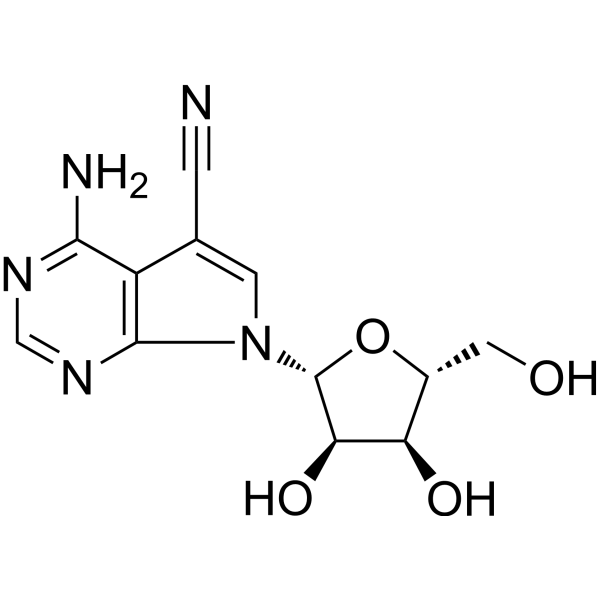
    Toyocamycin (Vengicide) is an adenosine analog produced by Streptomyces diastatochromogenes, acts as an XBP1 inhibitor. Toyocamycin blocks RNA synthesis and ribosome function, and induces apoptosis. Toyocamycin affects IRE1α-XBP1 pathway, and inhibits XBP1 mRNA cleavage with an IC50 value of 80 nM with affecting IRE1α auto-phosphorylation. Toyocamycin specifically inhibits CDK9 with an IC50 value of 79 nM [1] .
    Toyocamycin
  • HY-100355

    C18-Ceramide

    Endogenous Metabolite Neurological Disease Cancer
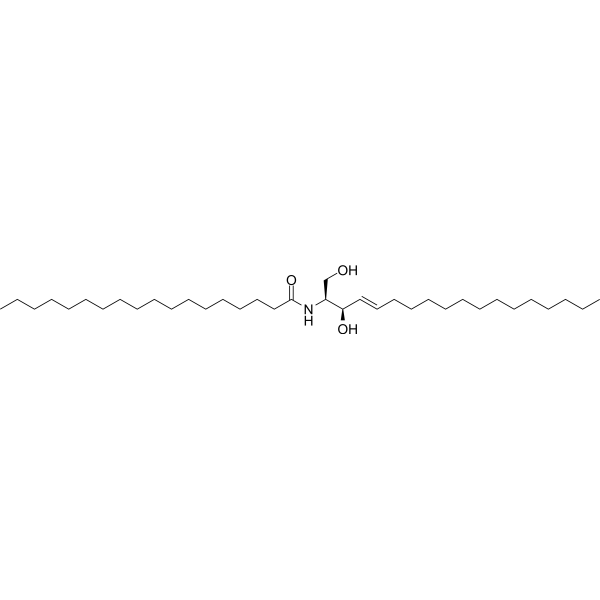
    C18-Ceramide (d18:1/18:0) is a bioactive molecule with multiple functions in cells, not a traditional agonist or inhibitor targeting a single site. It can act on multiple cellular targets, such as proteins related to endoplasmic reticulum stress (e.g., ATF-4, XBP-1, CHOP), proteins in the PI3K/AKT signaling pathway, and SNARE complex proteins. It exerts activities like inducing cell death, promoting autophagy, and regulating exocytosis through mechanisms such as activating endoplasmic reticulum stress, inhibiting the PI3K/AKT signaling pathway, and affecting lipid raft - related functions. It can be used in research on the mechanism of neuronal injury in the field of neuroscience and in the treatment research of cancers such as glioma in the field of oncology [1] .
    C18-Ceramide (d18:1/18:0)
  • HY-104040
    MKC8866
    Maximum Cited Publications
    16 Publications Verification

    Orin1001

    IRE1 Cancer
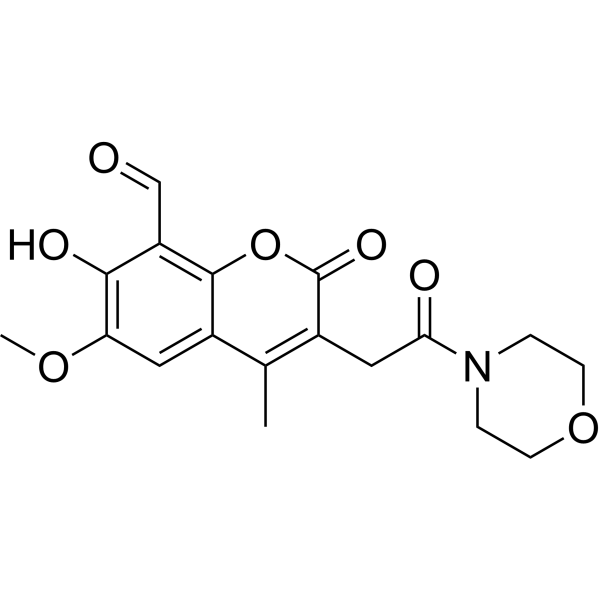
    MKC8866, a salicylaldehyde analog, is a potent, selective IRE1 RNase inhibitor with an IC50 of 0.29 μM in human vitro. MKC8866 strongly inhibits Dithiothreitol-induced X-box-binding protein 1-spliced (XBP1s) expression with an EC50 of 0.52 μM and unstresses RPMI 8226 cells with an IC50 of 0.14 μM [1]. MKC8866 inhibits IRE1 RNase in breast cancer cells leading to the decreased production of pro-tumorigenic factors and it can inhibits prostate cancer (PCa) tumor growth .
    MKC8866
  • HY-139214
    IXA4
    5+ Cited Publications

    IRE1 Neurological Disease
    IXA4 is a highly selective, non-toxic IRE1/XBP1s activator. IXA4 activates IRE1/XBP1s signaling without globally activating the unfolded protein response (UPR) or other stress-responsive signaling pathways (e.g., the heat shock response or oxidative stress response). IXA4 reduces secretion of APP through IRE1 activation [1].
    IXA4
  • HY-124293
    AA147
    4 Publications Verification

    ATF6 Reactive Oxygen Species (ROS) Neurological Disease Metabolic Disease
    AA147 is a endoplasmic reticulum (ER) proteostasis regulator. AA147 promotes protection against oxidative damage in neuronal cells and prevents endothelial barrier dysfunction by activating ATF6 arm (selectively) of the unfolded protein response (UPR) and the NRF2 oxidative stress response. AA147 can rebalances XBP1s expression in vivo, and also induces survival motor neuron (SMN) expression and spinal motorneuron (MN) protection [1] .
    AA147
  • HY-W018161
    Hexadecanedioic acid
    1 Publications Verification

    Thapsic acid

    IRE1 Ferroptosis Keap1-Nrf2 Glutathione Peroxidase Metabolic Disease
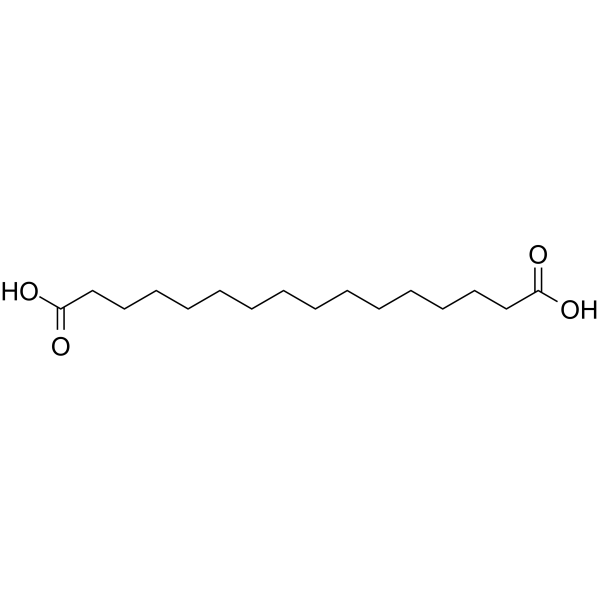
    Hexadecanedioic acid (Thapsic acid) is an orally active metabolite produced by B. uniformis. Hexadecanedioic acid inhibits IRE1α-XBP1s-mediated flipogenesis and ferroptosis. Hexadecanedioic acid downregulates XBP1 and Hrd1 expression, activates the Nrf2/SLC7A11/GPX4 pathway. Hexadecanedioic acid can be used for the research of metabolic-associated fatty liver disease [1].
    Hexadecanedioic acid
  • HY-160229

    R-1075 sodium

    Toll-like Receptor (TLR) MyD88 Caspase Reactive Oxygen Species (ROS) Autophagy Pyroptosis HIV Infection Neurological Disease
    ssRNA40 sodium (R-1075 sodium) is a single-stranded RNA40 derived from HIV-1. ssRNA40 sodium activates the TLR7, TLR8, TLR2, RIG-I, MDA5, MyD88, Caspase-3, IRE1α, NLRP3 inflammasome and IRF7 signaling pathways. ssRNA40 sodium alters mRNA expression in neutrophils, induces pro-inflammatory cytokines, ROS, autophagy (autophagy), pyroptosis (pyroptosis), neuronal death, neurodegeneration, aggregate formation and NK cell activation. ssRNA40 sodium activates the expression of CD62L, CD11b, CD69, MX1, OAS1, ATG7, LC3B and XBP1 in immune cell and neuronal populations. ssRNA40 sodium causes cortical neuron loss and axonal damage in mice in a TLR7-dependent manner. ssRNA40 sodium can be used in research on HIV-1 infection, neurodegeneration, COVID-19 and HIV-associated neurological disorders [1] .
    ssRNA40 sodium
  • HY-18509
    IRE1α kinase-IN-2
    1 Publications Verification

    IRE1 Cancer
    IRE1α kinase-IN-2 is a potent IRE1α kinase inhibitor, with an EC50 of 0.82 μM. IRE1α kinase-IN-2 inhibits IRE1α kinase autophosphorylation (IC50=3.12 μM). IRE1α kinase-IN-2 inhibits XBP1 mRNA splicing in the WT cell lines [1].
    IRE1α kinase-IN-2
  • HY-124646

    IRE1 Inflammation/Immunology
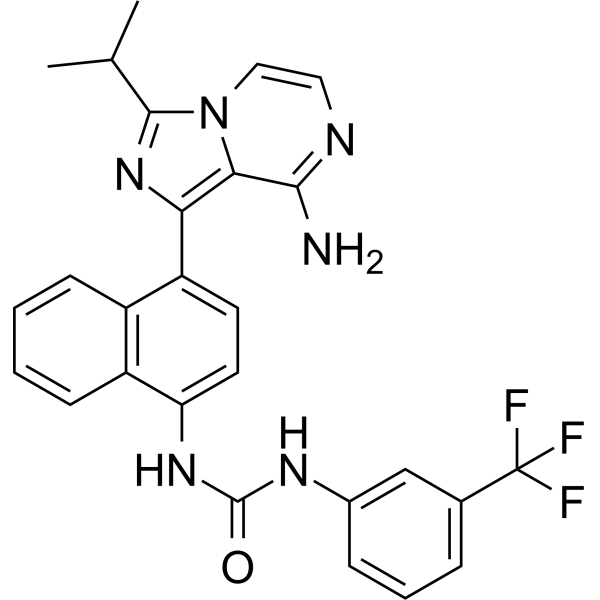
    KIRA-7, an imidazopyrazine compound, binds the IRE1α kinase (IC50 of 110 nM) to allosterically inhibit its RNase activity. KIRA-7 has an anti-fibrotic effect [1].
    KIRA-7
  • HY-139212

    IRE1 Others
    IXA6 is a novel IRE1/XBP1s activator, and can induce IRE1 RNase activity [1].
    IXA6
  • HY-W020952

    Palladium(Ⅱ) 2,4-pentanedionate; Pd(acac)2

    Biochemical Assay Reagents HSP Eukaryotic Initiation Factor (eIF) IRE1 JNK Apoptosis Cancer
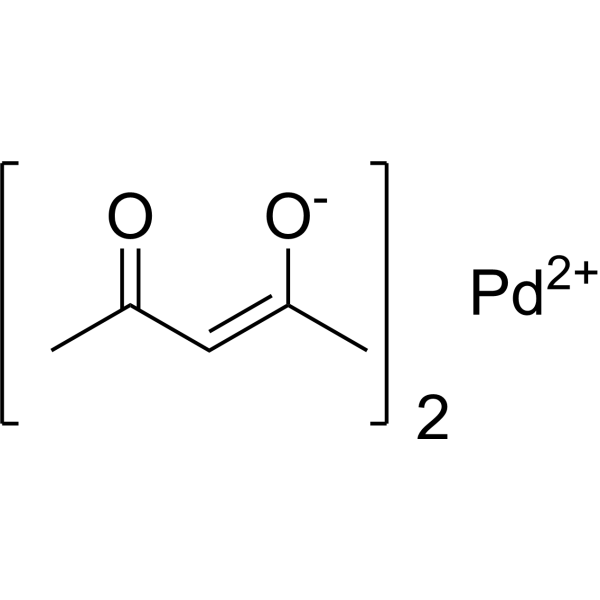
    Palladium(II) acetylacetonate is a metal-organic complex. Palladium(II) acetylacetonate upregulates the expression of GRP78, ATF-4, XBP-1, CHOP, and phosphorylated c-Jun. Palladium(II) acetylacetonate induces Apoptosis. Palladium(II) acetylacetonate has anticancer effects against non-small cell lung cancer, gastric cancer, leukemia, and cervical cancer [1] .
    Palladium(Ⅱ) acetylacetonate
  • HY-161672

    IRE1 Cancer
    G-5758 is a selective and orally effective IRE1α inhibitor with an IC50 of 38 nM (detected by the XBP1s luciferase reporter cell assay). G-5758 is still well tolerated in rats at oral doses up to 500 mg/kg. G-5758 can be used in the research of multiple myeloma [1].
    G-5758
  • HY-145425

    IRE1 Apoptosis FGFR Inflammation/Immunology
    PAIR2 is a highly selective inhibitor targeting the kinase domain of human IRE1α, with a Ki value of 8.8 nM against human IRE1α. PAIR2 fully occupies the ATP-binding site of the IRE1α kinase domain, partially antagonizes the ribonuclease activity of IRE1α, specifically inhibits regulated IRE1α-dependent decay (RIDD) and its mediated substrate cleavage, while preserving the splicing function of Xbp1 mRNA. PAIR2 also promotes the differentiation of B cells into plasma cells, blocks IRE1α-induced cell apoptosis, and restores the expression of Fgfr2 mRNA in AT2 cells. PAIR2 effectively reaches a steady-state concentration in the lung tissues of Mus musculus, and serves as an important tool for investigating the function of the IRE1α signaling pathway in diseases such as pulmonary fibrosis [1] .
    PAIR2
  • HY-178946

    IRE1 Cancer
    IA107 is a potent, selective, and allosteric IRE1α RNase (IC50 = 16 nM (non phosphorylated), IC50 = 9 nM (phosphorylated)) inhibitor. IA107 can inhibit endoplasmic reticulum stress-induced XBP1 mRNA splicing and protein expression, and has no cytotoxicity [1].
    IA107
  • HY-RS15865

    Small Interfering RNA (siRNA) Others

    XBP1 Human Pre-designed siRNA Set A contains three designed siRNAs for XBP1 gene (Human), as well as a negative control, a positive control, and a FAM-labeled negative control.

    XBP1 Human Pre-designed siRNA Set A
    XBP1 Human Pre-designed siRNA Set A
  • HY-RS16677

    Small Interfering RNA (siRNA) Others

    Xbp1 Mouse Pre-designed siRNA Set A contains three designed siRNAs for Xbp1 gene (Mouse), as well as a negative control, a positive control, and a FAM-labeled negative control.

    Xbp1 Mouse Pre-designed siRNA Set A
    Xbp1 Mouse Pre-designed siRNA Set A
  • HY-176040

    IRE1 Amyloid-β Neurological Disease Metabolic Disease
    IXA62 is an orally active and selective IRE1/XBP1s activator (EC50 = 0.31 μM) that reduces Aβ secretion. IXA62 enhances glucose-stimulated insulin secretion from rat insulinoma cells [1].
    IXA62
  • HY-U00460
    3,6-DMAD hydrochloride
    1 Publications Verification

    IRE1 Cancer
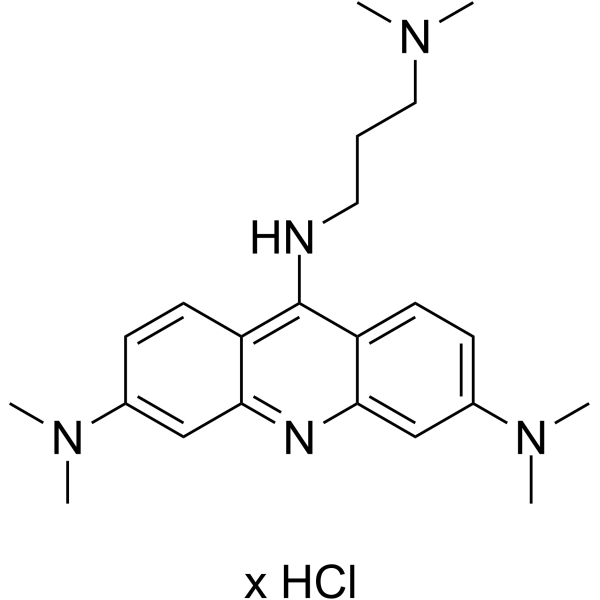
    3,6-DMAD hydrochloride, an acridine derivative, is a potent IRE1α-XBP1s pathway inhibitor. 3,6-DMAD hydrochloride promotes IL-6 secretion via the IRE1α-XBP1s pathway. 3,6-DMAD hydrochloride inhibits IRE1α oligomerization and endoribonuclease (RNase) activity. 3,6-DMAD hydrochloride can be used for research of cancer [1] .
    3,6-DMAD hydrochloride
  • HY-158386

    IRE1 Cancer
    IRE1a-IN-1 (Compound 10) is an IRE1α inhibitor, with an IC50 of less than 100 nM for XBP1 mRNA. IRE1a-IN-1 can be used for the research of cancer [1].
    IRE1a-IN-1
  • HY-RS23112

    Small Interfering RNA (siRNA) Others

    Xbp1 Rat Pre-designed siRNA Set A contains three designed siRNAs for Xbp1 gene (Rat), as well as a negative control, a positive control, and a FAM-labeled negative control.

    Xbp1 Rat Pre-designed siRNA Set A
    Xbp1 Rat Pre-designed siRNA Set A
  • HY-158393

    IRE1 Cancer
    IRE1a-IN-2 (Compound 30) is an IRE1α inhibitor, with an IC50 of over than 200 nM for XBP1 mRNA. IRE1a-IN-2 can be used for the research of cancer [1].
    IRE1a-IN-2
  • HY-168843

    Apoptosis Autophagy Cancer
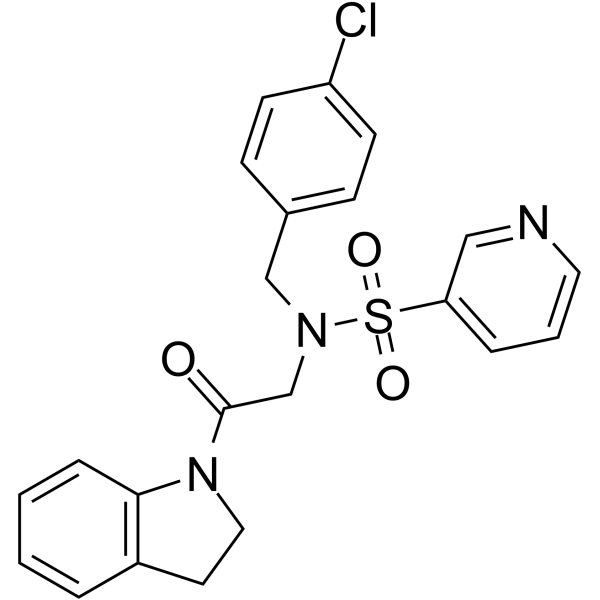
    PSP205 is a potent anticancer agent. PSP205 shows cytotoxicity. PSP205 induces apoptosis. PSP205 induces ER-stress-mediated autophagy. PSP205 increases the protein expression of LC3BII and increases the CHOP and spliced XBP1 at the mRNA and protein levels [1].
    PSP205
  • HY-U00460B

    IRE1 Cancer
    3,6-DMAD dihydrochloride, an acridine derivative, is a potent IRE1α-XBP1s pathway inhibitor. 3,6-DMAD dihydrochloride promotes IL-6 secretion via the IRE1α-XBP1s pathway. 3,6-DMAD dihydrochloride inhibits IRE1α oligomerization and endoribonuclease (RNase) activity. 3,6-DMAD dihydrochloride can be used for research of cancer [1] .
    3,6-DMAD dihydrochloride
  • HY-W018161R

    Thapsic acid (Standard)

    Reference Standards IRE1 Ferroptosis Keap1-Nrf2 Glutathione Peroxidase Metabolic Disease
    Hexadecanedioic acid (Thapsic acid) (Standard) is the analytical standard of Hexadecanedioic acid (HY-W018161). This product is intended for research and analytical applications. Hexadecanedioic acid is an orally active metabolite produced by B. uniformis. Hexadecanedioic acid inhibits IRE1α-XBP1s-mediated flipogenesis and ferroptosis. Hexadecanedioic acid downregulates XBP1 and Hrd1 expression, activates the Nrf2/SLC7A11/GPX4 pathway. Hexadecanedioic acid can be used for the research of metabolic-associated fatty liver disease [1].
    Hexadecanedioic acid (Standard)
  • HY-138844

    Eukaryotic Initiation Factor (eIF) p38 MAPK JNK Apoptosis Cancer
    3-AP-Me is a dimethyl derivative of the nucleotide reductase inhibitor 3-AP (SML0568). 3-AP-Me can activate the endoplasmic reticulum (ER) stress pathway by promoting the phosphorylation of eIF2α and increasing the gene expression of transcription factors ATF4 and ATF6, leading to cell apoptosis. Additionally, 3-AP-Me can activate the stress kinases c-Jun N-terminal kinase (JNK) and p38 mitogen-activated protein kinases. 3-AP-Me also leads to the upregulation of the spliced mRNA variant XBP1, can be used in cancer research [1].
    3-AP-Me
  • HY-135945

    Biochemical Assay Reagents Inflammation/Immunology
    Dihydrocoptisine is a benzylisoquinoline alkaloid that can be isolated from the methanolic extract of the whole plant of Argemone mexicana L. Dihydrocoptisine can activate XBP1 transcription activity. Dihydrocoptisine can be studied in research on anti-ulcertative colitis [1] .
    Dihydrocoptisine
  • HY-181886

    IRE1 PDGFR c-Kit Others
    AK177 is an allosteric activator of IRE1α ribonuclease, with values of 480 nM and 180 nM against non-phosphorylated and phosphorylated IRE1α, respectively. AK177 promotes IRE1α-mediated cleavage of XBP1 mRNA probe in a concentration-dependent manner and binds stably to its kinase domain. However, AK177 shows poor kinase selectivity, and due to poor membrane permeability at the cellular level, it induces no significant downstream pathway activation or antiproliferative activity [1].
    AK177
  • HY-W018161S

    Isotope-Labeled Compounds IRE1 Ferroptosis Keap1-Nrf2 Glutathione Peroxidase Metabolic Disease
    Hexadecanedioic acid-d28 is the deuterium labeled Hexadecanedioic acid (HY-W018161). Hexadecanedioic acid (Thapsic acid) is an orally active metabolite produced by B. uniformis. Hexadecanedioic acid inhibits IRE1α-XBP1s-mediated flipogenesis and ferroptosis. Hexadecanedioic acid downregulates XBP1 and Hrd1 expression, activates the Nrf2/SLC7A11/GPX4 pathway. Hexadecanedioic acid can be used for the research of metabolic-associated fatty liver disease [1].
    Hexadecanedioic acid-d28
  • HY-173497

    IRE1 Metabolic Disease Inflammation/Immunology
    IRE1-IN-2 (compound G15) is a potent IRE1 inhibitor. IRE1-IN-2 inhibits FFA-induced lipid accumulation with an IC50 of 2.06 μM [1].
    IRE1-IN-2
  • HY-123996

    IRE1 Apoptosis Arrestin CHIKV Infection Cancer
    3-ethoxy-5,6-dibromosalicylaldehyde is a potent, non-competitive, selective IRE1 (including IRE1α) inhibitor (IC50s: ∼0.12 μM for hIRE1α-cyto; 6 μM for yeast Ire1). 3-ethoxy-5,6-dibromosalicylaldehyde inhibits XBP-1 splicing. 3-ethoxy-5,6-dibromosalicylaldehyde induces Apoptosis. 3-ethoxy-5,6-dibromosalicylaldehyde upregulates the mRNA expression level of TXNIP, while downregulating the expression level of TXN. 3-ethoxy-5,6-dibromosalicylaldehyde exhibits anticancer activity against pancreatic cancer. 3-ethoxy-5,6-dibromosalicylaldehyde significantly inhibits chikungunya virus replication [1] .
    3-Ethoxy-5,6-dibromosalicylaldehyde
  • HY-104040R

    Orin1001 (Standard)

    Reference Standards IRE1 Cancer
    MKC8866 (Standard) is the analytical standard of MKC8866 (HY-104040). This product is intended for research and analytical applications. MKC8866, a salicylaldehyde analog, is a potent, selective IRE1 RNase inhibitor with an IC50 of 0.29 μM in human vitro. MKC8866 strongly inhibits Dithiothreitol-induced X-box-binding protein 1-spliced (XBP1s) expression with an EC50 of 0.52 μM and unstresses RPMI 8226 cells with an IC50 of 0.14 μM [1]. MKC8866 inhibits IRE1 RNase in breast cancer cells leading to the decreased production of pro-tumorigenic factors and it can inhibits prostate cancer (PCa) tumor growth .
    MKC8866 (Standard)

Inquiry Online

Your information is safe with us. * Required Fields.

Salutation


Country or Region *

Applicant Name *


Organization Name *

Department *


Email Address *


Product Name *

Cat. No.


Requested quantity *

Phone Number *


Remarks

Inquiry Online

Inquiry Information

Product Name:
Cat. No.:
Quantity:
MCE Japan Authorized Agent:

