1. Search Result
Search Result
Results for "

acetyl-CoA inhibitors

" in MedChemExpress (MCE) Product Catalog:

66

Inhibitors & Agonists

2

Screening Libraries

11

Natural
Products

1

Isotope-Labeled Compounds

Cat. No. Product Name Target Research Areas Chemical Structure
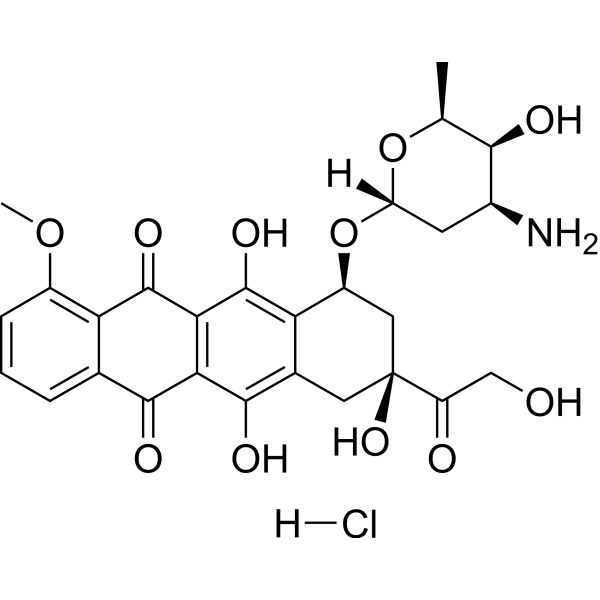
  • HY-15142
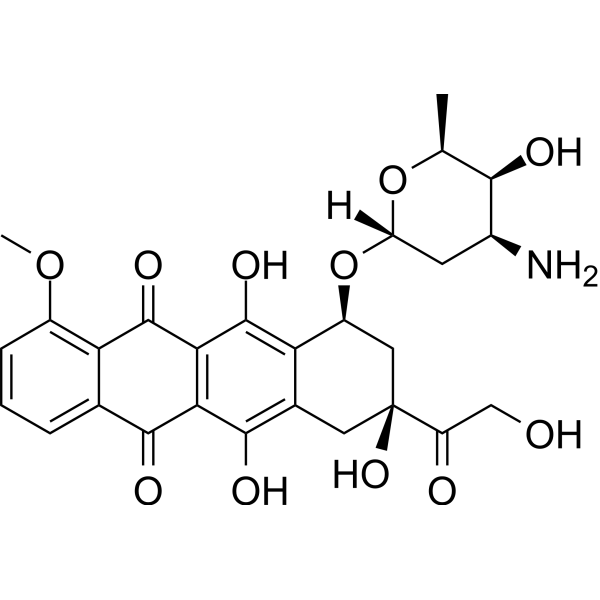
    Doxorubicin hydrochloride
    Maximum Cited Publications
    650 Publications Verification

    Hydroxydaunorubicin hydrochloride; ADR

    Topoisomerase ADC Payload AMPK Autophagy Apoptosis HIV HBV Mitophagy Antibiotic Bacterial Fluorescent Dye Infection Cancer
    Doxorubicin hydrochloride (Hydroxydaunorubicin hydrochloride; ADR), a cytotoxic anthracycline antibiotic, is an anti-cancer chemotherapy agent. Doxorubicin hydrochloride is a potent human DNA topoisomerase I and topoisomerase II inhibitor with IC50s of 0.8 μM and 2.67 μM, respectively. Doxorubicin hydrochloride reduces basal phosphorylation of AMPK and its downstream target acetyl-CoA carboxylase. Doxorubicin hydrochloride induces apoptosis and autophagy .
    Doxorubicin hydrochloride
  • HY-101068
    TOFA
    10+ Cited Publications

    RMI14514; MDL14514

    Acetyl-CoA Carboxylase Cancer
    TOFA (RMI14514;MDL14514) is an allosteric inhibitor of acetyl-CoA carboxylase-α (ACCA ).
    TOFA
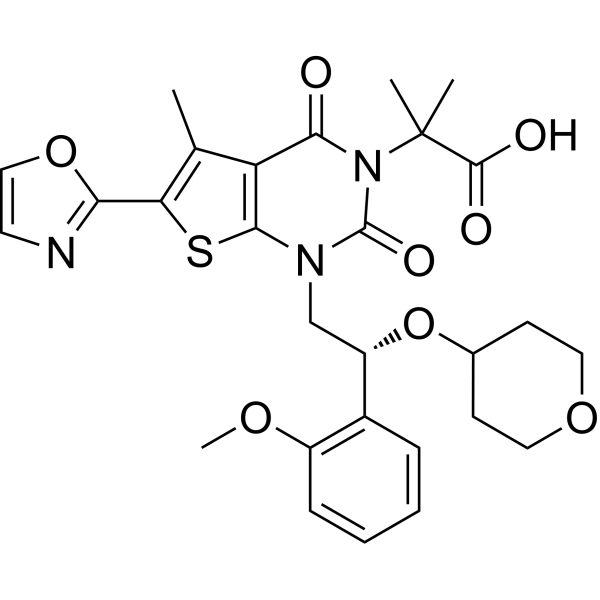
  • HY-16901
    Firsocostat
    20+ Cited Publications

    ND-630; GS-0976; NDI-010976

    Acetyl-CoA Carboxylase Metabolic Disease
    Firsocostat (ND-630; GS-0976; NDI-010976) is an acetyl-CoA carboxylase (ACC) inhibitor; inhibits human ACC1 and ACC2 with IC50 values of 2.1 and 6.1 nM, respectively.
    Firsocostat
  • HY-104032
    Ac-CoA Synthase-IN-1
    5+ Cited Publications

    RSV Infection Metabolic Disease
    Ac-CoA Synthase-IN-1 is a potent, reversible acetate-dependent acetyl-CoA synthetase 2 (ACSS2) inhibitor with an IC50 of 0.6 μM . Ac-CoA Synthase-IN-1 inhibits the respiratory syncytial virus (RSV) .
    Ac-CoA Synthase-IN-1
  • HY-112083
    BAY-3827
    10+ Cited Publications

    AMPK Cancer
    BAY-3827, a chemical probe, is a potent and selective AMPK inhibitor with IC50 values of 1.4 nM at low (10 μM ATP concentration) and 15 nM at high (2 mM ATP concentration). BAY-3827 shows over 500-fold selectivity for most of the 331 kinases. BAY-3827 prevents phosphorylation of acetyl-CoA carboxylase 1 and shows strongest anti-proliferative activity in androgen-dependent prostate cancer cell lines .
    BAY-3827
  • HY-134901
    WM-3835
    5+ Cited Publications

    Histone Acetyltransferase Apoptosis Cancer
    WM-3835 is a potent and high-specific HBO1 (KAT7 or MYST2) inhibitor and binds directly to the acetyl-CoA binding site of HBO1. WM-3835 activates apoptosis while inhibits osteosarcoma (OS) cell proliferation, migration and invasion. WM-3835 has antitumor activity and potently inhibits pOS-1 xenograft growth in mice .
    WM-3835
  • HY-15142R
    Doxorubicin hydrochloride (Standard)
    5 Publications Verification

    Hydroxydaunorubicin hydrochloride (Standard); ADR (Standard)

    Reference Standards Topoisomerase ADC Payload AMPK Autophagy Apoptosis HIV HBV Mitophagy Antibiotic Bacterial Fluorescent Dye Infection Cancer
    Doxorubicin hydrochloride (Standard) is the analytical standard of Doxorubicin hydrochloride. This product is intended for research and analytical applications. Doxorubicin (Hydroxydaunorubicin) hydrochloride, a cytotoxic anthracycline antibiotic, is an anti-cancer chemotherapy agent. Doxorubicin hydrochloride is a potent human DNA topoisomerase I and topoisomerase II inhibitor with IC50s of 0.8 μM and 2.67 μM, respectively. Doxorubicin hydrochloride reduces basal phosphorylation of AMPK and its downstream target acetyl-CoA carboxylase. Doxorubicin hydrochloride induces apoptosis and autophagy .
    Doxorubicin hydrochloride (Standard)
  • HY-101842
    ND-646
    10+ Cited Publications

    Acetyl-CoA Carboxylase Cancer
    ND-646 is an orally bioavailable and steric inhibitor of acetyl-CoA carboxylase (ACC) with IC50s of 3.5 nM and 4.1 nM for recombinant hACC1 and hACC2, respectively.
    ND-646
  • HY-15142A

    Hydroxydaunorubicin

    ADC Payload Antibiotic Bacterial Topoisomerase AMPK HIV Autophagy Mitophagy Apoptosis HBV Fluorescent Dye Infection Cancer
    Doxorubicin (Hydroxydaunorubicin), a cytotoxic anthracycline antibiotic, is an anti-cancer chemotherapy agent. Doxorubicin is a potent human DNA topoisomerase I and topoisomerase II inhibitor with IC50s of 0.8 μM and 2.67 μM, respectively. Doxorubicin reduces basal phosphorylation of AMPK and its downstream target acetyl-CoA carboxylase. Doxorubicin induces apoptosis and autophagy .
    Doxorubicin
  • HY-15259
    CP-640186
    5+ Cited Publications

    Acetyl-CoA Carboxylase Metabolic Disease
    CP-640186 is an orally active and cell-permeable Acetyl-CoA carboxylase (ACC) inhibitor with IC50s of 53 nM and 61 nM for rat liver ACC1 and rat skeletal muscle ACC2 respectively. Acetyl-CoA carboxylase (ACC) is a key enzyme of fatty acid metabolism that enables the synthesis of malonyl-CoA. CP-640186 can also stimulate muscle fatty acid oxidation .
    CP-640186
  • HY-12942
    PF-05175157
    3 Publications Verification

    Acetyl-CoA Carboxylase Metabolic Disease
    PF-05175157 is broad spectrum acetyl-CoA carboxylase (ACC) inhibitor with IC50s of 27.0, 33.0, 23.5 and 50.4 nM for ACC1 (human), ACC2 (human), ACC1 (rat), ACC2 (rat), respectively.
    PF-05175157
  • HY-N0468
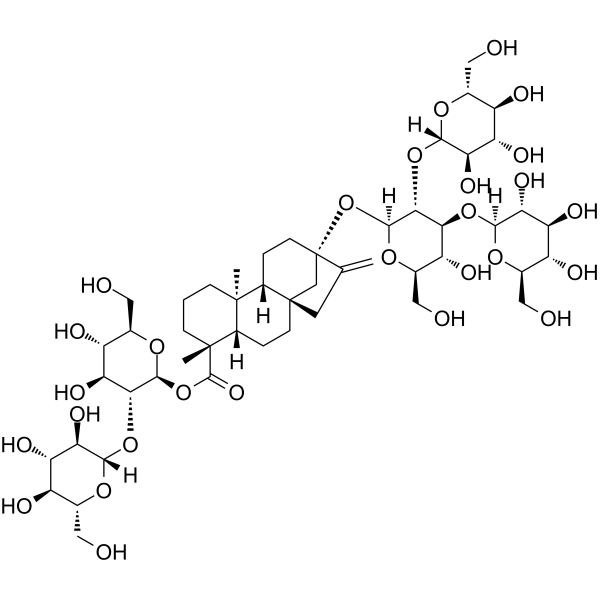
    Rebaudioside D
    1 Publications Verification

    FXR Acetyl-CoA Carboxylase Metabolic Disease
    Rebaudioside D is an orally active sweetener that targets and activates FXR, modulates Acetyl-CoA Carboxylase, and inhibits 3-hydroxy-3-methylglutaryl-CoA reductase. Rebaudioside D regulates bile acid homeostasis and lipid metabolism, reduces the synthesis rates of fatty acids and cholesterol, and exerts multiple effects including anti-adipogenesis, hepatoprotection, anti-steatosis, gut microbiota modulation, enhancement of secondary bile acid metabolism, anti-endotoxin activity, regulation of bile acid transport, and inhibition of bile acid efflux. Rebaudioside D also reduces body weight gain, visceral fat accumulation, hepatic triglyceride and cholesterol accumulation, hepatic lipid peroxidation, and decreases the circulating level of lipopolysaccharide-binding protein. Rebaudioside D additionally enhances the secondary bile acid metabolic pathway of intestinal bacteria, upregulates the gene expression of ileal organic solute transporter α, and downregulates the gene expression of hepatic bile salt export pump. Rebaudioside D does not affect glucose homeostasis, alter total caloric intake or fecal energy excretion, induce weight gain, exacerbate obesity, promote hepatic steatosis, impair brown adipose tissue function, nor change skeletal muscle metabolism-related proteins. Rebaudioside D can be used in diet-induced obesity and obesity-related research .
    Rebaudioside D
  • HY-100671

    Histone Acetyltransferase STAT Cardiovascular Disease Inflammation/Immunology Cancer
    L002 is a potent, cell permeable, reversible and specific acetyltransferase p300 (KAT3B) inhibitor with an IC50 of 1.98 μM . L002 binds the acetyl-CoA pocket and competitively inhibits the FATp300 catalytic domain, blocks histone acetylation and p53 acetylation, and inhibits STAT3 activation . L002 has the potential for hypertension-induced cardiac hypertrophy and fibrogenesis treatment .
    L002
  • HY-P1123

    ATP Citrate Lyase Free Fatty Acid Receptor Acetyl-CoA Carboxylase Metabolic Disease
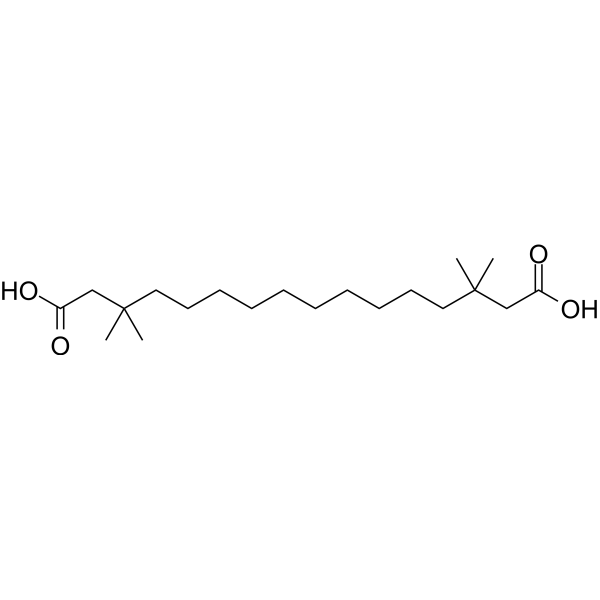
    MEDICA16 is an orally active acetyl-CoA carboxylase and ATP-citrate lyase inhibitor. MEDICA16 limits the acetyl-CoA supply for acetyl-CoA carboxylase, inhibits acetyl-CoA carboxylase activity, exerts citrate-competitive inhibitory effects on ATP-citrate lyase, and reduces hepatic AMPK activity. MEDICA16 can be used in research related to insulin resistance, hyperlipidemia, and obesity .
    MEDICA16
  • HY-15259A
    CP-640186 hydrochloride
    5+ Cited Publications

    Acetyl-CoA Carboxylase Metabolic Disease
    CP-640186 hydrochloride is an orally active and cell-permeable Acetyl-CoA carboxylase (ACC) inhibitor with IC50s of 53 nM and 61 nM for rat liver ACC1 and rat skeletal muscle ACC2 respectively. Acetyl-CoA carboxylase (ACC) is a key enzyme of fatty acid metabolism that enables the synthesis of malonyl-CoA. CP-640186 hydrochloride can also stimulate muscle fatty acid oxidation .
    CP-640186 hydrochloride
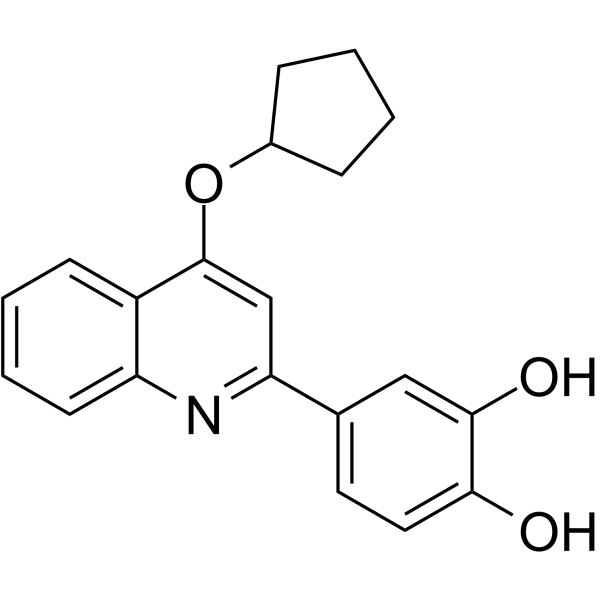
  • HY-135981
    CMS-121
    2 Publications Verification

    Acetyl-CoA Carboxylase Neurological Disease Inflammation/Immunology
    CMS-121 is a quinolone derivative and an orally active acetyl-CoA carboxylase 1 (ACC1) inhibitor. CMS-121 protects HT22 cells against ischemia and oxidative damage with EC50 values of 7 nM and 200 nM, respectively. CMS-121 has strong neuroprotective, anti-inflammatory, antioxidative and renoprotective activities .
    CMS-121
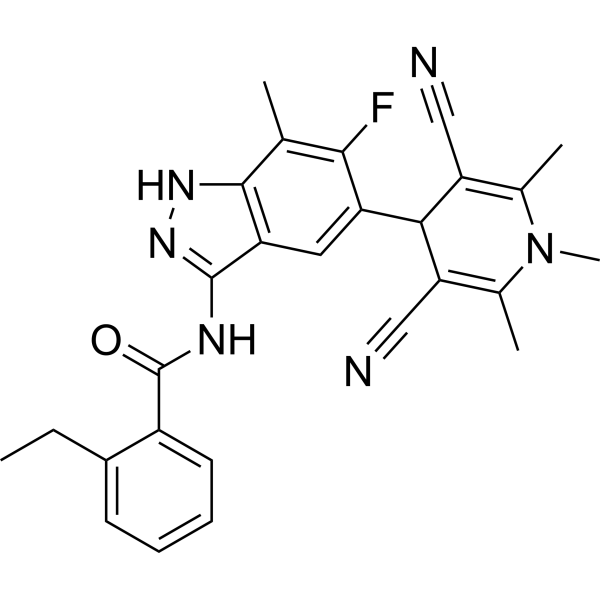
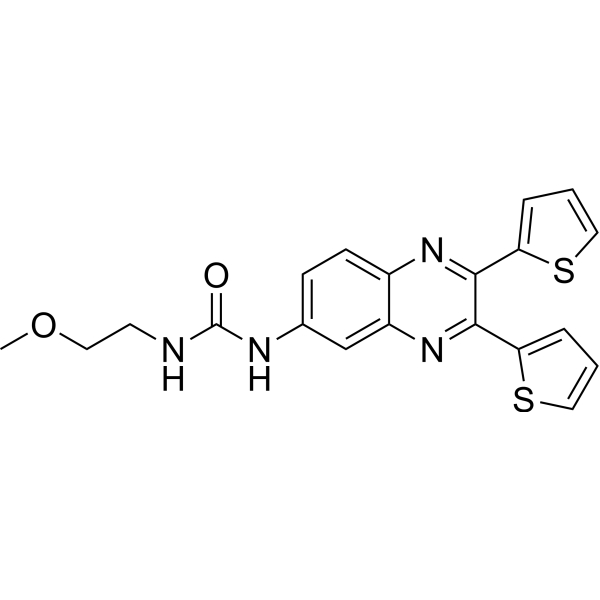
  • HY-147004

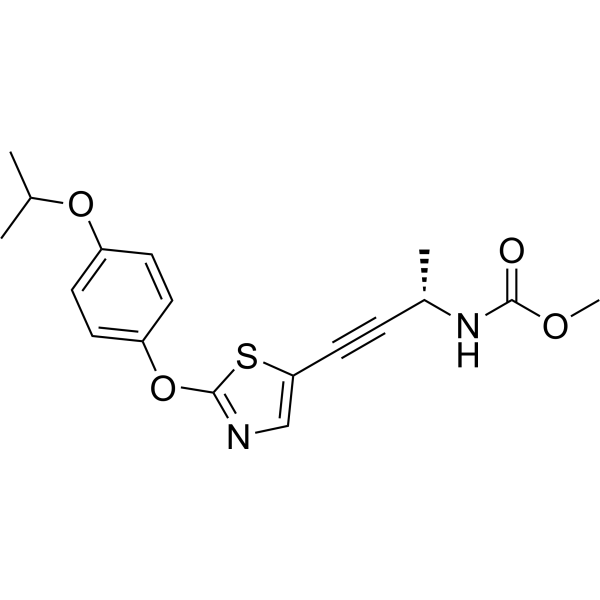
    Acetyl-CoA Carboxylase Metabolic Disease
    A-908292 is a potent and selective acetyl-CoA carboxylase 2 (ACC2) inhibitor, with an IC50 of 23 nM for human ACC2. A-908292 can be used for the research of fatty acid metabolism . A-908292 is a click chemistry reagent, it contains an Alkyne group and can undergo copper-catalyzed azide-alkyne cycloaddition (CuAAc) with molecules containing Azide groups.
    A-908292
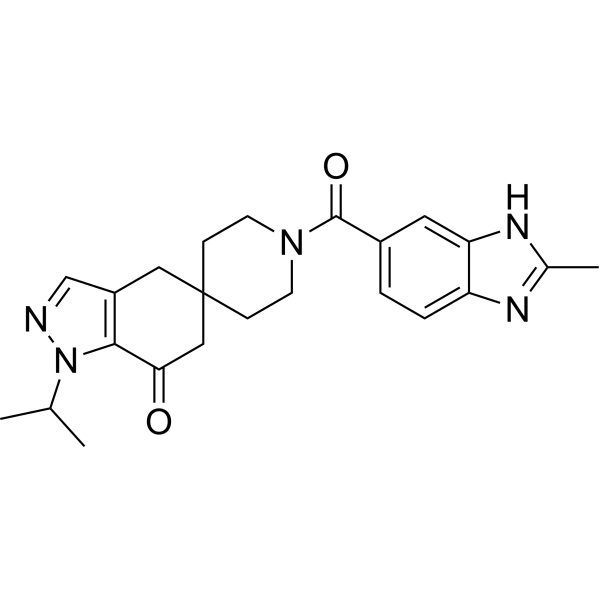
  • HY-152117

    Acetyl-CoA Carboxylase Bacterial Infection
    Acetyl-CoA Carboxylase-IN-1 is a potent acetyl-CoA carboxylase (ACC) inhibitor with an IC50 value of <5 nM. Acetyl-CoA Carboxylase-IN-1 has antibacterial activity .
    Acetyl-CoA Carboxylase-IN-1
  • HY-N7347

    Garcinia lactone

    ATP Citrate Lyase Metabolic Disease
    (-)-Hydroxycitric acid lactone (Garcinia lactone) is an anti-obesity agent and a popular weight loss food supplement. (-)-Hydroxycitric acid lactone is a potent inhibitor of ATP-citrate lyase. (-)-Hydroxycitric acid lactone catalyzes the extramitochondrial cleavage of citrate to oxaloacetate and acetyl-CoA, limits the availability of acetyl-CoA units required for fatty acid synthesis .
    (-)-Hydroxycitric acid lactone
  • HY-107709
    MK-4074
    4 Publications Verification

    Acetyl-CoA Carboxylase Metabolic Disease
    MK-4074 is a liver-specific inhibitor of acetyl-CoA carboxylase ACC1 and ACC2 with IC50 values of approximately 3 nM.
    MK-4074
  • HY-161117

    RSV Cancer
    AD-8007 is an acetyl CoA synthase 2 (ACSS2) inhibitor that can cross the blood-brain barrier. AD-8007 can significantly reduce lipid storage and cell colony formation in vitro models, and increase tumor cell death. AD-8007 has anti-cancer activity and can be used in the research of breast cancer .
    AD-8007
  • HY-W012865

    Carnitine Palmitoyltransferase (CPT) Endogenous Metabolite FABP PPAR Metabolic Disease
    Tartronic acid, a dicarboxylic acid derive, is an inhibitor of the transformation of carbohydrates into fat under fat-deficient diet conditions. Tartronic acid promotes 3T3-L1 adipocyte differentiation by increasing the protein expression of FABP-4, PPARγ and SREBP-1. Tartronic acid promotes de novo lipogenesis and inhibits CPT-1β by upregulating acetyl-CoA and malonyl-CoA. Tartronic acid promotes weight gain and induces adipocyte hypertrophy in epididymal white adipose tissue and lipid accumulation in the livers of high-fat diet induced obese mice. Tartronic acid can be used for lipid metabolic disease research .
    Tartronic acid
  • HY-W612338

    9-ONA

    Acetyl-CoA Carboxylase Inflammation/Immunology
    9-Oxononanoic acid (9-ONA) is an orally active acetyl-CoA carboxylase inhibitor. 9-Oxononanoic acid inhibits acetyl-CoA carboxylase via accumulation of long-chain acyl-CoA. 9-Oxononanoic acid increases carnitine palmitoyltransferase, isocitrate dehydrogenase and glucose 6-phosphate dehydrogenase activity to elevate β-oxidation and support NADPH (HY-113324) supplyactivity. 9-Oxononanoic acid stimulates phospholipase A2 activity via post-translational, non-transcriptional mechanisms. 9-Oxononanoic acid can be used for the research of atherothrombosis .
    9-Oxononanoic acid
  • HY-N14257

    Bacterial Antibiotic Acetyl-CoA Carboxylase Infection
    Andrimid is a peptide Antibiotic and acetyl-CoA carboxylase inhibitor. Andrimid is produced by symbiotic bacteria of the genus *Enterobacter* residing in the brown planthopper Nilaparvata lugens. Andrimid exhibits strong specific activity against Xanthomonas campestris pv. oryzae. Andrimid shows no or only weak activity against Gram-positive and Gram-negative bacteria, including most plant pathogenic bacteria. Andrimid can be used in studies related to bacterial infections and rice bacterial blight .
    Andrimid
  • HY-E70394

    Acetonyl-coenzyme A

    Biochemical Assay Reagents N-myristoyltransferase Metabolic Disease
    S-Acetonyl-CoA (Acetonyl-coenzyme A) is a non-reactive structural analog of acetyl-CoA that acts as a competitive inhibitor against multiple target enzymes. S-Acetonyl-CoA lacks the characteristic thioester group of acetyl-CoA, retaining only a thioether structure. S-Acetonyl-CoA competes with acetyl-CoA for binding to citrate synthase, phosphate transacetylase, carnitine acetyltransferase, and N-myristoyltransferase 1. S-Acetonyl-CoA serves as a reagent for investigating acetyl-CoA-dependent physiological processes .
    S-Acetonyl-CoA
  • HY-117262

    Acetyl-CoA Carboxylase Others
    Propaquizafop is a phenoxyisopropionic acid herbicide and an acetyl-coA carboxylase inhibitor .
    Propaquizafop
  • HY-147376

    Acetyl-CoA Carboxylase Metabolic Disease
    hACC2-IN-1 is a potent acetyl-CoA carboxylase 2 (ACC2) inhibitor, with an IC50 value of 2.5 μM (hACC2). hACC2-IN-1 could be used for obesity research .
    hACC2-IN-1
  • HY-W588256

    Endogenous Metabolite Acetyl-CoA Carboxylase Infection
    12-Tridecenoic acid is a metabolite of intestinal flora, which can promote the expression of acetyl-CoA carboxylase α (ACC) and inhibit the expression of carnitine palmitoyltransferase 1A (CPT1A), thereby aggravating hepatic steatosis. 12-Tridecenoic acid aggravates hepatic steatosis by affecting the ACC-CPT1A axis .
    12-Tridecenoic acid
  • HY-179537

    Acetyl-CoA Carboxylase Drug Derivative Inflammation/Immunology
    CKBA, a derivative of AKBA (HY-N0892) is an inhibitor of acetyl-CoA carboxylase 1 (ACC1), with an IC50 of 5.02 μM. CKBA inhibits the differentiation of Th17 cells and has IC50 values of 3.28 μM for mouse cells and 3.61 μM for human cells. CKBA ointment significantly alleviates psoriasis-like inflammation in mice. CKBA can be used for the study of psoriasis .
    CKBA
  • HY-147932

    Acetyl-CoA Carboxylase Cancer
    ACC1/2-IN-2 (compound PF-3) is a potent ACC1/2 inhibitor with IC50 values of 22 and 48 nM for ACC1 and ACC2, respectively. ACC1/2-IN-2 has antiproliferation activity and can be used for cancer research .
    ACC1/2-IN-2
  • HY-16943

    Bacterial Acetyl-CoA Carboxylase Infection
    Moiramide B is a potent acetyl-CoA carboxylase (ACC) inhibitor with an IC50 value of 6 nM. Moiramide B has antibacterial activity .
    Moiramide B
  • HY-123307

    Xylafop

    Environmental Pollutants Acetyl-CoA Carboxylase Others
    Quizalofop (Xylafop) is a herbicide that inhibits acetyl-CoA carboxylase (ACCase) to reduce the synthesis of fatty acids. Quizalofop can be used to screen EMS (HY-W015854) mutated microalgae for research on improving the performance of microalgae biofuel production .
    Quizalofop
  • HY-150191

    Lipoxygenase Acetyl-CoA Carboxylase Metabolic Disease
    IMA-1 is an inhibitor that inhibits the interaction between arachidonic acid 12-lipoxygenase (ALOX12) and acetyl-CoA carboxylase 1 (ACC1). IMA-1 significantly blocks the progression of diet-induced non-alcoholic steatohepatitis (NASH) in male mice and crab-eating monkeys, and does not cause hyperlipidemia. IMA-1 can be used for the study of NASH .
    IMA-1
  • HY-127108

    Acetyl-CoA Carboxylase Metabolic Disease Cancer
    ND-654 is a highly selective acetyl-CoA carboxylase (ACC) inhibitor (IC50: ACC1=3 nM, ACC2=8 nM). ND-654 reduces hepatic lipogenesis, decreases neutrophil recruitment and promotes anti-inflammatory M2 macrophage polarization. ND-654 is promising for research of nonalcoholic steatohepatitis and hepatocellular carcinoma .
    ND-654
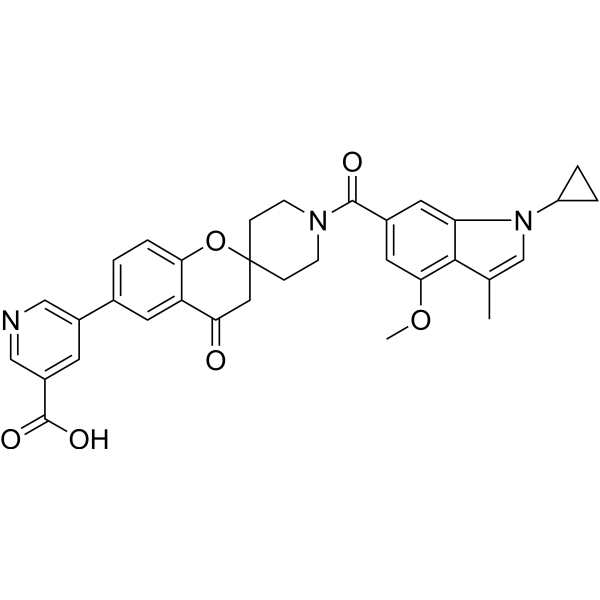
  • HY-178040

    Acetyl-CoA Carboxylase Pyruvate Carboxylase (PC) Parasite Insecticide Infection
    Insecticidal agent 26 (Compound A11), a spiro insecticidal agent, is a dual-functional inhibitor of pest Acetyl-CoA carboxylase (ACC) and Pyruvate carboxylase (PC). Insecticidal agent 26 has potent insecticidal activity against Sogatella furcifera with a LC50 of 11.0  μg/mL, with significant biosafety to bees. Insecticidal agent 26 can be used for management of white-backed planthoppers (WBPs) .
    Insecticidal agent 26
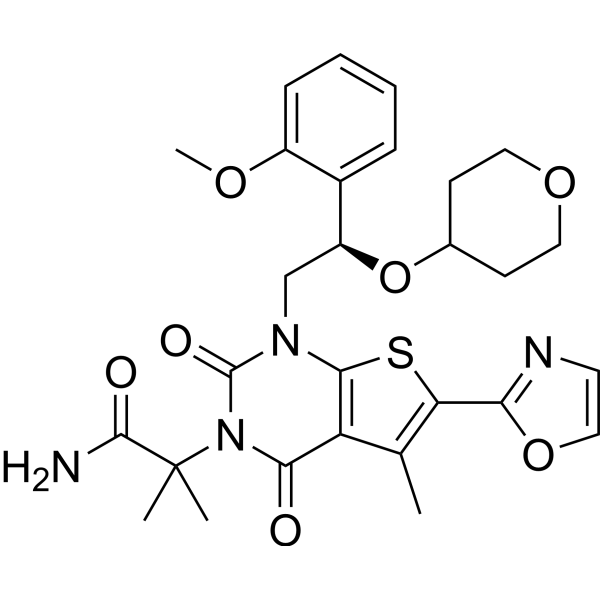
  • HY-16901A

    ND-630 (S enantiomer); GS-0976 (S enantiomer); NDI-010976 (S enantiomer)

    Acetyl-CoA Carboxylase Others
    Firsocostat S enantiomer (ND-630 S enantiomer) is the less active S enantiomer of Firsocostat. Firsocostat is an acetyl-CoA carboxylase (ACC) inhibitor.
    Firsocostat (S enantiomer)
  • HY-114575

    BAS 517-02H

    Herbicide Acetyl-CoA Carboxylase Others
    Cycloxydim (BAS 517-02H) is a cyclohexanedione oxime herbicide. Cycloxydim can inhibits the acetyl-CoA carboxylase .
    Cycloxydim
  • HY-121273

    Dichlorfop acid; (±)-Diclofop

    Acetyl-CoA Carboxylase Parasite Drug Metabolite Infection
    Diclofop (Dichlorfop acid) is an acetyl-CoA carboxylase (ACC) inhibitor. Diclofop is also the major metabolite of the herbicide Diclofop-methyl (HY-136367). Diclofop exhibits antimalarial activity with an IC50 of 210 μM against P. falciparum .
    Diclofop
  • HY-16946

    Acetyl-CoA Carboxylase Metabolic Disease
    CP-610431 is a reversible, ATP-uncompetitive, isozyme-nonselective acetyl-CoA carboxylase (ACC) inhibitor. CP-610431 inhibits ACC1 and ACC2 with IC50s of ~50 nM. CP-610431 can be used for the research of metabolic syndrome .
    CP-610431
  • HY-173565

    Acetyl-CoA Carboxylase Inflammation/Immunology
    ACC-IN-1 (Compound B1) is an allosteric inhibitor of acetyl-CoA carboxylase (ACC). ACC-IN-1 targets ACC to regulate lipid metabolism, which can improve liver steatosis, inflammation related to non-alcoholic steatohepatitis (NASH) .
    ACC-IN-1
  • HY-16901R

    ND-630 (Standard); GS-0976 (Standard); NDI-010976 (Standard)

    Acetyl-CoA Carboxylase Reference Standards Metabolic Disease
    Firsocostat (Standard) is the analytical standard of Firsocostat. This product is intended for research and analytical applications. Firsocostat (ND-630; GS-0976; NDI-010976) is an acetyl-CoA carboxylase (ACC) inhibitor; inhibits human ACC1 and ACC2 with IC50 values of 2.1 and 6.1 nM, respectively.
    Firsocostat (Standard)
  • HY-139134

    HMG-CoA Reductase (HMGCR) Acetyl-CoA Carboxylase Cardiovascular Disease
    S-2E is an orally active and noncompetitive HMG-CoA reductase and acetyl-CoA carboxylase inhibitor. S-2E has an anti-hyperlipidemic action. S-2E has the potential for familial hypercholesterolemia and mixed hyperlipidemia research .
    S-2E
  • HY-147930

    Acetyl-CoA Carboxylase Cancer
    ACC1/2-IN-1 (compound 4s) is a potent ACC1/2 inhibitor with IC50 values of 98.06 and 29.43 nM for ACC1 and ACC2, respectively. ACC1/2-IN-1 can be used for cancer research .
    ACC1/2-IN-1
  • HY-N0468R

    Reference Standards Acetyl-CoA Carboxylase FXR Metabolic Disease
    Rebaudioside D (Standard) is the analytical standard of Rebaudioside D. This product is intended for research and analytical applications. Rebaudioside D is an orally active sweetener that targets and activates FXR, modulates Acetyl-CoA Carboxylase, and inhibits 3-hydroxy-3-methylglutaryl-CoA reductase. Rebaudioside D regulates bile acid homeostasis and lipid metabolism, reduces the synthesis rates of fatty acids and cholesterol, and exerts multiple effects including anti-adipogenesis, hepatoprotection, anti-steatosis, gut microbiota modulation, enhancement of secondary bile acid metabolism, anti-endotoxin activity, regulation of bile acid transport, and inhibition of bile acid efflux. Rebaudioside D also reduces body weight gain, visceral fat accumulation, hepatic triglyceride and cholesterol accumulation, hepatic lipid peroxidation, and decreases the circulating level of lipopolysaccharide-binding protein. Rebaudioside D additionally enhances the secondary bile acid metabolic pathway of intestinal bacteria, upregulates the gene expression of ileal organic solute transporter α, and downregulates the gene expression of hepatic bile salt export pump. Rebaudioside D does not affect glucose homeostasis, alter total caloric intake or fecal energy excretion, induce weight gain, exacerbate obesity, promote hepatic steatosis, impair brown adipose tissue function, nor change skeletal muscle metabolism-related proteins. Rebaudioside D can be used in diet-induced obesity and obesity-related research .
    Rebaudioside D (Standard)
  • HY-111223

    PP604; ICIA 0604; FD-4026

    Acetyl-CoA Carboxylase Others
    Tralkoxydim is a cyclohexanedione herbicide that inhibits Acetyl-CoA Carboxylase in corn .
    Tralkoxydim
  • HY-W747605

    Acetyl-CoA Carboxylase Herbicide Others
    Tepraloxydim is an acetyl-CoA carboxylase inhibitor with weed control activity .
    Tepraloxydim
  • HY-121427

    Acetyl-CoA Carboxylase Others
    Fluazifop is a grass-selective herbicide via inhibiting acetyl-CoA carboxylase .
    Fluazifop
  • HY-111223R

    PP604 (Standard); ICIA 0604 (Standard); FD-4026 (Standard)

    Acetyl-CoA Carboxylase Reference Standards Others
    Tralkoxydim (Standard) is the analytical standard of Tralkoxydim. This product is intended for research and analytical applications. Tralkoxydim is a cyclohexanedione herbicide that inhibits Acetyl-CoA Carboxylase in corn .
    Tralkoxydim (Standard)
  • HY-117262R

    Reference Standards Acetyl-CoA Carboxylase Others
    Propaquizafop (Standard) is the analytical standard of Propaquizafop. This product is intended for research and analytical applications. Propaquizafop is a phenoxyisopropionic acid herbicide and an acetyl-coA carboxylase inhibitor .
    Propaquizafop (Standard)
  • HY-N7347R

    Garcinia lactone (Standard)

    Reference Standards ATP Citrate Lyase Metabolic Disease
    (-)-Hydroxycitric acid lactone (Standard) is the analytical standard of (-)-Hydroxycitric acid lactone. This product is intended for research and analytical applications. (-)-Hydroxycitric acid lactone (Garcinia lactone) is an anti-obesity agent and a popular weight loss food supplement. (-)-Hydroxycitric acid lactone is a potent inhibitor of ATP-citrate lyase. (-)-Hydroxycitric acid lactone catalyzes the extramitochondrial cleavage of citrate to oxaloacetate and acetyl-CoA, limits the availability of acetyl-CoA units required for fatty acid synthesis .
    (-)-Hydroxycitric acid lactone (Standard)

Inquiry Online

Your information is safe with us. * Required Fields.

Salutation


Country or Region *

Applicant Name *


Organization Name *

Department *


Email Address *


Product Name *

Cat. No.


Requested quantity *

Phone Number *


Remarks

Inquiry Online

Inquiry Information

Product Name:
Cat. No.:
Quantity:
MCE Japan Authorized Agent:

