199 Results for "

adipocyte

" in MedChemExpress (MCE) Product Catalog:
Products (199)

199 Results for "adipocyte" in MCE Product Catalog:

29
29 Cited Publications
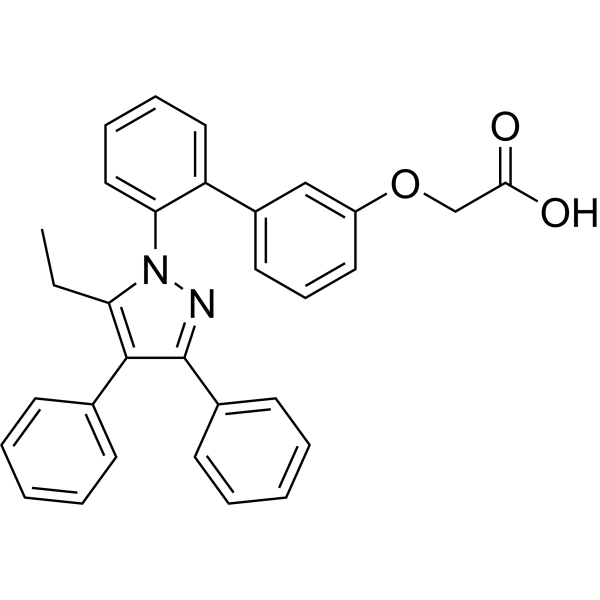
Cat. No.: HY-101903
CAS No.: 300657-03-8
Purity:  99.93%
Target:  

FABP

BMS-309403 is a potent, orally active and selective adipocyte fatty acid binding protein (also known as FABP4, aP2) inhibitor with Kis of <2, 250, and 350 nM for FABP4, FABP3, and FABP5, respectively. BMS-309403 interacts with the fatty-acid-binding pocket within the interior of the protein and competitively inhibits the binding of endogenous fatty acids. BMS-309403 improves endothelial function in apolipoprotein E-deficient mice and in cultured human endothelial cells .
loading...
    loading...
29
29 Cited Publications
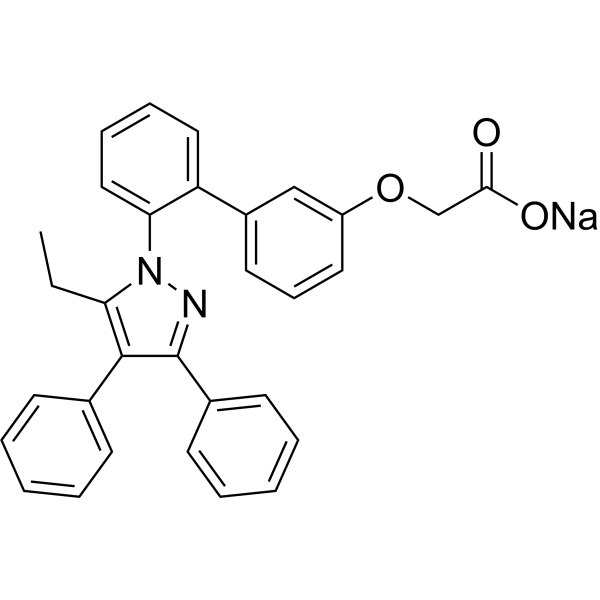
Cat. No.: HY-101903A
CAS No.: 2802523-05-1
Purity:  99.93%
Target:  

FABP

BMS-309403 sodium is a potent, orally active, and selective adipocyte fatty acid binding protein (also known as FABP4, aP2) inhibitor, with Kis of <2, 250, and 350 nM for FABP4, FABP3, and FABP5, respectively. BMS-309403 sodium interacts with the fatty-acid-binding pocket within the interior of the protein and competitively inhibits the binding of endogenous fatty acids. BMS-309403 sodium improves endothelial function in apolipoprotein E-deficient mice and in cultured human endothelial cells .
loading...
    loading...
28
28 Cited Publications
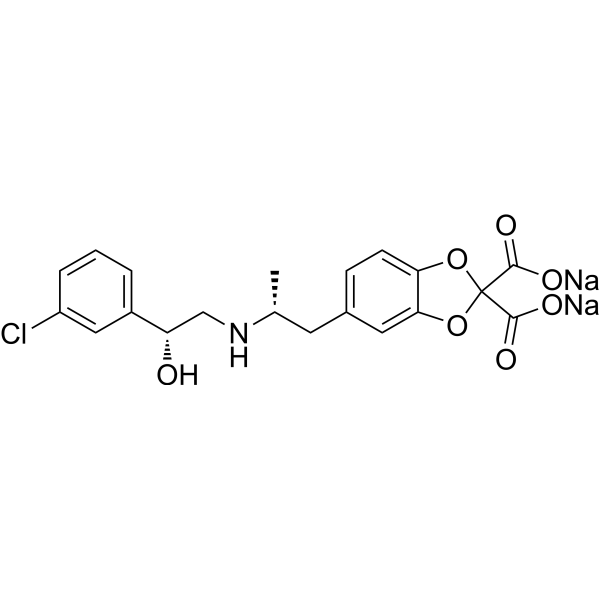
Cat. No.: HY-116771A
CAS No.: 138908-40-4
Purity:  99.98%
Target:  

Adrenergic Receptor

Research Areas:  

Metabolic Disease

CL316243 is a highly potent selective β3-adrenoceptor agonist with a EC50 of 3 nM, but is an extremely poor to β1/2- receptors .CL316243 is a effective stimulant of adipocyte lipolysis and increases brown adipose tissue thermogenesis and metabolic rate . CL316243 has the potential for the treatment obesity, diabetes and urge urinary incontinence .
loading...
    loading...
28
28 Cited Publications
Cat. No.: HY-116771
CAS No.: 183720-02-7
Purity:  99.37%
Target:  

Adrenergic Receptor

Research Areas:  

Metabolic Disease

CL316243 free acid is a highly potent selective β3-adrenoceptor agonist with a EC50 of 3 nM, but is an extremely poor to β1/2- receptors. CL316243 free acid is a effective stimulant of adipocyte lipolysis and increases brown adipose tissue thermogenesis and metabolic rate. CL316243 free acid has the potential for the treatment obesity, diabetes and urge urinary incontinence .
loading...
    loading...
20
20 Cited Publications
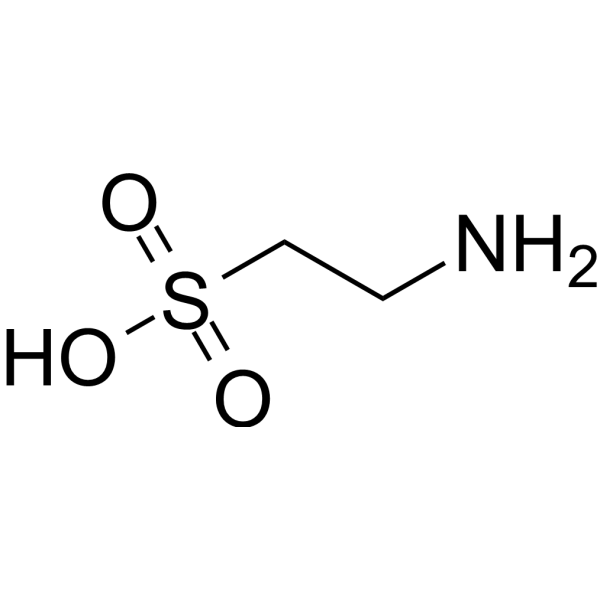
Cat. No.: HY-B0351
CAS No.: 107-35-7
Synonyms: 2-Aminoethanesulfonic acid
Taurine, a sulphur-containing amino acid and an organic osmolyte involved in cell volume regulation, provides a substrate for the formation of bile salts, and plays a role in the modulation of intracellular free calcium concentration. Taurine has the ability to activate autophagy in adipocytes .
loading...
    loading...
12
12 Cited Publications
Cat. No.: HY-N0236
CAS No.: 53947-92-5
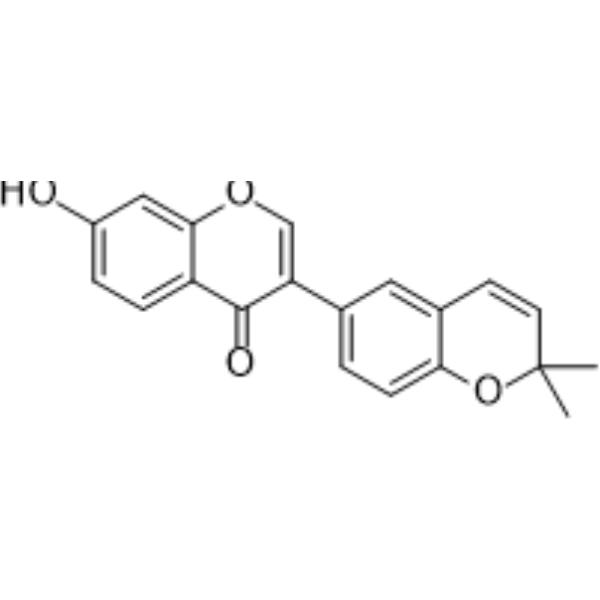
Corylin is an orally active flavonoid anti-inflammatory and osteogenic agent that inhibits IL-6-induced STAT3 promoter activity and STAT3 phosphorylation. Corylin also has anticancer, antiatherosclerotic, and ameliorating activity in hyperlipidemia and insulin resistance, inducing adipocyte browning and lipolysis through SIRT1 or β3-AR-dependent pathways .
loading...
    loading...
10
10 Cited Publications
Cat. No.: HY-B1142
CAS No.: 940-69-2
Synonyms: (±)-α-Lipoamide; DL-Lipoamide; DL-6,8-Thioctamide
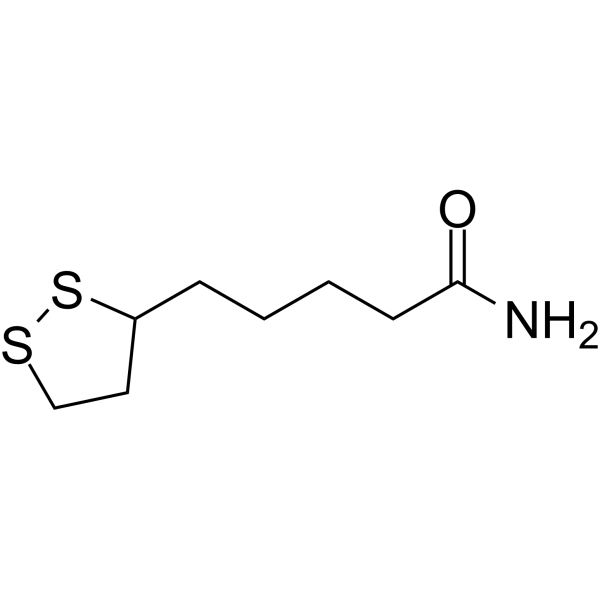
Lipoamide ((±)-α-Lipoamide) is a monocarboxylic acid derivative of a neutral amide, formed by the condensation of the carboxyl group of lipoic acid and ammonia. Lipoamide protects against oxidative stress-mediated neuronal cell damage and also acts as a coenzyme to transfer acetyl groups and hydrogen during pyruvate deacylation. Lipoamide also stimulates mitochondrial biogenesis in adipocytes through the endothelial NO synthase-cGMP-protein kinase G signaling pathway .
loading...
    loading...
5
5 Cited Publications
Cat. No.: HY-113016
CAS No.: 112-79-8
Purity:  99.49%
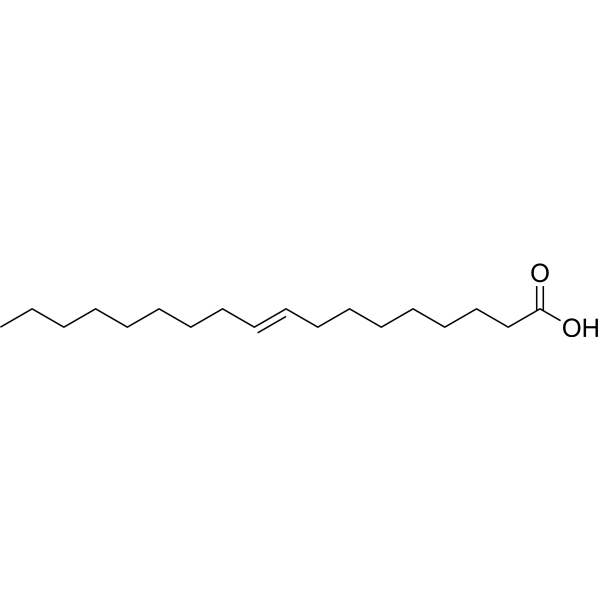
Elaidic acid is an orally active trans fatty acid. Elaidic acid enhances the stemness of colorectal cancer cells by activating the Wnt/ERK1/2 pathway, thereby promoting cell proliferation, invasion and metastasis, and inhibiting apoptosis. Elaidic acid also inhibits the growth of Lactobacillus and alters the cell surface hydrophobicity of Lactobacillus. Elaidic acid reduces basal 2-deoxyglucose uptake in muscle cells and adipocytes. Elaidic acid can be used in research on colorectal cancer, insulin and other related areas .
loading...
    loading...
4
4 Cited Publications
Cat. No.: HY-135982
CAS No.: 1620992-67-7
Purity:  99.73%
GPR81 agonist 1 is a potent and highly selective GPR81 agonist, with EC50s of 58 nM and 50 nM for human and mouse GPR81, respectively. GPR81 agonist 1 inhibits lipolysis in differentiated 3T3-L1 adipocytes. GPR81 agonist 1 suppresses lipolysis in mice without cutaneous flushing. GPR81 agonist 1 displays remarkable selectivity for GPR81 over GPR109a .
loading...
    loading...
4
4 Cited Publications
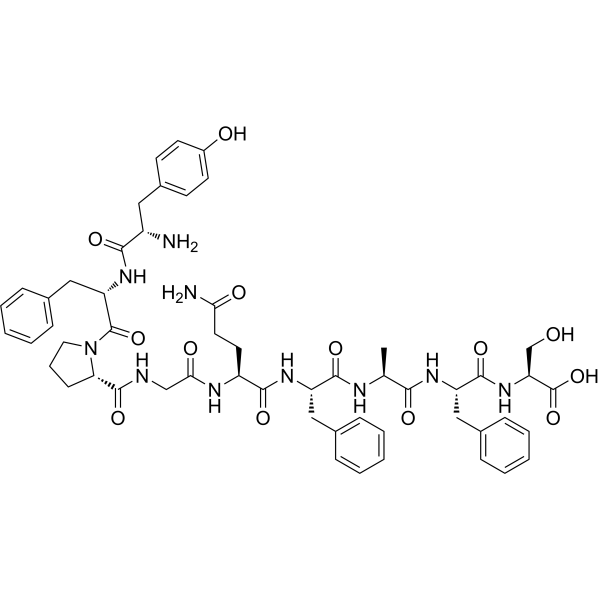
Cat. No.: HY-P1844
CAS No.: 676367-27-4
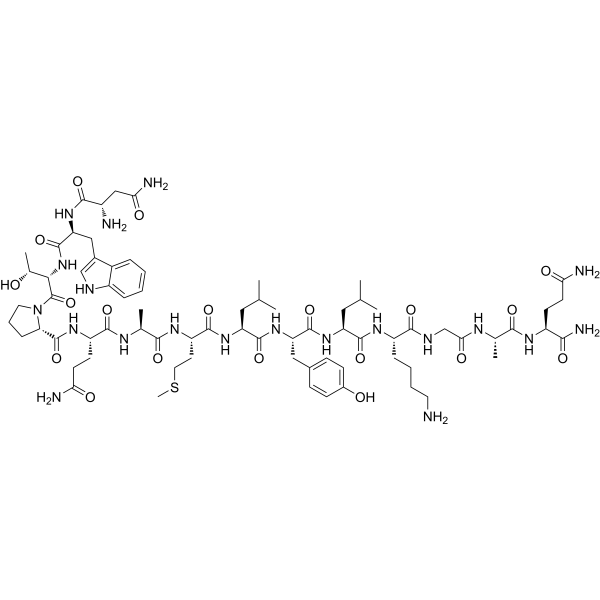
Chemerin-9 (149-157) is a potent agonist of chemokine-like receptor 1 (CMKLR1) . Chemerin-9 (149-157) has anti-inflammatory activity. Chemerin-9 (149-157) stimulates phosphorylation of Akt and ERK as well as ROS production. Chemerin-9 (149-157) ameliorates Aβ1-42-induced memory impairmen. Chemerin-9 (149-157) regulates immune responses, adipocyte differentiation, and glucose metabolism .
loading...
    loading...
4
4 Cited Publications
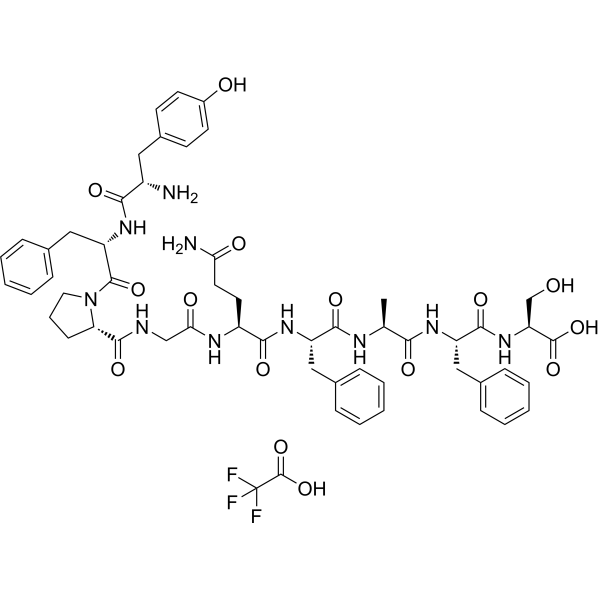
Cat. No.: HY-P1844A
Chemerin-9 (149-157) TFA is a potent agonist of chemokine-like receptor 1 (CMKLR1) . Chemerin-9 (149-157) TFA has anti-inflammatory activity. Chemerin-9 (149-157) TFA stimulates phosphorylation of Akt and ERK as well as ROS production. Chemerin-9 (149-157) TFA ameliorates Aβ1-42-induced memory impairmen. Chemerin-9 (149-157) TFA regulates immune responses, adipocyte differentiation, and glucose metabolism .
loading...
    loading...
4
4 Cited Publications
Cat. No.: HY-107574
CAS No.: 17328-16-4
Purity:  98.03%
TC-E 5003 is a selective protein arginine methyltransferase 1 (PRMT1) inhibitor with an IC50 of 1.5 µM against hPRMT1. TC-E 5003 modulates the lipopolysaccharide (LPS) (HY-D1056)-induced AP-1 and NF-κB signaling pathways with anti-inflammatory properties. TC-E 5003 also upregulates the expression of Ucp1 and Fgf21, activates protein kinase A signaling and lipolysis in primary subcutaneous adipocytes from both mouse and humans. TC-E 5003 is promising for research of obesity and associated metabolic disorders, oxidative stress, inflammation and cancers .
loading...
    loading...
3
3 Cited Publications
Cat. No.: HY-P75215
Purity:  ≥ 95%, as determined by reducing SDS-PAGE.
Synonyms: FABP4; adipocyte Fatty Acid Binding Protein; Fatty Acid Binding Protein 4; Epididymis Secretory Protein Li 104; A-FABP; adipocyte Lipid-Binding Protein; AP2; HEL-S-104; adipocyte-Type Fatty Acid-Binding Protein; AFABP; Fatty Acid Binding Protein 4, Adipoc
Species:  
Mouse
Source:  
E. coli
loading...
    loading...
3
3 Cited Publications
Cat. No.: HY-108568
CAS No.: 87893-55-8
Purity:  97.50%
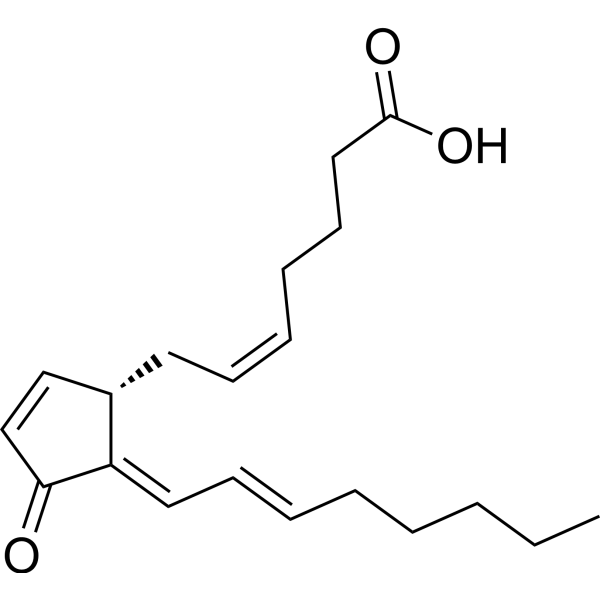
Synonyms: 15d-PGJ2; 15-Deoxy-Δ12,14-PGJ2
15-Deoxy-Δ-12,14-prostaglandin J2 (15d-PGJ2) is a cyclopentenone prostaglandin and a metabolite of PGD2. 15-Deoxy-Δ-12,14-prostaglandin J2 is a selective PPARγ (EC50 of 2 µM) and a covalent PPARδ agonist. 15-Deoxy-Δ-12,14-prostaglandin J2 promotes efficient differentiation of C3H10T1/2 fibroblasts to adipocytes with an EC50 of 7 μM .
loading...
    loading...
3
3 Cited Publications
Cat. No.: HY-163316
CAS No.: 3030697-87-8
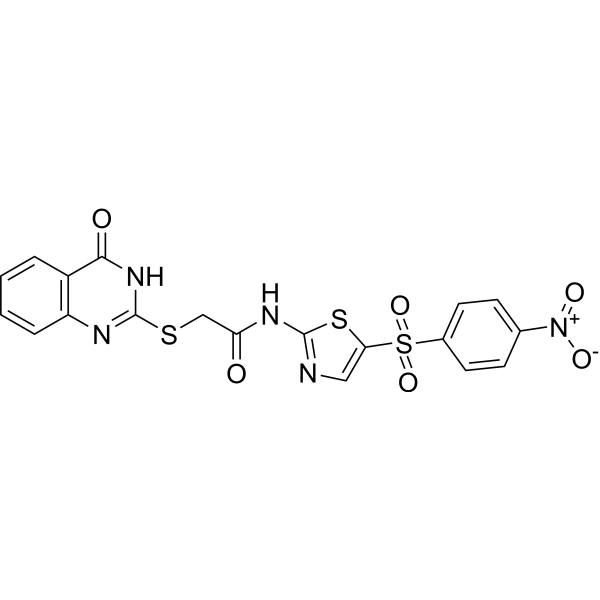
SIRT4-IN-1 is a selective and potent Sirtuin 4 (Sirt4) inhibitor with an IC50 of 16 μM for hSirt4. SIRT4-IN-1 also inhibits hSirt1, hSirt2, hSirt3, hSirt4 and hSirt6. SIRT4-IN-1 competes with acyl peptide substrate for Sirt4's acyl binding site, and is noncompetitive with NAD +. SIRT4-IN-1 increases glutamate dehydrogenase (GDH) activity and rescues pyruvate dehydrogenase (PDH) activity. SIRT4-IN-1 inhibits adipocyte differentiation and suppresses Sirt4 overexpression-induced increased differentiation. SIRT4-IN-1 can be used for the researches of cancer and metabolic disease .
loading...
    loading...
2
2 Cited Publications
Cat. No.: HY-113204
CAS No.: 2601-90-3
Purity:  ≥99.0%
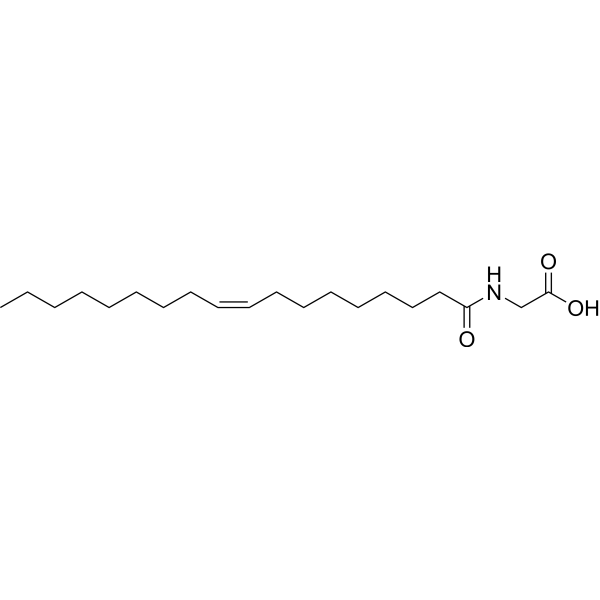
N-Oleoyl glycine is a lipoamino acid, which stimulates adipogenesis associated with activation of CB1 receptor and Akt signaling pathway in 3T3-L1 adipocyte.
loading...
    loading...
2
2 Cited Publications
Cat. No.: HY-20019
CAS No.: 79558-09-1
Target:  

PPAR

Research Areas:  

Metabolic Disease

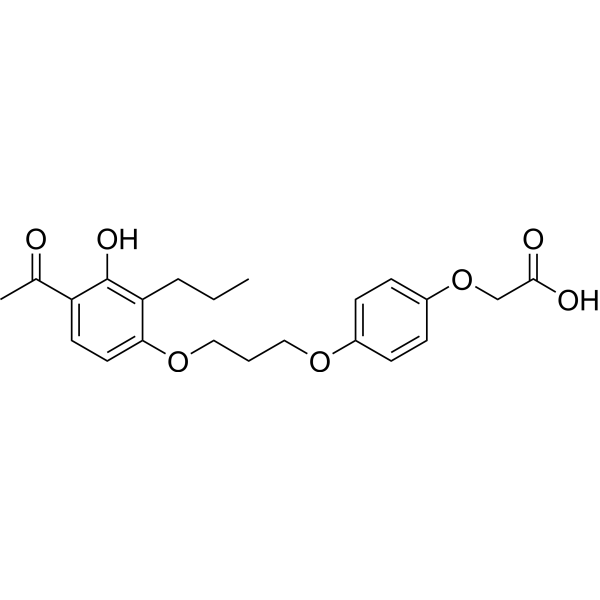
L-165041 is a cell permeable PPARδ agonist, with Kis of 6 nM and appr 730 nM for PPARδ and PPARγ, respectively, and induces adipocyte differentiation in NIH-PPARδ cells.
loading...
    loading...
2
2 Cited Publications
Cat. No.: HY-124822
CAS No.: 73439-19-7
Purity:  99.73%
Target:  

AMPK

Research Areas:  

Metabolic Disease Cancer

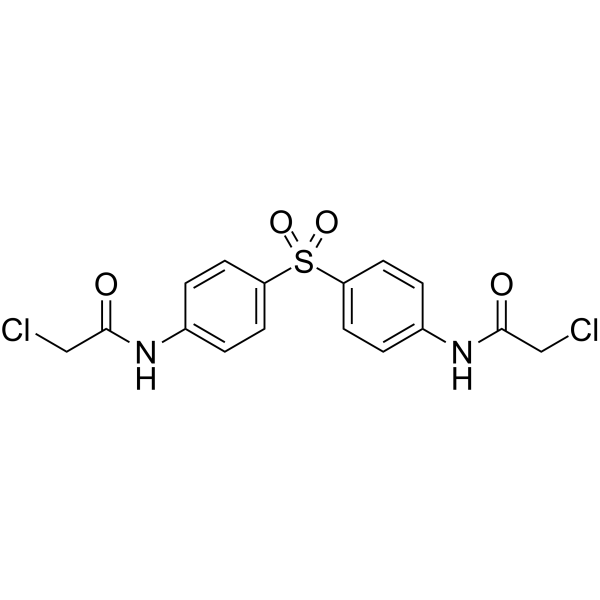
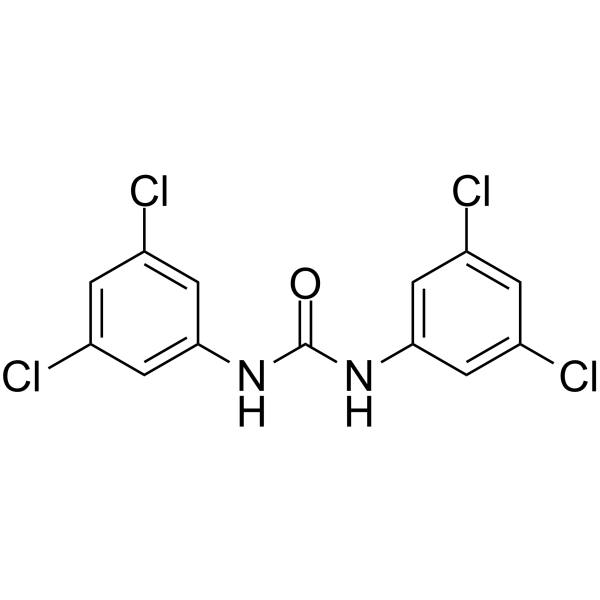
COH-SR4 is an AMPK activator. COH-SR4 shows potent anti-proliferative activities against leukemia, melanoma, breast and lung cancers. COH-SR4 inhibits adipocyte differentiation via AMPK activation. COH-SR4 can be used for the research of obesity and related metabolic disorders .
loading...
    loading...
2
2 Cited Publications
Cat. No.: HY-P7461
Purity:  ≥ 95%, as determined by reducing SDS-PAGE.
Synonyms: ADIPOQ; adipocyte, C1Q And Collagen Domain Containing; Prev. ACDC; Adipose Specific Collagen-Like Factor; Adiponectin; Gelatin-Binding Protein 28; ACRP30; Gelatin-Binding Protein; GBP28; Adiponectin Precursor; ApM1; ADIPQTL1; Adipose Most Abundant Gene Tr
Species:  
Mouse
Source:  
HEK293
loading...
    loading...
2
2 Cited Publications
Cat. No.: HY-P1723
CAS No.: 1370290-58-6
Synonyms: Neuropeptide Q
Spexin (Neuropeptide Q) is a selective agonist of galanin receptors GAL2 and GAL3, and is a conserved peptide that functions as a neurotransmitter/neuromodulator and endocrine factor. Spexin can function through both central and peripheral actions. Spexin upregulates Beclin 1 to inhibit ferroptosis induced by excessive autophagy, reduces the uptake of long-chain fatty acids by adipocytes, and regulates energy metabolism by increasing lipid oxidation (e.g., reducing the respiratory exchange ratio in rodents). Spexin improves cardiac function in the Doxorubicin hydrochloride (HY-15142)-induced cardiotoxicity model, protects mitochondrial membrane potential, and reduces iron accumulation and lipid peroxidation. Spexin can be used to study obesity and its related metabolic disorders, cardiovascular diseases (e.g., cardioprotection), and side effects of tumor chemotherapy .
loading...
    loading...

