



1. Search Result
Search Result
Results for "

algae

" in MedChemExpress (MCE) Product Catalog:

68

Inhibitors & Agonists

1

Screening Libraries

5

Biochemical Assay Reagents

4

Peptides

32

Natural
Products

3

Isotope-Labeled Compounds

2

Oligonucleotides

Cat. No. Product Name Target Research Areas Chemical Structure
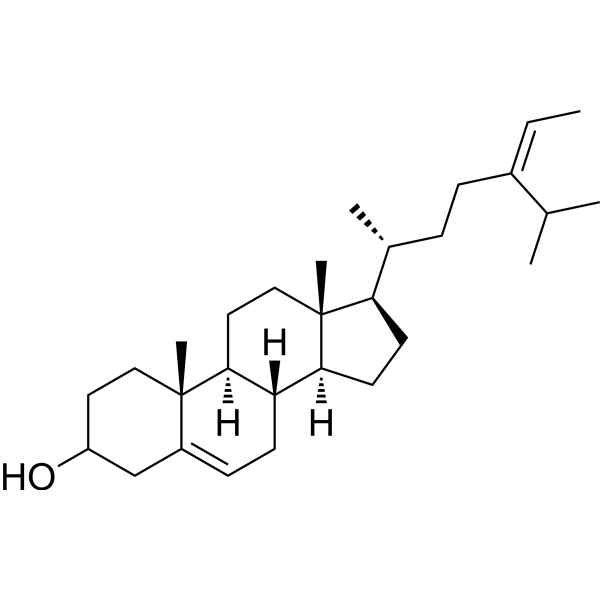
  • HY-N4103
    Fucosterol
    2 Publications Verification

    PARP Endogenous Metabolite Metabolic Disease Cancer
    Fucosterol is a sterol isolated from algae, seaweed or diatoms. Fucosterol exhibits various biological activities, including antioxidant, anti-adipogenic, blood cholesterol reducing, anti-diabetic and anti-cancer activities . Fucosterol regulates adipogenesis via inhibition of PPARα and C/EBPα expression and can be used for anti-obesity agents development research .
    Fucosterol
  • HY-P1568
    Flagelin 22
    5 Publications Verification

    Flagellin 22

    Bacterial Infection
    Flagelin 22 (Flagellin 22), a fragment of bacterial flagellin, is an effective elicitor in both plants and algae .
    Flagelin 22
  • HY-W134423

    Environmental Pollutants Biochemical Assay Reagents Others Cancer
    Agar, microbiology tested, for cell culture (powder) is a jelly like substance that contains agarose and agar gel. Agar, microbiology tested, for cell culture (powder) can be isolated from the cell walls of red algae species such as Gelidium and Gracilaria (Ogonori). The gelation and melting of Agar, microbiology tested, for cell culture (powder) is based on the hydrogen bridge (physical gels), so the gelation is reversible. Agar, microbiology tested, for cell culture (powder) is widely used in food additives, plant tissue culture, microorganisms culture media, fingerprint recognition, and medical fields .
    Agar, microbiology tested, for cell culture (powder)
  • HY-Y1310A

    Environmental Pollutants Biochemical Assay Reagents Others
    Sodium alginate is an anionic straight chain polysaccharide. Sodium alginate can be obtained from different species of algae. Sodium alginate has different properties, such as pH-sensitivity, nontoxicity, nonimmunogenicity. Sodium alginate has weak gelation, viscosity, and film-forming properties. Sodium alginate can be utilized to prepare gels and film materials for food preservation. Sodium alginate is a versatile functional biomaterial for viscosity enhancement, stabilizer, matrixing agent, encapsulation polymer, bioadhesive and film former .
    Sodium alginate (Viscosity 200±20mpa.s)
  • HY-W127709

    Environmental Pollutants Biochemical Assay Reagents Others
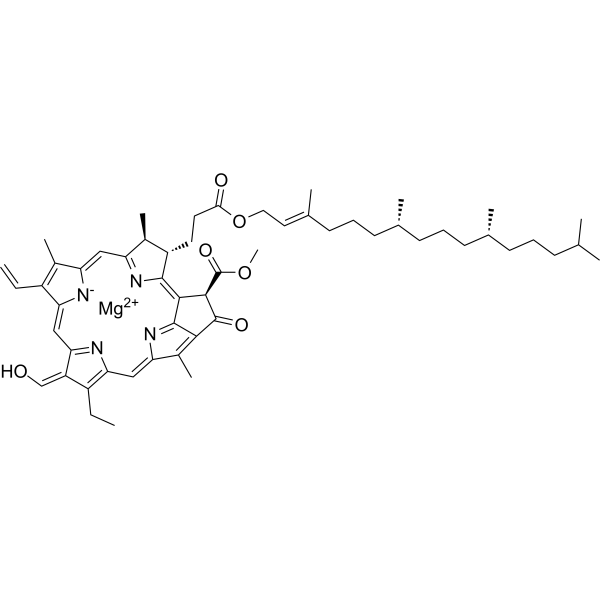
    Chlorophyll b is an orally active tetrapyrrole derivative and pigment. Chlorophyll b can be obtained from photosynthetic organisms such as plants and algae. Chlorophyll b acts as a hydrogen donor and increases Glutathione levels. Chlorophyll b has antioxidant activity and functionally replaces chlorophyll a in photosystem II to participate in photosynthesis. Chlorophyll b reduces Cisplatin (HY-17394)-induced DNA damage, chromosome instability, and oxidative stress. Chlorophyll b is mainly used in the study of plant photosynthesis mechanism .
    Chlorophyll b
  • HY-133685

    C6-HSL

    Bacterial Infection Metabolic Disease
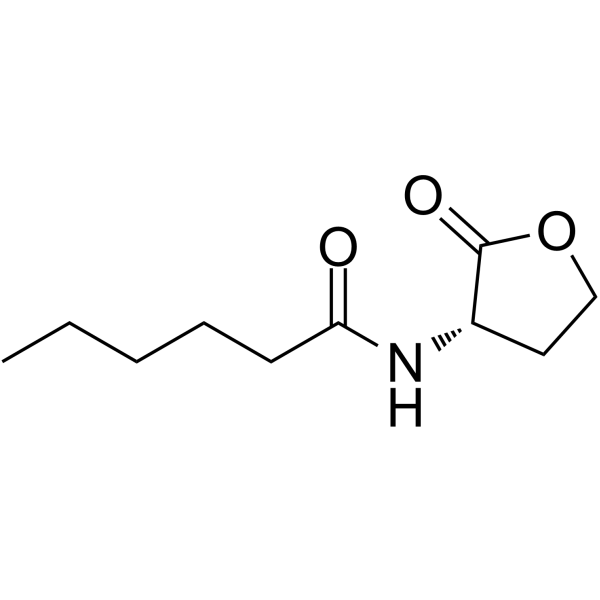
    N-Hexanoyl-L-homoserine lactone is a short-chained N-acyl homoserine lactone (AHL). N-hexanoyl-L-homoserine lactone is also a mediator of bacterial quorum-sensing regulation. N-hexanoyl-L-homoserine lactone promotes lipid accumulation in algae. AHL is an intercellular communication signal molecule in the quorum sensing system of Gram-negative bacteria and a medium for mediating information exchange between eukaryotic plants and prokaryotic bacteria. AHL can affect bacteria activities, such as biofilm formation, pigment synthesis, and antibiotic synthesis .
    N-Hexanoyl-L-homoserine lactone
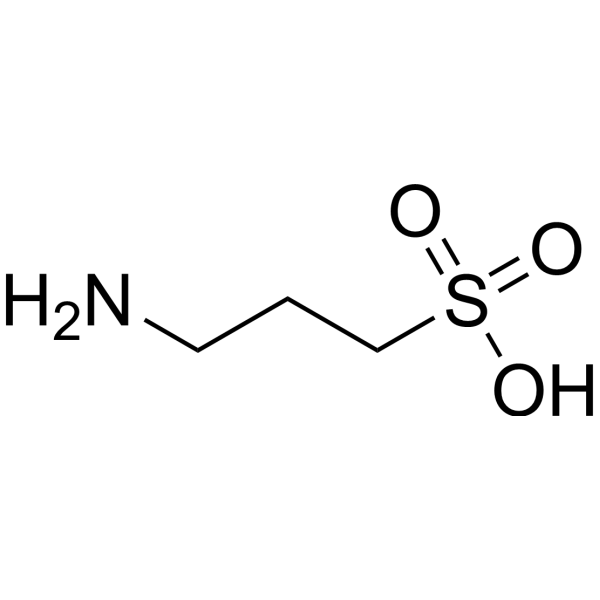
  • HY-14602
    Tramiprosate
    2 Publications Verification

    Homotaurine; 3-Amino-1-propanesulfonic acid

    Amyloid-β Cardiovascular Disease Cancer
    Tramiprosate (Homotaurine), an orally active and brain-penetrant natural amino acid found in various species of red marine algae. Tramiprosate binds to soluble Aβ and maintains Aβ in a non-fibrillar form. Tramiprosate is also a GABA analog and possess neuroprotection, anticonvulsion and antihypertension effects .
    Tramiprosate
  • HY-P1568A
    Flagelin 22 TFA
    5 Publications Verification

    Flagellin 22 TFA

    Bacterial Infection
    Flagelin 22 TFA (Flagellin 22 TFA), a fragment of bacterial flagellin, is an effective elicitor in both plants and algae .
    Flagelin 22 TFA
  • HY-W011916

    3-O-Carboxyethyl-D-glucosamine

    Bacterial Endogenous Metabolite Infection
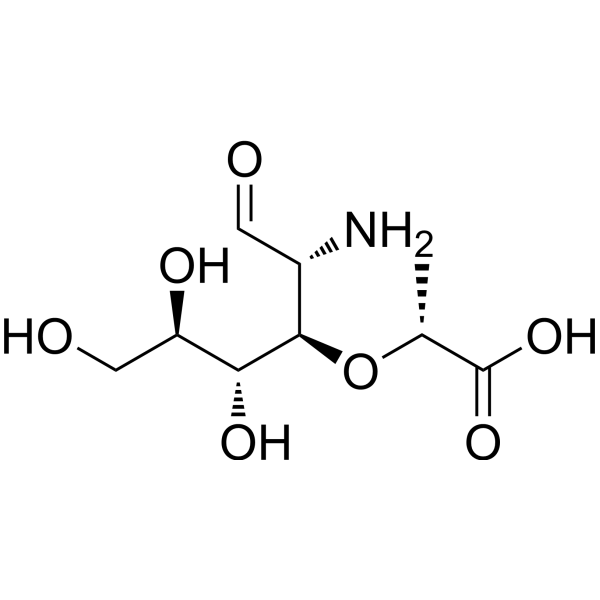
    Muramic acid (3-O-Carboxyethyl-D-glucosamine) is a component found only in the cell walls of bacteria and blue-green algae. Muramic acid can be used to measure the biomass of microorganisms in environments such as estuaries, oceans, and soils .
    Muramic acid
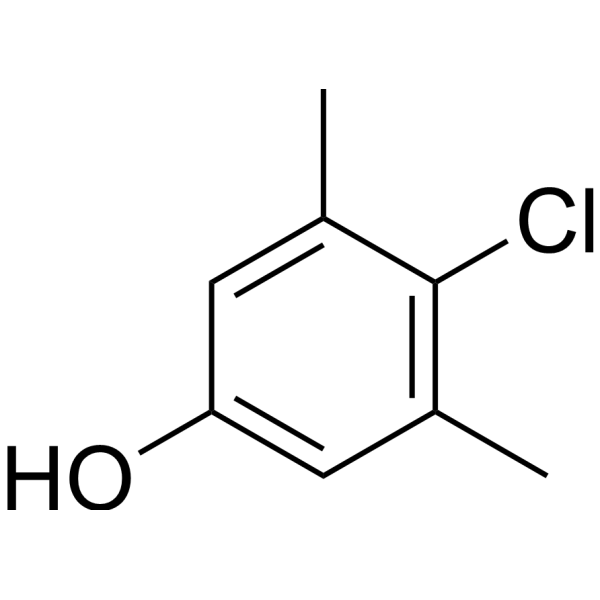
  • HY-B1414
    Chloroxylenol
    3 Publications Verification

    p-Chloro-m-xylenol; PCMX

    Environmental Pollutants Bacterial Parasite Influenza Virus Infection
    Chloroxylenol is a broad-spectrum antibacterial agent that can be used to control bacteria, algae, fungi and viruses .
    Chloroxylenol
  • HY-W062171

    Pyrrolopiperazine-2,5-dione

    Drug Derivative Neurological Disease
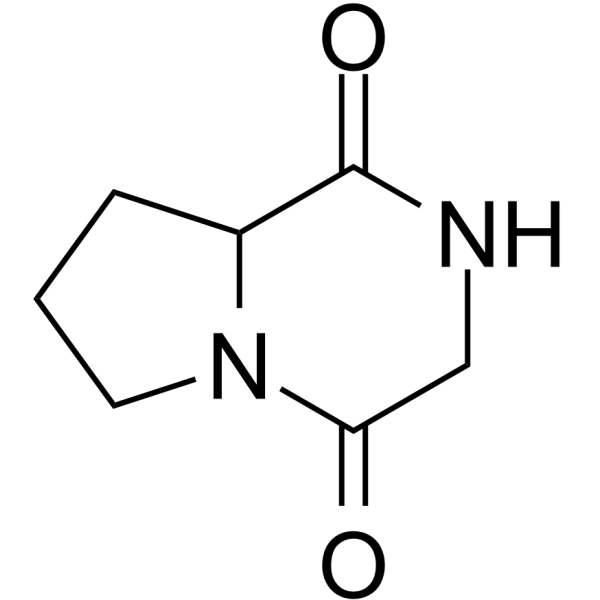
    Cyclo-(Pro-Gly) (Pyrrolopiperazine-2,5-dione), an alkaloid isolated from green algae Ulva prolifera, possesses antialgal activity against the common harmful red tide microalgae . Cyclo-(Pro-Gly) (Pyrrolopiperazine-2,5-dione) possesses antiamnesic effects and neuroprotective actions .
    Cyclo-(Pro-Gly)
  • HY-160973

    ELFP

    Biochemical Assay Reagents Others
    ELF97 phosphate (ELFP) is a phosphatase substrate, which can produced a fluorescent, water-insoluble product ELF97 alcohol after hydrolysis by phosphatases. ELF97 phosphate can be utilized to study and quantify the activity of extracellular phosphatases of algae in natural water .
    ELF97 phosphate
  • HY-122519

    Biochemical Assay Reagents Others
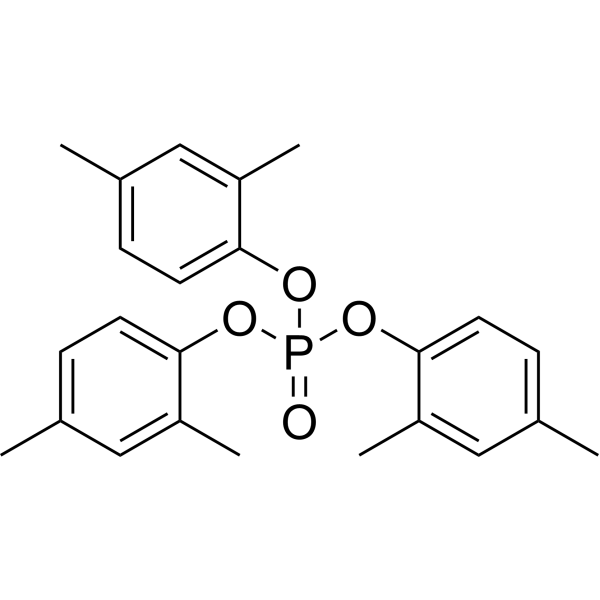
    Trixylyl phosphate is a triaryl phosphate compound. Each benzene ring of Trixylyl phosphate contains two methyl groups, and compared with other triaryl phosphate compounds, it exhibits lower toxicity to freshwater algae .
    Trixylyl phosphate
  • HY-W587960

    Histidine-betaine

    Drug Metabolite Drug Intermediate Metabolic Disease
    Hercynine (Histidine-betaine) is an intermediate (precursor) and a redox metabolite of Ergothioneine (HY-N1914), which is found in the fine leaf algae, Schizosaccharomyces cerevisiae and honey bees. Hercynine has no effect on scavenging •OH radicals .
    Hercynine
  • HY-113629

    D-Glucosone; D-Arabino-hexos-2-ulose

    Drug Metabolite Infection
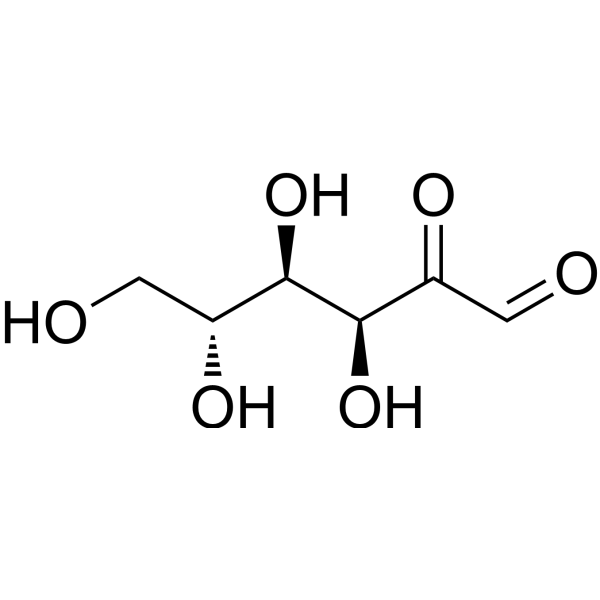
    2-Keto-D-Glucose (D-Glucosone) is a key intermediate in a secondary metabolic pathway leading to the antibiotic Cortalcerone. 2-Keto-D-Glucose is also an intermediate in the conversion of D-glucose into D-fructose. 2-Keto-D-Glucose is found in various natural sources, including fungi, algae, and shellfish .
    2-Keto-D-Glucose
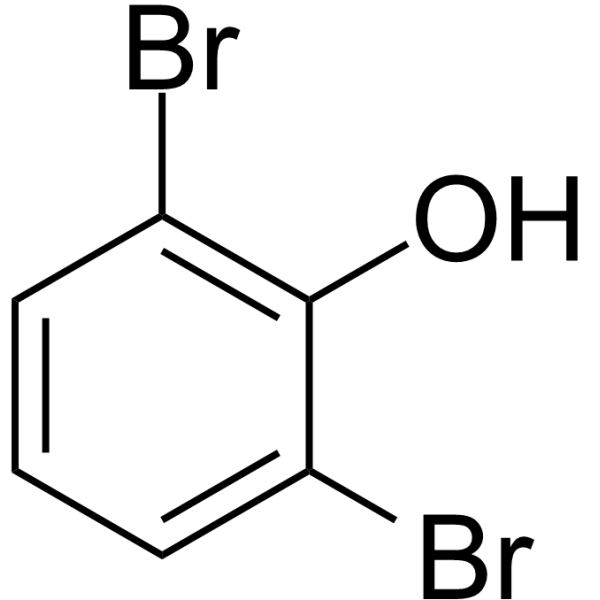
  • HY-Y1667
    2,6-Dibromophenol
    1 Publications Verification

    Calcium Channel Fungal Parasite Metabolic Disease
    2,6-Dibromophenol (2,6-DBP) is a weak inhibitor targeting voltage-gated Ca 2+ channels. 2,6-Dibromophenol has no significant effect on potassium-induced calcium elevation in PC12 cells. 2,6-Dibromophenol shows a 48 h EC50 of 2.78 mg/L for Daphnia magna and a 96 h EC50 of 9.90 mg/L for algae (Scenedesmus quadricauda) .
    2,6-Dibromophenol
  • HY-B1991

    Environmental Pollutants Herbicide Others
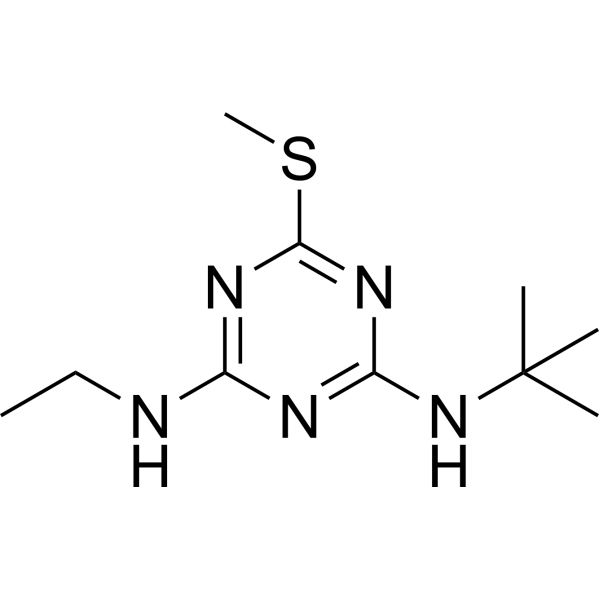
    Terbutryn is a photosystem II inhibitor and aquatic toxicant. Terbutryn interferes with photosynthesis by inhibiting photosystem II. Terbutryn reduces the production of periphyton by acting directly on periphytic algae in artificial indoor streams. Terbutryn reduces the population growth of Lumbriculus variegatus in artificial indoor streams through indirect effects associated with the reduction of food sources for periphyton. The overall 50% dissipation time (DT50) of Terbutryn in the water of artificial indoor streams is 28 d .
    Terbutryn
  • HY-P11335A

    Ser/Thr Protease Bacterial Others
    Oscillamide Y TFA is the trifluoroacetate salt of Oscillamide Y (HY-P11335). Oscillamide Y (Compound 1), a ureido-containing cyclic peptide, is a Chymotrypsin inhibitor. Oscillamide Y can be isolated from freshwater toxic cyanobacterium Oscillatoria agardhii. Oscillamide Y has potent toxicity against fish, daphnid magna and algae with a stimulatory effect for Raphidocelis subcapitata (EC50: 4.62 mg/L). Oscillamide Y induces high luminescence inhibition in Aliivibrio fischeri. Oscillamide Y can be used for ecological development research .
    Oscillamide Y TFA
  • HY-136830

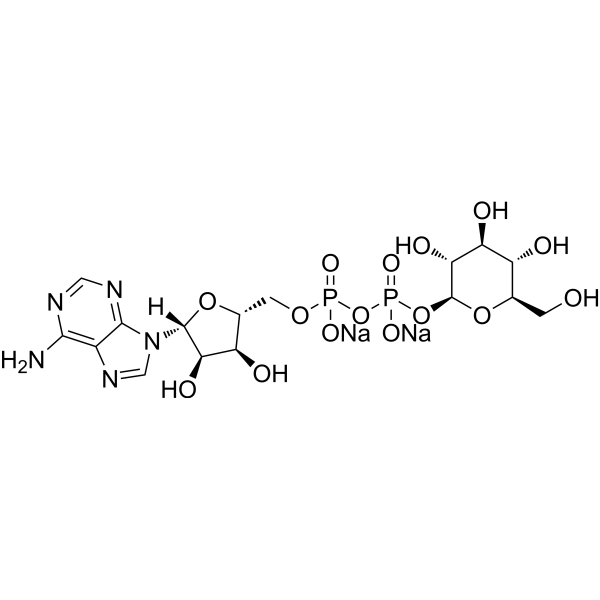
    Adenosine-5'-diphosphoglucose disodium

    Biochemical Assay Reagents Others
    ADP-Glucose disodiumIs an immediate precursor for the biosynthesis of storage polysaccharides in plants, green algae and cyanobacteria, and structural polysaccharides in some bacteria, by the addition of glucose. It is used to produce amylose, amylopectin, starch and other polysaccharides by amylose synthase or starch synthase in plastids. ADPGUsually produced in plastids, although it can be biosynthesized in the cytoplasm of some grasses and imported into plastids by membrane-bound transporters .
    ADP-Glucose disodium
  • HY-144900

    Environmental Pollutants Reactive Oxygen Species (ROS) Others
    Topramezone is a potent 4-hydroxyphenylpyruvate dioxygenase (4-HPPD) inhibitor. Topramezone is a herbicide, used for the post-emergence control of broadleaf and grass weeds in corn .
    Topramezone
  • HY-N7699C

    Bacterial Neurological Disease
    D-Pentamannuronic acid, an alginate oligomer, is produced by marine brown algae and by a limited range of Gram negative bacteria. D-Pentamannuronic acid can be used for the research of pain and vascular dementia .
    D-Pentamannuronic acid
  • HY-W012815

    Biochemical Assay Reagents Drug Intermediate Others
    3-Methylcatechol is a phenolic derivative that can be produced by Pseudomonas putida MC2. 3-Methylcatechol can serve as a molecular building block in chemical synthesis to produce other active compounds .
    3-Methylcatechol
  • HY-W109523

    Environmental Pollutants Bacterial Fungal Infection
    2-Butylbenzo[d]isothiazol-3(2H)-one is a bioactive compound with potent antibacterial and antifungal activity. 2-Butylbenzo[d]isothiazol-3(2H)-one is often used as a pesticide ingredient in agriculture to protect crops from diseases. 2-Butylbenzo[d]isothiazol-3(2H)-one is also used in coatings to prevent the growth of mold and algae. 2-Butylbenzo[d]isothiazol-3(2H)-one is also used as a preservative in personal care products to extend the shelf life of the product .
    2-Butylbenzo[d]isothiazol-3(2H)-one
  • HY-N7699H

    Drug Intermediate Infection
    D-Dimannuronic acid is an alginate extract from brown algae which can be used to synthesize sulfated polymannuronate (SPMG)-derived oligosaccharides .
    D-Dimannuronic acid sodium
  • HY-W145523

    Viscarin SD 309

    Biochemical Assay Reagents Others
    ι-Carrageenan (Viscarin SD 309) is a biochemical reagent. ι-Carrageenan can be isolated from Eucheuma serra or red algae H. musciformis and S. filiformis. ι-Carrageenan has potential application in protein emulsion flocculation and stability .
    ι-Carrageenan
  • HY-14602S

    Homotaurine-d6; 3-Amino-1-propanesulfonic acid-d6

    Amyloid-β Cancer
    Tramiprosate-d6 is the deuterium labeled Tramiprosate. Tramiprosate (Homotaurine), an orally active and brain-penetrant natural amino acid found in various species of red marine algae. Tramiprosate binds to soluble Aβ and maintains Aβ in a non-fibrillar form. Tramiprosate is also a GABA analog and possess neuroprotection, anticonvulsion and antihypertension effects .
    Tramiprosate-d6
  • HY-W423502

    Menthane carboxamidoethyl acetate

    Biochemical Assay Reagents Others
    WS5 (Menthane carboxamidoethyl acetate) is a cooling agent fragrance ingredient .
    WS5
  • HY-N7699B

    Bacterial Neurological Disease
    D-Tetramannuronic acid, an alginate oligomer, is produced by marine brown algae and by a limited range of Gram negative bacteria. D-Tetramannuronic acid can be used for the research of pain and vascular dementia .
    D-Tetramannuronic acid
  • HY-N7699F

    Bacterial Neurological Disease
    D-Octamannuronic acid, an alginate oligomer, is produced by marine brown algae and by a limited range of Gram negative bacteria. D-Octamannuronic acid can be used for the research of pain and vascular dementia .
    D-Octamannuronic acid
  • HY-B1414S

    p-Chloro-m-xylenol-d6; PCMX-d6

    Isotope-Labeled Compounds Bacterial Influenza Virus Infection
    Chloroxylenol-d6 is the deuterium labeled Chloroxylenol. Chloroxylenol is a broad spectrum antimicrobial chemical compound used to control bacteria, algae, fungi and virus.
    Chloroxylenol-d6
  • HY-W062171R

    Pyrrolopiperazine-2,5-dione (Standard)

    Reference Standards Others Neurological Disease
    Cyclo-(Pro-Gly) (Pyrrolopiperazine-2,5-dione), an alkaloid isolated from green algae Ulva prolifera, possesses antialgal activity against the common harmful red tide microalgae . Cyclo-(Pro-Gly) (Pyrrolopiperazine-2,5-dione) possesses antiamnesic effects and neuroprotective actions .
    Cyclo-(Pro-Gly) (Standard)
  • HY-N4103R

    Reference Standards PARP Endogenous Metabolite Metabolic Disease Cancer
    Fucosterol (Standard) is the analytical standard of Fucosterol. This product is intended for research and analytical applications. Fucosterol is a sterol isolated from algae, seaweed or diatoms. Fucosterol exhibits various biological activities, including antioxidant, anti-adipogenic, blood cholesterol reducing, anti-diabetic and anti-cancer activities . Fucosterol regulates adipogenesis via inhibition of PPARα and C/EBPα expression and can be used for anti-obesity agents development research .
    Fucosterol (Standard)
  • HY-133685R

    C6-HSL (Standard)

    Reference Standards Bacterial Infection Metabolic Disease
    N-Hexanoyl-L-homoserine lactone (Standard) is the analytical standard of N-Hexanoyl-L-homoserine lactone (HY-133685). This product is intended for research and analytical applications. N-Hexanoyl-L-homoserine lactone is a short-chained N-acyl homoserine lactone (AHL). N-hexanoyl-L-homoserine lactone is also a mediator of bacterial quorum-sensing regulation. N-hexanoyl-L-homoserine lactone promotes lipid accumulation in algae. AHL is an intercellular communication signal molecule in the quorum sensing system of Gram-negative bacteria and a medium for mediating information exchange between eukaryotic plants and prokaryotic bacteria. AHL can affect bacteria activities, such as biofilm formation, pigment synthesis, and antibiotic synthesis.
    N-Hexanoyl-L-homoserine lactone (Standard)
  • HY-N15688

    Endogenous Metabolite Others
    Diatoxanthin is a cytochrome and phycoxanthin byproduct that can be extracted from the algae F. pinnata cells. Diatoxanthin can be used as a biomarker to evaluate the inhibitory effects of biocides on diatom photosystem II (PSII) .
    Diatoxanthin
  • HY-P11335

    Ser/Thr Protease Bacterial Others
    Oscillamide Y (Compound 1), a ureido-containing cyclic peptide, is a Chymotrypsin inhibitor. Oscillamide Y can be isolated from freshwater toxic cyanobacterium Oscillatoria agardhii. Oscillamide Y has potent toxicity against fish, daphnid magna and algae with a stimulatory effect for Raphidocelis subcapitata (EC50: 4.62 mg/L). Oscillamide Y induces high luminescence inhibition in Aliivibrio fischeri. Oscillamide Y can be used for ecological development research .
    Oscillamide Y
  • HY-Y1667R

    Calcium Channel Fungal Parasite Reference Standards Metabolic Disease
    2,6-Dibromophenol (2,6-DBP) is a weak inhibitor targeting voltage-gated Ca2+ channels. 2,6-Dibromophenol has no significant effect on potassium-induced calcium elevation in PC12 cells. 2,6-Dibromophenol shows a 48 h EC50 of 2.78 mg/L for Daphnia magna and a 96 h EC50 of 9.90 mg/L for algae (Scenedesmus quadricauda) .
    2,6-Dibromophenol (Standard)
  • HY-N15600

    (-)-Merulidial

    Antibiotic Fungal Bacterial DNA/RNA Synthesis Infection Cancer
    Merulidial (Compound 1) is an antibiotic and cytotoxic agent with a sesquiterpene dialdehyde structure. Merulidial significantly inhibits the germination of spores and the hyphal growth of the wood-roting basidiomycete Heterobasidion annosum (H. annosum) and the saprophytic mould Cladosporium cucumerinum (C.cucumerinum). Merulidial also inhibits a variety of bacteria, algae and DNA synthesis of ECA cells. Merulidial shows a strong anticancer activity with IC50 s of 20 and 10 μg/mL for ECA and L1210 cells, respectively .
    Merulidial
  • HY-144900R

    Reference Standards Reactive Oxygen Species (ROS) Others
    Topramezone (Standard) is the analytical standard of Topramezone. This product is intended for research and analytical applications. Topramezone is a potent 4-hydroxyphenylpyruvate dioxygenase (4-HPPD) inhibitor. Topramezone is a herbicide, used for the post-emergence control of broadleaf and grass weeds in corn .
    Topramezone (Standard)
  • HY-W018359

    Environmental Pollutants Bacterial Infection
    Tolyl diiodomethyl sulfone is an organic antibacterial agent that does not cause significant changes in the number of resorbed fetuses, the number of dead fetuses, or the body weight of live fetuses in rats .
    Tolyl diiodomethyl sulfone
  • HY-N7699

    Others Infection
    D-Dimannuronic acid is an alginate extract from brown algae which can be used to synthesize sulfated polymannuronate (SPMG)-derived oligosaccharides .
    D-Dimannuronic acid
  • HY-N7699E

    Bacterial Neurological Disease
    D-Heptamannuronic acid, an alginate oligomer, is produced by marine brown algae and by a limited range of Gram negative bacteria. D-Heptamannuronic acid can be used for the research of pain and vascular dementia .
    D-Heptamannuronic acid
  • HY-N7699G

    Bacterial Neurological Disease
    D-Nonamannuronic acid, an alginate oligomer, is produced by marine brown algae and by a limited range of Gram negative bacteria. D-Nonamannuronic acid can be used for the research of pain and vascular dementia .
    D-Nonamannuronic acid
  • HY-N7699D

    Bacterial Neurological Disease
    D-Hexamannuronic acid, an alginate oligomer, is produced by marine brown algae and by a limited range of Gram negative bacteria. D-Hexamannuronic acid can be used for the research of pain and vascular dementia .
    D-Hexamannuronic acid
  • HY-N7621

    Others Others
    Bryonamide A is a natural compound isolated from red algae Bostrychia radicans (Rhodomelaceae) .
    Bryonamide A
  • HY-W090915

    Others Others
    Norspermine can be isolated from eukaryotic algae. Norspermine has significant in lower eukaryotes phylogenetical .
    Norspermine
  • HY-119982

    Cicloral

    Bacterial Metabolic Disease
    Cyclamide (Cicloral), an oligopeptide, can be produced by cyanobacteria algae strains. Cyclamide can be used for the research of diabetes mellitus .
    Cyclamide
  • HY-114720

    Insecticide Others
    Laureatin is an active product that can be isolated from the marine algae Laurencia nipponica. Laureatin exhibits potent insecticidal activity against mosquitos .
    Laureatin
  • HY-165037

    MME; 1,2-Myristin-3-eicosapentaenoin; 14:0/14:0/20:5-TG

    Drug Isomer Others
    1,2-Dimyristoyl-3-eicosapentaenoyl-rac-glycerol (MME) is a compound that is studied as a triglyceride isomer in algae, and its isomer ratio changes with culture temperature.
    1,2-Dimyristoyl-3-eicosapentaenoyl-rac-glycerol
  • HY-B1414R

    p-Chloro-m-xylenol (Standard); PCMX (Standard)

    Reference Standards Bacterial Influenza Virus Parasite Infection
    Chloroxylenol (Standard) is the analytical standard of Chloroxylenol. This product is intended for research and analytical applications. Chloroxylenol is a broad-spectrum antibacterial agent that can be used to control bacteria, algae, fungi and viruses .
    Chloroxylenol (Standard)
  • HY-N14303

    Antibiotic Bacterial Infection Cancer
    16-Methyloxazolomycin is an antibiotic. 16-Methyloxazolomycin has the effect of resisting bacteria and algae. 16-Methyloxazolomycin against leukemia P388 and human lung adenocarcinoma cells .
    16-Methyloxazolomycin

Inquiry Online

Your information is safe with us. * Required Fields.

Salutation


Country or Region *

Applicant Name *


Organization Name *

Department *


Email Address *


Product Name *

Cat. No.


Requested quantity *

Phone Number *


Remarks

Inquiry Online

Inquiry Information

Product Name:
Cat. No.:
Quantity:
MCE Japan Authorized Agent:

