
28 Results for "

amino acid buffer

" in MedChemExpress (MCE) Product Catalog:
Products (28)

28 Results for "amino acid buffer" in MCE Product Catalog:

4
4 Cited Publications
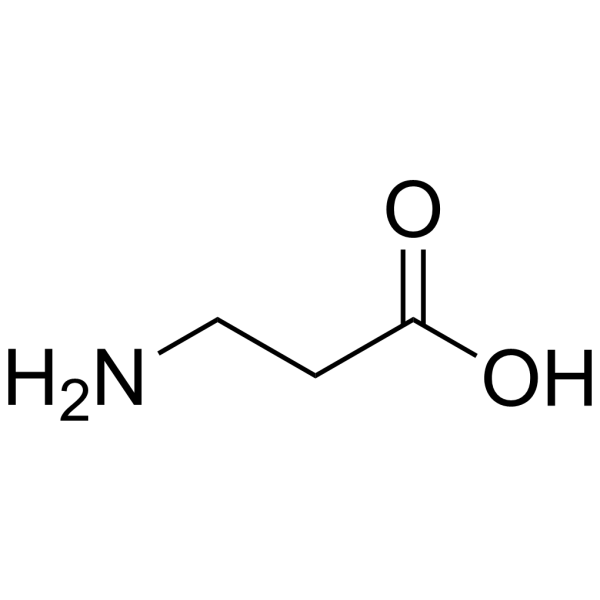
Referencia número: HY-N0230
No. CAS: 107-95-9
Synonyms: 2-Carboxyethylamine; 3-aminopropanoic acid
β-Alanine is a non-essential amino acid that is shown to be metabolized into carnosine, which functions as an intracellular buffer.
loading...
    loading...
3
3 Cited Publications
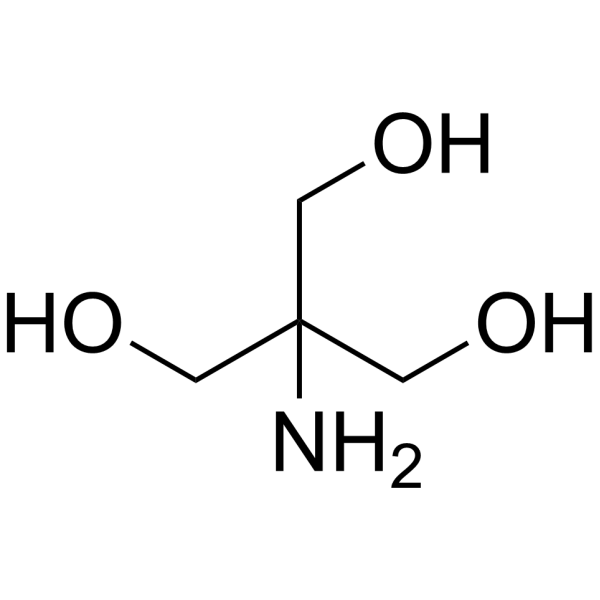
Referencia número: HY-D0227
No. CAS: 77-86-1
Synonyms: Tris; Tris(hydroxymethyl)aminomethane
Áreas de investigación:  

Metabolic Disease

THAM (Tris) is a low-toxicity amino alcohol buffer, a specific CO2-consuming proton acceptor that buffers carbon dioxide and acid both in vitro and in vivo. THAM binds protons to form bicarbonate, reduces PaCO2, and induces intracellular alkalization, thereby ameliorating hypercapnia-induced elevation of pulmonary blood vessels and pulmonary arterial pressure. THAM may cause PaCO2 rebound, hypoglycemia, and respiratory depression. THAM removes amniotic epithelium and preserves the basement membrane, but depletes extracellular matrix and reduces the adhesion rate of limbal epithelial cells. THAM can act as a CO2 carrier to enhance the productivity and carbon utilization rate of Scenedesmus obliquus. THAM is a key component of buffer solutions used in various biological, cell culture, biochemical, and molecular biology applications .
loading...
    loading...
3
3 Cited Publications
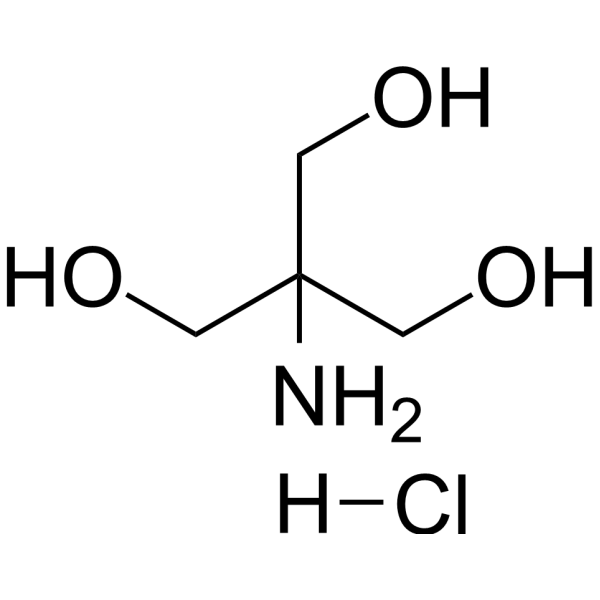
Referencia número: HY-D0227A
No. CAS: 1185-53-1
Synonyms: Tris HCl; Tris(hydroxymethyl)aminomethane hydrochloride
Áreas de investigación:  

Metabolic Disease Cancer

THAM hydrochloride (Tris HCl) is a biologically inert amino alcohol of low toxicity, which buffers carbon dioxide and acids in vitro and in vivo. THAM hydrochloride is an effective amine compound for pH control in the physiological range .
loading...
    loading...
2
2 Cited Publications
Referencia número: HY-W393372
No. CAS: 72200-76-1
Synonyms: Tris maleate; Tris(hydroxymethyl)aminomethane maleate
THAM (Tris) maleate is a biologically inert amino alcohol of low toxicity, which buffers carbon dioxide and acids in vitro and in vivo. THAM maleate is an effective amine compound for pH control in the physiological range .
loading...
    loading...
2
2 Cited Publications
Referencia número: HY-D0227J
No. CAS: 1185-53-1
Synonyms: Tris HCl (≥99%, for cell culture); Tris hydrochloride (≥99%, for cell culture)
THAM hydrochloride (≥99%, for cell culture) is a low-toxicity amino alcohol buffer, a specific CO2-consuming proton acceptor that buffers carbon dioxide and acid both in vitro and in vivo. THAM hydrochloride (≥99%, for cell culture) binds protons to form bicarbonate, reduces PaCO2, and induces intracellular alkalization, thereby ameliorating hypercapnia-induced elevation of pulmonary blood vessels and pulmonary arterial pressure. THAM hydrochloride (≥99%, for cell culture) may cause PaCO2 rebound, hypoglycemia, and respiratory depression. THAM hydrochloride (≥99%, for cell culture) removes amniotic epithelium and preserves the basement membrane, but depletes extracellular matrix and reduces the adhesion rate of limbal epithelial cells. THAM hydrochloride (≥99%, for cell culture) can act as a CO2 carrier to enhance the productivity and carbon utilization rate of Scenedesmus obliquus. THAM hydrochloride (≥99%, for cell culture) is a key component of buffer solutions used in various biological, cell culture, biochemical, and molecular biology applications .
loading...
    loading...
2
2 Cited Publications
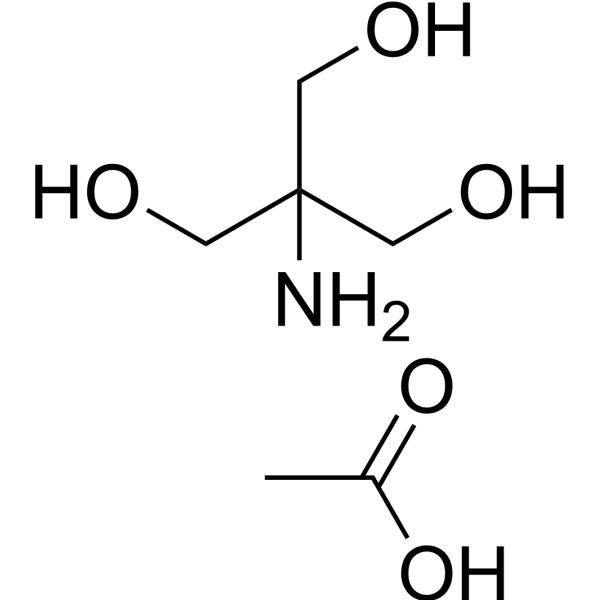
Referencia número: HY-D0227B
No. CAS: 6850-28-8
Synonyms: Tris acetate; Tris(hydroxymethyl)aminomethane acetate
Áreas de investigación:  

Metabolic Disease

THAM acetate is a low-toxicity amino alcohol buffer, a CO2-consuming proton acceptor that buffers carbon dioxide and acid both in vitro and in vivo. THAM acetate binds protons to form bicarbonate, reduces PaCO2, and induces intracellular alkalization, thereby ameliorating hypercapnia-induced elevation of pulmonary blood vessels and pulmonary arterial pressure. THAM acetate may cause PaCO2 rebound, hypoglycemia, and respiratory depression. THAM acetate removes amniotic epithelium and preserves the basement membrane, but depletes extracellular matrix and reduces the adhesion rate of limbal epithelial cells. THAM acetate can act as a CO2 carrier to enhance the productivity and carbon utilization rate of Scenedesmus obliquus. THAM acetate is a key component of buffer solutions used in various biological, cell culture, biochemical, and molecular biology applications .
loading...
    loading...
1
1 Cited Publications
Referencia número: HY-113165A
No. CAS: 6920-31-6
Pureza:  ≥98.0%
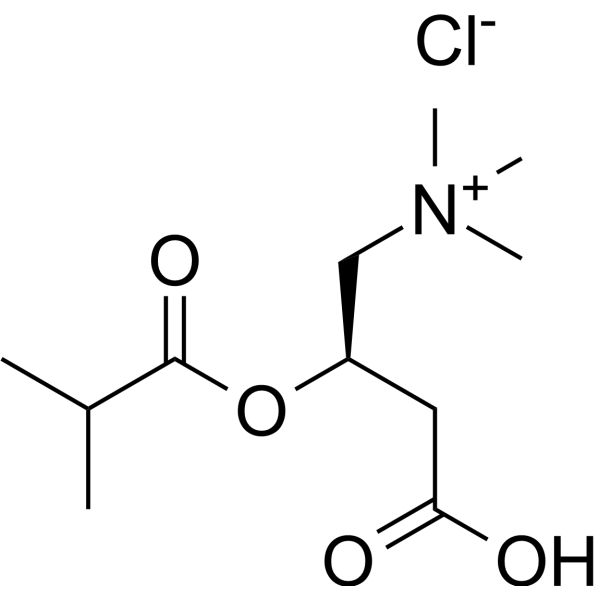
Isobutyryl-L-carnitine chloride is a biomarker. Isobutyryl-L-carnitine chloride is a product of acyl-CoA dehydrogenases involved in fatty acid β-oxidation, and it buffers the mitochondrial acyl-CoA/CoA ratio, oxidizes branched-chain amino acids, and supports the endogenous antioxidant defense system. Isobutyryl-L-carnitine chloride is a plasma biomarker of hepatic OCT1 transporter inhibition. Isobutyryl-L-carnitine chloride is a urinary biomarker of renal cell carcinoma, and its levels are elevated one year after nephrectomy compared with before nephrectomy. Isobutyryl-L-carnitine chloride can be used in research on renal cell carcinoma .
loading...
    loading...
1
1 Cited Publications
Referencia número: HY-113165
No. CAS: 25518-49-4
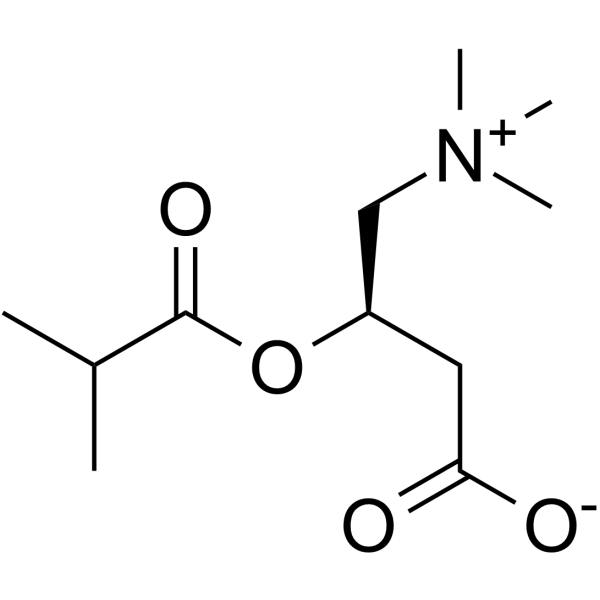
Isobutyryl-L-carnitine is a biomarker. Isobutyryl-L-carnitine is a product of acyl-CoA dehydrogenases involved in fatty acid β-oxidation, and it buffers the mitochondrial acyl-CoA/CoA ratio, oxidizes branched-chain amino acids, and supports the endogenous antioxidant defense system. Isobutyryl-L-carnitine is a plasma biomarker of hepatic OCT1 transporter inhibition. Isobutyryl-L-carnitine is a urinary biomarker of renal cell carcinoma, and its levels are elevated one year after nephrectomy compared with before nephrectomy. Isobutyryl-L-carnitine can be used in research on renal cell carcinoma .
loading...
    loading...
Referencia número: HY-W013027
No. CAS: 124-68-5
Áreas de investigación:  

Others

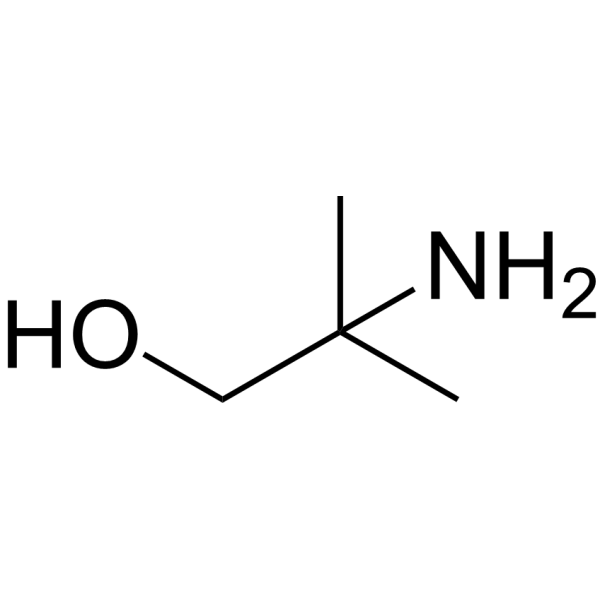
2-Amino-2-methyl-1-propanol (AMP) is a neutralizer, buffer and surfactant. 2-Amino-2-methyl-1-propanol inhibits gelatinous product formation. 2-Amino-2-methyl-1-propanol is used for carbon dioxide absorption .
loading...
    loading...
Referencia número: HY-D0868
No. CAS: 150-25-4
Áreas de investigación:  

Others

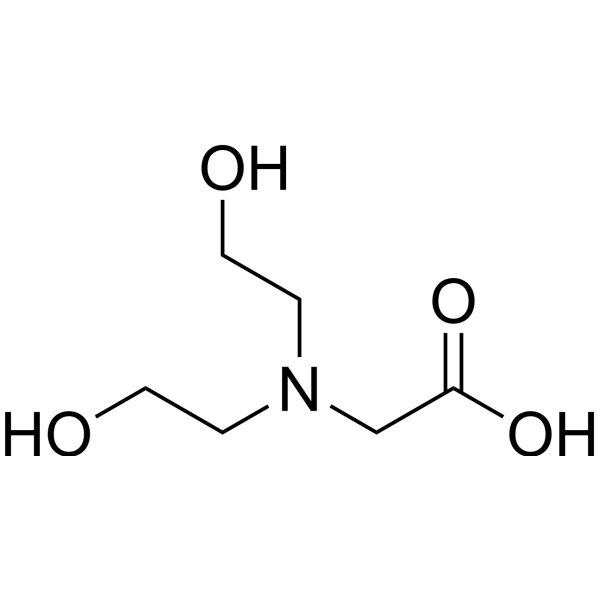
Bicine is a buffer used in physiological research. Bicine is a derivative of the simple amino acid glycine that increases the sensitivity of guanosine enzyme histochemical detection .
loading...
    loading...
Referencia número: HY-Y0286
No. CAS: 506-87-6
Synonyms: Hartshorn salt, 99%
Ammonium carbonate (Ammonium carbonate), 99% is a solid amino compound that functions as a buffer, pH regulator, pore-forming agent, and electrocatalytic oxidation substrate. Ammonium carbonate, 99% is a GRAS-grade direct food additive with no restricted daily intake specified by FAO/WHO, and it shows no acute skin toxicity, clinical signs of toxicity, or effects on body weight in rats. Ammonium carbonate, 99% undergoes electrocatalytic oxidation in alkaline solutions with a Pt/C catalyst (carbonate adsorption interferes with activity). Ammonium carbonate, 99% can serve as a fuel for low-temperature polymer fuel cells and anion exchange membrane fuel cells (with performance superior to pure ammonia), and can also form pores in the carrier-free Pt cathode catalyst layer after low-temperature decomposition, thereby enhancing catalyst activity under low-humidity conditions and the performance of proton exchange membrane fuel cells .
loading...
    loading...
Referencia número: HY-W017054
No. CAS: 115-69-5
Áreas de investigación:  

Others

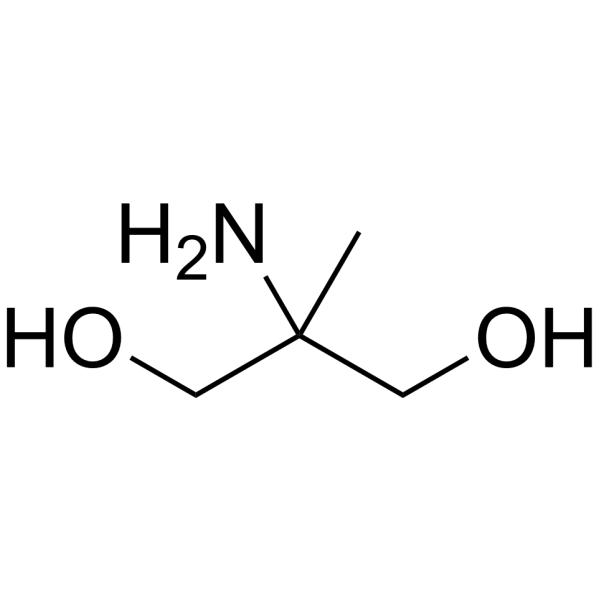
2-Amino-2-methyl-1,3-propanediol is a solid-solid phase change material with energy release and heat storage properties. 2-Amino-2-methyl-1,3-propanediol can crystallize from a supercooled solid state, release thermal energy during heating, and store thermal energy in the supercooled solid state. 2-Amino-2-methyl-1,3-propanediol can be used in the production of surfactants, vulcanization accelerators, and as a biological buffer .
loading...
    loading...
Referencia número: HY-N0230S
No. CAS: 285978-07-6
Synonyms: 2-Carboxyethylamine-13C3,15N; 3-aminopropanoic acid-13C3,15N
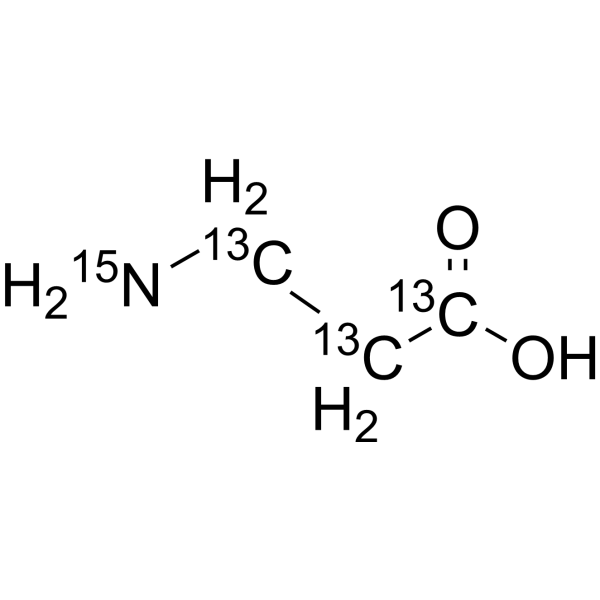
β-Alanine- 13C3, 15N is the 13C- and 15N-labeled β-Alanine. β-Alanine is a non-essential amino acid that is shown to be metabolized into carnosine, which functions as an intracellular buffer.
loading...
    loading...
Referencia número: HY-N0230S2
No. CAS: 116173-67-2
Synonyms: 2-Carboxyethylamine-d4; 3-aminopropanoic acid-d4
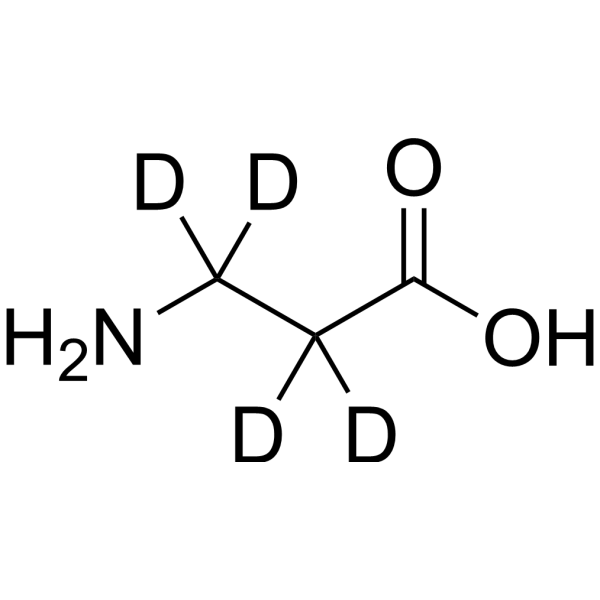
β-Alanine-d4 is the deuterium labeled β-Alanine. β-Alanine is a non-essential amino acid that is shown to be metabolized into carnosine, which functions as an intracellular buffer.
loading...
    loading...
Referencia número: HY-113165AS
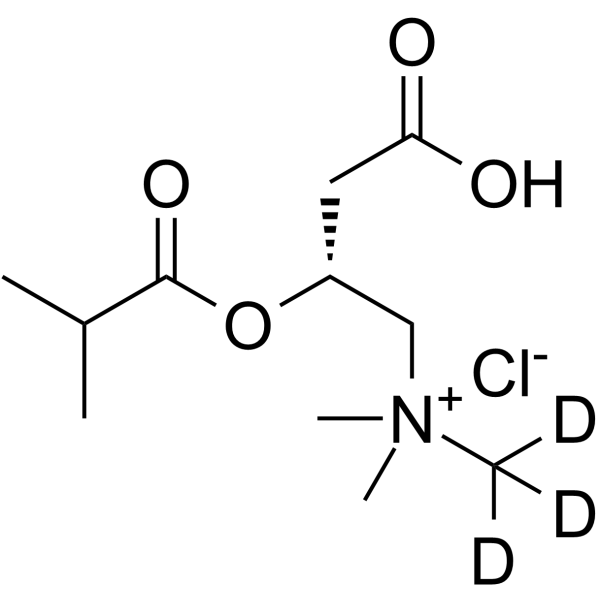
Isobutyryl-L-carnitine-d3 chloride is the d3-labeled Isobutyryl-L-carnitine chloride (HY-113165A). Isobutyryl-L-carnitine chloride is a biomarker. Isobutyryl-L-carnitine chloride is a product of acyl-CoA dehydrogenases involved in fatty acid β-oxidation, and it buffers the mitochondrial acyl-CoA/CoA ratio, oxidizes branched-chain amino acids, and supports the endogenous antioxidant defense system. Isobutyryl-L-carnitine chloride is a plasma biomarker of hepatic OCT1 transporter inhibition. Isobutyryl-L-carnitine chloride is a urinary biomarker of renal cell carcinoma, and its levels are elevated one year after nephrectomy compared with before nephrectomy. Isobutyryl-L-carnitine chloride can be used in research on renal cell carcinoma .
loading...
    loading...
Referencia número: HY-N0230S1
No. CAS: 204451-53-6
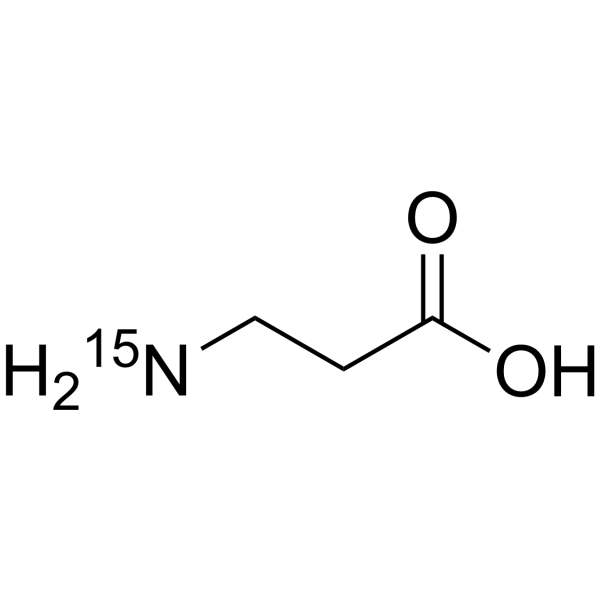
Synonyms: 2-Carboxyethylamine-15N; 3-aminopropanoic acid-15N
β-Alanine- 15N is the 15N-labeled β-Alanine. β-Alanine is a non-essential amino acid that is shown to be metabolized into carnosine, which functions as an intracellular buffer.
loading...
    loading...
Referencia número: HY-D1993
ATTO 647 NHS ester is a fluorescent label targeting free amino groups. ATTO 647 NHS ester can undergo a nucleophilic reaction with the free amino groups of EF-C peptide via its activated carboxylic acid group to form a stable covalent conjugate. ATTO 647 NHS ester-labeled nanofibers not only retain retroviral transduction-enhancing activity but also maintain stable fluorescent signals in both buffer and cell culture systems. ATTO 647 NHS ester is suitable for detection applications including fluorescence spectroscopy, microscopy and flow cytometry. ATTO 647 NHS ester has been used in studies related to HIV-1 infection .
loading...
    loading...
Referencia número: HY-P9S0055
Áreas de investigación:  

Others

Histidine and Arginine buffer is an amino acid-based buffer supplied as a solution containing 120 mM NaCl and 0.02% Tween 80, at pH 6.0. Histidine and Arginine buffer can be used in studies related to polypeptide synthesis .
loading...
    loading...
Referencia número: HY-D0227R
No. CAS: 77-86-1
Synonyms: Tris (Standard); Tris(hydroxymethyl)aminomethane (Standard)
Áreas de investigación:  

Metabolic Disease Cancer

THAM (Standard) is the analytical standard of THAM. This product is intended for research and analytical applications. THAM (Tris) is a biologically inert amino alcohol of low toxicity, which buffers carbon dioxide and acids in vitro and in vivo. THAM is an effective amine compound for pH control in the physiological range .
loading...
    loading...
Referencia número: HY-D1529
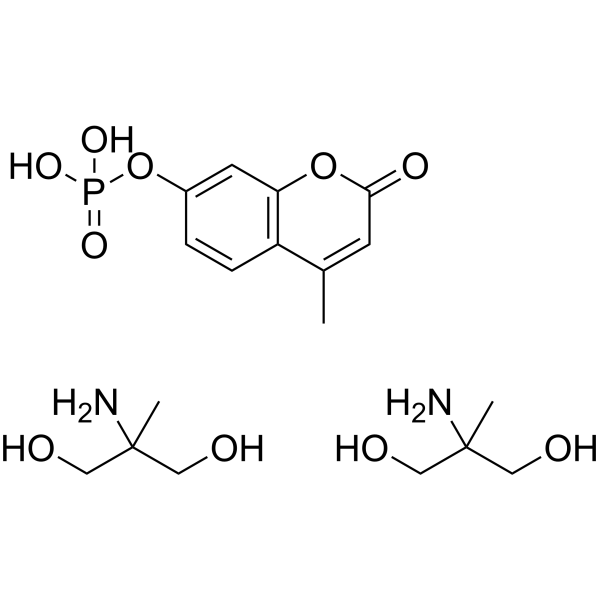
No. CAS: 107475-10-5
4-Methylumbelliferyl phosphate (2-amino-2-methyl-1,3-propanediol) is a fluorescent substrate, can be used as substrate buffer of enzyme assay .
loading...
    loading...

