

1. Search Result
Search Result
Results for "

amino lipid

" in MedChemExpress (MCE) Product Catalog:

104

Inhibitors & Agonists

5

Screening Libraries

2

Fluorescent Dyes

37

Biochemical Assay Reagents

16

Peptides

16

Natural
Products

12

Isotope-Labeled Compounds

41

Oligonucleotides

2

GMP Molecules

Cat. No. Product Name Target Research Areas Chemical Structure
  • HY-134541
    SM-102
    Maximum Cited Publications
    45 Publications Verification

    Liposome Infection
    SM-102 is an amino cationic lipid useful in the formation of lipid nanoparticles (LNPs). SM-102 has higher transfection efficiency. SM-102 plays an important role in the effectiveness of lipid nanoparticles (LNPs) in delivering mRNA therapeutics and vaccines .
    SM-102
  • HY-113596
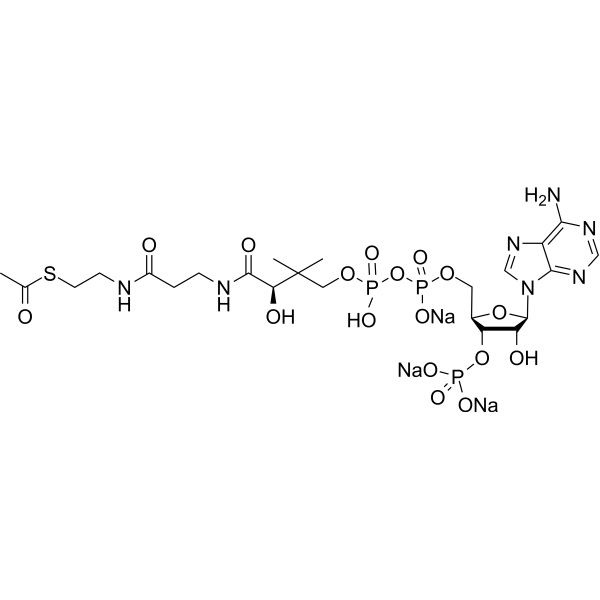
    Acetyl Coenzyme A trisodium
    4 Publications Verification

    Acetyl-CoA trisodium

    Oxidative Phosphorylation Endogenous Metabolite Autophagy Metabolic Disease
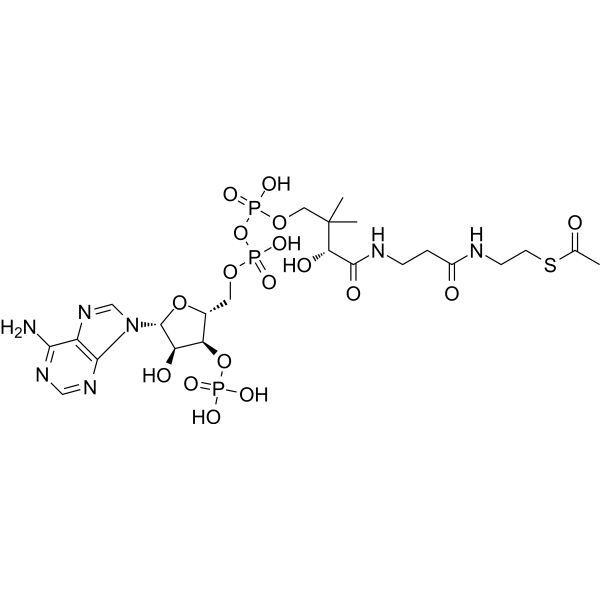
    Acetyl-coenzyme A (Acetyl-CoA) trisodium is a membrane-impermeant central metabolic intermediate, participates in the TCA cycle and oxidative phosphorylation metabolism. Acetyl-coenzyme A trisodium, regulates various cellular mechanisms by providing (sole donor) acetyl groups to target amino acid residues for post-translational acetylation reactions of proteins. Acetyl Coenzyme A trisodium is also a key precursor of lipid synthesis .
    Acetyl Coenzyme A trisodium
  • HY-14520
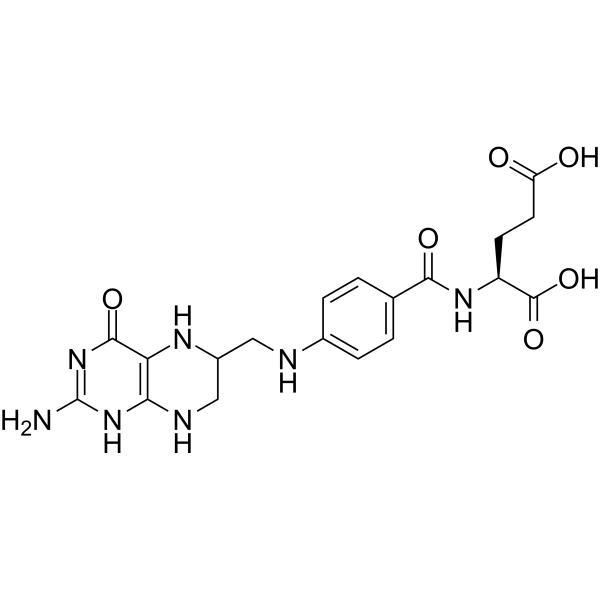
    Tetrahydrofolic acid
    5+ Cited Publications

    L-5,6,7,8-Tetrahydrofolic acid; L-Tetrahydrofolic acid

    Endogenous Metabolite Metabolic Disease
    Tetrahydrofolic acid (L-5,6,7,8-Tetrahydrofolic acid) is the biologically active vitamin B9 folate derivative. Tetrahydrofolic acid is a donor of one-carbon groups for amino acids, nucleic acids, and lipids. Tetrahydrofolic acid serves as an acceptor of free formaldehyde, producing 5,10-methylenetetrahydrofolate-Tetrahydrofolic acid .
    Tetrahydrofolic acid
  • HY-B1125
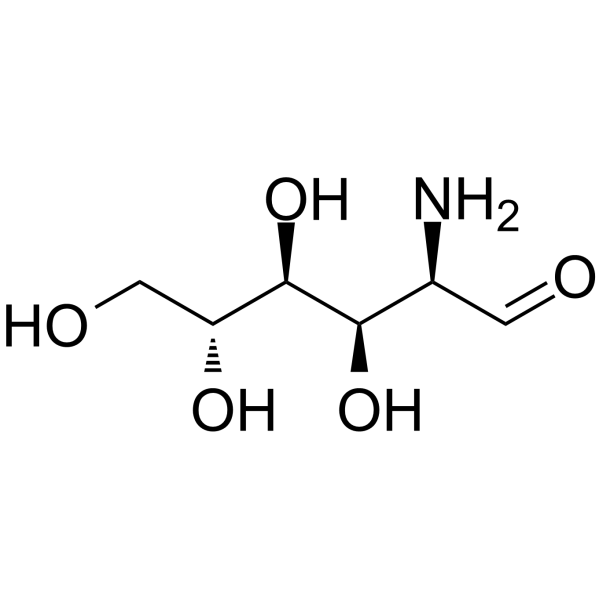
    Glucosamine
    Maximum Cited Publications
    11 Publications Verification

    D-Glucosamine; Chitosamine

    CFTR Endogenous Metabolite Reactive Oxygen Species (ROS) HIF/HIF Prolyl-Hydroxylase Autophagy Inflammation/Immunology Cancer
    Glucosamine (D-Glucosamine) is an amino sugar and a prominent precursor in the biochemical synthesis of glycosylated proteins and lipids, is used as a dietary supplement. Glucosamine also is a natural constituent of glycosaminoglycans in the cartilage matrix and synovial fluid, which when administered exogenously, exerts pharmacological effects on osteoarthritic cartilage and chondrocytes .
    Glucosamine
  • HY-138171
    Lipid 5
    3 Publications Verification

    Liposome Others
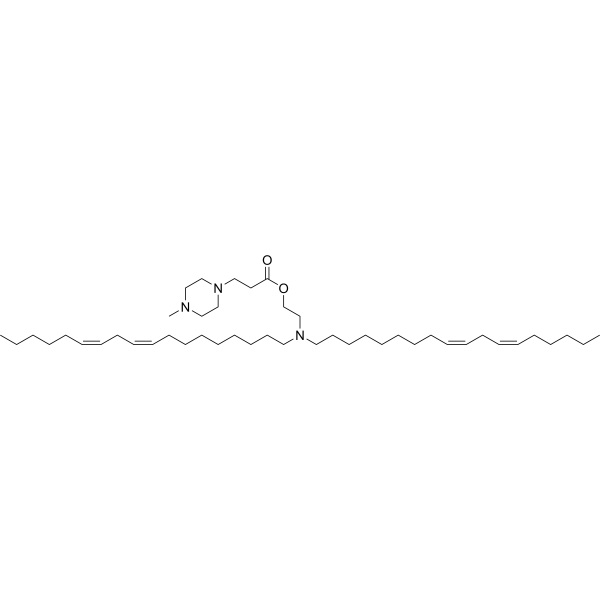
    Lipid 5 is an amino lipid that affords efficient mRNA delivery in rodent and primate models. Lipid 5 shows optimal pharmacokinetics and non-toxic side effects .
    Lipid 5
  • HY-N0733
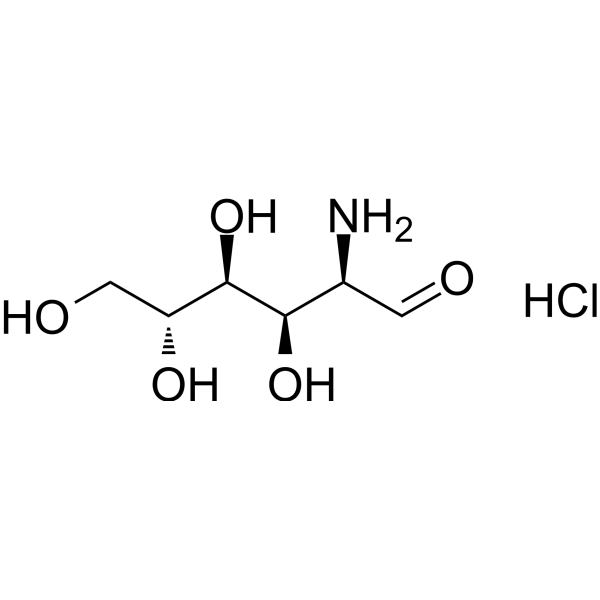
    Glucosamine hydrochloride
    Maximum Cited Publications
    11 Publications Verification

    D-(+)-Glucosamine hydrochloride; Chitosamine hydrochloride

    Endogenous Metabolite Reactive Oxygen Species (ROS) HIF/HIF Prolyl-Hydroxylase Autophagy Inflammation/Immunology Cancer
    Glucosamine hydrochloride (D-Glucosamine hydrochloride) is an amino sugar and a prominent precursor in the biochemical synthesis of glycosylated proteins and lipids, is used as a dietary supplement. Glucosamine hydrochloride also is a natural constituent of glycosaminoglycans in the cartilage matrix and synovial fluid, which when administered exogenously, exerts pharmacological effects on osteoarthritic cartilage and chondrocytes .
    Glucosamine hydrochloride
  • HY-145799
    5A2-SC8
    1 Publications Verification

    Liposome Cancer
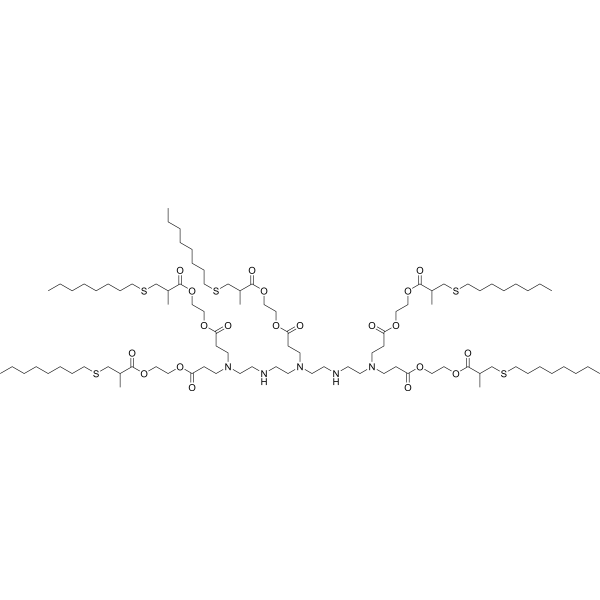
    5A2-SC8 is an ionizable amino lipid in lipid nanoparticles (LNPs) that shows high delivery potential and low in vivo toxicity, enabling efficient delivery of small RNAs such as siRNA and miRNA into tumor cells. 5A2-SC8 LNPs can confer a unique delivery fate of RNA within the liver, thereby changing the therapeutic outcomes in cancer models .
    5A2-SC8
  • HY-107784

    Bacterial Inflammation/Immunology
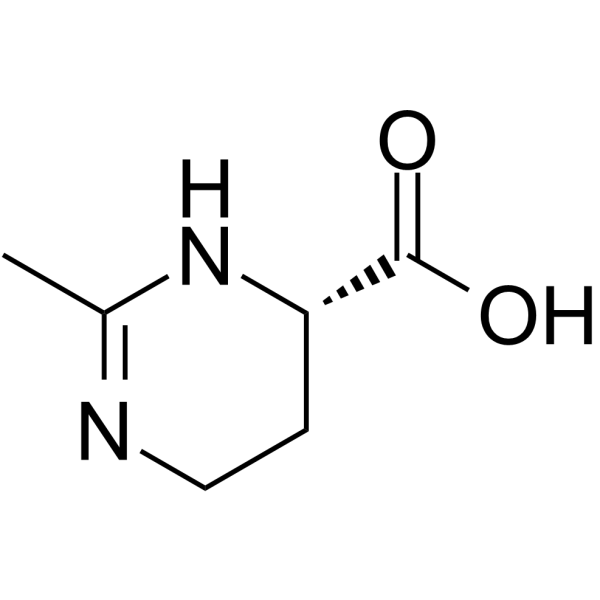
    Ectoine is a natural cell protectant, an amino acid derivate produced by bacteria living under extremely harsh environmental conditions. Ectoine serves as an osmoregulatory compatible solute, increasing the hydration of the skin surface and stabilizing lipid layers, which is useful in skincare. Ectoine demonstrates a good safety profile for the treatment of allergic rhinitis .
    Ectoine
  • HY-P11274A

    Amycretin sodium; NN 9487 sodium

    Amylin Receptor Insulin Receptor GCGR Metabolic Disease
    Zenagamtide (Amycretin; NN 9487) sodium is an orally active, blood-brain barrier permeable triple agonist that targets GLP-1, amylin (Amylin Receptor) and calcitonin receptor (Calcitonin Receptor). Zenagamtide sodium is a single peptide consisting of 68 amino acids that can target brain regions regulating food intake, significantly suppress appetite and reduce energy intake. Therefore, Zenagamtide sodium improves body weight, waist circumference, glycated hemoglobin and lipid profile, and also alleviates the histological features of metabolic dysfunction-associated steatotic liver disease (MASLD) and enhances insulin sensitivity. Zenagamtide sodium may cause transient increases in heart rate and fluctuations in serum calcium levels, but it is an important compound for the study of overweight, obesity, insulin resistance and related metabolic diseases .
    Zenagamtide sodium
  • HY-153378

    Liposome Others
    Lipid 15 is an ionizable amino lipid used for the generation of Lipid nanoparticles (LNPs).
    Lipid 15
  • HY-114293A

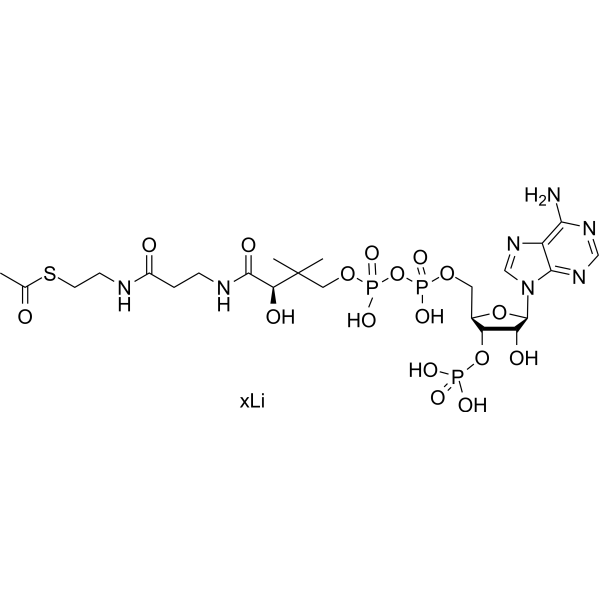
    Acetyl-CoA trilithium

    Oxidative Phosphorylation Endogenous Metabolite Autophagy Cardiovascular Disease Metabolic Disease
    Acetyl-coenzyme A (Acetyl-CoA) trilithium is a membrane-impermeant central metabolic intermediate, participates in the TCA cycle and oxidative phosphorylation metabolism. Acetyl-coenzyme A trilithium regulates various cellular mechanisms by providing (sole donor) acetyl groups to target amino acid residues for post-translational acetylation reactions of proteins. Acetyl Coenzyme A trilithium is also a key precursor of lipid synthesis .
    Acetyl coenzyme A trilithium
  • HY-N0487
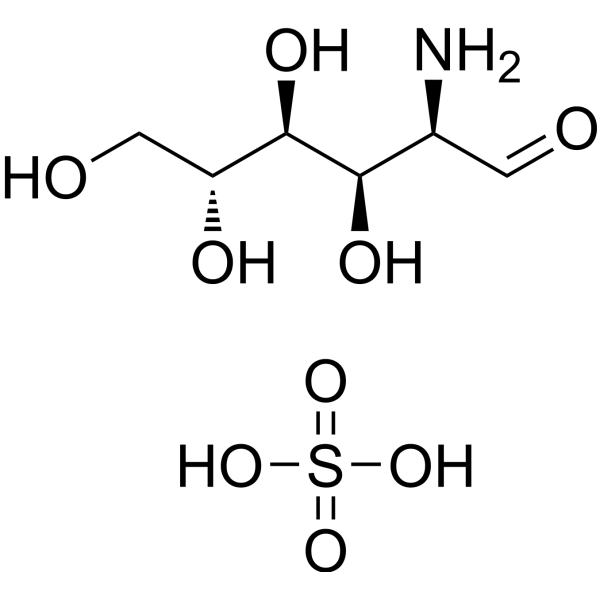
    Glucosamine sulfate
    Maximum Cited Publications
    11 Publications Verification

    D-Glucosamine sulfate

    Endogenous Metabolite Reactive Oxygen Species (ROS) HIF/HIF Prolyl-Hydroxylase Autophagy Inflammation/Immunology Cancer
    Glucosamine sulfate (D-Glucosamine sulfate) is an amino sugar and a prominent precursor in the biochemical synthesis of glycosylated proteins and lipids, is used as a dietary supplement. Glucosamine sulfate also is a natural constituent of glycosaminoglycans in the cartilage matrix and synovial fluid, which when administered exogenously, exerts pharmacological effects on osteoarthritic cartilage and chondrocytes .
    Glucosamine sulfate
  • HY-114293

    Acetyl-CoA

    Oxidative Phosphorylation Endogenous Metabolite Autophagy Cardiovascular Disease Metabolic Disease
    Acetyl-coenzyme A (Acetyl-CoA) is a membrane-impermeant central metabolic intermediate, participates in the TCA cycle and oxidative phosphorylation metabolism. Acetyl-coenzyme A, regulates various cellular mechanisms by providing (sole donor) acetyl groups to target amino acid residues for post-translational acetylation reactions of proteins. Acetyl Coenzyme A is also a key precursor of lipid synthesis .
    Acetyl coenzyme A
  • HY-P11274

    Amycretin; NN 9487

    Amylin Receptor GCGR Insulin Receptor Metabolic Disease
    Zenagamtide (Amycretin; NN 9487) is an orally active, blood-brain barrier permeable triple agonist that targets GLP-1, amylin (Amylin Receptor) and calcitonin receptor (Calcitonin Receptor). Zenagamtide is a single peptide consisting of 68 amino acids that can target brain regions regulating food intake, significantly suppress appetite and reduce energy intake. Therefore, Zenagamtide improves body weight, waist circumference, glycated hemoglobin and lipid profile, and also alleviates the histological features of metabolic dysfunction-associated steatotic liver disease (MASLD) and enhances insulin sensitivity. Zenagamtide may cause transient increases in heart rate and fluctuations in serum calcium levels, but it is an important compound for the study of overweight, obesity, insulin resistance and related metabolic diseases .
    Zenagamtide
  • HY-148648

    Liposome Others
    Lipid 29 is an ionizable amino lipid. Lipid 29 can be used to form lipid nanoparticles .
    Lipid 29
  • HY-113596A
    Acetyl coenzyme A lithium
    4 Publications Verification

    Acetyl-CoA lithium

    Oxidative Phosphorylation Endogenous Metabolite Autophagy Cardiovascular Disease Metabolic Disease
    Acetyl-coenzyme A (Acetyl-CoA) lithium is a membrane-impermeant central metabolic intermediate, participates in the TCA cycle and oxidative phosphorylation metabolism. Acetyl-coenzyme A lithium, regulates various cellular mechanisms by providing (sole donor) acetyl groups to target amino acid residues for post-translational acetylation reactions of proteins. Acetyl Coenzyme A lithium is also a key precursor of lipid synthesis .
    Acetyl coenzyme A lithium
  • HY-114293S

    Acetyl-CoA-13C2 lithium

    Isotope-Labeled Compounds Endogenous Metabolite Autophagy Oxidative Phosphorylation Metabolic Disease
    Acetyl coenzyme A- 13C2 lithium is the 13C-labeled Acetyl coenzyme A (HY-114293). Acetyl-coenzyme A (Acetyl-CoA) is a membrane-impermeant central metabolic intermediate, participates in the TCA cycle and oxidative phosphorylation metabolism. Acetyl-coenzyme A, regulates various cellular mechanisms by providing (sole donor) acetyl groups to target amino acid residues for post-translational acetylation reactions of proteins. Acetyl Coenzyme A is also a key precursor of lipid synthesis .
    Acetyl coenzyme A-13C2 lithium
  • HY-150115
    Lipid 10
    1 Publications Verification

    Liposome Others
    Lipid 10 is an ionizable amino lipid used for the generation of Lipid nanoparticles (LNPs).
    Lipid 10
  • HY-134541GL

    Liposome Infection
    SM-102 (GMP Like) is SM-102 (HY-134541) produced by using GMP like guidelines. GMP Like small molecules works appropriately as an auxiliary reagent for cell therapy manufacture. SM-102 is an amino cationic lipid useful in the formation of lipid nanoparticles (LNPs). SM-102 has higher transfection efficiency. SM-102 plays an important role in the effectiveness of lipid nanoparticles (LNPs) in delivering mRNA therapeutics and vaccines .
    SM-102 (GMP Like)
  • HY-14520S

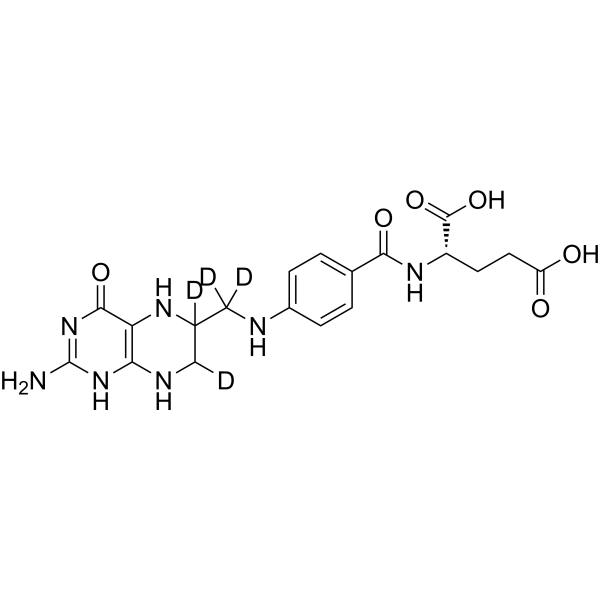
    Isotope-Labeled Compounds Endogenous Metabolite Metabolic Disease
    Tetrahydrofolic acid-d4 is the deuterium labeled Tetrahydrofolic acid. Tetrahydrofolic acid (L-5,6,7,8-Tetrahydrofolic acid) is the biologically active vitamin B9 folate derivative. Tetrahydrofolic acid is a donor of one-carbon groups for amino acids, nucleic acids, and lipids. Tetrahydrofolic acid serves as an acceptor of free formaldehyde, producing 5,10-methylenetetrahydrofolate-Tetrahydrofolic acid .
    Tetrahydrofolic acid-d4
  • HY-P4371

    Biochemical Assay Reagents Inflammation/Immunology
    Hel 13-5 is a monomeric, lipophilic, basic amphipathic α-helical synthetic peptide composed of 18 amino acid residues. Hel 13-5 is designed as a substitute for proteins in artificial pulmonary surfactants, and it mimics the interaction between the N-terminal fragment of human pulmonary surfactant protein B and lipids. Hel 13-5 can bind to phospholipids for the development of pulmonary surfactant model systems. Hel 13-5 can be used in studies related to respiratory distress syndrome .
    Hel 13-5
  • HY-134782

    Liposome Others
    OF-Deg-Lin is an ionizable amino lipid used for the generation of Lipid nanoparticles (LNPs).
    OF-Deg-Lin
  • HY-153377

    Liposome SARS-CoV Bacterial Infection Inflammation/Immunology
    Lipid 14 is an ionizable amino lipid. Lipid 14 delivers mRNA into target cells, significantly enhancing the in vivo expression efficiency and immunogenicity of mRNA. Lipid 14 can be used to synthesize lipid nanoparticles (LNPs). Lipid 14 can be used for studies of SARS-CoV-2 and Yersinia pestis .
    Lipid 14
  • HY-134541S6

    Isotope-Labeled Compounds Liposome Infection
    SM-102-d4 is the deuterium labeled SM-102 (HY-134541). SM-102 is an amino cationic lipid useful in the formation of lipid nanoparticles (LNPs). SM-102 has higher transfection efficiency. SM-102 plays an important role in the effectiveness of lipid nanoparticles (LNPs) in delivering mRNA therapeutics and vaccines .
    SM-102-d4
  • HY-N0733S3

    D-(+)-Glucosamine-6-13C hydrochloride; Chitosamine-6-13C hydrochloride

    Isotope-Labeled Compounds Autophagy Endogenous Metabolite HIF/HIF Prolyl-Hydroxylase Reactive Oxygen Species (ROS) Inflammation/Immunology Cancer
    Glucosamine-6- 13C (hydrochloride) is the 13C labeled Glucosamine hydrochloride. Glucosamine hydrochloride (D-Glucosamine hydrochloride) is an amino sugar and a prominent precursor in the biochemical synthesis of glycosylated proteins and lipids, is used as
    Glucosamine-6-13C hydrochloride
  • HY-134541G

    Liposome Infection
    SM-102 (GMP) is SM-102 (HY-134541) produced by using GMP guidelines. GMP small molecules works appropriately as an auxiliary reagent for cell therapy manufacture. SM-102 is an amino cationic lipid useful in the formation of lipid nanoparticles (LNPs). SM-102 has higher transfection efficiency. SM-102 plays an important role in the effectiveness of lipid nanoparticles (LNPs) in delivering mRNA therapeutics and vaccines .
    SM-102
  • HY-P3280

    Endogenous Metabolite Metabolic Disease
    γ-Glu-Gly, a γ-glutamyl dipeptide, is a human lipid metabolite.γ-Glu-Gly has a similar structure to GABA (γ-aminobutyric acid) and can act as an antagonist of excitatory amino acids .
    γ-Glu-Gly
  • HY-W015993

    n-Nonyl-β-D-glucopyranoside

    Biochemical Assay Reagents Others
    Nonyl β-D-glucopyranoside (n-Nonyl-β-D-glucopyranoside) is a surfactant that can be used in studies on interactions with lipid monolayers. Nonyl β-D-glucopyranoside can also be used for the enantiomer separation of phenoxy acid herbicides and amino acid derivatives .
    Nonyl β-D-glucopyranoside
  • HY-114293S5

    Acetyl-CoA-d3

    Isotope-Labeled Compounds Oxidative Phosphorylation Endogenous Metabolite Autophagy Cardiovascular Disease Metabolic Disease
    Acetyl coenzyme A-d3 (Acetyl-CoA-d3) is the deuterium labeled Acetyl coenzyme A (HY-114293). Acetyl-coenzyme A (Acetyl-CoA) is a membrane-impermeant central metabolic intermediate, participates in the TCA cycle and oxidative phosphorylation metabolism. Acetyl-coenzyme A, regulates various cellular mechanisms by providing (sole donor) acetyl groups to target amino acid residues for post-translational acetylation reactions of proteins. Acetyl Coenzyme A is also a key precursor of lipid synthesis .
    Acetyl coenzyme A-d3
  • HY-150118

    Liposome Others
    Lipid 8 is an ionizable amino lipid that can be used to synthesize lipid nanoparticles (LNPs). Lipid 8 is applicable to research in drug delivery .
    Lipid 8
  • HY-P10471A

    MARCKS-ED TFA

    MARCKS PKC Others
    MPSD TFA (MARCKS-ED TFA) is the TFA salt form of MPSD (HY-P10471). MPSD TFA is a 25-amino acid peptide based on the effector domain sequence of the intracellular membrane protein myristoylated alanine-rich C-kinase substrate (MARCKS). MPSD TFA can sense membrane curvature and recognize phosphatidylserine. MPSD TFA can be utilized as biological probe to study membrane shape and lipid composition .
    MPSD TFA
  • HY-W001959

    Endogenous Metabolite Metabolic Disease
    D-Allothreonine is the D stereoisomer of Allothreonine. D-Allallreonine is a peptide lipid derived from bacteria. D-Allothreonine can be specifically oxidized by D-amino acid oxidase, while the L configuration has no reaction. D-Allallreonine is also a component of bacterial polysaccharides. D-Allallreonine can be used for researching bacterial pathogenicity, antigenic diversity and drug resistance .
    D-Allothreonine
  • HY-N0733R

    D-(+)-Glucosamine hydrochloride (Standard); Chitosamine hydrochloride (Standard)

    Reference Standards Endogenous Metabolite Reactive Oxygen Species (ROS) HIF/HIF Prolyl-Hydroxylase Autophagy Inflammation/Immunology Cancer
    Glucosamine (hydrochloride) (Standard) is the analytical standard of Glucosamine (hydrochloride). This product is intended for research and analytical applications. Glucosamine hydrochloride (D-Glucosamine hydrochloride) is an amino sugar and a prominent precursor in the biochemical synthesis of glycosylated proteins and lipids, is used as a dietary supplement. Glucosamine hydrochloride also is a natural constituent of glycosaminoglycans in the cartilage matrix and synovial fluid, which when administered exogenously, exerts pharmacological effects on osteoarthritic cartilage and chondrocytes .
    Glucosamine hydrochloride (Standard)
  • HY-107784R

    Reference Standards Bacterial Inflammation/Immunology
    Ectoine (Standard) is the analytical standard of Ectoine. This product is intended for research and analytical applications. Ectoine is a natural cell protectant, an amino acid derivate produced by bacteria living under extremely harsh environmental conditions. Ectoine serves as an osmoregulatory compatible solute, increasing the hydration of the skin surface and stabilizing lipid layers, which is useful in skincare. Ectoine demonstrates a good safety profile for the treatment of allergic rhinitis .
    Ectoine (Standard)
  • HY-14520S1

    L-5,6,7,8-Tetrahydrofolic acid-13C5; L-Tetrahydrofolic acid-13C5

    Isotope-Labeled Compounds Endogenous Metabolite Metabolic Disease
    Tetrahydrofolic acid- 13C5 (L-5,6,7,8-Tetrahydrofolic acid- 13C5) is 13C labeled Tetrahydrofolic acid. Tetrahydrofolic acid (L-5,6,7,8-Tetrahydrofolic acid) is the biologically active vitamin B9 folate derivative. Tetrahydrofolic acid is a donor of one-carbon groups for amino acids, nucleic acids, and lipids. Tetrahydrofolic acid serves as an acceptor of free formaldehyde, producing 5,10-methylenetetrahydrofolate-Tetrahydrofolic acid .
    Tetrahydrofolic acid-13C5
  • HY-155887

    DSPE-PEG-NH2, MW 3400 ammonium

    Liposome Cancer
    DSPE-PEG-Amine (DSPE-PEG-NH2), MW 3400 ammonium is an amino-functionalized PEGylated phospholipid. It serves not only as a key component for preparing σ receptor-targeted liposomes (such as anisamide-modified lipids) but also as a starting material for synthesizing click chemistry- and tumor-targeted lipids including DSPE-PEG-DBCO (HY-155788) and DSPE-PEG2000-TCO (HY-170704). DSPE-PEG-Amine, MW 3400 ammonium effectively modulates the ζ potential of nanoparticles, enables complexation with nucleic acids or proteins to protect DNA from nuclease degradation, and supports ligand conjugation on the nanoparticle surface. It is used in studies related to DU-145 tumors, breast cancer, and other relevant research .
    DSPE-PEG-Amine, MW 3400 ammonium
  • HY-159709

    Liposome Metabolic Disease
    VL-422 is an ionizable cationic lipid. VL-422 delivers CRISPR complementary single-guide RNA (sgRNA) and Cas9 mRNA to enable in vitro and in vivo gene editing. LNPs containing VL-422 loaded with Cas9 mRNA and sgRNA targeting the ANGPTL3 gene induce the deletion of premature stop codons within the ANGPTL3 gene in the liver of cynomolgus monkeys. Loss-of-function of ANGPTL3 leads to decreased levels of LDL, HDL and cholesterol in plasma. The VL-422 delivery system can be used for the research of gene editing strategies targeting lipid metabolism diseases .
    VL-422
  • HY-N0733S

    D-(+)-Glucosamine-13C hydrochloride; Chitosamine-13C hydrochloride

    Isotope-Labeled Compounds Autophagy Endogenous Metabolite HIF/HIF Prolyl-Hydroxylase Reactive Oxygen Species (ROS) Inflammation/Immunology Cancer
    Glucosamine- 13C (hydrochloride) is the 13C labeled Glucosamine hydrochloride. Glucosamine hydrochloride (D-Glucosamine hydrochloride) is an amino sugar and a prominent precursor in the biochemical synthesis of glycosylated proteins and lipids, is used as a
    Glucosamine-13C hydrochloride
  • HY-153137

    304O13

    Liposome Cancer
    Tri-N-tridecyl 3-(ethyl(methyl)amino)propanoate is a biodegradable lipid prepared by the conjugate addition of alkylamines to acrylates. Tri-N-tridecyl 3-(ethyl(methyl)amino)propanoate can be used in various drug delivery systems to deliver polynucleotides, siRNA for example .
    Tri-N-tridecyl 3-(ethyl(methyl)amino)propanoate
  • HY-148363

    Liposome Inflammation/Immunology
    Heptadecan-9-yl 8-((6-(decyloxy)-6-oxohexyl)(2-hydroxyethyl)amino)octanoate can be used in lipid nanoparticles (LNP) delivery systems for mRNA vaccine delivery .
    Heptadecan-9-yl 8-((6-(decyloxy)-6-oxohexyl)(2-hydroxyethyl)amino)octanoate
  • HY-145799A
    5A2-SC8 TFA
    1 Publications Verification

    Liposome Cancer
    5A2-SC8 TFA is an ionizable amino lipid in lipid nanoparticles (LNPs) that shows high delivery potential and low in vivo toxicity, enabling efficient delivery of small RNAs such as siRNA and miRNA into tumor cells. 5A2-SC8 TFA LNPs can confer a unique delivery fate of RNA within the liver, thereby changing the therapeutic outcomes in cancer models .
    5A2-SC8 TFA
  • HY-150116

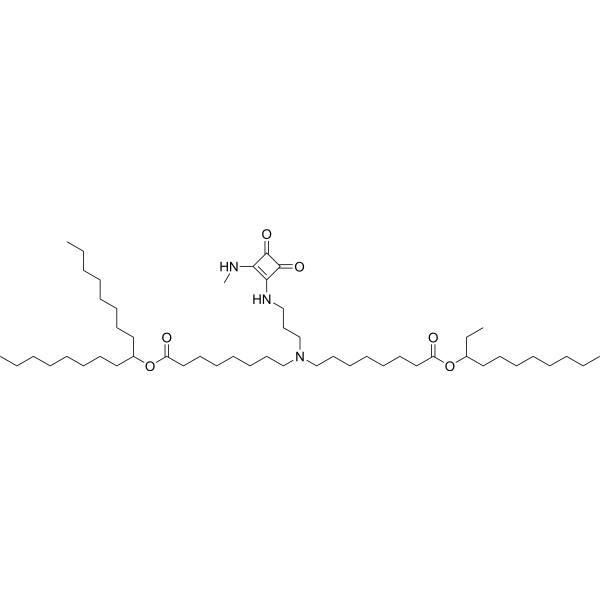
    Liposome Others
    Lipid 1 is an ionizable amino lipid used for the generation of Lipid nanoparticles (LNPs).
    Lipid 1
  • HY-153376

    Liposome Others
    LNP Lipid-6 (Compound Lipid 5) is an ionizable lipid (amino lipid). LNP Lipid-6 can be used to prepare lipid nanoparticles (LNP) .
    LNP Lipid-6
  • HY-153375

    Liposome Others
    LNP Lipid-5 (Compound Lipid 2) is an ionizable lipid (amino lipid). LNP Lipid-5 can be used to prepare lipid nanoparticles (LNP) .
    LNP Lipid-5
  • HY-150117

    Liposome Others
    Lipid 6 is an ionizable amino lipid. Lipid 6 can be used to synthesize lipid nanoparticles. Lipid 6 can be used in RNA delivery research .
    Lipid 6
  • HY-W440816

    Liposome Others
    Heptadecan-9-yl 8-((2-hydroxyethyl)amino)octanoate is a lipid that can be used for compound synthesis .
    Heptadecan-9-yl 8-((2-hydroxyethyl)amino)octanoate
  • HY-113736

    Amino Acid Derivatives Others
    Glycyllysine is a polypeptide that can be used in the synthesis of antibodies and amino acid type gemini surfactants. Glycyllysine has potential applications in modifying plasmid/gemini/lipid (P/G/L) nanoparticles transport carriers .
    Glycyllysine
  • HY-159860

    A10-Lin

    Liposome Others
    IR-117-17 is an ionizable cationic amino lipid, targeting conducting airways of the lung. IR-117-17 could be degraded via esterase cleavage and thus be unlikely to accumulate upon repeated dosing . It can be used in research related to diseases that manifest outside alveolar spaces.
    IR-117-17
  • HY-186041

    Amino Acid Derivatives Others
    E12LA6B6O3 is an amino lipid that can be used to prepare nanoparticles for drug delivery, such as mRNA .
    E12LA6B6O3
  • HY-14520B

    L-5,6,7,8-Tetrahydrofolic acid trihydrochloride; L-Tetrahydrofolic acid trihydrochloride

    Endogenous Metabolite Metabolic Disease
    Tetrahydrofolic acid (L-5,6,7,8-Tetrahydrofolic acid) trihydrochloride is the biologically active vitamin B9 folate derivative. Tetrahydrofolic acid trihydrochloride is a donor of one-carbon groups for amino acids, nucleic acids, and lipids. Tetrahydrofolic acid trihydrochloride serves as an acceptor of free formaldehyde, producing 5,10-methylenetetrahydrofolate-Tetrahydrofolic acid .
    Tetrahydrofolic acid trihydrochloride

Inquiry Online

Your information is safe with us. * Required Fields.

Salutation


Country or Region *

Applicant Name *


Organization Name *

Department *


Email Address *


Product Name *

Cat. No.


Requested quantity *

Phone Number *


Remarks

Inquiry Online

Inquiry Information

Product Name:
Cat. No.:
Quantity:
MCE Japan Authorized Agent:

