
1. Search Result
Search Result
Results for "

and wound healing

" in MedChemExpress (MCE) Product Catalog:

190

Inhibitors & Agonists

2

Screening Libraries

24

Biochemical Assay Reagents

43

Peptides

3

Inhibitory Antibodies

44

Natural
Products

2

Isotope-Labeled Compounds

17

Oligonucleotides

Cat. No. Product Name Target Research Areas Chemical Structure
  • HY-13813
    Blebbistatin
    Maximum Cited Publications
    42 Publications Verification

    Myosin Others
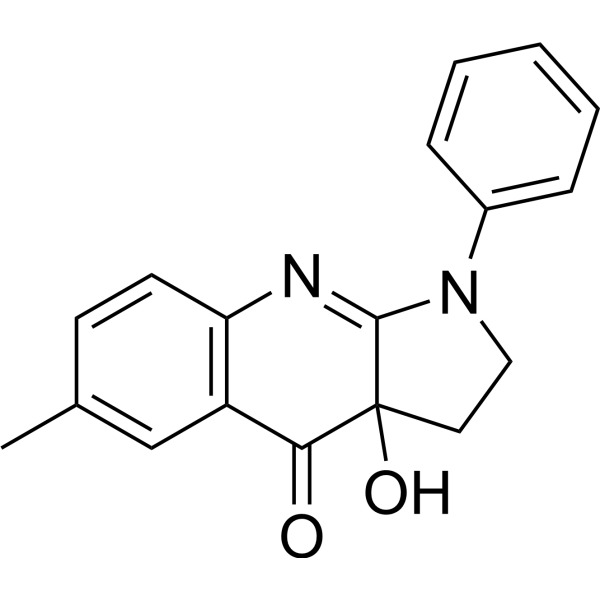
    Blebbistatin is a selective non-muscle myosin II (NMII) inhibitor, promotes directional migration of corneal endothelial cells (CECs) and accelerates wound healing, and better preserves cell junctional integrity and barrier function. Blebbistatin blocks cell migration .
    Blebbistatin
  • HY-P1222
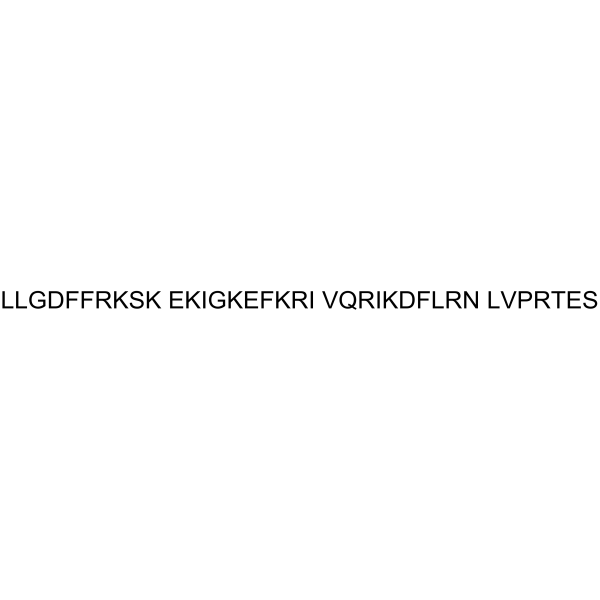
    LL-37, human
    Maximum Cited Publications
    6 Publications Verification

    Bacterial Infection
    LL-37, human is a 37-residue, amphipathic, cathelicidin-derived antimicrobial peptide, which exhibits a broad spectrum of antimicrobial activity. LL-37, human could help protect the cornea from infection and modulates wound healing .
    LL-37, human
  • HY-B1620

    PVP K30; Polyvidone K30; Povidone K30

    Environmental Pollutants Biochemical Assay Reagents Infection
    Polyvinylpyrrolidone K30 is a compound which has been widely tested and used in human and veterinary medicine as an effective wound healing accelerator and disinfectant when combined with iodine and other compounds.
    Polyvinylpyrrolidone K30
  • HY-16268
    Kartogenin
    30+ Cited Publications

    KGN

    TGF-beta/Smad Inflammation/Immunology
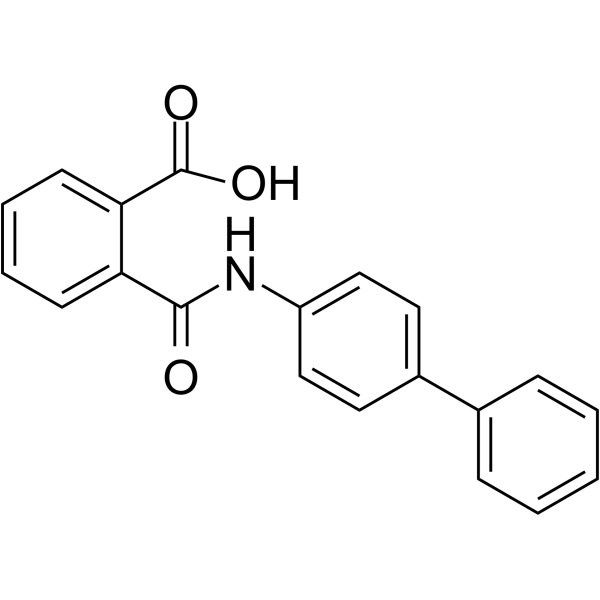
    Kartogenin (KGN) is an inducer of chondrogenic tissue formation (EC50: 100 nM). Kartogenin induces chondrogenesis by binding to fibrin A, disrupting its interaction with the transcription factor core binding factor beta subunit (CBFβ), and by modulating the CBFβ-RUNX1 transcriptional program. Kartogenin also promotes tendon-bone junction (TBJ) wound healing by stimulating collagen synthesis. Kartogenin is widely used in cell-free therapy in the field of regeneration for cartilage regeneration and protection, tendon-bone healing, wound healing and limb development. Kartogenin promotes cartilage repair, coordinates limb development, and is also used in osteoarthritis (OA) research .
    Kartogenin
  • HY-153126

    Biochemical Assay Reagents Bacterial Infection Metabolic Disease
    Yeast extract is a concentrate of the soluble components of yeast, especially Saccharomyces cerevisiae. Yeast extract is rich in nutritional components such as partially hydrolyzed proteins, free amino acids, B vitamins, and minerals. As a food ingredient, Yeast extract has both nutritional and flavoring properties. Yeast extract can also promote wound healing .
    Yeast extract
  • HY-B2149

    N,N,N′,N′-Tetrakis(2-hydroxypropyl)ethylenediamine; EDTP

    Environmental Pollutants Calcium Channel Metabolic Disease Inflammation/Immunology
    Quadrol is an immunostimulant that has been considered as a potentially useful active molecule for accelerating wound healing. Quadrol can form a complex with Ca 2+, mediate the entry of Ca 2+ into macrophages, and stimulate macrophage activation.
    Quadrol
  • HY-17505
    Candesartan Cilexetil
    5 Publications Verification

    TCV-116

    Angiotensin Receptor Apoptosis Cardiovascular Disease Neurological Disease Metabolic Disease Inflammation/Immunology Cancer
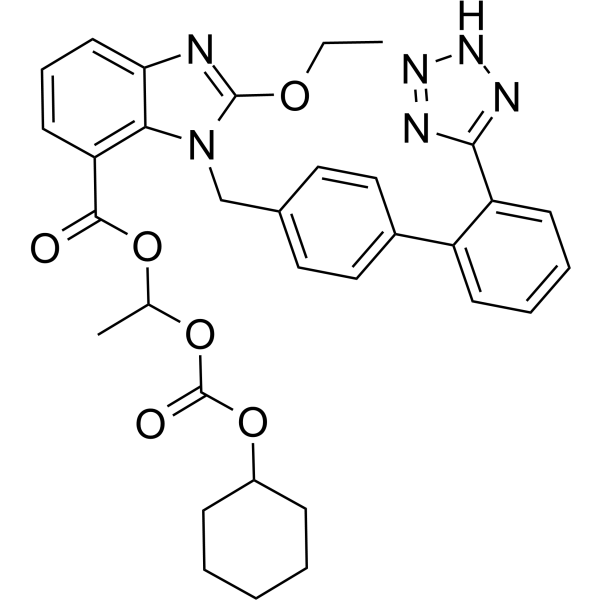
    Candesartan Cilexetil (TCV-116) is an angiotensin II receptor inhibitor. Candesartan Cilexetil ameliorates the pulmonary fibrosis and has antiviral and skin wound healing effect. Candesartan Cilexetil can be used for the research of high blood pressure .
    Candesartan Cilexetil
  • HY-P4744
    LL-37 amide
    2 Publications Verification

    Formyl Peptide Receptor (FPR) Bacterial Infection Cancer
    LL-37 amide is a selective agonist of formyl peptide receptor-like FPRL1, effectively inhibiting periodontal pathogens (ED99=8.5-8.7 μg/mL). LL-37 amide exerts its bactericidal effect by activating FPRL1-mediated immune cell chemotaxis and disrupting bacterial cell membrane integrity. It can also regulate inflammatory responses (inhibiting the release of factors such as TNF-α) and promote angiogenesis. Amidation modification reduces its sensitivity to serum inhibition and improves its stability. LL-37 amide possesses key activities in bactericidal action, immunomodulation, and wound healing, and is mainly used in research on infection-related diseases such as periodontal disease and deep tissue injuries (pressure ulcers), and wound healing .
    LL-37 amide
  • HY-N1381
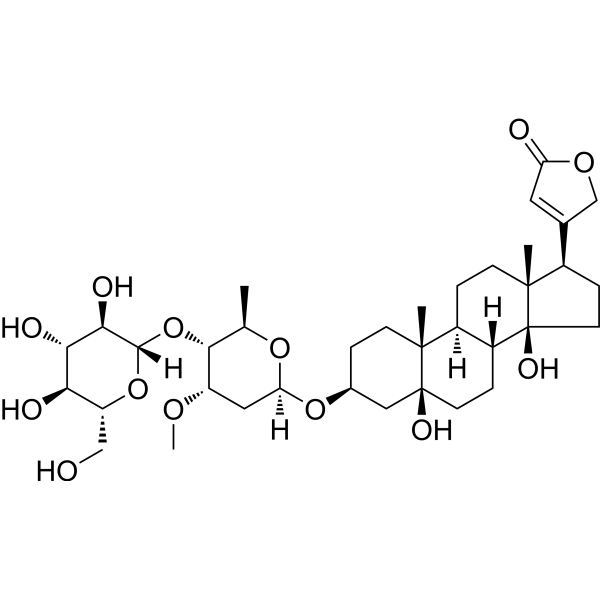
    Periplocin
    5+ Cited Publications

    Apoptosis Inflammation/Immunology Cancer
    Periplocin is a cardiotonic steroid isolated from root-bark Periploca sepium Bunge. Periplocin promotes tumor cell apoptosis and inhibits tumor growth. Periplocin has the potential to facilitate wound healing through the activation of Src/ERK and PI3K/Akt pathways mediated by Na/K-ATPase .
    Periplocin
  • HY-P0170
    TB500
    1 Publications Verification

    Drug Derivative Akt P2X Receptor Inflammation/Immunology
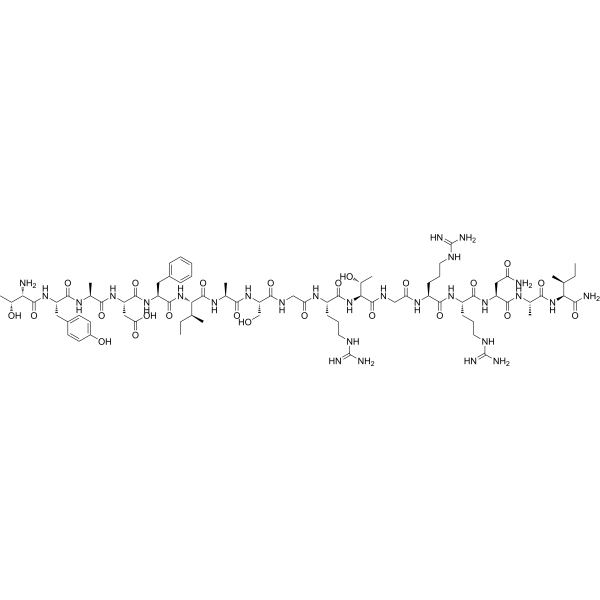
    TB500 is a synthetic version of an active region of thymosin β4. TB500 exhibits anti-fibrotic and wound healing activities by inhibiting the Akt signaling pathway and binding to actin. TB500 is claimed to promote endothelial cell differentiation, angiogenesis in dermal tissues, keratinocyte migration, collagen deposition and decrease inflammation .
    TB500
  • HY-N2551

    S-Methylmethionine sulfonium chloride

    Others Inflammation/Immunology
    Vitamin U (S-Methylmethionine sulfonium) chloride is an orally active anti-ulcer agent with antioxidant activity. Vitamin U inhibits adipocyte differentiation. Vitamin U promotes skin wound healing.Vitamin U can be used in the research of gastrointestinal ulceration .
    Vitamin U chloride
  • HY-P1222A
    LL-37, human TFA
    Maximum Cited Publications
    6 Publications Verification

    Bacterial Infection
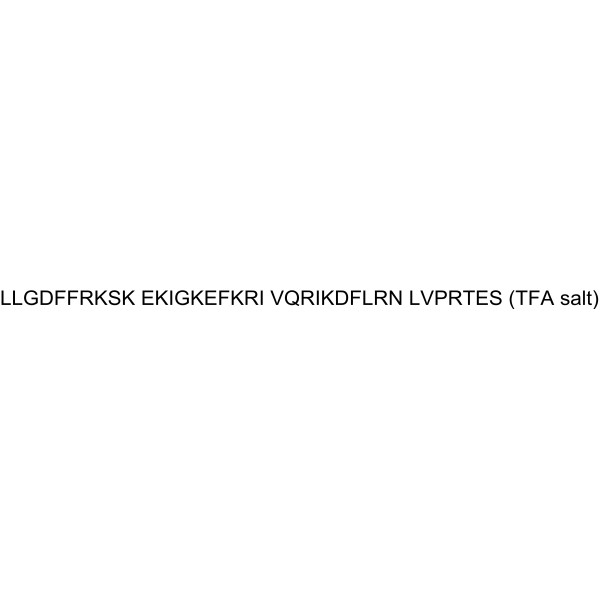
    LL-37, human TFA is a 37-residue, amphipathic, cathelicidin-derived antimicrobial peptide, which exhibits a broad spectrum of antimicrobial activity. LL-37, human TFA could help protect the cornea from infection and modulates wound healing .
    LL-37, human TFA
  • HY-134570
    ZINC40099027
    3 Publications Verification

    FAK Metabolic Disease Inflammation/Immunology
    ZINC40099027 is a selective FAK activator. ZINC40099027 promotes FAK phosphorylation, without activating its paralogs Pyk2 and Src. ZINC40099027 promotes the wound closure of human intestinal epithelial monolayers and the healing of mouse ulcers by activating FAK. ZINC40099027 can be used for diseases related to gastrointestinal mucosal injury research .
    ZINC40099027
  • HY-W127575

    delta-3,5-Cholestadiene

    PI3K Akt Inflammation/Immunology
    Cholesta-3,5-diene is an inflammatory modulator that targets immune cells such as neutrophils and accelerates wound healing by promoting neutrophil chemotaxis and fibroblast migration. Cholesta-3,5-diene enhances immune cell recruitment and extracellular matrix deposition by activating chemokine receptor-mediated signaling pathways such as PI3K/Akt. Cholesta-3,5-diene can be applied topically to wound repair and has potential therapeutic value in chronic ulcers or skin lesions .
    Cholesta-3,5-diene
  • HY-Y0775

    Biochemical Assay Reagents Collagen Others
    1-Bromo-2,5-pyrrolidinedione is a collagen protein ligand in docking experiments. 1-Bromo-2,5-pyrrolidinedione can be used to study wound healing-related diseases .
    1-Bromo-2,5-pyrrolidinedione
  • HY-B1074

    Etamsylate

    Prostaglandin Receptor Cardiovascular Disease Endocrinology
    Ethamsylate (Etamsylate) is an orally active anti-hemorrhagic compound. Ethamsylate inhibits biosynthesis and action of prostaglandins. Ethamsylate has the potential to maintain early hemostasis as well as restores capillary resistance. Ethamsylate acts as an antiangiogenic factor, inhibiting wound healing and matrigel tubulogenesis. .
    Ethamsylate
  • HY-P4855
    CRAMP (mouse)
    1 Publications Verification

    Bacterial TNF Receptor Infection Inflammation/Immunology
    CRAMP (mouse) is an antibacterial peptide and a functional homolog of LL-37 . CRAMP (mouse) exhibits potent antibacterial activity against Gram-negative bacteria . The complex formed by CRAMP (mouse) and CpG can activate macrophages to secrete TNF-α . CRAMP (mouse) plays a key role in wound healing, immune regulation and maintenance of intestinal homeostasis .
    CRAMP (mouse)
  • HY-105174A

    JAK FAK Neurological Disease Metabolic Disease
    BPC 157 acetate is an orally active peptide. BPC 157 acetate exhibits multiple activities such as promoting wound healing, tendon healing, neuroprotection, and gastrointestinal protection. BPC 157 acetate can be used in the research of tendon injury, burn, gastric ulcer, and neurological diseases .
    BPC 157 acetate
  • HY-N6028
    Darutoside
    1 Publications Verification

    COX NF-κB Interleukin Related TNF Receptor Inflammation/Immunology
    Darutoside is an orally effective diterpene compound with significant anti-inflammatory, analgesic, wound healing promotion, and immunomodulatory activities. Darutoside reduces edema and pain responses by inhibiting the expression of COX-2 and the migration of inflammatory cells. It regulates macrophage polarization towards the M2 type by inhibiting the NF-κB pathway, alleviating inflammation and promoting wound healing. Through multi-target regulation of metabolic networks, Darutoside significantly alleviates acute gouty arthritis .
    Darutoside
  • HY-120435

    Environmental Pollutants Antibiotic Bacterial Influenza Virus Fungal Infection
    Tyrothricin is a polypeptide antibiotic mixture isolated from Bacillus brevis and consists of tyrocidines and gramicidins. Tyrothricin shows activity against bacteria, fungi and some viruses. Tyrothricin containing formulations are used in sore throat agents and in agents for the healing of infected superficial and small-area wounds .
    Tyrothricin
  • HY-116282I

    DSS (MW>500000); DXS (MW>500000)

    HSV SARS-CoV Inflammation/Immunology
    Dextran sulfate sodium salt (MW>500000) (DSS (MW>500000)) is a negatively charged sulfated polysaccharide. Dextran sulfate sodium salt has antiviral, antibacterial, anti-inflammatory, antifibrotic, and wound-healing properties. Dextran sulfate sodium salt can be used as an additive in cell culture media for preventing cell aggregation and in cosmetics as a gel-forming agent .
    Dextran sulfate sodium salt (MW>500000)
  • HY-B2144J

    Deacetylated chitin (≥90% deacetylated,viscosity 650-700 mPa.s); Poly(D-glucosamine) (≥90% deacetylated,viscosity 650-700 mPa.s)

    Environmental Pollutants Biochemical Assay Reagents Bacterial Fungal Infection Cancer
    Chitosan (Deacetylated chitin) (≥90% deacetylated, viscosity 650-700 mPa.s) is a polysaccharide obtained by deacetylating chitin, and exhibits antimicrobial activity against various bacteria and fungi. Chitosan (≥90% deacetylated, viscosity 650-700 mPa.s) can be used as a versatile biomaterial in drug delivery, tissue engineering, and wound healing .
    Chitosan (≥90% deacetylated,viscosity 650-700 mPa.s)
  • HY-W041988

    Bacterial Infection
    Fmoc-Glu-OMe is a glutamic acid derivative. Fmoc-Glu-OMe exhibits significant antibacterial activity and excellent gelation properties in silver nitrate (AgNO3) solution. Fmoc-Glu-OMe promotes wound healing in rat models and eliminates bacteria in MRSA-infected rat wound models. Fmoc-Glu-OMe can be used in studies related to wound infections and MRSA-infected wounds .
    Fmoc-Glu-OMe
  • HY-B2191

    Guaiazulenesulfonate sodium

    Drug Derivative Inflammation/Immunology
    Sodium gualenate (Guaiazulenesulfonate sodium) is a hydrophilic derivative of guaiazulene with excellent anti-inflammatory and wound-healing effects mainly used for the treatment of duodenal ulcer, gastric ulcer and gastritis.
    Sodium gualenate
  • HY-125553

    Serilesine

    Amino Acid Derivatives Others
    Hexapeptide-10 (Serilesine) is a synthetic hexapeptide. Hexapeptide-10 promotes wound healing and tissue remodeling. Hexapeptide-10 is applicable in cosmetic research .
    Hexapeptide-10
  • HY-P1222B
    LL-37, human acetate
    Maximum Cited Publications
    6 Publications Verification

    Bacterial Infection Inflammation/Immunology
    LL-37, human acetate is a 37-residue, amphipathic, cathelicidin-derived antimicrobial peptide, which exhibits a broad spectrum of antimicrobial activity. LL-37, human acetate could help protect the cornea from infection and modulates wound healing .
    LL-37, human acetate
  • HY-N6613

    Galacturonic acid polymer

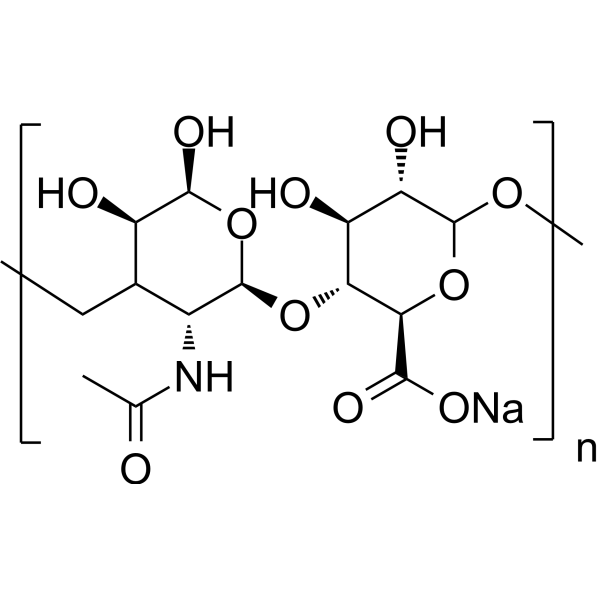
    Others Infection Inflammation/Immunology
    Polygalacturonic acid (Galacturonic acid polymer) is transparent colloid, is a major component of the cell wall. Polygalacturonic acid can be used to prepare silver nanoparticles (AgNPs), as an antioxidant and anti-inflammatory that protect cells from destructive effect of elevated ROS and accelerate wound healing. Polygalacturonic acid nanoparticles also displays anti-bacterial activity .
    Polygalacturonic acid
  • HY-116282M

    Bacterial Inflammation/Immunology
    Dextran sulfate, low sulfate (MW 40000), a biopolymer, is a sulfated polysaccharide. Dextran sulfate, low sulfate (MW 40000) has antiviral, antibacterial, anti-inflammatory, antifibrotic, and wound-healing properties. Dextran sulfate can be used as an additive in cell culture media for preventing cell aggregation and in cosmetics as a gel-forming agent .
    Dextran sulfate, low sulfate (MW 40000)
  • HY-N2540

    (±)-5,7-Dihydroxyflavanone; NSC 43318

    Free Fatty Acid Receptor Others
    (±)-Pinocembrin ((±)-5,7-Dihydroxyflavanone) is a GPR120 ligand able to promote wound healing in HaCaT cell line .
    (±)-Pinocembrin
  • HY-108249

    Histamine Receptor Inflammation/Immunology Cancer
    Tribenoside is a vasoprotective agent, can be used for the research of hemorrhoids. Tribenoside has mild anti-inflammatory, analgesic, and wound healing properties .
    Tribenoside
  • HY-134636
    PAPA NONOate
    2 Publications Verification

    Endogenous Metabolite Endocrinology
    PAPA NONOate is a NO donor with a NO release half-life of 77 min (22-25°C). PAPA NONOate may represent a potential research for impaired wound healing in diabetes by increasing the rate of collagen synthesis at the wound site .
    PAPA NONOate
  • HY-124373

    MMP Metabolic Disease
    ND-336 is a selective inhibitor of matrix metalloproteinase (MMP)-2, MMP-9, and MMP-14, with Kis of 85, 150, and 120 nM, respectively. ND-336 accelerates diabetic wound healing in mice by lowering inflammation and by enhancing angiogenesis and re-epithelialization of the wound .
    ND-336
  • HY-N1198

    Parasite Fungal NO Synthase Interleukin Related NF-κB p38 MAPK Na+/K+ ATPase PERK JNK Akt PI3K Infection Neurological Disease Inflammation/Immunology
    Strictosamide is a compound that can be isolated from Nauclea officinalis. Strictosamide has various activities such as anti-inflammatory, analgesic, anti-Plasmodium, antifungal, and promoting wound healing .
    Strictosamide
  • HY-112362

    Rockout; 3-(4-Pyridinyl)-1H-indole; Rho Kinase Inhibitor III, Rockout

    ROCK Inflammation/Immunology
    3-(4-Pyridyl)indole (Rockout) is a Rho-kinase (ROCK) inhibitor, with an IC50 of 25 μM. 3-(4-Pyridyl)indole can inhibit blebbing and cause dissolution of actin stress fibers in a wound healing assay .
    3-(4-Pyridyl)indole
  • HY-P5557

    Bacterial Necroptosis Infection Inflammation/Immunology
    TP4 (Nile tilapia piscidin) is an orally active amphipathic α-helical cationic antimicrobial peptide. TP4 (Nile tilapia piscidin) exerts broad-spectrum bactericidal activity against Gram-positive and Gram-negative bacteria by disrupting cell membrane structures, and also exhibits certain hemolytic activity. TP4 (Nile tilapia piscidin) regulates the innate immune system and enhances the expression of lysozymes, cytokines and antioxidant enzymes to resist bacterial infection. TP4 (Nile tilapia piscidin) also stimulates the proliferation of keratinocytes and fibroblasts, and significantly promotes the healing of wounds infected with MRSA. TP4 (Nile tilapia piscidin) can be used in research related to bacterial infection, peritonitis, wound healing and other fields .
    TP4 (Nile tilapia piscidin)
  • HY-P2463

    Arp2/3 Complex Inflammation/Immunology
    Fequesetide, a peptide segment, is the active site within the protein thymosin β4 responsible for actin binding, cell migration and wound healing .
    Fequesetide
  • HY-110050

    Cannabinoid Receptor Neurological Disease Inflammation/Immunology
    GP1a is a potent agonist of cannabinoid receptor 2 (CB2). Gp1a is beneficial to skin wound healing. GP1a inhibits inflammation and fibrogenesis while promoting re-epithelialization .
    GP1a
  • HY-117522
    Sepin-1
    2 Publications Verification

    Separase Cancer
    Sepin-1 is a potent separase inhibitor with an IC50 value of 14.8 µM. Sepin-1 inhibits cell proliferation, migration and wound healing. Sepin-1 decreases the expression of FoxM1 protein and mRNA level. Sepin-1 shows anti-tumor activity .
    Sepin-1
  • HY-P4744A
    LL-37 amide TFA
    2 Publications Verification

    Formyl Peptide Receptor (FPR) Bacterial Infection Cancer
    LL-37 amide TFA is a selective agonist of formyl peptide receptor-like FPRL1, effectively inhibiting periodontal pathogens (ED99=8.5-8.7 μg/mL). LL-37 amide TFA exerts its bactericidal effect by activating FPRL1-mediated immune cell chemotaxis and disrupting bacterial cell membrane integrity. It can also regulate inflammatory responses (inhibiting the release of factors such as TNF-α) and promote angiogenesis. Amidation modification reduces its sensitivity to serum inhibition and improves its stability. LL-37 amide TFA possesses key activities in bactericidal action, immunomodulation, and wound healing, and is mainly used in research on infection-related diseases such as periodontal disease and deep tissue injuries (pressure ulcers), and wound healing .
    LL-37 amide TFA
  • HY-P10363

    TGF-β Receptor Others
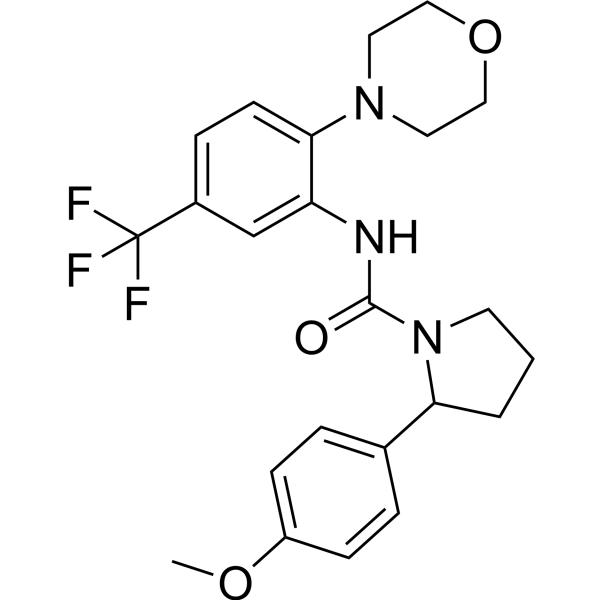
    Tiger17 is an effective wound healing agent. Tiger17 is able to induce the secretion of TGF-β1 and acts through the Smad signaling pathway, specifically promoting wound healing by increasing the phosphorylation of Smad2 and Smad3 .
    Tiger17
  • HY-N1507

    Estrogen Receptor/ERR Cancer
    Tracheloside is an antiestrogenic lignin. Tracheloside promotes keratinocyte proliferation through ERK1/2 stimulation. Tracheloside is a good candidate to promote wound healing .
    Tracheloside
  • HY-16268A
    Kartogenin sodium
    30+ Cited Publications

    KGN sodium

    TGF-beta/Smad Inflammation/Immunology
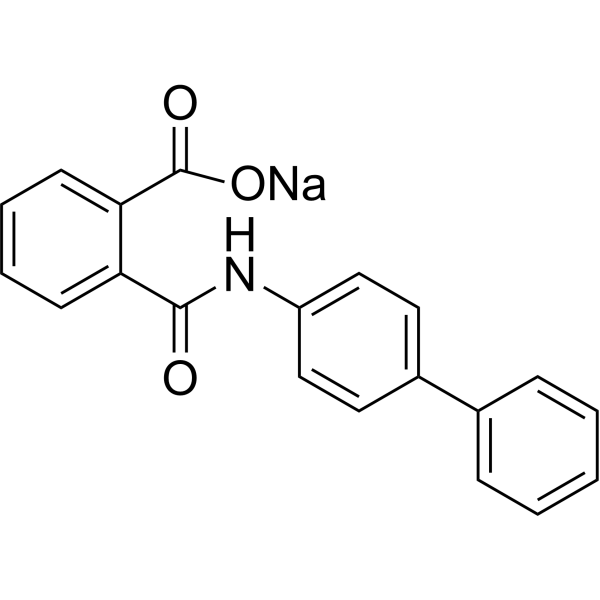
    Kartogenin (KGN) sodium is an inducer of chondrogenic tissue formation (EC50: 100 nM). Kartogenin sodium induces chondrogenesis by binding to fibrin A, disrupting its interaction with the transcription factor core binding factor beta subunit (CBFβ), and by modulating the CBFβ-RUNX1 transcriptional program. Kartogenin sodium also promotes tendon-bone junction (TBJ) wound healing by stimulating collagen synthesis. Kartogenin sodium is widely used in cell-free therapy in the field of regeneration for cartilage regeneration and protection, tendon-bone healing, wound healing and limb development. Kartogenin sodium promotes cartilage repair, coordinates limb development, and is also used in osteoarthritis (OA) research .
    Kartogenin sodium
  • HY-132187

    TGF-beta/Smad TRP Channel Apoptosis PAI-1 Cardiovascular Disease Neurological Disease Metabolic Disease Inflammation/Immunology Cancer
    Sphingosylphosphorylcholine is a bioactive lipid and a major component of plasma high-density lipoprotein that binds to OGR1 with a Kd of 33.3 nM. Sphingosylphosphorylcholine triggers delayed phosphorylation of Smad2, upregulates α-SMA expression, and activates TRPM3. Sphingosylphosphorylcholine reduces Apoptosis and upregulates the expression of uPA and its receptor uPA-R. Sphingosylphosphorylcholine exerts anti-apoptotic, anti-cardiac hypertrophy and pro-wound healing effects. Sphingosylphosphorylcholine induces scratching behavior in mice. Sphingosylphosphorylcholine is used in studies related to atopic dermatitis, promyelocytic leukemia, heart failure, myocardial ischemia/reperfusion injury, ovarian cancer, breast cancer, pancreatic cancer, and skin wound healing disorders in genetically impaired healing diabetes .
    Sphingosylphosphorylcholine
  • HY-B2191R

    Guaiazulenesulfonate sodium (Standard)

    Drug Derivative Reference Standards Inflammation/Immunology
    Sodium gualenate (Standard) is the analytical standard of Sodium gualenate. This product is intended for research and analytical applications. Sodium gualenate (Guaiazulenesulfonate sodium) is a hydrophilic derivative of guaiazulene with excellent anti-inflammatory and wound-healing effects mainly used for the treatment of duodenal ulcer, gastric ulcer and gastritis.
    Sodium gualenate (Standard)
  • HY-B2144I

    Deacetylated chitin (≥90% deacetylated,viscosity 10 mPa.s); Poly(D-glucosamine) (≥90% deacetylated,viscosity 10 mPa.s)

    Environmental Pollutants Biochemical Assay Reagents Bacterial Fungal Infection Cancer
    Chitosan (Deacetylated chitin) (≥90% deacetylated,viscosity 10 mPa.s) is a polysaccharide obtained by deacetylating chitin, and exhibits antimicrobial activity against various bacteria and fungi. Chitosan (≥90% deacetylated,viscosity 10 mPa.s) can be used as a versatile biomaterial in drug delivery, tissue engineering, and wound healing .
    Chitosan (≥90% deacetylated,viscosity 10 mPa.s)
  • HY-P1884

    Bacterial Infection
    LL-37, acetylated, amidated is a cathelicidin peptide LL-37 acetylated on the N-terminus and amidated on the C-terminus. The single human cathelicidin peptide LL-37 has antimicrobial and anti-biofilm activity against multiple Gram-positive and Gram-negative human pathogens, and has wound-healing effects on the host .
    LL-37, acetylated,amidated
  • HY-N6577

    EGFR Neurological Disease Inflammation/Immunology
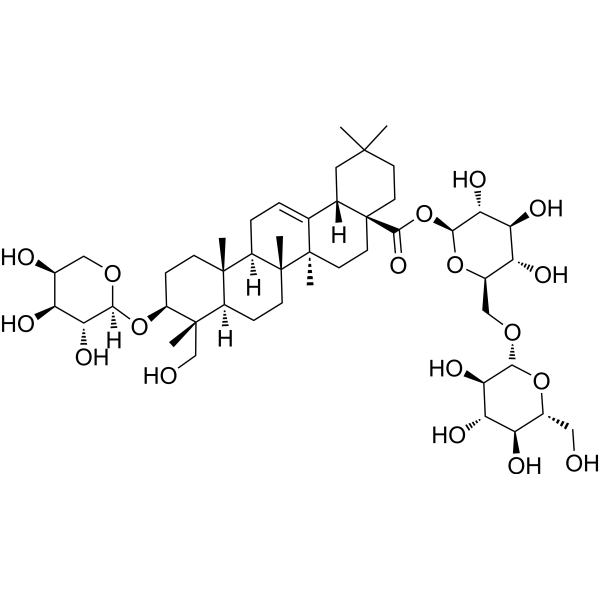
    Astragaloside VI could activate EGFR/ERK signalling pathway to improve wound healing.
    Astragaloside VI
  • HY-13710

    Histamine Receptor Potassium Channel Endogenous Metabolite Neurological Disease
    Dimethindene is a potent, selective histamine H1 antagonist. Dimethindene impairs cutaneous wound healing (WH). Dimethindene can block K + currents .
    Dimethindene
  • HY-116198

    15-PGDH Metabolic Disease
    15-PGDH-IN-2 (Compound 2) is a 15-PGDH inhibitor with an IC50 value of 0.274 nM. 15-PGDH-IN-2 can be used in research on hair loss, bone formation, gastric ulcer healing, and dermal wound healing .
    15-PGDH-IN-2
  • HY-137273

    Somatostatin Receptor MMP Inflammation/Immunology
    Sucrose octasulfate sodium, a derivative of sulfated oligosaccharides, is a matrix metalloproteinase (MMP) inhibitor. Sucrose octasulfate sodium stimulates the release of somatostatin-like immunoreactivity (SLI) from the stomach by acting directly on D cells in the gastric mucosa. Sucrose octasulfate sodium exerts its ulcer-healing effect by releasing endogenous gastric somatostatin. Sucrose octasulfate sodium can be used as a pharmaceutical excipient and significantly improves wound closure in diabetic foot ulcers caused by nerve ischemia and venous leg ulcers. Sucrose octasulfate sodium can be used in the study of chronic wound healing .
    Sucrose octasulfate sodium

Inquiry Online

Your information is safe with us. * Required Fields.

Salutation


Country or Region *

Applicant Name *


Organization Name *

Department *


Email Address *


Product Name *

Cat. No.


Requested quantity *

Phone Number *


Remarks

Inquiry Online

Inquiry Information

Product Name:
Cat. No.:
Quantity:
MCE Japan Authorized Agent:

