1. Search Result
Search Result
Results for "

anti-arrhythmic activity

" in MedChemExpress (MCE) Product Catalog:

82

Inhibitors & Agonists

12

Natural
Products

6

Isotope-Labeled Compounds

Cat. No. Product Name Target Research Areas Chemical Structure
  • HY-103160A
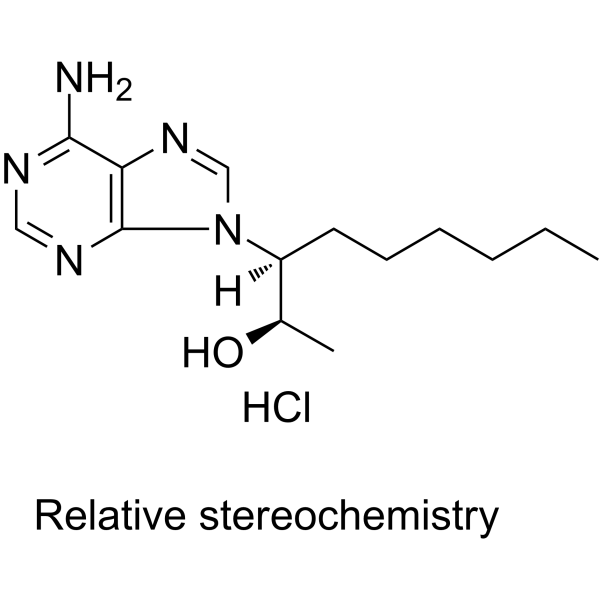
    EHNA hydrochloride
    5 Publications Verification

    Adenosine Deaminase Phosphodiesterase (PDE) Influenza Virus Infection Cardiovascular Disease Neurological Disease Cancer
    EHNA hydrochloride is a potent and selective dual inhibitor of cyclic nucleotide phosphodiesterase 2 (PDE2)(IC50=4 μM) and adenosine deaminase (ADA). EHNA hydrochloride exerts a concentration inhibition of the cGMP-stimulated PDE II (cGs-PDE)(IC50:0.8 μM (human), 2 μM (porcine myocardium)), but has smaller inhibitory effect on the unstimulated PDE2 activity. EHNA hydrochloride play roles in mediating diverse pharmacological responses, including antiviral, antitumour and antiarrhythmic effects .
    EHNA hydrochloride
  • HY-N0596
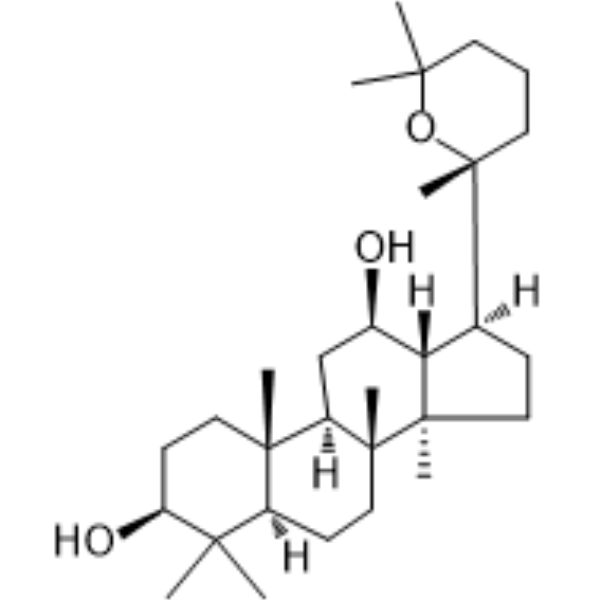
    Panaxadiol
    4 Publications Verification

    20(R)-Panaxadiol

    PD-1/PD-L1 HIF/HIF Prolyl-Hydroxylase STAT Cancer
    Panaxadiol (20(R)-Panaxadiol) is an orally active HIF-1α/STAT3 inhibitor. Panaxadiol can suppress HIF-1α and STAT3 then lead to downregulation of programmed cell death-ligand 1 (PD-L1) expression. Panaxadiol shows anticancer, cardioprotective, anti-arrhythmic, and antioxidative activities .
    Panaxadiol
  • HY-B0997

    Dihydroquinidine; (+)-Hydroquinidine; Hydroconquinine

    Others Cardiovascular Disease Cancer
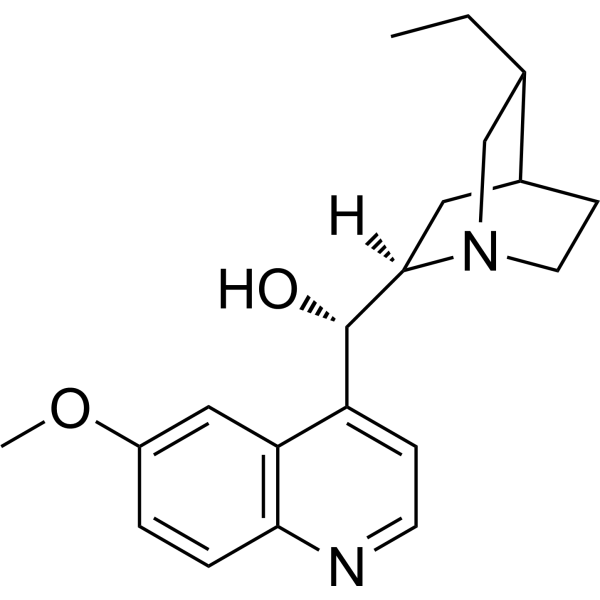
    Hydroquinidine (Dihydroquinidine) is a potent ion channel blocker, which exhibits strong anti-cancer activity on colon, pancreatic, and hepatocellular cancer cells. Hydroquinidine prolongs the QT interval and has antiarrhythmic efficacy .
    Hydroquinidine
  • HY-N0663

    Mitochondrial Metabolism Cyclophilin Potassium Channel Cardiovascular Disease Neurological Disease Inflammation/Immunology
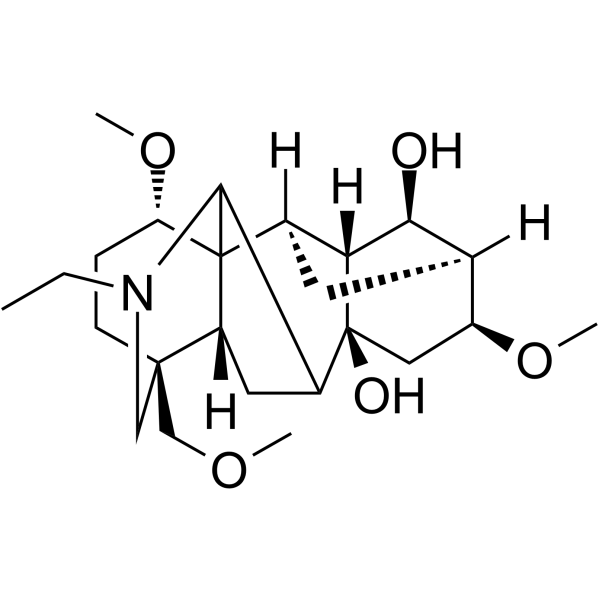
    Talatisamine is an orally active cyclophilin D activator isolated from the roots of Aconitum carmichaeli Debx. Talatisamine exerts biological functions by activating cyclophilin D, inhibiting Ca 2+-dependent opening of the mitochondrial permeability transition pore (mPTP) (IC50=78 μM), and blocking delayed rectifier K + channels (IC50=146 μM). Talatisamine possesses both antioxidant and membrane-stabilizing properties, effectively inhibits lipid peroxidation and protects mitochondrial membrane function. Talatisamine exhibits multiple activities including antiarrhythmic, hypotensive, anti-inflammatory, anticancer and neuroprotective effects. Talatisamine finds applications in the research of ischemic diseases, rheumatoid arthritis, inflammation-related diseases and Alzheimer's disease .
    Talatisamine
  • HY-A0082

    Difenidol hydrochloride

    mAChR Sodium Channel Neurological Disease
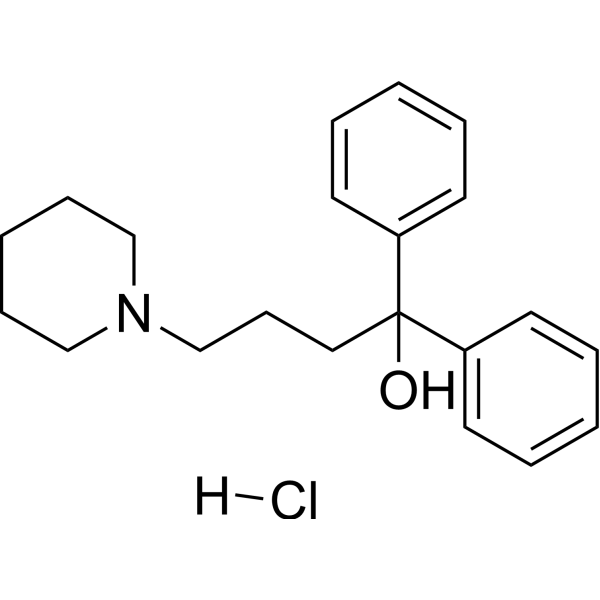
    Diphenidol hydrochloride (Difenidol hydrochloride) is a non-selective muscarinic M1-M4 receptor antagonist, has anti-arrhythmic activity. Diphenidol hydrochloride is also a potent non-specific blocker of voltage-gated ion channels (Na +, K +, and Ca 2+) in neuronal cells. Diphenidol hydrochloride can be used in the study of antivertigo and antinausea .
    Diphenidol hydrochloride
  • HY-B1194

    (±)-Tetramisole hydrochloride; DL-Tetramisole hydrochloride; R-829

    Potassium Channel Parasite PKA Infection Cardiovascular Disease
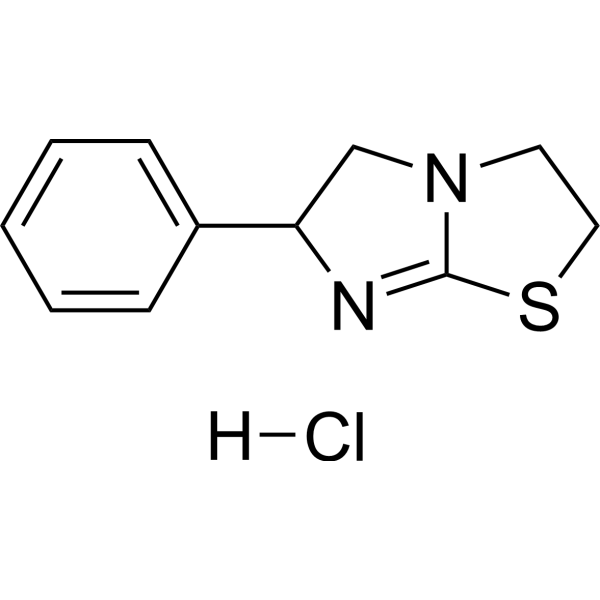
    Tetramisole hydrochloride is an orally active, selective inward rectifier potassium channel agonist with an EC50 of approximately 30 μM for the Kir2.1 subunit. Tetramisole hydrochloride is also an anti-nematode agent that blocks neuromuscular transmission by non-competitive depolarization. Tetramisole hydrochloride promotes the forward transport of Kir2.1 channels, hyperpolarizes the resting potential (RP), shortens the action potential duration (APD), inhibits intracellular calcium overload and the PKA signaling pathway, and exerts anti-arrhythmic and anti-myocardial remodeling activities. Tetramisole hydrochloride can be used in cardiac electrophysiology research and research related to myocardial ischemia and heart failure .
    Tetramisole hydrochloride
  • HY-40294

    Monoamine Oxidase GSK-3 LRRK2 Cardiovascular Disease Neurological Disease Cancer
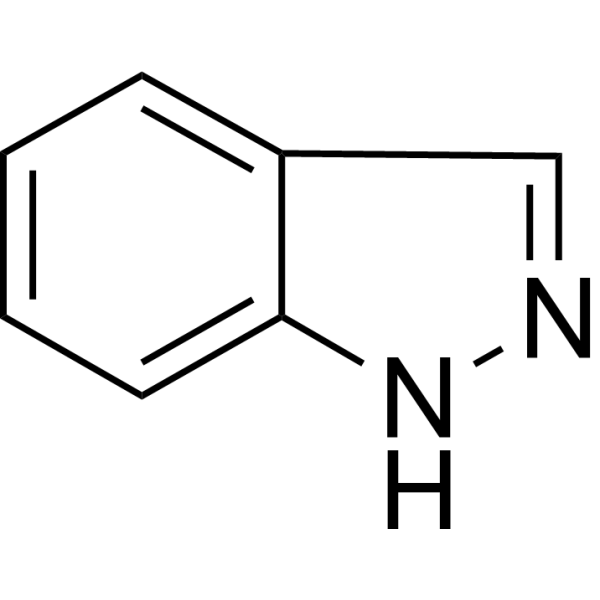
    Indazole, also called isoindazole, a heterocyclic aromatic organic compound. Its derivatives display a broad variety of biological activities including anti-inflammatory, antibacterial, anti-HIV, antiarrhythmic, antifungal and antitumour properties. Indazole and its derivatives can be used for research of cancer, neurological disorders, cardiovascular diseases, gastrointestinal diseases .
    Indazole
  • HY-W013724

    IDP disodium; Inosine-5'-diphosphoric acid disodium

    c-Myc Apoptosis Cardiovascular Disease Inflammation/Immunology Cancer
    Inosine-5'-diphosphate disodium (IDP disodium) is a decoy substrate of NM23-H2. Inosine-5'-diphosphate disodium has a superior bond capacity on GDP-binding pocket of NM23-H2 (KD: 5.0 μM). Inosine-5'-diphosphate disodium abrogates c-MYC transcription, induces apoptosis and G2/M cell cycle arrest by disrupting NM23-H2-Pu27-GQ interactions without affecting NM23-H2-mediated kinase properties. Inosine-5'-diphosphate disodium has antihypoxic, antihyperthermic and antiarrhythmic activity and protects animals against the noxious effects of γ-irradiation. Inosine-5'-diphosphate disodium can be used for cancers like Burkitt's lymphoma and cardiovascular diseases research .
    Inosine-5'-diphosphate disodium
  • HY-N2080

    GABA Receptor Neurological Disease Cancer
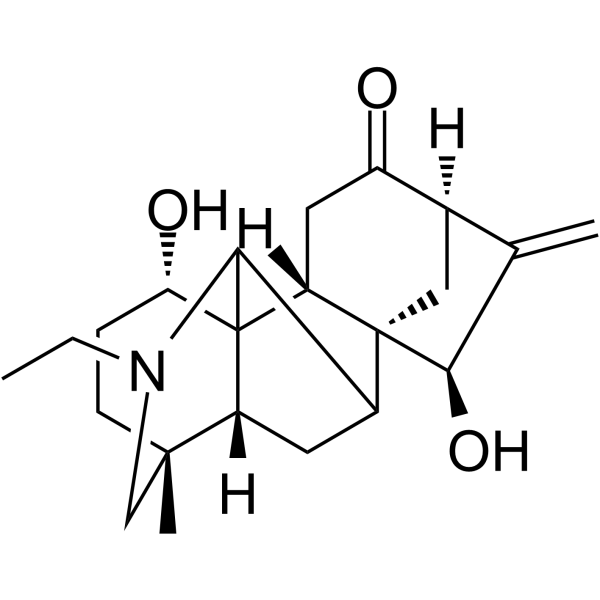
    Songorine is a BBB-permeable diterpenoid alkaloid isolated from the genus Aconitum. Songorine is a GABAA receptor antagonist in rat brain and has anti cancer, antiarrhythmic and anti-inflammatory activities. Songorine has the potential for the treatment of Epithelial ovarian cancer (EOC) .
    Songorine
  • HY-N0747

    Potassium Channel PI3K NF-κB Akt p38 MAPK ERK COX NO Synthase JNK Apoptosis Cardiovascular Disease Inflammation/Immunology Cancer
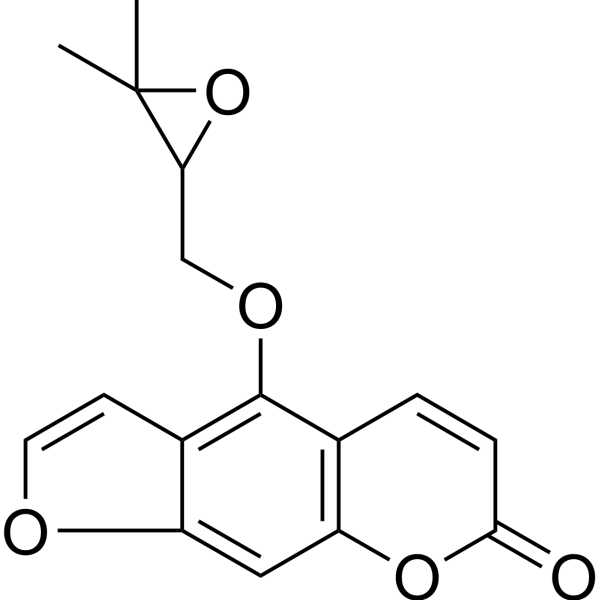
    Oxypeucedanin is a furanocoumarin derivative found in Angelica dahurica. Oxypeucedanin is an orally active PI3K/AKT/NF-κB, MAPK, and ROS inhibitor. Oxypeucedanin induces cell cycle arrest and apoptosis. Oxypeucedanin inhibits hKv1.5 channel currents (IC50: 76 nM). Oxypeucedanin exhibits anticancer, anti-inflammatory, antioxidant and antiarrhythmic activities .
    Oxypeucedanin
  • HY-149101

    IDP; Inosine-5'-diphosphoric acid

    c-Myc Apoptosis Cardiovascular Disease Inflammation/Immunology Cancer
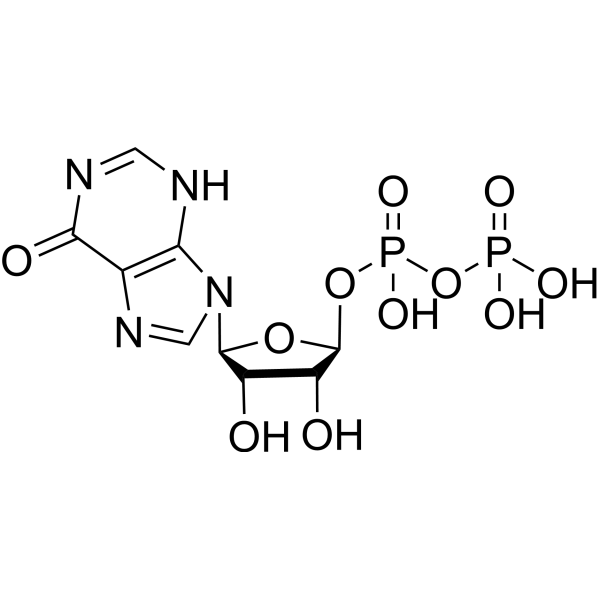
    Inosine-5'-diphosphate (IDP) is a decoy substrate of NM23-H2. Inosine-5'-diphosphate has a superior bond capacity on GDP-binding pocket of NM23-H2 (KD: 5.0 μM). Inosine-5'-diphosphate abrogates c-MYC transcription, induces apoptosis and G2/M cell cycle arrest by disrupting NM23-H2-Pu27-GQ interactions without affecting NM23-H2-mediated kinase properties. Inosine-5'-diphosphate has antihypoxic, antihyperthermic and antiarrhythmic activity and protects animals against the noxious effects of γ-irradiation. Inosine-5'-diphosphate can be used for cancers like Burkitt's lymphoma and cardiovascular diseases research .
    Inosine-5'-diphosphate
  • HY-14834A

    ATI-2042 tartrate

    Potassium Channel Sodium Channel Calcium Channel Cardiovascular Disease
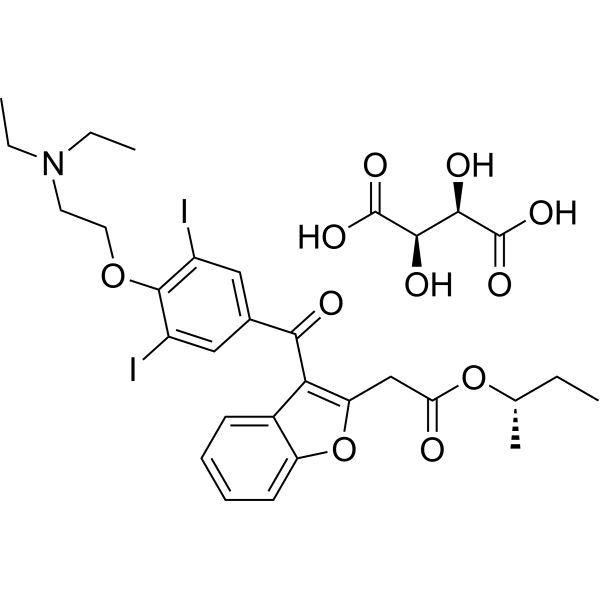
    Budiodarone (ATI-2042) tartrate is a chemical analogue of Amiodarone (HY-14187) with balanced, multiple cardiac ion channel (potassium, sodium and calcium channels) inhibiting activity. Budiodarone tartrate is an antiarrhythmic agent .
    Budiodarone tartrate
  • HY-N7491A

    Calcium Channel Cancer
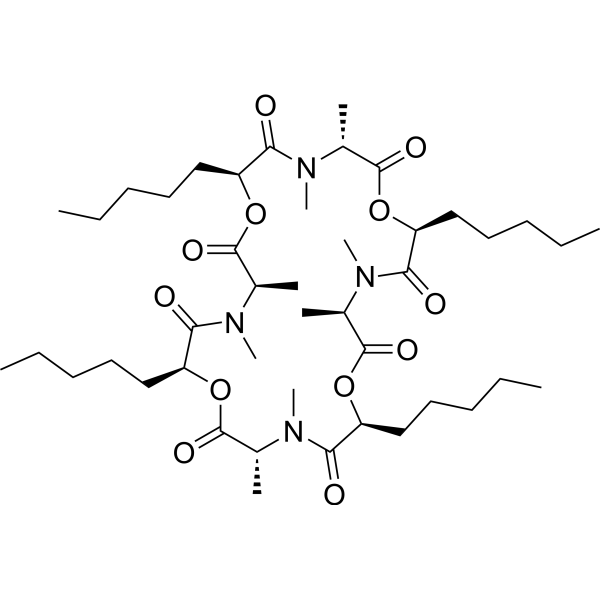
    ent-(+)-verticilide is a potent and selective inhibitor of cardiac ryanodine receptor (RyR2) calcium release channels with antiarrhythmic activity. ent-(+)-verticilide inhibits RyR2-mediated diastolic Ca2+ leak and exhibits higher potency and a distinct mechanism of action compared with theDantrolene and Tetracaine. ent-(+)-verticilide is a useful tool to investigate the therapeutic potential of targeting RyR2 hyperactivity in heart and brain pathologies .
    Ent-(+)-Verticilide
  • HY-106577

    Cifenline; Ro 22-7796

    Potassium Channel Cardiovascular Disease Metabolic Disease
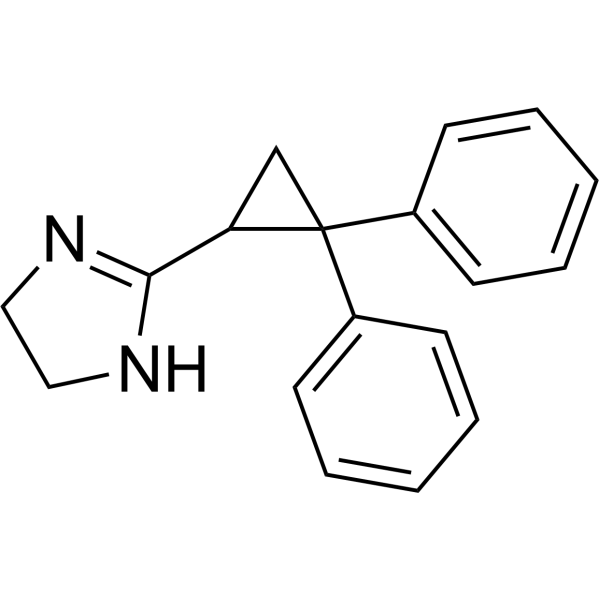
    Cibenzoline is a class Ia antiarrhythmic active molecule with low anticholinergic activity. Cibenzoline is a KATP channel inhibitor, acting through the pore forming subunit Kir6.2, with an IC50 of 22.2 μM. Cibenzoline inhibits IKr and IKs currents with IC50 values of 8.8 μM and 12.3 μM, respectively. Cibenzoline is used in the study of cardiac diseases. In addition, Cibenzoline can induce hypoglycemia .
    Cibenzoline
  • HY-A0236

    Sodium Channel Potassium Channel Calcium Channel Calmodulin Cardiovascular Disease
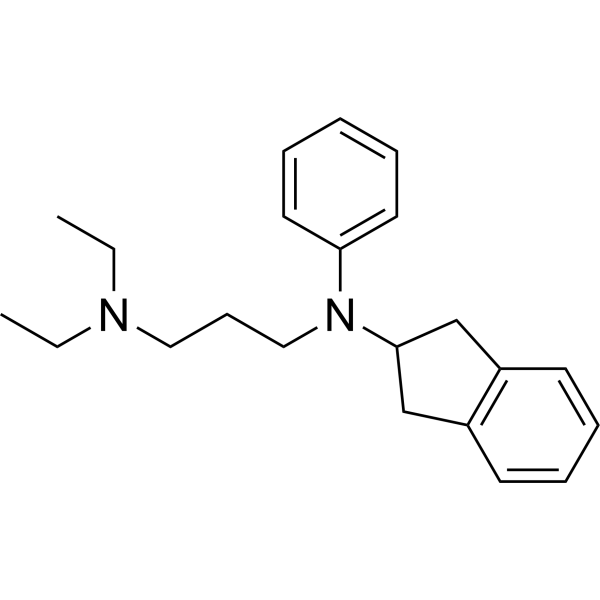
    Aprindine is an Ib-class anti-arrhythmic agent. Aprindine mainly exerts its effect by blocking sodium channels (INa), thereby reducing the excitability and conduction velocity of cardiac muscle cells. Aprindine significantly inhibits delayed potassium currents, which helps to prolong the atrial effective refractory period (AERP) and inhibit the occurrence of atrial fibrillation. Aprindine can also regulate intracellular calcium ion concentration by inhibiting Na +/Ca 2+ exchange current (INCX), thereby further stabilizing cardiac electrical activity. Aprindine can be used for the study of atrial fibrillation (AF) and ventricular arrhythmias .
    Aprindine
  • HY-130335

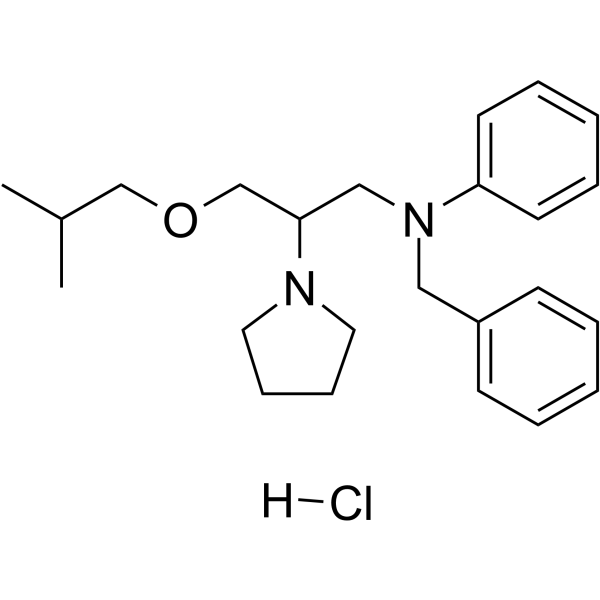
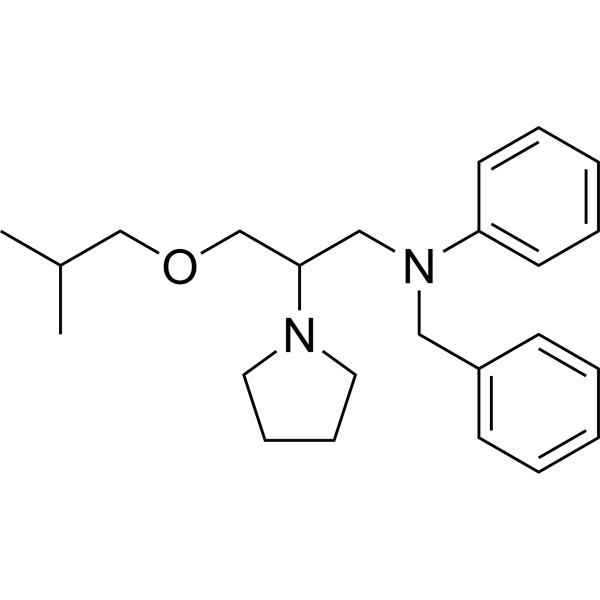
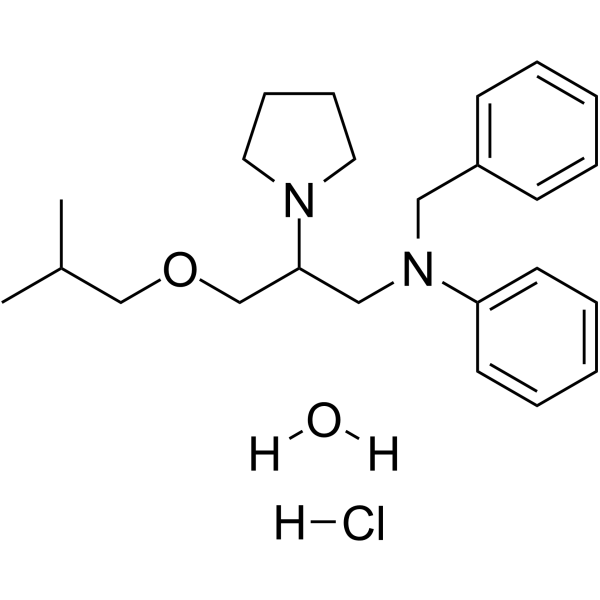
    MJ9067

    Sodium Channel Cardiovascular Disease
    Encainide (MJ9067) is an antiarrhythmic agent with class IC activity. Encainide blocks voltage-dependent potassium channels. Encainide has the potential for life-threatening ventricular arrhythmias, symptomatic ventricular arrhythmias and supraventricular arrhythmias research .
    Encainide
  • HY-A0236A

    Sodium Channel Potassium Channel Calcium Channel Calmodulin Cardiovascular Disease
    Aprindine hydrochloride is an Ib-class anti-arrhythmic agent. Aprindine hydrochloride mainly exerts its effect by blocking sodium channels (INa), thereby reducing the excitability and conduction velocity of cardiac muscle cells. Aprindine hydrochloride significantly inhibits delayed potassium currents, which helps to prolong the atrial effective refractory period (AERP) and inhibit the occurrence of atrial fibrillation. Aprindine hydrochloride can also regulate intracellular calcium ion concentration by inhibiting Na +/Ca 2+ exchange current (INCX), thereby further stabilizing cardiac electrical activity. Aprindine hydrochloride can be used for the study of atrial fibrillation (AF) and ventricular arrhythmias .
    Aprindine hydrochloride
  • HY-131987S

    Isotope-Labeled Compounds Sodium Channel Cardiovascular Disease
    Ethacizine-d5 is the deuterium labeled Ethacizine (HY-131987). Ethacizine is an antiarrhythmic agent with inhibitory activity on sodium channels.
    Ethacizine-d5
  • HY-106718

    Sodium Channel Cardiovascular Disease
    Barucainide is an Ib-class anti-arrhythmic agent (moderately blocking sodium channel). Barucainide exhibits concentration-dependent inhibitory effects on the maximum upstroke velocity (Vmax) of Purkinje fibers and ventricular muscle in dogs. Barucainide significantly shortens the action potential duration (APD). Barucainide significantly inhibits the pacemaker activity frequency of atrial tissue in rabbits and the enhanced automaticity of Purkinje fibers under normal resting potential in response to isoproterenol. Barucainide cannot inhibit the abnormal automaticity emission frequency of canine Purkinje fibers induced by barium. Barucainide can be used for research on arrhythmias .
    Barucainide
  • HY-101668

    RS-100302

    5-HT Receptor Cardiovascular Disease
    Sulamserod is a 5-HT4 receptor antagonist, with antiarrhythmic activities.
    Sulamserod
  • HY-B0432B
    (S)-Propafenone
    1 Publications Verification

    (S)-SA-79

    Sodium Channel Cardiovascular Disease
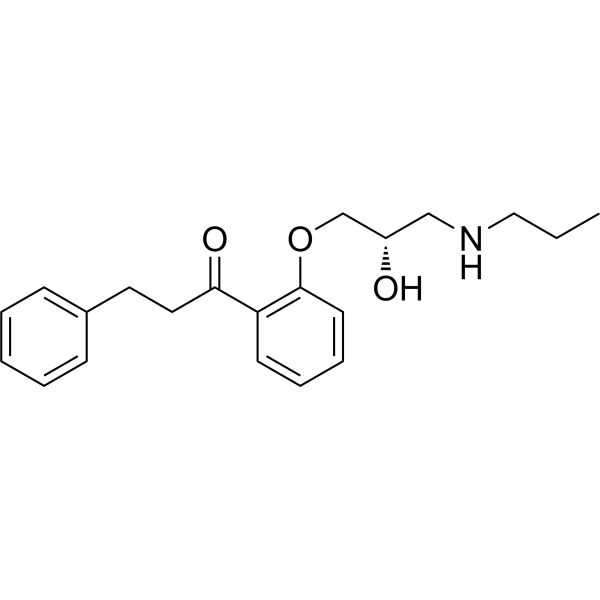
    (S)-Propafenone ((S)-SA-79) is the S-enantiomer of Propafenone. (S)-Propafenone ((S)-SA-79) exerts beta-blocking action and the sodium channel-dependent antiarrhythmic class 1 activity .
    (S)-Propafenone
  • HY-W009065

    Others Cardiovascular Disease Cancer
    Hydroquinidine hydrochloride is a potent ion channel blocker, which exhibits strong anti-cancer activity on colon, pancreatic, and hepatocellular cancer cells. Hydroquinidine hydrochloride prolongs the QT interval and has antiarrhythmic efficacy .
    Hydroquinidine hydrochloride
  • HY-A0270

    mAChR Sodium Channel Neurological Disease
    Diphenidol is a non-selective muscarinic M1-M4 receptor antagonist, has anti-arrhythmic activity. Diphenidol is also a potent non-specific blocker of voltage-gated ion channels (Na +, K +, and Ca 2+) in neuronal cells. Diphenidol can be used in the study of antivertigo and antinausea .
    Diphenidol
  • HY-131987

    Sodium Channel Cardiovascular Disease
    Ethacizine is an antiarrhythmic agent with inhibitory activity on sodium channels .
    Ethacizine
  • HY-122423

    N-Deethylamiodarone; LB 33020

    Apoptosis Drug Metabolite Cardiovascular Disease Cancer
    Desethylamiodarone (N-Deethylamiodarone) is the major metabolite of antiarrhythmic compound Amiodarone (HY-14187). Desethylamiodarone has antiarrhythmic activity. Desethylamiodaron also induces cancer cell apoptosis .
    Desethylamiodarone
  • HY-19049

    Potassium Channel Cardiovascular Disease
    CK-1649 chloride is a class III antiarrhythmic agent. CK-1649 chloride can inhibit potassium channel activity .
    CK-1649 chloride
  • HY-B1656

    P 652

    Sodium Channel Cardiovascular Disease Neurological Disease
    Fomocaine (P 652) is an orally active local agent that can suppress or relieve pain. Fomocaine shows antiarrhythmic activity .
    Fomocaine
  • HY-177361

    Sodium Channel Cardiovascular Disease
    Zocainone is an antiarrhythmic agent. Zocainone blocks sodium channels in cardiac tissue, stabilizing the cardiac action potential and reducing abnormal electrical activity. Zocainone is promising for research of cardiac arrhythmias .
    Zocainone
  • HY-40294R

    Monoamine Oxidase GSK-3 LRRK2 Cardiovascular Disease Neurological Disease Cancer
    Indazole (Standard) is the analytical standard of Indazole. This product is intended for research and analytical applications. Indazole, also called isoindazole, a heterocyclic aromatic organic compound. Its derivatives display a broad variety of biological activities including anti-inflammatory, antibacterial, anti-HIV, antiarrhythmic, antifungal and antitumour properties. Indazole and its derivatives can be used for research of cancer, neurological disorders, cardiovascular diseases, gastrointestinal diseases .
    Indazole (Standard)
  • HY-103160B

    Adenosine Deaminase Phosphodiesterase (PDE) Influenza Virus Infection Cardiovascular Disease Neurological Disease Cancer
    EHNA is a potent and selective dual inhibitor of cyclic nucleotide phosphodiesterase 2 (PDE2)(IC50=4 μM) and adenosine deaminase (ADA). EHNA exerts a concentration inhibition of the cGMP-stimulated PDE II (cGs-PDE)(IC50:0.8 μM (human), 2 μM (porcine myocardium)), but has smaller inhibitory effect on the unstimulated PDE2 activity. EHNA play roles in mediating diverse pharmacological responses, including antiviral, antitumour and antiarrhythmic effects .
    EHNA
  • HY-N0596R

    20(R)-Panaxadiol (Standard)

    Reference Standards PD-1/PD-L1 HIF/HIF Prolyl-Hydroxylase STAT Cancer
    Panaxadiol (Standard) is the analytical standard of Panaxadiol. This product is intended for research and analytical applications. Panaxadiol (20(R)-Panaxadiol) is an orally active HIF-1α/STAT3 inhibitor. Panaxadiol can suppress HIF-1α and STAT3 then lead to downregulation of programmed cell death-ligand 1 (PD-L1) expression. Panaxadiol shows anticancer, cardioprotective, anti-arrhythmic, and antioxidative activities .
    Panaxadiol (Standard)
  • HY-144801A

    Potassium Channel Cardiovascular Disease
    DDO-02005 is a potent Kv1.5 potassium channel inhibitor with an IC50 value of 0.72 μM. DDO-02005 has good anti-atrial fibrillation (AF) effect in CaCl2-ACh AF rats model and effective anti-arrhythmic activity caused by aconitine .
    DDO-02005
  • HY-144801

    Potassium Channel Cardiovascular Disease
    DDO-02005 (free base) is a potent Kv1.5 potassium channel inhibitor with an IC50 value of 0.72 μM. DDO-02005 (free base) has good anti-atrial fibrillation (AF) effect in CaCl2-ACh AF rats model and effective anti-arrhythmic activity caused by aconitine .
    DDO-02005 free base
  • HY-A0082R

    Difenidol hydrochloride (Standard)

    Reference Standards mAChR Sodium Channel Neurological Disease
    Diphenidol (hydrochloride) (Standard) is the analytical standard of Diphenidol (hydrochloride). This product is intended for research and analytical applications. Diphenidol hydrochloride (Difenidol hydrochloride) is a non-selective muscarinic M1-M4 receptor antagonist, has anti-arrhythmic activity. Diphenidol hydrochloride is also a potent non-specific blocker of voltage-gated ion channels (Na+, K+, and Ca2+) in neuronal cells. Diphenidol hydrochloride can be used in the study of antivertigo and antinausea [4] .
    Diphenidol hydrochloride (Standard)
  • HY-A0082S

    Difenidol hydrochloride-d10

    Isotope-Labeled Compounds Sodium Channel mAChR Neurological Disease
    Diphenidol-d10 (hydrochloride) (Difenidol hydrochloride-d10) is deuterium labeled Diphenidol (hydrochloride). Diphenidol hydrochloride (Difenidol hydrochloride) is a non-selective muscarinic M1-M4 receptor antagonist, has anti-arrhythmic activity. Diphenidol hydrochloride is also a potent non-specific blocker of voltage-gated ion channels (Na +, K +, and Ca 2+) in neuronal cells. Diphenidol hydrochloride can be used in the study of antivertigo and antinausea .
    Diphenidol-d10 hydrochloride
  • HY-13764A

    Calcium Channel Cardiovascular Disease Inflammation/Immunology Cancer
    dl-Tetrandrine is an orally active and brain-penetrant calcium channel blocker that inhibits voltage-dependent calcium channels. dl-Tetrandrine selectively blocks Ca 2+ influx with an IC50 value of approximately 1-10 μM. dl-Tetrandrine exerts anti-inflammatory, immunosuppressive, and anti-arrhythmic activities by inhibiting intracellular calcium overload, and can reverse multidrug resistance in tumor cells. dl-Tetrandrine is promising for research of autoimmune diseases (such as rheumatoid arthritis), cardiovascular diseases, and tumor drug resistance reversal .
    dl-Tetrandrine
  • HY-B1194A

    Potassium Channel Parasite PKA Infection Cardiovascular Disease
    Tetramisole is an orally active, selective inward rectifier potassium channel agonist with an EC50 of approximately 30 μM for the Kir2.1 subunit. Tetramisole is also an anti-nematode agent that blocks neuromuscular transmission by non-competitive depolarization. Tetramisole promotes the forward transport of Kir2.1 channels, hyperpolarizes the resting potential (RP), shortens the action potential duration (APD), inhibits intracellular calcium overload and the PKA signaling pathway, and exerts anti-arrhythmic and anti-myocardial remodeling activities. Tetramisole can be used in cardiac electrophysiology research and research related to myocardial ischemia and heart failure .
    Tetramisole
  • HY-117471

    Endogenous Metabolite Neurological Disease
    Antiarrhythmic agent-3 is an antiarrhythmic drug with the activity of enhancing antiarrhythmic efficacy and improving inhibition index. The antiarrhythmic effect of antiarrhythmic agent-3 is related to its hydrophobicity (log P). The central nervous system toxicity of antiarrhythmic agent-3 is related to the combined effect of its hydrophobicity and acid constant (pKa) .
    Antiarrhythmic agent-3
  • HY-B1067B

    Phenazoline phosphate

    Histamine Receptor Neurological Disease Endocrinology
    Antazoline phosphate is an H1 receptor antagonist that affects the activity of the central nervous system, has a potent antiarrhythmic effect . Antazoline phosphate is a histamine H1 receptor antagonist with anticholinergic and antiviral properties. Antazoline phosphate can prevent histamine from acting on target cells through a reversible competition effect on histamine receptor sites of these cells. Antazoline phosphate can exert an antiallegic effect and prevent the occurrence of physiological reactions from the effect of blocking as well as inhibiting H1 receptor. Antazoline phosphate can effectively reduce HBV DNA in the extracellular supernatant in a dose-dependent manner, with EC50 of 2.910 μmol/L in HepAD38 cells. Antazoline phosphate also has a significant inhibitory effect on HBV DNA in the extracellular supernatant of Huh7 cells (EC50 = 2.349 μmol/L). Antazoline phosphate has anti-arrhythmic effect in acute myocardial infarctions. Antazoline phosphate can be studied in research for cardiovascular diseases, and HBV .
    Antazoline phosphate
  • HY-B1194R

    (±)-Tetramisole hydrochloride (Standard); DL-Tetramisole hydrochloride (Standard); R-829 (Standard)

    Reference Standards Potassium Channel Parasite PKA Infection Cardiovascular Disease
    Tetramisole hydrochloride (Standard) is the analytical standard of Tetramisole (hydrochloride). This product is intended for research and analytical applications. Tetramisole hydrochloride is an orally active, selective inward rectifier potassium channel agonist with an EC50 of approximately 30 μM for the Kir2.1 subunit. Tetramisole hydrochloride is also an anti-nematode agent that blocks neuromuscular transmission by non-competitive depolarization. Tetramisole hydrochloride promotes the forward transport of Kir2.1 channels, hyperpolarizes the resting potential (RP), shortens the action potential duration (APD), inhibits intracellular calcium overload and the PKA signaling pathway, and exerts anti-arrhythmic and anti-myocardial remodeling activities. Tetramisole hydrochloride can be used in cardiac electrophysiology research and research related to myocardial ischemia and heart failure .
    Tetramisole hydrochloride (Standard)
  • HY-124883

    Drug Isomer Cardiovascular Disease
    R-(–)-Flecainide is an orally active antiarrhythmic agent, which inhibits ventricular ectopic activity .
    R-(–)-Flecainide
  • HY-19857

    Calcium Channel Potassium Channel Sodium Channel Neurological Disease
    Sulcardine (sulfate) is a novel multi-ion channel blocker with activity against Na +, K + and Ca 2+ channels. Sulcardine has antiarrhythmic activity .
    Sulcardine sulfate
  • HY-19004

    Sodium Channel Cardiovascular Disease
    711389-S hydrochloride is an antiarrhythmic compound that demonstrates its antiarrhythmic activity by increasing the ventricular fibrillation threshold (VFT). 711389-S hydrochloride also has strong anti-fibrillation effects and safety, and can be used in the study of ventricular fibrillation and sudden cardiac death. 711389-S hydrochloride also inhibits the sodium current .
    711389-S hydrochloride
  • HY-18600B

    (E)-NE-10064

    Potassium Channel Cardiovascular Disease
    (E)-Azimilide is an isomer of Azimilide (HY-18600), a class of antiarrhythmic compounds that inhibit I(Ks) and I(Kr) activity .
    (E)-Azimilide
  • HY-19679

    PK 10139

    Sodium Channel Cardiovascular Disease
    Quinacainol (PK 10139) is an inhibitor for sodium current with an EC50 of 95 µM. Quinacainol exhibits antiarrhythmic activity by affecting the electrophysiological properties of the heart .
    Quinacainol
  • HY-16259

    Ricainide hydrochloride; LY 135837

    Sodium Channel Cardiovascular Disease
    Indecainide hydrochloride is a potent and orally active class I local anesthetic antiarrhythmic agent. Indecainide hydrochloride has Na +-channel-blocking activity .
    Indecainide hydrochloride
  • HY-106330A

    Win 54177-4 fumarate

    Potassium Channel Cardiovascular Disease
    Ipazilide fumarate (Win 54177-4 fumarate) is an antiarrhythmic agent. Ipazilide fumarate reduces K +- depolarized tone. Ipazilide fumarate prolongs ventricular refractoriness and possesses antiectopic activity .
    Ipazilide fumarate
  • HY-121306

    Ricainide; LY 135837 free base

    Sodium Channel Neurological Disease
    Indecainide (Ricainide) is an orally active antiarrhythmic agent. Indecainide can be used in the research of ventricular dysfunction. Indecainide has Na +-channel-blocking activity .
    Indecainide
  • HY-136876

    Others Cardiovascular Disease
    AHR-12234 citrate is an orally active antiarrhythmic agent. AHR-12234 citrate is effective against arrhythmias caused by abnormal automaticity, triggered activity, and reentry .
    AHR-12234 citrate
  • HY-171782

    Others Cardiovascular Disease
    Amidepin is a new type of antiarrhythmic compound. Amidepin has the activity of regulating cardiac electrical activity. The main regulatory mechanism of amidepin involves ion channel or receptor interaction. Amidepin can be used for the study of arrhythmias .
    Amidepin

Inquiry Online

Your information is safe with us. * Required Fields.

Salutation


Country or Region *

Applicant Name *


Organization Name *

Department *


Email Address *


Product Name *

Cat. No.


Requested quantity *

Phone Number *


Remarks

Inquiry Online

Inquiry Information

Product Name:
Cat. No.:
Quantity:
MCE Japan Authorized Agent:

