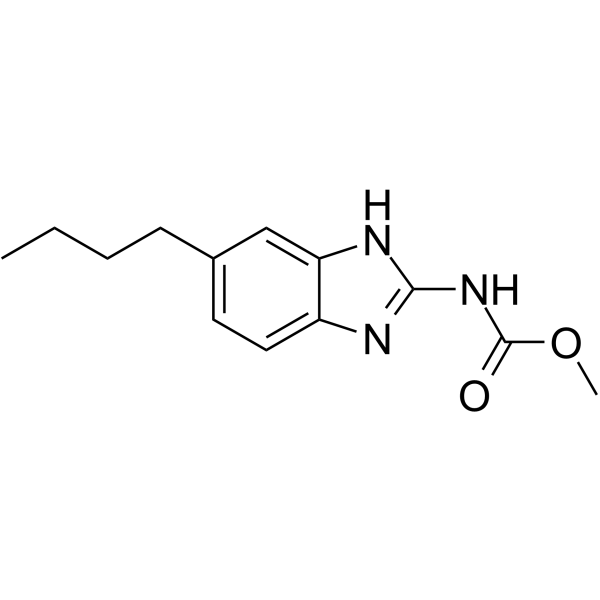
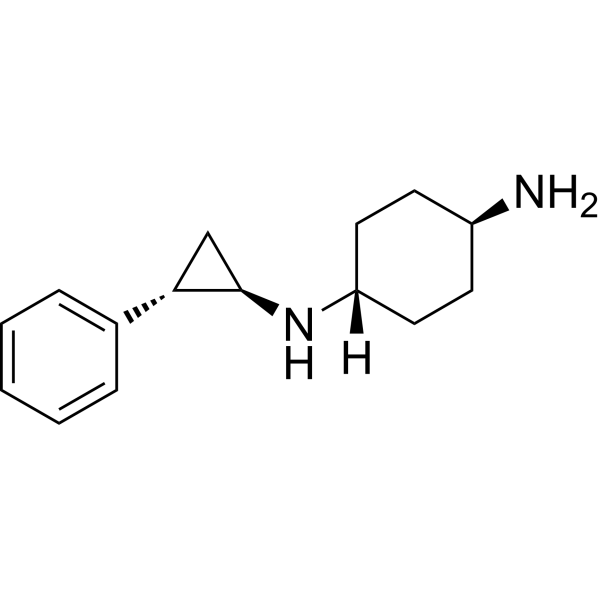

Search Result
Results for "
antileukemic activity
" in MedChemExpress (MCE) Product Catalog:
1
Isotope-Labeled Compounds
| Cat. No. |
Product Name |
Target |
Research Areas |
Chemical Structure |
-
- HY-112885B
-
-
-
- HY-100423
-
|
KPT-8602
|
CRM1
|
Cancer
|
|
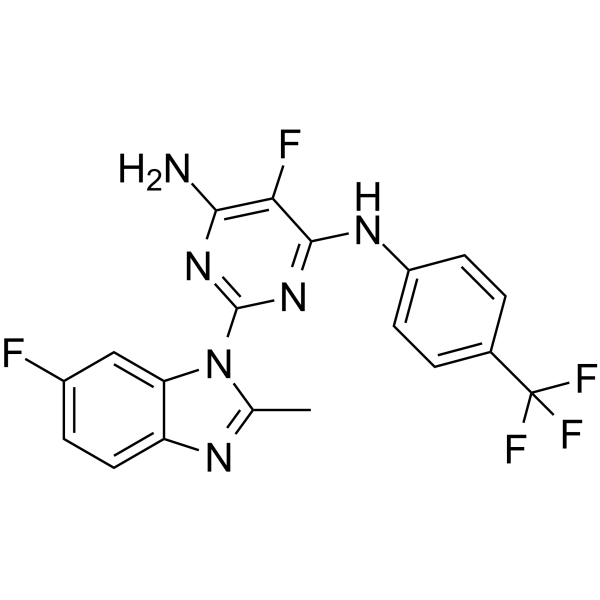
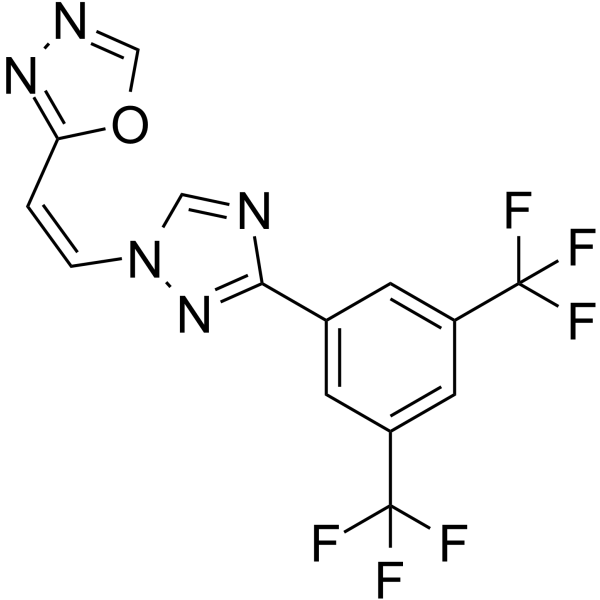
Eltanexor (KPT-8602) is a second-generation, highly specific and orally active exportin-1 (XPO1) inhibitor with potent anti-leukemic activity. Eltanexor (KPT-8602) inhibits XPO1-dependent nuclear export (EC50=60.9 nM) by directly targeting XPO1. Eltanexor (KPT-8602) induces Caspase-dependent apoptosis in a panel of leukemic cell lines .
|
-
-
- HY-123954
-
BTX-A51
1 Publications Verification
Casein Kinase inhibitor A51
|
Casein Kinase
CDK
Apoptosis
|
Cancer
|
|
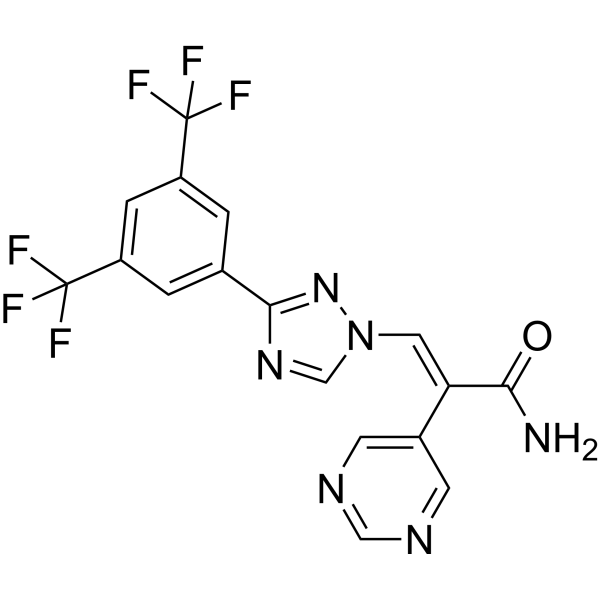
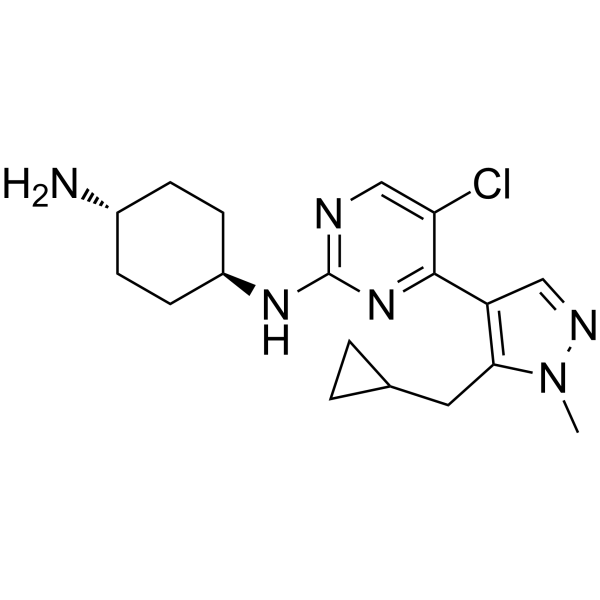
BTX-A51 (Casein Kinase inhibitor A51) is a potent and orally active casein kinase 1α (CK1α) inhibitor. BTX-A51 induces leukemia cell apoptosis, and has potent anti-leukemic activities .
|
-
-
- HY-B1516
-
|
3'-Fluoro-3'-deoxythymidine; 3′-Deoxy-3′-fluorothymidine; FLT
|
DNA/RNA Synthesis
Orthopoxvirus
|
Infection
Cancer
|
|
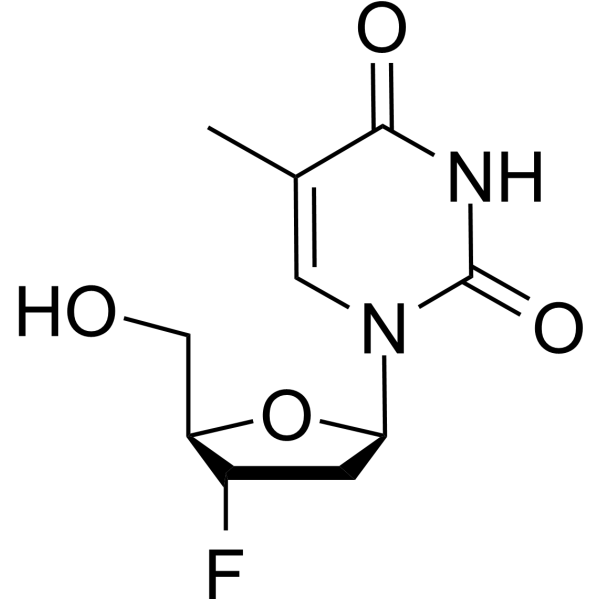
Alovudine (3'-Fluoro-3'-deoxythymidine) is a mtDNA synthesis inhibitor and a marker of DNA synthesis. Alovudine is less susceptible to inflammatory changes than 18F-Fluorodeoxyglucose (FDG) and thus is a better biomarker in pancreatic cancer. Alovudine shows anti-orthopoxvirus and anti-leukemic activity .
|
-
-
- HY-112885A
-
|
Nω-Hydroxy-nor-L-arginine acetate
|
Arginase
Apoptosis
|
Cardiovascular Disease
Infection
Metabolic Disease
Inflammation/Immunology
Cancer
|
|
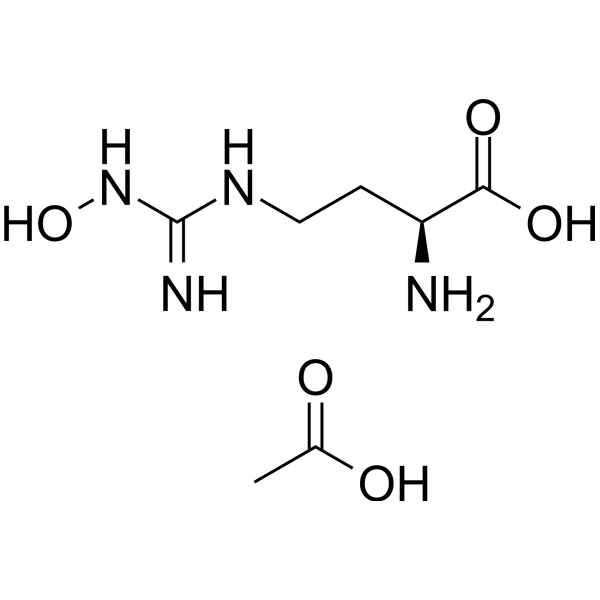
nor-NOHA acetate is a selective and reversible Arginase inhibitor. nor-NOHA acetate induces Apoptosis in ARG2-expressing cells under hypoxia. nor-NOHA acetate has anti-leukemic activity. nor-NOHA acetate improves liver ischemia-reperfusion injury. nor-NOHA acetate can used in study of tuberculosis, endothelial dysfunction, immunosuppression and metabolism .
|
-
-
- HY-109117
-
Iadademstat
Maximum Cited Publications
7 Publications Verification
ORY-1001
|
Histone Demethylase
Apoptosis
|
Cancer
|
|
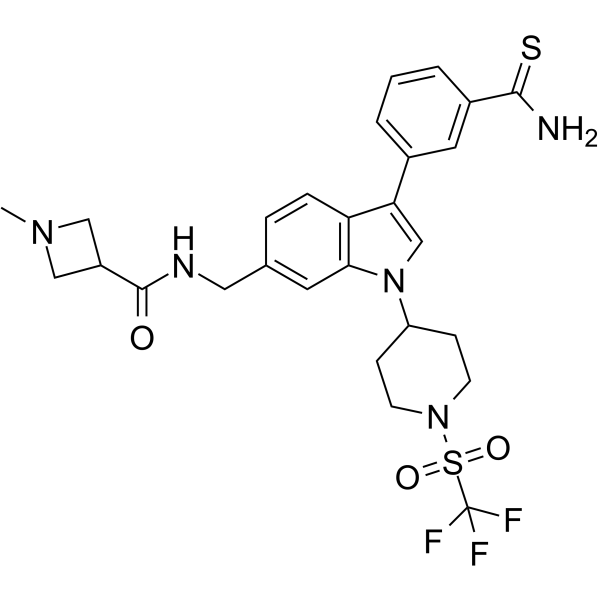
Iadademstat (ORY-1001) is a highly potent, orally active and selective LSD1 (KDM1A) inhibitor with antileukemic activity. Iadademstat can be used for relapsed or refractory acute myeloid leukemia research .
|
-
-
- HY-112885C
-
|
Nω-Hydroxy-nor-L-arginine dihydrochloride
|
Apoptosis
Arginase
|
Cardiovascular Disease
Infection
Metabolic Disease
Inflammation/Immunology
Cancer
|
|
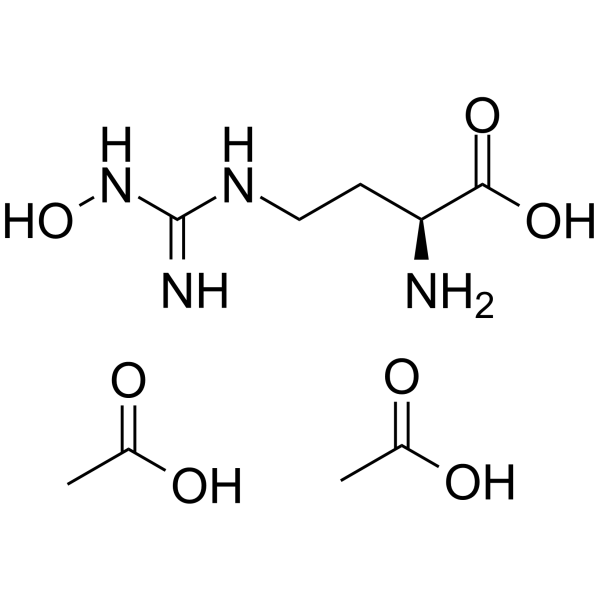
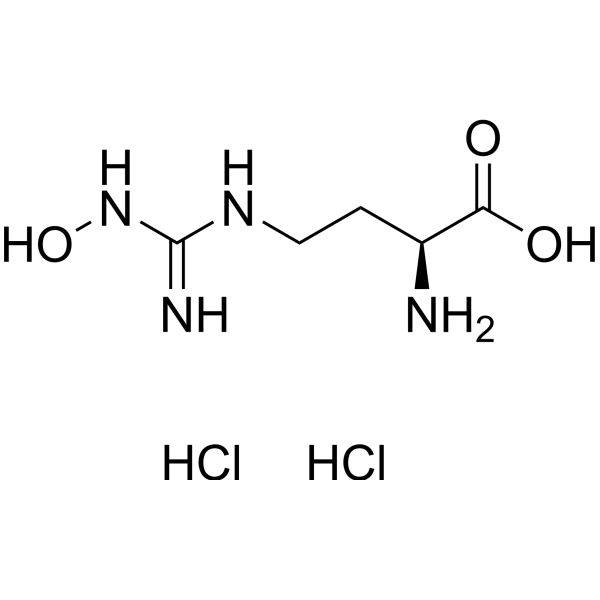
nor-NOHA dihydrochloride is a selective and reversible Arginase inhibitor. nor-NOHA dihydrochloride induces Apoptosis in ARG2-expressing cells under hypoxia. nor-NOHA dihydrochloride has anti-leukemic activity. nor-NOHA dihydrochloride improves liver ischemia-reperfusion injury. nor-NOHA dihydrochloride can used in study of tuberculosis, endothelial dysfunction, immunosuppression and metabolism .
|
-
-
- HY-P2970
-
|
|
Apoptosis
PARP
Caspase
Bcl-2 Family
Bacterial
Interleukin Related
|
Infection
Inflammation/Immunology
Cancer
|
|
Stem bromelain (EC 3.4.22.32) is a cysteine protease and antibacterial agent. Stem bromelain can be isolated from the stem of the pineapple (Ananas comosus). Stem bromelain induces dose-dependent secretion of IL-12p70, and IL-6, induces Apoptosis, causes cleavage of full-length PARP protein, Caspase 3, and Caspase 9, increases Bax, and decreases Bcl-2. Stem bromelain possesses various fibrinolytic, antiedema, antithrombotic, and anti-inflammatory activities. Stem bromelain also exhibits in vivo antitumor and antileukemic activities, as well as antimetastatic effects. Stem bromelain has antimycobacterial activity. Stem bromelain provides protection against lead poisoning .
|
-
-
- HY-112041
-
|
PTC596
|
BMI1
Apoptosis
|
Cancer
|
|
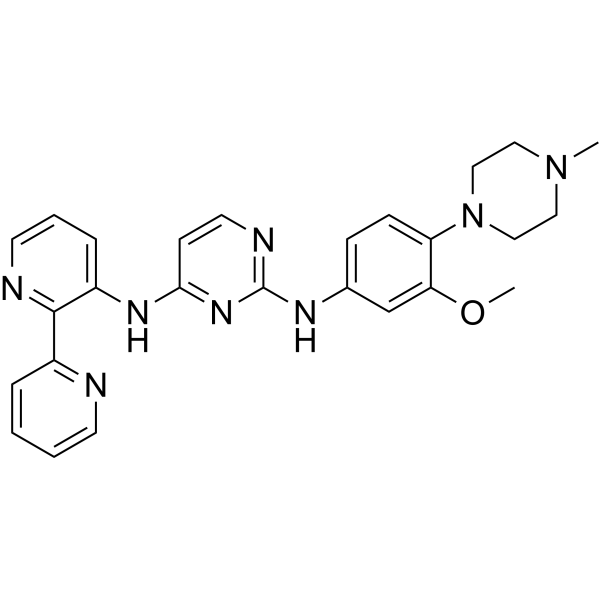
Unesbulin (PTC596) is an orally active and selective B-cell-specific Moloney murine leukemia virus integration site 1 (BMI-1) inhibitor. Unesbulin downregulates MCL-1 and induces p53-independent mitochondrial apoptosis in acute myeloid leukemia (AML) cells. Unesbulin has anti-leukemic activity .
|
-
-
- HY-135190
-
|
α-cedrene
|
Environmental Pollutants
Bacterial
|
Infection
Metabolic Disease
Cancer
|
|
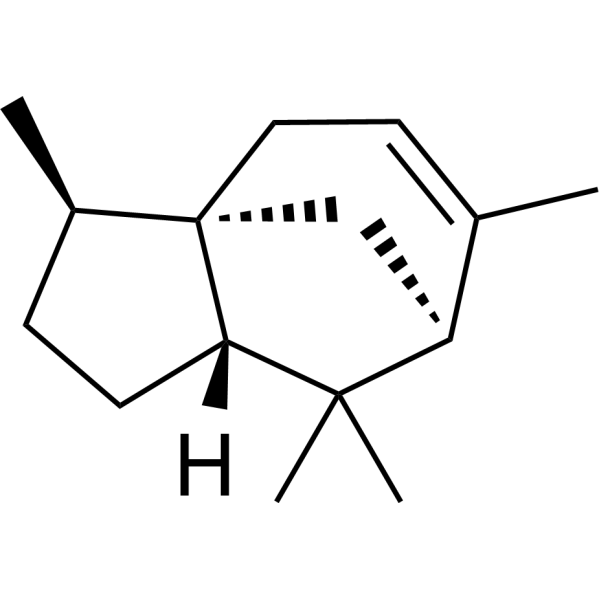
(-)-Cedrene (α-cedrene) is a major constituent that can be found in essential oils. (-)-Cedrene (α-cedrene) is a natural, orally active ligand of mouse olfactory receptor 23, which induces skeletal muscle hypertrophy in mice. (-)-Cedrene exhibits trypanocidal (Trypanosoma b. brucei) (IC50 = 4.07 μg/mL). (-)-Cedrene is antileukemic in vitro (IC50 = 22.2 μg/mL). (-)-Cedrene has antimicrobial activity against anaerobic bacteria and yeast. (-)-Cedrene exhibits anti-obesity activity .
|
-
-
- HY-N0838
-
|
(-)-Cephalotaxine; ZINC19795976
|
Flavivirus
|
Infection
Cancer
|
|
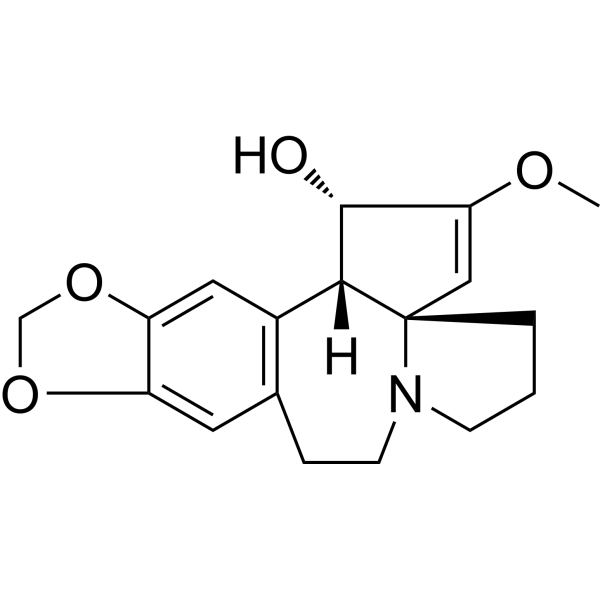
Cephalotaxlen ((-)-Cephalotaxine) is an alkaloid that can be isolated from Cephalotaxus fortunei, with antileukemic and antiviral activities. Cephalotaxlen has anti-ZIKV (Zika virus) activity .
|
-
-
- HY-B1336
-
|
|
Environmental Pollutants
Antibiotic
Bacterial
Apoptosis
Parasite
|
Infection
Cancer
|
|
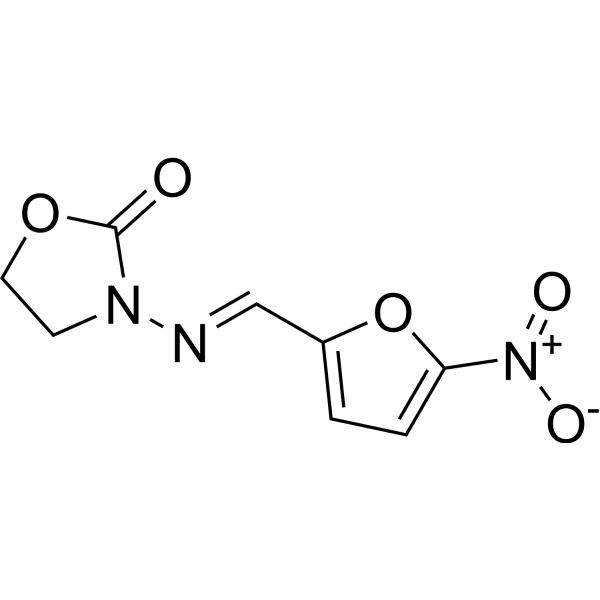
Furazolidone is a monoamine oxidase (MAO) inhibitor with antiproliferative, apoptosis-inducing and differentiation-promoting activities. Furazolidone may inhibit leukemia fusion protein-mediated bone marrow transformation by upregulating the stability of the tumor suppressor protein p53. Furazolidone exhibits anti-leukemic activity in acute myeloid leukemia (AML) cell lines and can be used for anti-AML research [2].
|
-
-
- HY-141429A
-
|
|
Histone Methyltransferase
Apoptosis
|
Cancer
|
|
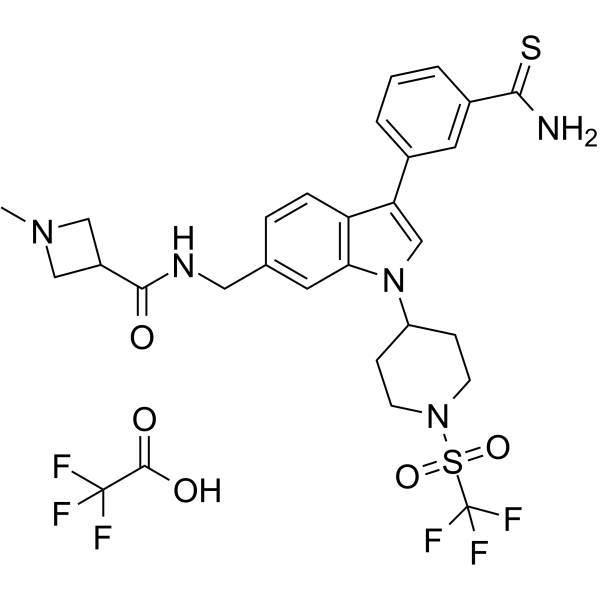
AS-99 TFA is a first-in-class, potent and selective ASH1L histone methyltransferase inhibitor (IC50= 0.79 μM, Kd= 0.89 μM) with anti-leukemic activity. AS-99 TFA blocks cell proliferation, induces apoptosis and differentiation, downregulates MLL fusion target genes, and reduces the leukemia burden in vivo .
|
-
-
- HY-173189A
-
|
2′,5′-ApApA pentasodium; 2′,5′-trioligoadenylate pentasodium; 5'-O-Triphosphoryladenylyl-(2'→5')-adenylyl-(2'→5')-adenosine pentasodium
|
RSV
DNA/RNA Synthesis
|
Infection
Cancer
|
2-5A (2′,5′-ApApA) pentasodium solution 100 mM is a high-affinity (Ka=0.04 nM) RNase L binder. 2-5A pentasodium solution 100 mM activates the nuclease activity of latent RNase L to cleave single-stranded RNA by inducing conformational changes and dimerization of latent RNase L, thereby mediating critical antiviral responses and enhancing interferon effects. 2-5A pentasodium solution 100 mM not only effectively inhibits Rauscher murine leukemia virus replication, reduces viremia and splenomegaly, but also enhances antileukemic efficacy when combined with amphotericin B and exhibits favorable high-dose tolerance. 2-5A pentasodium solution 100 mM is an important tool molecule for investigating the pathological mechanisms of viral infection, hereditary prostate cancer and leukemia .
|
-
-
- HY-112885
-
-
-
- HY-176428
-
|
P11-2
|
PROTACs
MNK
Apoptosis
Eukaryotic Initiation Factor (eIF)
|
Cancer
|
|
PROTAC MNK1 degrader-1 is a selective MNK1 PROTAC degrader with a DC50 of 11.92 nM, and a Dmax > 96% in MV4-11 cells. PROTAC MNK1 degrader-1 significantly reduces p-eIF4E (IC50: 22.07 nM), induces apoptosis, and arrests the cell cycle at the G1 phase. PROTAC MNK1 degrader-1 has potent antitumor activity. PROTAC MNK1 degrader-1 has robust antileukemic efficacy in MV4-11 xenograft mice model with acceptable drug safety . Pink: MNK1 ligand (HY-176429); Blue: CRBN ligase ligand (HY-A0003); Black: linker (HY-Y1139); CRBN + linker: HY-176430
|
-
-
- HY-117996
-
|
|
CRM1
Apoptosis
|
Cancer
|
|
KPT-251 is an orally active chromosome region maintenance 1 protein (CRM1) inhibitor. KPT-251 induces cancer cell apoptosis and shows antileukemic activity .
|
-
-
- HY-149334
-
-
-
- HY-109179
-
-
-
- HY-15003
-
|
|
FLT3
Apoptosis
|
Cancer
|
|
ATH686 is a potent, selective and ATP-competitive FLT3 inhibitor. ATH686 target mutant FLT3 protein kinase activity and inhibit the proliferation of cells harboring FLT3 mutants via induction of apoptosis and cell cycle inhibition. ATH686 has antileukemic effects .
|
-
-
- HY-123955
-
|
|
Casein Kinase
CDK
Apoptosis
|
Cancer
|
|
Casein Kinase inhibitor A86 is a potent and orally active casein kinase 1α (CK1α) inhibitor. Casein Kinase inhibitor A86 also inhibits of CDK7 (TFIIH) and CDK9 (P-TEFb). Casein Kinase inhibitor A861 induces leukemia cell apoptosis, and has potent anti-leukemic activities .
|
-
-
- HY-N8146
-
|
|
STAT
Bcl-2 Family
Ser/Thr Kinase
Survivin
c-Myc
Apoptosis
Necroptosis
CDK
|
Infection
Cancer
|
|
Bruceantinol is a quassinoid that can be isolated from Brucea javanica, inhibits pepper mottle virus (PepMoV) in pepper. Bruceantinol is a STAT3 inhibitor demonstrating potent antitumor activity in in vitro and in vivo human colorectal cancer (CRC) models. Bruceantinol has potent anti-leukemic activity. Bruceantinol strongly inhibits STAT3 DNA-binding ability (IC50 = 2.4 pM), blocks the constitutive and IL-6-induced STAT3 activation, and suppresses transcription of MCL-1, PTTG1, survivin and c-Myc. Bruceantinol binds with CDK2/4/6 to facilitate protein degradation through proteasome pathway. Bruceantinol can dose- and time-dependently reduces the cell growth, impede cell proliferation, disrupts the cell cycle, and induces necrosis in MCF-7 cells and apoptosis in MDA-MB-231 cells .
|
-
-
- HY-123523
-
-
-
- HY-141430
-
|
|
Histone Methyltransferase
|
Cancer
|
|
AS-85 is a potent ASH1L histone methyltransferase inhibitor (IC50=0.6 μM) with anti-leukemic activity. AS-85 strongly binds to the ASH1L SET domain, with the Kd value of 0.78 μM .
|
-
-
- HY-153495
-
|
BP1001
|
Bcl-2 Family
Apoptosis
Reactive Oxygen Species (ROS)
|
Cancer
|
|
Prexigebersen (BP1001) is an antisense oligonucleotide targeting Bcl-2 and Grb2. Prexigebersen exhibits antileukemic activity in cell models. Prexigebersen induces apoptosis (apoptosis), cell cycle arrest and ROS production in leukemia cells. Prexigebersen inhibits Grb2 expression, thereby suppressing tumor growth and survival. Prexigebersen can be used in studies related to acute myeloid leukemia .
|
-
-
- HY-106689
-
-
-
- HY-109179A
-
-
-
- HY-120997
-
|
Berbamine p-nitrobenzoate
|
Calmodulin
Myosin
Phosphodiesterase (PDE)
|
Cardiovascular Disease
Cancer
|
|
E6 Berbamine (Berbamine p-nitrobenzoate) is a potent calmodulin (CaM) antagonist. E6 Berbamine inhibits the activities of calmodulin-dependent myosin light chain kinase (MLCK) and phosphodiesterase (PDE). E6 Berbamine exhibits anti-leukemic activity. E6 Berbamine can be used in research related to cardiovascular abnormalities and chronic myeloid leukemia .
|
-
-
- HY-141429
-
|
|
Histone Methyltransferase
Apoptosis
|
Cancer
|
|
AS-99 is a first-in-class, potent and selective ASH1L histone methyltransferase inhibitor (IC50= 0.79 µM, Kd= 0.89 µM) with anti-leukemic activity. AS-99 blocks cell proliferation, induces apoptosis and differentiation, downregulates MLL fusion target genes, and reduces the leukemia burden in vivo .
|
-
-
- HY-150109A
-
|
|
HDAC
|
Cancer
|
|
Purinostat is a selective inhibitor of HDAC I/IIb with anti-leukemic activity. Purinostat mesylate (HY-150109), the mesylate salt of Purinostat, inhibits the survival of Ph+ leukemic cells and CD34+ leukemic cells derived from CML patients. Purinostat mesylate targets HDAC I/IIb to inhibit several important factors for leukemic stem cell (LSC) survival, including c-Myc, β-Catenin, E2f, Ezh2, Alox5, and mTOR. Purinostat mesylate increases glutamate metabolism in LSC by increasing GLS1 .
|
-
-
- HY-174367
-
|
|
RUNX
Apoptosis
|
Cancer
|
|
RUNX1/ETO-IN-1 is a RUNX1-ETO oncogenic fusion protein inhibitor that specifically targets the NHR2 oligomerization domain. RUNX1/ETO-IN-1 directly interacts with the NHR2 (KD,app = 39 μM). RUNX1/ETO-IN-1 exhibits anti-leukemic activity by inducing apoptosis and promoting differentiation in RUNX1/ETO-translocated AML cells. RUNX1/ETO-IN-1 remains essentially uncharged at physiological pH, demonstrating superior membrane permeability.
|
-
-
- HY-111008A
-
|
VF-233 hydrochloride
|
DNA/RNA Synthesis
|
Cancer
|
|
Trimidox hydrochloride (VF-233) is a ribonucleotide reductase inhibitor with antileukemic activities. Trimidox hydrochloride inhibits the growth of human promyelocytic leukemia HL-60 cells with an IC50 of 35 μM .
|
-
-
- HY-133900
-
|
|
Others
|
Cancer
|
|
Deoxyharringtonine is an alkaloid isolated from Cephalotaxus genus with significant anti-leukemic activity .
|
-
-
- HY-U00095
-
|
NCI 329680; ZINC01574758
|
DNA Alkylator/Crosslinker
|
Cancer
|
|
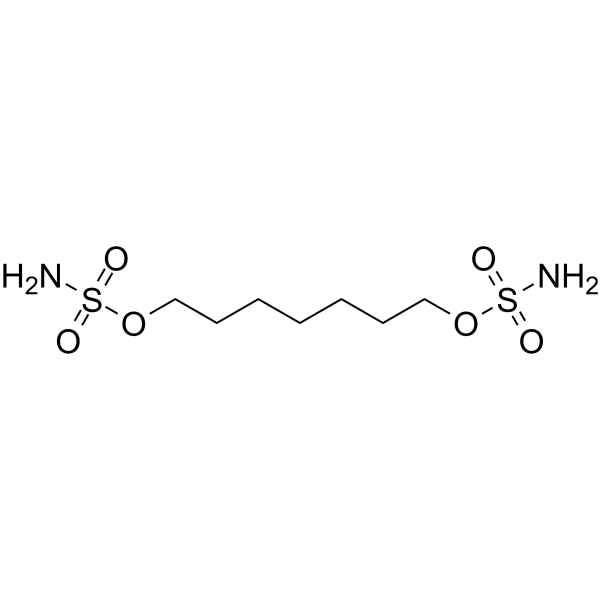
Hepsulfam (NCI 329680; ZINC01574758) is a anticancer agent that shows excellent antileukemic activity with an median IC50 of 0.91 μg/mL in a panel of different tumors.
|
-
-
- HY-111275
-
|
|
JAK
STAT
Apoptosis
Caspase
PARP
|
Cancer
|
|
WP-1034 is a JAK-STAT inhibitor with proapoptotic and antileukemic activity in acute myeloid leukemia (AML). WP-1034 blocks activation of Stat 3 and 5. WP-1034 induces cell cycle arrest and triggers apoptosis. WP-1034 can be used for AML research .
|
-
-
- HY-157327
-
|
|
Bcr-Abl
|
Cancer
|
|
AKE-72 (compound 5) is a potent inhibitor of Pan-BCR-ABL. AKE-72 inhibits BCR-ABL WT, BCR-ABL T315, BCR-ABL E255K, BCR-ABL F3171, BCR-ABL H396P and BCR-ABL Q252H with IC50s of < 0.5, 9, 8.98, 3.12, < 1.0 and 3.88 nM, respectively. AKE-72 has anti-leukemic activity against K-562 cell line .
|
-
-
- HY-U00095R
-
|
NCI 329680 (Standard); ZINC01574758 (Standard)
|
DNA Alkylator/Crosslinker
Reference Standards
|
Cancer
|
|
Hepsulfam (NCI 329680; ZINC01574758) is a anticancer agent that shows excellent antileukemic activity with an median IC50 of 0.91 μg/mL in a panel of different tumors.
|
-
-
- HY-N17612
-
|
|
Apoptosis
Caspase
Bcl-2 Family
|
Cancer
|
|
Haplophytin-A is a quinoline alkaloid. Haplophytin-A is a potent apoptosis inducer that exerts robust anti-leukemic activity by activating the caspase-8-dependent apoptotic pathway. Haplophytin-A can be used for the research of promyelocytic leukemia .
|
-
-
- HY-115754
-
|
PEITC-Cys
|
DNA/RNA Synthesis
Cytochrome P450
|
Cancer
|
|
S-(N-PhenethylthiocarbaMoyl)-L-cysteine (PEITC-Cys), an anticarcinogenic agent, has antileukemic activity. S-(N-PhenethylthiocarbaMoyl)-L-cysteine inhibits DNA synthesis in HL60 cells . S-(N-PhenethylthiocarbaMoyl)-L-cysteine is a P450 inhibitor .
|
-
-
- HY-170837
-
|
|
STAT
|
Cancer
|
|
STAT5-IN-3 (Compound 14a) is a STAT5 inhibitor with anticancer activity. STAT5-IN-3 blocks the tyrosine phosphorylation of STAT5A/5B at the Y694/699 sites and significantly reduces the expression of STAT5B protein, thereby inhibiting downstream gene transcription and blocking the proliferation and survival of leukemia cells. Additionally, STAT5-IN-3 holds significant value in overcoming chemotherapy resistance .
|
-
-
- HY-160787
-
|
|
FLT3
IRAK
|
Cancer
|
|
NCGC1481 is an inhibitor of FLT3, IRAK1, and IRAK4, with IC50 values of <0.5 nM, 22.6 nM, and 0.8 nM, respectively. NCGC1481 can effectively overcome the adaptive resistance of leukemia cells to FLT3 inhibitors and has antileukemic activity .
|
-
-
- HY-107338
-
|
Vratizolin; Wratizolin
|
VZV
HSV
Interleukin Related
|
Infection
Inflammation/Immunology
Cancer
|
|
Denotivir (Vratizolin) is an orally active antiviral agent for herpes simplex virus (HSV) and varicella-zoster virus (VZV). Denotivir inhibits the proliferation of various cancer cells, and exhibits anti-leukemic activity. Denotivir inhibits the generation of TNF-α, IL-1 and IL-6, exhibits immunosuppressive efficacy .
|
-
-
- HY-141429C
-
|
|
Histone Methyltransferase
Apoptosis
|
Cancer
|
|
AS-99 is a first-in-class, potent, and selective ASH1L histone methyltransferase inhibitor (IC50= 0.79 μM, Kd= 0.89 μM) with anti-leukemic activity. AS-99 blocks cell proliferation, induces apoptosis and differentiation, downregulates MLL fusion target genes, and reduces the leukemia burden in vivo .
|
-
-
- HY-162658
-
|
|
HDAC
Apoptosis
|
Cancer
|
|
Leuxinostat is an inhibitor for HDAC with IC50 of 30 nM for hHDAC6. Leuxinostat inhibits the proliferation of cells THP1, K562, U937 and MEK1, induces apoptosis in leukemia cells NB4 and MOLT-4. Leuxinostat inhibits the expansion of hematopoietic stem cells and exhibits antileukemic activity in zebrafish models .
|
-
-
- HY-163803
-
|
|
HDAC
DNA Methyltransferase
|
Cancer
|
|
CM-444 is inhibitor for HDAC (IC50 is 6 nM-0.6 μM) and DNA methyltransferases (DNMT, IC50 is 1.8-2.3 μM). CM-444 is an inducer for the differentiation of acute myeloid leukemia cells. CM-444 exhibits anti-leukemic activity and improves the survival rate in mouse models .
|
-
-
- HY-111008
-
|
VF-233
|
DNA/RNA Synthesis
|
Cancer
|
|
Trimidox (VF-233) is a ribonucleotide reductase inhibitor with antileukemic activities. Trimidox inhibits the growth of human promyelocytic leukemia HL-60 cells with an IC50 of 35 μM .
|
-
-
- HY-135771
-
|
(+)-Avarone
|
Others
|
Cancer
|
|
Avarone ((+)-Avarone) is a sesquiterpenoidal quinone that can be isolated from Dysidea avara. Avarone shows cytotoxicity. Avarone shows antileukemic activity .
|
-
-
- HY-174816
-
|
|
Fluorescent Dye
Dihydroorotate Dehydrogenase
|
Infection
Cancer
|
|
DHODH-IN-28 (Compound 11a) is a potent fluorescent inhibitor targeting human dihydroorotate dehydrogenase (hDHODH) with an IC50 value of 170 nM. DHODH-IN-28 exhibits antileukemic and antiviral activities. DHODH-IN-28 is promising for research of cancers and infectious diseases .
|
-
-
- HY-N7549
-
|
|
Others
|
Cancer
|
|
Dehydrobruceantin has potential antileukemic activity .
|
-
-
- HY-N3171A
-
|
Wikstromol
|
Apoptosis
PI3K
|
Cancer
|
|
(+)-Nortrachelogenin (Wikstromol), a pharmacologically ligand from from wikstroemia indica, possesses antileukemic activity .
|
-
- HY-N14155
-
|
|
Bacterial
Fungal
|
Infection
Cancer
|
|
Epelmycin A has anti-Gram positive, negative bacteria and candida albicans activity, and has anti-leukemic L1210 activity, which is stronger than Aclacinomycin .
|
-
- HY-N14157
-
|
|
Bacterial
Fungal
|
Infection
Cancer
|
|
Epelmycin C has anti-Gram positive, negative bacteria and candida albicans activity, and has anti-leukemic L1210 activity, which is stronger than Aclacinomycin .
|
-
- HY-N14158
-
|
|
Bacterial
Fungal
|
Infection
Cancer
|
|
Epelmycin D has anti-Gram positive, negative bacteria and candida albicans activity, and has anti-leukemic L1210 activity, which is stronger than Aclacinomycin .
|
-
- HY-N14159
-
|
|
Bacterial
Fungal
|
Infection
Cancer
|
|
Epelmycin E has anti-Gram positive, negative bacteria and candida albicans activity, and has anti-leukemic L1210 activity, which is stronger than Aclacinomycin .
|
-
- HY-N14180
-
|
|
Antibiotic
|
Infection
Cancer
|
|
6-Deoxyilludin M is an antitumor antibiotic possessing antileukemic activity. 6-Deoxyilludin M can be isolated from the culture broth of the Basidiomycota Pleurotus japonicas .
|
-
- HY-N8402
-
|
|
Others
|
Cancer
|
|
Germacrone 4,5-epoxide is a sesquiterpene that can be isolated from Curcuma cf. viridiflora. Germacrone 4,5-epoxide has excellent anti-leukemic activities .
|
-
- HY-123718
-
|
|
Parasite
|
Others
|
|
6-Benzylthioinosine is a compound with antileukemic activity that increases cytotoxicity against acute myeloid leukemia cells when combined with metformin, modulating cellular metabolism and signaling pathways through multiple mechanisms.
|
-
- HY-119361
-
|
(Rac)-Deoxysappanone B 7,4' dimethyl ether
|
Microtubule/Tubulin
|
Cancer
|
|
(Rac)-Deox B 7,4, a homoisoflavanoid compound, inhibits microtubule polymerization via binding near the colchicine site and promote reversible G2 arrest. (Rac)-Deox B 7,4 possesses nanomolar anti-leukemic activity .
|
-
- HY-151897
-
|
|
HDAC
|
Cancer
|
|
HDAC-IN-49 is a potent unselective HDAC (HDAC) inhibitor with IC50s of 13 nM, 14 nM, 21 nM, 1880 nM, and 10 nM for HDAC1, HDAC2, HDAC3, HDAC4, and HDAC6. HDAC-IN-49 demonstrates prominent antileukemic activity with low cytotoxic activity toward healthy cells .
|
-
- HY-119827
-
|
F 860191
|
Topoisomerase
|
Cancer
|
|
Moflomycin (F 860191) is a compound with strong anti-leukemic activity and low mutagenicity. Moflomycin has an antiproliferative effect on the leukemic cell line HL60 in vitro (IC50=2.9 nM) . Moflomycin enhances topoisomerase II-induced DNA breaks and free radical production .
|
-
- HY-168927
-
|
|
Apoptosis
Pyroptosis
PANoptosis
|
Cancer
|
|
Apoptosis inducer 36 (Compound 42) exhibits anti-leukemic activity through reduction of leukemia stem cells (LSCs) and induction of differentiation. Apoptosis inducer 36 inhibits the proliferation of AML cells, arrests cell cycle at G1 phase, and induces PANoptosis including apoptosis, pyroptosis and necrosis. Prodrug of apoptosis inducer 36 exhibits orally active antitumor efficacy in mouse model .
|
-
- HY-143278
-
|
|
Topoisomerase
FLT3
Apoptosis
|
Cancer
|
|
FLT3-IN-13 (compound 20) is a potent and effective antileukemic topoisomerase II and FLT3 dual inhibitor with IC50 values of 2.26 μM and 2.26 μM, respectively. FLT3-IN-13 arrests cell cycle at G2/M phase and induce apoptosis. FLT3-IN-13 has anticytotoxic activity, particularly against leukemia .
|
-
- HY-N12641
-
|
|
Apoptosis
Pyroptosis
|
Cancer
|
|
Ardisianone is a component with an alkyl benzoquinone structure that can be isolated from Ardisia virens Kurz and Ardisia compressa tea extract. Ardisianone exhibits potent antileukemic activity, particularly against HL-60 cells, with IC50 values of 1.87 μM (24 h) and 1.67 μM (48 h). Ardisianone induces caspase-dependent apoptosis and triggers pyroptosis. Ardisianone can be used for the study of acute myeloid leukemia (AML) .
|
-
- HY-135190R
-
|
α-cedrene (Standard)
|
Bacterial
Reference Standards
|
Infection
Metabolic Disease
Cancer
|
|
(-)-Cedrene (α-cedrene) (Standard) is the analytical standard of (-)-Cedrene. This product is intended for research and analytical applications. (-)-Cedrene is a major constituent that can be found in essential oils. (-)-Cedrene (α-cedrene) is a natural, orally active ligand of mouse olfactory receptor 23, which induces skeletal muscle hypertrophy in mice. (-)-Cedrene exhibits trypanocidal (Trypanosoma b. brucei) (IC50 = 4.07 μg/mL). (-)-Cedrene is antileukemic in vitro (IC50 = 22.2 μg/mL). (-)-Cedrene has antimicrobial activity against anaerobic bacteria and yeast. (-)-Cedrene exhibits anti-obesity activity .
|
-
- HY-W740364
-
|
|
Isotope-Labeled Compounds
DNA/RNA Synthesis
Orthopoxvirus
|
Cancer
|
|
3'-Deoxy-3'-fluorothymidine-d3 is the deuterium labeled Alovudine (HY-B1516). Alovudine (3'-Fluoro-3'-deoxythymidine) is a mtDNA synthesis inhibitor and a marker of DNA synthesis. Alovudine is less susceptible to inflammatory changes than 18F-Fluorodeoxyglucose (FDG) and thus is a better biomarker in pancreatic cancer. Alovudine shows anti-orthopoxvirus and anti-leukemic activity .
|
-
- HY-170640
-
|
|
FLT3
Reactive Oxygen Species (ROS)
Apoptosis
|
Cancer
|
|
FLT3-IN-29 (Compound MY-10) is a FLT3 inhibitor (IC50s: 6.5 and 10.3 nM for FLT3-ITD and FLT3-D835Y mutants). FLT3-IN-29 arrests cell cycle at the G0/G1 phase and efficiently induces Apoptosis. FLT3-IN-29 also reduces reactive oxygen species (ROS) production and mitochondrial membrane potential (MMP). FLT3-IN-29 displays antileukemic activity .
|
-
- HY-117237
-
-
- HY-126205
-
|
|
Others
|
Cancer
|
|
Deacetyleupaserrin is a sesquiterpenoid with antileukemic activity that can be isolated from Eupatorium semiserratum .
|
-
- HY-N18237
-
|
|
Others
|
Cancer
|
|
Bruceanol A is an antileukemic quassinoid glycoside isolated from Brucea javanica. Bruceanol A exhibits antileukemic activity against P-388 lymphocytic leukemia in vivo. Bruceanol A can be used in studies related to P-388 lymphocytic leukemia .
|
-
- HY-N9826
-
|
|
Bcl-2 Family
|
Cancer
|
|
Icterogenin is a selective inhibitor targeting the Bcl-XL/Bak BH3 domain peptide interaction and exhibits anti-leukemic activity. Icterogenin regulates protein interactions and affects tumor cell survival. Icterogenin is an oleanane-type triterpenoid compound that can be isolated from Lantana camara and is useful in the field of anti-tumor drug development .
|
-
- HY-183689
-
|
|
Deubiquitinase
|
Cancer
|
|
OAT-4828 is an orally active ubiquitin-specific protease 7 (USP7) inhibitor with an IC50 of 32 nM. OAT-4828 induces antileukemic activity in B-cell-derived non-Hodgkin's lymphoma models via inhibition of USP7. OAT-4828 is applicable to research related to chronic lymphocytic leukemia .
|
-
- HY-124693
-
|
|
Apoptosis
|
Cancer
|
|
DB1055 is a HOXA9 inhibitor that competes with HOXA9 binding to DNA (blocking its DNA interaction activity). DB1055 induces in vitro cell growth reduction, cell apoptosis, and differentiation in human acute myeloid leukemia (AML) cells. DB1055 leads to monocyte-to-macrophage differentiation and exhibits antileukemic activities in a human THP-1 AML in vivo model. DB1055 does not impact human CD34+ bone marrow cells. DB1055 can be used for the research of acute myeloid leukemia[1].
|
-
- HY-181768
-
|
|
Ligands for Target Protein for PROTAC
HDAC
|
Cancer
|
|
HDAC3-IN-8 is a selective inhibitor targeting HDAC1, HDAC2 and HDAC3, with IC50 values of 3.52 nM for HDAC1, 15.14 nM for HDAC2 and 0.38 nM for HDAC3. HDAC3-IN-8 shows high selectivity for HDAC3 and exerts its effect by inhibiting histone deacetylase activity. HDAC3-IN-8 can be used to construct HDAC3-targeted PROTAC degrader (HY-181767) and is suitable for the research of acute myeloid leukemia (AML) .
|
-
- HY-402815
-
|
|
Drug Intermediate
|
Cancer
|
|
(E)-4-(Naphthalen-2-yl)but-3-en-2-one (Compound 7) is a small active molecule that can be used as building block. (E)-4-(Naphthalen-2-yl)but-3-en-2-one exhibits anti-leukemic activity, that inhibits the proliferation of human chronic myeloid leukemia cell K562 with an IC50 of 7.6 μM .
|
-
- HY-182356
-
|
|
Methylenetetrahydrofolate Dehydrogenase (MTHFD)
|
Cancer
|
|
MTHFD1/2-IN-1 is an orally active dual MTHFD1/MTHFD2 inhibitor, with IC50 values of 0.26 μM and 0.031 μM against human MTHFD1 and MTHFD2, respectively. MTHFD1/2-IN-1 blocks one-carbon metabolism by inhibiting the dehydrogenase activity of MTHFD1 as well as the dehydrogenase and cyclohydrolase activities of MTHFD2, thereby disrupting nucleotide biosynthesis and redox homeostasis in cancer cells. MTHFD1/2-IN-1 exhibits favorable Caco-2 permeability and hepatic microsomal metabolic stability. MTHFD1/2-IN-1 shows significant anti-leukemic activity, which not only reduces the viability of various leukemia cells but also inhibits tumor growth of acute myeloid leukemia (AML) in mouse models .
|
-
| Cat. No. |
Product Name |
Category |
Target |
Chemical Structure |
-
- HY-P2970
-
|
|
Ananas comosus(L.) Merr.
Structural Classification
Natural Products
Classification of Application Fields
Bromeliaceae
Plants
Inflammation/Immunology
Disease Research Fields
Cancer
|
Apoptosis
PARP
Caspase
Bcl-2 Family
Bacterial
Interleukin Related
|
|
Stem bromelain (EC 3.4.22.32) is a cysteine protease and antibacterial agent. Stem bromelain can be isolated from the stem of the pineapple (Ananas comosus). Stem bromelain induces dose-dependent secretion of IL-12p70, and IL-6, induces Apoptosis, causes cleavage of full-length PARP protein, Caspase 3, and Caspase 9, increases Bax, and decreases Bcl-2. Stem bromelain possesses various fibrinolytic, antiedema, antithrombotic, and anti-inflammatory activities. Stem bromelain also exhibits in vivo antitumor and antileukemic activities, as well as antimetastatic effects. Stem bromelain has antimycobacterial activity. Stem bromelain provides protection against lead poisoning .
|
-
-
- HY-135190
-
-
-
- HY-N0838
-
-
-
- HY-N8146
-
-
-
- HY-N17612
-
-
-
- HY-135771
-
-
-
- HY-N7549
-
-
-
- HY-N3171A
-
-
-
- HY-N14155
-
-
-
- HY-N14157
-
-
-
- HY-N14158
-
-
-
- HY-N14159
-
-
-
- HY-N14180
-
-
-
- HY-N8402
-
-
-
- HY-N12641
-
|
|
Quinones
Benzene Quinones
Plants
Primulaceae
Source Classification
|
Apoptosis
Pyroptosis
|
|
Ardisianone is a component with an alkyl benzoquinone structure that can be isolated from Ardisia virens Kurz and Ardisia compressa tea extract. Ardisianone exhibits potent antileukemic activity, particularly against HL-60 cells, with IC50 values of 1.87 μM (24 h) and 1.67 μM (48 h). Ardisianone induces caspase-dependent apoptosis and triggers pyroptosis. Ardisianone can be used for the study of acute myeloid leukemia (AML) .
|
-
-
- HY-135190R
-
|
α-cedrene (Standard)
|
Structural Classification
Cedrus deodara (Roxburgh) G. Don
Pinaceae
Terpenoids
Sesquiterpenes
Plants
Source Classification
|
Bacterial
Reference Standards
|
|
(-)-Cedrene (α-cedrene) (Standard) is the analytical standard of (-)-Cedrene. This product is intended for research and analytical applications. (-)-Cedrene is a major constituent that can be found in essential oils. (-)-Cedrene (α-cedrene) is a natural, orally active ligand of mouse olfactory receptor 23, which induces skeletal muscle hypertrophy in mice. (-)-Cedrene exhibits trypanocidal (Trypanosoma b. brucei) (IC50 = 4.07 μg/mL). (-)-Cedrene is antileukemic in vitro (IC50 = 22.2 μg/mL). (-)-Cedrene has antimicrobial activity against anaerobic bacteria and yeast. (-)-Cedrene exhibits anti-obesity activity .
|
-
-
- HY-126205
-
-
-
- HY-N18237
-
-
-
- HY-N9826
-
-
| Cat. No. |
Product Name |
Chemical Structure |
-
- HY-W740364
-
|
|
|
3'-Deoxy-3'-fluorothymidine-d3 is the deuterium labeled Alovudine (HY-B1516). Alovudine (3'-Fluoro-3'-deoxythymidine) is a mtDNA synthesis inhibitor and a marker of DNA synthesis. Alovudine is less susceptible to inflammatory changes than 18F-Fluorodeoxyglucose (FDG) and thus is a better biomarker in pancreatic cancer. Alovudine shows anti-orthopoxvirus and anti-leukemic activity .
|
-
| Cat. No. |
Product Name |
|
Classification |
-
- HY-173189A
-
|
2′,5′-ApApA pentasodium; 2′,5′-trioligoadenylate pentasodium; 5'-O-Triphosphoryladenylyl-(2'→5')-adenylyl-(2'→5')-adenosine pentasodium
|
|
Nucleotide Analogs
Adenine Nucleotide
|
2-5A (2′,5′-ApApA) pentasodium solution 100 mM is a high-affinity (Ka=0.04 nM) RNase L binder. 2-5A pentasodium solution 100 mM activates the nuclease activity of latent RNase L to cleave single-stranded RNA by inducing conformational changes and dimerization of latent RNase L, thereby mediating critical antiviral responses and enhancing interferon effects. 2-5A pentasodium solution 100 mM not only effectively inhibits Rauscher murine leukemia virus replication, reduces viremia and splenomegaly, but also enhances antileukemic efficacy when combined with amphotericin B and exhibits favorable high-dose tolerance. 2-5A pentasodium solution 100 mM is an important tool molecule for investigating the pathological mechanisms of viral infection, hereditary prostate cancer and leukemia .
|
-
- HY-153495
-
|
BP1001
|
|
Antisense Oligonucleotides
|
|
Prexigebersen (BP1001) is an antisense oligonucleotide targeting Bcl-2 and Grb2. Prexigebersen exhibits antileukemic activity in cell models. Prexigebersen induces apoptosis (apoptosis), cell cycle arrest and ROS production in leukemia cells. Prexigebersen inhibits Grb2 expression, thereby suppressing tumor growth and survival. Prexigebersen can be used in studies related to acute myeloid leukemia .
|
-
- HY-106689
-
|
DHAC; NSC 264880
|
|
Nucleoside Analogs
Cytidine
|
|
Dihydro-5-azacytidine (DHAC), the nucleoside analog, is incorporated into DNA and inhibits DNA methylation. Dihydro-5-azacytidine has an antitumor activity .
|
Your information is safe with us. * Required Fields.
Inquiry Information
- Product Name:
- Cat. No.:
- Quantity:
- MCE Japan Authorized Agent:

