
2339 Results for "

bacterial

" in MedChemExpress (MCE) Product Catalog:
Products (2339)

2339 Results for "bacterial" in MCE Product Catalog:

221
221 Publications Verification
Cat. No.: HY-K0207

MCE Anti-Flag Magnetic Beads are used for immunoprecipitation (IP) of specific Flag-tagged (DYKDDDDK) proteins expressed in bacterial and mammalian cells and in vitro expression systems, and also suitable for Co-immunoprecipitation and purification of Flag-tagged protein. The 1 mL is defined as the base specification. All larger sizes correspond to incremental volumes of this base.

175
175 Cited Publications
Cat. No.: HY-W008923
CAS No.: 17086-28-1
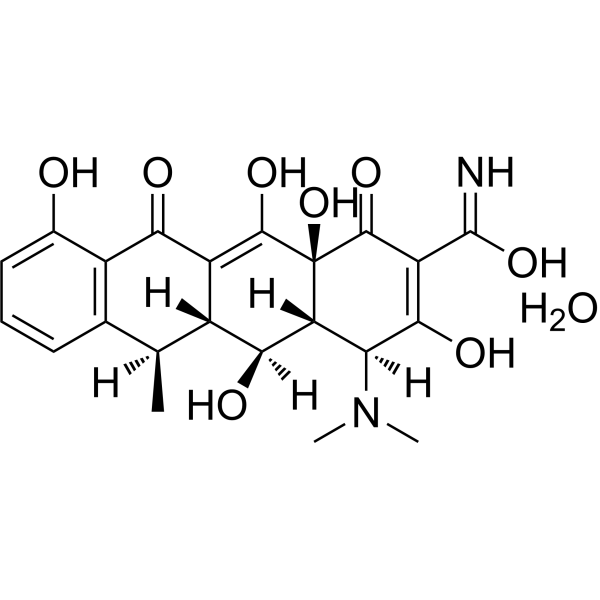
Doxycycline monohydrate is an orally active highly lipophilic, tissue-permeable MMP inhibitor with broad-spectrum antibacterial activity. Doxycycline monohydrate is also a semi-synthetic antibiotic with chelating properties, which blocks bacterial protein synthesis and inhibits extracellular matrix degradation through interactions with zinc and calcium atoms. Doxycycline monohydrate also inhibits mitochondrial biogenesis, translation, and the expression of respiratory chain proteins. Doxycycline monohydrate induces apoptosis, inhibits autophagy and EMT, downregulates stem cell markers, and activates the PI3K-AKT pathway, thereby effectively inhibiting the viability and proliferation of cancer cells such as breast cancer cells. Doxycycline monohydrate also promotes the survival and self-renewal of embryonic stem cells and neural stem cells, and reduces the frequency of medium changes in culture. Doxycycline monohydrate has been applied in studies related to breast cancer, prostate cancer, bladder cancer, and other cancers .
153
153 Cited Publications
Cat. No.: HY-B2176
CAS No.: 56-65-5
Synonyms: Adenosine 5'-triphosphate
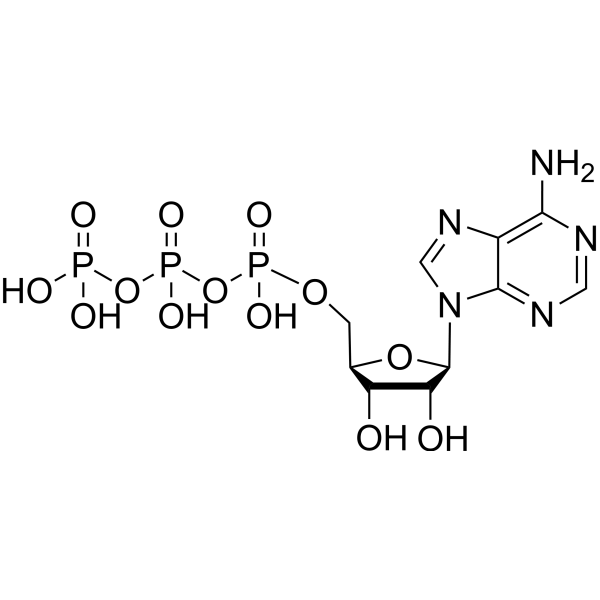
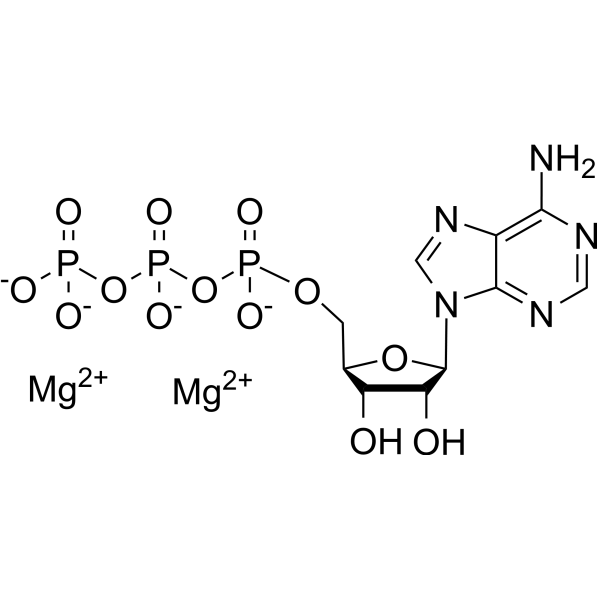
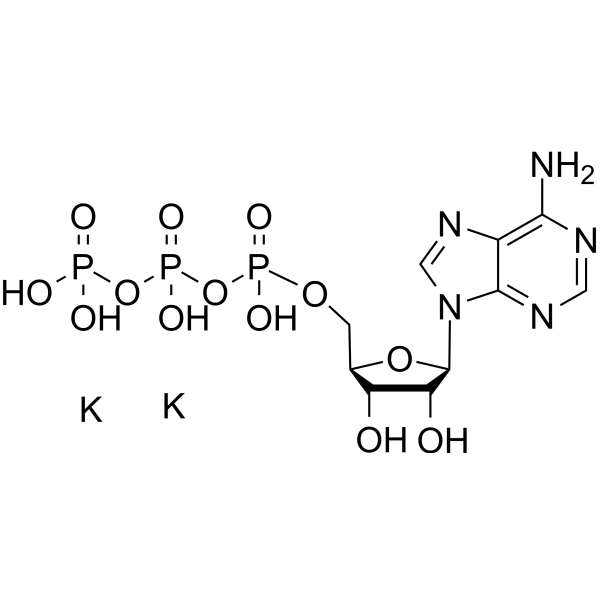
ATP (Adenosine 5'-triphosphate) is a central component of energy storage and metabolism in vivo. ATP provides the metabolic energy to drive metabolic pumps and serves as a coenzyme in cells. ATP is an important endogenous signaling molecule in immunity and inflammation. ATP can activate the NLRP3 inflammasome and induce IL-1β and chemokines secretion. ATP has anti-bacterial infection effects and can protect mice against bacterial infection in mice .
150
150 Cited Publications
Cat. No.: HY-K0201

MCE Anti-HA Magnetic Beads are used for immunoprecipitation (IP) of specific HA-tagged proteins expressed in bacterial and mammalian cells and in vitro expression systems.The 1 mL volume is defined as the base specification. All larger sizes correspond to incremental volumes of this base.

144
144 Cited Publications
Cat. No.: HY-B2176I
CAS No.: 987-65-5
Synonyms: Adenosine 5'-triphosphate disodium salt, 100 mM Solution, PCR Grade
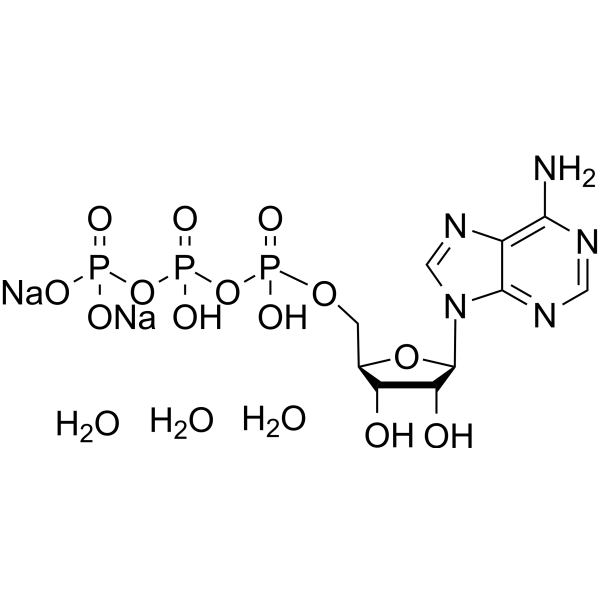
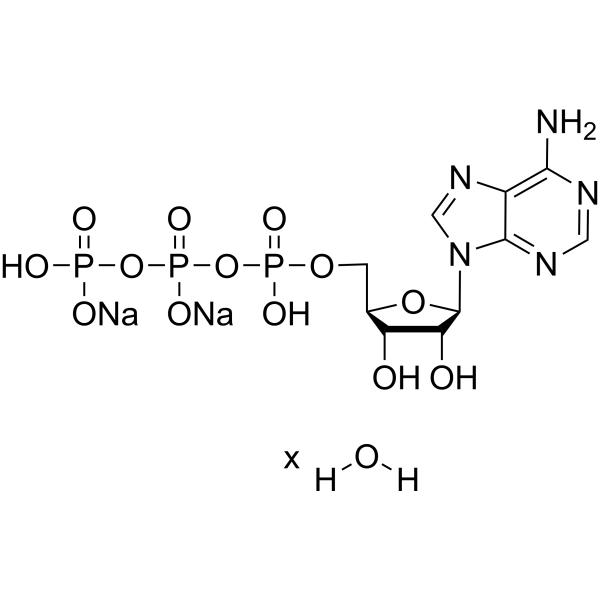
ATP (Adenosine 5'-triphosphate) disodium salt, 100 mM Solution, PCR Grade is a central component of energy storage and metabolism in vivo. ATP disodium salt, 100 mM Solution, PCR Grade provides the metabolic energy to drive metabolic pumps and serves as a coenzyme in cells. ATP disodium salt, 100 mM Solution, PCR Grade is an important endogenous signaling molecule in immunity and inflammation. ATP disodium salt, 100 mM Solution, PCR Grade can activate the NLRP3 inflammasome and induce IL-1β and chemokines secretion. ATP disodium salt, 100 mM Solution, PCR Grade has anti-bacterial infection effects and can protect mice against bacterial infection in mice .
140
140 Cited Publications
Cat. No.: HY-18982
CAS No.: 22862-76-6
Synonyms: Flagecidin; Wuningmeisu C
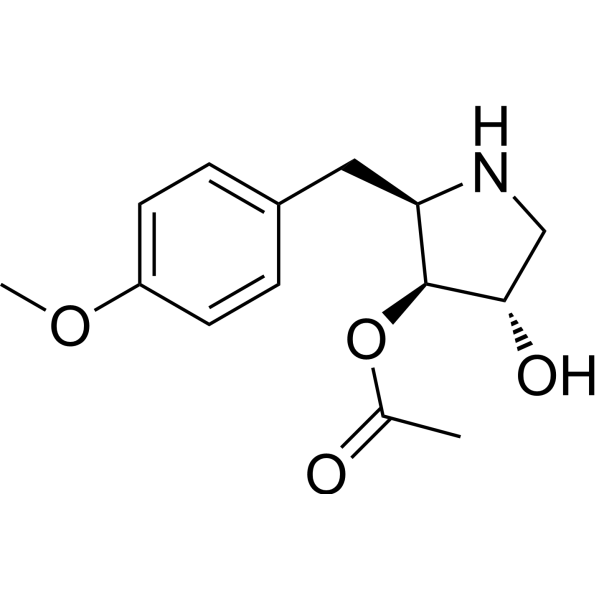
Anisomycin is a potent protein synthesis inhibitor which interferes with protein and DNA synthesis by inhibiting peptidyl transferase or the 80S ribosome system . Anisomycin is a JNK activator, which increases phospho-JNK . Anisomycin is a bacterial antibiotic .
111
111 Cited Publications
Cat. No.: HY-Y1891
CAS No.: 9005-65-6
Synonyms: Polysorbate 80
Tween 80 (Polysorbate 80), a surfactant, has been widely used as a solvent for pharmacological experiments. Tween 80 can also reduce bacterial attachment and inhibit biofilm formation.
94
94 Cited Publications
Cat. No.: HY-17362
CAS No.: 1404-93-9
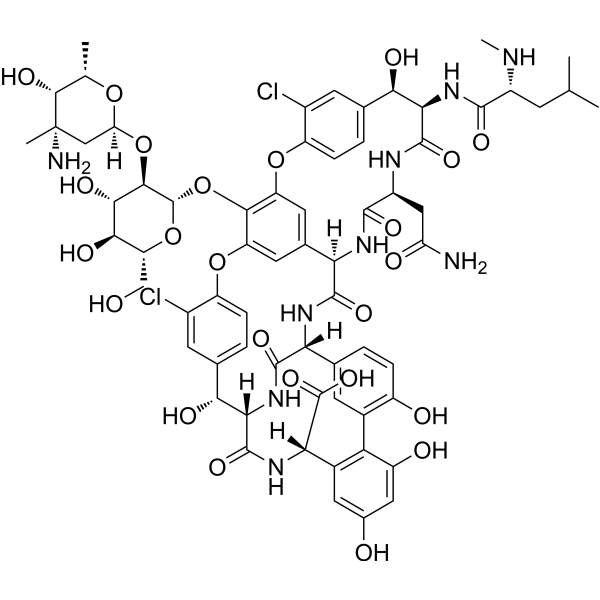
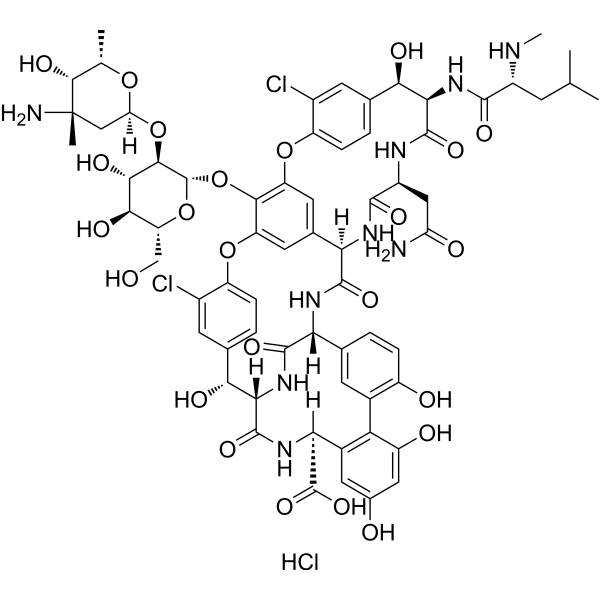
Vancomycin hydrochloride is an antibiotic for the treatment of bacterial infections. It acts by inhibiting the second stage of cell wall synthesis of susceptible bacteria. Vancomycin also alters the permeability of the cell membrane and selectively inhibits ribonucleic acid synthesis.
92
92 Cited Publications
Cat. No.: HY-K1006

MCE Penicillin-Streptomycin (100×), Sterile is used to prevent bacterial contamination of cell culture due to their effective combined action against gram-positive and gram-negative bacteria, which contains 10,000 units/mL of penicillin and 10 mg/mL of streptomycin.

77
77 Cited Publications
Cat. No.: HY-K0206

MCE Anti-c-Myc Magnetic Beads are used for immunoprecipitation (IP) of specific c-Myc-tagged proteins expressed in bacterial and mammalian cells and in vitro expression systems. The 1 mL is defined as the base specification. All larger sizes correspond to incremental volumes of this base.

68
68 Cited Publications
Cat. No.: HY-B0470
CAS No.: 1405-10-3
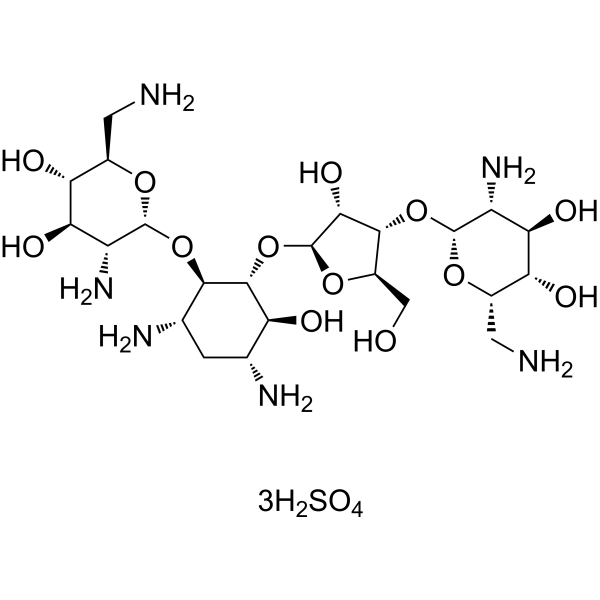
Neomycin sulfate, an aminoglycoside antibiotic, exerts antibacterial activity through irreversible binding of the nuclear 30S ribosomal subunit, thereby blocking bacterial protein synthesis. Neomycin sulfate is a known phospholipase C (PLC) inhibitor. Neomycin sulfate potently inhibits both the nuclear translocation of angiogenin and angiogenin-induced cell proliferation and angiogenesis. Neomycin sulfate inhibits IP3-mediated Ca 2+ release, MgATP-dependent Ca 2+ uptake, and electrical excitation-evoked skeletal muscle Ca 2+ transients. Neomycin sulfate depletes gut microbiota in specific mouse models, causes hearing impairment, and kidney damage with prolonged exposure. Neomycin sulfate can be used for the research of cancer .
66
66 Cited Publications
Cat. No.: HY-17412
CAS No.: 13614-98-7
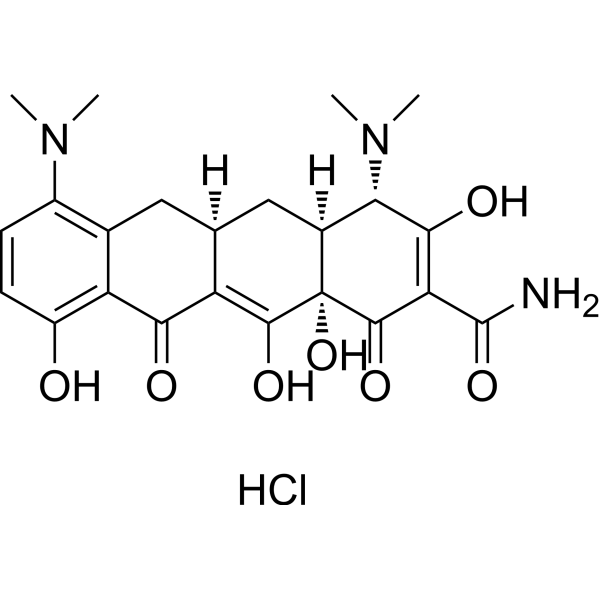
Minocycline hydrochloride is an orally active, potent and BBB-penetrated semi-synthetic tetracycline antibiotic. Minocycline hydrochloride is a hypoxia-inducible factor (HIF)-1α inhibitor. Minocycline hydrochloride shows anti-cancer, anti-inflammatory, and glutamate antagonist effects. Minocycline hydrochloride reduces glutamate neurotransmission and shows neuroprotective properties and antidepressant effects. Minocycline hydrochloride inhibits bacterial protein synthesis through binding with the 30S subunit of the bacterial ribosome, resulting in a bacteriostatic effect .
66
66 Cited Publications
Cat. No.: HY-17412A
CAS No.: 10118-90-8
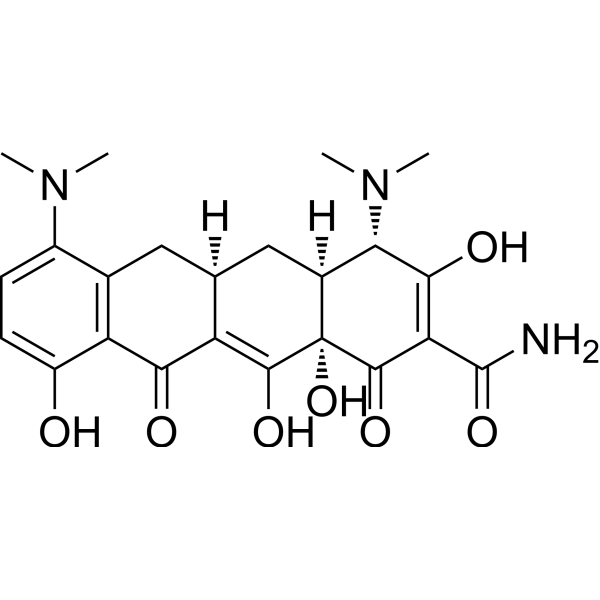
Minocycline is an orally active, potent and BBB-penetrated semi-synthetic tetracycline antibiotic. Minocycline is a hypoxia-inducible factor (HIF)-1α inhibitor. Minocycline shows anti-cancer, anti-inflammatory, and glutamate antagonist effects. Minocycline reduces glutamate neurotransmission and shows neuroprotective properties and antidepressant effects. Minocycline inhibits bacterial protein synthesis through binding with the 30S subunit of the bacterial ribosome, resulting in a bacteriostatic effect .
54
54 Cited Publications
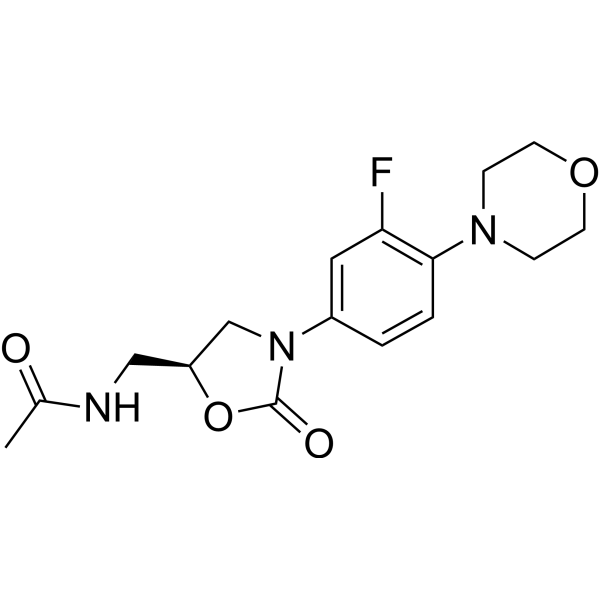
Cat. No.: HY-10394
CAS No.: 165800-03-3
Purity:  99.95%
Synonyms: PNU-100766
Target:  

Bacterial Antibiotic

Research Areas:  

Infection Cancer

Linezolid (PNU-100766) is the first member of the class of oxazolidinone synthetic antibiotic. Linezolid acts by inhibiting the initiation of bacterial protein synthesis. Linezolid is used for the treatment of serious infections caused by Gram-positive bacteria that are resistant to several other antibiotics .
52
52 Cited Publications
Cat. No.: HY-B0474
CAS No.: 64-75-5
Tetracycline hydrochloride is a broad-spectrum antibiotic with oral activity. Tetracycline hydrochloride exhibits activity against a wide range of bacteria including gram-positive, gram-negative bacteria, chlamydiae, mycoplasmas and rickettsiae. Tetracycline hydrochloride can be used for the research of infections .
52
52 Cited Publications
Cat. No.: HY-A0107
CAS No.: 60-54-8
Tetracycline is a broad-spectrum antibiotic with oral activity. Tetracycline exhibits activity against a wide range of bacteria including gram-positive, gram-negative bacteria, chlamydiae, mycoplasmas and rickettsiae. Tetracycline can be used for the research of infections .
51
51 Cited Publications
Cat. No.: HY-10320A
CAS No.: 1283526-53-3
Synonyms: BIRB 796 hydrochloride
Target:  

Autophagy Raf p38 MAPK

Research Areas:  

Inflammation/Immunology

Doramapimod hydrochloride (BIRB 796 hydrochloride) is an anti-inflammatory compound with biological activity through inhibition of p38 MAPK. Doramapimod hydrochloride can significantly inhibit the activities of TNF-α and IL-1β induced by LPS, LTA and PGN. Doramapimod hydrochloride showed a stronger inhibitory effect on inflammation induced by all three bacterial toxins, which was more significant compared with the effects of other compounds. Doramapimod hydrochloride can be used in the research of autoimmune diseases .
46
46 Cited Publications
Cat. No.: HY-B1906
CAS No.: 57-92-1
Synonyms: Agrept; Agrimycin; Streptomycin A
Streptomycin (Agrept) is an effective antibiotic against M. tuberculosis, is used for the research of tuberculosis (TB). Streptomycin also is a bacteriocidal agent that can be used for the research of a number of bacterial infections. Streptomycin can bind strongly to nucleic acids, interferes and blocks protein synthesis while permitting continued RNA and DNA synthesis. Streptomycin, as a common antibiotic used in culture media, also is a blocker of stretch-activated and mechanosensitive ion channels in neurons and cardiac myocytes .
45
45 Cited Publications
Cat. No.: HY-17506
CAS No.: 83905-01-5
Synonyms: CP 62993
Research Areas:  

Infection Cancer

Azithromycin is a macrolide antibiotic useful for the treatment of a number of bacterial infections.

