98 Results for "

beans

" in MedChemExpress (MCE) Product Catalog:
Products (98)

98 Results for "beans" in MCE Product Catalog:

7
7 Publications Verification
Cat. No.: HY-N7038
CAS No.: 9008-97-3
Synonyms: PHA-M
Phytohemagglutinin (PHA-M), the major seed lectin of the common bean, Phaseolus vulgaris, is a T-cell activator. Phytohemagglutinin stimulates human mononuclear leukocytes, inducing the expression of ChAT mRNA and potentiating ACh synthesis. Phytohemagglutinin induces dose- and time-dependent toxicity in THP-1 monocytes/macrophages, alters cellular morphology, causes organelle dysfunction, and increases the expression of NF-κB, COX2, IL-1β .
loading...
    loading...
7
7 Publications Verification
Cat. No.: HY-N0098
CAS No.: 121-33-5
Synonyms: p-Vanillin; m-Methoxy-p-hydroxybenzaldehyde; p-Hydroxy-m-methoxybenzaldehyde
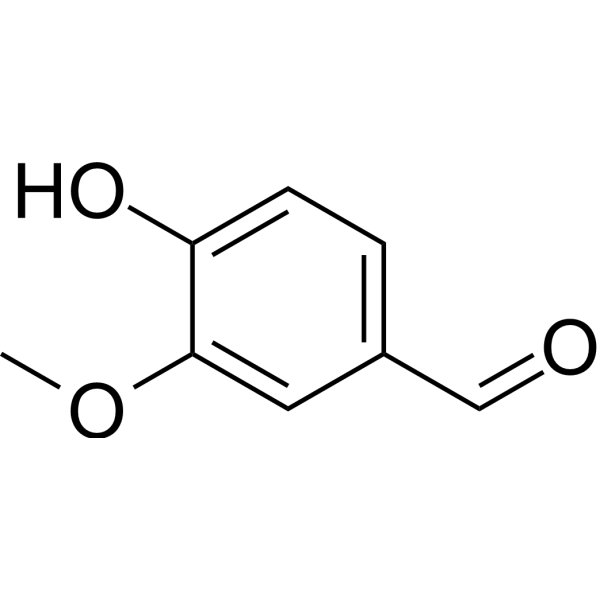
Vanillin (p-Vanillin) is a single molecule extracted from vanilla beans and also a popular odor used widely in perfume, food and medicine.
loading...
    loading...
6
6 Cited Publications
Cat. No.: HY-N2022
CAS No.: 79831-76-8
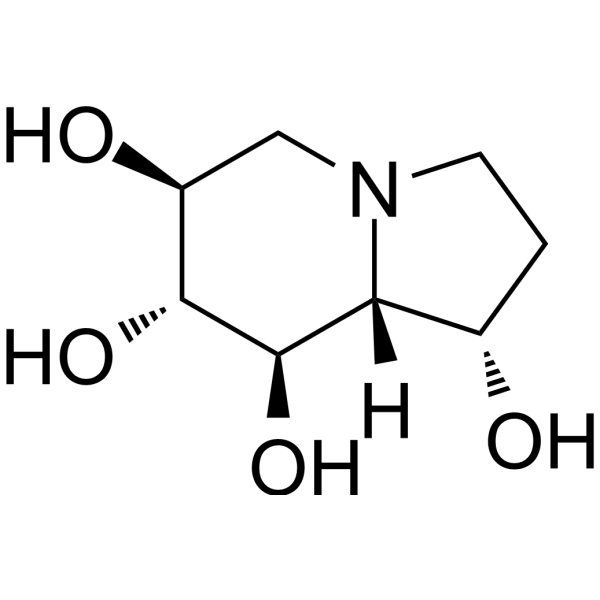
Castanospermine is a natural alkaloid that can be extracted from black beans or the Moreton Bay chestnut tree (Castanospermum australae). Castanospermine is an α/ β-glucosidase inhibitor. Castanospermine has anti-inflammatory, antiviral replication and anti-metastatic effects on prostate cancer. Castanospermine can be used as an immunosuppressant to prevent transplant rejection .
loading...
    loading...
2
2 Cited Publications
Cat. No.: HY-30152
CAS No.: 2009-24-7
Synonyms: 8-Hydroxypsoralen
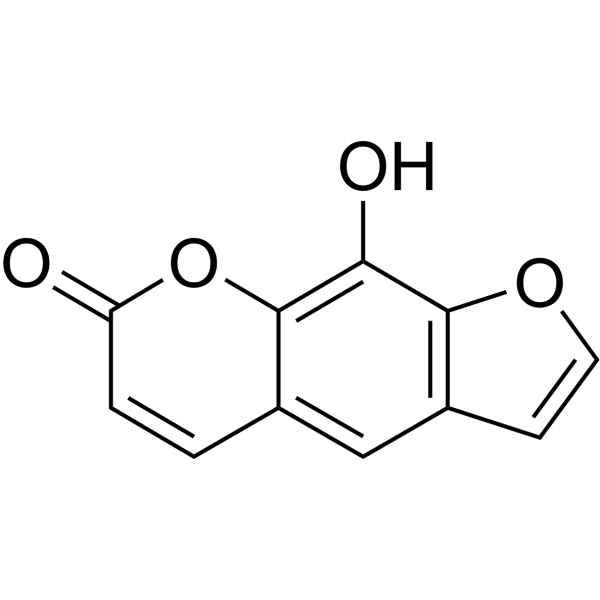
Xanthotoxol (8-Hydroxypsoralen) It is a kind of fragrant bean substance, and it is a CYP450 inhibitor. Xanthotoxol has anti-inflammatory, anti-inflammatory, and 5-HT antagonistic and protective effects. Xanthotoxol inhibited CYP3A4 sum CYP1A2 IC50s separation 7.43 μM sum 27.82 μM. Xanthotoxol can pass through MAPK and NF-κB, inhibiting inflammation .
loading...
    loading...
2
2 Cited Publications
Cat. No.: HY-125923
CAS No.: 498-59-9
Purity:  ≥98.0%
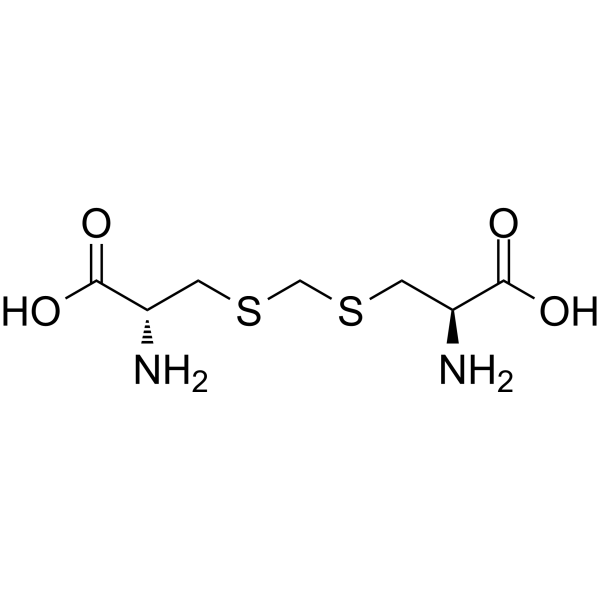
Djenkolic acid is a sulfur-containing amino acid. Djenkolic acid can be isolated from the djenkol beans of the Southeast Asian plant Archidendron jiringa. Djenkolic acid de-inhibits the SO4 2- uptake system in Pseudomonas fluorescens. Djenkolic acid causes supersaturation of the urinary system with djenkolic acid crystals, leading to urinary tract obstruction and acute kidney injury .
loading...
    loading...
2
2 Cited Publications
Cat. No.: HY-N2093
CAS No.: 152-93-2
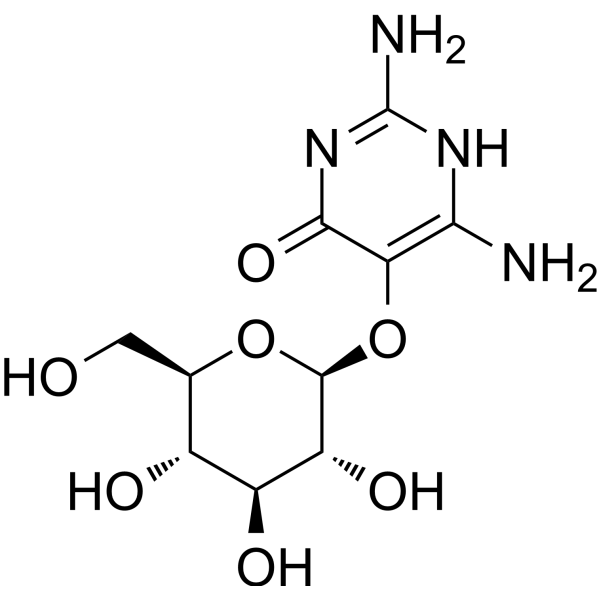
Vicine, an alkaloid glycoside found mainly in fava beans, is toxic in individuals who have a hereditary loss of the enzyme glucose-6-phosphate dehydrogenase and may cause haemolytic anaemia.Vicine is an inactive compound that is hydrolysed by the intestinal microflora to a highly reactive free radical generating compound, the aglycone divicine when Vicine enters the body through food .
loading...
    loading...
1
1 Cited Publications
Cat. No.: HY-N0138
CAS No.: 83-67-0
Synonyms: 3,7-Dimethylxanthine
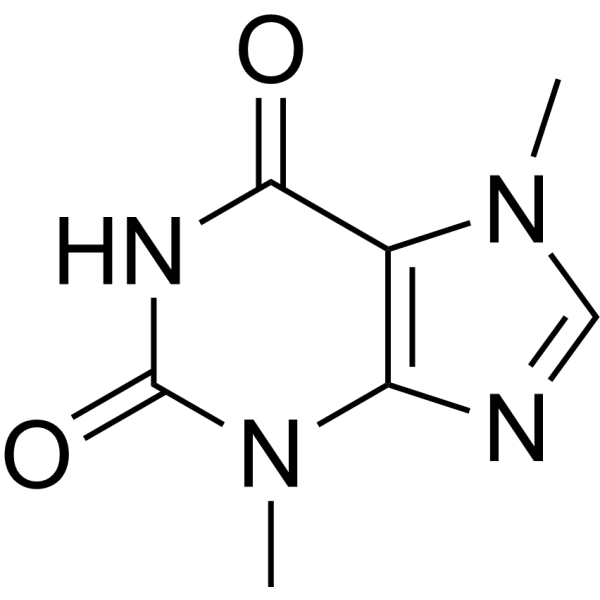
Theobromine is a methylxanthine found in cacao beans which can inhibit adenosine receptor A1 (AR1) signaling.
loading...
    loading...
1
1 Cited Publications
Cat. No.: HY-P2767
CAS No.: 9002-13-5
Target:  

Bacterial

Research Areas:  

Others

Urease, Jack bean is derived from jack bean and Catalyzes hydrolysis of urea to carbon dioxide and ammonia. Urease, Jack bean is useful in the determination of urea in body fluids.
loading...
    loading...
1
1 Cited Publications
Cat. No.: HY-N7906
CAS No.: 19833-12-6
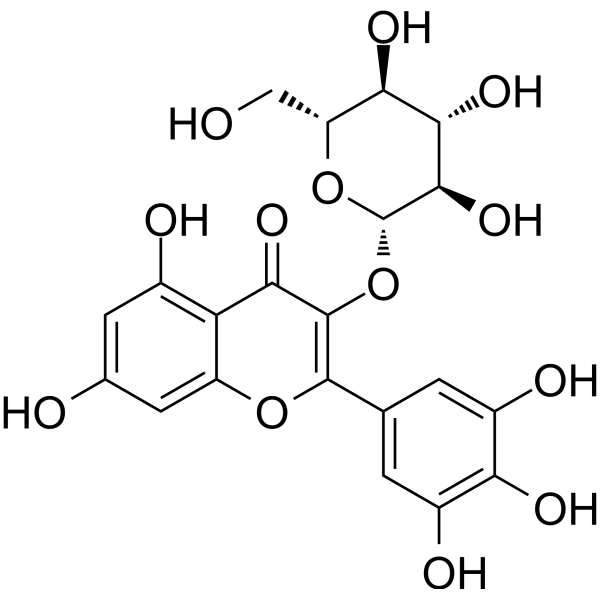
Synonyms: Myricetin 3-β-D-glucopyranoside
Myricetin 3-O-glucoside (Myricetin 3-β-D-glucopyranoside) is a flavonol from Tibouchina paratropica and Hakmeitau beans. Myricetin 3-O-glucoside exhibits anti-Leishmanial, anti-inflammatory and antimicrobial activities .
loading...
    loading...
1
1 Cited Publications
Cat. No.: HY-N0138S1
CAS No.: 65566-69-0
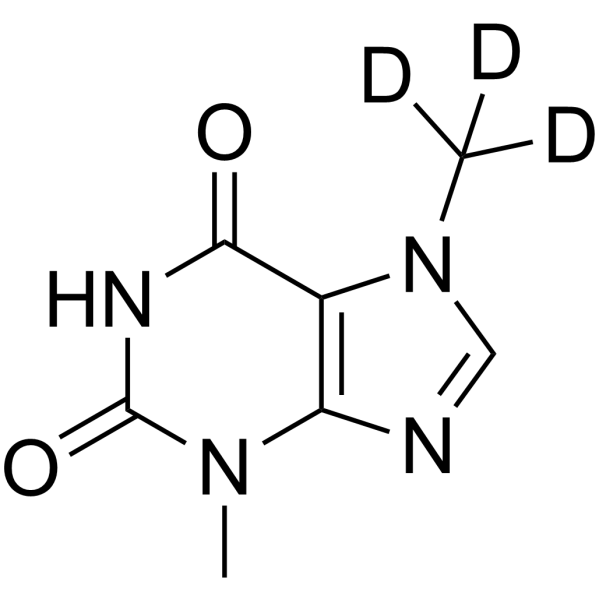
Synonyms: 3,7-Dimethylxanthine-d3
Theobromine-d3 is the deuterium labeled Theobromine. Theobromine is a methylxanthine found in cacao beans which can inhibit adenosine receptor A1 (AR1) signaling.
loading...
    loading...
1
1 Cited Publications
Cat. No.: HY-N3087
CAS No.: 13401-40-6
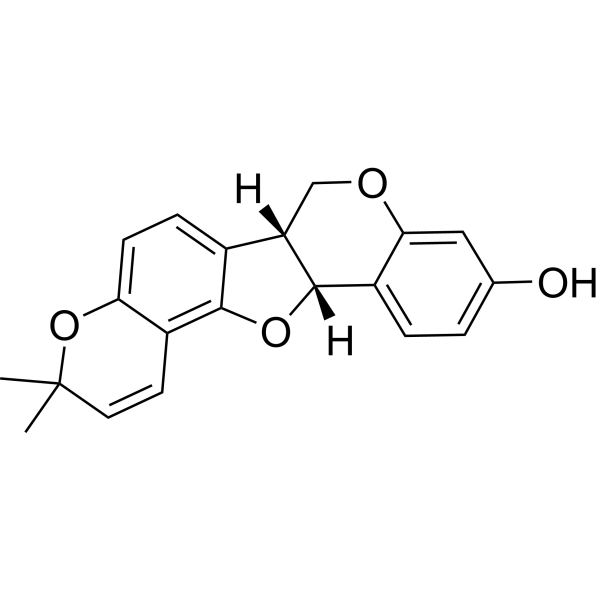
Phaseollin is an isoflavonoid phytoalexin that can be isolated from Phaseolus vulgaris . Phaseollin is toxic to bean hypocotyl and endocarp cells, and causes a complete lysis of sheep erythrocytes .
loading...
    loading...
Cat. No.: HY-136633
CAS No.: 447399-55-5
Purity:  99.80%
Research Areas:  

Others

Pyroxasulfone is a broad-spectrum pyrazole Herbicide. Pyroxasulfone is effective against a variety of annual grass weeds and some broadleaf weeds. Pyroxasulfone causes reduced plant height, decreased above-ground dry weight and yield loss in pinto beans and red Mexican beans .
loading...
    loading...
Cat. No.: HY-NP077
Synonyms: PHA-L
Phaseolus vulgaris leucoagglutinin (PHA-L) is a lectin, that can be extracted from red kidney beans (Phaseolus vulgaris). Phaseolus vulgaris leucoagglutinin can be used as an anterograde axonal tracer in neuroanatomical research to study the morphology of neurons, axons, and terminal structures in the nervous system .
loading...
    loading...
Cat. No.: HY-128852
CAS No.: 14215-68-0
Purity:  ≥98.0%
N-Acetyl-D-galactosamine (GalNAc) is a terminal essential amino sugar derived from galactose and forms the antigens of blood group A in humans. N-Acetyl-D-galactosamine (GalNAc) interact with Soya bean agglutinin (SBA), hence decreasing the effects of SBA on cellular membrane permeability and tight junction protein expression in piglets . N-Acetyl-D-galactosamine (GalNAc) inhibits the hemagglutinating activity by the lectin .
loading...
    loading...
Cat. No.: HY-N1470
CAS No.: 78708-33-5
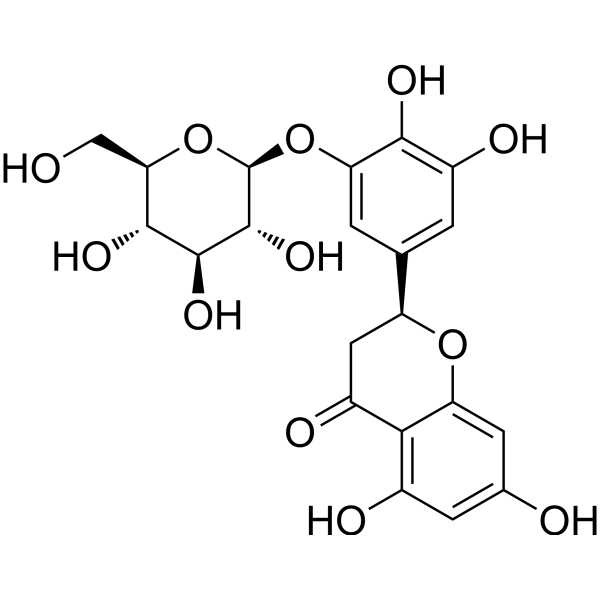
Plantagoside is a flavanone glucoside found in Plantago asiatica seeds, acting as a specific non-competitive α-mannosidase inhibitor with IC50 values of 5 μM and a Ki of 2.7 μM (jack bean). Plantagoside suppresses antibody response and Concanavalin A (HY-P2149)-induced lymphocyte proliferation in mouse spleen cells. Plantagoside inhibits the Maillard reaction, advanced glycation end product formation, and glycation-dependent protein-protein cross-link formation. Plantagoside can be used for the research of diabetes .
loading...
    loading...
Cat. No.: HY-E70110
CAS No.: 37288-54-3
Research Areas:  

Others

Endo-1,4-β-mannanase is an important catalyst that randomly cleaves the β-1,4-linkages in the main chain of mannan, releasing short-chain β-1,4-mannan and mannose. The catalytic activity of Endo-1,4-β-mannanase toward locust bean gum is enhanced by Mn 2+, Co 2+, Ca 2+, Ba 2+, Triton X-100, sodium azide and N-ethylmaleimide, completely inhibited by Hg 2+ and N-bromosuccinimide, and partially inhibited by EDTA and Cu 2+. Endo-1,4-β-mannanase can be used in studies related to plant hemicellulose degradation, biomass saccharification, elimination of anti-nutritional factors in feed, and manno-oligosaccharide prebiotics .
loading...
    loading...
Cat. No.: HY-N7929
CAS No.: 40242-06-6
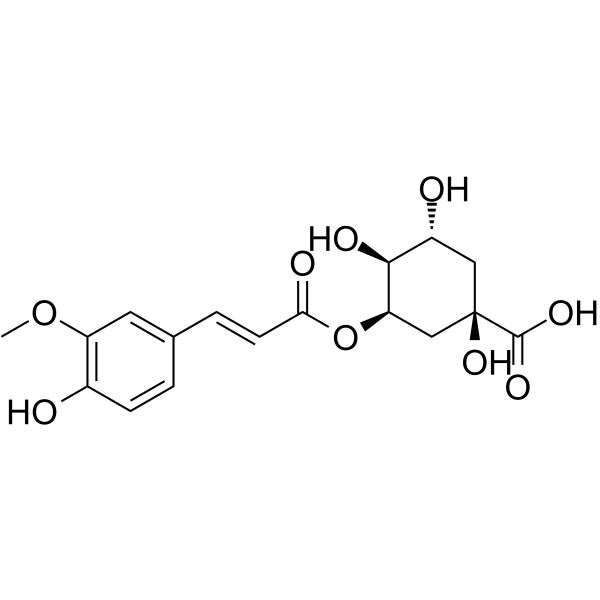
5-Feruloylquinic acid (5-FQA) is a hydroxycinnamic acid derivative. 5-Feruloylquinic acid can be isolated from green coffee beans. 5-Feruloylquinic acid inhibits tyrosinase activity. 5-Feruloylquinic acid has antioxidant properties. 5-Feruloylquinic acid has anticancer activity against lymphoma, oral epidermal cancer, and breast cancer .
loading...
    loading...
Cat. No.: HY-W093282
CAS No.: 8013-07-8
Synonyms: Soybean oil epoxide
Epoxidized soya bean oil (ESBO) is a vegetable oil-derived organic compound used as a plasticizer and stabilizer in various applications. It is produced by epoxidation of soybean oil, which introduces epoxy groups into the fatty acid chains of the oil. ESBO is a viscous, pale yellow liquid that is soluble in many organic solvents, such as chloroform and ethanol, but insoluble in water. It is commonly used as a plasticizer in polyvinyl chloride (PVC) products, including toys, food packaging materials and medical devices. In addition to its plasticizing properties, ESBO acts as an antioxidant and UV stabilizer, helping to prevent degradation and discoloration of PVC products over time. ESBOs have been investigated for their potential use in biodegradable plastics and as bio-based alternatives to traditional petroleum-derived plasticizers.
loading...
    loading...
Cat. No.: HY-W040141
CAS No.: 7643-75-6
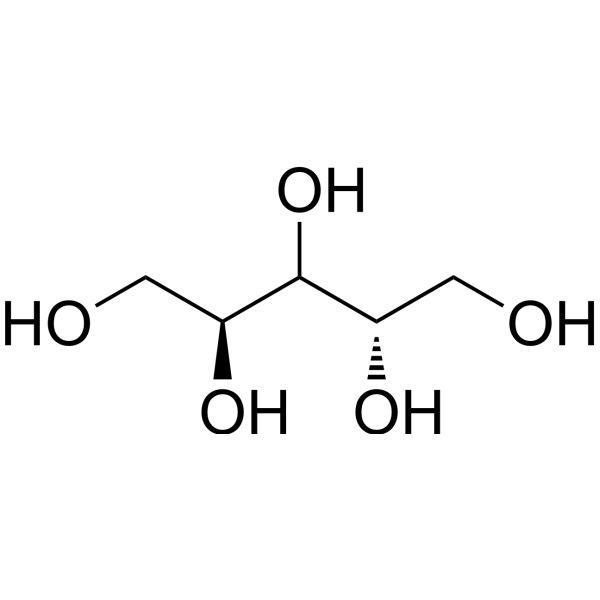
L-Arabinitol is a potential biomarker for the comsuption of the food products such as sweet potato, deerberry, moth bean, and is also associated with Alzheimer's disease and ribose-5-phosphate isomerase deficiency.
loading...
    loading...
Cat. No.: HY-W250146
CAS No.: 9000-40-2
Synonyms: Locust bean gum, Polysaccharide>75%, 5000-6500 mPa·S
Locust bean gum is a natural polysaccharide derived from the seeds of the carob tree. It is commonly used as a thickening, stabilizing and gelling agent in a variety of foods, including dairy, baked goods and meat products. Locust bean gum has several properties suitable for these applications, including high water retention capacity, ability to form stable gels at low temperatures, and resistance to acidic conditions. Additionally, it can be used as a dietary fiber supplement due to its potential health benefits, including improving digestion and lowering cholesterol levels.
loading...
    loading...

