


Search Result
Results for "
biosensor
" in MedChemExpress (MCE) Product Catalog:
12
Biochemical Assay Reagents
| Cat. No. |
Product Name |
Target |
Research Areas |
Chemical Structure |
-
- HY-W013151
-
|
|
Biochemical Assay Reagents
SARS-CoV
|
Others
|
|
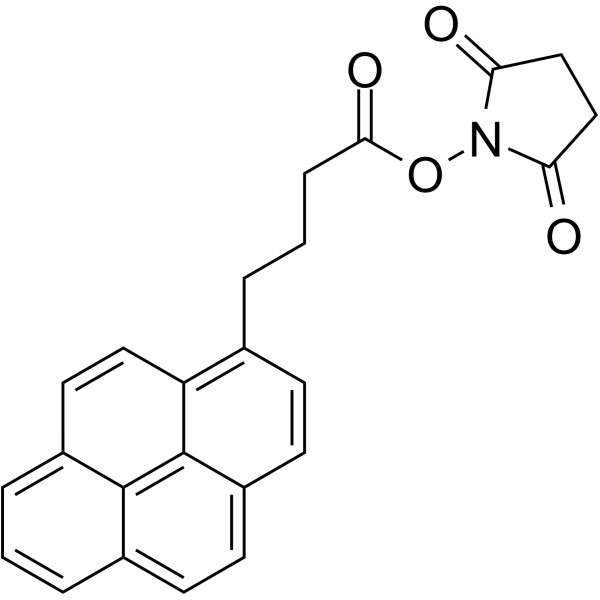
1-Pyrenebutyric acid N-hydroxysuccinimide ester (PANHS) is a linker and interface coupling agent that can be used to prepare electrochemical biosensors. 1-Pyrenebutyric acid N-hydroxysuccinimide ester immobilizes SARS-CoV-2 spike antibodies on graphene sheets. 1-Pyrenebutyric acid N-hydroxysuccinimide ester is often used as an activation reagent for carboxylic acids in organic chemistry or biochemistry .
|
-
-
- HY-E70005I
-
|
Type VI collagenase
|
MMP
|
Cancer
|
|
Collagenase, Type VI (EC 3.4.24.3) is a collagenase that can degrade type VI collagen. Type VI collagen is a component of cell membranes in various tissues (such as skin, heart, blood vessels, cartilage, and synovial fluid). Excessive collagenase can cause extracellular matrix lesions. Collagenase is also a biomarker for tumor invasion and metastasis. Collagenase, Type VI can specifically act on the peptide bond between proline and glycine. This feature can be used to quickly and sensitively detect its concentration level in experiments using corresponding modified electrodes .
|
-
-
- HY-164117
-
BNN6
1 Publications Verification
|
Reactive Oxygen Species (ROS)
Apoptosis
|
Cancer
|
|
BNN6 is a thermoresponsive nitric oxide (NO) donor that often works by binding to a carrier. BNN6 decomposes under the heat stimulation generated by photothermal action, releasing high concentrations of NO, which exerts anti-tumor activity by inducing tumor cell apoptosis and inhibiting their repair. BNN6 can be used to synthesize the multifunctional biosensor BNN6-BiTiS3-iRGD, which exerts a synergistic anti-cancer effect with photothermal therapy (PTT) .
|
-
-
- HY-E70014
-
|
FAD-GDH; Glucose 1-dehydrogenase
|
Endogenous Metabolite
|
Others
|
|
FAD-dependent glucose dehydrogenase (EC 1.1.5.9), or glucose dehydrogenase (FAD)/Pseudomonas glucose dehydrogenase. FAD-dependent glucose dehydrogenase is insensitive to O2 and displays high substrate specificity to glucose and thus is especially attractive enzymes for use in glucose biosensor applications .
|
-
-
- HY-34515
-
|
TMPhen; 3,4,7,8-Tetramethyl-1,10-phenanthroline
|
Biochemical Assay Reagents
|
Others
|
|
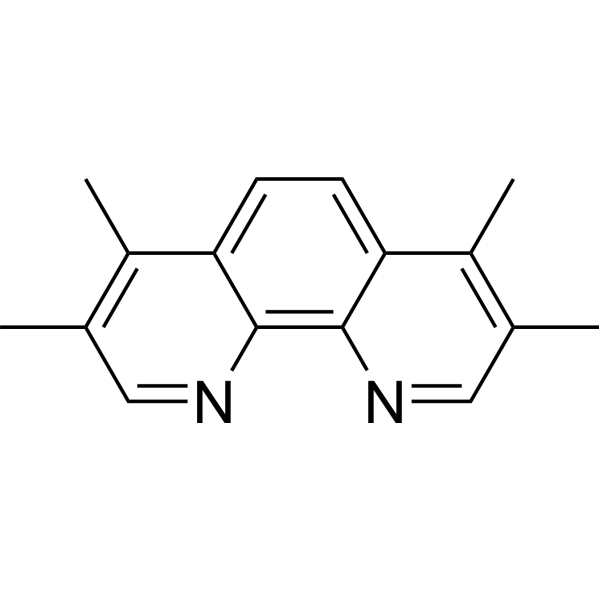
3,4,7,8-Tetramethyl-1,10-phenanthroline (TMPhen) is an organic molecule commonly used as a ligand or catalyst. It has a wide range of applications in different fields, such as organometallic chemical reactions, electrochemical detection, and organic optoelectronic devices. Due to its excellent performance in fluorescent probes, biosensors and photocatalytic reactions, it has been widely used in research in the fields of chemistry and life sciences.
|
-
-
- HY-174892
-
|
|
Biochemical Assay Reagents
|
Others
|
|
Biotin-PEG5-NHS ester is a heterobifunctional crosslinker as well as a polyethylene glycol-containing bioconjugation reagent. Biotin-PEG5-NHS ester is widely used in scientific research fields such as the construction of highly sensitive biosensors, the development of targeted drug delivery systems (e.g., liposome modification), immunofluorescence imaging, and protein affinity purification, and serves as an important tool for achieving precise labeling and functionalization of biomolecules .
|
-
-
- HY-D0892
-
|
|
Biochemical Assay Reagents
|
Cancer
|
|
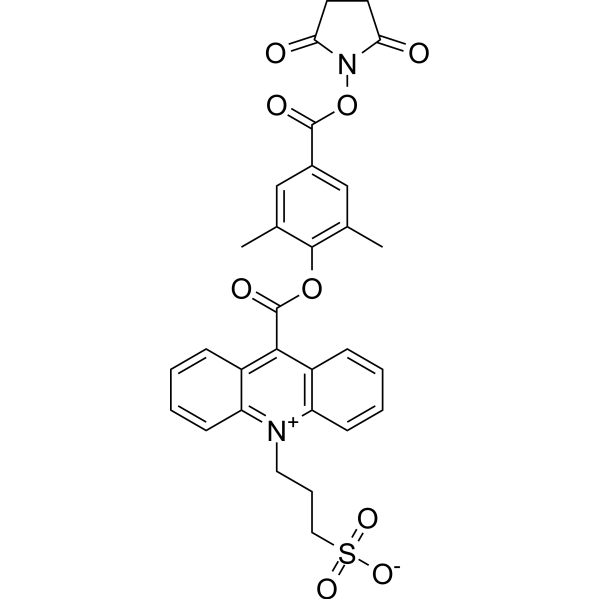
NSP-DMAE-NHS is an acridinium ester-based signal amplifier that can act as a luminescent probe to effectively improve the detection performance of biosensors. NSP-DMAE-NHS preserves the biochemical activity of biomolecules during the conjugation process. NSP-DMAE-NHS has been successfully applied to label mouse anti-human PI3 monoclonal antibodies for chemiluminescent immunoassays, as well as for pre-competitive chemiluminescent immunochromatographic detection of TP53 fusion proteins. NSP-DMAE-NHS can be used in detection studies of cancer and related biomarkers .
|
-
-
- HY-W923198
-
|
Methacryloyloxy fluorescein
|
Fluorescent Dye
|
Others
|
|
Fluorescein O-methacrylate (Methacryloyloxy fluorescein) is a pH-responsive fluorescent monomeric dye. Fluorescein O-methacrylate exhibits pH-responsive fluorescence properties: its fluorescence is activated under alkaline conditions and quenched under neutral or acidic conditions; reversible switching of fluorescence is achievable by adjusting the pH of the solution. Fluorescein O-methacrylate can be used as a monomer for the synthesis of amphiphilic fluorescein polymers. These polymers can self-assemble into stable polymer nanoparticles with enhanced aqueous-phase fluorescence, and also enable the conjugation of nanoparticles with amine-containing biomolecules to support sensitive optical detection of biomarkers (Ex/Em = 490/520 nm) .
|
-
-
- HY-P2893B
-
|
Creatine amidinohydrolase, microorganism
|
Endogenous Metabolite
|
Metabolic Disease
|
|
Creatine amidinohydrolase, microorganism is a hydrolytic enzyme that catalyzes the hydrolysis of creatine into creatinine and urea, playing a crucial role in the measurement of creatinine concentration. Creatine amidinohydrolase, microorganism can be used in the development of biosensors for measuring serum creatinine levels .
|
-
-
- HY-170528
-
|
|
PROTAC Linkers
|
Others
|
|
DBCO-PEG3-NHS is a biochemical assay reagent, that can be used to chemically modify proteins and antibodies with an alkynyl (DBCO) or N-hydroxysuccinimide (NHS) ester group. DBCO-PEG3-NHS can be used as a linker in PROTAC synthesis or for drug delivery and the development of biosensors and diagnostic reagents .
|
-
-
- HY-P2888
-
|
BOD
|
Biochemical Assay Reagents
|
Metabolic Disease
|
|
Bilirubin oxidase (BOD) is an electrocatalyst with oxygen removal activity. Bilirubin oxidase can catalyze the oxidation of bilirubin to biliverdin. Bilirubin oxidase participates in the metabolism of porphyrins and chlorophyll, and acts as a catalyst for oxygen reduction. Bilirubin oxidase can serve as a component of a single-enzyme oxygen removal system for reductase-based voltammetric biosensors .
|
-
-
- HY-156829I
-
|
|
Biochemical Assay Reagents
|
Others
|
|
PLGA-PEG-PLGA (hydrogel) (LA:GA 3:1) (15% solution) is a biodegradable thermosensitive hydrogel product that can undergo phase transition at a specific temperature. PLGA-PEG-PLGA (hydrogel) (LA:GA 3:1) (15% solution) can be widely used in drug delivery systems, tissue engineering, wound dressings, and biosensors . The gelation temperature varies with the concentration; the higher the concentration, the lower the gelation temperature.
|
-
-
- HY-156829B
-
|
|
Biochemical Assay Reagents
|
Others
|
|
PLGA-PEG-PLGA (hydrogel) (LA:GA 7:1) is a biodegradable thermosensitive hydrogel product that can undergo phase transition at a specific temperature. PLGA-PEG-PLGA (hydrogel) (LA:GA 7:1) can be widely used in drug delivery systems, tissue engineering, wound dressings, and biosensors. The gelation temperature varies with concentration. The gelation temperature varies with the concentration; the higher the concentration, the lower the gelation temperature .
|
-
-
- HY-W004570
-
|
5-NP
|
Endogenous Metabolite
|
Infection
|
|
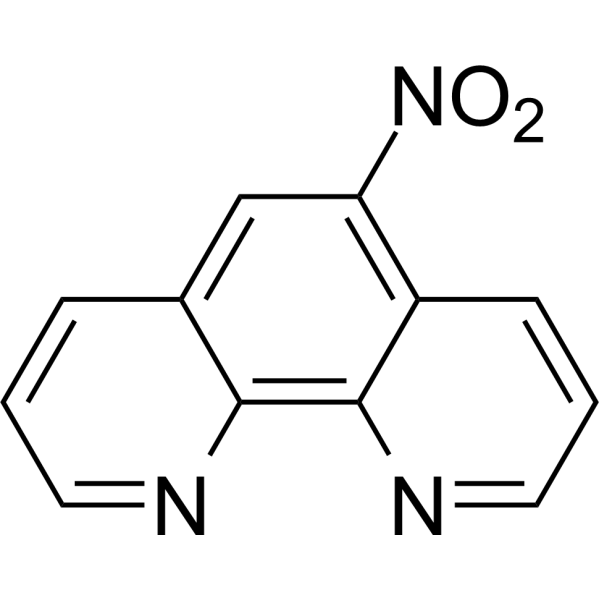
5-Nitro-1,10-phenanthroline (5-NP), is a o-Phenanthroline (HY-W004544) derivative, as a mediator of glucose oxidase (GOX) with antituberculous activity. 5-Nitro-1,10-phenanthroline can be applied as redox mediators for oxidases and is suitable for the development of reagent-less biosensors and biofuel cells .
|
-
-
- HY-D0808
-
|
|
Fluorescent Dye
|
|
|
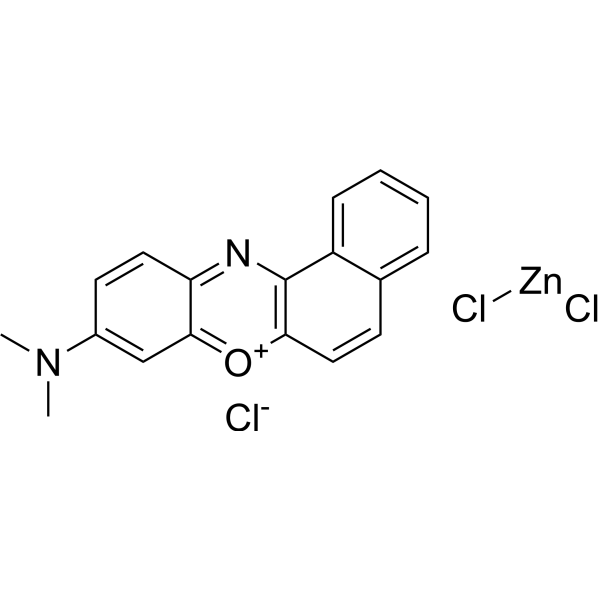
Meldola blue is a biosensor for measuring lactate in serum based on screen-printed carbon electrodes modified with Meldola's Blue-Reinecke salt (MBRS-SPCE) coated with lactate dehydrogenase NAD+-dependent enzyme (from pig heart) and NAD+.
|
-
-
- HY-P2889
-
|
|
Biochemical Assay Reagents
|
Others
|
|
Pyranose oxidase, Coriolus sp. is an oxidoreductase targeting monosaccharides (e.g., D-glucose, D-galactose). Pyranose oxidase, Coriolus sp. is promising for research of biosensors (glucose, 1,5-anhydroglucitol detection) and biofuel cells .
|
-
-
- HY-P1805
-
|
|
Calmodulin
|
Neurological Disease
|
|
Calmodulin Binding Peptide 1 is a high-affinity (pM) CaM-binding peptide derived from smooth muscle myosin light chain kinase (MLCK peptide). The interface of the complex formed by Calmodulin Binding Peptide 1 and Ca 2+-CaM can be specifically bound by small-molecule inhibitors, serving as a key target for selective regulation of smooth muscle contraction and development of anti-CaM drugs .
|
-
-
- HY-156829J
-
|
|
Biochemical Assay Reagents
|
Others
|
|
PLGA-PEG-PLGA (hydrogel) (LA:GA 3:1) (20% solution) is a biodegradable thermosensitive hydrogel product that can undergo phase transition at a specific temperature. PLGA-PEG-PLGA (hydrogel) (LA:GA 3:1) (20% solution) can be widely used in drug delivery systems, tissue engineering, wound dressings, and biosensors. The gelation temperature varies with the concentration; the higher the concentration, the lower the gelation temperature .
|
-
-
- HY-W007392
-
|
Methyl 4-bromopyrrole-2-carboxylate
|
Biochemical Assay Reagents
|
Others
|
|
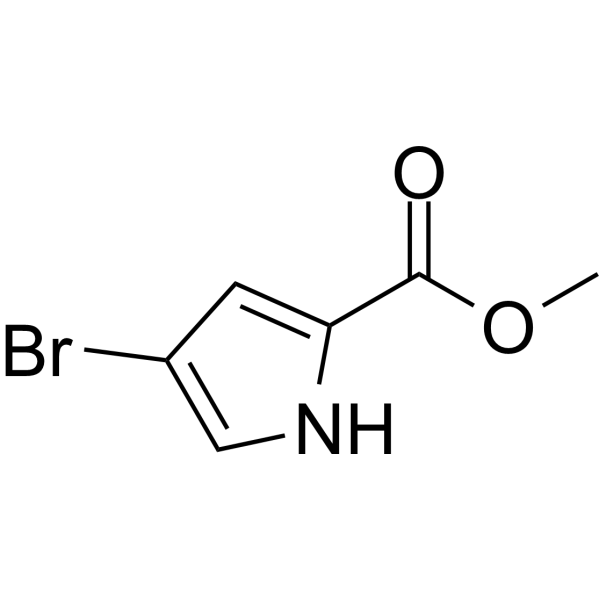
Methyl 4-bromo-1H-pyrrole-2-carboxylate (Methyl 4-bromopyrrole-2-carboxylate) is a biologically active pyrrole derivative. Methyl 4-bromo-1H-pyrrole-2-carboxylate can be used in studies on the development of pyrrole-related biosensors .
|
-
-
- HY-D0948
-
|
|
Fluorescent Dye
|
Infection
|
|
Celestine Blue is a electroactive indicator in DNA biosensors. Celestine Blue is strongly adsorbed on the spinel phases and CNT (carbon nanotubes), facilitates dispersion, acts as a capping agent and allows for the fabrication of spinel decorated CNT. Celestine Blue is an efficient charge transfer mediator, which allows for significant improvement of capacitive behavior. TiO2 nanoparticles doped with Celestine Blue can be used as a label in a sandwich immunoassay for the hepatitis C virus (HCV) core antigen .
|
-
-
- HY-D2361
-
|
|
Nucleoside Antimetabolite/Analog
|
Others
|
|
Adenosine 2'-PEG-Biotin is a biochemical reagent derived from adenosine. Adenosine 2'-PEG-Biotin regulates cell signaling pathways by mimicking the effects of endogenous adenosine and binding to its receptors. Adenosine 2'-PEG-Biotin can be used in the research of bioprobes, biosensors and diagnostic reagents .
|
-
-
- HY-W835525
-
|
|
Biochemical Assay Reagents
|
Others
|
|
N-(Biotinoyl)-N''-(iodoacetyl)ethylenediamine is a biotinylated biochemical assay reagent that forms a layer of biotin derivative on the surface of ORMOCER, and triggers the assembly of peptide nanostructured fibers. N-(Biotinoyl)-N''-(iodoacetyl)ethylenediamine can be used for 3D assembly of peptides in molecular electronics, biosensors, and tissue engineering .
|
-
-
- HY-D1721
-
|
|
Fluorescent Dye
|
Others
|
|
Fluorescein-12-dATP is a fluorescent dye acting as the detection probe. Fluorescein-12-dATP can be used to label the thrombin-binding aptamers by catalytic polymerization of TdT (terminal deoxynucleotidyl transferase) . Fluorescein-12-dATP is a click chemistry reagent, it contains an Alkyne group and can undergo copper-catalyzed azide-alkyne cycloaddition (CuAAc) with molecules containing Azide groups.
|
-
-
- HY-W127832
-
|
|
Fluorescent Dye
|
Others
|
|
Ru(dpp)3(PF6)2 is a complex containing metallic ruthenium (Ru) and is a chemiluminescent oxygen probe. [Ru(dpp)3] 2+ is a luminescent substance that can undergo metal-to-ligand charge transfer (MLCT), and fluorescence will appear during the transfer of Ru to the ligand. At the same time, the fluorescence of Ru(dpp)3(PF6)2 is effectively quenched by molecular oxygen, so it is widely used in biosensors, environmental monitoring, and materials science. The property of Ru(dpp)3(PF6)2, which oxidizes Ru 2+ to Ru 3+, has also been used to design and construct solid-state light-emitting electrochemical cells .
|
-
-
- HY-P2996B
-
|
|
Others
|
Others
|
|
Nitrate Reductase (NAD[P]H), Pichia pastoris (recombinant) is a simplified version of nitrate reductase S-NaR1 expressed and purified by Pichia pastoris. Nitrate Reductase (NAD[P]H), Pichia Pastoris (recombinant) contains sites binding molybdenum-molybdenopyridine (Mo-MPT) and nitrate reduction active sites and only contains two domains instead of the five domains of the complete NaR. This simplified form of nitrate reductase was expressed in high density in P. pastoris and purified to homogeneity in one step by fixed metal affinity chromatography (IMAC). Nitrate Reductase (NAD[P]H), Pichia Pastoris (recombinant) can be used in the development of biosensors and environmental monitoring .
|
-
-
- HY-130913
-
|
|
Phosphatase
|
Others
|
|
5-FAM-Alkyne is a high selective and sensitive fluorescent biosensor for alkaline phosphatase (ALP) . 5-FAM-Alkyne is a click chemistry reagent, it contains an Alkyne group and can undergo copper-catalyzed azide-alkyne cycloaddition (CuAAc) with molecules containing Azide groups.
|
-
-
- HY-156829H
-
|
|
Biochemical Assay Reagents
|
Others
|
|
PLGA-PEG-PLGA (hydrogel) (LA:GA 7:1) (20% solution) is a biodegradable thermosensitive hydrogel product that can undergo phase transition at a specific temperature. PLGA-PEG-PLGA (hydrogel) (LA:GA 7:1) (20% solution) can be widely used in drug delivery systems, tissue engineering, wound dressings, and biosensors. The gelation temperature varies with concentration. The gelation temperature varies with the concentration; the higher the concentration, the lower the gelation temperature .
|
-
-
- HY-P4126
-
|
|
Elastase
|
Others
|
|
Suc-Ala-Ala-Pro-Val-AMC is a fluorescent substrate for elastase. Suc-Ala-Ala-Pro-Val-AMC can be hydrolyzed by these elastases to release the fluorescent substance 7-amino-4-methylcoumarin. Suc-Ala-Ala-Pro-Val-AMC is used for in vitro elastase activity assays and can also be applied in studies related to chronic wounds .
|
-
-
- HY-P2888A
-
|
BOD, bacillus cereus
|
Endogenous Metabolite
|
Metabolic Disease
|
Bilirubin oxidase, bacillus cereus is a multi-copper oxidase that catalyzes the oxidation of bilirubin into biliverdin, as well as other tetrapyrroles, phenols, and aryl diamines. Bilirubin oxidase, bacillus cereus can serve as a single-enzyme deoxygenator, catalyzing the direct reduction of oxygen to water in the presence of electron donor substrates, without releasing hydrogen peroxide. Bilirubin oxidase, bacillus cereus can be used to develop enzyme-based biosensors .
|
-
-
- HY-P2888C
-
|
BOD, Bacillus pumilus
|
Endogenous Metabolite
|
Metabolic Disease
|
|
Bilirubin oxidase (BOD), Bacillus pumilus is a multicopper oxidase that catalyzes the oxidation of bilirubin to biliverdin, as well as other tetrapyrrole, phenols, and aryl diamines. Bilirubin oxidase, Bacillus pumilus can serve as a single-enzyme deoxygenator, catalyzing the direct reduction of oxygen to water in the presence of electron donor substrates, without releasing hydrogen peroxide. Bilirubin oxidase, Bacillus pumilus can be used to develop enzyme-based biosensors .
|
-
-
- HY-P2815
-
|
|
Biochemical Assay Reagents
|
Others
|
|
Creatinine deiminase is a hydrolytic enzyme. Creatinine deiminase plays a crucial role in the conversion of the metabolic waste creatinine into creatine. Creatinine deiminase is a creatine bioanalytical tool. Creatinine deiminase can be used to construct a novel creatinine-sensitive biosensor when adsorbed on a silicate-modified pH-sensitive field-effect transistor (pH-FET) .
|
-
-
- HY-W111999
-
|
|
Endogenous Metabolite
|
Neurological Disease
|
|
1-Benzyl-3-phenylthiourea is a sensor material for detecting nerve agents and related simulants, and has biosensor activity. 1-Benzyl-3-phenylthiourea can be used to increase the sensitivity of sensors to nerve agents and enhance detection capabilities. The reaction characteristics of 1-Benzyl-3-phenylthiourea are similar to those of nerve agents and their simulants, making it show good results in detection .
|
-
-
- HY-D3000
-
|
|
Fluorescent Dye
|
Metabolic Disease
|
|
NIR-RED ROS-H2O2 Probe is a near-infrared fluorescent probe used for detecting hydrogen peroxide (H₂O₂) and featuring dual-modal fluorescence/photoacoustic imaging capabilities. NIR-RED ROS-H2O2 Probe successfully detects the upregulated fluorescence signal of H₂O₂ in HepG2 cells and a mouse liver injury model. NIR-RED ROS-H2O2 Probe can be used as a biomarker detection tool for drug-induced liver injury (DILI) .
|
-
-
- HY-D2999
-
|
|
Fluorescent Dye
|
Metabolic Disease
|
|
NIR-RED ATP Probe is a NIR-II fluorescent probe. NIR-RED ATP Probe exhibits high affinity and selectivity for ATP and can non-invasively and with high contrast detect changes in ATP concentration at the cellular level, with minimal interference to the abundant biomolecules within the cells. NIR-RED ATP Probe can be used as a biomarker detection tool for drug-induced liver injury (DILI) .
|
-
-
- HY-W729030
-
|
|
Biochemical Assay Reagents
|
Others
|
|
Fmoc-Lys(biotinyl-e-aminocaproyl)-OH is a biotinylated biochemical assay reagent, that can be used to develop the ferrocene-based biosensor .
|
-
-
- HY-N10198
-
-
-
- HY-W777429
-
|
|
Biochemical Assay Reagents
|
|
|
Ceratamine B is a fluorescent substrate with significant biological activity and can be used for cell imaging and biolabeling. Ceratamine B can effectively penetrate cell membranes, facilitating the study of cellular processes. Ceratamine B also shows broad application potential in compound screening and biosensor development.
|
-
-
- HY-156829E
-
|
|
Biochemical Assay Reagents
|
Others
|
|
PLGA-PEG-PLGA (hydrogel) (LA:GA 7:1) (15% solution) is a biodegradable thermosensitive hydrogel product that can undergo phase transition at a specific temperature. PLGA-PEG-PLGA (hydrogel) (LA:GA 7:1) (15% solution) can be widely used in drug delivery systems, tissue engineering, wound dressings, and biosensors. The gelation temperature varies with concentration. The gelation temperature varies with the concentration; the higher the concentration, the lower the gelation temperature .
|
-
-
- HY-P10065
-
-
-
- HY-159945
-
|
|
α-synuclein
|
Neurological Disease
|
|
Tau Protein/α-synuclein-IN-2 (Compound 14T) is a blood-brain barrier penetrating tau and α-syn inhibitor. Through its thiourea linker structure, Tau Protein/α-synuclein-IN-2 dose-dependently reduces α-syn oligomerization. In biosensor cells, Tau Protein/α-synuclein-IN-2 prevents the seeding effect of tau aggregation. In the M17D neuroblastoma model, Tau Protein/α-synuclein-IN-2 exhibits anti-inclusion effects. Additionally, Tau Protein/α-synuclein-IN-2 reduces Aβ plaque formation. Tau Protein/α-synuclein-IN-2 holds promise for Alzheimer's disease and Parkinson's disease research.
|
-
-
- HY-W004570R
-
|
5-NP (Standard)
|
Endogenous Metabolite
Reference Standards
|
Infection
|
|
5-Nitro-1,10-phenanthroline (Standard) (5-NP (Standard)) is the analytical standard of 5-Nitro-1,10-phenanthroline (HY-W004570). This product is intended for research and analytical applications. 5-Nitro-1,10-phenanthroline (5-NP), is a o-Phenanthroline (HY-W004544) derivative, as a mediator of glucose oxidase (GOX) with antituberculous activity. 5-Nitro-1,10-phenanthroline can be applied as redox mediators for oxidases and is suitable for the development of reagent-less biosensors and biofuel cells .
|
-
| Cat. No. |
Product Name |
Type |
-
- HY-W923198
-
|
Methacryloyloxy fluorescein
|
Fluorescent Dye
|
|
Fluorescein O-methacrylate (Methacryloyloxy fluorescein) is a pH-responsive fluorescent monomeric dye. Fluorescein O-methacrylate exhibits pH-responsive fluorescence properties: its fluorescence is activated under alkaline conditions and quenched under neutral or acidic conditions; reversible switching of fluorescence is achievable by adjusting the pH of the solution. Fluorescein O-methacrylate can be used as a monomer for the synthesis of amphiphilic fluorescein polymers. These polymers can self-assemble into stable polymer nanoparticles with enhanced aqueous-phase fluorescence, and also enable the conjugation of nanoparticles with amine-containing biomolecules to support sensitive optical detection of biomarkers (Ex/Em = 490/520 nm) .
|
-
- HY-D0808
-
|
|
Fluorescent Dye
|
|
Meldola blue is a biosensor for measuring lactate in serum based on screen-printed carbon electrodes modified with Meldola's Blue-Reinecke salt (MBRS-SPCE) coated with lactate dehydrogenase NAD+-dependent enzyme (from pig heart) and NAD+.
|
-
- HY-D0948
-
|
|
Fluorescent Dye
|
|
Celestine Blue is a electroactive indicator in DNA biosensors. Celestine Blue is strongly adsorbed on the spinel phases and CNT (carbon nanotubes), facilitates dispersion, acts as a capping agent and allows for the fabrication of spinel decorated CNT. Celestine Blue is an efficient charge transfer mediator, which allows for significant improvement of capacitive behavior. TiO2 nanoparticles doped with Celestine Blue can be used as a label in a sandwich immunoassay for the hepatitis C virus (HCV) core antigen .
|
-
- HY-D2361
-
|
|
Fluorescent Dye
|
|
Adenosine 2'-PEG-Biotin is a biochemical reagent derived from adenosine. Adenosine 2'-PEG-Biotin regulates cell signaling pathways by mimicking the effects of endogenous adenosine and binding to its receptors. Adenosine 2'-PEG-Biotin can be used in the research of bioprobes, biosensors and diagnostic reagents .
|
-
- HY-D3000
-
|
|
Fluorescent Dye
|
|
NIR-RED ROS-H2O2 Probe is a near-infrared fluorescent probe used for detecting hydrogen peroxide (H₂O₂) and featuring dual-modal fluorescence/photoacoustic imaging capabilities. NIR-RED ROS-H2O2 Probe successfully detects the upregulated fluorescence signal of H₂O₂ in HepG2 cells and a mouse liver injury model. NIR-RED ROS-H2O2 Probe can be used as a biomarker detection tool for drug-induced liver injury (DILI) .
|
-
- HY-D2999
-
|
|
Fluorescent Dye
|
|
NIR-RED ATP Probe is a NIR-II fluorescent probe. NIR-RED ATP Probe exhibits high affinity and selectivity for ATP and can non-invasively and with high contrast detect changes in ATP concentration at the cellular level, with minimal interference to the abundant biomolecules within the cells. NIR-RED ATP Probe can be used as a biomarker detection tool for drug-induced liver injury (DILI) .
|
| Cat. No. |
Product Name |
Type |
-
- HY-34515
-
|
TMPhen; 3,4,7,8-Tetramethyl-1,10-phenanthroline
|
Biochemical Assay Reagents
|
|
3,4,7,8-Tetramethyl-1,10-phenanthroline (TMPhen) is an organic molecule commonly used as a ligand or catalyst. It has a wide range of applications in different fields, such as organometallic chemical reactions, electrochemical detection, and organic optoelectronic devices. Due to its excellent performance in fluorescent probes, biosensors and photocatalytic reactions, it has been widely used in research in the fields of chemistry and life sciences.
|
-
- HY-174892
-
|
|
Biochemical Assay Reagents
|
|
Biotin-PEG5-NHS ester is a heterobifunctional crosslinker as well as a polyethylene glycol-containing bioconjugation reagent. Biotin-PEG5-NHS ester is widely used in scientific research fields such as the construction of highly sensitive biosensors, the development of targeted drug delivery systems (e.g., liposome modification), immunofluorescence imaging, and protein affinity purification, and serves as an important tool for achieving precise labeling and functionalization of biomolecules .
|
-
- HY-156829I
-
|
|
Biochemical Assay Reagents
|
|
PLGA-PEG-PLGA (hydrogel) (LA:GA 3:1) (15% solution) is a biodegradable thermosensitive hydrogel product that can undergo phase transition at a specific temperature. PLGA-PEG-PLGA (hydrogel) (LA:GA 3:1) (15% solution) can be widely used in drug delivery systems, tissue engineering, wound dressings, and biosensors . The gelation temperature varies with the concentration; the higher the concentration, the lower the gelation temperature.
|
-
- HY-156829B
-
|
|
Biochemical Assay Reagents
|
|
PLGA-PEG-PLGA (hydrogel) (LA:GA 7:1) is a biodegradable thermosensitive hydrogel product that can undergo phase transition at a specific temperature. PLGA-PEG-PLGA (hydrogel) (LA:GA 7:1) can be widely used in drug delivery systems, tissue engineering, wound dressings, and biosensors. The gelation temperature varies with concentration. The gelation temperature varies with the concentration; the higher the concentration, the lower the gelation temperature .
|
-
- HY-156829J
-
|
|
Biochemical Assay Reagents
|
|
PLGA-PEG-PLGA (hydrogel) (LA:GA 3:1) (20% solution) is a biodegradable thermosensitive hydrogel product that can undergo phase transition at a specific temperature. PLGA-PEG-PLGA (hydrogel) (LA:GA 3:1) (20% solution) can be widely used in drug delivery systems, tissue engineering, wound dressings, and biosensors. The gelation temperature varies with the concentration; the higher the concentration, the lower the gelation temperature .
|
-
- HY-W007392
-
|
Methyl 4-bromopyrrole-2-carboxylate
|
Biochemical Assay Reagents
|
|
Methyl 4-bromo-1H-pyrrole-2-carboxylate (Methyl 4-bromopyrrole-2-carboxylate) is a biologically active pyrrole derivative. Methyl 4-bromo-1H-pyrrole-2-carboxylate can be used in studies on the development of pyrrole-related biosensors .
|
-
- HY-W835525
-
|
|
Biochemical Assay Reagents
|
|
N-(Biotinoyl)-N''-(iodoacetyl)ethylenediamine is a biotinylated biochemical assay reagent that forms a layer of biotin derivative on the surface of ORMOCER, and triggers the assembly of peptide nanostructured fibers. N-(Biotinoyl)-N''-(iodoacetyl)ethylenediamine can be used for 3D assembly of peptides in molecular electronics, biosensors, and tissue engineering .
|
-
- HY-W127832
-
|
|
Biochemical Assay Reagents
|
|
Ru(dpp)3(PF6)2 is a complex containing metallic ruthenium (Ru) and is a chemiluminescent oxygen probe. [Ru(dpp)3] 2+ is a luminescent substance that can undergo metal-to-ligand charge transfer (MLCT), and fluorescence will appear during the transfer of Ru to the ligand. At the same time, the fluorescence of Ru(dpp)3(PF6)2 is effectively quenched by molecular oxygen, so it is widely used in biosensors, environmental monitoring, and materials science. The property of Ru(dpp)3(PF6)2, which oxidizes Ru 2+ to Ru 3+, has also been used to design and construct solid-state light-emitting electrochemical cells .
|
-
- HY-156829H
-
|
|
Biochemical Assay Reagents
|
|
PLGA-PEG-PLGA (hydrogel) (LA:GA 7:1) (20% solution) is a biodegradable thermosensitive hydrogel product that can undergo phase transition at a specific temperature. PLGA-PEG-PLGA (hydrogel) (LA:GA 7:1) (20% solution) can be widely used in drug delivery systems, tissue engineering, wound dressings, and biosensors. The gelation temperature varies with concentration. The gelation temperature varies with the concentration; the higher the concentration, the lower the gelation temperature .
|
-
- HY-W729030
-
|
|
Biochemical Assay Reagents
|
|
Fmoc-Lys(biotinyl-e-aminocaproyl)-OH is a biotinylated biochemical assay reagent, that can be used to develop the ferrocene-based biosensor .
|
-
- HY-W777429
-
|
|
Biochemical Assay Reagents
|
|
Ceratamine B is a fluorescent substrate with significant biological activity and can be used for cell imaging and biolabeling. Ceratamine B can effectively penetrate cell membranes, facilitating the study of cellular processes. Ceratamine B also shows broad application potential in compound screening and biosensor development.
|
-
- HY-156829E
-
|
|
Biochemical Assay Reagents
|
|
PLGA-PEG-PLGA (hydrogel) (LA:GA 7:1) (15% solution) is a biodegradable thermosensitive hydrogel product that can undergo phase transition at a specific temperature. PLGA-PEG-PLGA (hydrogel) (LA:GA 7:1) (15% solution) can be widely used in drug delivery systems, tissue engineering, wound dressings, and biosensors. The gelation temperature varies with concentration. The gelation temperature varies with the concentration; the higher the concentration, the lower the gelation temperature .
|
| Cat. No. |
Product Name |
Target |
Research Area |
-
- HY-P1805
-
|
|
Calmodulin
|
Neurological Disease
|
|
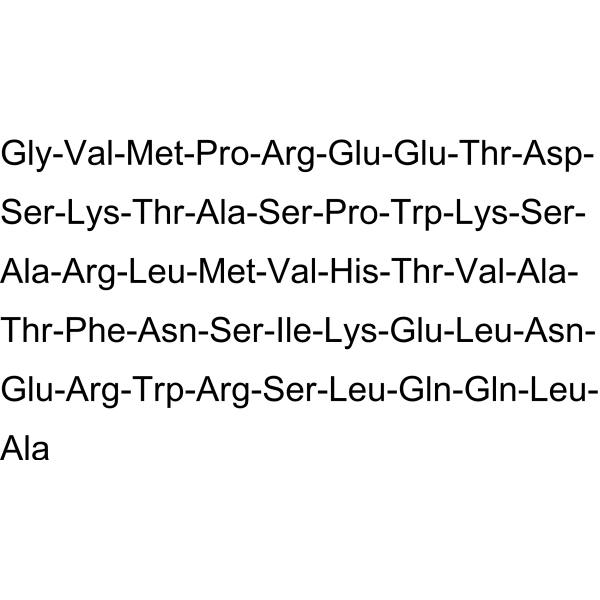
Calmodulin Binding Peptide 1 is a high-affinity (pM) CaM-binding peptide derived from smooth muscle myosin light chain kinase (MLCK peptide). The interface of the complex formed by Calmodulin Binding Peptide 1 and Ca 2+-CaM can be specifically bound by small-molecule inhibitors, serving as a key target for selective regulation of smooth muscle contraction and development of anti-CaM drugs .
|
-
- HY-P4126
-
|
|
Elastase
|
Others
|
|
Suc-Ala-Ala-Pro-Val-AMC is a fluorescent substrate for elastase. Suc-Ala-Ala-Pro-Val-AMC can be hydrolyzed by these elastases to release the fluorescent substance 7-amino-4-methylcoumarin. Suc-Ala-Ala-Pro-Val-AMC is used for in vitro elastase activity assays and can also be applied in studies related to chronic wounds .
|
-
- HY-P11194
-
|
|
Peptides
|
Others
|
|
Antifouling zwitterionic peptide is a zwitterionic peptide that shows good antifouling property. Antifouling zwitterionic peptide exhibits excellent biocompatibility. Antifouling zwitterionic peptide can be used for research on antifouling electrochemical biosensor for reliable detection of prostate specific antigen .
|
-
- HY-P10065
-
| Cat. No. |
Product Name |
Category |
Target |
Chemical Structure |
| Cat. No. |
Product Name |
|
Classification |
-
- HY-170528
-
|
|
|
DBCO
|
|
DBCO-PEG3-NHS is a biochemical assay reagent, that can be used to chemically modify proteins and antibodies with an alkynyl (DBCO) or N-hydroxysuccinimide (NHS) ester group. DBCO-PEG3-NHS can be used as a linker in PROTAC synthesis or for drug delivery and the development of biosensors and diagnostic reagents .
|
-
- HY-130913
-
|
|
|
Labeling and Fluorescence Imaging
Alkynes
|
|
5-FAM-Alkyne is a high selective and sensitive fluorescent biosensor for alkaline phosphatase (ALP) . 5-FAM-Alkyne is a click chemistry reagent, it contains an Alkyne group and can undergo copper-catalyzed azide-alkyne cycloaddition (CuAAc) with molecules containing Azide groups.
|
| Cat. No. |
Product Name |
|
Classification |
-
- HY-156829B
-
|
|
|
Polymers
|
|
PLGA-PEG-PLGA (hydrogel) (LA:GA 7:1) is a biodegradable thermosensitive hydrogel product that can undergo phase transition at a specific temperature. PLGA-PEG-PLGA (hydrogel) (LA:GA 7:1) can be widely used in drug delivery systems, tissue engineering, wound dressings, and biosensors. The gelation temperature varies with concentration. The gelation temperature varies with the concentration; the higher the concentration, the lower the gelation temperature .
|
-
- HY-156829J
-
|
|
|
Polymers
|
|
PLGA-PEG-PLGA (hydrogel) (LA:GA 3:1) (20% solution) is a biodegradable thermosensitive hydrogel product that can undergo phase transition at a specific temperature. PLGA-PEG-PLGA (hydrogel) (LA:GA 3:1) (20% solution) can be widely used in drug delivery systems, tissue engineering, wound dressings, and biosensors. The gelation temperature varies with the concentration; the higher the concentration, the lower the gelation temperature .
|
-
- HY-D2361
-
|
|
|
Nucleoside Analogs
Adenosine
|
|
Adenosine 2'-PEG-Biotin is a biochemical reagent derived from adenosine. Adenosine 2'-PEG-Biotin regulates cell signaling pathways by mimicking the effects of endogenous adenosine and binding to its receptors. Adenosine 2'-PEG-Biotin can be used in the research of bioprobes, biosensors and diagnostic reagents .
|
-
- HY-156829H
-
|
|
|
Polymers
|
|
PLGA-PEG-PLGA (hydrogel) (LA:GA 7:1) (20% solution) is a biodegradable thermosensitive hydrogel product that can undergo phase transition at a specific temperature. PLGA-PEG-PLGA (hydrogel) (LA:GA 7:1) (20% solution) can be widely used in drug delivery systems, tissue engineering, wound dressings, and biosensors. The gelation temperature varies with concentration. The gelation temperature varies with the concentration; the higher the concentration, the lower the gelation temperature .
|
-
- HY-156829E
-
|
|
|
Polymers
|
|
PLGA-PEG-PLGA (hydrogel) (LA:GA 7:1) (15% solution) is a biodegradable thermosensitive hydrogel product that can undergo phase transition at a specific temperature. PLGA-PEG-PLGA (hydrogel) (LA:GA 7:1) (15% solution) can be widely used in drug delivery systems, tissue engineering, wound dressings, and biosensors. The gelation temperature varies with concentration. The gelation temperature varies with the concentration; the higher the concentration, the lower the gelation temperature .
|
Your information is safe with us. * Required Fields.
Inquiry Information
- Product Name:
- Cat. No.:
- Quantity:
- MCE Japan Authorized Agent:

